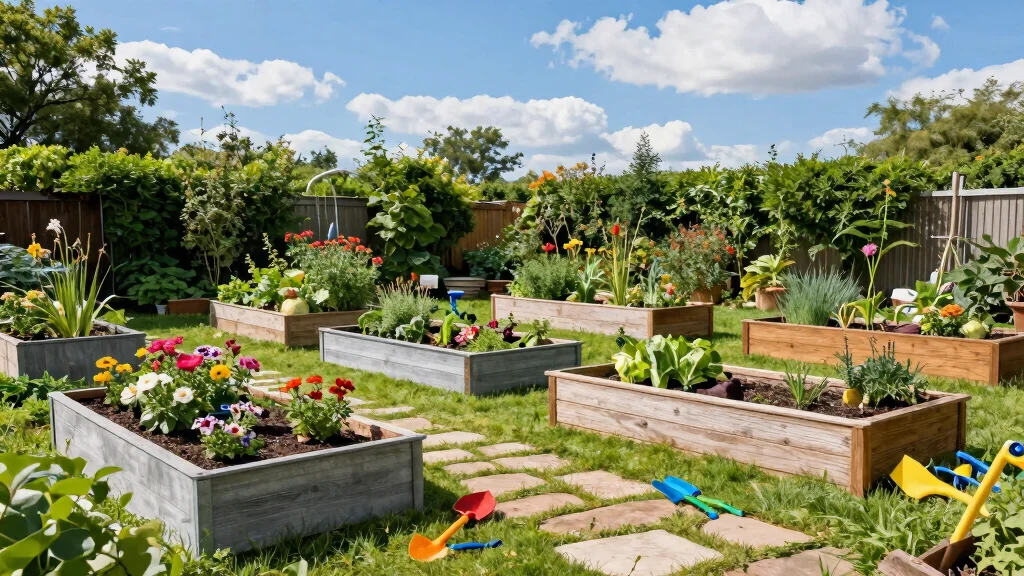
Gardening has a way of connecting us with nature, and this season has me craving creative ways to cultivate my green thumb. If you’re someone who loves to garden but struggles with limited space or drainage issues, this post is just for you. Raised garden beds can transform your planting experience, making it easier to manage your plants while adding style to your outdoor space.
I’ve pulled together 14 unique raised garden bed ideas that are not only functional but also visually appealing. From eco-friendly pallet planters to modern metal beds, each idea aims to enhance your gardening journey. You’ll discover practical tips for better drainage and innovative planting techniques that will ensure your vegetables thrive. Whether you’re an experienced gardener or just starting, you’ll find inspiration that suits your style and space.
Let’s dig into these ideas, so you can create a garden that’s not only productive but also a joy to behold.
Key Takeaways
– Explore 14 creative raised garden bed designs, each catering to different styles and space limitations.
– Learn about various garden bed materials, including wood, metal, and composite options, for better durability and aesthetics.
– Discover effective vegetable gardening tips that include drainage solutions and planting techniques to boost your gardening success.
– Uncover vertical gardening methods, perfect for smaller areas, allowing you to maximize your growing space.
– Get inspired by multifunctional designs like planter benches and educational garden beds, making gardening a fun and engaging experience for all.
1. Stacked Wooden Planters
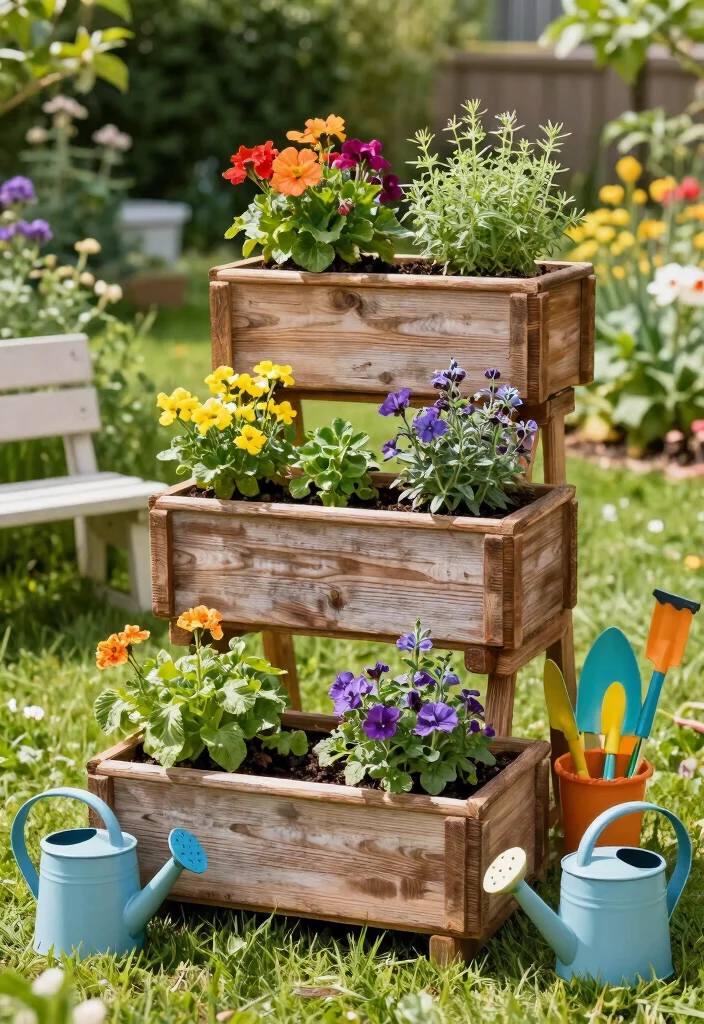
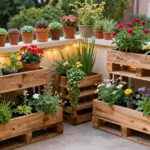
If you’re looking to maximize your garden’s vertical space, stacked wooden planters are the way to go. They bring a rustic charm while giving you plenty of room to grow various plants, from vibrant flowers to aromatic herbs. Made from reclaimed wood, these planters are eco-friendly and add character to your outdoor space.
To get the most out of your stacked planters, start by selecting rot-resistant wood to ensure longevity. Layer each section with rich soil and compost, which will not only nourish your plants but also improve drainage. Consider integrating a drip irrigation system for consistent watering, making maintenance a breeze.
Key benefits of stacked wooden planters:
– Encourages excellent drainage with a multi-layered design.
– Simplifies harvesting and plant care.
– Serves as a striking focal point in your garden.
By adding colorful flowers and herbs, you’ll not only beautify your space but also attract beneficial pollinators, creating a thriving garden ecosystem.
2. Metal Raised Beds with a Modern Twist
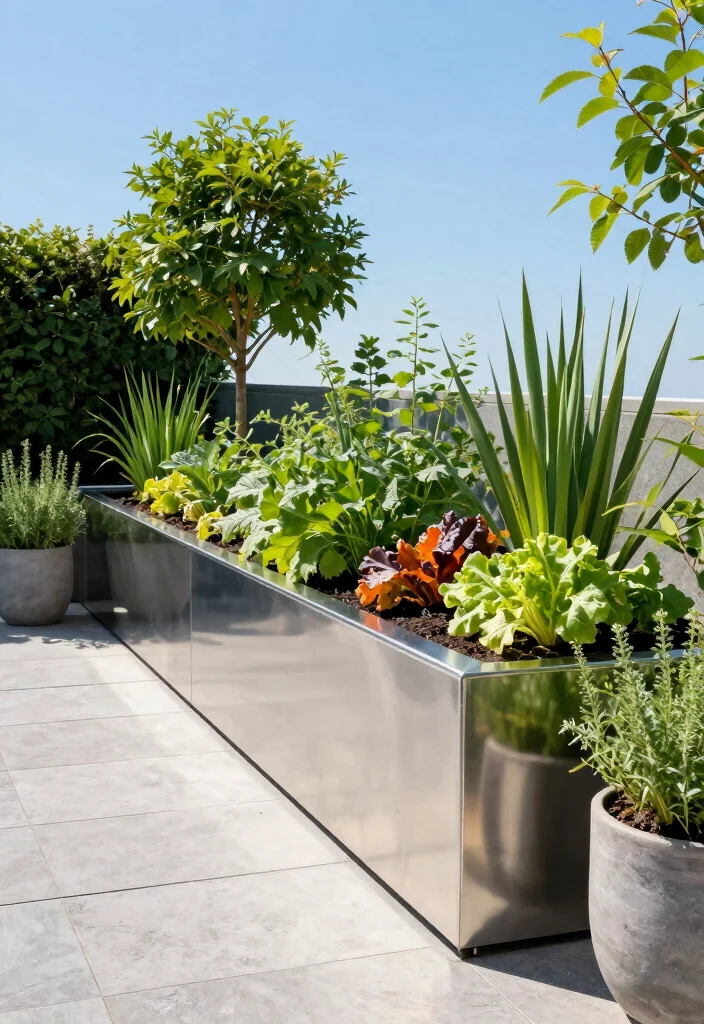
For those who appreciate a contemporary aesthetic, metal raised beds can redefine your gardening experience. Available in various heights and shapes, these durable containers add a sleek touch to any garden. Plus, their ability to retain heat can give your plants a warm, nurturing environment.
To make the most of your metal raised beds, position them in a sunny area to maximize growth. Lining the insides with burlap or landscape fabric helps retain soil while preventing erosion. Keep the design minimalistic and elegant to enhance the overall look of your garden.
Benefits of choosing metal raised beds:
– Offers long-lasting durability and pest resistance.
– Heat retention can extend your growing season.
Imagine growing vibrant tomatoes and peppers in these stylish beds, creating a lively display that delights the eye and taste buds!
3. Tiered Vertical Garden Frameworks
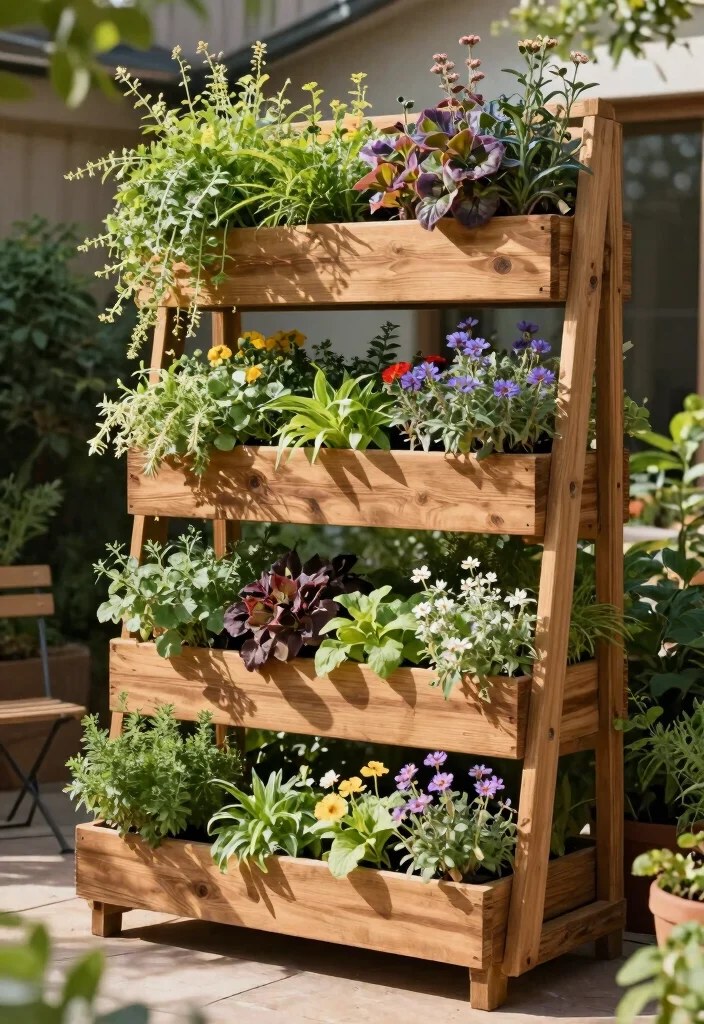
If you’re short on space, tiered vertical garden frameworks are a fantastic solution that allows for abundant planting without taking up much ground. Constructed from wood or metal, these frameworks offer multiple levels, perfect for growing everything from herbs to strawberries, enhancing both form and function.
To set up your tiered garden, opt for lightweight soil to maintain stability and prevent tipping. Adding a drip irrigation system can further streamline your watering routine. Choose cascading plants to create a lush, green appearance that’s visually captivating.
Key advantages of tiered vertical gardens:
– Perfect for maximizing space in compact areas.
– Easy access makes watering and harvesting a breeze.
This clever design brings a touch of greenery to even the tiniest urban spaces, transforming balconies or patios into flourishing gardens.
Did you know a well-built tiered vertical garden can multiply your planting space by 3x in a tiny balcony? As part of raised garden bed ideas for small spaces, lightweight soil and a simple drip irrigation setup let you grow herbs, greens, and strawberries across 4 levels without tipping over.
How To Choose the Right Raised Garden Bed
When selecting the perfect raised garden bed, you want to ensure it meets your gardening needs. The right choice can make planting easier, improve drainage, and add style to your outdoor space. Here are some key points to consider:
1. Size
Consider how much space you have and what you plan to grow. Raised garden beds come in various sizes, from small containers to larger plots. Make sure to measure your available area and think about the types of plants you want to grow. For instance, a bed that’s 4 feet by 8 feet is a great size for a vegetable garden, allowing enough room to reach the center without stepping inside.
2. Material
The material of your raised garden bed affects durability and aesthetics. Common options include wood, metal, and composite materials. Wooden beds are affordable and blend well with nature, but they may rot over time. Meanwhile, metal beds offer longevity and a modern look, while composite materials provide a balance of durability and environmental friendliness. Choose a material that fits your style and budget.
3. Drainage Solutions
Proper drainage is crucial for healthy plant growth. Ensure your raised garden bed has a drainage system to prevent waterlogging. You can achieve this by adding gravel at the bottom or selecting a design with built-in drainage. If you’re choosing a container, ensure it has drainage holes. This will help your plants thrive, preventing root rot and promoting healthy growth.
4. Planting Techniques
Think about how you want to plant in your raised bed. Some beds are designed for traditional planting with soil, while others might be better suited for container gardening or vertical planting systems. If you’re interested in growing a variety of plants together, consider a tiered or stacked design. This allows for diverse planting and better use of space.
5. Budget
Determine how much you want to spend on your raised garden bed. Prices can vary significantly based on size, material, and design. Set a budget before you start shopping. This will help you narrow down your options and avoid overspending. Remember, investing in quality materials can save you money in the long run as they last longer and require less maintenance.
6. Style and Aesthetics
Consider how the raised garden bed will look in your backyard. You want it to complement your existing garden style. Whether you prefer a rustic wooden bed or a sleek metal design, choose a style that resonates with your taste. A stylish garden bed can enhance your outdoor space and make gardening even more enjoyable.
Pro Tip: Take time to visualize your garden’s layout before purchasing. Sketch out your space and note where the sun shines throughout the day. This will help you position your raised garden bed for optimal sunlight exposure, ensuring your plants grow strong and healthy!
By carefully considering these factors, you can choose the right raised garden bed that enhances your gardening experience and adds value to your outdoor space. Happy gardening!
4. Pallet Planters for Eco-Friendly Gardening
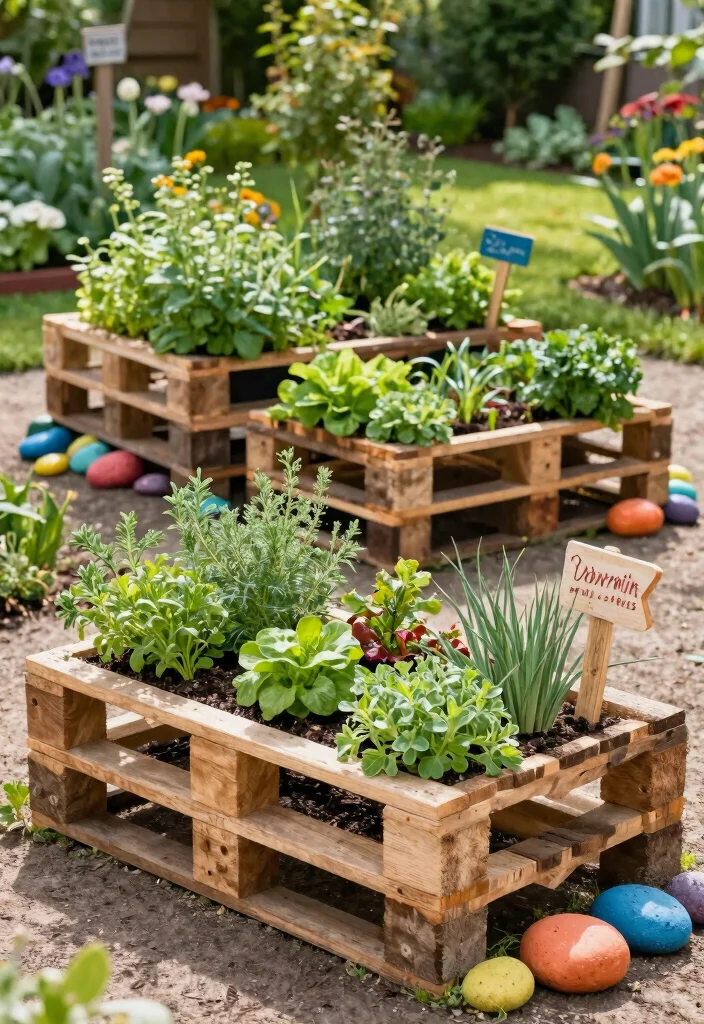
Pallet planters are a clever and budget-friendly way to create raised beds while promoting sustainability. By repurposing shipping pallets, you can design unique garden structures that fit your personal style. Whether you prefer a vertical or horizontal setup, these planters offer versatility and creativity.
Before you start, ensure your pallets are safe for planting by avoiding those treated with harmful chemicals. Lining the interior with landscape fabric helps keep the soil contained while preventing weeds. Ideal for herbs and small vegetables, these planters make gardening accessible and enjoyable.
Benefits of using pallet planters:
– An affordable and eco-conscious gardening option.
– Highly customizable to suit your space.
Pallet planters not only cut costs but also add a charming, rustic element to your garden, making it a delightful spot for gardening enthusiasts.
5. Self-Watering Raised Beds
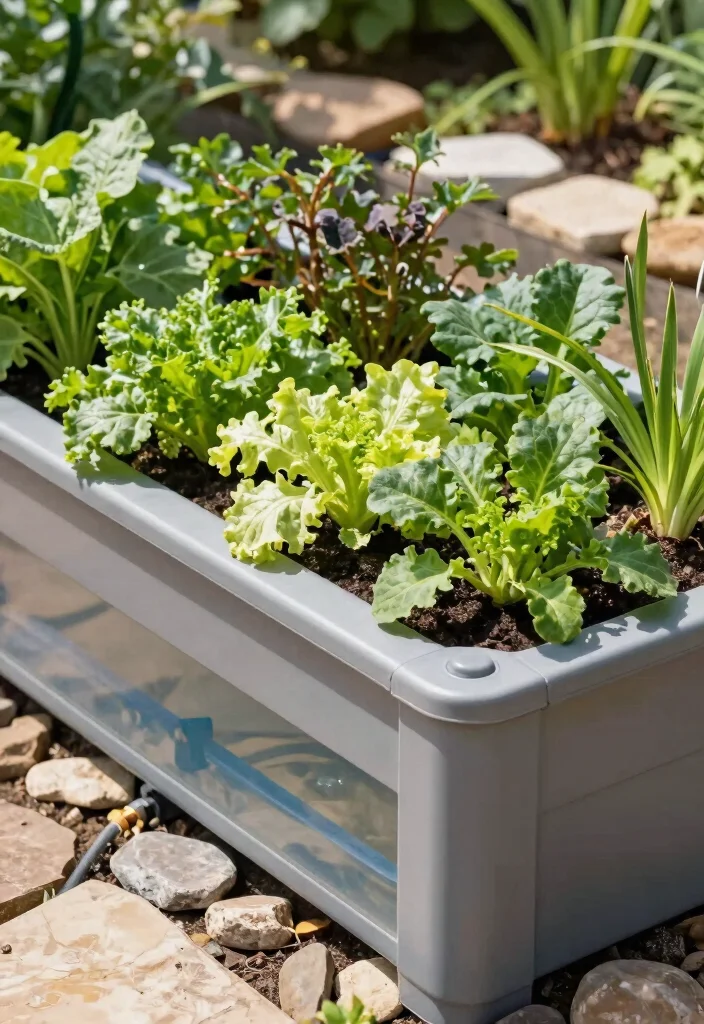
Simplifying your watering routine is easy with self-watering raised beds, a perfect solution for busy gardeners. These beds incorporate a reservoir system that keeps moisture consistent, ensuring your plants thrive even during hot weather.
When selecting materials, prioritize durability and climate resistance to enhance longevity. Adding a layer of mulch on top can help retain moisture and reduce the need for frequent watering. Regularly check water levels to ensure your plants always have enough hydration.
Key benefits of self-watering beds:
– Reduces the need for constant watering.
– Prevents the issues of over and underwatering.
This innovative approach allows you to enjoy a flourishing garden without the stress of complicated watering schedules!
6. Colorful Composite Material Beds
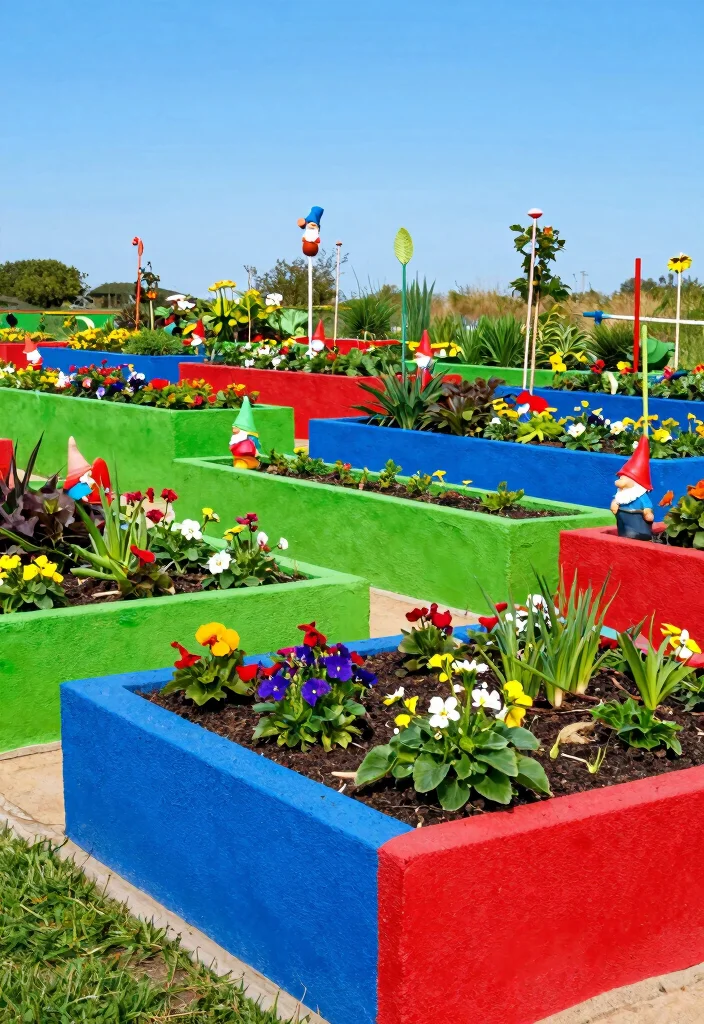
Composite material beds present a vibrant, durable alternative to traditional garden beds. Available in a variety of colors, these beds not only enhance your garden’s visual appeal but are also made from recycled materials, making them eco-friendly and resistant to rot.
When choosing composite beds, ensure they have UV resistance to prevent fading over time. Pair these beds with colorful plants and accessories to create a cohesive and lively garden atmosphere. Using high-quality soil ensures your plants flourish and thrive.
Benefits of composite material beds:
– Extremely long-lasting with minimal upkeep.
– A wide range of colors to match your garden’s theme.
With composite beds, you can inject personality into your outdoor space while nurturing a beautiful, vibrant garden!
7. Vertical Hydroponic Systems
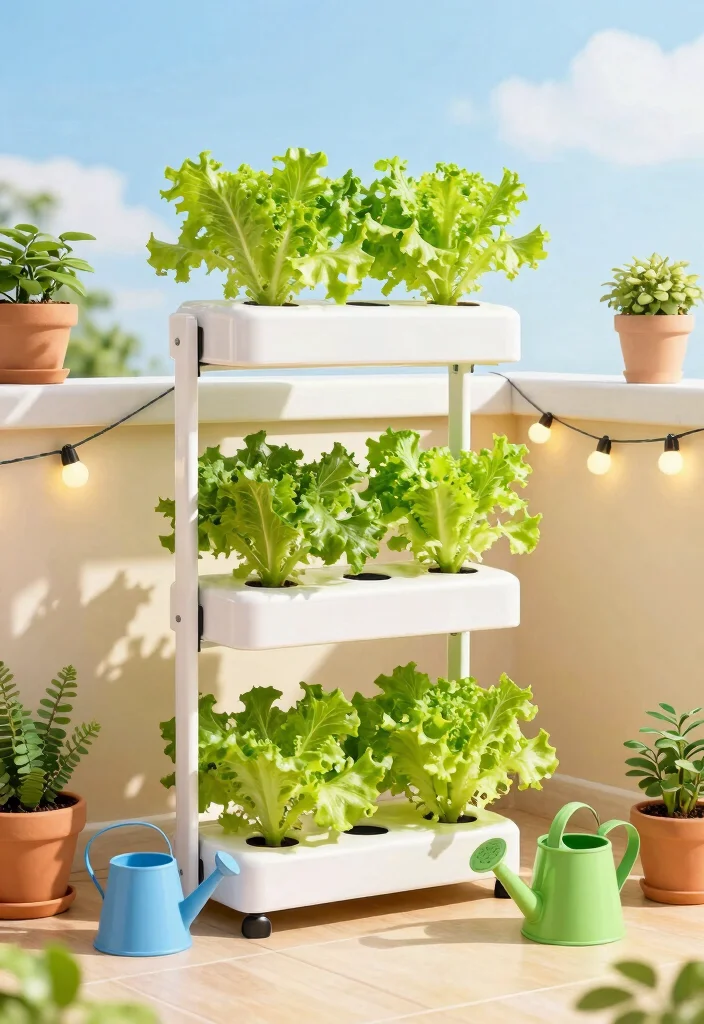
Vertical hydroponic systems offer a unique method for growing plants without soil, making them ideal for compact spaces. These systems utilize pipes or containers to circulate nutrient-rich water, allowing you to grow a variety of greens, herbs, and even strawberries.
For successful hydroponics, ensure your plants receive adequate light, especially if you’re setting up indoors—consider using grow lights. Regularly monitor nutrient levels to maintain plant health, and don’t hesitate to experiment with different varieties to discover what works best for you.
Key benefits of hydroponic systems:
– Conserves water and eliminates soil-borne pests.
– Flexible setup for indoor or outdoor gardening year-round.
This innovative growing method not only maximizes space but also opens the door to year-round cultivation of fresh produce right in your home!
If you thought small spaces couldn’t yield big harvests, think again. Vertical hydroponic systems stretch every inch—grow greens, herbs, and even strawberries indoors with a little light and steady nutrients. It’s all about smart, practical raised garden bed ideas you can actually use.
8. Corner Garden Beds Maximizing Space
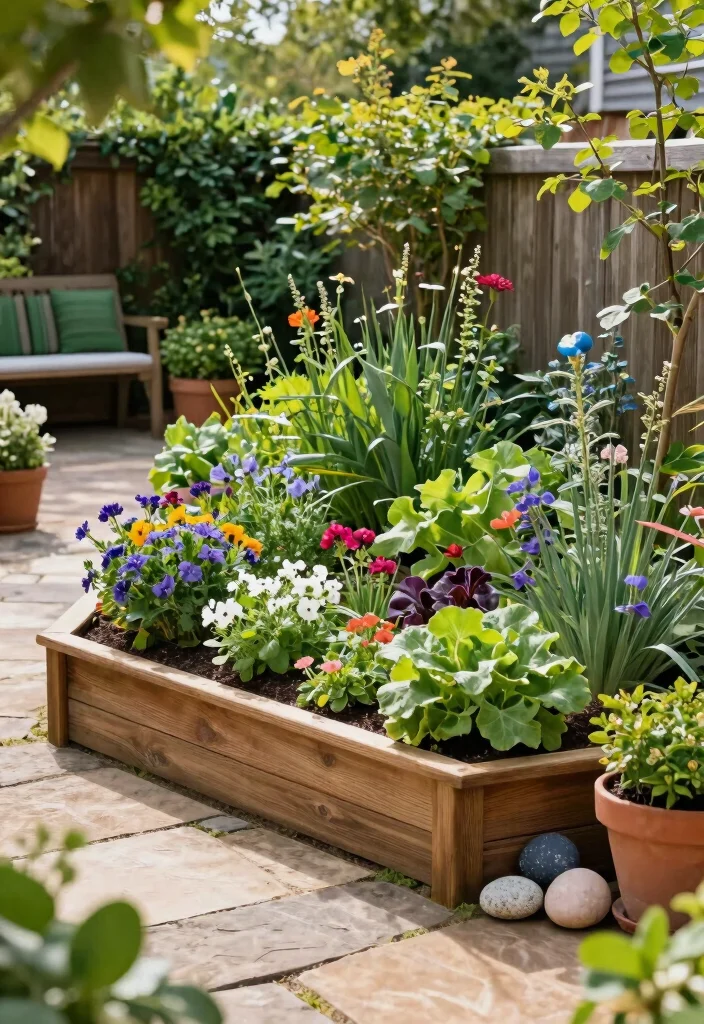
Transforming neglected corner spaces into productive areas can significantly enhance your gardening layout. Corner raised beds fit snugly into these areas, maximizing planting potential without overwhelming your yard. Designed as L-shaped structures, they are especially effective for companion planting, helping to boost growth and deter pests.
For construction, select sturdy materials that can withstand the elements. Incorporate diverse plants to fully utilize the space, and create pathways around the beds to facilitate maintenance and accessibility.
Benefits of corner garden beds:
– Efficient use of limited space in small yards.
– Improves the overall layout and flow of your garden.
By utilizing those often-overlooked corners, you can expand your gardening possibilities and add unique character to your outdoor haven!
9. Recycled Container Gardens
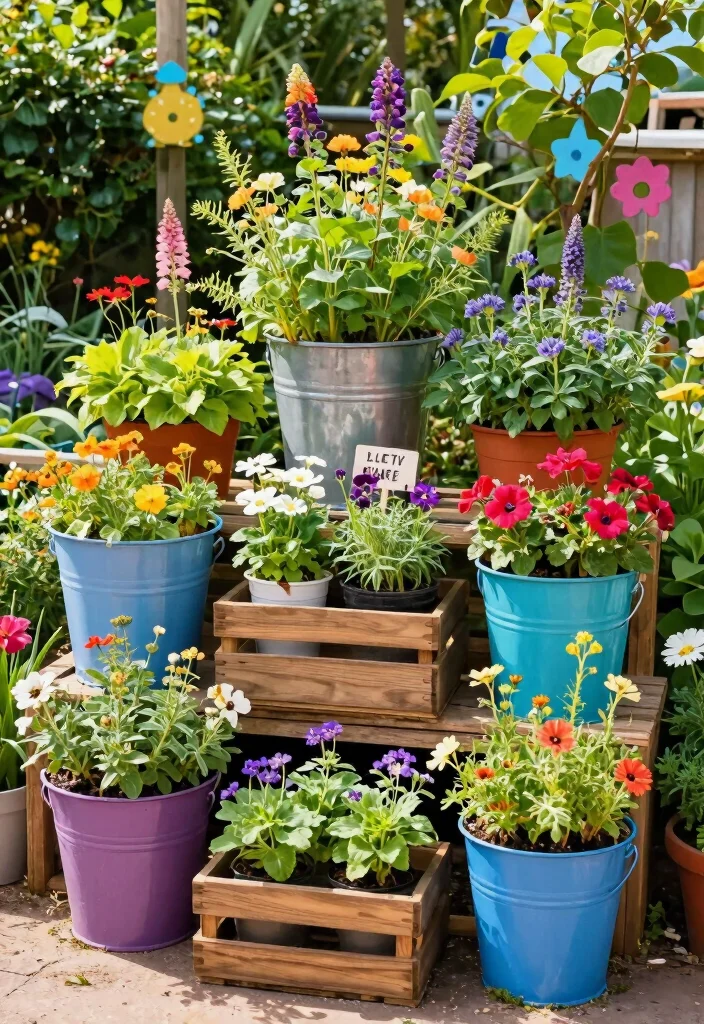
Recycled containers present a delightful opportunity for budget-conscious gardeners to create charming raised beds. Old buckets, crates, or even bathtubs can become whimsical garden plots that not only reduce waste but also add personal flair to your gardening space.
Ensure that any containers you use have proper drainage holes to support healthy plant growth. Grouping various containers together creates a captivating display, mixing different colors and sizes for visual interest.
Benefits of recycled container gardens:
– An imaginative and eco-friendly gardening approach.
– Ideal for small spaces and diverse plantings.
With recycled container gardens, you can let your creativity shine while cultivating a unique and vibrant gardening experience!
10. Green Wall Planters
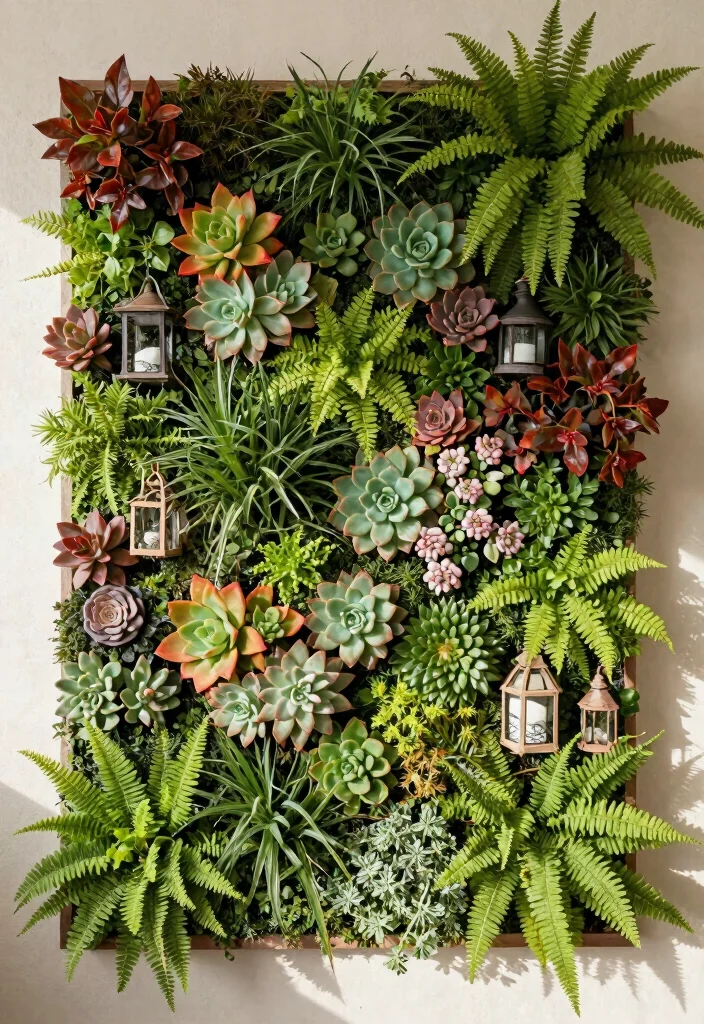
Green wall planters offer a stunning way to turn bland walls into living art pieces. These vertical garden systems can host a variety of plants, from succulents to herbs, making them perfect for urban spaces with limited ground area.
To ensure the success of your green wall, provide proper support and drainage for your plants. Using lightweight soil prevents strain on the wall, while incorporating a mix of textures and colors enhances the visual impact.
Benefits of green wall planters:
– Maximizes space while beautifying vertical surfaces.
– Encourages creative plant arrangements for added appeal.
Creating a green wall not only elevates your space but also serves as a beautiful conversation starter for visitors!
11. Portable Raised Garden Beds
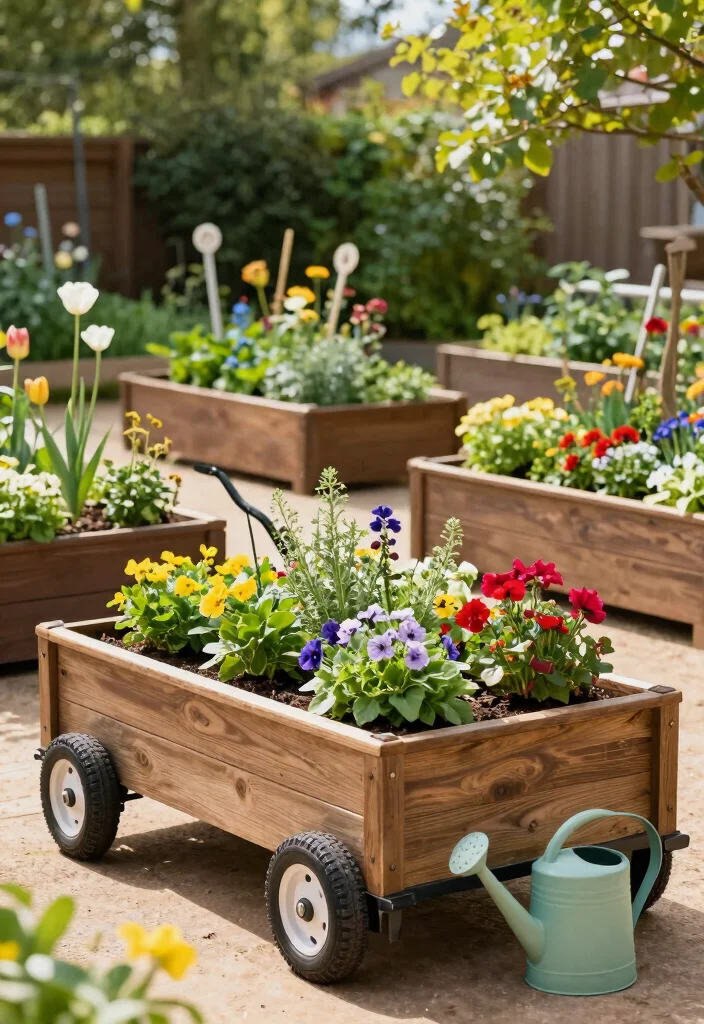
Portable raised garden beds offer incredible flexibility for gardeners looking to adjust their layouts seasonally. Constructed from lightweight materials, these beds are easy to transport and reposition, making them perfect for those who like to change their garden designs frequently.
When selecting portable beds, choose sturdy materials that can endure movement. Incorporate wheels or handles for effortless transport, and ensure you use quality soil and drainage materials to keep your plants healthy during transitions.
Key benefits of portable raised beds:
– Adaptable to shifting gardening conditions.
– Ideal for renters or those with limited outdoor space.
With portable raised beds, you can experiment with your gardening layout to optimize conditions and enjoy the freedom of a versatile outdoor space!
Fun fact: portable raised garden beds embrace practical raised garden bed ideas, letting you roll them to sun or shade in seconds. Use wheels or handles and sturdy materials for easy shifting, then fill with quality soil for thriving plants in small spaces.
12. Multi-Functional Planter Benches
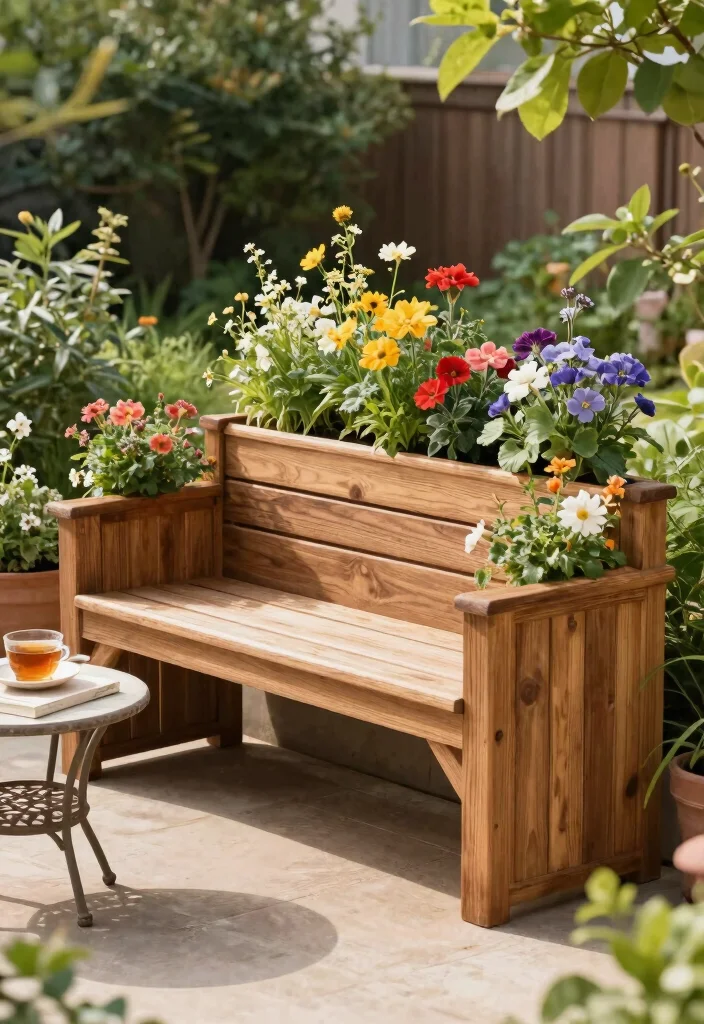
For those who enjoy combining relaxation with gardening, multi-functional planter benches are an excellent choice. Designed with built-in planters, these benches allow you to enjoy blooming flowers while providing a cozy seating area, making them perfect for small gardens or patios.
To ensure longevity, select weather-resistant materials that can withstand outdoor conditions. Opt for low-maintenance plants for easy care, and position your bench in a sunlit area to maximize enjoyment.
Benefits of planter benches:
– Combines practicality with visual appeal.
– Promotes outdoor relaxation amid nature.
Planter benches can elevate your outdoor space into a stylish garden retreat where you can unwind surrounded by the beauty of blooming plants!
13. Raised Beds with Built-in Trellises
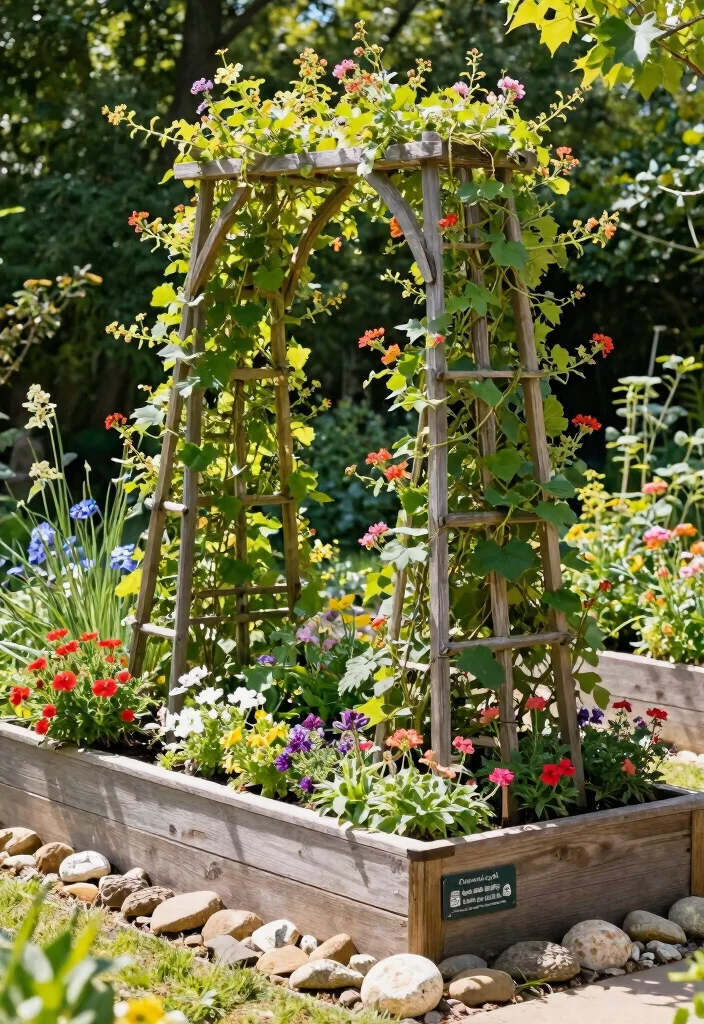
Adding built-in trellises to your raised garden beds is a smart way to save space and introduce height to your plantings. Ideal for climbing plants like cucumbers and peas, these trellises keep your garden neat while creating an attractive visual focal point.
Select sturdy materials for the trellis to effectively support climbing plants and train them to create a cohesive, beautiful look. Ensure the raised bed is placed in a sunny area to promote optimal growth.
Benefits of raised beds with trellises:
– Maximizes vertical planting potential.
– Enhances air circulation for healthier plants.
Trellised raised beds can elevate your gardening experience by harmonizing functionality with aesthetics, making your garden a beautiful retreat!
14. Interactive Educational Garden Beds
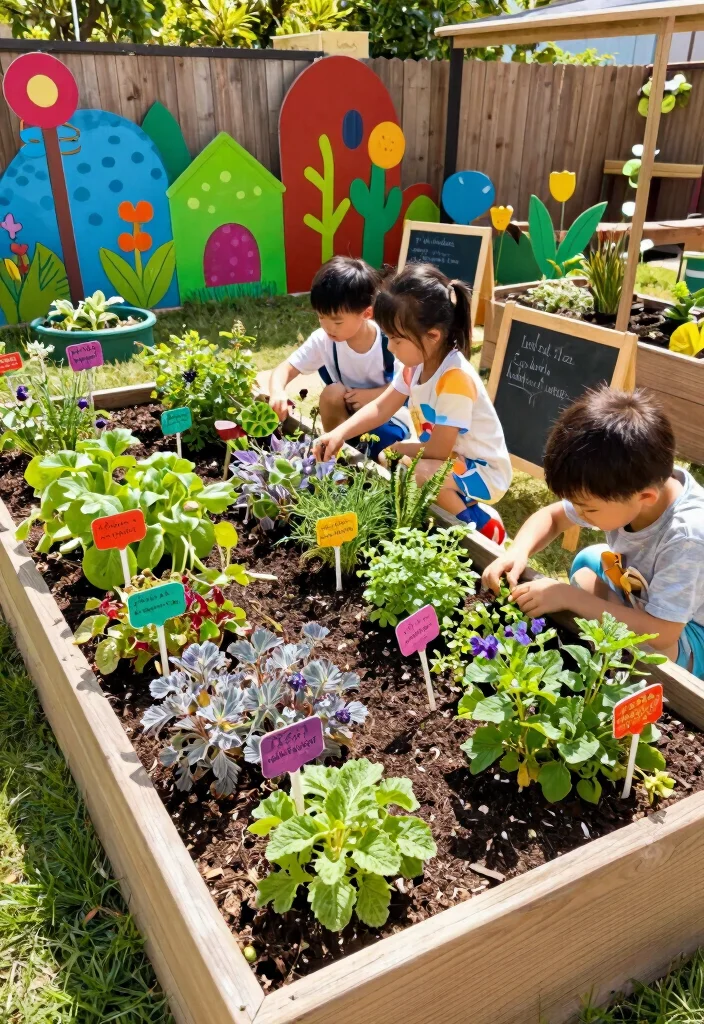
Interactive educational garden beds are a fantastic way to engage children and new gardeners in the joys of gardening. Equipped with built-in charts or plant identifiers, these beds make learning fun and hands-on, and adding sensory elements can further enhance the experience.
Incorporate a variety of sensory plants, such as fragrant herbs and textured foliage, to stimulate curiosity. Setting up a small seating area allows for workshops or discussions, fostering a community feel. Bright and colorful signage can help make information accessible and engaging.
Benefits of interactive garden beds:
– Promotes learning and exploration in gardening.
– Perfect for schools or community gardening projects.
Creating an interactive garden not only nurtures plants but also fosters knowledge and appreciation for nature among all who participate!
Conclusion
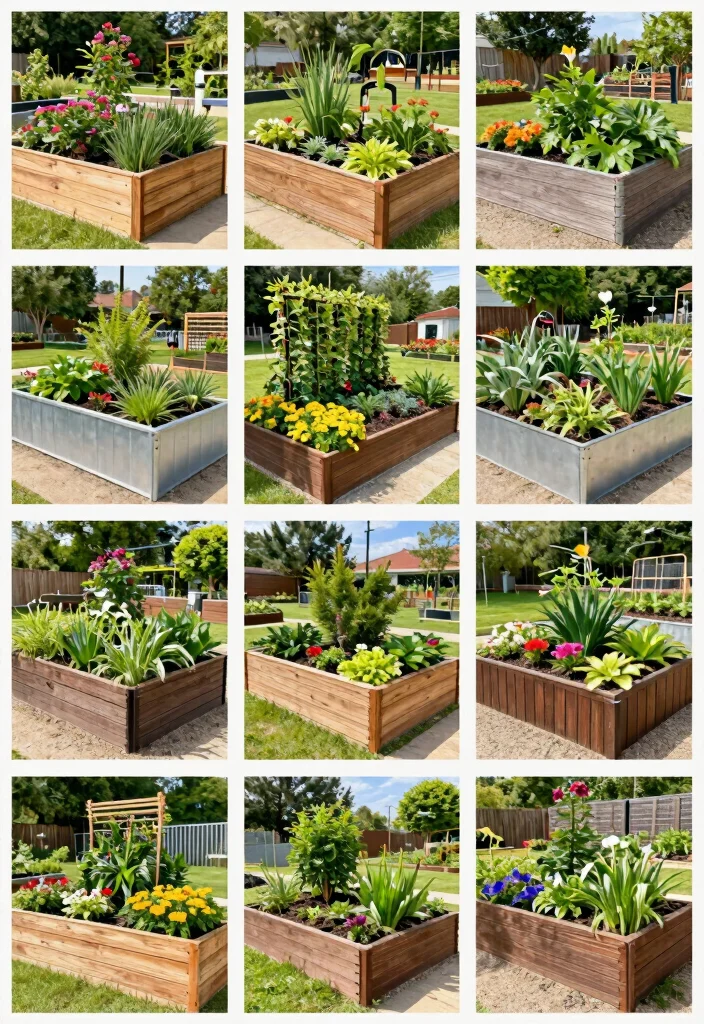
Transforming your garden with raised beds opens up endless possibilities for creativity and functionality.
From eco-friendly pallet planters to modern metal beds, there’s a design to suit every gardener’s need, especially in small spaces. Embrace these innovative ideas and enjoy the journey of planting, growing, and nurturing your own little green paradise!
Frequently Asked Questions
What are the most effective vertical raised garden bed ideas for small spaces to maximize planting and drainage?
Vertical raised bed ideas for small spaces transform tight corners into productive green corners. Start with a wall mounted planter or a freestanding vertical tower built from durable garden bed materials like cedar, composite, or powder coated metal. Make sure each pocket has good drainage to support strong roots with drainage solutions. A drip irrigation line or a compact soaker hose keeps soil evenly moist without overwatering. These raised garden bed ideas save space, improve accessibility, and work well with vegetable gardening tips for compact setups.
How should I choose garden bed materials to improve drainage and longevity?
Choosing the right garden bed materials is key for drainage and durability. Cedar naturally resists rot, while composite boards resist warping and last longer. Avoid pressure treated lumber near edible crops or seal it properly. Consider metal options for urban, modern looks, but be mindful of heat. Line beds with breathable fabric or a liner to protect soil and prevent chemical leaching. Create a bottom drainage layer with coarse gravel or crushed rock, add geotextile fabric, and ensure proper height for vegetable growing. With the right drainage solutions and materials, your raised bed drainage stays effective for years.
What vegetable gardening tips work best in raised beds for quick, healthy harvests?
Raised beds create ideal conditions for vegetables when you tune your soil, water, and spacing. Start with a high quality soil mix rich in compost, aim for a depth of at least 12 inches for most vegetables, and top with mulch. Plant using proper spacing to avoid crowding and use vertical supports for climbers. Water deeply and evenly, preferably with a soaker hose or drip irrigation. Rotate crops each season to prevent soil-borne diseases. Embrace planting techniques such as succession planting and intercropping. These raised garden bed ideas translate into practical vegetable gardening tips for steady harvests.
What garden bed designs balance style and function in compact spaces?
Look for garden bed designs that use vertical space as a first priority: tiered or stepped beds, corner shelves, or a trellis integrated into the bed to support vines. Choose materials that match your style and climate, like cedar for a natural look or powder coated metal for a modern vibe. Use color accents, matching edging, and neat paths to keep the space accessible. Small space designs often pair a bench with a built in planter, turning a petite corner into a mini patio garden. These raised garden bed ideas achieve both function and style.
What drainage solutions should I implement in raised beds to prevent root rot and waterlogging?
Good drainage starts with a clear plan. Ensure your beds have drainage holes or bottom outlets and a bottom layer of coarse gravel or crushed rock. Use a breathable liner or landscape fabric to separate soil from the drainage layer while preventing soil from clogging the base. Build the bed with a slight slope away from structures and avoid overwatering; a drip or soaker system helps target moisture at the root zone. Mulch to reduce evaporation and maintain even moisture. Regularly check for standing water after heavy rain and adjust your watering schedule. These drainage solutions keep your roots happy and your raised garden bed ideas thriving in any season.