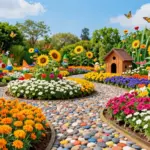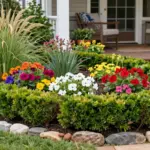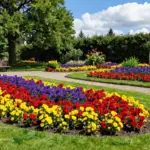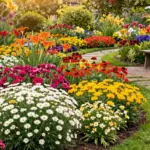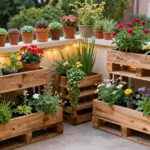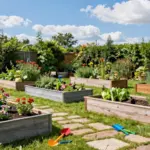
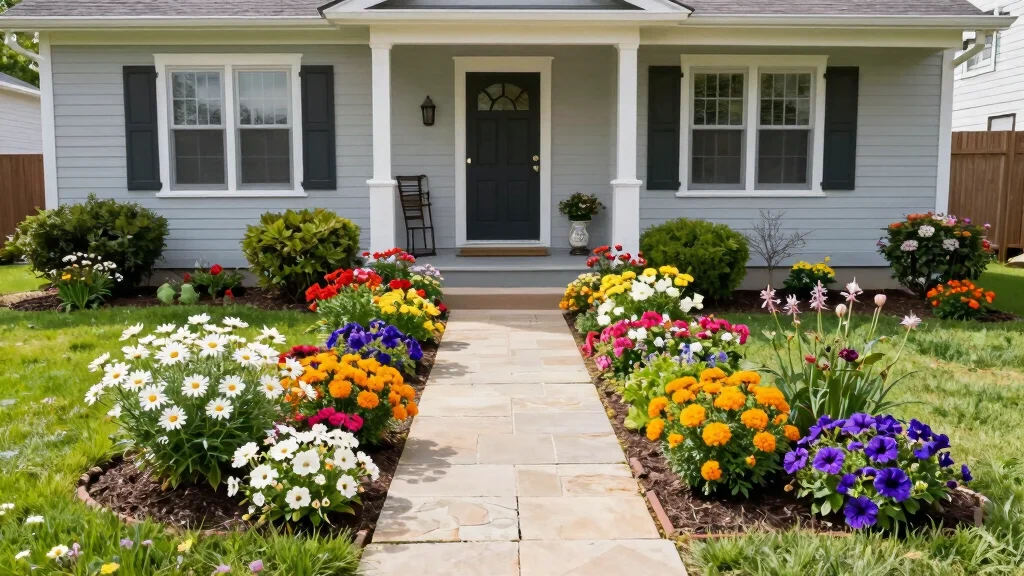
Creating a beautiful front yard can sometimes feel overwhelming, especially when space is limited. I’ve been there, craving a lush, vibrant garden without the hours of upkeep. That’s why I put together these 10 small flower bed ideas in front of your house. These concepts are designed to boost your home’s curb appeal instantly and add a welcoming touch to your entrance.
If you’re someone who appreciates the charm of a well-maintained front yard but doesn’t have the time or resources for extensive landscaping, this post is for you. Whether you’re a busy homeowner, a gardening novice, or simply someone looking to spruce up your property, you’ll find ideas that cater to your needs. From seasonal flowers to low-maintenance native plants, I’ve curated options that are not only aesthetic but also practical.
By the end of this guide, you’ll walk away with inspiration for transforming your front yard into a stunning showcase. These small flower bed ideas are designed to fit various styles and preferences, ensuring you can create a space that’s uniquely yours. Let’s dive in and explore how you can enhance your home’s first impression.
Key Takeaways
– Explore small flower bed ideas that fit any front yard, making it more inviting and visually appealing.
– Learn about low-maintenance flower options that require less upkeep while still delivering beauty.
– Discover seasonal flowers that add color and interest throughout the year, keeping your garden fresh.
– Understand the benefits of incorporating native plants that thrive in your local environment and attract beneficial wildlife.
– Get tips on mixing plants for a dynamic look, ensuring your flower beds stand out and complement your home.
1. Native Plant Gardens
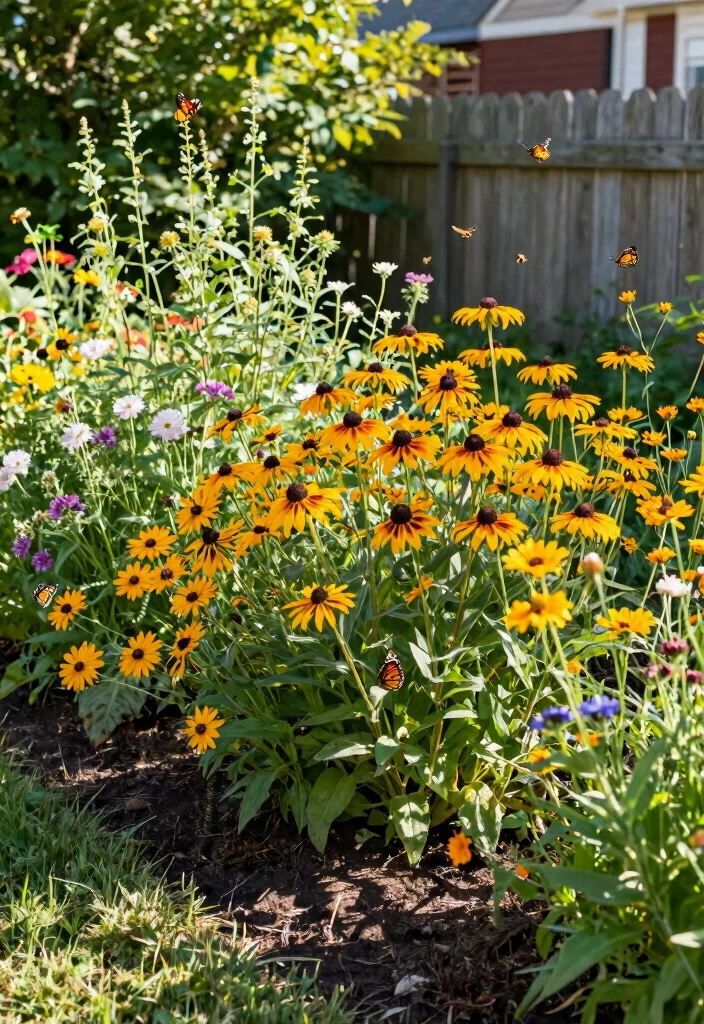
Create a stunning flower bed using native plants that thrive naturally in your area. These plants not only add beauty but also support local wildlife, such as butterflies and birds, making your garden a lively habitat. Consider vibrant options like coneflowers, black-eyed Susans, and coreopsis for a colorful and low-maintenance display. Their hardiness means they require less water and care, making them a sustainable choice for your garden.
Start by choosing plants that are suited to your soil and climate. Group similar plants together for a cohesive look, and use natural mulch to retain moisture and keep weeds at bay. This approach not only simplifies maintenance but also enhances your garden’s overall health.
Key Benefits:
– Require minimal watering once established
– Attract local pollinators like bees and butterflies
– Naturally resistant to pests and diseases
Plant Suggestions:
– Coneflowers (Echinacea)
– Black-eyed Susans (Rudbeckia)
– Coreopsis
By choosing native plants, you’ll create an eco-friendly flower bed that enhances both the beauty of your yard and local biodiversity.
2. Rock Garden Flower Beds
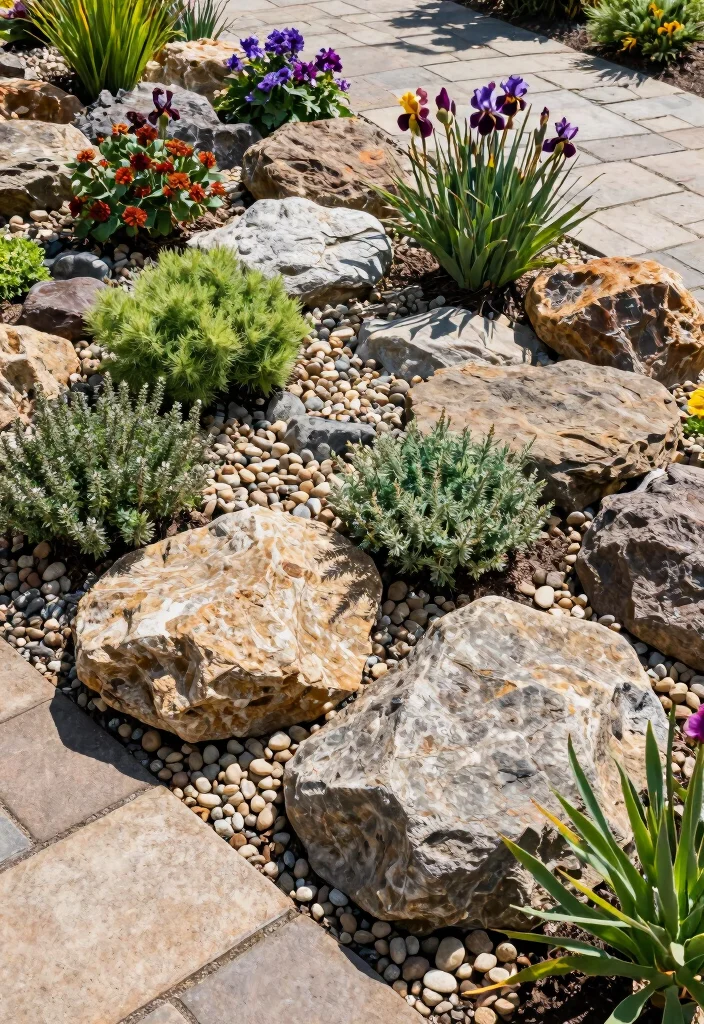
Rock gardens are an ideal choice for those wanting a unique look with minimal upkeep. By integrating stones, you add texture and depth, allowing hardy plants to flourish with ease. Consider vibrant flowers like sedum, thyme, and dwarf irises for a colorful contrast against the rocks. These plants thrive in well-drained soil and need little water, making them perfect for a low-maintenance garden.
To get started, mix large stones with smaller gravel for a visually appealing layout. Choose flowers that bloom in different seasons to ensure your garden remains lively all year. This strategy not only beautifies your space but also offers an effortless gardening experience.
Key Features:
– Ensures excellent drainage
– Reduces watering needs significantly
– Creates an eye-catching natural landscape
Plant Suggestions:
– Sedum
– Creeping Thyme
– Dwarf Irises
A rock garden not only transforms your front yard but also complements your lifestyle with its low-maintenance appeal.
How To Choose the Right Small Flower Bed Ideas in Front of House
Choosing the right small flower bed ideas for your front yard can transform the look of your home and enhance curb appeal. With so many options available, it’s essential to consider a few key factors to ensure that your flower bed not only looks good but is also easy to maintain. Here’s a guide to help you make the best choice for your front yard landscaping.
1. Size and Location
Before you start planting, measure the space you want to use. Think about how big you want your flower bed to be. A small flower bed should typically range from 2 to 4 feet wide, giving you enough room for plants while keeping maintenance manageable. Ensure that the location gets adequate sunlight, as most flowers thrive in full sun, which is generally 6-8 hours a day.
2. Plant Selection
Choose flowers that suit your climate and soil conditions. Native plants are a great choice since they require less water and care. Consider using a mix of perennials and seasonal flowers to achieve continuous blooms throughout the year. Perennials like daylilies or coneflowers come back every year, while seasonal flowers, such as petunias or marigolds, add pops of color in warmer months. Make sure to check the height and spread of each plant to avoid overcrowding.
3. Color Palette
When planning your flower bed, select a color scheme that complements your house. You can opt for a monochromatic look, using different shades of one color, or a vibrant mix of colors for a cheerful appearance. Using contrasting colors can also make a bold statement. Keep in mind that flowering plants will look different in various seasons, so consider how your design will change throughout the year.
4. Maintenance Requirements
Understand the level of maintenance each plant requires. If you prefer low-maintenance options, consider opting for drought-resistant plants like succulents or ornamental grasses. Some flowers may need regular deadheading, while others are self-cleaning. Make sure to choose plants that fit your available time for upkeep. If you want a flower bed that requires minimal attention, a rock garden or a succulent bed might be ideal.
5. Mulching and Soil
Good soil is vital for plant health. Before planting, amend your soil with compost or peat moss to improve drainage and nutrients. After planting, applying mulch can help retain moisture and suppress weeds. Use organic mulch like wood chips or bark as it breaks down over time and enriches the soil.
6. Budget Considerations
Your budget will play a significant role in your flower bed design. Determine how much you’re willing to spend on plants, soil amendments, and any decorative elements like edging or stones. Consider starting small and expand your flower bed over time to spread out costs. Local nurseries often have sales, so look for discounts to save money. You can also propagate plants from cuttings or seeds to reduce expenses.
Pro Tip: Create a seasonal planting plan! By knowing which flowers bloom at different times of the year, you can ensure that your flower bed is always looking fresh and vibrant. This way, you can enjoy beautiful blooms throughout the seasons and maintain your home’s curb appeal all year long.
3. Container Flower Beds
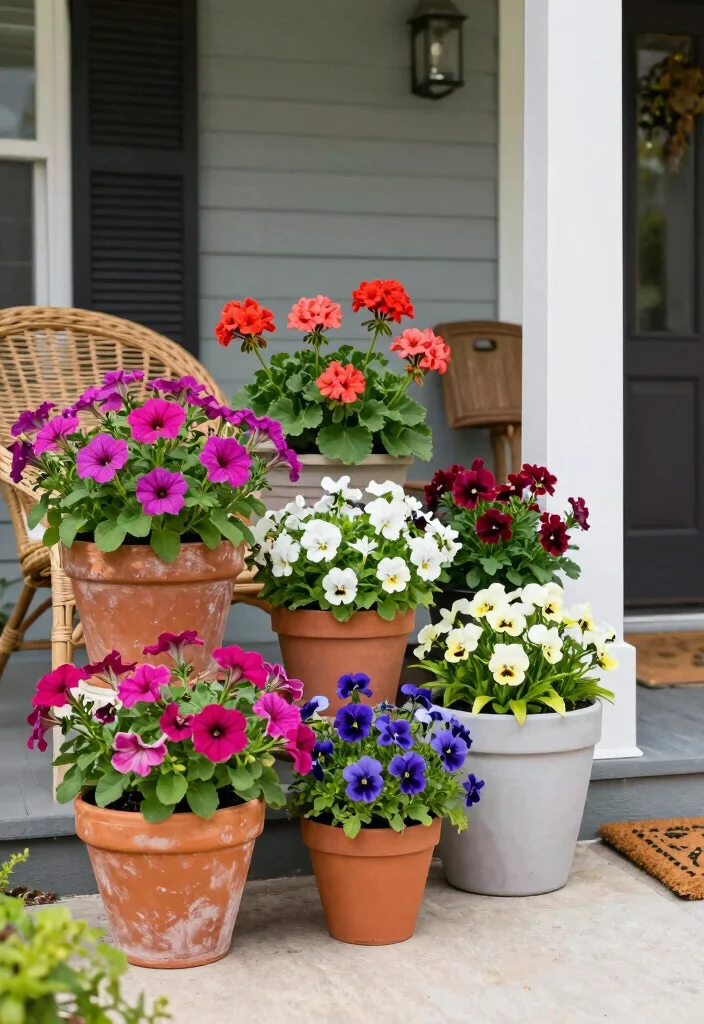
Container gardening is an excellent way to brighten up small spaces or enhance rental properties without long-term commitments. Using attractive pots, you can create various arrangements right at your doorstep. Fill them with seasonal flowers like petunias, geraniums, and pansies for year-round vibrancy. Plus, the ability to switch out flowers seasonally allows for endless creativity!
To maximize your container garden, choose pots with drainage holes to prevent overwatering. Experiment with different flower types, colors, and foliage to create dynamic displays that catch the eye. This approach allows you to customize your garden according to your style and preferences.
Benefits of Containers:
– Flexible design options for any space
– Easy to relocate based on sunlight needs
– Allows better control over soil quality
Flower Suggestions:
– Petunias
– Geraniums
– Pansies
Container flower beds provide a charming way to express your personality while instantly boosting curb appeal.
Fun fact: container gardens can boost curb appeal in under 60 minutes. With a few pots filled with petunias, geraniums, and pansies, you can refresh your small flower bed ideas in front of house for every season.
4. Perennial Flower Beds
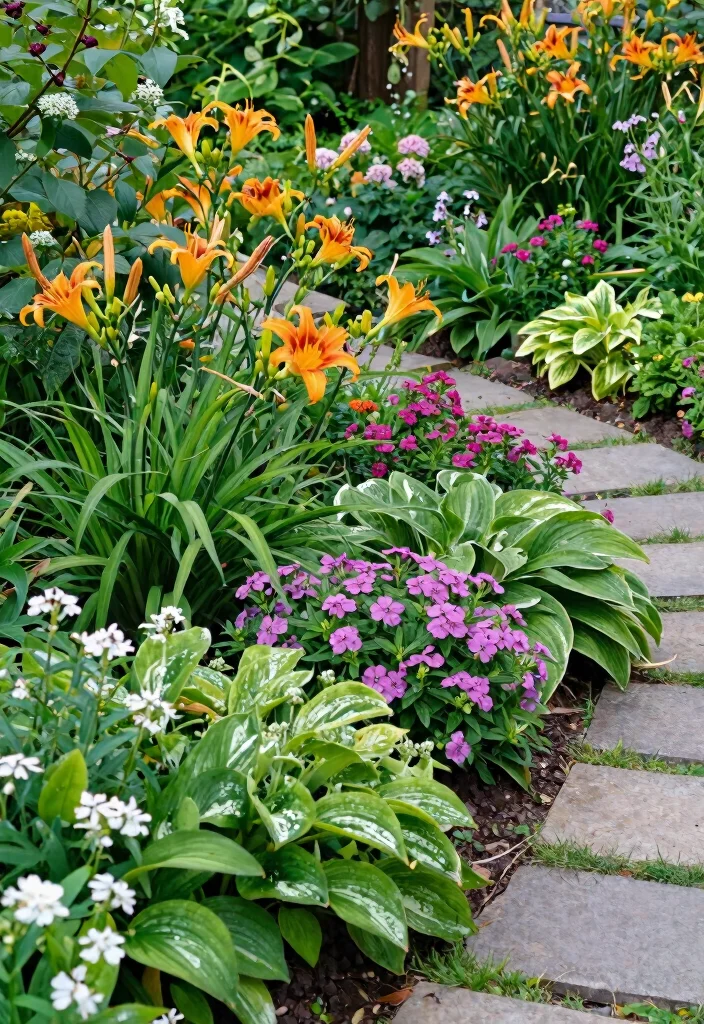
Perennials are a fantastic choice for gardeners looking for lasting beauty with minimal effort. By planting hardy varieties like daylilies, phlox, and hostas, you ensure your garden remains vibrant year after year. Once established, these plants require little watering and adapt well to seasonal changes, making them low-maintenance.
For a visually appealing flower bed, mix different heights and colors to create a striking display. Space your plants according to their mature size to prevent overcrowding, and use mulch to keep weeds at bay and moisture in the soil. This way, you can enjoy a lush garden without constant upkeep.
Advantages:
– Reliable blooms year after year
– Cost-effective due to their longevity
– Minimal care needed once established
Recommended Perennials:
– Daylilies (Hemerocallis)
– Phlox
– Hostas
A perennial flower bed allows you to relish beautiful blooms with less fuss, freeing up time to appreciate your garden.
5. Seasonal Flower Beds
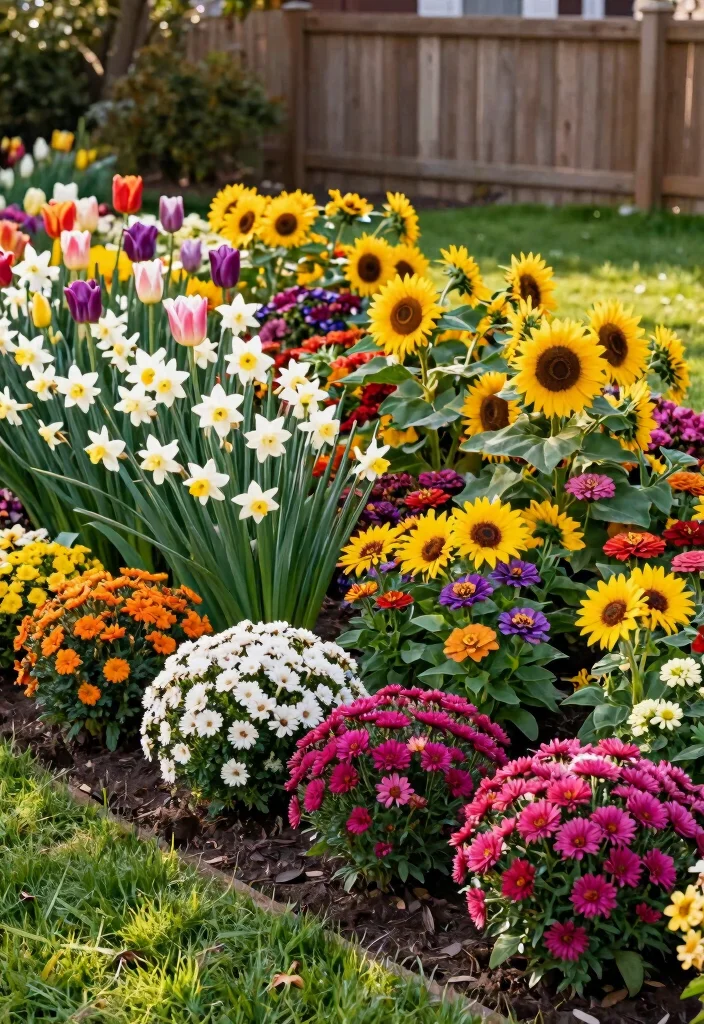
Transform your front yard with seasonal flower beds that offer a fresh look throughout the year. By planting a mix of flowers that bloom in spring, summer, and fall, your garden will always be bursting with color. For spring, consider tulips and daffodils; for summer, vibrant zinnias and sunflowers; and for fall, rich asters and chrysanthemums. This approach keeps your gardening experience exciting and visually stimulating!
Enjoy the benefits of diverse blooms by engaging in seasonal gardening tasks. This not only makes your garden dynamic but also encourages you to stay connected with nature. By constantly changing your flower bed, you create an evolving landscape that captures attention.
Key Takeaways:
– Experience different blooms all year
– Participate in seasonal gardening tasks
– Create a vibrant and evolving landscape
Seasonal Selections:
– Spring: Tulips, Daffodils
– Summer: Zinnias, Sunflowers
– Fall: Asters, Chrysanthemums
Curating seasonal flower beds allows you to enjoy the beauty of nature while showcasing your creativity.
6. Edible Flower Beds
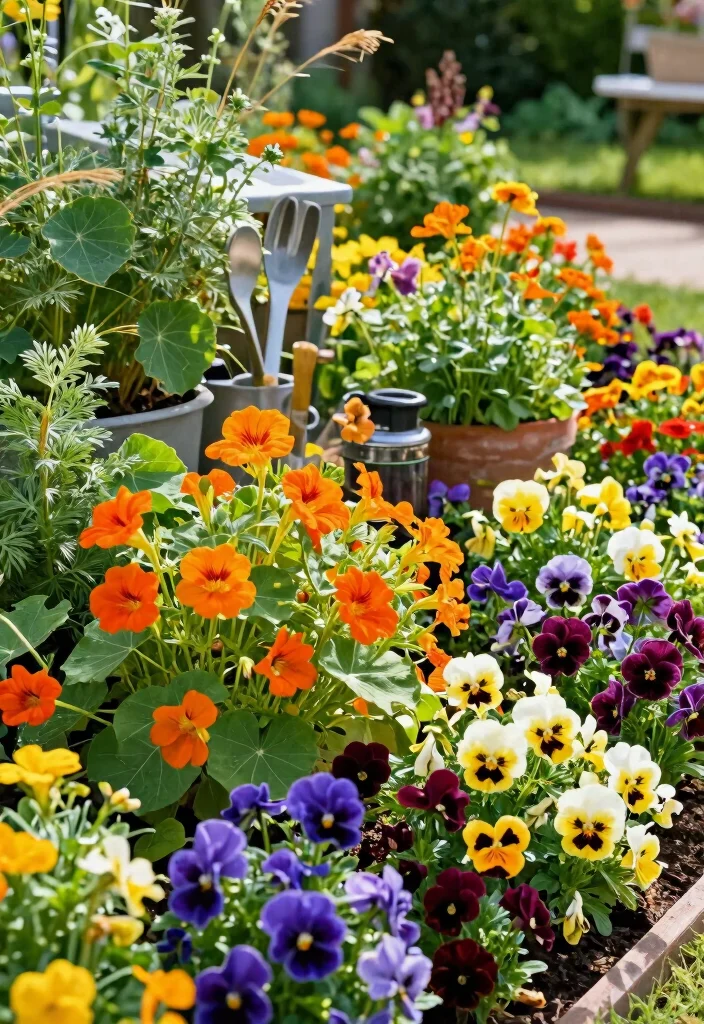
Combine beauty with practicality by creating an edible flower bed. Including flowers like nasturtiums, pansies, and calendula allows for a stunning garden that also adds unique flavors to your meals. These edible flowers can be used in salads, desserts, or as beautiful garnishes, making your garden not just visually appealing but also functional.
To make the most of your edible garden, ensure that your flowers are grown without pesticides, making them safe to eat. Group these flowers with companion plants that enhance their growth while adding to the beauty of your garden. This approach boosts both aesthetics and biodiversity.
Benefits of Edible Flowers:
– Fusion of beauty and functionality
– Fresh ingredients right from your garden
– Promotes biodiversity in your space
Recommended Edible Flowers:
– Nasturtiums
– Pansies
– Calendula
An edible flower bed enriches your garden with both visual appeal and culinary delights, turning every meal into a special occasion.
7. Pollinator-Friendly Beds
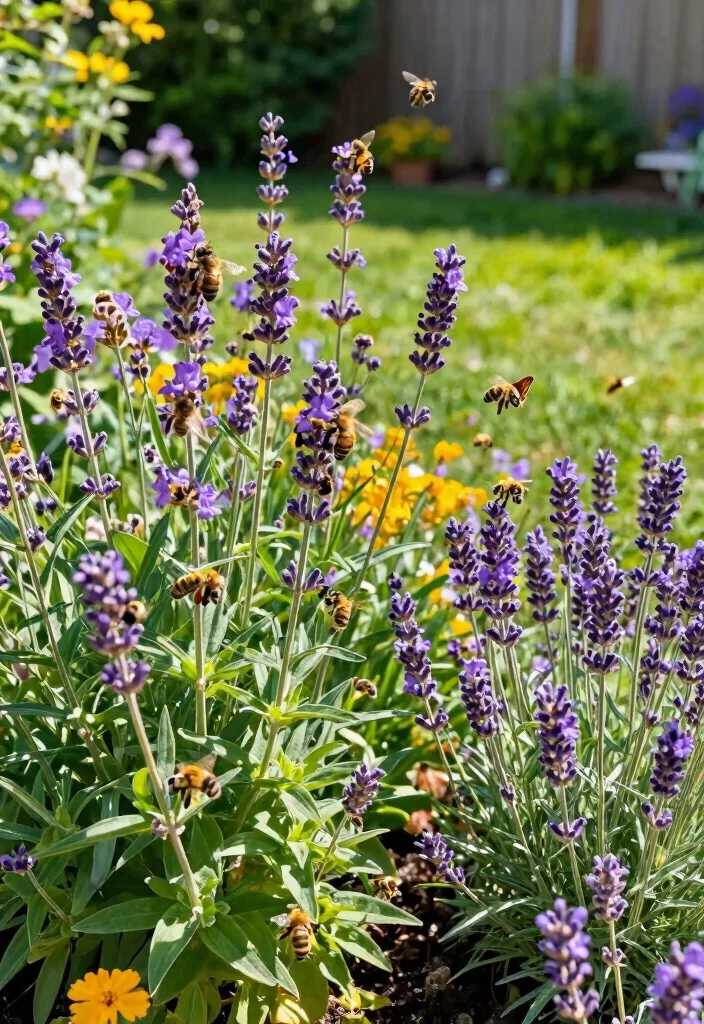
Creating a pollinator-friendly flower bed is an enriching way to enhance your garden while helping the environment. By selecting flowers such as bee balm, lavender, and milkweed, you can attract essential pollinators like bees and butterflies. Not only do these flowers brighten your yard, but they also support local ecosystems, making your garden a vital habitat.
To maximize your impact, group flowers together in clusters to make them more visible to pollinators, and avoid using pesticides that could harm these beneficial insects. This thoughtful approach not only beautifies your space but also contributes positively to the environment.
Why It Matters:
– Supports declining bee and butterfly populations
– Adds dynamic life to your garden
– Enhances biodiversity in your area
Flower Suggestions:
– Bee Balm
– Lavender
– Milkweed
A pollinator-friendly flower bed beautifies your front yard and plays a crucial role in preserving nature, making it a rewarding choice.
❝Creating pollinator-friendly beds is easier than you think—just cluster bee balm, lavender, and milkweed in sunny spots. Bees and butterflies show up, your front yard comes alive, and maintenance stays simple. Perfect for small flower bed ideas in front of house that boost curb appeal without the fuss.❞
8. Succulent and Cactus Gardens
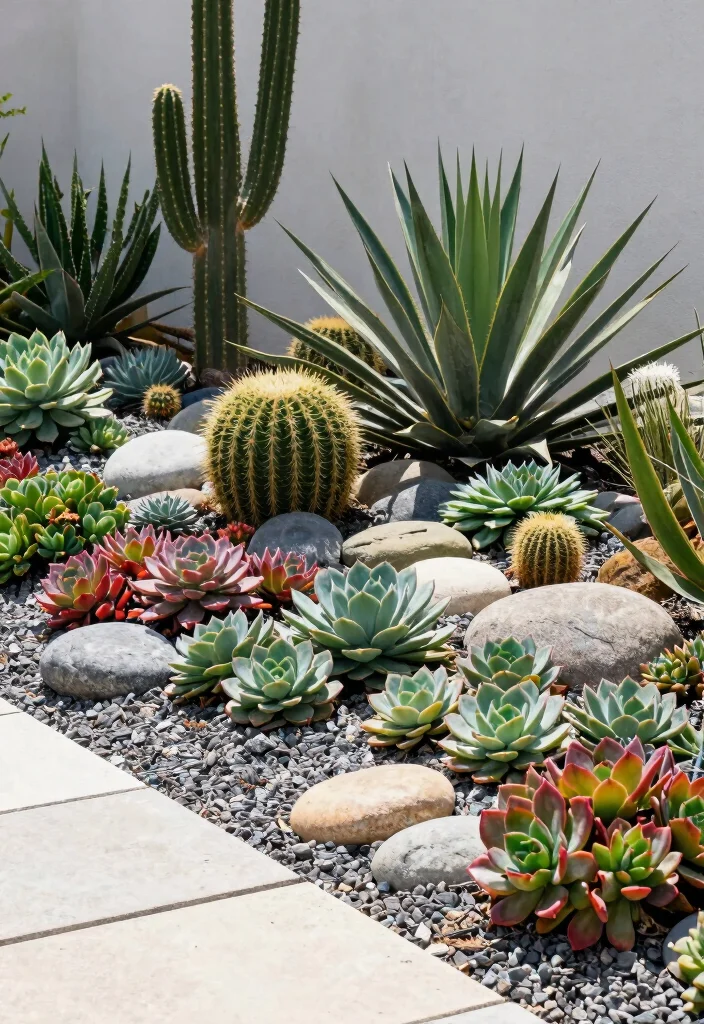
Succulents and cacti are perfect for front flower beds, especially in dry climates. These plants require minimal water and come in various shapes, colors, and sizes, offering endless design opportunities. From vibrant sedums to striking agaves, this low-maintenance option adds a modern twist to your garden. Integrate contrasting elements like smooth stones and driftwood to enhance the aesthetic appeal.
Key Features:
– Extremely low water requirements
– Unique, trendy appearance
– Minimal maintenance once established
Plant Suggestions:
– Sedums
– Agaves
– Echeverias
For a sophisticated look, consider using raised beds or decorative containers. Pair your succulents with decorative rocks to create a captivating landscape that stands out.
A succulent garden brings a stylish touch to your front yard, ideal for those who appreciate modern design and low upkeep.
9. Vertical Flower Beds
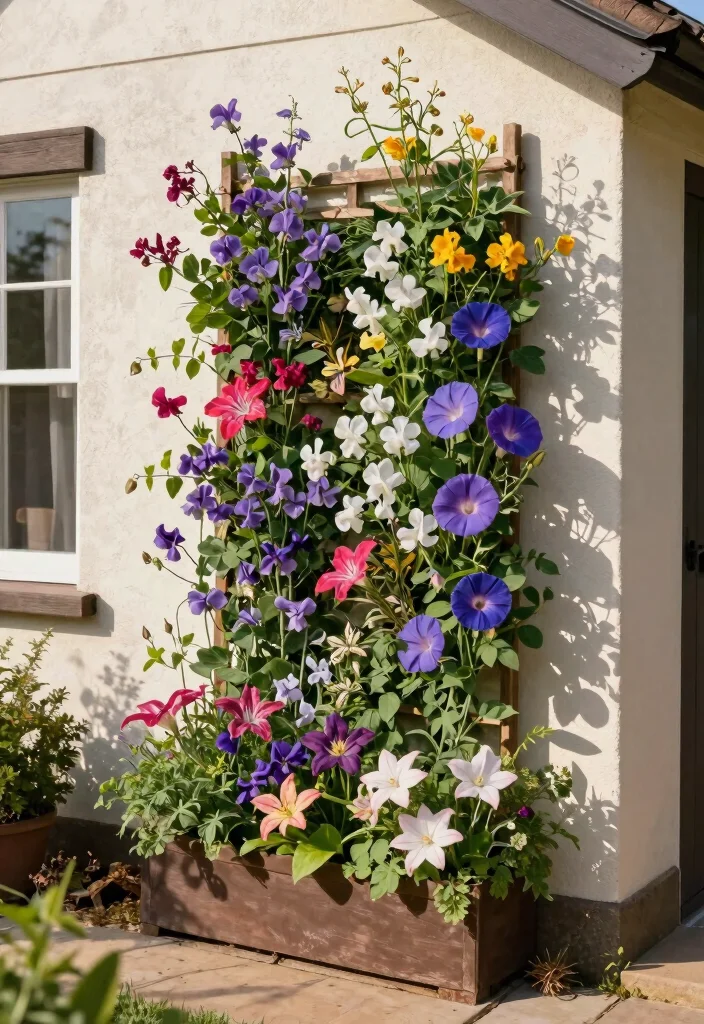
When space is at a premium, vertical flower beds can maximize your yard’s potential. Utilize trellises, wall-mounted planters, or repurposed pallets to create stunning vertical gardens filled with climbing plants like sweet peas, morning glories, and clematis. These arrangements draw the eye upward, adding dimension and interest to your landscaping, while also concealing less attractive areas.
Benefits of Vertical Gardens:
– Saves valuable ground space
– Adds height and visual interest
– Acts as an eye-catching focal point
Tips for Creating Vertical Flower Beds:
– Choose sturdy structures to support climbing plants
– Mix flowers with herbs for a diverse garden experience
Flower Options:
– Sweet Peas
– Morning Glories
– Clematis
Vertical flower beds can transform any small area into a vibrant and lush landscape, making them an innovative solution for urban gardeners.
10. Mixed Flower Beds
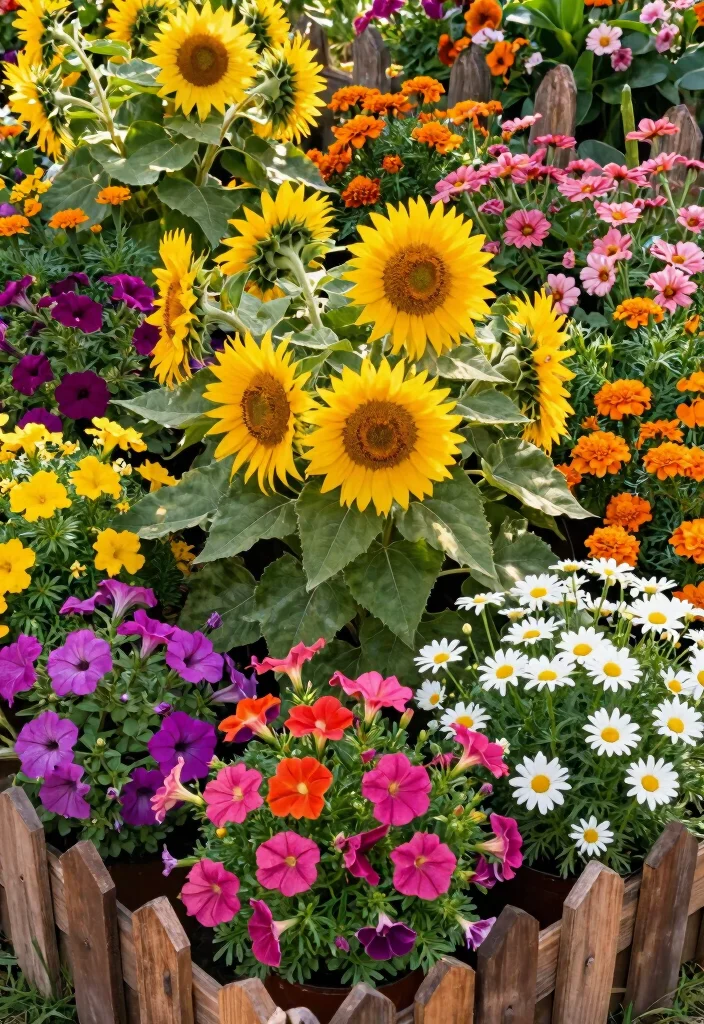
If you can’t pick just one flower type, mixed flower beds are your best bet! Combining various flowers, textures, and colors creates a striking and lively display. Think of pairing tall sunflowers with cascading petunias or vibrant marigolds with delicate daisies. This eclectic mix showcases your creativity and personal style, ensuring your garden is always visually captivating.
Key Advantages:
– Unlimited design possibilities
– Year-round color and texture
– Encourages biodiversity in your garden
Mixing Tips:
– Use a color wheel to select complementary shades
– Vary heights and blooming times to maintain interest
Suggested Flowers for Mixing:
– Sunflowers
– Petunias
– Marigolds
– Daisies
A mixed flower bed can turn your front yard into a joyful explosion of color and life, making every season a celebration of nature.
Mix it up—small flower bed ideas in front of your house shine when you pair tall sunflowers with cascading petunias. You’ll get instant color and texture you can tweak season to season. Start with 2–3 varieties, then add daisies for balance.
Conclusion
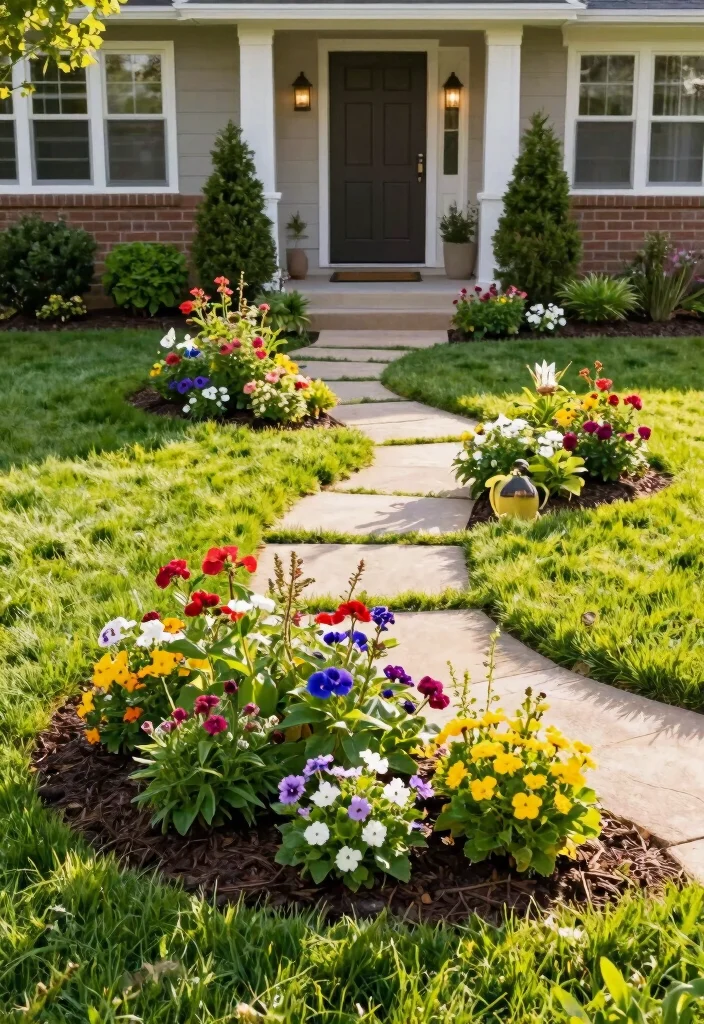
Crafting beautiful small flower beds in front of your house can transform your curb appeal and express your personal style.
With options ranging from native plants to mixed flower beds, there’s no shortage of creativity to explore. Embrace the opportunity to create a welcoming outdoor space that enhances your home’s beauty while providing a sanctuary for pollinators and natural wildlife.
So, roll up your sleeves and get gardening; your front yard is waiting for a colorful makeover!
Frequently Asked Questions
What are some practical small flower bed ideas in front of house for instant curb appeal?
Here are practical, low-maintenance ideas you can start with today to boost curb appeal.
Think of small flower bed ideas in front of house that use a cohesive color palette and compact plants that fit the space. Choose a mix of evergreen foliage for year-round structure and seasonal blooms for pops of color.
Prep the bed with good soil, a 2-3 inch layer of mulch, and a simple drip irrigation line to minimize watering. Group plants with similar sun and water needs for less upkeep.
For front yard landscaping, create height variation by using a focal point (like a dwarf tree or decorative pot) and low-growing groundcovers to keep sightlines open.
Tip: choose native and drought-tolerant varieties for easier maintenance and longer bloom periods.
How can I design a low-maintenance front yard with small flower beds?
Start with a plan that minimizes mowing and watering.
Use front yard landscaping principles: select hardy perennials and grasses, incorporate mulch, and create defined edges to reduce weeding.
Group plants by sun exposure; in sunny fronts, try compact zinnias, lavender, and coreopsis; in shade, ferns and hostas.
Install drip irrigation or soaker hoses and set a simple routine for deadheading and pruning to keep things neat with little effort.
Which seasonal flowers for small beds are best for a front-of-house display?
Seasonal flowers for small beds add color without taking over.
In spring, think daffodils and tulips; early-summer, consider lantana and verbena; mid-to-late summer, zinnias and salvias; fall interest with asters and mums.
Coordinate with shrubs and evergreens to maintain structure year-round.
Choose compact varieties to fit limited space and avoid overcrowding. For a consistent look, repeat a couple of colors across the bed to strengthen curb appeal.
What are the best low-maintenance plants for small flower bed designs in front of house?
Look for plants that require minimal care and suit your climate.
Some reliable options include lavender, sedum, coreopsis, Echinacea (coneflower), and Calibrachoa for containers. Pair with groundcovers like creeping thyme or sedum to reduce weeding.
Use native grasses or dwarf varieties to add texture without heavy maintenance.
Spacing matters—plant according to mature size to avoid crowding and ensure good air circulation.
What maintenance tips help keep curb appeal high with small front beds?
Routine is simple:
Mulch annually or biannually to suppress weeds and keep moisture; deadhead spent blooms to encourage continuous flowering; water with a drip system to conserve; prune lightly to maintain shape; divide perennials every 2-3 years to keep plants from getting crowded.
Seasonal planting of new color with seasonal flowers for small beds keeps the look fresh.
For best results, tie into your curb appeal tips by choosing a consistent color theme and ensuring clean edges along your walkway.