Creating a beautiful garden is about more than just pretty plants; it’s about crafting a vibrant, thriving ecosystem. If you’re on the lookout for inspiration to transform your outdoor space, then you’re in the right place. This post brings together 14 large flower bed ideas that not only look stunning but also support pollinators and promote sustainability. My motivation here is simple: I want to help you create a garden that feels bold, layered, and impactful, while nurturing the environment at the same time.
If you’re a gardening enthusiast who cares about biodiversity, this guide is for you. Whether you’re a novice or a seasoned gardener, you’ll find strategies that fit your style and skill level. From designing a perennial paradise for pollinators to incorporating edible flowers, each idea is packed with practical tips and creative planting combinations. You’re sure to discover something that sparks your imagination.
By diving into these 14 large flower bed ideas, you will gain insights into effective flower bed design and garden layering techniques. You’ll learn how to create bold color blocks, mix textures, and rotate seasonal flowers for continuous beauty. In the end, this guide will provide you with the tools to craft an inviting and impactful garden that attracts wildlife and enhances your outdoor experience.
Key Takeaways
– Explore perennial pollinator gardens to attract bees and butterflies while ensuring year-round blooms and sustainability.
– Discover bold color blocks to create visual impact, using contrasting colors to highlight your garden’s beauty.
– Incorporate an edible flower bed to enjoy the dual benefits of aesthetics and fresh, organic flavors in your dishes.
– Use garden layering techniques to add depth and interest, combining tall plants at the back with shorter ones in front for a stunning display.
– Rotate your flower beds seasonally for continuous color and variety, keeping your garden lively and engaging throughout the year.
1. Perennial Pollinator Paradise
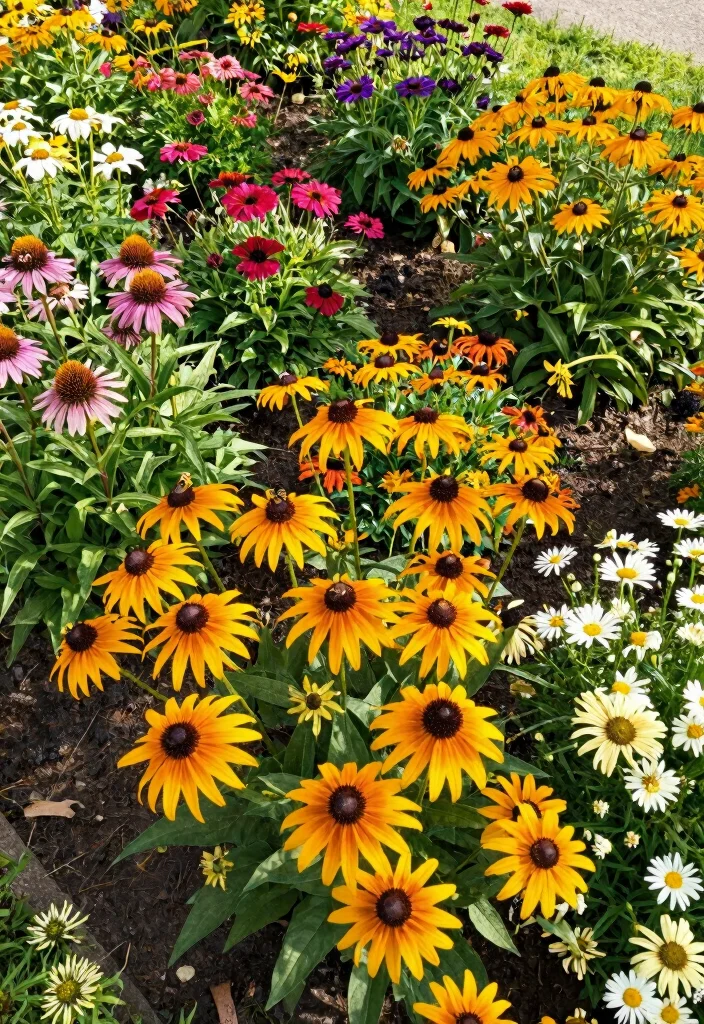
Creating a vibrant flower bed filled with perennials can truly transform your garden. Imagine colorful coneflowers, sunny daisies, and cheerful black-eyed Susans attracting buzzing bees and fluttering butterflies. This setup not only adds beauty but also nurtures local wildlife, making your garden a lively ecosystem.
To get started, focus on selecting a variety of heights to keep the visual interest high. Mix plants with different blooming times to ensure your garden is alive with color throughout the seasons. This combination offers a low-maintenance and eco-friendly solution for a thriving garden.
Key tips for your perennial paradise:
– Prepare soil with compost for healthy growth.
– Cluster plants for a natural appearance.
– Include early and late bloomers for continuous color.
With perennials, you’ll enjoy less work and more beauty over time, making your garden a sustainable retreat.
2. Bold Color Blocks
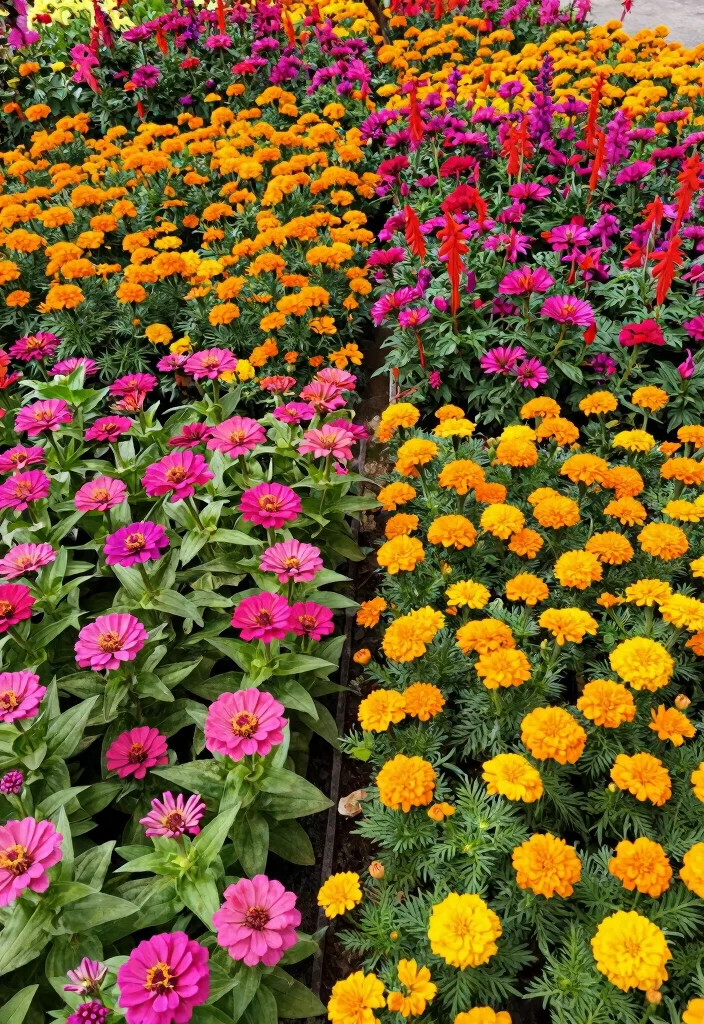
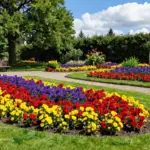
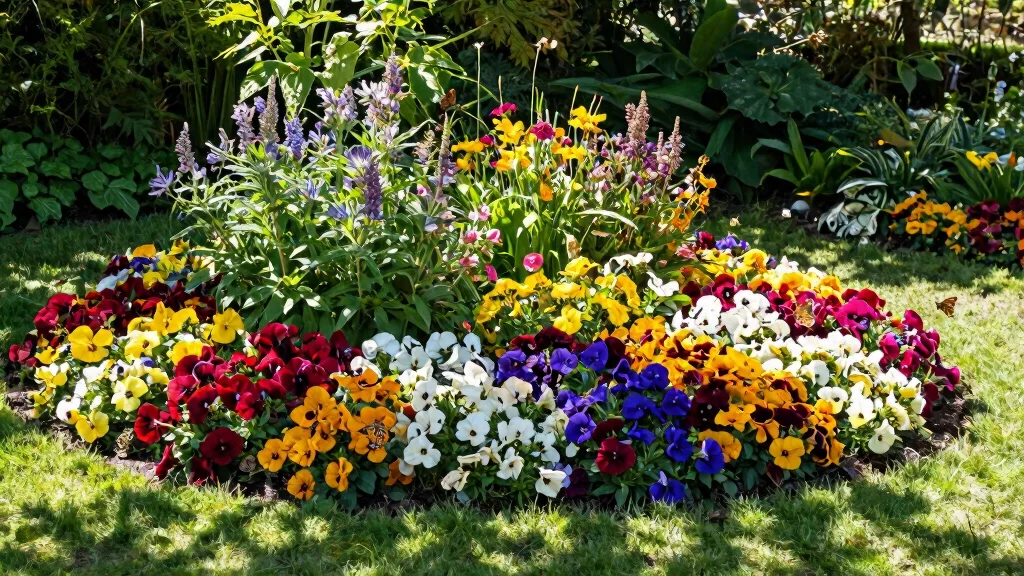
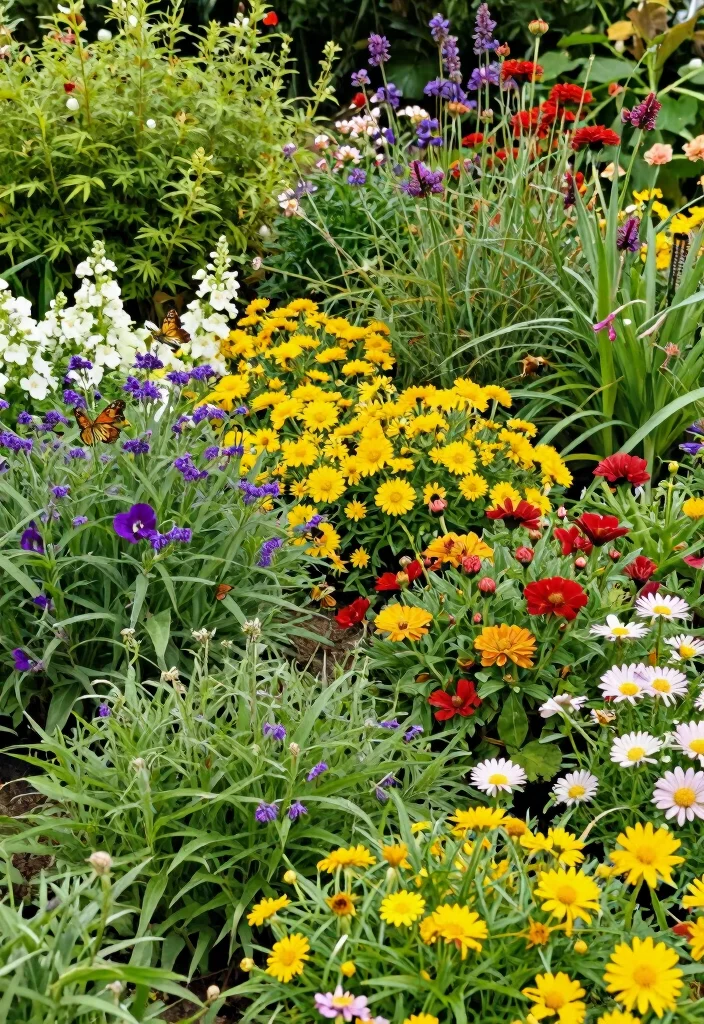
If you crave a striking garden design, bold color blocks are the way to go. Think clusters of bright zinnias, vibrant marigolds, and stunning salvias creating a visual feast. This approach not only enlivens your space but also sets the mood through color, adding energy to your garden.
To achieve this effect, choose a cohesive color palette that resonates with your style. Mix complementary colors to enhance visual appeal and ensure enough space between plants to promote healthy growth. This strategy also lures in pollinators, enriching your garden’s ecosystem.
Steps to create bold color blocks:
– Establish a color scheme for plant selection.
– Mix complementary colors for added depth.
– Maintain spacing for optimal plant health.
This design method not only beautifies your space but also supports the local wildlife, making your garden both stunning and functional.
Bold color blocks transform your large flower bed ideas into a living mural. Use clusters of zinnias, marigolds, and salvias with a cohesive palette, then give space for growth—your pollinator garden will thrive and glow.
3. Edible Flower Bed
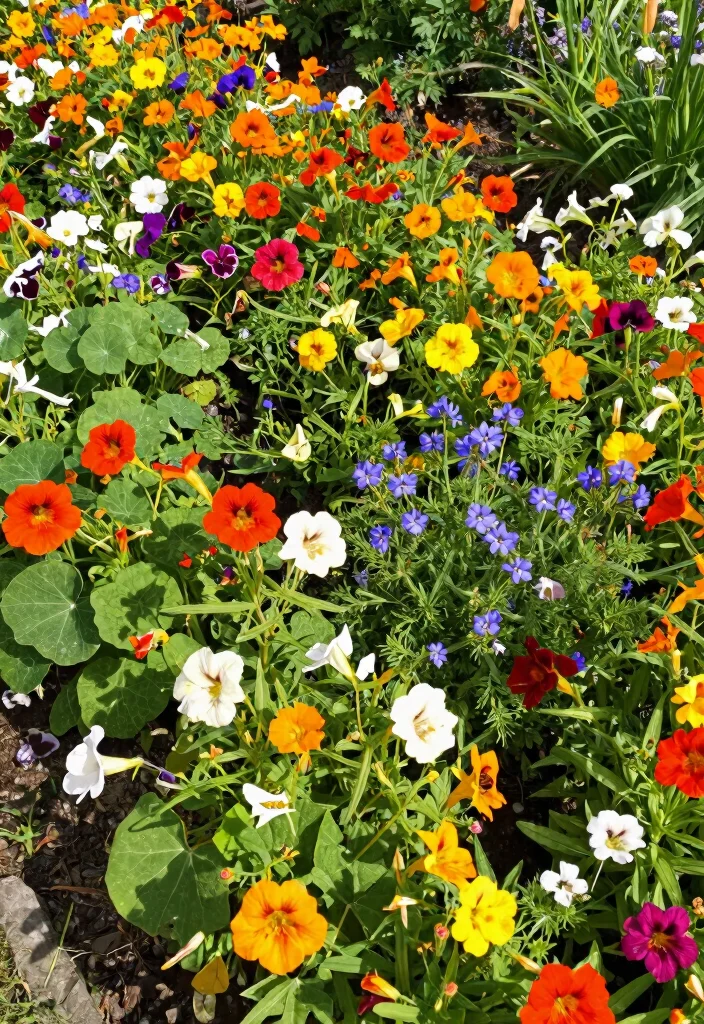
Imagine a flower bed that’s as tasty as it is beautiful! An edible flower bed mixes colorful blooms like nasturtiums and calendula with culinary herbs, adding a delightful touch to your meals. This garden option not only looks stunning but also invites butterflies and bees to your yard.
Start by choosing a sunny area, as most edible flowers thrive in bright light. Enrich your soil with compost for healthy growth, and plant flowers of varying heights for visual intrigue. This combination enhances your garden’s sustainability while providing you with fresh flavors.
Steps to create your edible flower bed:
– Select a sunny location for optimal growth.
– Enrich soil with compost for health.
– Plant at different heights for depth.
Incorporating edible flowers elevates your gardening experience, allowing you to enjoy both beauty and flavor.
4. Textured Layers
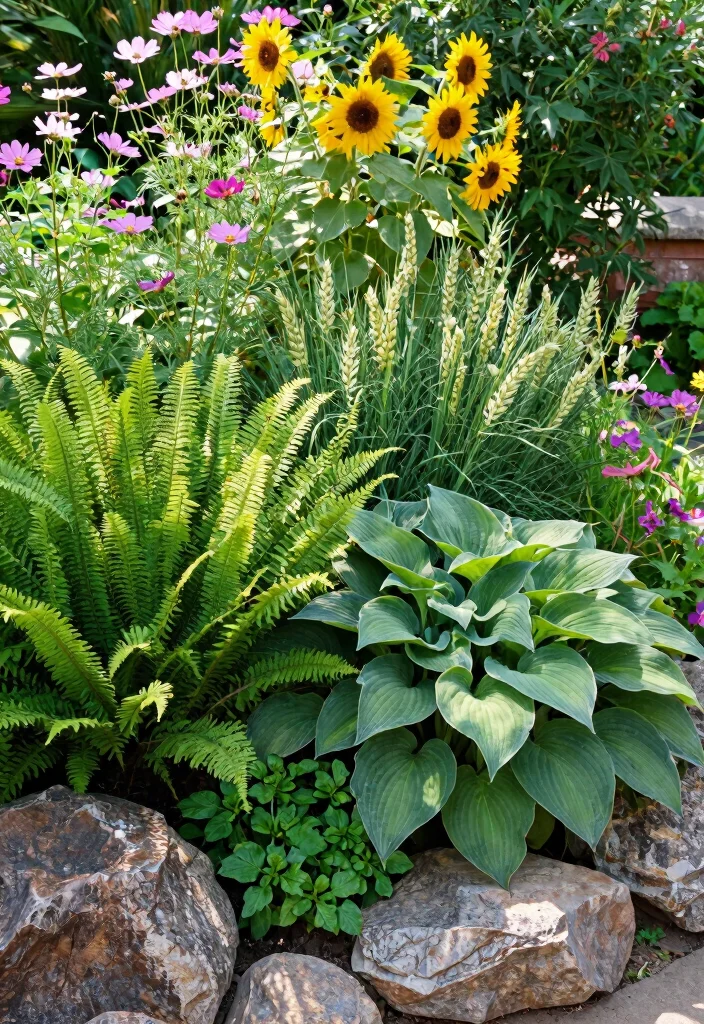
Elevate your flower bed design with layers of different textures. Imagine feathery ferns mingling with broad-leaved hostas, creating a rich visual tapestry. Mixing flowering plants with contrasting textures, like delicate cosmos paired with sturdy sunflowers, captivates the eye and adds depth.
Begin with a solid base of low-growing plants, and gradually layer to medium and tall varieties for height variation. Incorporate rocks or decorative stones to enhance the overall texture and structure of your garden. This design approach not only attracts pollinators but also invites exploration.
Tips for creating textured layers:
– Start with low-growing plants for a foundation.
– Build up to medium and tall plants for dimension.
– Add decorative stones for extra texture.
This layered texture approach ensures a visually stunning garden that supports local wildlife.
5. Fragrant Flower Bed
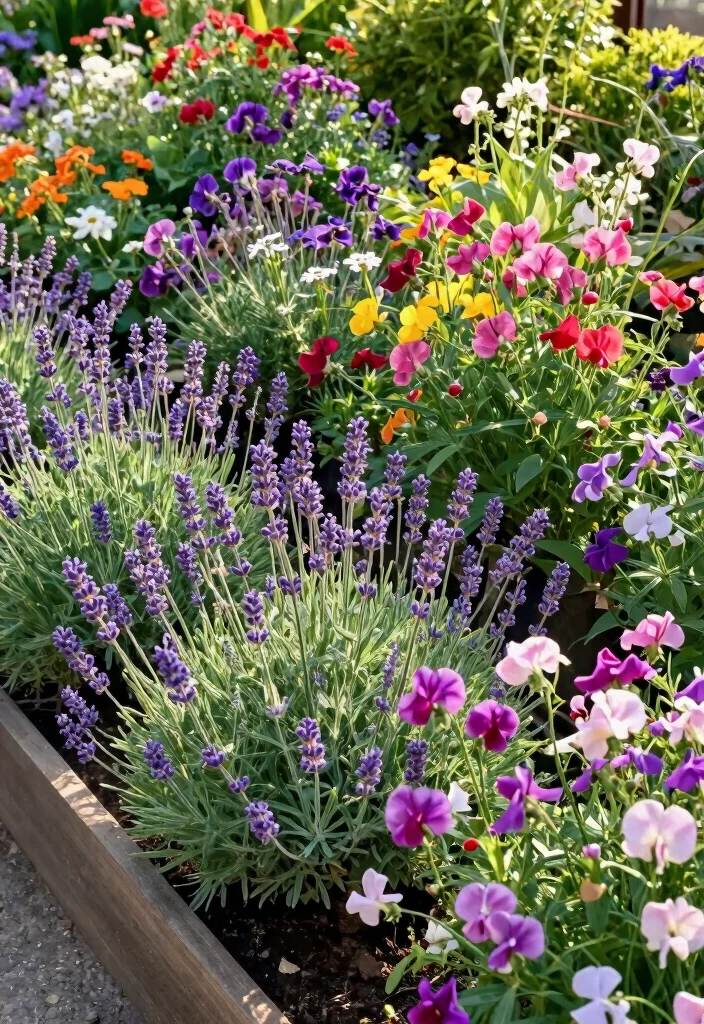
Step into a fragrant oasis filled with delightful scents that uplift your mood. A fragrant flower bed blooms with aromatic flowers like lavender, sweet peas, and garden phlox, enhancing your sensory experience while attracting beneficial pollinators. This design creates a serene space for relaxation and enjoyment.
Choose a sunny spot where scents can waft freely, and vary plant heights for added visual interest. Position your fragrant flowers along pathways or near seating areas for maximum enjoyment. This setup promotes mental wellness while beautifying your outdoor space.
Steps to design a fragrant oasis:
– Select a sunny spot for optimal aroma distribution.
– Mix heights for visual appeal and scent flow.
– Plant near pathways for easy enjoyment.
A fragrant flower bed not only pleases the senses but also creates a relaxing sanctuary in your garden.
6. Butterfly Garden
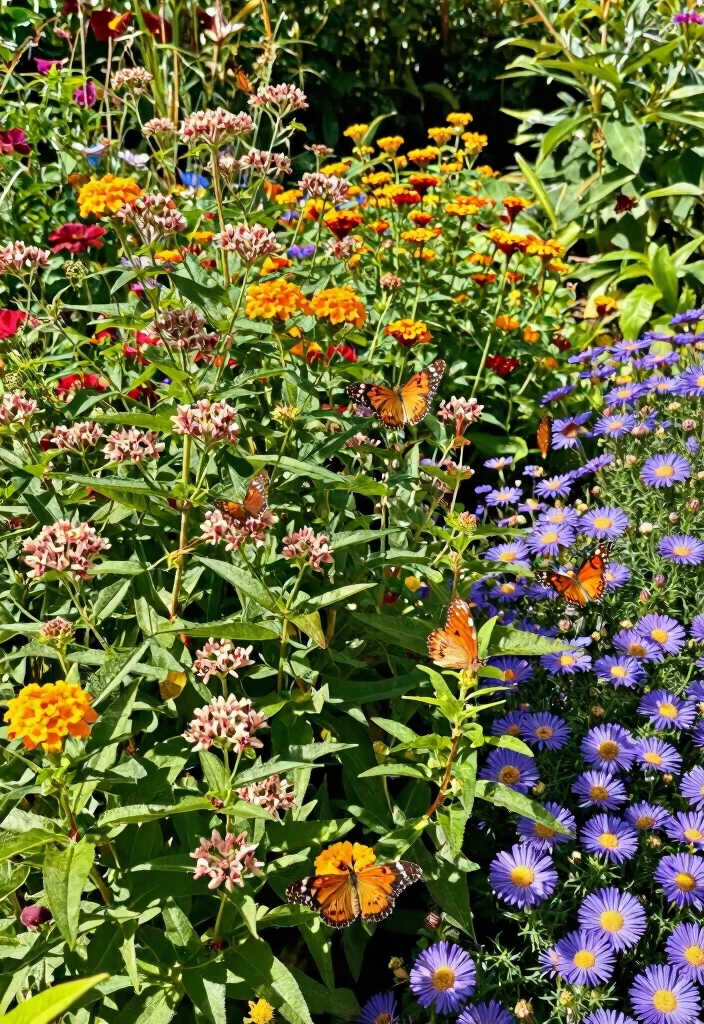
Creating a garden specifically for butterflies can be a joyful experience. By planting nectar-rich flowers like milkweed, lantana, and aster, you create a beautiful haven for these winged beauties. This design not only supports butterfly populations but also adds enchanting movement to your garden.
Choose a sunny location that provides warmth for butterflies, and include a variety of colors and shapes to attract diverse species. Adding host plants like milkweed gives caterpillars a place to thrive as well. This approach enhances your garden’s vibrancy and ecological balance.
How to create your butterfly garden:
– Pick a sunny spot for warmth and light.
– Incorporate diverse flowers to attract various butterflies.
– Include host plants for caterpillar feeding.
This butterfly garden not only beautifies your space but also fosters a thriving ecosystem right in your backyard.
7. Vertical Flower Bed Design
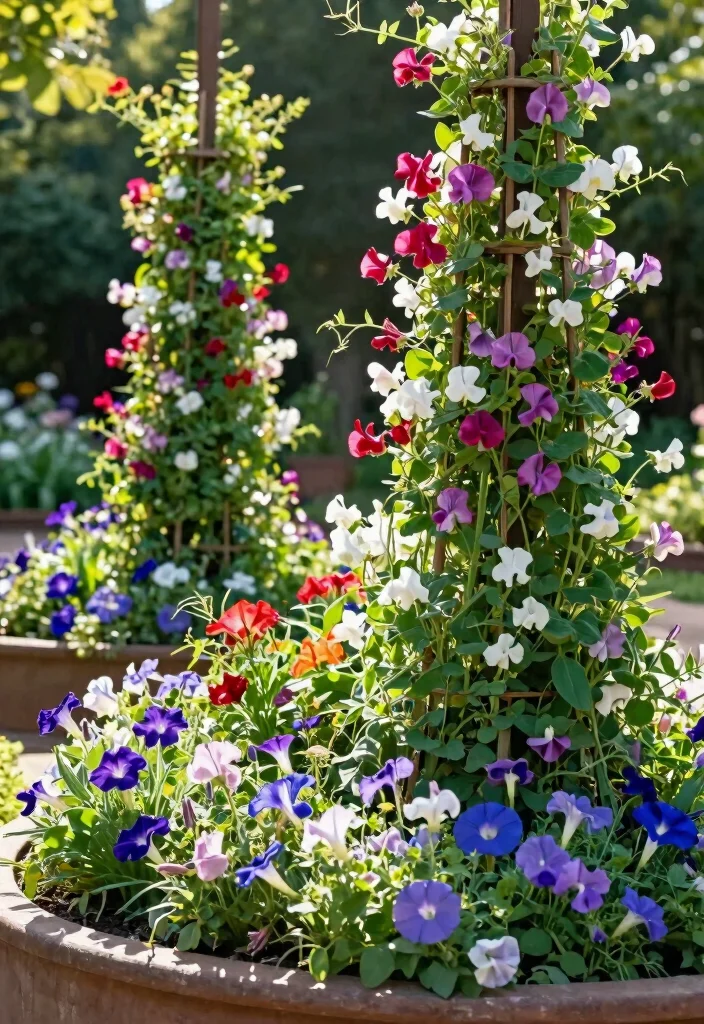
Maximize your small garden space with an eye-catching vertical flower bed. Consider tiered planters or trellises adorned with climbing flowers like sweet peas and morning glories to add dimension. This design elevates your garden while making a bold statement.
Use sturdy support structures for climbing plants and plant trailing varieties at the top for a cascading effect. Ensure each layer receives adequate sunlight and water for healthy growth. This approach beautifully showcases your creativity while promoting sustainable gardening practices.
Steps to achieve your vertical garden:
– Use sturdy supports for climbing flowers.
– Plant trailing varieties at the top for cascading beauty.
– Ensure sunlight reaches all layers.
A vertical flower bed is perfect for small spaces, allowing you to express creativity while nurturing your plants.
8. Colorful Ground Covers
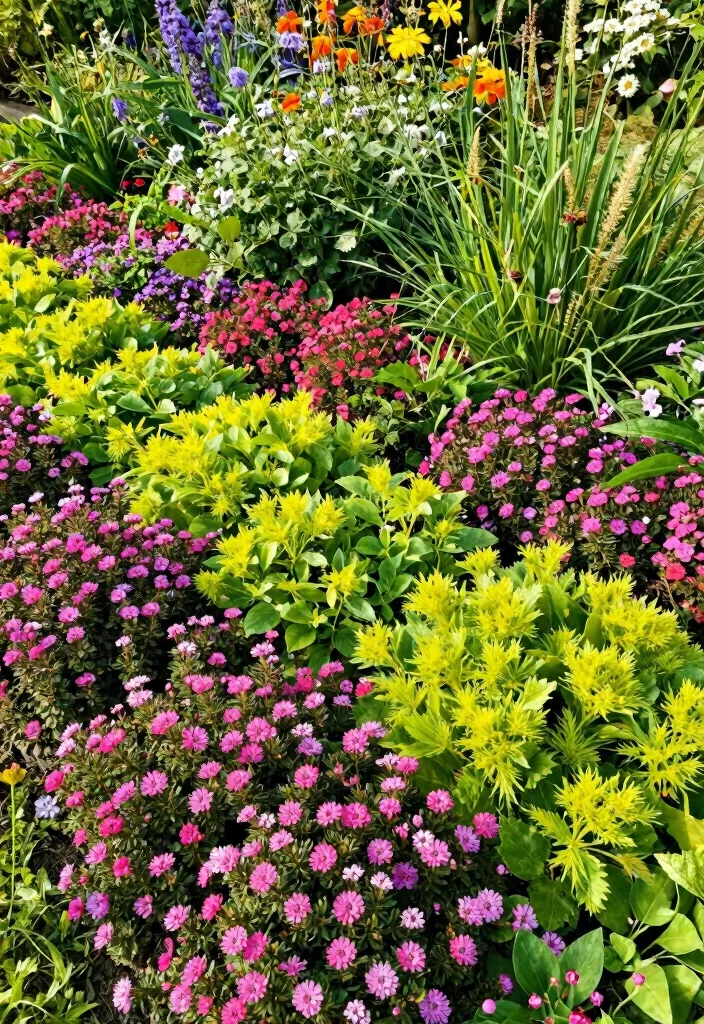
Ground covers offer a fantastic solution for less visible areas while adding vibrant colors to your garden. Consider using creeping thyme, sedum, or ajuga, which spread beautifully and thrive in various conditions. These plants not only create a stunning backdrop for taller flowers but also promote soil health.
Choose ground cover plants suited to your specific soil and sunlight conditions for maximum impact. Mixing in ornamental grasses or decorative stones can break up colors and textures for added interest. This approach reduces weeds while enhancing your garden’s overall aesthetic.
Steps to create colorful ground covers:
– Select suitable plants for your conditions.
– Mix in ornamental grasses for variety.
– Ensure proper spacing for healthy growth.
Ground covers not only beautify your garden but also contribute to a lush and inviting outdoor space.
9. Seasonal Flower Bed Rotation
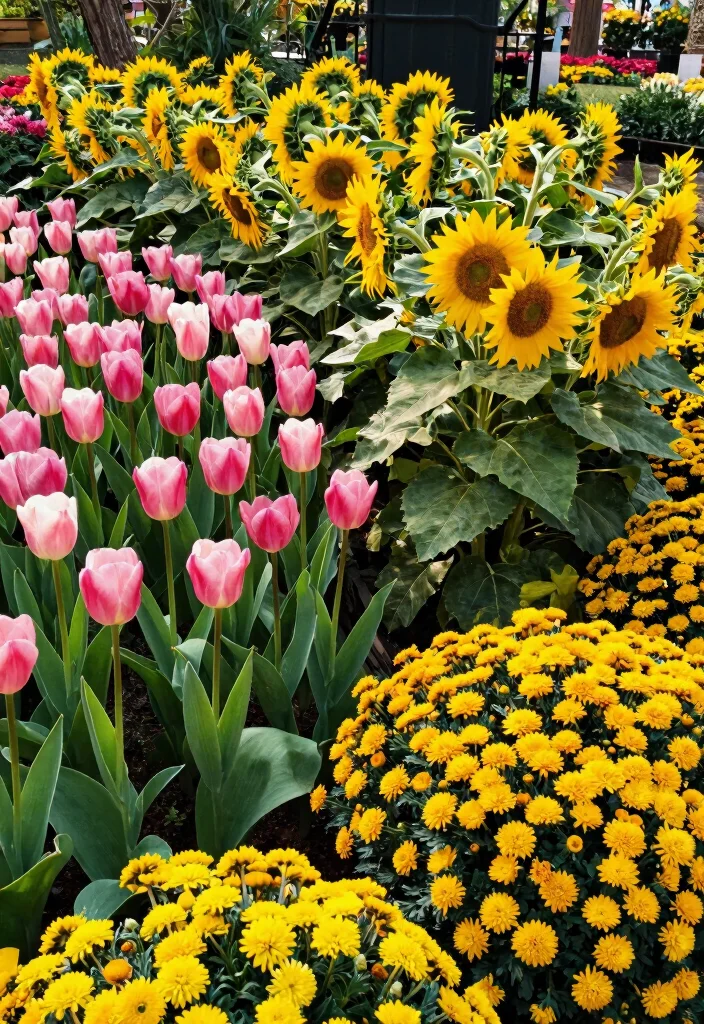
Keep your garden fresh and exciting year-round with seasonal flower bed rotation. By planting seasonal blooms like tulips in spring, sunflowers in summer, and chrysanthemums in fall, you can enjoy a continuous display of color and texture. This method enhances your garden’s vibrancy and sustainability.
Plan ahead by considering the bloom times of each plant type to ensure a successful rotation. Enriching the soil with compost between planting seasons promotes healthy growth. Experiment with different combinations to discover what flourishes best in your environment.
Tips for successful seasonal rotation:
– Plan bloom times for each plant type.
– Add compost between seasons for soil health.
– Experiment with combinations for variety.
This rotating approach keeps your landscape dynamic and supports diverse plant life, making your garden a captivating space.
How To Choose Large Flower Bed Ideas for a Pollinator Garden
Choosing the right large flower bed ideas for a pollinator garden involves several key considerations. A well-planned flower bed can attract beneficial insects and provide a stunning visual appeal. Here are some selection criteria to help you create an impactful garden that supports pollinators.
1. Size and Space
Consider the available space in your garden before selecting a flower bed design. Measure the area where you want to create your flower bed. A larger space can accommodate more diverse plantings, while smaller spaces might call for compact arrangements. Aim for a minimum of 4-6 feet wide for greater impact and easier maintenance.
2. Plant Selection
Choose flowers that are native and beneficial for local pollinators. Focus on varieties like coneflowers, sunflowers, and asters that bloom at different times. This creates a continuous source of nectar and pollen throughout the growing season. Make sure to include a mix of flowers that vary in color, height, and texture to attract different types of pollinators.
3. Layering Techniques
Incorporate garden layering techniques to create depth and dimension. Place taller plants at the back of the bed and shorter ones in front. This not only enhances visibility but also allows sunlight to reach all plants. You might use vertical flower bed designs with trellises or supports for climbing plants at the back, while lower-growing ground covers can fill in the front.
4. Color Schemes
Bold color blocks can make your flower bed pop. Consider color theory when selecting plants. For example, warm colors like reds and oranges can create a lively effect, while cool colors like blues and purples can provide a calming vibe. Plant in groups of similar colors for maximum impact and to attract specific pollinators.
5. Seasonal Interest
Plan for seasonal flower bed rotation to ensure ongoing interest and support for pollinators. Incorporate plants that bloom at different times of the year. For example, plant spring bloomers like daffodils alongside summer favorites like zinnias. This strategy keeps your garden vibrant and beneficial throughout the seasons, supporting pollinators year-round.
6. Maintenance Requirements
Consider the maintenance needs of your chosen plants. Some may require regular watering or deadheading, while others might be more self-sufficient. Select a mix of low-maintenance plants, like sedums or daylilies, alongside more demanding ones. This way, you can enjoy your garden without overwhelming upkeep.
Pro Tip: When planting, consider adding a water feature or a small birdbath nearby. This will provide a refreshing spot for pollinators to hydrate and can enhance the overall ambiance of your garden. By carefully selecting plants and creating a layered, colorful flower bed, you can craft an inviting space for both you and your pollinator friends.
10. Mixed Media Flower Bed
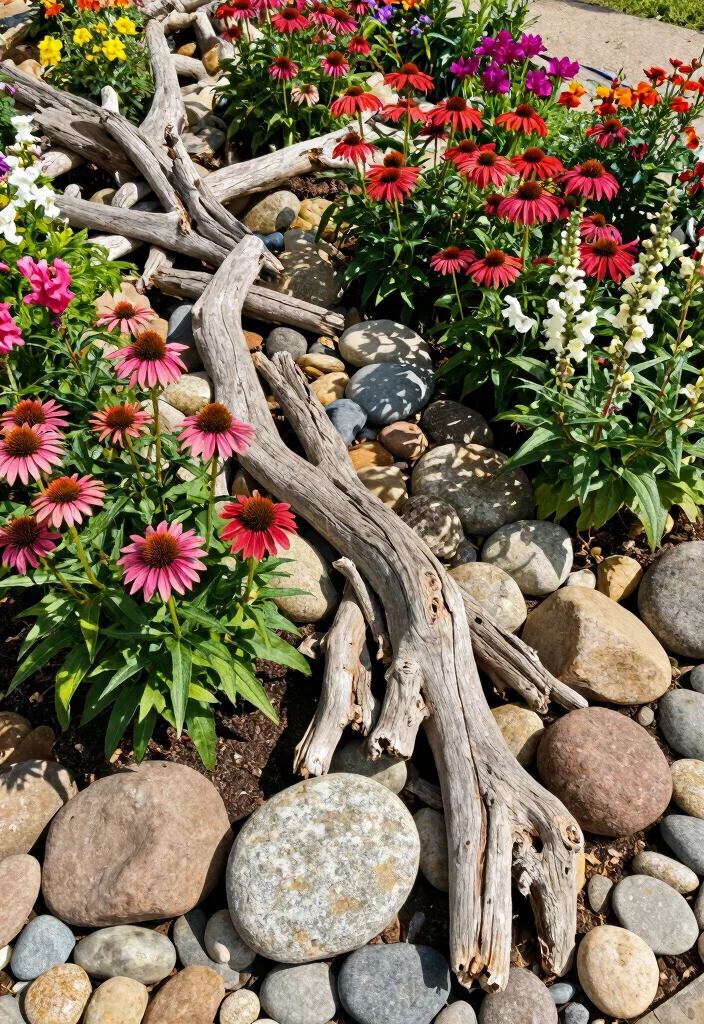
Incorporating various materials into your flower bed design can create a stunning blend of natural beauty and artistic flair. Picture stones, driftwood, and garden art pieces interspersed among vibrant flowers like echinacea and snapdragons. This unique combination enhances visual interest while promoting sustainability.
Use reclaimed materials to keep your design eco-friendly, and arrange flowers and art in a balanced way for harmony. Allow airflow between plants to minimize disease risk. This design approach not only captivates the eye but also embraces creativity in your garden.
Steps for a mixed media flower bed:
– Incorporate reclaimed materials for eco-friendliness.
– Arrange for balance and harmony in placement.
– Ensure airflow between plants to prevent diseases.
This eye-catching design will elevate your garden while encouraging sustainable practices.
Did you know? Reclaimed materials can slash waste by up to 40% in garden design, while adding texture to large flower bed ideas and boosting pollinator appeal.
11. Rain Garden Design
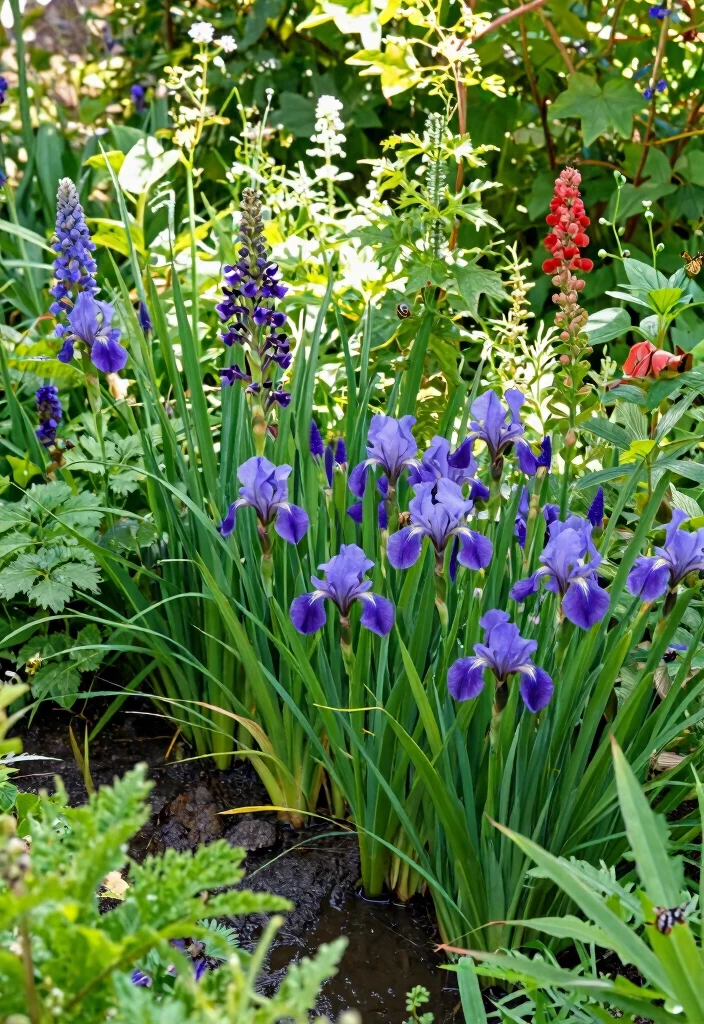
A rain garden is a beautiful and sustainable flower bed designed to capture and utilize rainwater runoff. By planting water-loving species like blue flag iris and bee balm, you create a vibrant oasis that supports local wildlife and manages water effectively. This design enhances both beauty and functionality in your garden.
Select a low-lying area in your yard that naturally collects rainwater, and prepare the soil to improve drainage for optimal plant growth. Layer plants according to their moisture needs, placing more tolerant species in the center for best results.
Steps to create a rain garden:
– Choose a low-lying area for water collection.
– Prepare soil for proper drainage and health.
– Layer plants based on moisture needs.
This innovative design reduces flooding while creating a stunning garden that supports biodiversity.
12. Wildlife Habitat Flower Bed
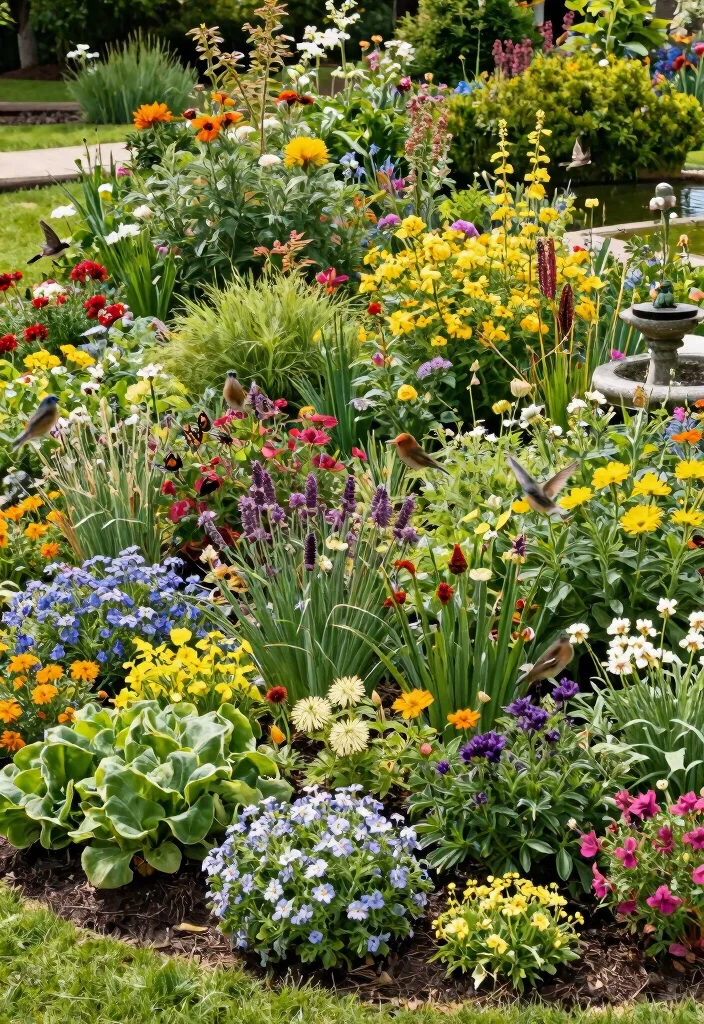
Transform your garden into a thriving ecosystem by creating a flower bed that caters to wildlife. Dense flowering shrubs and native plants provide shelter and food for birds, insects, and small mammals, enriching your outdoor space. This approach nurtures biodiversity while ensuring your garden flourishes.
Choose native plants that thrive in your region for better sustainability, and include water sources like birdbaths or small ponds to attract wildlife. Avoid using chemical pesticides to create a safe haven for all creatures that visit.
How to set up a wildlife habitat:
– Pick native plants for better adaptation.
– Include water sources for attracting wildlife.
– Avoid chemical pesticides for safety.
This wildlife habitat not only beautifies your garden but also supports local ecosystems, fostering a sense of community in your outdoor space.
13. Succulent and Cactus Flower Bed
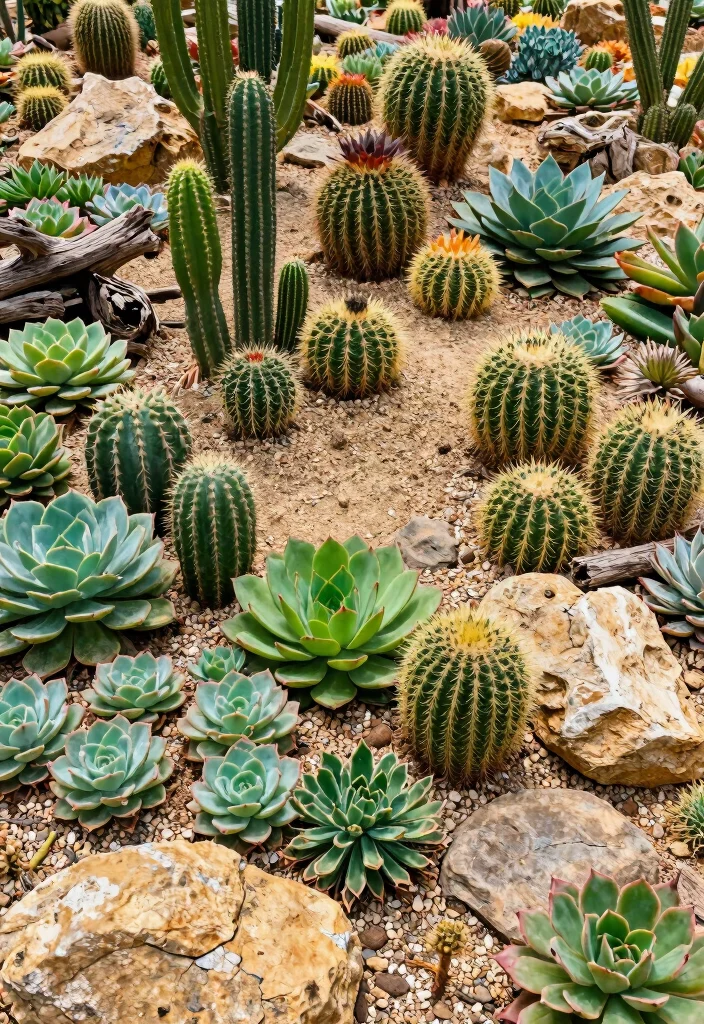
For those in dry climates or seeking something unique, a flower bed filled with succulents and cacti is an excellent choice. These resilient plants offer a range of shapes, sizes, and colors, creating a striking visual display with minimal maintenance. This garden option is both beautiful and sustainable.
Start by choosing a well-draining soil mix for your garden bed or containers, and arrange plants in clusters for a natural look. Adding decorative rocks or driftwood enhances the texture and aesthetic appeal of your design.
Steps to create your succulent oasis:
– Choose well-draining soil for optimal growth.
– Arrange in clusters for a natural appearance.
– Add decorative elements for added texture.
This concept not only showcases unique plants but also provides an artistic flair to your garden, all while being eco-friendly.
14. Shade-Loving Flower Bed
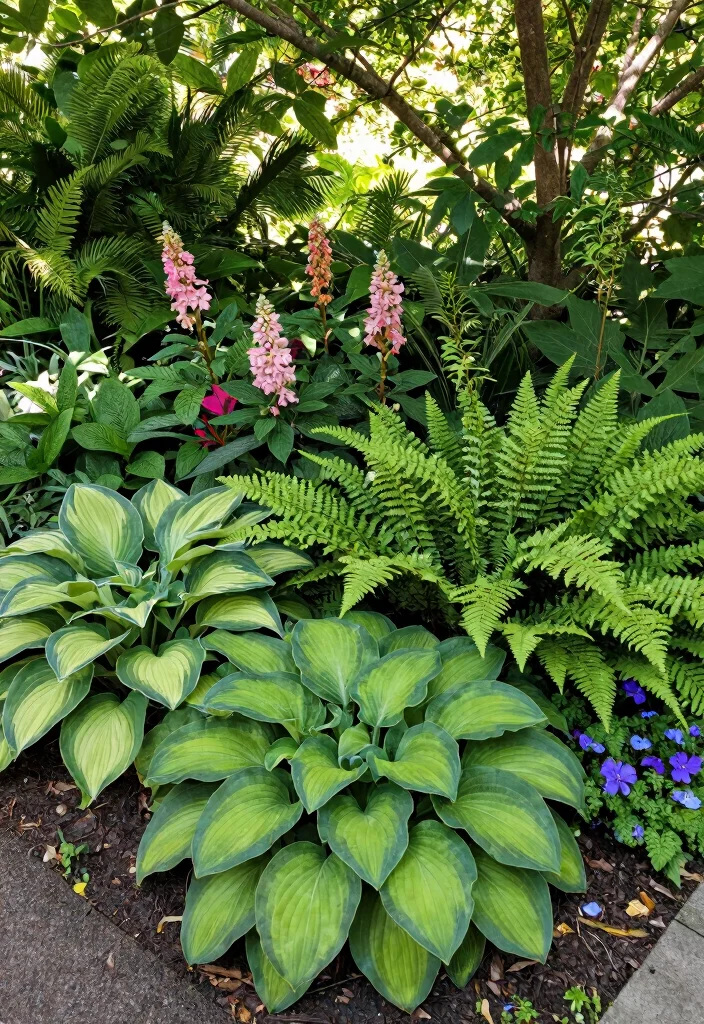
Not all gardens bask in sunlight, and creating a lush flower bed in shady areas can be just as stunning. Choose shade-loving plants like hostas, ferns, and astilbes to craft a tranquil oasis filled with vibrant colors and textures, even in low-light conditions. This design allows you to make the most of your garden’s space.
Assess the light conditions in your shaded area and select plants that thrive in those specific conditions. Layering plants by height adds dimension and interest, while using mulch helps retain moisture and improve soil health.
Steps to design a shade-loving garden:
– Assess light conditions for plant selection.
– Layer plants for added dimension.
– Use mulch to retain moisture.
This flower bed enhances shaded areas, supports diverse plant life, and contributes to your garden’s overall sustainability.
Fun fact: Shade-loving plants like hostas and astilbes attract pollinators, boosting visits by up to 40% in dim corners. With smart layering, those small shady patches become one of your large flower bed ideas that bloom all season.
Conclusion
Transforming your outdoor space with large flower beds is a rewarding journey that enhances both beauty and biodiversity.
From fragrant blooms to food-producing plants, the possibilities are endless when designing your sustainable flower bed.
Embracing these ideas not only enriches your garden but also supports local wildlife, making your space a thriving ecological haven.
Frequently Asked Questions
Question: What are the best large flower bed ideas for a bold, pollinator-friendly garden?
For a bold, sustainable garden, start with strong verticals and contrasting textures in your large flower bed ideas. Include tall perennials or ornamental grasses at the back, mid-height flowering perennials, and a ground-cover layer to suppress weeds. Choose pollinator-friendly nectar-rich native species to attract pollinators, and group colors with repetition for impact. Plan bloom times to ensure continuous color across seasons. Add water-wise mulch and a simple drip irrigation system to keep both plants and pollinators thriving. By applying garden layering techniques, you create a dramatic, layered effect while supporting biodiversity.
Question: How can I use garden layering techniques to create a dramatic large flower bed?
Start with the back row of tallest plants, then place mid-height varieties in the center and low groundcovers at the front. This garden layering techniques approach creates depth, movement, and a sense of structure. Repeat shapes and colors to build rhythm, mix native nectar-rich perennials with ornamental grasses for texture, and leave space for pollinators to move through. With thoughtful layering, your large flower bed becomes a continuous, dramatic display across seasons, not just a single bloom. Always plan for sun/shade and water needs to keep it sustainable.
Question: Which planting combinations create impactful arrangements in a sustainable, pollinator-friendly large flower bed?
Aim for creative planting combinations that pair nectar-rich perennials with complementary annuals for ongoing color. Think Echinacea, Monarda, Sedum, Coreopsis, Gaillardia, and similar natives alongside bloomers that extend the season. Group plants in blocks or drifts to give the bed unity, and mix textures—from soft foliage to bold blooms—for visual drama. By combining bold garden ideas with practical pollinator support, you get impactful arrangements that thrive year after year.
Question: What steps can I take to plan and maintain a bold large flower bed that supports pollinators and conserves water?
Begin with a space map and divide the bed into sun and shade zones. Choose drought-tolerant natives and water-wise species to maximize sustainability. Install a drip irrigation system or soaker hose, and mulch to a 2–3 inch depth to retain moisture and suppress weeds. Group plants by similar water needs, and build a color story that evolves with seasons. Schedule regular maintenance—deadhead, prune, divide, and avoid chemical pesticides that harm pollinators—to keep the bed vibrant and healthy with less effort.
Question: What common design mistakes should I avoid in large flower bed design, and how can I fix them for long-lasting impact?
Common mistakes include overcrowding, gaps in bloom times, ignoring pollinator needs, and a monotonous color palette. Fix them by drafting a planting map that combines bold garden ideas with practicality, mixing heights and bloom times for year-round interest, and selecting native, nectar-rich plants. Ensure soil health with compost, use mulch to conserve moisture, and plan for ongoing maintenance. When you align your large flower bed ideas with garden layering techniques and sustainable practices, your bed stays impactful and easier to care for over time.