Lavender has a way of captivating our senses. The soothing scent and vibrant colors can instantly lift your mood. If you’re anything like me, the thought of creating a beautiful lavender garden has you dreaming of fragrant, colorful outdoor spaces. That’s why I put together this guide to help you with stunning lavender landscaping ideas. Whether you’re looking to attract pollinators or simply want a drought-resistant garden, these ideas will spark your creativity.
This post is for garden enthusiasts, eco-conscious homeowners, and anyone who loves adding a touch of nature to their surroundings. If you care about creating spaces that are not just beautiful but also beneficial for the environment, you are in the right place. You’ll find that these lavender garden designs not only enhance your property but also support local wildlife, making your garden a haven for bees and butterflies.
In this guide, you’ll discover twelve unique ideas that are not only colorful but also fragrant and pollinator-friendly. From lavender edging for walkways to seasonal lavender showcases, each idea is designed to inspire you. You’ll learn how to combine lavender with other plants, create stunning displays, and make your garden a sustainable oasis.
Key Takeaways
– Drought-Resistant Options: Lavender thrives in dry conditions, making it an excellent choice for eco-friendly gardens that require less water.
– Pollinator Benefits: Planting lavender attracts bees and butterflies, supporting local ecosystems while adding beauty to your space.
– Versatile Designs: You can incorporate lavender in various ways, from edging and hedges to container gardens and vertical displays.
– Seasonal Displays: Learn how to showcase lavender across different seasons, maximizing visual interest and fragrance throughout the year.
– Easy Maintenance: Lavender plants are low-maintenance, requiring minimal care once established, making them perfect for busy gardeners.
1. Lavender Edging for Walkways
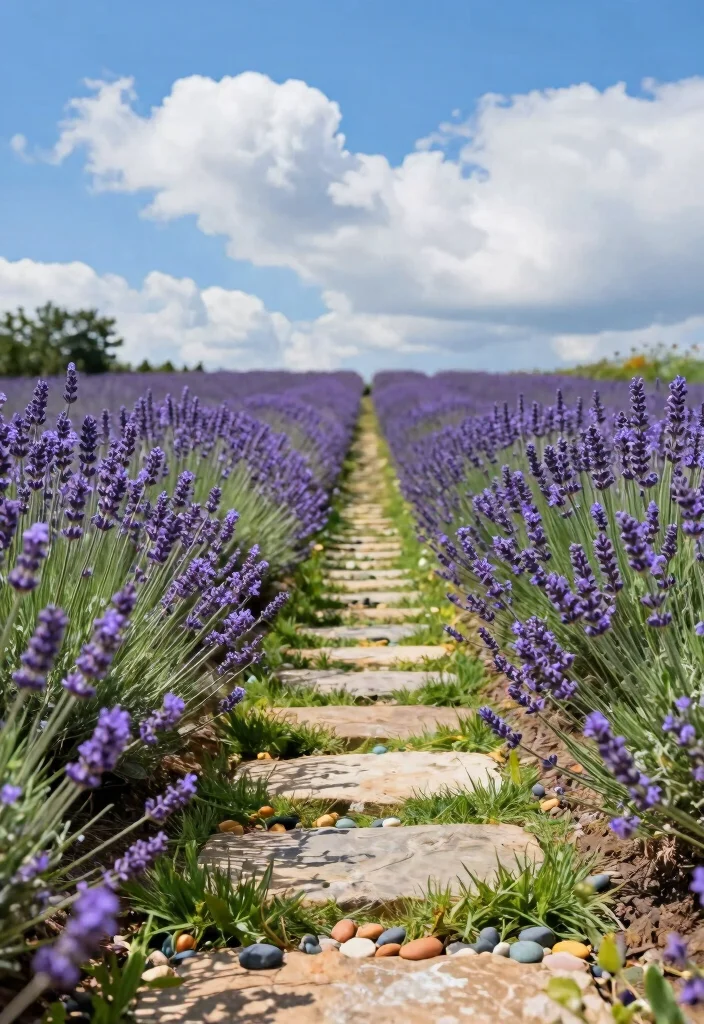
Transform your walkways into fragrant pathways with stunning lavender borders! These plants not only beautify your outdoor space but also release a delightful aroma whenever brushed against. Imagine the charm of English Lavender, known for its classic look and resilience, lining your paths and guiding guests through your garden.
To create a lush look, plant them closely or leave space for a more relaxed appearance. This approach not only enhances visual appeal but also attracts beneficial pollinators.
Key steps for successful lavender edging:
– Choose a sunny spot since lavender thrives in bright light!
– Add gravel mulch to improve drainage for healthy roots.
– Incorporate colorful pebbles for extra texture.
With minimal care, your lavender edging will flourish, adding enchanting charm and a wonderful scent to your outdoor experience.
2. Mixed Pollinator Beds
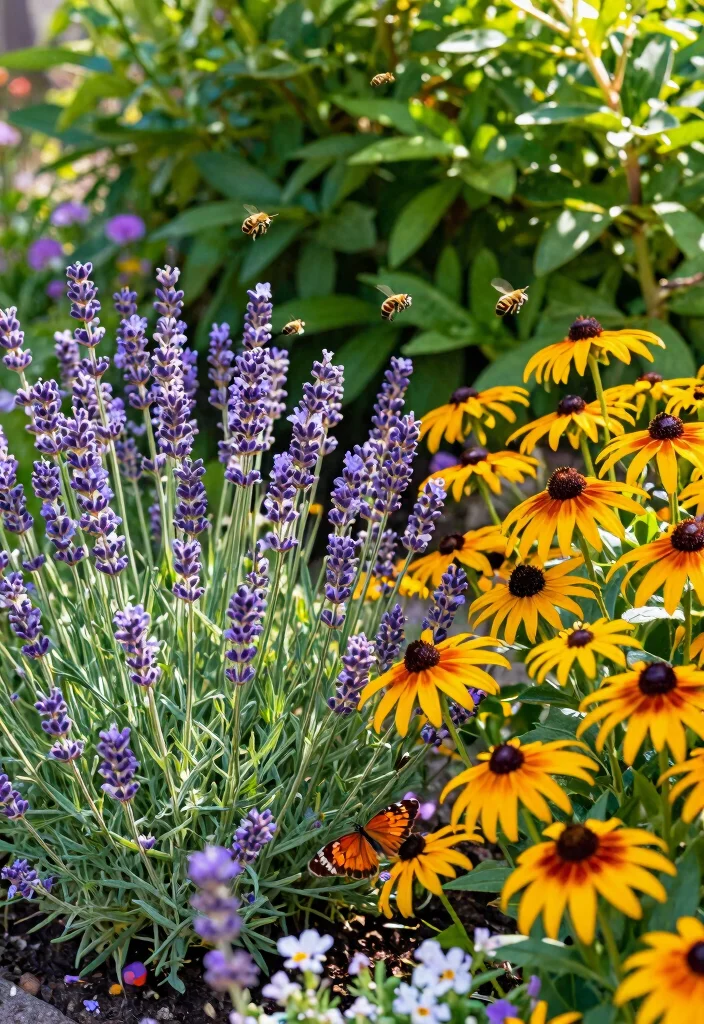
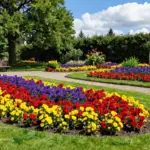
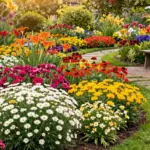
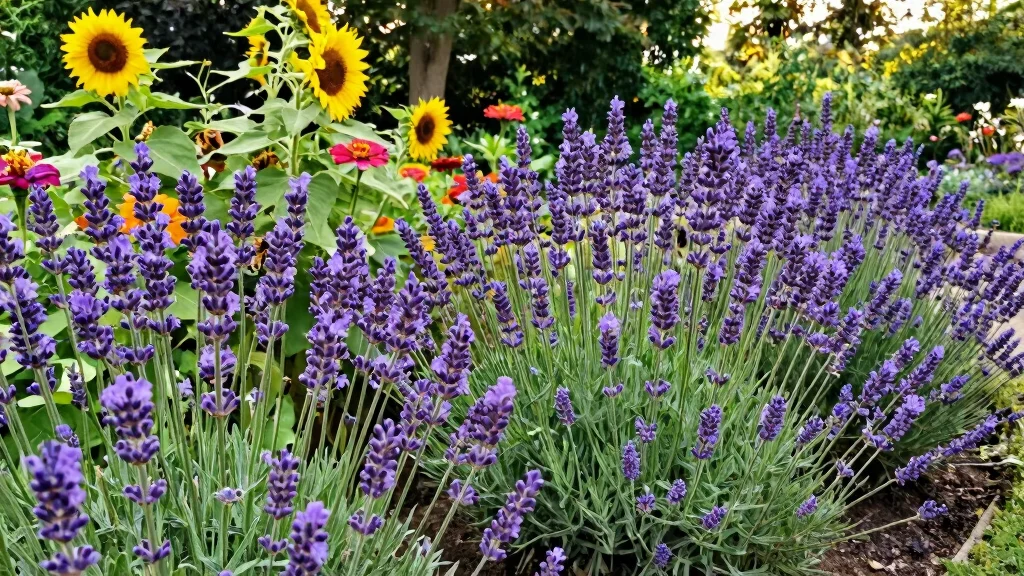
Envision a colorful bed bursting with life, where lavender stands out among other pollinator-friendly plants! Mixing flowers not only creates a vibrant display but also provides sustenance for bees and butterflies. Picture clusters of lavender paired with echinacea, black-eyed Susan, and salvia for a stunning mix of colors and fragrances.
Arrange these plants in groups to create microhabitats, ensuring your garden remains lively and flourishing. This diverse planting strategy supports a thriving ecosystem.
Consider these tips for your mixed beds:
– Select companion plants that bloom at various times for ongoing color.
– Allow enough space between plants for air circulation and sunlight.
– Utilize a drip irrigation system to maintain hydration efficiently.
Your mixed flower beds will not only dazzle the eye but also buzz with life, creating a vibrant garden atmosphere.
3. Lavender Containers
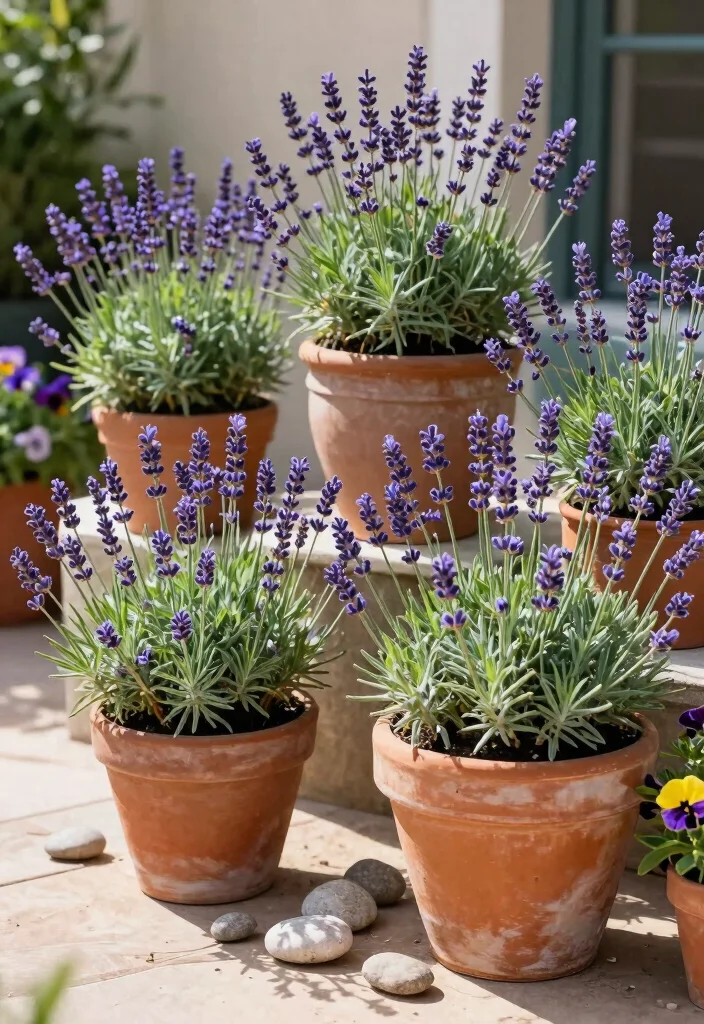
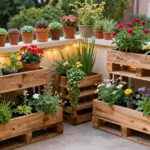
Bring the beauty of lavender to your patios, balconies, or porches using decorative containers. Opt for clay pots or stylish planters that enhance the rustic charm while providing an ideal home for your lavender.
Mix various pot sizes for a layered look, placing taller lavender varieties at the back and trailing types in front. This arrangement can serve as a stunning focal point while keeping your garden drought-resistant.
Here are some practical ideas for container gardening:
– Use a well-draining potting mix to avoid soggy soil.
– Fertilize sparingly to keep growth in check; lavender thrives in lean soil.
– Top the soil with colorful stones for a polished finish.
With the right care, your containers can be easily repositioned to maximize sunlight, creating a flexible and beautiful display.
Fun fact: Using 3–5 clay pots creates a lush lavender display on a sunny patio, and a layered arrangement can cut watering needs by up to one-third. This lavender landscaping idea keeps your space drought-friendly and fragrant.
How To Choose Lavender Landscaping Ideas
Selecting the right lavender landscaping ideas can enhance your garden’s beauty while supporting local pollinators. Here are some criteria to help you make the best choice for your outdoor space.
1. Plant Type
Different varieties of lavender serve unique purposes. English lavender is great for fragrant garden beds and attracts pollinators, while French lavender is ideal for warmer climates. Consider your climate and the purpose of your lavender—whether for aesthetics, scent, or attracting beneficial insects.
2. Color Palette
Lavender comes in various shades, from deep purple to soft lavender, and even white. Think about how these colors will complement your current garden design. Pair lighter lavenders with vibrant flowers or use deeper hues against a backdrop of greens for a striking contrast.
3. Growth Size
Lavender plants vary in size, from short dwarf varieties to tall hedges. Measure your available space and decide how large you want the plants to grow. For borders, choose smaller varieties that won’t overshadow other plants, while larger ones can create stunning focal points or hedges.
4. Maintenance Requirements
Lavender is generally low-maintenance, but some varieties may need more care than others. Check the watering, pruning, and sunlight needs for the type of lavender you select. If you prefer a hands-off approach, opt for drought-tolerant varieties that thrive with minimal irrigation.
5. Seasonal Interest
Think about how your lavender will fit into the seasonal landscape. Some varieties bloom in summer while others have extended blooming periods. Choose a mix of lavender types to ensure your garden remains colorful and fragrant throughout multiple seasons.
6. Pollinator Appeal
If you want to attract bees and butterflies, select lavender types known for their pollinator-friendly traits. English lavender is a favorite among bees. Incorporate these plants in arrangements with other pollinator-friendly plants to create vibrant, beneficial environments.
Pro Tip: Always research the specific lavender varieties that thrive in your region. Local garden centers can provide insights into which types are best suited for your climate and soil conditions. By selecting the right lavender, you create a garden that is not only beautiful but also eco-friendly and supportive of local wildlife.
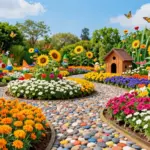
4. Lavender and Stone Paths
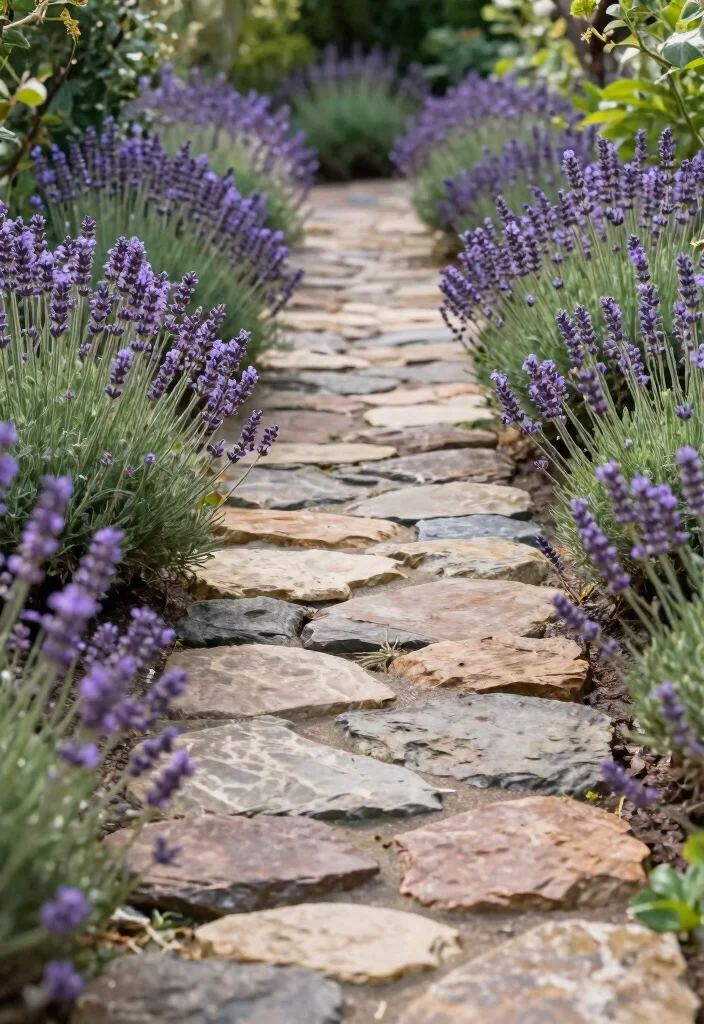
Elevate your garden paths by combining lavender with stones, crafting a natural look that harmonizes with your landscape. The lavender not only adds fragrance but also enhances the path’s aesthetic with vibrant colors, while stones provide stability and texture.
Arrange stones in a way that allows lavender to flourish between them, creating a visually appealing setup that can withstand foot traffic. This practical layout enhances both beauty and utility.
Important considerations for your stone paths:
– Ensure stones allow proper drainage to protect the roots.
– Select larger stones to prevent crushing delicate lavender plants.
– Use this design to visually define different garden areas.
Your stone paths will become functional yet beautiful, inviting everyone to stroll through your fragrant garden.
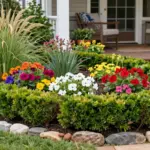
5. Lavender Hedge
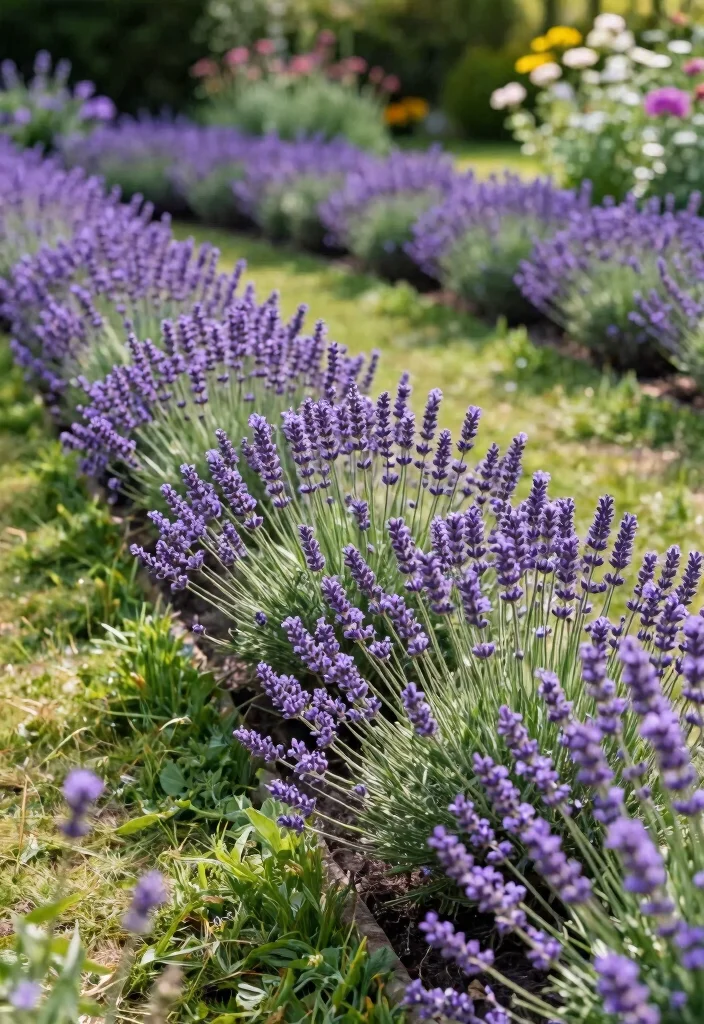
Creating a lavender hedge is a stunning way to define your garden spaces while offering a lovely backdrop. This design involves planting multiple rows of lavender to form a fragrant wall, enhancing privacy and creating a peaceful atmosphere.
Opt for dwarf lavender varieties for a manageable hedge that fits your space perfectly. This lush green divider can effectively separate areas in your yard and act as a natural windbreak.
Explore the benefits of lavender hedges:
– They require minimal maintenance and are drought-resistant.
– Provide habitats for beneficial insects like bees.
– Their aromatic blooms can help reduce noise in urban areas.
With a little time, your lavender hedge will bloom into a stunning feature, adding elegance and sustainability to your landscape.
6. Lavender and Succulents
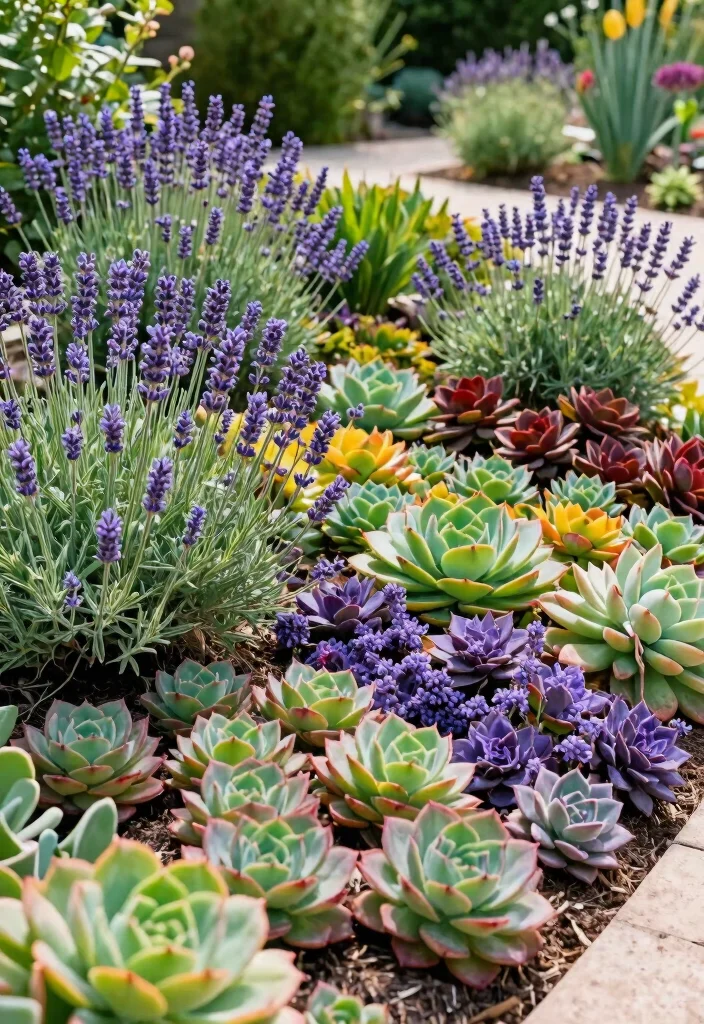
For a unique twist, pair lavender with drought-tolerant succulents to create an eye-catching landscape! The textures and colors of these plants will bring your garden to life, and both thrive in similar conditions.
Use lavender as the taller centerpiece surrounded by low-growing succulents like Echeveria or Sedum for a striking contrast. This combination not only looks fantastic but is also eco-friendly, requiring little water.
Here are some helpful tips for this pairing:
– Ensure good drainage in your planting area to avoid root rot.
– Space plants out to promote airflow.
– Use colorful pots to add vibrant contrast to your design.
This delightful arrangement adds artistic flair to your garden while supporting sustainability.
7. Lavender in Vertical Gardens
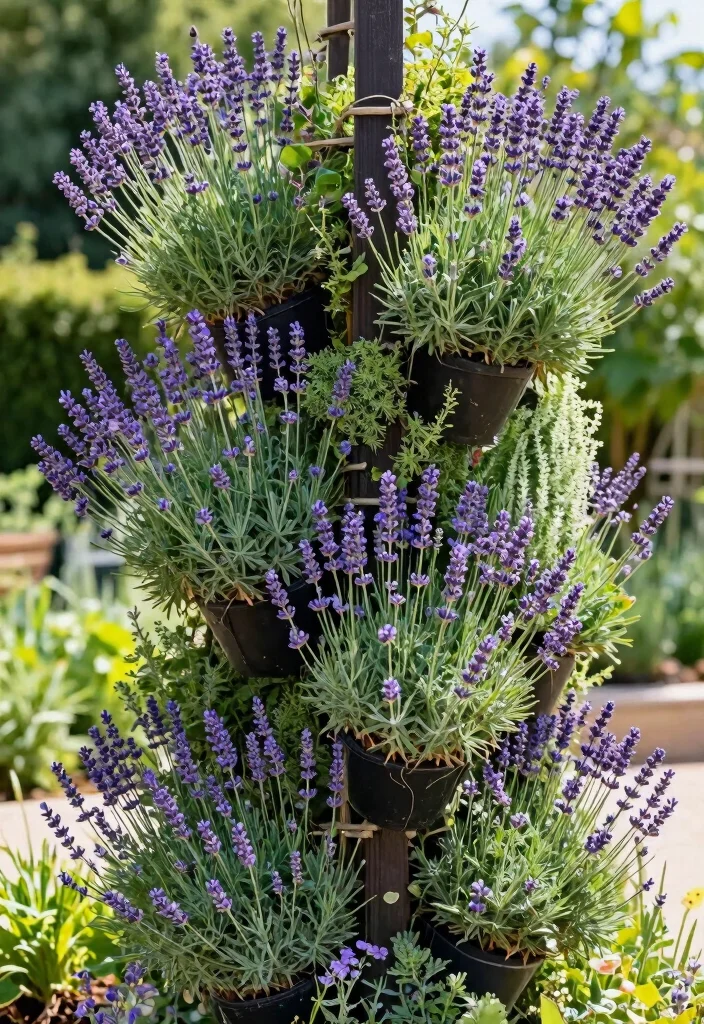
Maximize your space with vertical gardening by incorporating lavender plants! This design not only creates a stunning focal point but also enhances your outdoor area creatively. Consider using a trellis or wall planters to elevate your lavender, showcasing its beauty at eye level.
Mix lavender with trailing plants for a lush display or different varieties for added interest. This vertical design helps save ground space while adding depth to your garden.
Discover the advantages of vertical gardening:
– Perfect for limited spaces, maximizing every inch.
– Improves air circulation, helping to prevent disease.
– Simplifies maintenance; just harvest at your convenience!
Your vertical lavender garden can be a breathtaking and practical addition, turning any area into a fragrant retreat.
8. Fragrant Lavender Arches
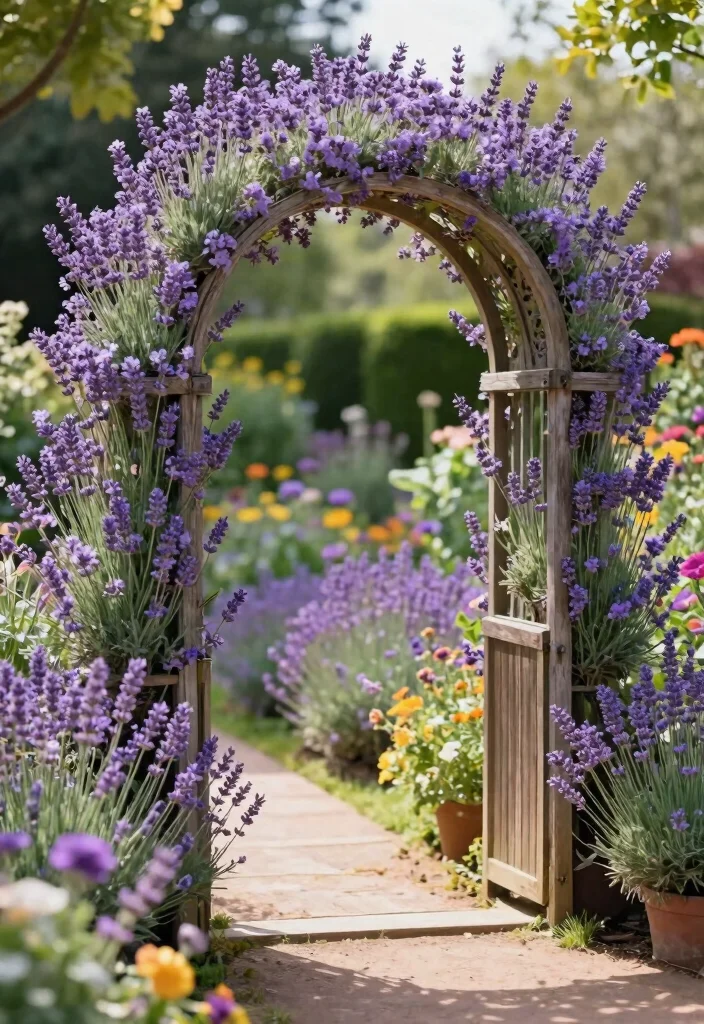
Create an enchanting entrance with lavender arches that welcome you into your garden! This stunning feature can be achieved by training lavender to grow over an archway or arbor, providing a whimsical and aromatic entry point. The sight and scent of lavender will captivate everyone who visits.
Select hardy lavender varieties that can support the structure and ensure they receive plenty of sunlight to thrive.
Here are some fun ideas for your lavender arches:
– Secure the lavender branches to the arch using twine or soft ties.
– Plant colorful flowers at the base for added vibrancy.
– Consider adding fairy lights for a magical evening glow!
Your lavender arch will create a delightful experience, enhancing the charm of your outdoor space.
9. Lavender and Ornamental Grasses
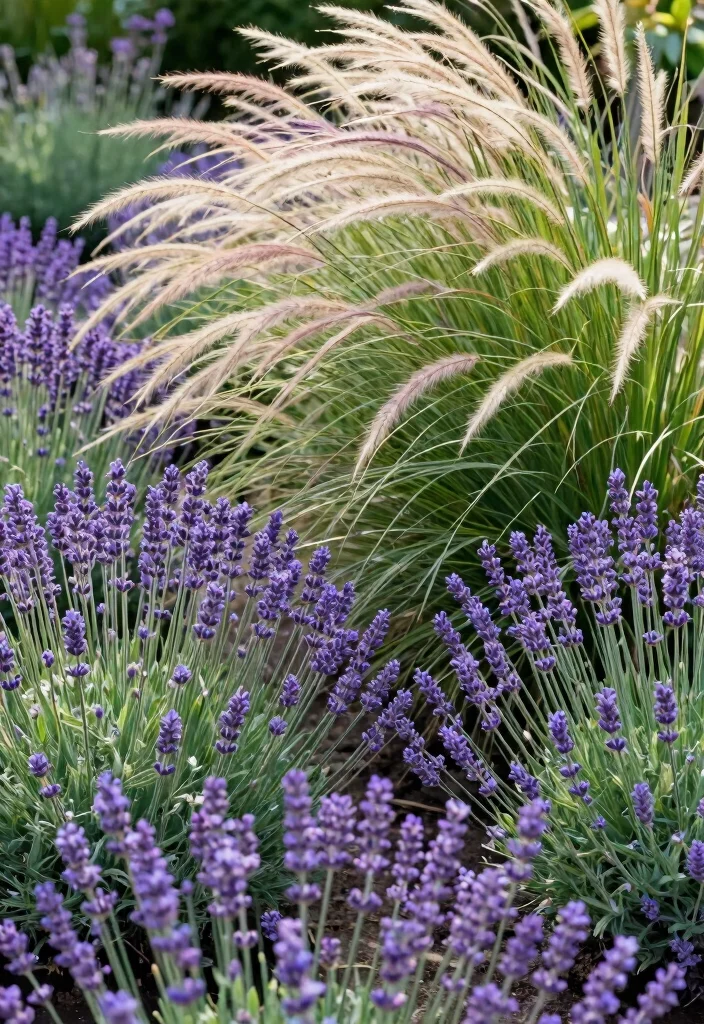
Combine the soft textures of ornamental grasses with the vibrant colors of lavender for a stunning contrast in your garden. This pairing creates a natural appearance while providing excellent drought resistance.
Plant lavender in clumps among tall grasses like fountain grass or blue fescue for a dynamic visual display. The grasses will sway gently in the breeze, while the lavender stands tall and proud.
Here are some tips to enhance this combination:
– Choose grasses that match the height of your lavender for balance.
– Use plants with varying bloom times for year-round interest.
– Group similar plants together for a more impactful look.
This combination adds elegance and a relaxed vibe to your landscaping, creating a haven for pollinators.
10. Lavender and Vegetable Gardens
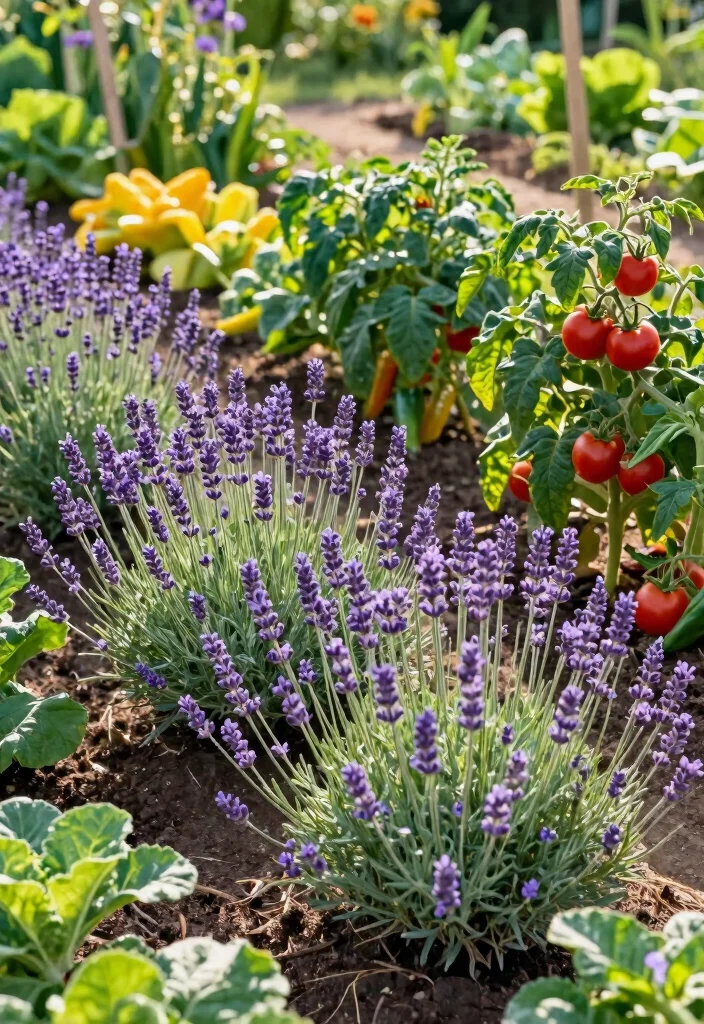
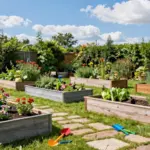
Incorporate lavender into your vegetable garden for beauty and natural pest control! Its aroma helps deter harmful insects, protecting your crops while adding charm.
Plant lavender alongside vegetables like tomatoes and peppers for a colorful and productive garden. This approach not only looks pleasing but also supports a healthy ecosystem.
Consider these suggestions for integrating lavender:
– Ensure lavender gets plenty of sunlight while giving vegetables room to grow.
– Use companion planting techniques for optimal growth.
– Harvest lavender blooms regularly to encourage more growth.
With thoughtful planning, your vegetable garden can become a fragrant, colorful paradise that attracts beneficial insects and boosts your harvest.
Fun fact: lavender landscaping ideas include pairing lavender with tomatoes and peppers to deter pests and boost pollinator visits, cutting pesticide needs by up to 30%. Plant lavender in sunny spots and give vegetables room to grow for a productive, fragrant garden.
11. Fragrant Lavender Displays in Public Spaces
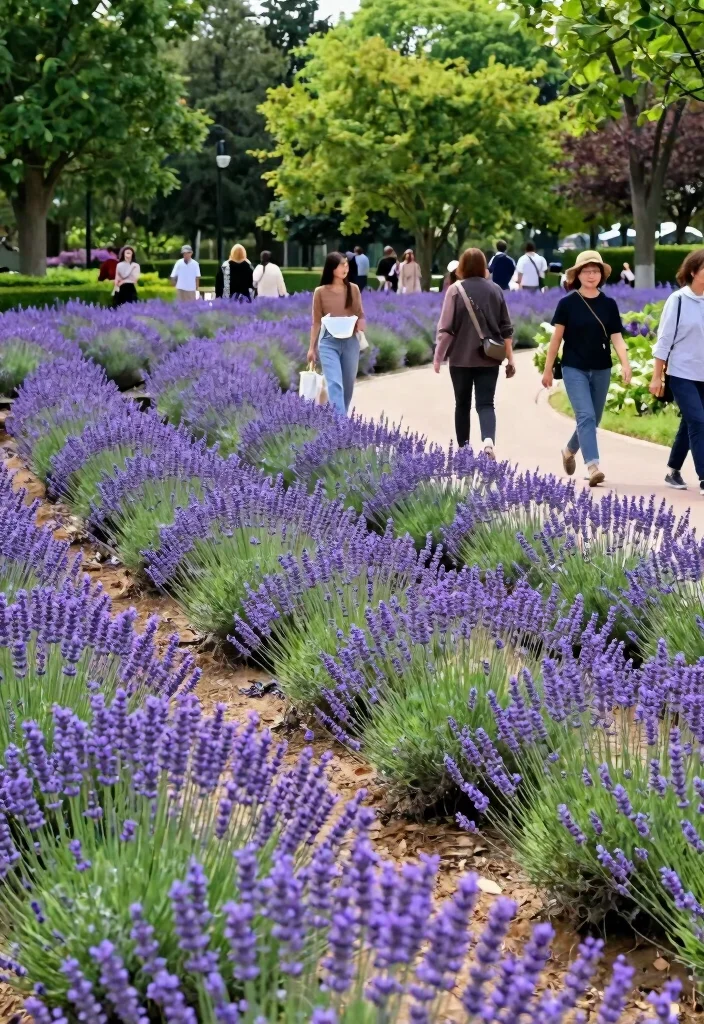
Collaborate with local councils or organizations to create fragrant lavender displays in parks or community gardens! These public lavender beds will beautify the area while promoting biodiversity and attracting visitors.
By planting a variety of lavender with staggered bloom times, you can ensure a colorful display throughout the seasons while providing a sanctuary for pollinators.
Explore the benefits of public lavender displays:
– Lavender is drought-tolerant, minimizing watering needs.
– Offers educational opportunities on sustainable gardening.
– Engages the community through gardening initiatives.
Your community can come together to create a fragrant haven, enhancing beauty and supporting local wildlife.
12. Seasonal Lavender Showcases
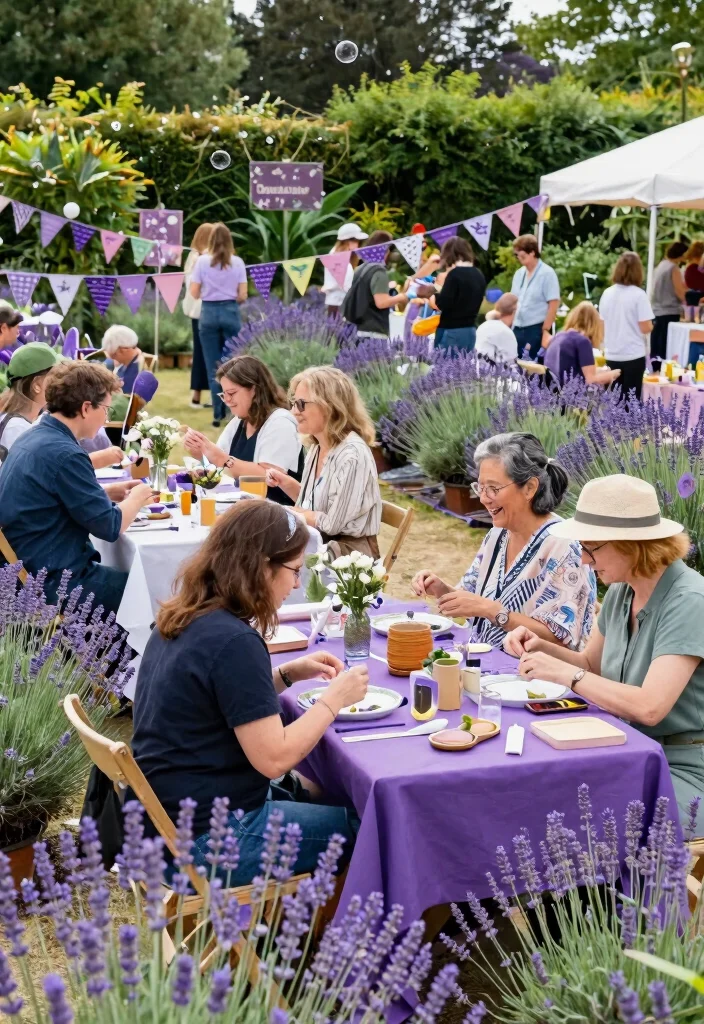
Host seasonal lavender showcases in your garden, inviting the community to enjoy the beauty of these blooms! This can be a fun way to educate others about lavender’s benefits while creating a lively atmosphere with activities like harvesting, cooking demos, and crafts.
With proper promotion, your lavender showcase could become a local favorite! Partner with local artisans to enhance the experience.
Here are some ideas for your showcases:
– Organize workshops on lavender gardening techniques.
– Offer tastings of lavender-infused treats.
– Provide arts and crafts stations for kids to create lavender sachets.
Your seasonal showcases will celebrate lavender’s beauty while fostering community around gardening and sustainability.
Fun fact: A single lavender bed can attract 20–30 pollinator visits per hour during peak bloom, making seasonal showcases a living example of lavender landscaping ideas. Invite neighbors to harvest, taste lavender-inspired treats, and learn simple tips to grow more blooms at home.
Conclusion
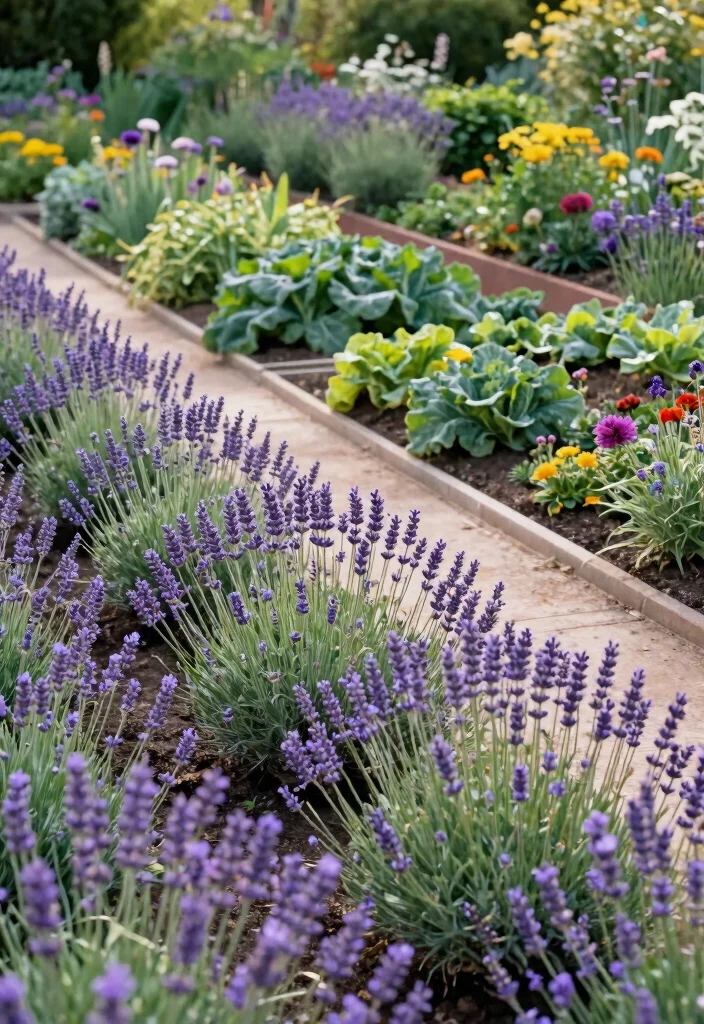
Lavender landscaping ideas offer a beautiful and sustainable way to enhance your garden while supporting the environment. From fragrant borders to community showcases, these creative concepts bring vibrant color and a delightful scent to any outdoor space.
By incorporating lavender into your landscaping, you’re not just beautifying your garden but also providing a haven for pollinators. Embrace the charm of lavender and watch your outdoor oasis flourish with life!
Frequently Asked Questions
What are some lavender landscaping ideas for a drought-tolerant, pollinator-friendly garden?
For lavender landscaping ideas, start with a sunny, well-drained bed. Choose drought-tolerant lavender varieties and group them in blocks to create a strong visual impact for colorful landscaping ideas. Use sandy soil or amended raised beds and ensure good drainage to keep roots from sitting in moisture. Plant lavender in full sun (at least 6-8 hours) and water deeply but infrequently; a drip irrigation line helps conservation. Surround with pollinator friendly plants like salvia, echinacea, and catmint to attract bees and butterflies. Mulch with gravel or chipped stone to reduce evaporation. Prune after flowering to keep plants compact and blooming again next year. For fragrance, place lavender toward walkways or seating areas so you can enjoy fragrant garden beds up close.
How can I design a lavender garden to maximize fragrance and color in a small or sunny space?
Start with a smart lavender garden design layout: place tall varieties in the back or center, with mid-height and edging lavender for easy access and scent. Plant in mass blocks to amplify fragrance and create dramatic blocks of colorful landscaping ideas. Pair lavender with pollinator friendly plants like nepeta, salvias, and gaillardia to stretch bloom time and color. Use containers or raised beds for flexibility in small spaces, and ensure soil is extremely well-drained. Water deeply only when the top inch dries, and prune after flowering to keep plants compact and ready to fragrance the next season.
Which lavender varieties are best for drought-tolerant landscaping and eco-friendly beds?
Look for Lavandula angustifolia (English lavender) varieties such as Hidcote and Munstead, and Lavandula x intermedia (lavandin) like Grosso. These are well-known for strong fragrance and good drought tolerance when planted in well-drained soil. Avoid overwatering and heavy mulch that retains moisture. In eco-friendly beds, pair lavender with other drought-tolerant flowers and herbs—think thyme, sage, and ornamental grasses—to boost texture and resilience while keeping irrigation minimal. Plant in groups to maximize impact on your fragrant garden beds and colorful landscaping ideas.
What are the best companion plants to pair with lavender to boost pollinator activity and fragrance?
Great question for pollinator friendly plants. Pair lavender with Salvia nemorosa, Echinacea purpurea, Nepeta faassenii (catmint), and Gaillardia for continuous bloom and diverse nectar sources. Add herbs like thyme or oregano near the edges for extra fragrance when you brush by. Keep plants grouped in threes or fives and space them so each has similar sun and water needs. A mix of silvery foliage (like santolina) and grasses also adds texture and helps with drought tolerance while keeping your beds vibrant and inviting to pollinators.
Can lavender be grown in containers or small gardens and still deliver fragrant garden beds and color?
Absolutely. Choose dwarf or compact lavender varieties such as Lavandula angustifolia ‘Hidcote Compact’ or similar for containers. Use pots with drainage holes and a gritty, well-draining mix (about 60% potting soil, 40% grit). Place vessels in full sun and water deeply when the top inch of soil dries. In cold climates, bring containers indoors or shield them during winter. Use a simple drip system or careful hand watering to conserve water. Pair containers with other drought-tolerant flowers to maintain colorful landscaping ideas and keep your fragrant garden beds near patios for easy enjoyment.