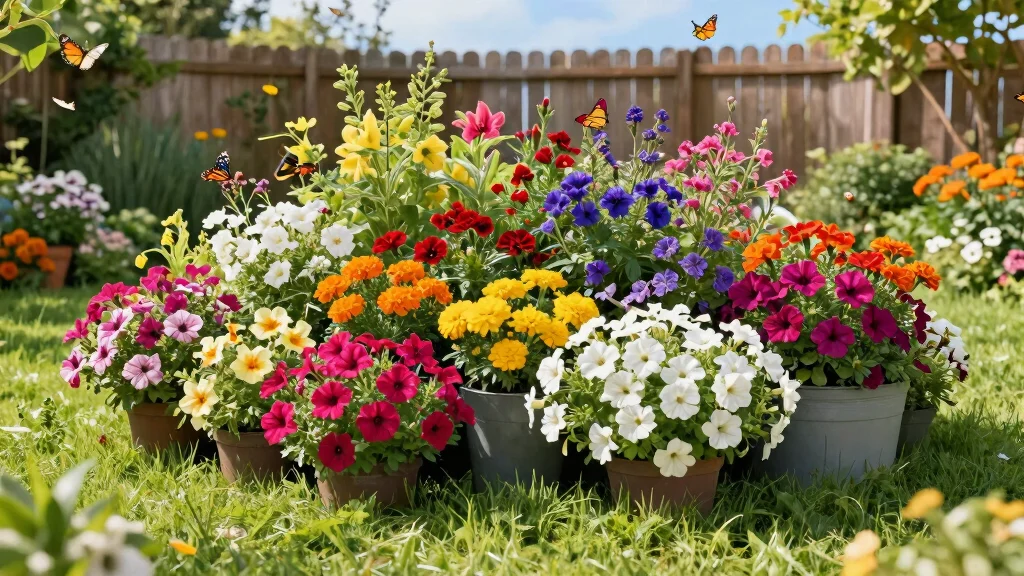
As the seasons change, so does the desire to breathe life into your garden. This time of year always reminds me of the vibrant blooms that can transform a dull outdoor space into a colorful haven. If you’re someone who loves to create lively bursts of color with seasonal flower arrangements, this one’s for you. I’ve gathered together 12 annual flower bed ideas that promise to inject fresh hues into your garden every growing season. Whether you’re a seasoned gardener or a beginner looking to spruce up your space, these ideas will inspire you to cultivate stunning flower beds.
You’ll discover easy-to-grow annuals that are perfect for adding charm to your outdoor areas. From bold and bright petunia parades to elegant verbena cascades, the options are endless. Each idea highlights colorful flower combinations that not only bring joy but also require low maintenance, making them perfect for busy gardeners. Plus, you’ll find practical tips to ensure your flower beds look their best throughout the seasons. Get ready to elevate your gardening game and enjoy a vibrant garden that catches everyone’s eye!
Key Takeaways
– Explore 12 unique annual flower bed ideas that bring fresh color and excitement to your garden each season.
– Discover easy-to-grow annuals that are ideal for beginners and busy gardeners alike.
– Learn how to create colorful flower combinations that enhance the beauty of your outdoor spaces.
– Get practical tips for low-maintenance garden beds that require minimal upkeep while still delivering stunning results.
– Enjoy step-by-step guidance to ensure your flower arrangements flourish and remain vibrant throughout each growing season.
1. Bold and Bright Petunia Parade
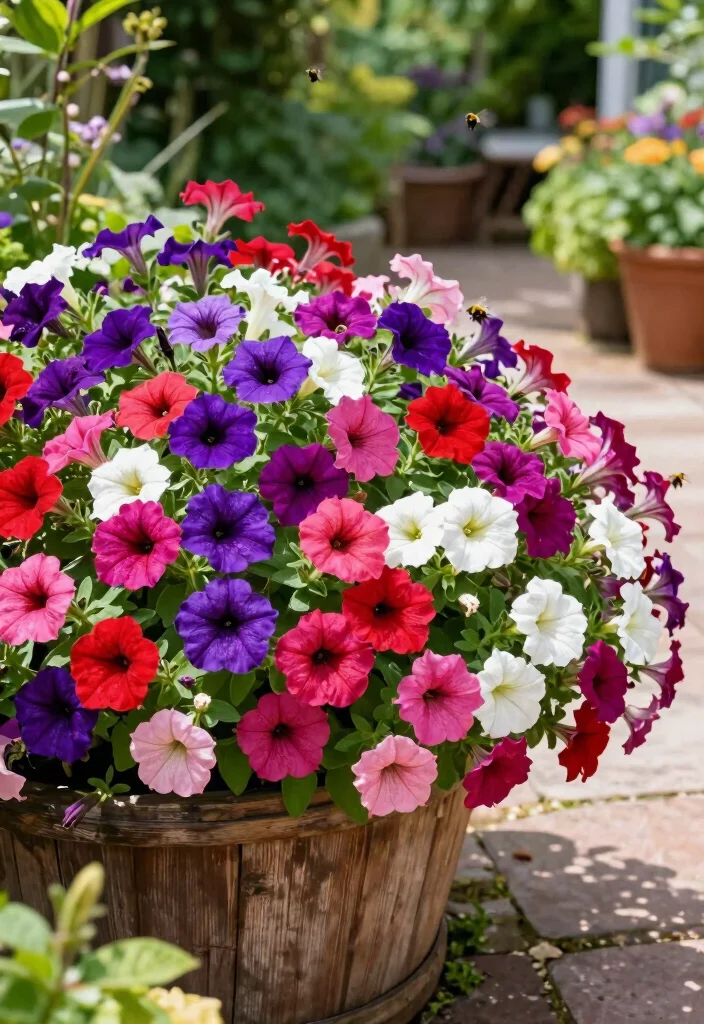
If you’re seeking an explosion of color in your garden, petunias are the answer.
These flowers provide a stunning array of hues, from vibrant reds to soft pastels, making them a beautiful choice for any flower bed.
They’re easy to care for and thrive in sunny spots, bringing life to your outdoor space effortlessly.
To make the most of your petunia garden, plant them in groups for a dramatic effect.
Regular deadheading will encourage more blooms, keeping your display fresh all season.
Consider pairing them with taller flowers for added depth and visual interest.
Key tips for a petunia display:
– Mix colors for a lively effect.
– Maintain consistent moisture for healthy blooms.
– Use raised beds or hanging baskets for cascading beauty.
– Combine with snapdragons for height variation.
This vibrant combination will create a show-stopping centerpiece that enchants everyone who sees it.
How To Choose the Right Annual Flowers for Your Flower Bed
When it comes to creating a stunning flower bed, choosing the right annual flowers can make all the difference. With so many options available, it’s important to consider several factors to ensure your garden thrives. Here’s how to navigate your choices effectively.
1. Climate Compatibility
Understanding your climate is crucial. Different annuals thrive in various conditions. For example, if you live in a hot area, you might want to explore heat-tolerant varieties like zinnias or marigolds. On the other hand, if you’re in a cooler region, consider options like pansies or snapdragons. Check your USDA hardiness zone for the best results.
2. Color Scheme
Your flower bed’s color scheme sets the tone for your garden’s overall look. Think about the colors you enjoy and how they complement your home or surrounding plants. You can go for a monochromatic theme with varying shades of one color or a mix of contrasting hues for a vibrant effect. Use color wheel principles to help you choose combinations that pop together beautifully.
3. Growth Habit
Annual flowers come in various growth habits. Some grow tall and upright, while others are bushy or trailing. Assess how much space you have available in your flower bed. If space is limited, opt for lower-growing varieties like sweet alyssum. If you want height, consider vertical growers like tall cosmos. Mixing different growth habits can add visual interest to your flower bed.
4. Maintenance Level
Not all annuals require the same level of care. If you want a low-maintenance garden, choose easy-to-grow annuals like marigolds or petunias. These flowers are forgiving and do not require frequent deadheading or attention. However, if you enjoy gardening and don’t mind a little extra effort, try varieties like dahlias or verbena that may need more care but offer stunning blooms.
5. Bloom Time
You want your garden to have continuous color throughout the season. Take note of when different flowers bloom. Some annuals bloom early in the season, while others might peak later. By selecting a mix of flowers with staggered bloom times, you can create a flower bed that remains colorful from spring to fall.
6. Flower Size and Texture
The size and texture of your flowers can enhance the overall appeal of your garden bed. Consider combining large, bold flowers like dahlias with smaller blooms like sweet alyssum for contrast. Mixing textures, such as smooth petunias with ruffled zinnias, adds depth to your arrangement. This variety makes your flower bed more visually appealing.
Pro Tip: Before planting, sketch out a rough layout of your flower bed. Mark where each type of flower will go, considering their height, color, and growth habits. This will help you visualize the final look and ensure you have a harmonious and thriving garden.
By keeping these factors in mind, you can confidently choose the best annual flowers for your flower bed, ensuring fresh color and beauty every growing season. Enjoy experimenting with different combinations and watch your garden flourish!
2. Cheerful Marigold Spectacle
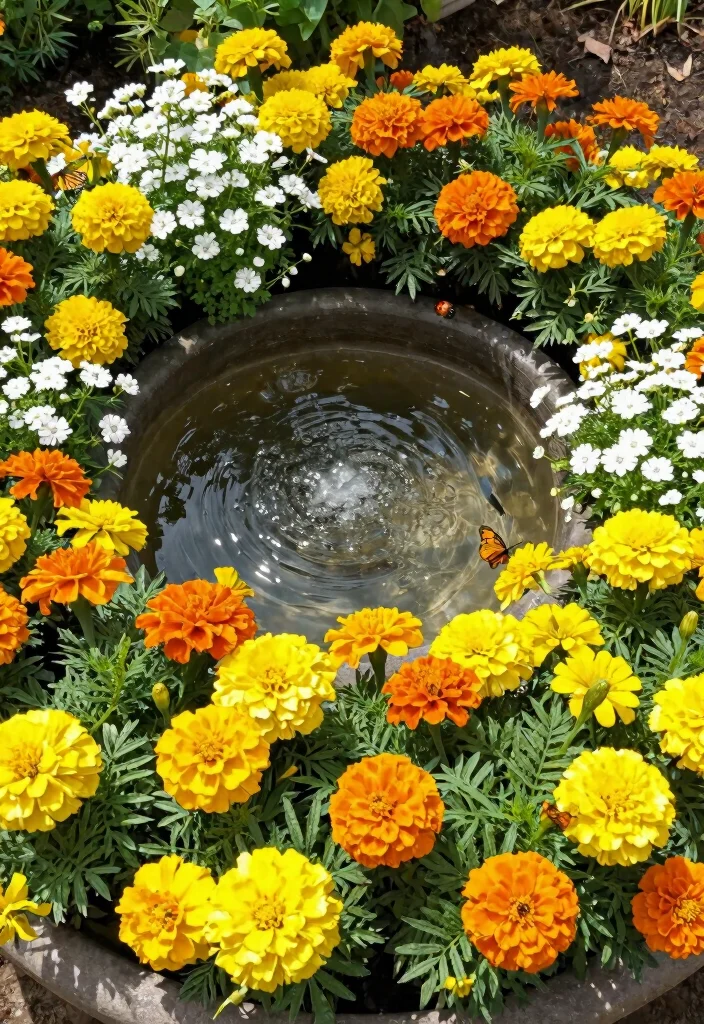
Marigolds are a fantastic choice for those who want vibrant color with minimal effort.
Their sunny yellows and fiery oranges can brighten any garden, instantly lifting the mood.
These hardy plants thrive in various conditions, making them perfect for any gardener.
To create a stunning marigold display, plant them in clusters for maximum impact.
Pair them with cool-toned flowers for a delightful contrast, and watch them thrive while deterring pests.
Regular deadheading will keep them blooming beautifully throughout the season.
Ideas for marigold arrangements:
– Arrange in a zigzag pattern for visual appeal.
– Combine with white alyssum for a fresh contrast.
– Use dwarf varieties to define borders.
– Keep soil well-drained for optimal growth.
This lively arrangement ensures a colorful, low-maintenance garden that flourishes all summer long.
3. Striking Zinnia Wonderland
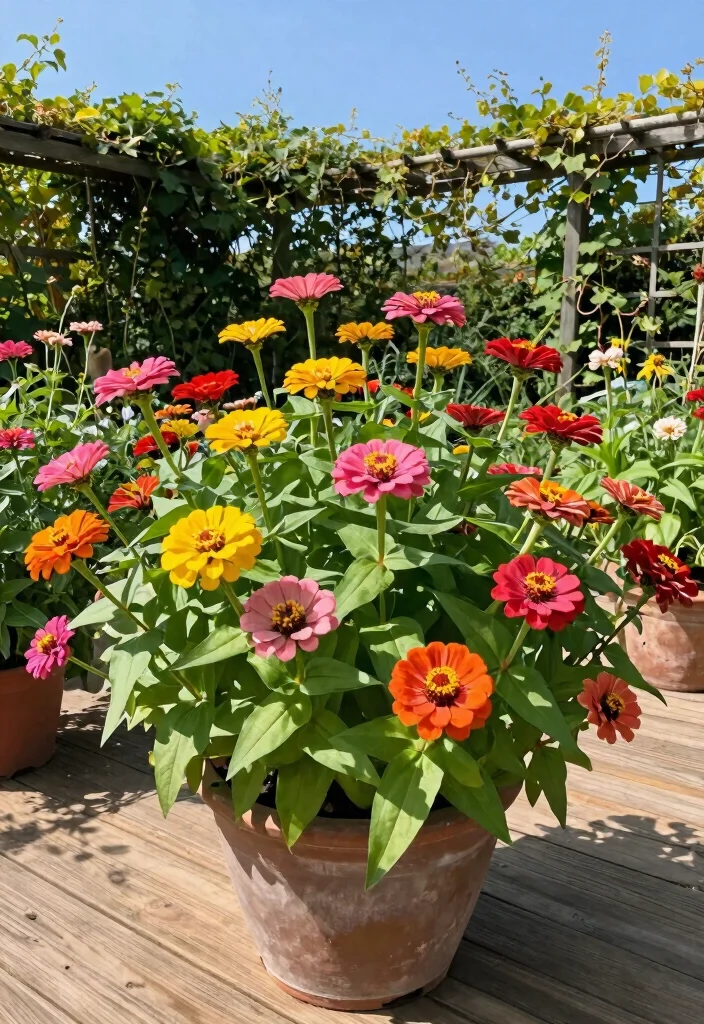
Zinnias are the life of the garden party, showcasing large, vibrant blooms in every color imaginable.
These resilient flowers thrive in sunny spots and are perfect for gardeners who may forget to water.
With continuous blooms from summer until frost, they add lasting beauty to your garden.
For an eye-catching arrangement, mix zinnias with other flowers like cosmos for a playful display.
Deadheading regularly will boost their blooming power, ensuring they stay lively.
Plant them in well-drained soil to keep roots healthy.
Steps for arranging zinnias:
– Use a variety of heights for dynamic visual interest.
– Pair with sunflowers for a cheerful atmosphere.
– Add a trellis for climbing varieties to maximize vertical space.
– Ensure consistent watering for optimal growth.
Zinnias bring joy and a burst of color, making them a perfect choice for vibrant flower arrangements.
4. Elegant Verbena Cascade
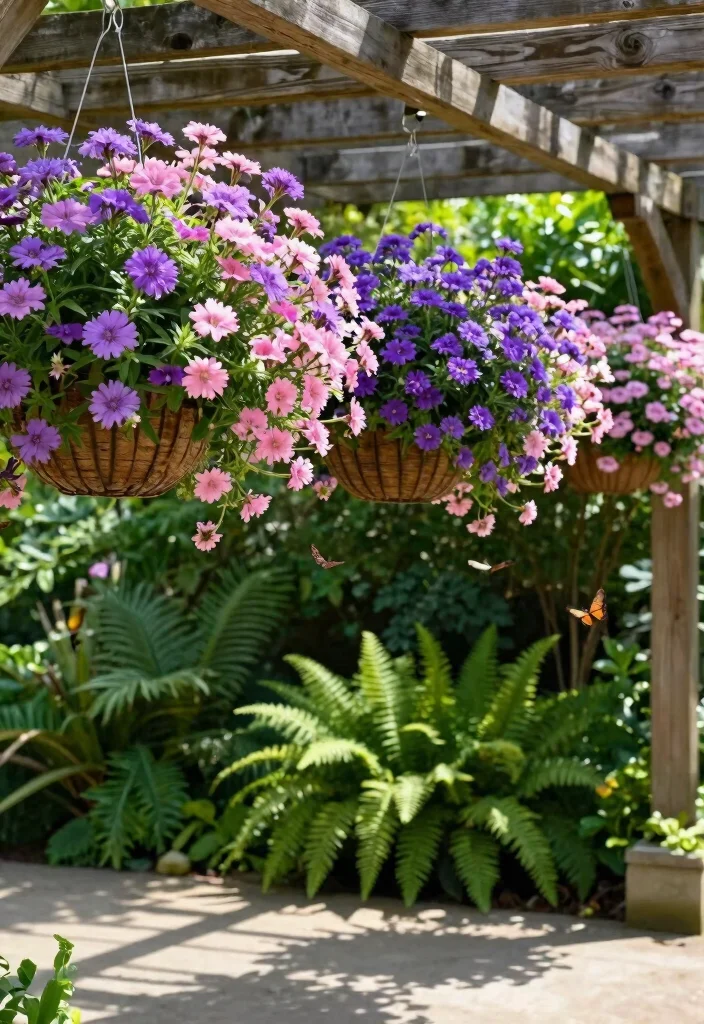
For a beautiful cascading effect, verbena is the ideal flower to include in your garden.
This perennial favorite blooms in gorgeous colors like deep purple and soft pink, creating a striking display.
They’re also drought-tolerant, making them a fantastic option for low-maintenance gardeners.
To create a stunning arrangement, combine verbena with trailing plants to enhance their beauty.
Use them as ground cover or along pathways for added charm.
Regularly deadhead spent blooms to encourage fresh growth throughout the season.
Tips for your verbena arrangement:
– Pair with ivy for a dramatic cascading look.
– Use as ground cover for a lush appearance.
– Incorporate contrasting foliage for added depth.
– Ensure well-drained soil for healthy roots.
With their lovely clusters, verbena fosters a serene atmosphere perfect for relaxation.
5. Radiant Cosmos Serenity
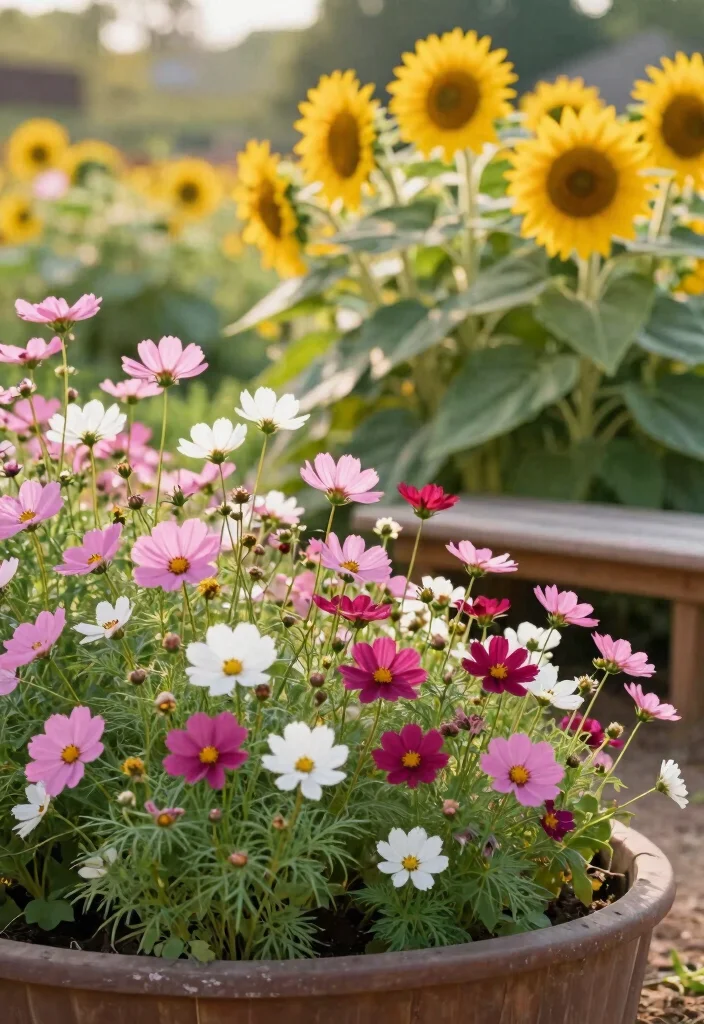
Cosmos are a delightful addition to any garden with their feathery foliage and vibrant blooms that dance in the breeze.
These flowers add a wildflower essence, creating an airy and light feel in your container arrangements.
With vibrant colors ranging from pinks to whites, cosmos attract pollinators, enhancing your garden’s ecosystem.
To achieve a captivating flower bed, vary the heights of your cosmos for a natural look.
Mix with sunflowers for a cheerful vibe, and ensure the soil is moist yet well-drained for optimal growth.
Regular pruning will keep them bushy and prevent legginess.
Ideas for enhancing your cosmos display:
– Position taller cosmos at the back for depth.
– Pair with other wildflowers for a charming effect.
– Water consistently to encourage healthy growth.
– Deadhead regularly to extend blooming.
With their effortless beauty, cosmos will keep your garden lively and colorful all season.
6. Lush Impatiens Paradise
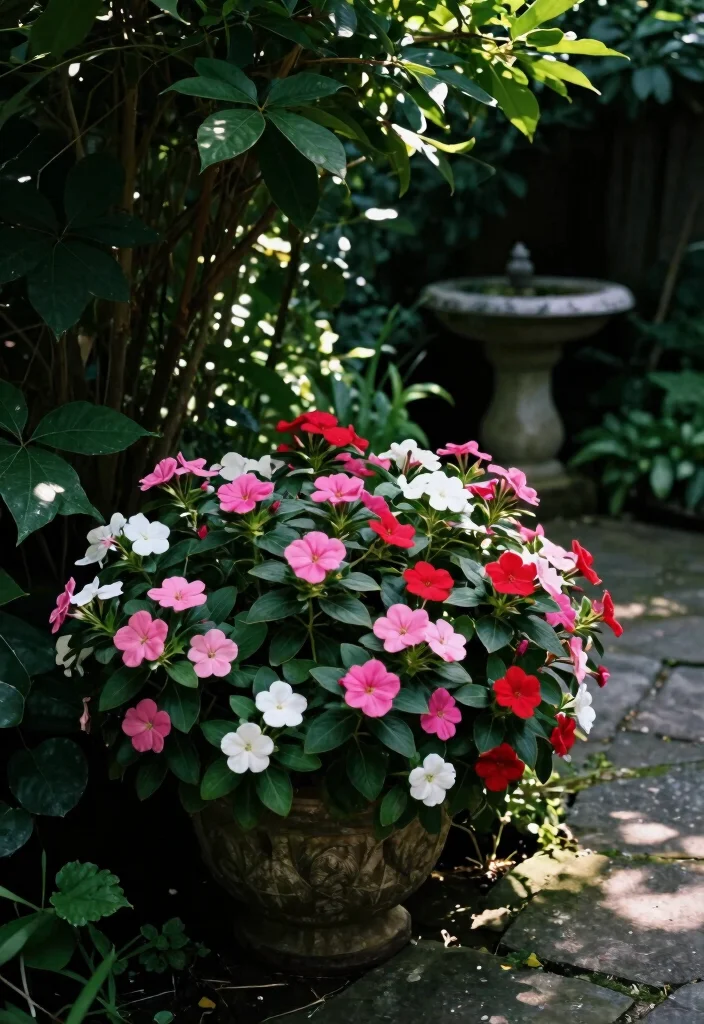
If your garden has shady spots, impatiens are the flowers you need to brighten them up.
Known for their vibrant colors like pink, red, and white, these blooms thrive where others may fail.
Perfect for containers or as ground cover, they bring life to your shaded areas.
To showcase your impatiens, plant them in clusters for a full effect.
Combine with ferns for delightful foliage contrasts, and ensure consistent watering to keep them thriving.
Monthly fertilization will also help promote healthy growth.
Tips for maximizing impatiens:
– Group together for a vibrant cluster.
– Use alongside hostas for a striking look.
– Keep the soil moist, especially in hot weather.
– Trim as needed to maintain shape.
With their abundant blooms, impatiens add a lush, tropical feel to any garden space.
7. Fun and Funky Celosia
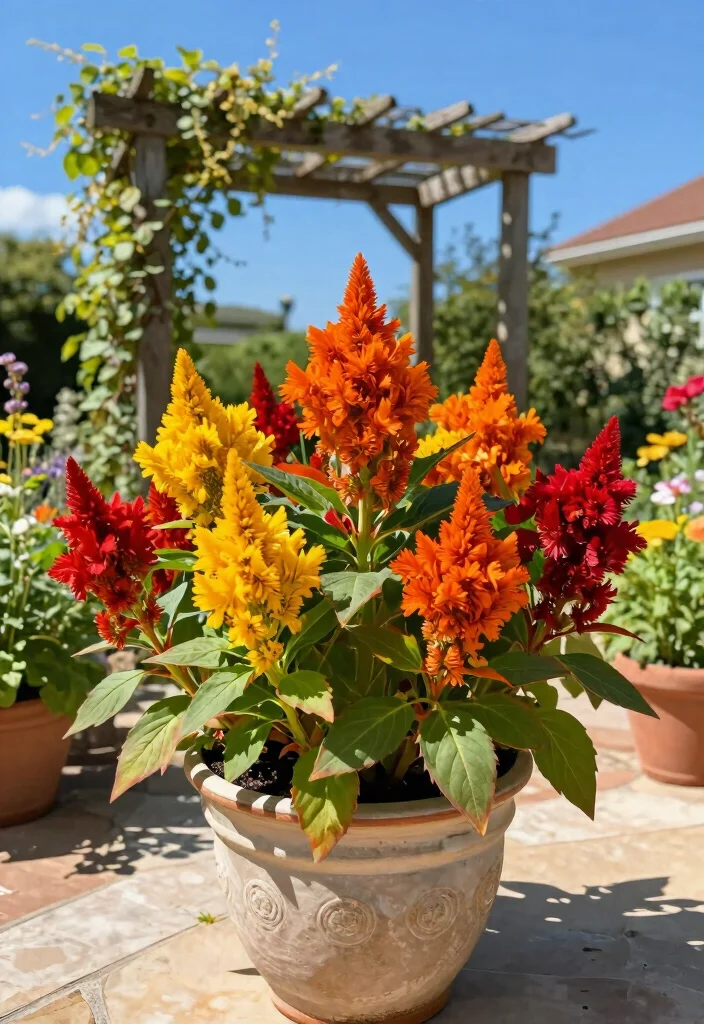
Celosia, often known as cockscomb, adds a unique flair to your garden with its feathery, flame-like blooms.
These striking flowers come in bold colors like yellow, orange, and red, perfect for making a statement.
They thrive in warm, sunny spots, making them ideal for hot summer gardens.
To create a vibrant arrangement, position celosia as focal points among softer blooms.
Mix different varieties to enhance visual interest, and remember to water regularly while allowing the soil to dry between waterings.
Ways to arrange celosia:
– Use as a centerpiece in mixed arrangements.
– Combine with zinnias for colorful contrast.
– Position in well-drained soil for healthy growth.
– Experiment with different heights for depth.
With their quirky shapes and vivid colors, celosia brings excitement to any container garden, perfect for the adventurous gardener.
Fun fact: Celosia can bloom in as little as 60 days from sowing, delivering bold color through the heat of summer. Position it as a focal point among softer blooms to boost your annual flower bed ideas.
8. Graceful Sweet Alyssum
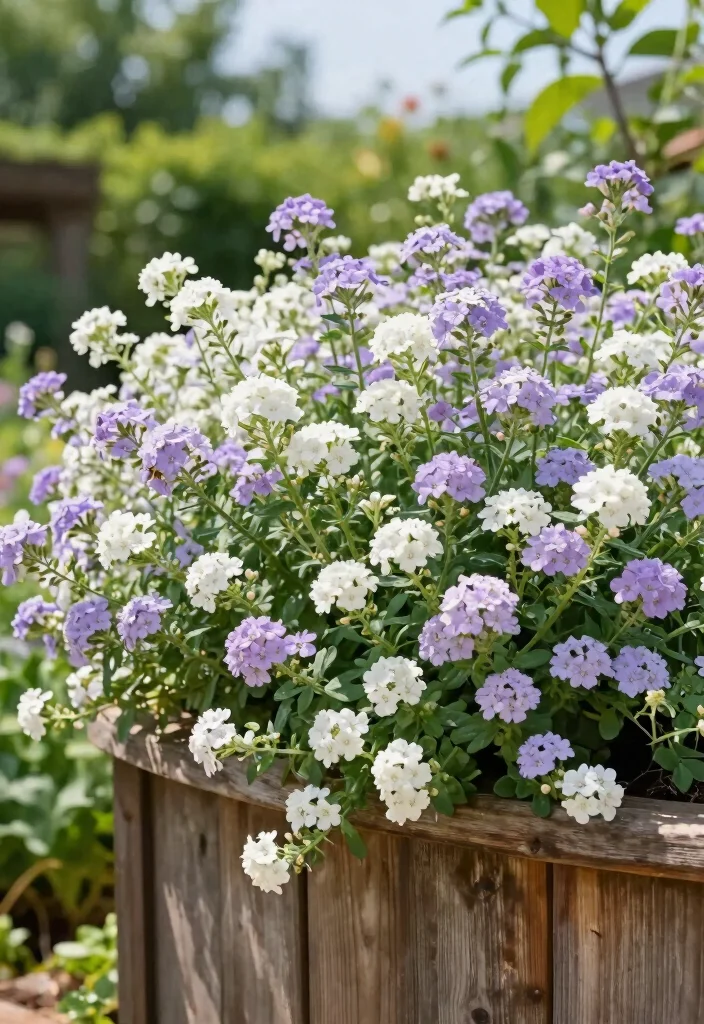
Sweet alyssum is a charming addition to any flower bed, known for its tiny, fragrant blooms in white, lavender, and pink.
These low-growing plants are perfect for trailing in containers, spilling gracefully over the edges.
Their delightful scent attracts beneficial insects, enhancing your garden’s ecosystem.
To ensure the best results with sweet alyssum, plant them in full sun to partial shade.
Pair with taller plants for a layered effect, and keep them well-watered during hot spells.
Filling gaps between larger flowers can create a soft, cohesive look.
Tips for sweet alyssum success:
– Plant in clusters for a fuller appearance.
– Regular watering is key for thriving blooms.
– Use to fill in spaces for a polished look.
– Combine with contrasting flowers for added interest.
With their enchanting fragrance and soft colors, sweet alyssum makes any garden feel more inviting.
9. Vibrant Coleus Combinations
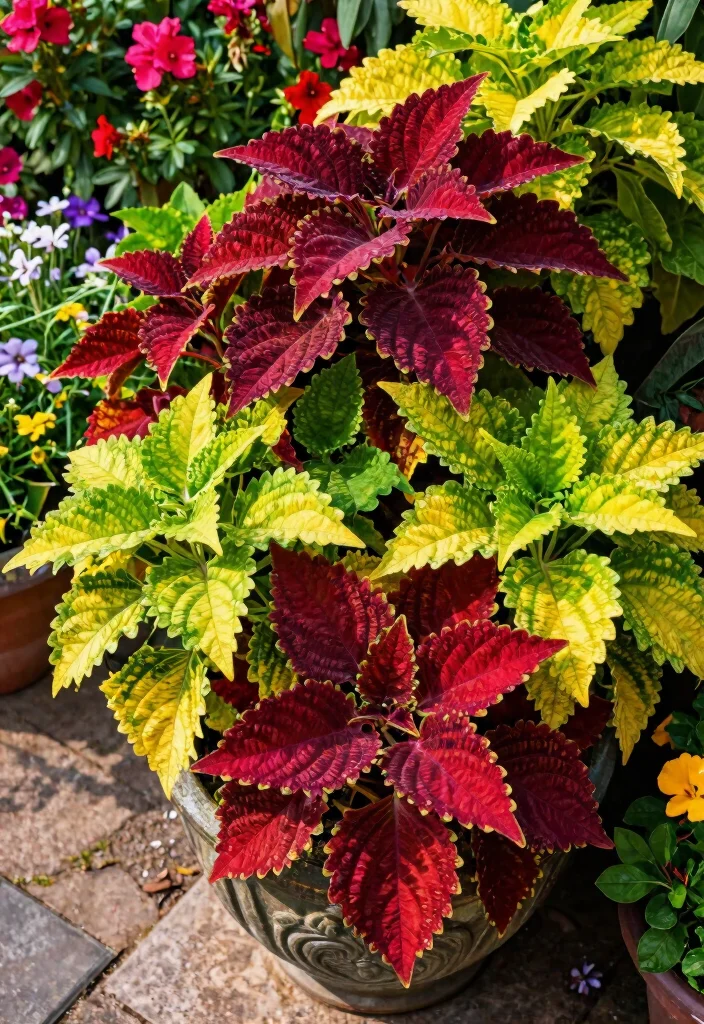
Coleus may not produce traditional flowers, but they bring a stunning display of colors and patterns to your garden.
These lush plants come in a variety of vibrant shades, including reds, greens, and yellows, adding visual intrigue to your arrangements.
They thrive in shaded areas, making them perfect for enhancing those tricky spots.
When arranging coleus, consider using them as a backdrop for colorful flowering plants.
Mix and match varieties for an eclectic look, and keep them well-watered and fertilized for continuous growth.
Tips for coleus arrangements:
– Use as a striking backdrop for flowers.
– Combine different varieties for a unique display.
– Regularly water and fertilize for lush growth.
– Trim back for fuller plants.
With their bold colors and textures, coleus elevates any garden design, providing a fantastic foundation for vibrant arrangements.
Fun fact: Coleus comes in over 1,000 cultivars, offering a rainbow for your annual flower bed ideas. These shade-loving stars work as backdrop plants; mix varieties, stack color, and swap in flowering partners for a lively, low-fuss arrangement.
10. Dazzling Dahlia Display
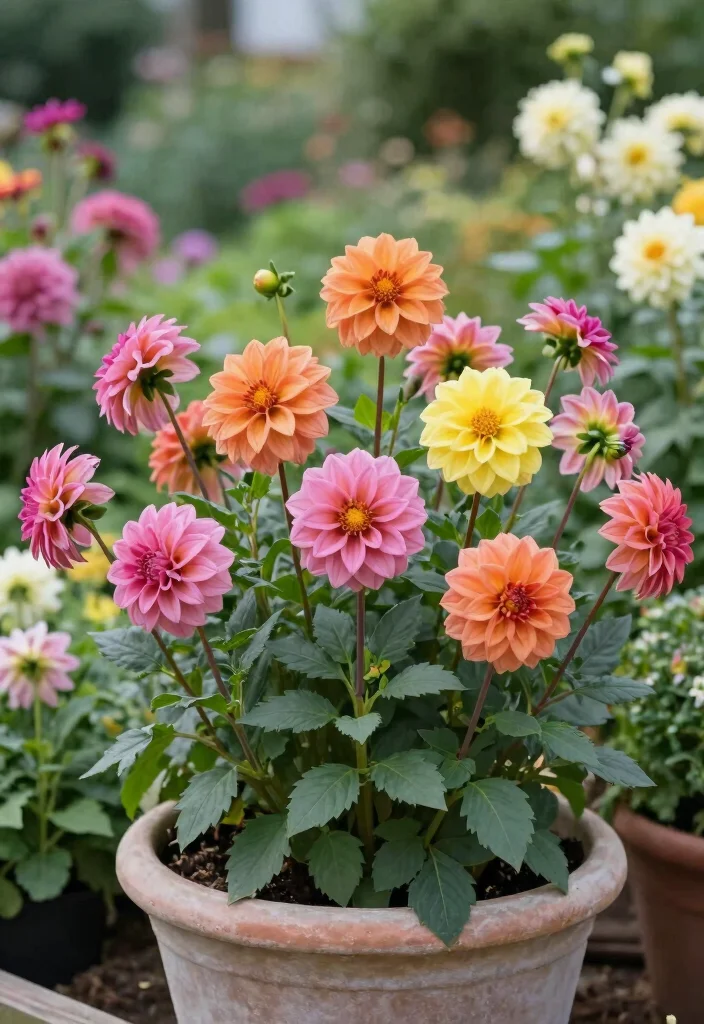
Dahlias are a gardener’s delight, offering an impressive range of forms and colors that can turn any garden into a floral masterpiece.
From pom-pom shapes to large dinner-plate sizes, these blooms are versatile and eye-catching.
They thrive in sunny locations with well-draining soil, making them essential for summer gardens.
To create a captivating dahlia display, choose a mix of sizes and colors for depth.
Combine them with shorter flowers for balance, and stake taller varieties for support.
Regular deadheading will encourage even more blooms throughout the season.
Steps for a stunning dahlia arrangement:
– Select various sizes and colors for visual interest.
– Combine with lower-growing plants for a balanced look.
– Stake taller varieties to keep them upright.
– Deadhead regularly for continuous blooms.
Dahlias add elegance and charm to your garden, making each bloom a conversation starter.
11. Playful Niobi Petunias
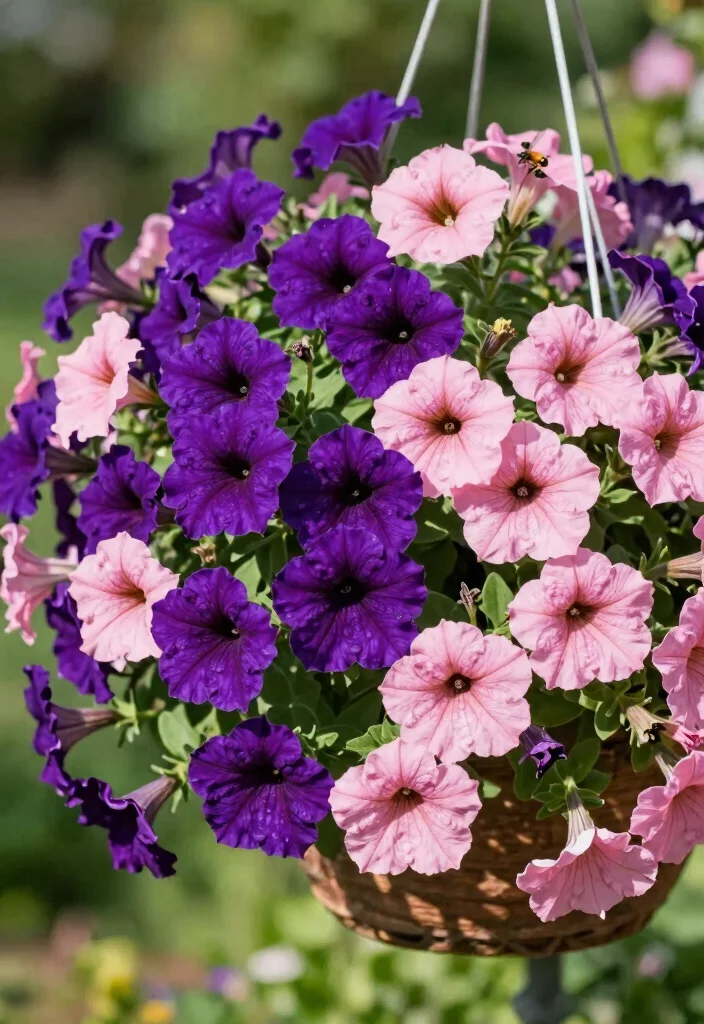
Niobi petunias are a whimsical choice for gardeners wanting to add a touch of playfulness to their flower beds.
With their ruffled petals and vibrant colors like rich purple and soft pink, they create an inviting garden atmosphere.
These flowers thrive in sunny spots and require little maintenance, perfect for busy lifestyles.
To incorporate these cheerful blooms, arrange them in groups for maximum impact.
Pair them with lush green foliage to enhance their colors and keep them well-watered for a healthy display.
Ways to showcase Niobi petunias:
– Group together for a vibrant cluster.
– Combine with contrasting foliage for added depth.
– Regularly deadhead to encourage more blooms.
– Mix with similar colors for a cohesive theme.
With their charming appearance and bright colors, Niobi petunias will surely brighten any floral arrangement.
12. Timeless Scabiosa Blooms
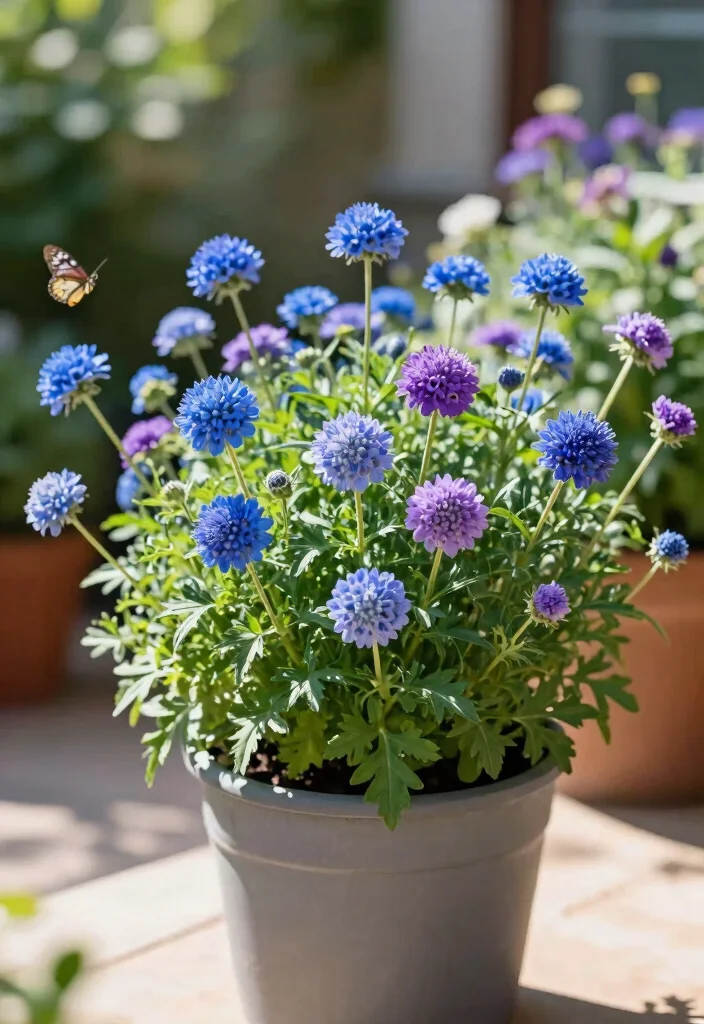
Scabiosa, often called pin cushions, add a unique texture and charm to your flower bed.
With their round blooms in shades of blue, purple, and white, they make a wonderful addition to any garden.
These attractive flowers also draw pollinators, benefiting your garden’s ecosystem.
To create a stunning arrangement with scabiosa, combine them with taller plants for visual balance.
Use them as fillers in mixed arrangements to enhance their beauty.
Ensure they are planted in well-draining soil for optimal health and regularly deadhead to extend their blooming period.
Tips for arranging scabiosa:
– Pair with taller flowers for balance.
– Use as fillers for mixed arrangements.
– Keep in well-draining soil for health.
– Deadhead regularly to maximize blooms.
Scabiosa adds an elegant touch to your garden, making them a timeless choice for any gardener.
Fun fact: Scabiosa blooms attract 2–4 times more pollinators than ordinary annuals, making them a standout in your annual flower bed ideas. Pair them with taller plants for balance, and they double as color-filled fillers in mixed arrangements.
Conclusion
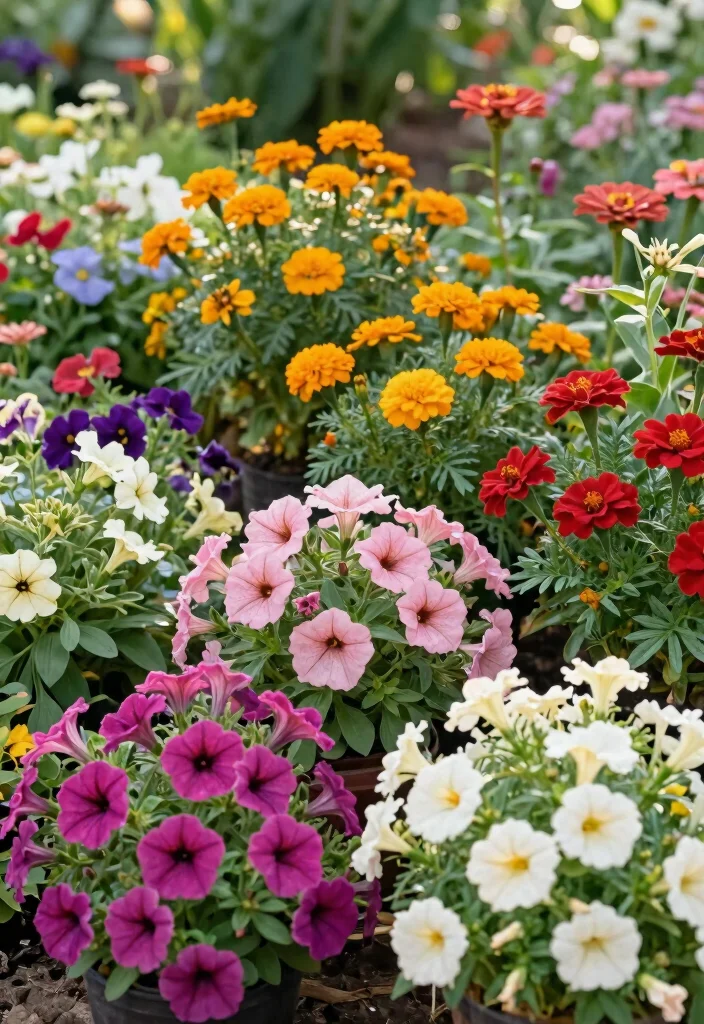
From the bold petunias to the delicate scabiosa, these 12 annual flower bed ideas will keep your garden vibrant and fresh throughout the seasons.
Each flower type offers unique textures, colors, and growth habits, allowing you to create beautiful, low-maintenance garden beds that bloom beautifully.
Try mixing and matching these flowers to design a stunning visual spectacle that will brighten your outdoor space year after year.
Frequently Asked Questions
Which easy-to-grow annuals are best for container gardens to achieve annual flower bed ideas with vibrant color?
Start with a few reliable easy-to-grow annuals like petunias, calibrachoa, marigolds, impatiens, and begonias. They mesh well with the annual flower bed ideas concept and deliver strong color in containers.
For best results: choose plants that suit your sun exposure, use a high-quality potting mix with drainage, water consistently (container soil dries faster), and feed lightly every 4–6 weeks. Deadhead to extend bloom and keep low-maintenance garden beds looking tidy. Pair trailing varieties with compact upright plants to create vibrant garden designs and colorful flower combinations.
How can I design seasonal flower arrangements in containers to maintain color from spring to fall?
Think of container plantings as portable seasonal flower arrangements. Start with cool-season annuals for early spring and switch to warm-season choices as the weather warms.
Choose a few core varieties that bloom at different times (petunias and calibrachoa for late spring, zinnias and marigolds for summer, daisies or snapdragons for fall). Use a cohesive color palette to keep the container feeling unified as you rotate plants. In containers, pick easy-to-grow annuals with a good-draining potting mix, water regularly, and deadhead to promote continuous color. Treat each container as a mini seasonal arrangement, and you’ll enjoy vibrant garden designs and colorful flower combinations all season.
What design tips help create vibrant garden designs with annuals in pots?
Think of container plantings as mini garden drafts. Start with a focal plant in each container, add mid-height companions, and finish with trailing accents for drama. Repeat 2–3 colors across multiple pots to build a cohesive look and use texture contrasts (velvety coleus, glossy petunias, airy grasses). Match annuals to your sun and moisture: full-sun favorites like marigolds and zinnias, shade-friendly choices like begonias and impatiens. Use good drainage and regular watering to keep maintenance low. This approach helps you achieve vibrant garden designs and colorful flower combinations in patios and balconies.
How can I keep container flower beds low-maintenance while still delivering color?
To keep container plantings low-maintenance, choose reliable, easy-to-care-for annuals like easy-to-grow annuals such as calibrachoa, petunias, and begonias, and group plants with similar water needs. Use a good-draining potting mix and consider self-watering containers or a simple drip system to reduce upkeep. Water deeply when the top inch feels dry, but avoid overwatering. Apply a slow-release fertilizer at planting and refresh topsoil at season changes. Deadheading can be minimized if you pick repeat-bloom varieties; otherwise do it weekly to keep blooms coming. With proper drainage and planning, you can enjoy low-maintenance garden beds that stay colorful.
How do I refresh or rotate my container plantings to keep annual flower bed ideas feeling fresh each season?
To keep your annual flower bed ideas feeling fresh, rotate your container plantings with the seasons. Save the containers and soil, refresh with new potting mix, and swap in fresh annuals that fit the season. Set a theme for each season (soft pastels in spring, bright primaries in summer, warm tones in fall). Use 2–3 core colors and repeat them across multiple pots to maintain a cohesive look while you swap in plants that bloom at different times for continuous color. Deadhead regularly, water consistently, and choose easy-to-grow annuals for less maintenance. This approach yields colorful flower combinations and keeps vibrant garden designs throughout the year.