Transforming your backyard hillside into a scenic oasis can feel like a daunting task, but it doesn’t have to be. This post was created to inspire those looking to maximize their sloped outdoor spaces. If you’ve ever stared at an empty slope and wondered how to make it both beautiful and functional, you’re in the right place.
If you’re a gardening enthusiast or someone who simply loves spending time outdoors, this blog post is tailored just for you. You care about sustainability, aesthetics, and making the most of your landscape. You want ideas that are not only visually pleasing but also practical, helping you cultivate a thriving garden that can provide fresh produce.
Here, you’ll discover 14 backyard hillside landscaping ideas that will help you create terraced stable spaces. From incorporating edible plants to designing cozy outdoor nooks, these ideas are designed to enhance your home’s scenery while making your garden more usable. Let’s dive into the world of hillside gardening and explore how you can transform your outdoor area into a stunning and productive space.
Key Takeaways
– Terraced Garden Design: Learn how to create multi-leveled vegetable gardens that maximize space and make gardening easier on slopes.
– Hillside Planting Techniques: Discover effective ways to plant on slopes to prevent soil erosion and promote healthy growth.
– Outdoor Space Ideas: Explore various features like stone pathways, fire pits, and cozy seating areas that enhance your backyard’s appeal.
– Scenic Backyard Transformations: Find out how to incorporate natural elements like a rain garden or wildlife habitats to enrich your garden’s ecosystem.
– Sustainable Edible Landscaping: Understand how to combine aesthetics and functionality by incorporating edible plants into your design for both beauty and utility.
1. Create a Multi-Level Vegetable Garden
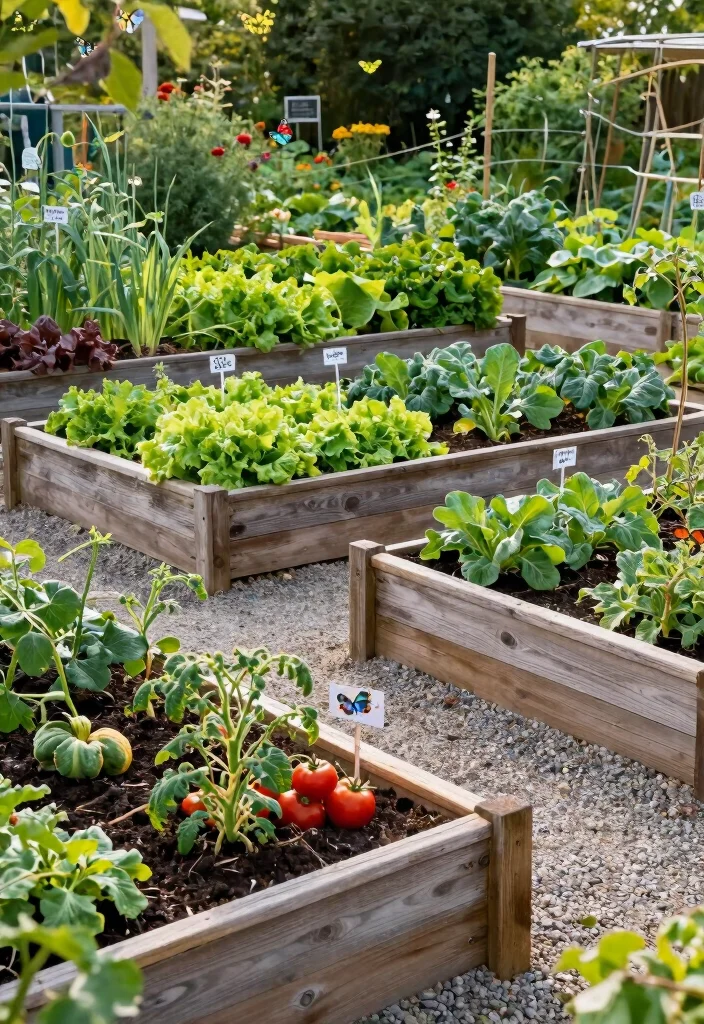
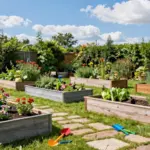
Are you dreaming of fresh veggies right from your backyard? Imagine plucking crisp lettuce or juicy tomatoes just steps away from your kitchen. A multi-level vegetable garden not only maximizes your space but also creates a stunning visual appeal in your landscape. By utilizing tiered planter boxes or raised beds, you can cultivate a variety of vegetables in an organized and accessible manner.
These gardens are perfect for sloped terrains, as they help reduce soil erosion while ensuring your plants receive ample sunlight. You can plant fast-growing greens like lettuce and radishes on the upper levels, while the lower tiers can support heavier crops such as tomatoes and squash, taking advantage of the stability they provide.
Tips for an Effective Multi-Level Garden:
– Use recycled materials for building your raised beds.
– Incorporate companion planting to promote growth and deter pests.
– Regularly mulch to retain moisture and suppress weeds.
– Consider using drip irrigation for efficient watering.
With a multi-level garden, you’ll not only create a beautiful landscape but also enjoy a sustainable source of fresh produce right at home!
2. Add Stone Pathways for Accessibility
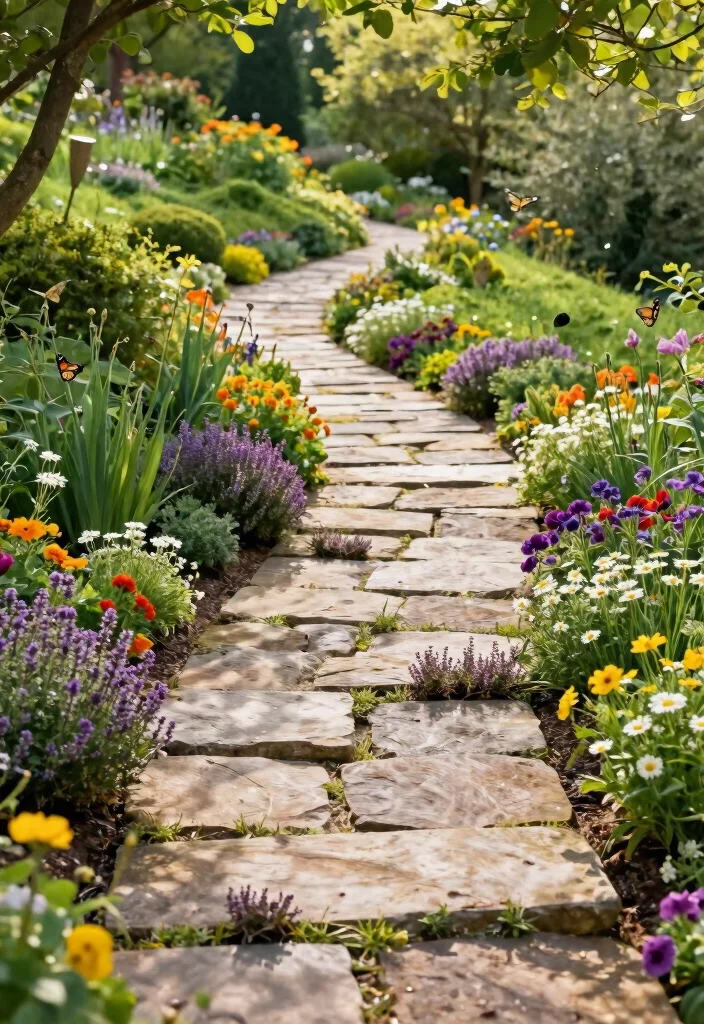
Is navigating your sloped backyard a challenge? Stone pathways can make your garden both accessible and charming. These pathways not only provide ease of movement but also add texture and character to your outdoor space. With various shapes and sizes, stones can create a natural look that invites exploration.
Winding through flower beds or vegetable plots, these paths let you tend to your plants without disturbing them. Plus, they enhance the overall aesthetic of your garden, making it feel more inviting.
Pathway Design Tips:
– Choose flat, durable stones that are easy to walk on.
– Leave gaps for grass or ground cover to grow between the stones for a natural touch.
– Design the pathways to curve gently for a more spacious feel.
– Consider adding low-growing herbs like thyme for added fragrance.
A stone pathway can truly transform your hillside garden, simplifying maintenance while enhancing its beauty.
3. Incorporate Edible Landscaping
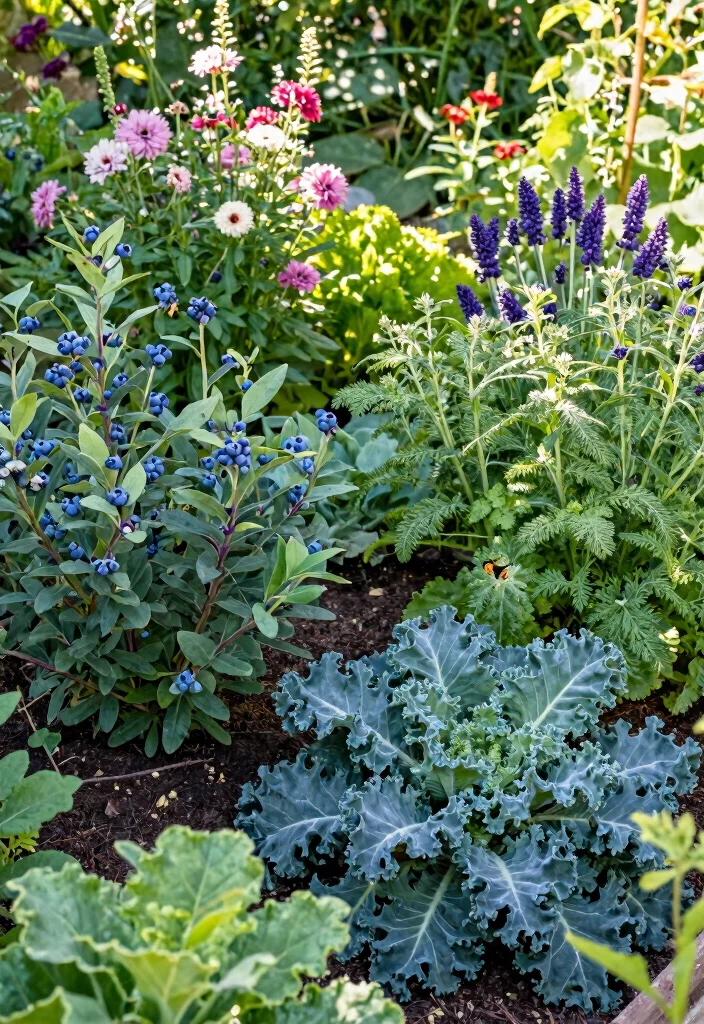
Have you ever thought about making your garden deliciously beautiful? Edible landscaping combines aesthetics with functionality by integrating fruits, vegetables, and herbs into your ornamental areas. This approach not only provides delectable produce but also enhances the visual appeal of your garden with vibrant colors and textures.
Picture blooming berry bushes alongside bright flowering perennials or a lovely herb border next to colorful annuals. It creates a feast for the eyes and the taste buds!
Best Edible Plants for Sloped Gardens:
– Blueberries and blackberries thrive in well-drained soil.
– Herbs like basil and rosemary add fragrance and grow well on hillsides.
– Kale and Swiss chard offer vibrant colors and nutrients.
By utilizing a mix of edible plants, you’ll not only beautify your garden but also promote biodiversity, enhancing your garden’s ecosystem.
Did you know edible landscaping on a hillside can cut mowing time by up to 40% and attract more pollinators? With backyard hillside landscaping ideas, you combine berries, herbs, and ornamentals into a tasty, photo-ready landscape.
4. Use Terracing to Maximize Space
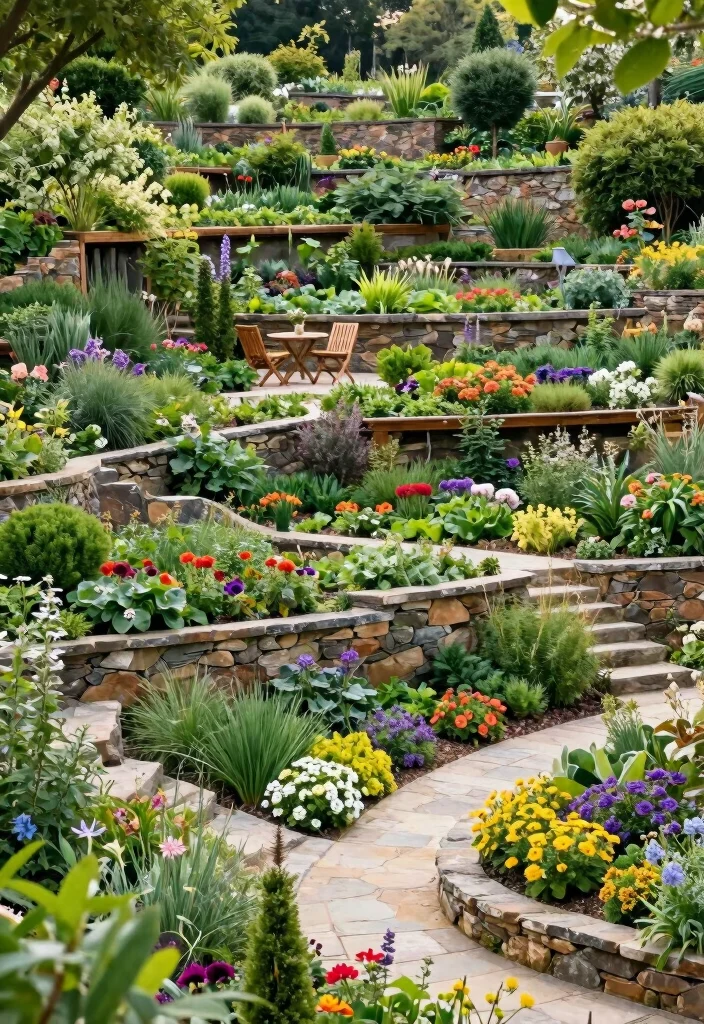
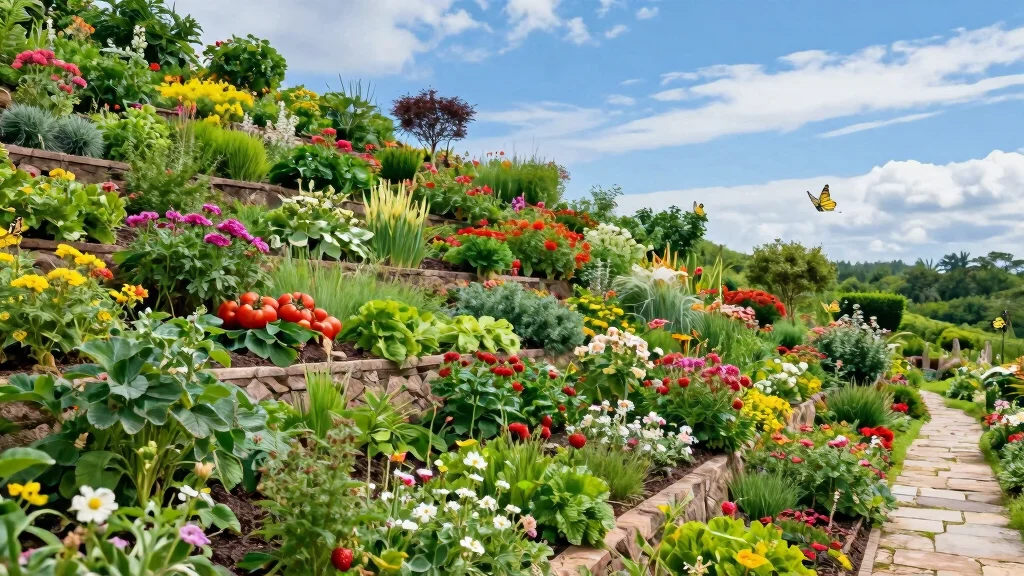
Struggling with a sloped yard? Terracing is a fantastic solution that helps manage water retention and prevent soil erosion. By creating terraced layers, you can make your garden both functional and visually striking. Each level can be dedicated to different plants or features, like a cozy seating area or a fire pit, enhancing your outdoor experience.
This design allows for easy access to all your plants while providing unique perspectives throughout your garden. You can build terraces using wood, stone, or even stacked stones for a rustic feel.
Benefits of a Terraced Garden:
– Reduces runoff and increases water absorption.
– Provides unique microclimates for various plants.
– Creates visually distinct areas for different plant types.
Terracing transforms a sloped yard into a captivating space, where every level offers something special, whether it’s vegetables, flowers, or a relaxing nook.
5. Install a Rain Garden for Eco-Friendliness
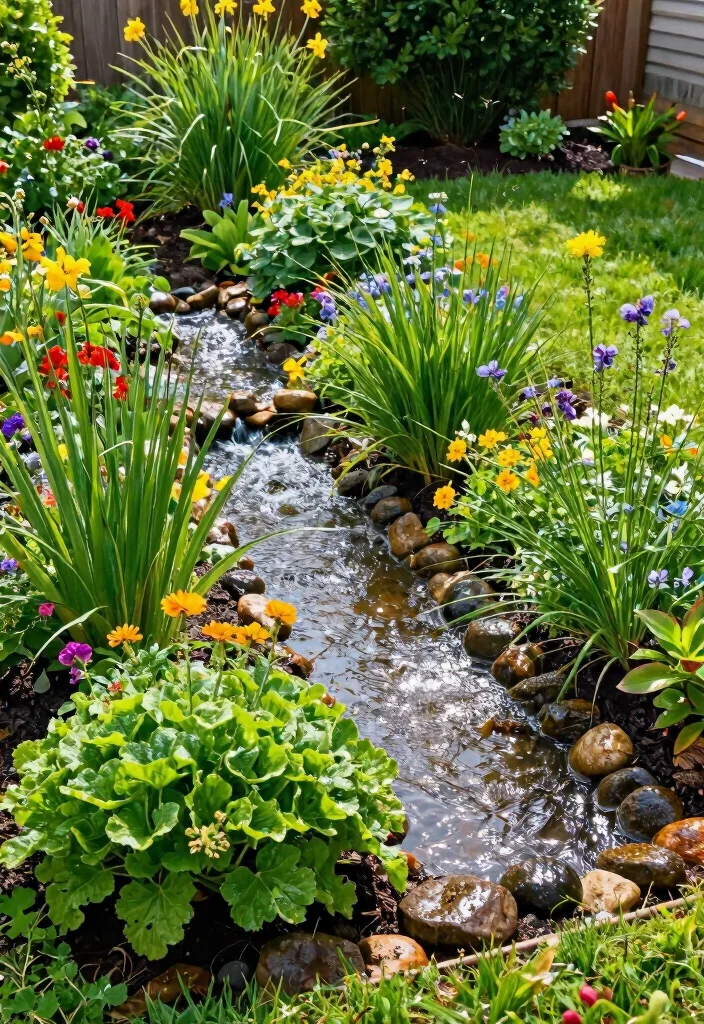
Want to enhance your landscape while being eco-friendly? A rain garden is a brilliant way to manage runoff and beautify your garden simultaneously. Designed to capture rainwater, these gardens filter pollutants and reduce erosion, making them perfect for hillside properties. Featuring native plants that thrive in wet conditions, rain gardens combine function with beauty.
Position your rain garden at the bottom of your slope to collect excess water flowing down from above.
Choosing Plants for Your Rain Garden:
– Incorporate native grasses like switchgrass for easy maintenance.
– Add flowering perennials such as coneflowers for vibrant color.
– Use shrubs like elderberry for height and texture.
Creating a rain garden not only enhances your landscape but also supports local wildlife, making it a win-win for both the environment and your garden.
Fun fact: A well-placed rain garden can cut hillside runoff by up to 30%. It blends beauty with eco-friendly function, turning rain into a garden asset. For backyard hillside landscaping ideas, start at the bottom to catch water and filter pollutants with native plants.
6. Design a Focal Point with an Arbor or Trellis
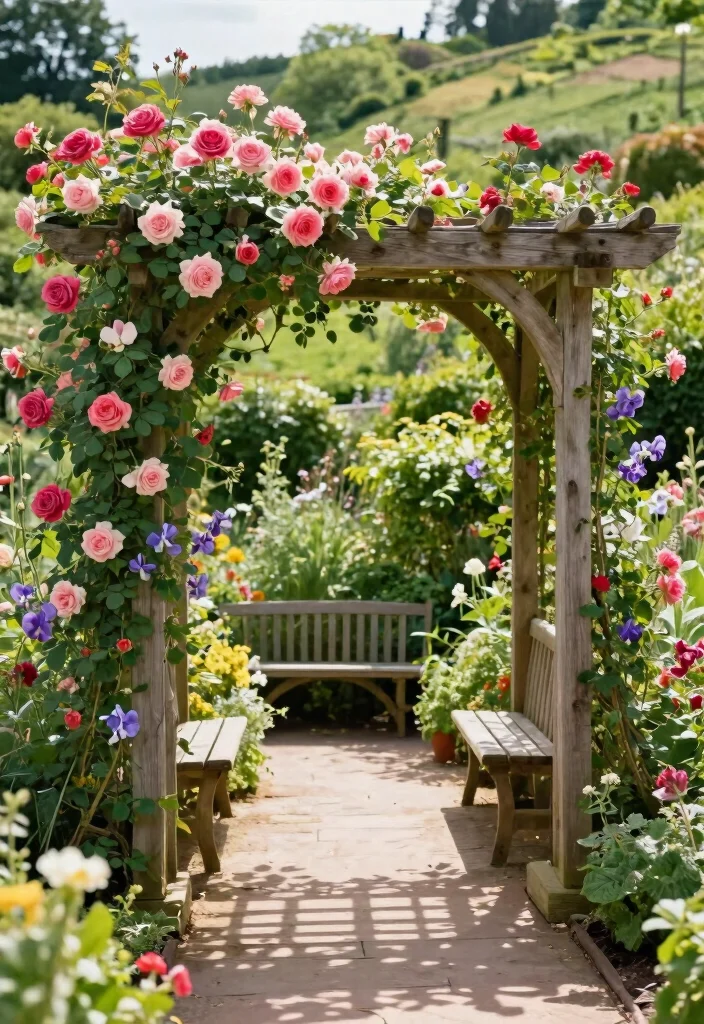
Looking to add a stunning focal point to your hillside garden? An arbor or trellis can create vertical interest and support climbing plants like roses or beans. Placing your arbor at the end of a path or a scenic viewpoint draws the eye and invites visitors to explore.
These structures can harmonize with your garden’s natural surroundings, whether you choose rustic wood or sleek metal.
Planting Tips for Your Arbor or Trellis:
– Select vigorous climbers that suit your climate.
– Incorporate fragrant flowers to attract pollinators.
– Use a mix of annuals and perennials for continuous blooms.
An arbor or trellis not only serves as a functional feature but also enhances the charm of your hillside landscaping.
7. Create a Wildlife Habitat
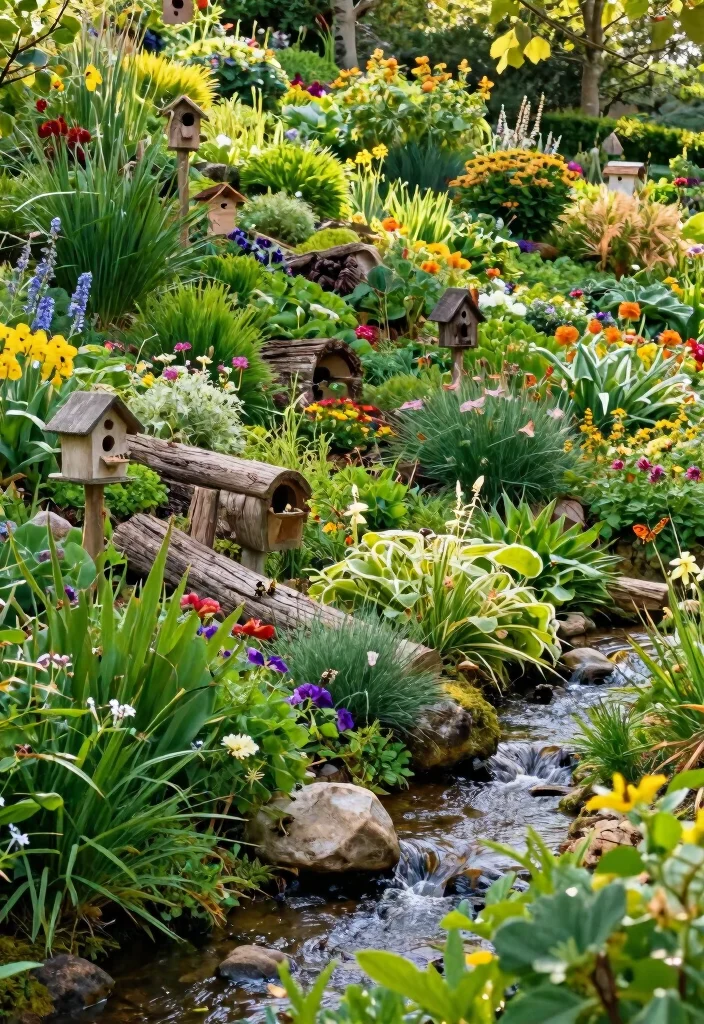
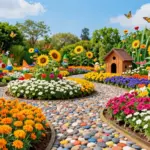
Want to make your garden a sanctuary for wildlife? By incorporating elements that attract local fauna, you can beautify your space and enhance its ecological value. Planting native species, installing birdhouses, or creating a small pond can support various creatures while enriching your garden.
This sustainable approach promotes biodiversity and creates a harmonious environment, making your garden a haven for wildlife.
Wildlife-Friendly Ideas:
– Plant a variety of native flowers to attract bees and butterflies.
– Create a mini habitat with logs and stones for small animals.
– Install bird feeders and baths to invite feathered friends.
Fostering a wildlife habitat enriches your hillside garden, creating a vibrant ecosystem that benefits both plants and animals.
8. Optimize Sunlight with Strategic Plant Placement
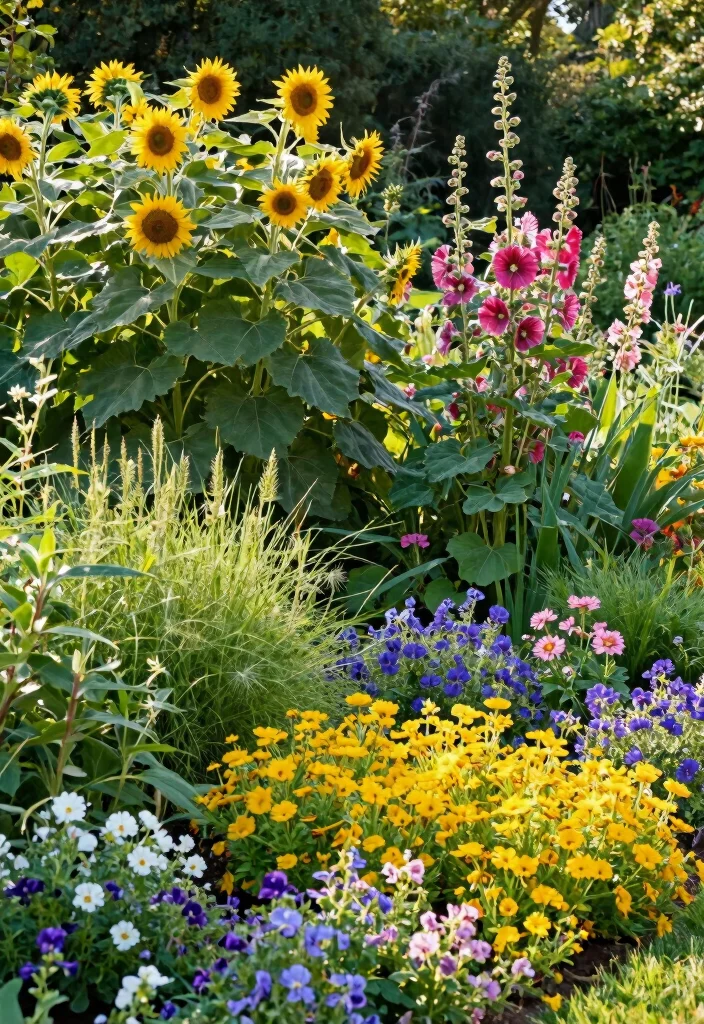
Are your plants struggling to grow? Proper positioning can significantly boost their growth potential. In a sloped garden, ensure taller plants don’t block sunlight from smaller ones. Planning your layout strategically allows sun-loving plants to bask in the light while shade-tolerant varieties thrive in cooler spots.
Using a mix of heights and textures can create a dynamic and visually pleasing landscape.
Sunlight Optimization Tips:
– Observe sunlight patterns at different times of day.
– Group plants with similar light needs together.
– Layer plants with taller specimens at the back and shorter ones in front.
By maximizing sunlight exposure, your hillside garden will flourish, creating a lively outdoor space.
How To Choose the Right Plants for Your Backyard Hillside Landscaping
Choosing the right plants for your sloped garden can make a world of difference. Here’s how to ensure your hillside garden thrives and looks stunning.
1. Consider Soil Quality
Understanding your soil is essential. Sandy soils drain quickly, while clay holds water. Test your soil to know its pH and nutrient levels. This knowledge will help you select plants that will flourish in your specific conditions. You can improve poor soil by adding organic matter like compost.
2. Assess Sunlight Exposure
Different plants have varying sunlight needs. Some thrive in full sun, while others prefer shade. Observe how sunlight moves across your garden throughout the day. Note which areas get the most sun and which remain shaded. This will guide your plant choices and placement, ensuring they receive the right amount of light.
3. Choose Native Plants
Native plants are a great choice for hillside landscaping. They are adapted to your local climate and soil, making them easier to maintain. Additionally, they often attract local wildlife, enhancing biodiversity. Check with local nurseries for native options that will thrive in your area.
4. Plan for Erosion Control
Sloped gardens can be prone to erosion. Select plants with deep roots to help stabilize the soil. Ground covers, such as creeping thyme or clover, can also spread across the surface and minimize erosion. Planting in clusters can create a barrier against water runoff, helping to protect your hillside.
5. Think About Maintenance
Consider how much time you can commit to upkeep. Some plants require more care than others. Low-maintenance options, such as succulents or ornamental grasses, can be ideal for busy gardeners. Choose a mix of plants that fit your lifestyle to ensure your hillside remains beautiful without too much effort.
6. Factor in Seasonal Interest
Create a visually appealing garden year-round by selecting plants that bloom at different times. Choose spring bloomers like daffodils, summer favorites like coneflowers, and fall classics like asters. This variety ensures that your hillside garden remains colorful and inviting throughout the year.
Pro Tip: Draw a simple sketch of your yard and note the sun and shade patterns. This will help you visualize where to plant and which plants will thrive best in each area. Don’t hesitate to reach out to local gardening clubs or extension services for further advice tailored to your specific location!
9. Introduce a Cozy Fire Pit Area
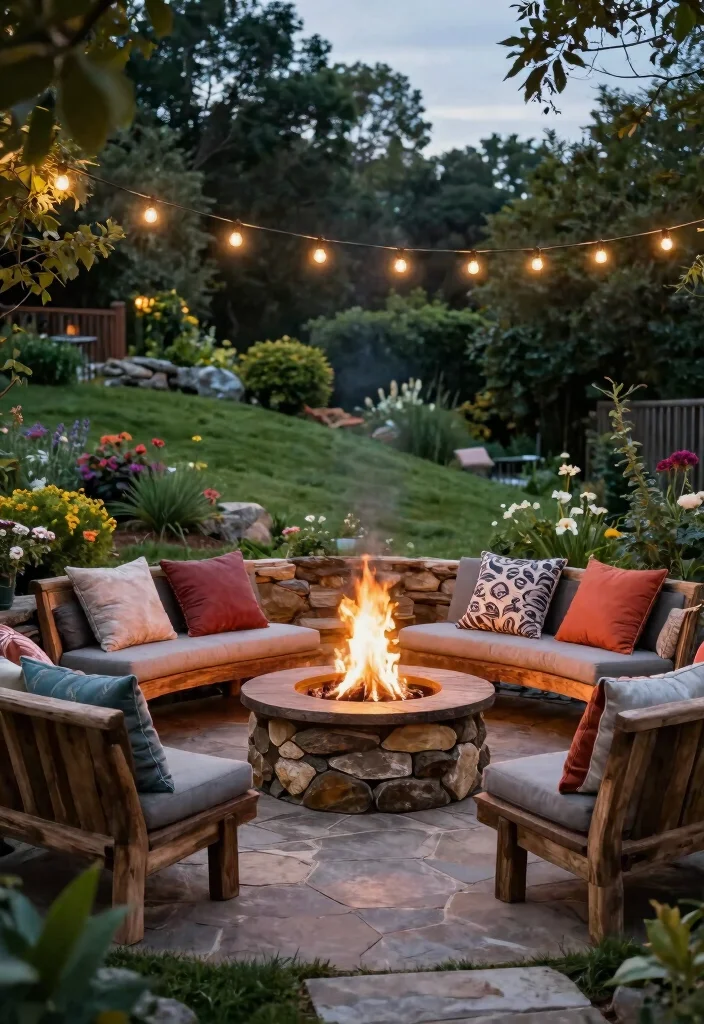
Looking for the perfect gathering spot in your hillside garden? A cozy fire pit area can be just the thing for family get-togethers or quiet evenings under the stars. Positioning the fire pit on a flat section of your slope offers stunning views while ensuring safety. Surround it with comfortable seating, like benches or adirondack chairs, and add soft lighting for a warm ambiance.
Fire Pit Design Ideas:
– Use local stones or bricks for a rustic fire pit.
– Add benches made from reclaimed wood for charm.
– Incorporate soft cushions for added comfort.
A fire pit area not only creates a functional space but also elevates the beauty and atmosphere of your hillside garden.
10. Use Colorful Planters for Visual Interest
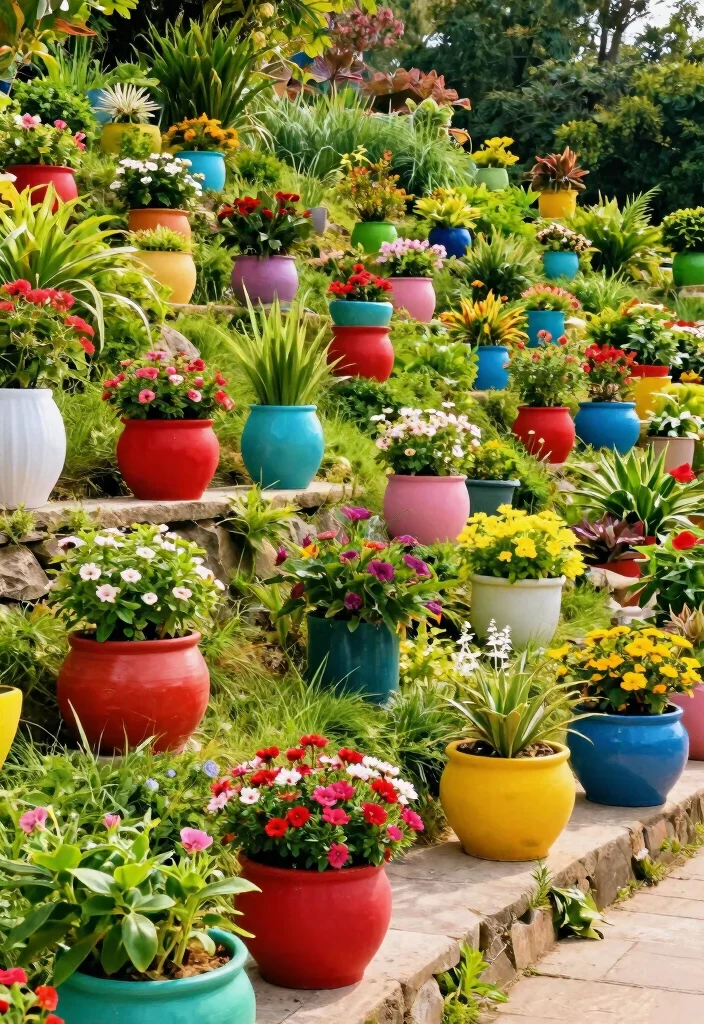
Want to inject some personality into your hillside landscape? Brightly colored planters can add delightful splashes of color to your garden. Choose pots in various shapes and sizes to create visual interest, showcasing your favorite plants along pathways or terraces.
Bold colors can contrast beautifully with greenery, or you might prefer soft pastels that harmonize with your flora.
Tips for Utilizing Colorful Planters:
– Mix and match different styles and colors for an eclectic look.
– Create themed groupings based on color or plant types.
– Incorporate trailing plants for a cascading effect.
Using colorful planters not only enhances visual appeal but also allows for personal expression in your hillside garden.
11. Create a Sensory Garden
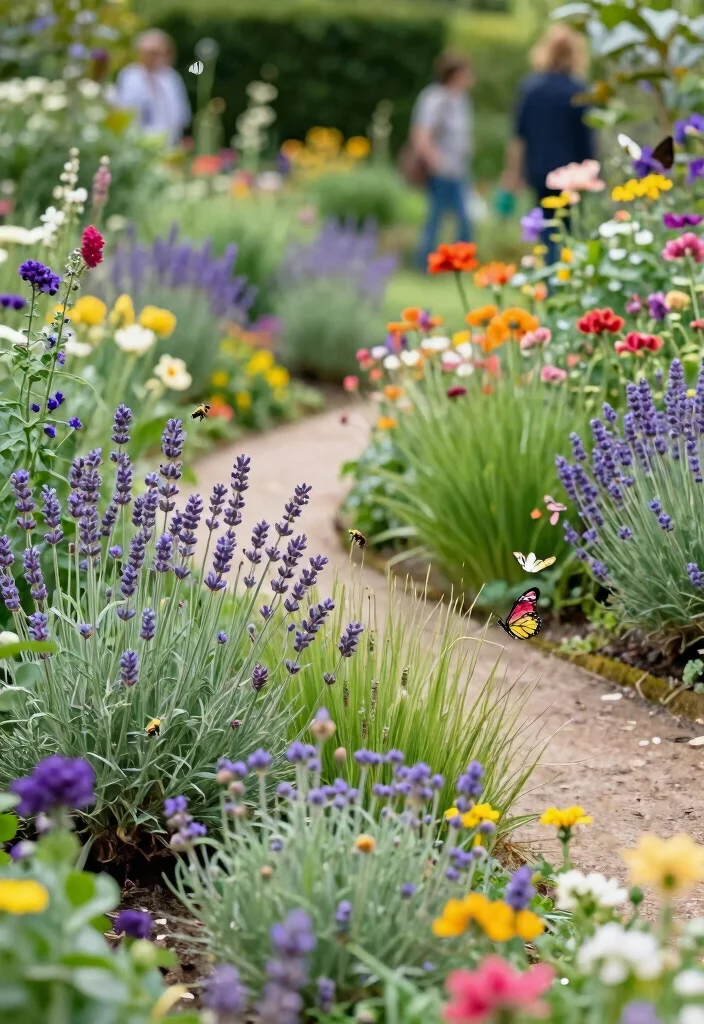
Want to engage your senses in your garden? A sensory garden offers experiences for touch, smell, taste, and sight. By incorporating a variety of plants with interesting textures, fragrant herbs, colorful blooms, and even edible plants, you create an inviting space that encourages exploration.
Consider adding pathways lined with soft grasses or sensory plants like lamb’s ear alongside aromatic herbs such as lavender.
Ideas to Enhance Your Sensory Garden:
– Include plants with various textures (smooth, fuzzy, prickly).
– Use fragrant flowers and herbs to engage the sense of smell.
– Add colorful plants that attract butterflies for visual delight.
A sensory garden not only provides a unique experience but also promotes relaxation and mindfulness, making it a beautiful escape in your hillside landscaping.
12. Incorporate Natural Stone Features
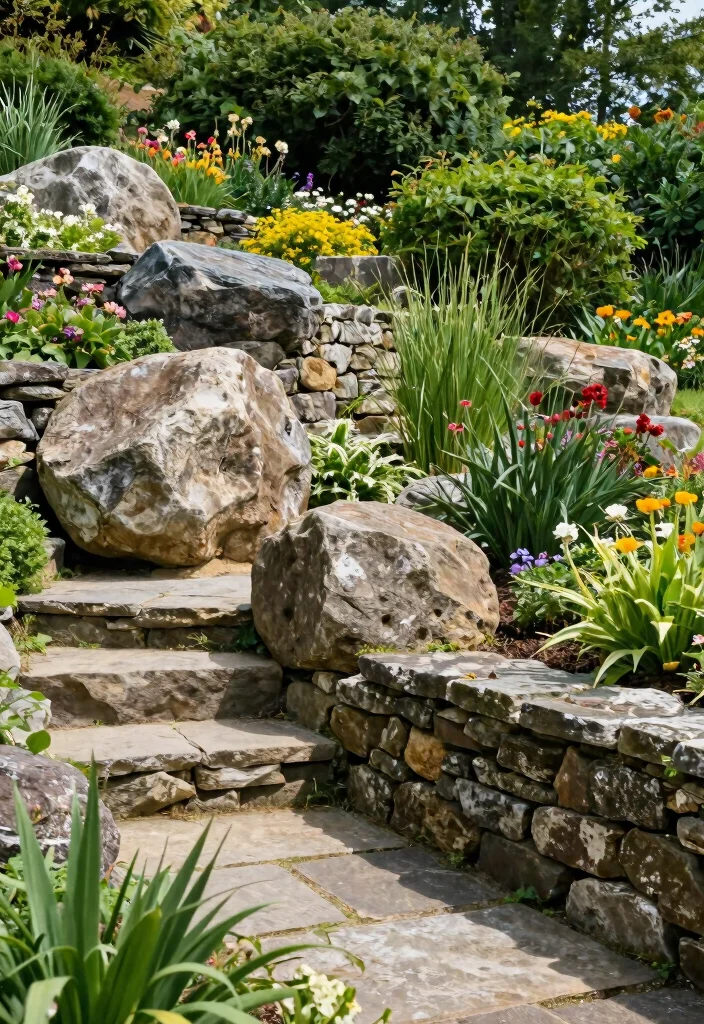
Looking to add rustic elegance to your hillside landscape? Natural stone features can beautifully integrate with your garden. Consider building dry stone walls or using large boulders to create visual interest and assist with soil retention. These elements serve both functional and artistic purposes in your design.
Stones can define pathways, create steps, or even form a seating area, enhancing the overall functionality of your garden.
Incorporating Natural Stone Tips:
– Choose stones that are local for a cohesive look.
– Select varying sizes for added texture and interest.
– Plant low-growing ground cover around stone features to soften their appearance.
By integrating natural stone, you’ll achieve a timeless appeal in your hillside garden while ensuring stability and function.
13. Use Vertical Gardening Techniques
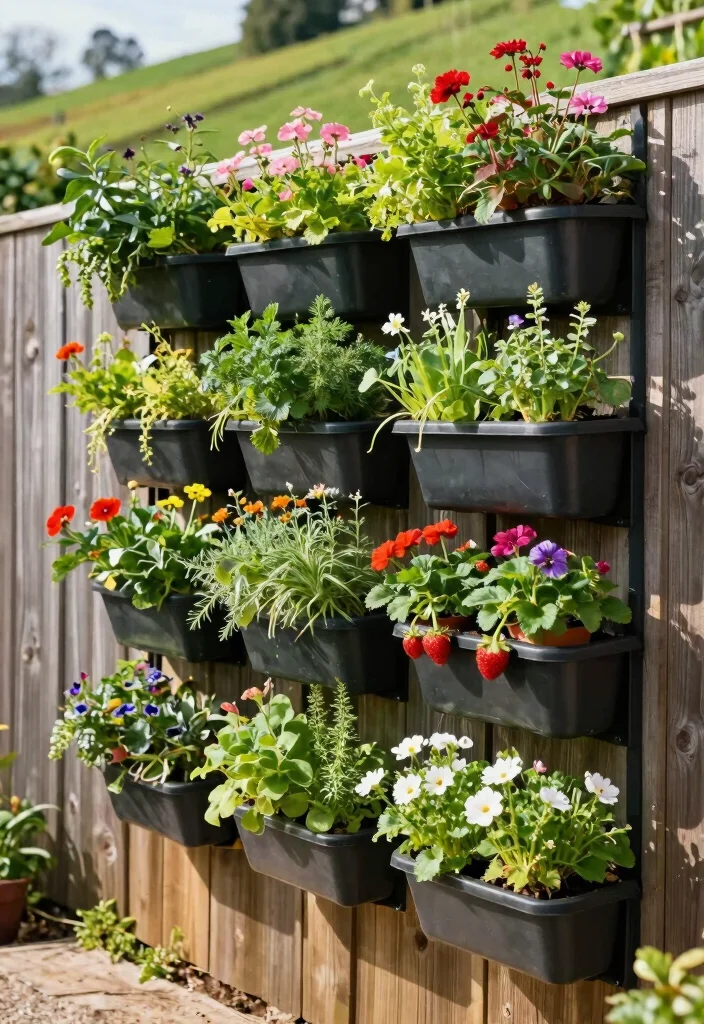
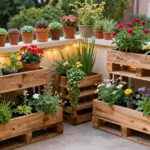
Struggling with limited space on your hillside? Vertical gardening techniques can help maximize your area. Incorporate wall planters, trellises, and vertical pallets to grow various plants without taking up much ground space. This method is great for herbs, strawberries, or small flowering plants that flourish in a vertical orientation.
Vertical gardening not only saves space but also creates a stunning visual display in your landscape.
Tips for Effective Vertical Gardening:
– Choose lightweight planters for easy mounting.
– Use sturdy supports for climbing plants.
– Incorporate a mix of textures and colors for a dynamic look.
With vertical gardening, you’re not just saving space; you’re adding a creative touch to your hillside landscape.
Fun fact: Vertical gardens can triple usable planting space on a hillside—perfect for herbs and strawberries. Start with wall planters, trellises, and vertical pallets to boost backyard hillside landscaping ideas.
14. Design a Tranquil Meditation Space
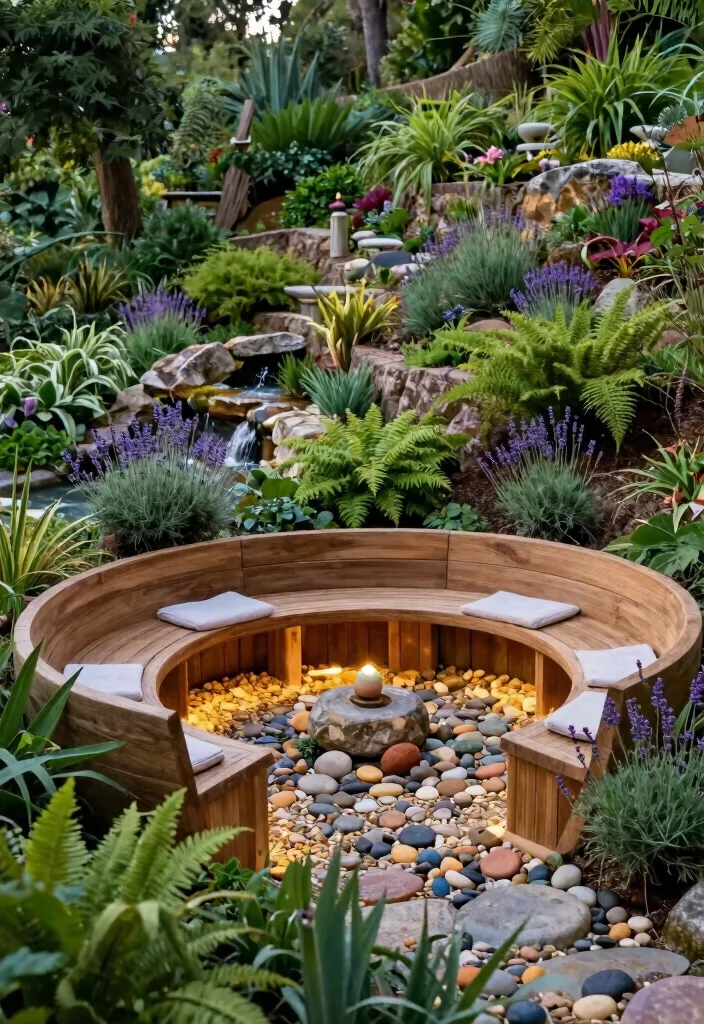
Want to create a peaceful retreat in your hillside garden? A designated meditation space can provide a sanctuary for reflection and relaxation. Choose a quiet corner and surround it with gentle plants, using natural materials like wood and stone for seating or sculptures to enhance the serene atmosphere.
Incorporating soothing elements such as a small water feature or wind chimes can complement the sounds of nature, creating a calming environment.
Tips for Designing a Meditation Space:
– Opt for comfortable seating that encourages relaxation.
– Surround the area with calming plants like ferns for their soothing presence.
– Use soft lighting to enhance tranquility during the evening.
A tranquil meditation space in your hillside garden serves as a refuge for mindfulness and rejuvenation, allowing you to connect with nature.
Conclusion
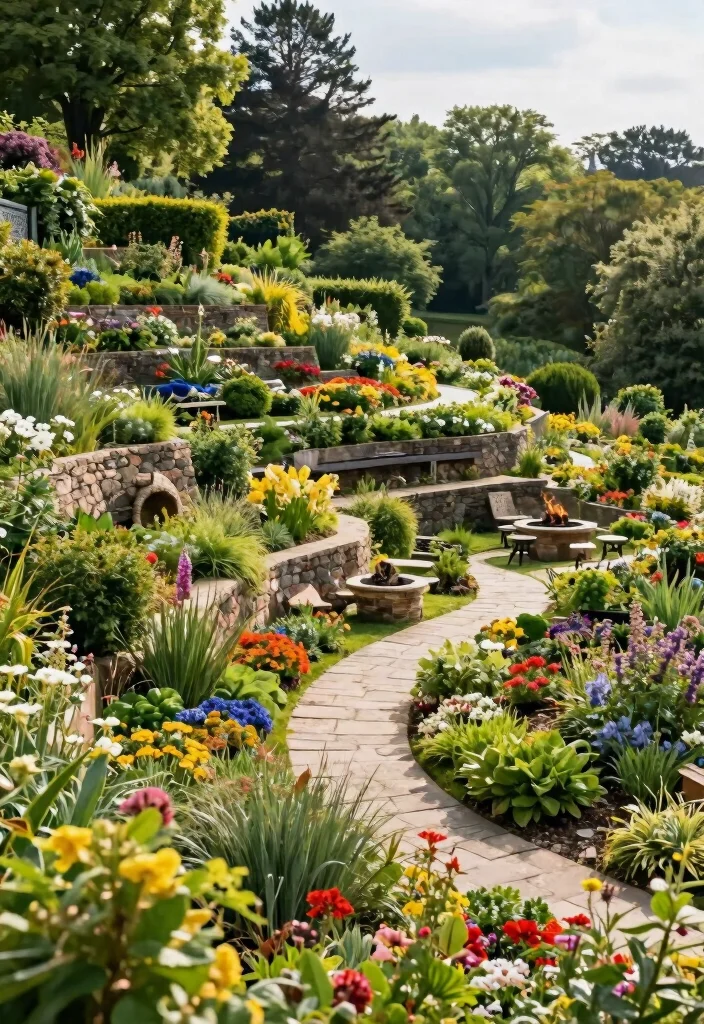
Transforming your sloped backyard into a scenic paradise is entirely possible with these 14 backyard hillside landscaping ideas.
From creating multi-level vegetable gardens to incorporating colorful planters, there are endless opportunities to blend sustainability with beauty.
Embrace these landscaping techniques, and you’ll not only enhance the aesthetic value of your outdoor space but also create a functional haven that supports biodiversity and personal well-being.
Frequently Asked Questions
What are the essential first steps to start a hillside landscape project with terraced garden design in your backyard?
Start with a quick site check: measure slope, observe sun/shade, and identify drainage issues. Do a soil test to decide soil amendments for healthy terraces.
Sketch a simple plan that uses terraced garden design concepts—define bench width, step height, and access paths. Then pick low-cost edging options (timber sleepers, stone, or reused materials) and choose a terrace sequence that fits your edible goals.
For edible landscaping, align crops with sun on each bench and reserve water-wise zones for herbs, leafy greens, and compact fruiting crops. Finish with a basic irrigation plan (drip lines or soaker hoses) to keep water efficient on slopes.
Which hillside planting techniques work best for sustainable edible landscaping on slopes?
Try contour planting to slow runoff and build soil on slopes. Create micro-terraces to capture sun and protect against wind. Choose deep-rooted perennials to stabilize soil and provide year-long harvest: rosemary, thyme, chives, and strawberries, plus leafy greens and compact fruiting crops on sunnier benches.
Install a simple drip irrigation system to deliver water directly to roots and reduce waste. Mulch thickly with composted leaves or straw to conserve moisture and suppress weeds. Use native groundcovers between beds to further reduce erosion and hide irrigation lines.
How can I prevent erosion and create scenic backyard transformations on slopes?
Prioritize landscaping on slopes for erosion control and visual appeal. Install drainage paths and terraced benches to slow water flow and create planting pockets. Groundcovers and mulched terraces stabilize soil and hide irrigation lines. Plan maintenance routines after rainfall to prevent compaction. These steps set the foundation for scenic backyard transformations that are both beautiful and functional.
What are beginner-friendly outdoor space ideas for slopes that still provide edible harvests?
Think accessible, low-maintenance setups: raised beds on terraces, stacked planters on walls, and containers along paths. Plant a mix of herbs, leafy greens, and compact fruits like strawberries in staggered benches. Use drip irrigation and mulch to reduce watering needs. Choose drought-tolerant varieties for sunny spots and rotate crops to keep production steady, turning your slope into practical outdoor space ideas with real edibles.
How can I design a budget-friendly terraced hillside that maximizes sun, drainage, and beauty using these backyard hillside landscaping ideas?
Start with a phased plan: draw a simple layout, then build one terrace at a time as funds allow. Use affordable materials: recycled timber, locally sourced stone, or affordable concrete blocks. Align terraces to sun exposure and install simple drainage channels to prevent erosion. Choose a cohesive plant palette—hardy edibles and perennials that require little maintenance. Install a basic irrigation system and mulch to cut water use. With thoughtful planning, your backyard hillside landscaping ideas translate into scenic backyard transformations without breaking the bank.