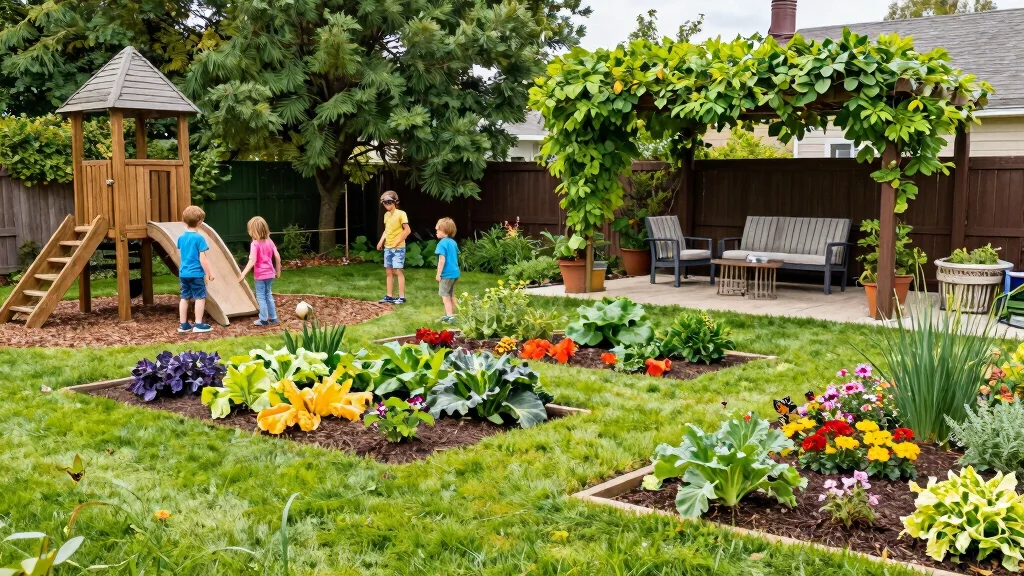
Creating a beautiful backyard that’s both practical and family-friendly can feel daunting. You want a space where your family can gather, play, and create memories, but you also want to ensure it’s easy to maintain and environmentally friendly. That’s why I put this post together. I believe that everyone deserves a sustainable yard that reflects their lifestyle while being a delightful haven for family activities.
If you love spending time outdoors with your family and want to make the most of your backyard, you’re in the right place. This guide is for families, gardening enthusiasts, and anyone seeking practical landscaping tips that don’t compromise beauty or sustainability. I’ve pulled together 16 amazing backyard landscaping ideas that are not only visually appealing but are also practical and eco-friendly. These ideas will help you transform your outdoor space into a cozy retreat that your family will enjoy for years to come.
Let’s dive in and explore options that will enhance your yard, from edible gardens to cozy living spaces. Whether you’re planting a garden or building play areas for your kids, these tips will inspire you to create a backyard that’s both beautiful and functional.
Key Takeaways
– Start with edible gardens to grow your own food and engage your family in sustainable gardening practices.
– Incorporate native plants that require less water and maintenance, making your yard environmentally friendly and low-effort.
– Design cozy outdoor living spaces to create areas for relaxation, family gatherings, and entertaining guests comfortably.
– Build functional play areas for kids that promote outdoor activity and creativity while keeping safety in mind.
– Explore sustainable hardscaping materials to enhance your backyard’s aesthetic while ensuring a minimal environmental impact.
1. Edible Gardens: Grow Your Own Food
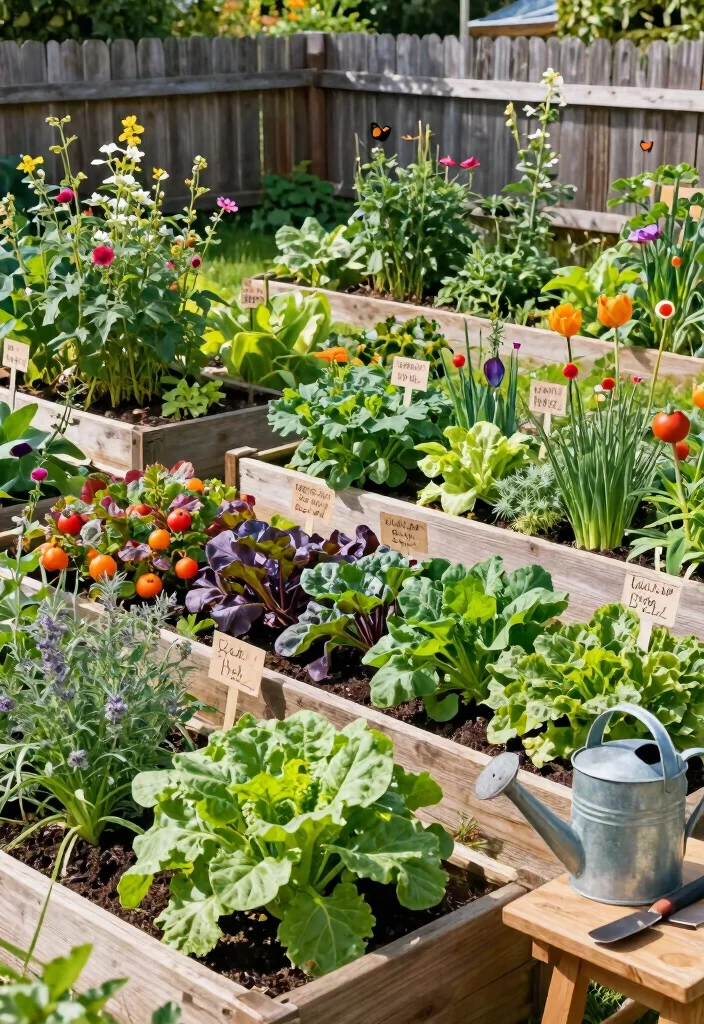
Imagine stepping into your backyard and plucking fresh strawberries or snipping fragrant basil for dinner. Edible gardens not only provide delicious fruits, vegetables, and herbs, but they also create a wonderful learning experience for kids about gardening and healthy eating. You can easily set up raised beds for convenience or opt for vertical gardens to utilize smaller spaces efficiently.
Start by picking a sunny area since most plants thrive in bright light. Begin your gardening journey with simple crops like tomatoes and lettuce, which are easy to grow. Embrace organic practices by using natural pest control and composting to ensure your garden remains vibrant and productive.
Key tips for a thriving edible garden:
– Choose a sunny spot for maximum growth
– Start small with easy-to-grow plants
– Use organic methods to maintain soil health
Growing your own food not only beautifies your yard but also nurtures your family’s health and teaches valuable skills in the process.
Fun fact: A 4×8 raised bed can yield about 40 pounds of fresh produce per season with compact crops, a staple among backyard landscaping ideas. Start with a sunny spot, and smart planting turns small spaces into family kitchens—your kids will love picking basil, strawberries, and peas for dinner.
2. Native Plants: Low-Maintenance Beauty
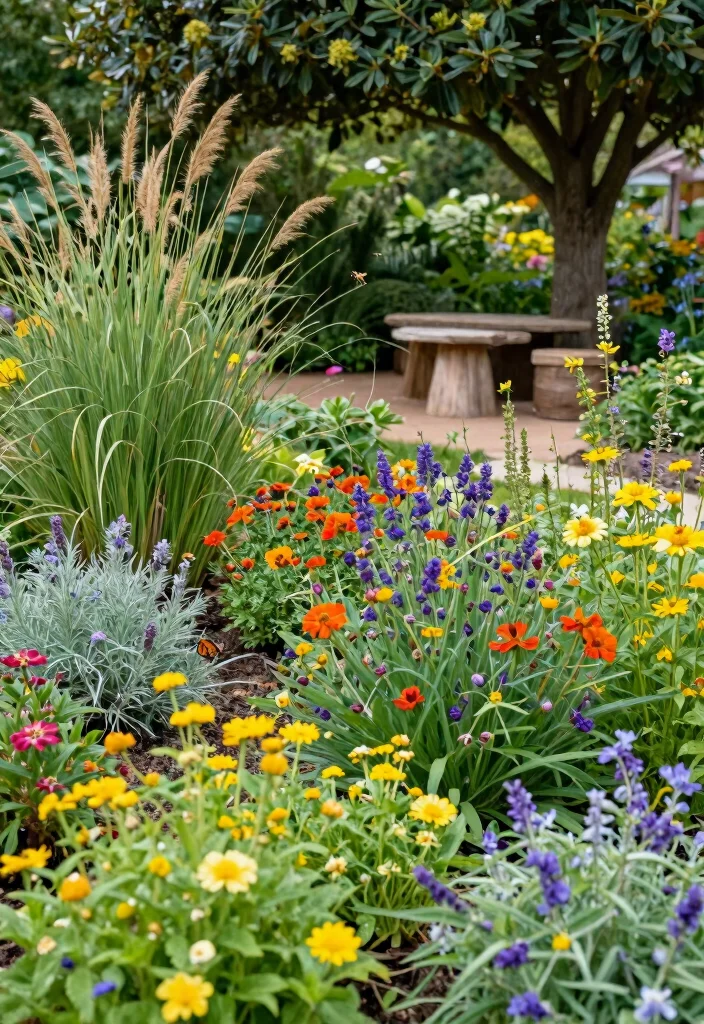
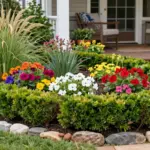
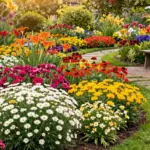
Bringing native plants into your yard not only enhances its beauty but also supports the local ecosystem. These plants are perfectly suited to your climate, requiring less water and maintenance, while attracting local wildlife such as birds and butterflies. They create vibrant spaces that thrive effortlessly throughout the seasons.
When choosing native plants, aim for diversity with a mix of flowers, shrubs, and grasses that bloom at various times. Visit local nurseries to find the best options unique to your region. Grouping plants based on their growth habits can simplify maintenance and create a natural look.
Benefits of integrating native plants:
– Use diverse species for year-round color
– Source plants from local nurseries to ensure compatibility
– Group plants naturally for easier care
With native plants, you not only create a stunning landscape but also contribute positively to your local environment.
Fun fact: Native plants can cut outdoor watering by up to 30–50% and attract birds, bees, and butterflies. Incorporate a diverse mix of flowers, shrubs, and grasses for seasonal color in your backyard landscaping ideas with minimal maintenance.
3. Create Cozy Outdoor Living Spaces
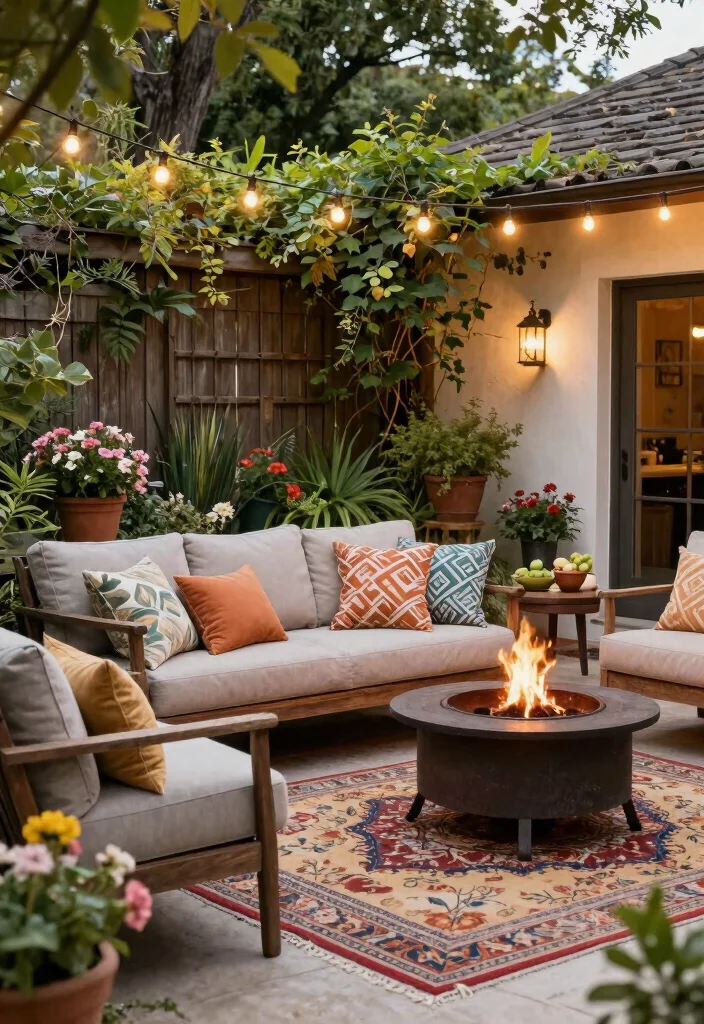
Why limit comfort to indoors? Transform your backyard into a cozy outdoor living area where your family can gather and unwind. Think plush seating, warm lighting, and inviting decor to make the space feel like an extension of your home. Incorporate outdoor rugs and cushions for added comfort while enjoying the fresh air.
For a successful outdoor living area, select weather-resistant furniture like lounge chairs or sofas for durability. Enhance the ambiance with string lights or lanterns for a magical evening glow. Use natural elements like trellises adorned with climbing plants to create privacy.
Essential features for your cozy outdoor space:
– Choose comfortable, weather-resistant seating
– Add ambient lighting for evening enjoyment
– Incorporate natural privacy elements for seclusion
With these touches, your backyard can become the perfect setting for family gatherings, storytelling sessions, or simply relaxing under the stars.
❝ Fun fact: Cozy outdoor living spaces can extend your usable home time by up to 40% when you add warm lighting and weather-resistant furniture. With comfy seating and outdoor rugs, backyard landscaping ideas feel instantly inviting!
4. Functional Play Areas for Kids
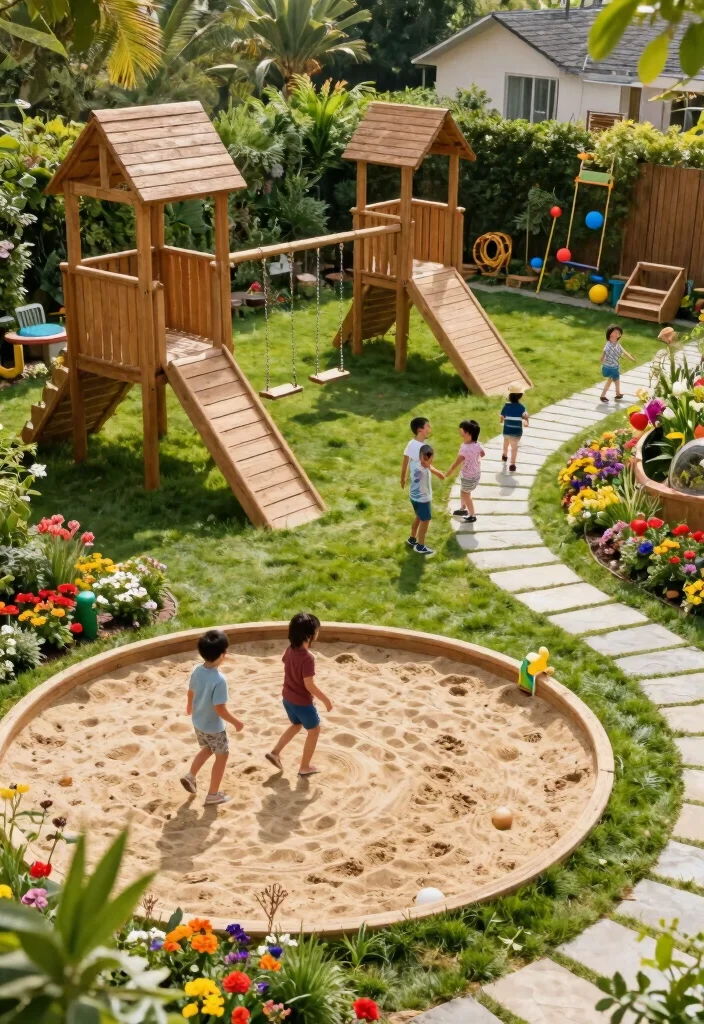
Designing a play area in your backyard is essential for keeping kids engaged and active. Transform a section into a lively space for play and exploration, using natural materials like wood and stone for safety and aesthetics. This organic play zone blends beautifully into your landscape while encouraging creativity.
Consider building natural play structures such as wooden climbing frames or swings made from durable materials. A sandbox bordered with wood invites children to dig and create, while winding paths of stones or mulch spark adventure and exploration.
Ideas for a fun play area:
– Build wooden climbing structures for active play
– Create a sandbox with natural wood borders
– Design paths with stones for exploration
These elements not only entertain kids but also foster a connection with nature, enriching their physical and mental well-being.
5. Vegetable Container Gardens
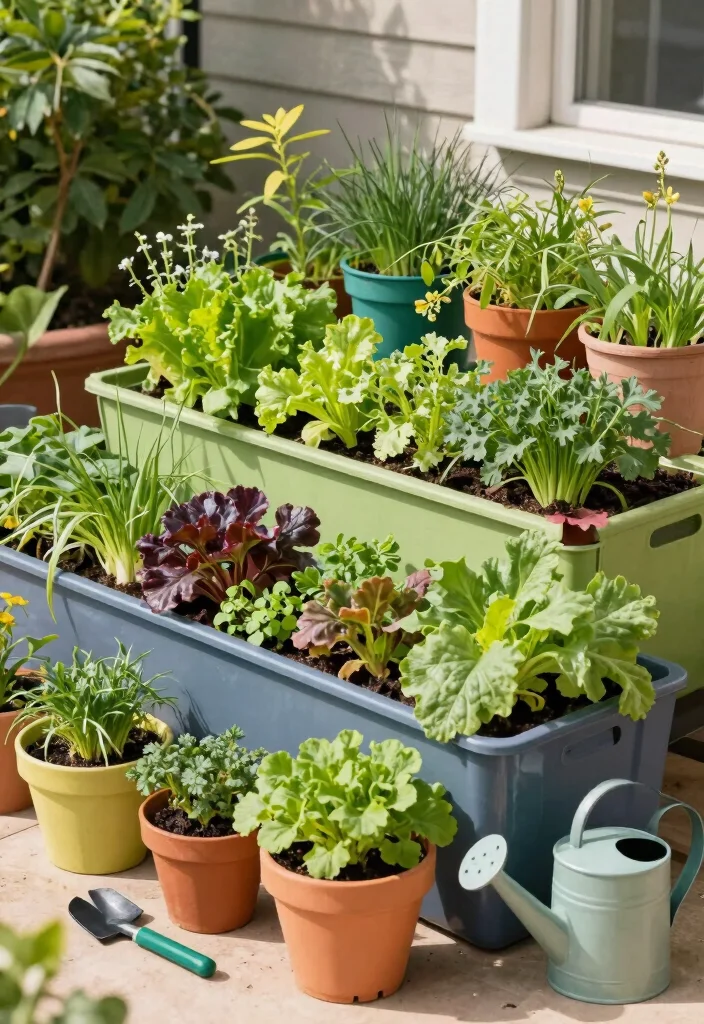
Limited yard space? No worries! Container gardening is a fantastic way to grow vegetables and herbs without needing a traditional garden bed. It’s ideal for families with small patios or balconies, allowing you to cultivate greenery wherever you can find a sunny spot. You can easily move containers to catch the sunlight or change the look of your space.
To succeed in container gardening, choose pots with good drainage for your vegetables. Select colorful containers to add charm while ensuring you use high-quality potting mix designed for container growth. Regularly check moisture levels, as containers tend to dry out faster than traditional gardens.
Steps to get started with container gardening:
– Select containers with proper drainage
– Use quality potting mix for healthy growth
– Water frequently to maintain moisture levels
Container gardening allows easy access for the whole family, making it a fun and interactive way to grow your food.
6. Water Features for Tranquility
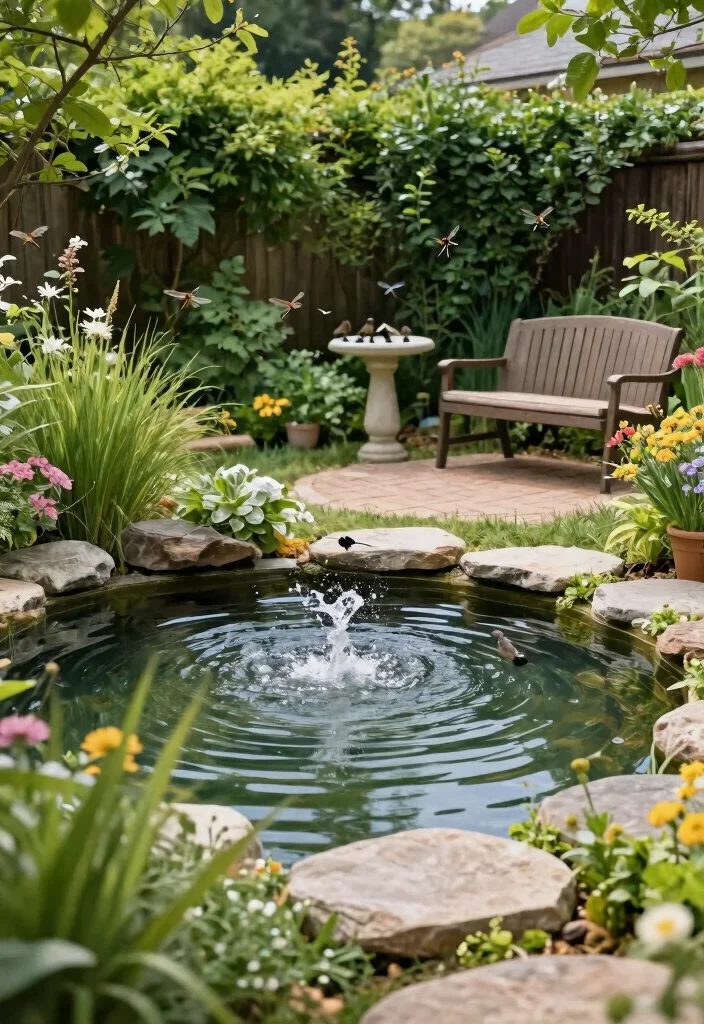
Adding a water feature to your backyard creates a serene oasis that enhances both beauty and tranquility. The soothing sound of flowing water can transform your outdoor space into a peaceful retreat, perfect for families seeking relaxation. From charming fountains to tranquil ponds, there are numerous options to consider.
Incorporate a tabletop fountain for smaller spaces, or opt for larger wall fountains that serve as stunning focal points. If space allows, a small pond can attract wildlife, enhancing your backyard’s ecosystem. Adding bird baths encourages colorful birds to visit, bringing life to your garden.
Ways to integrate water features:
– Install tabletop or wall fountains for instant charm
– Create a small pond to attract wildlife
– Add bird baths for lively visitors
A water feature enriches your backyard, providing a calming escape where your family can unwind and connect with nature.
7. Sustainable Hardscaping Materials
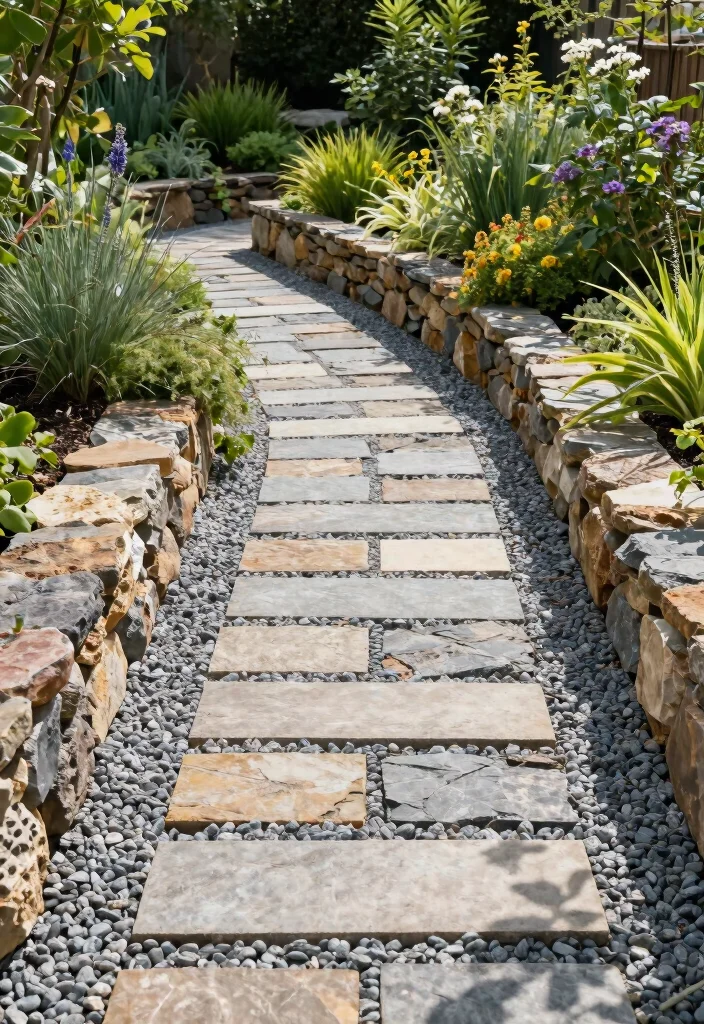
Choosing sustainable materials for your hardscaping can significantly lower your environmental impact while enhancing your backyard’s appeal. Consider options like reclaimed wood, recycled pavers, or permeable surfaces that facilitate natural drainage. These choices not only look great but also contribute positively to the environment.
For hardscaping, recycled pavers make excellent pathways and patios, available in various shapes and colors. Natural stone is both durable and aesthetically pleasing, perfect for walls and paths. Permeable gravel allows rainwater to filter through, promoting better drainage.
Explore these sustainable hardscaping materials:
– Use recycled pavers for attractive walkways
– Choose natural stone for long-lasting beauty
– Implement permeable gravel for effective drainage
By incorporating sustainable materials, you can create a beautiful backyard that is also eco-friendly.
How To Choose Sustainable Backyard Landscaping Ideas
When planning your backyard, choosing the right landscaping ideas is crucial for creating a beautiful, practical, and family-friendly space. Here’s a guide to help you select the best sustainable landscaping solutions that fit your needs.
1. Assess Your Space
Begin by measuring your backyard. Take note of its size, shape, and orientation. This will help you understand what types of plants and features can thrive in your environment. For example, areas with more sunlight may be perfect for an edible garden or a flower bed, while shaded spots can accommodate shade-loving plants. Make a rough sketch of your yard, marking different areas for various purposes.
2. Choose Native Plants
Selecting native plants is one of the most sustainable choices you can make. Native plants are well-adapted to your local climate and soil, requiring less water and maintenance. They also support local wildlife, including beneficial insects and birds. Research which native species thrive in your area, then choose a mix that provides color, texture, and seasonal interest.
3. Plan for Outdoor Living
Think about how you and your family like to spend time outside. Do you need a seating area for gatherings? Consider adding a deck or patio made from sustainable materials like reclaimed wood or composite decking. Make sure to include comfortable seating options, such as benches or outdoor couches, so everyone can enjoy the space. If you have children, incorporate a safe play area with natural elements like logs or boulders.
4. Incorporate Functional Features
Look for practical landscaping solutions that serve multiple purposes. Raised garden beds can provide an accessible space for growing vegetables while also acting as a decorative border. Water features like ponds or rain gardens not only look beautiful but also help with drainage and support local ecosystems. Think about how each feature can enhance your outdoor experience and contribute to sustainability.
5. Water Management Systems
Implementing a smart water management system is essential in sustainable gardening. Consider installing a rain barrel to collect rainwater for irrigation. This not only conserves water but also reduces runoff. Drip irrigation systems can efficiently water plants without waste. Make sure to group plants with similar watering needs together to optimize your watering routine.
6. Be Mindful of Hardscaping Materials
When choosing hardscaping materials like pathways, patios, and walls, opt for eco-friendly options. Look for permeable pavers that allow rainwater to soak through, reducing runoff and promoting groundwater recharge. Materials such as recycled concrete, reclaimed wood, or stone can add aesthetic appeal while being sustainable. Always consider the environmental impact of the materials you choose.
Pro Tip: Keep a notebook or digital document of plants and features you love, including photos and notes on their care. This will help you stay organized and inspired when designing your backyard.
By following these guidelines, you can create a sustainable, family-friendly backyard that is not only beautiful but also practical and environmentally responsible. Take your time planning and researching, and you’ll develop a space that your family can enjoy for years to come.
8. Composting Areas for Eco-Friendly Waste Management
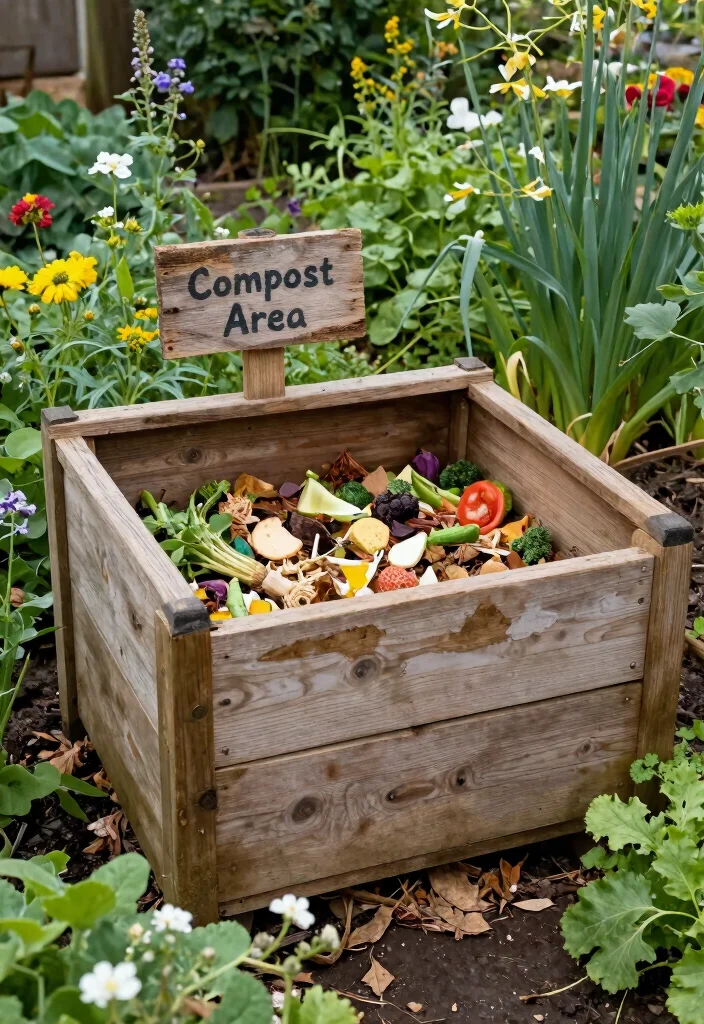
Establishing a composting area in your backyard is a practical and eco-friendly way to manage organic waste while enriching your garden soil. Composting is a valuable family activity that teaches kids about recycling and sustainability. Plus, the nutrient-rich compost produced can significantly benefit your plants.
Choose a shady spot for your composting area, ensuring it’s easily accessible but discreet. Using a compost bin can help keep everything tidy and speed up the decomposition process. Mix green materials like kitchen scraps with brown materials like dried leaves for a healthy compost mix.
Tips for effective composting:
– Select a convenient, shady location
– Use a compost bin for organization
– Mix green and brown materials for balance
Creating a composting area not only reduces waste but also allows your family to enjoy the fruits of their labor with healthy plants.
9. Garden Art and Creative Decor
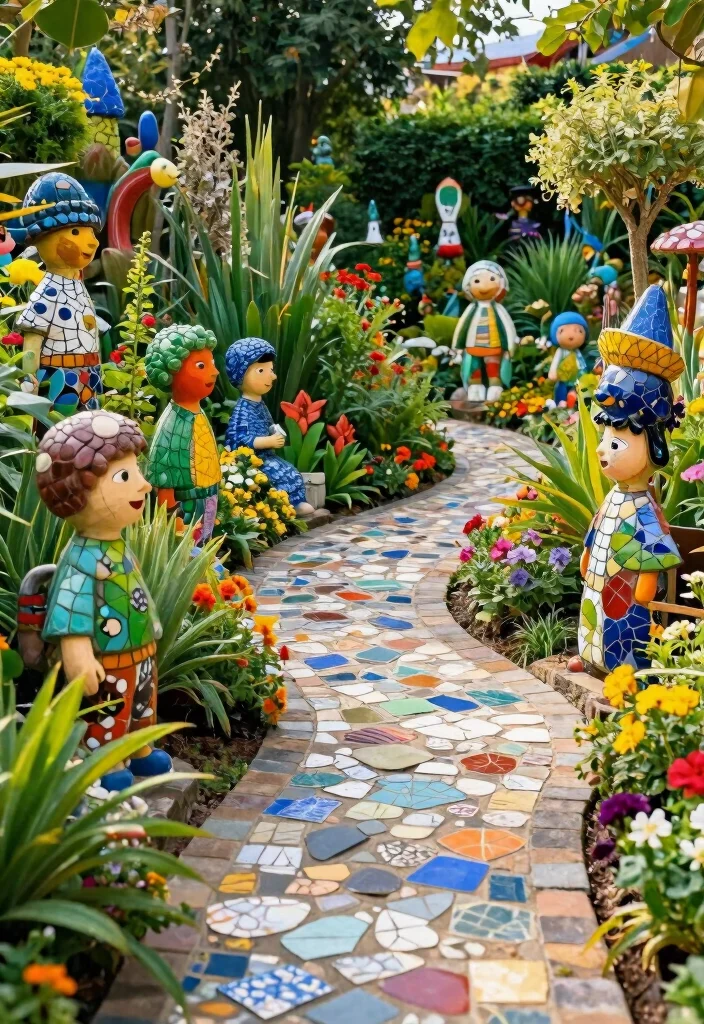
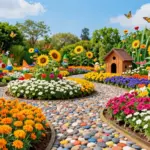
Incorporating art and creative decor into your backyard personalizes your space and encourages creativity in your family. Unique garden art can be crafted from recycled materials or sourced from local artisans, adding a special touch to your landscape. From whimsical sculptures to colorful mosaic pathways, these elements infuse joy and personality into your yard.
Consider playful sculptures that inspire imagination or create pathways using vibrant mosaic tiles. Natural decor elements like driftwood or stones can serve as rustic accents that enhance your garden’s charm.
Ideas for adding art and decor:
– Use playful sculptures to ignite creativity
– Craft pathways with colorful mosaic tiles
– Incorporate driftwood or stones for rustic charm
By integrating art and decor, your backyard transforms into a vibrant space that reflects your family’s values and creativity.
10. Raised Garden Beds: Easy Access for Families
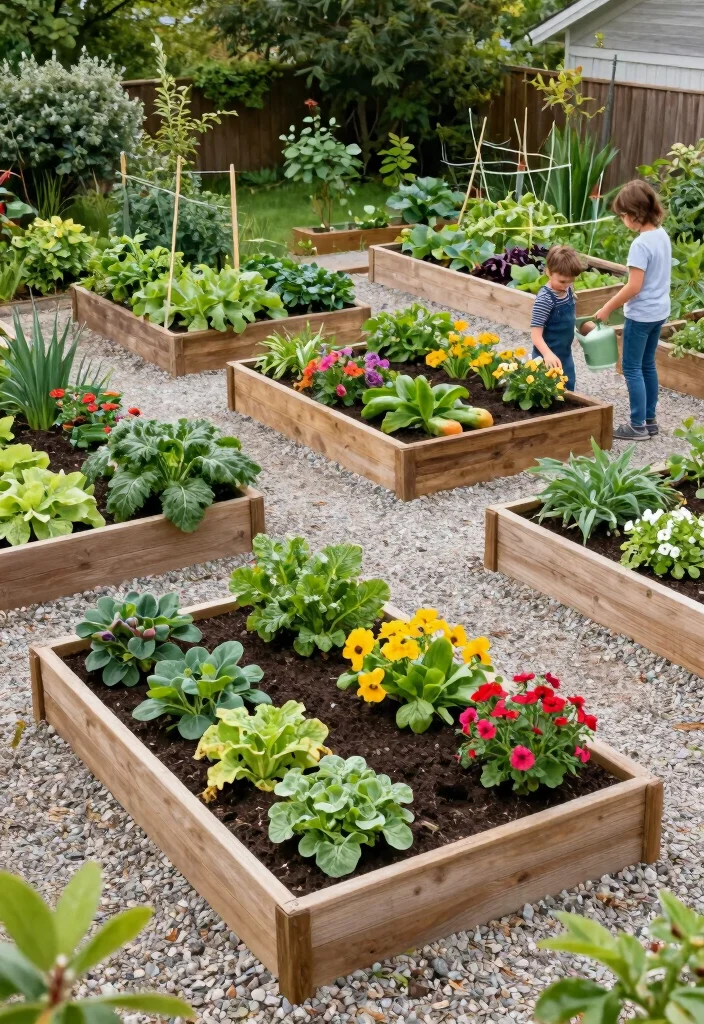
Raised garden beds are an excellent solution for creating accessible gardening spaces for everyone in your family. These elevated beds eliminate the need to bend down, making gardening a fun activity for both kids and adults. They also provide improved drainage, which is great for plant health.
When setting up raised garden beds, choose untreated wood or recycled materials for construction. Fill the beds with a quality mix of soil, compost, and organic matter to ensure optimal growth. Plan your garden layout by considering companion planting and the growth habits of your chosen plants.
Tips for building raised garden beds:
– Use untreated wood or recycled materials
– Fill with quality soil and compost mix
– Consider companion planting for better yields
Raised beds not only enhance accessibility but also create a tidy appearance in your yard, promoting family gardening activities.
11. Shade Gardens for Comfort
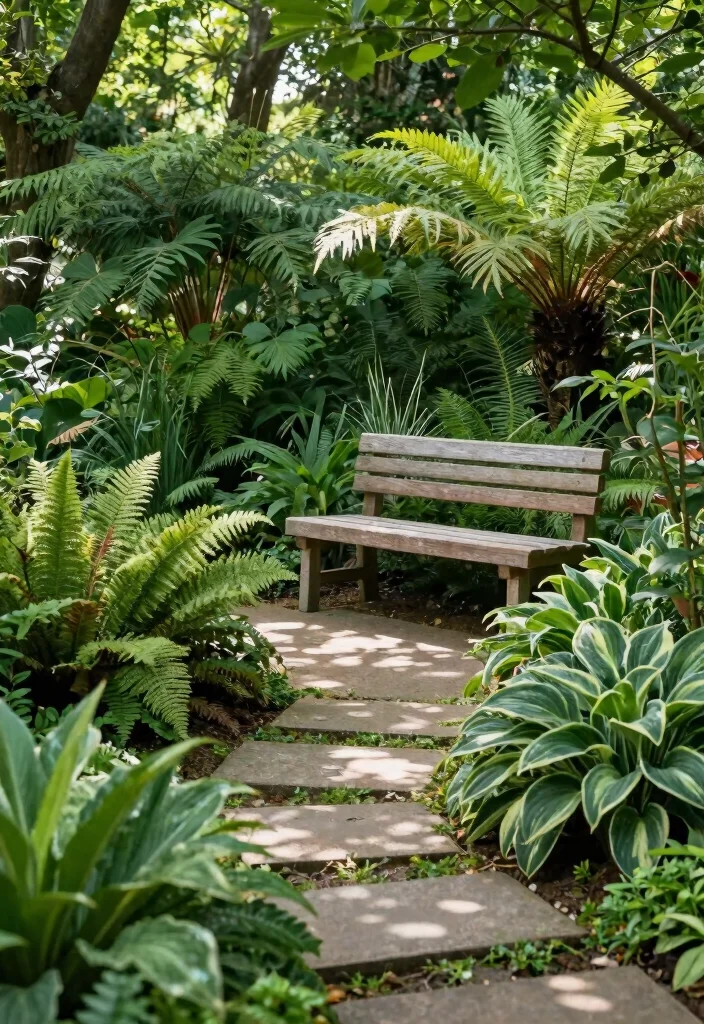
Not every yard basks in full sun, and that’s perfectly fine! Shade gardens can be just as beautiful and inviting, utilizing the cooler areas of your backyard. By selecting shade-loving plants, you can create a peaceful retreat for your family to relax during hot summer days. Consider ferns, hostas, and other greenery that thrive in low-light conditions.
Layering plants with taller varieties alongside lower ground covers adds texture and depth to your shade garden. Incorporate seating options like a comfortable bench or hammock for ultimate relaxation. Define pathways with stepping stones or mulch to guide visitors through your serene space.
Key elements for a shade garden:
– Layer plants for visual interest
– Add seating for relaxation
– Use stepping stones to create defined paths
A shade garden offers a unique and tranquil oasis, perfect for family gatherings and peaceful moments.
12. Fire Pits for Family Gatherings
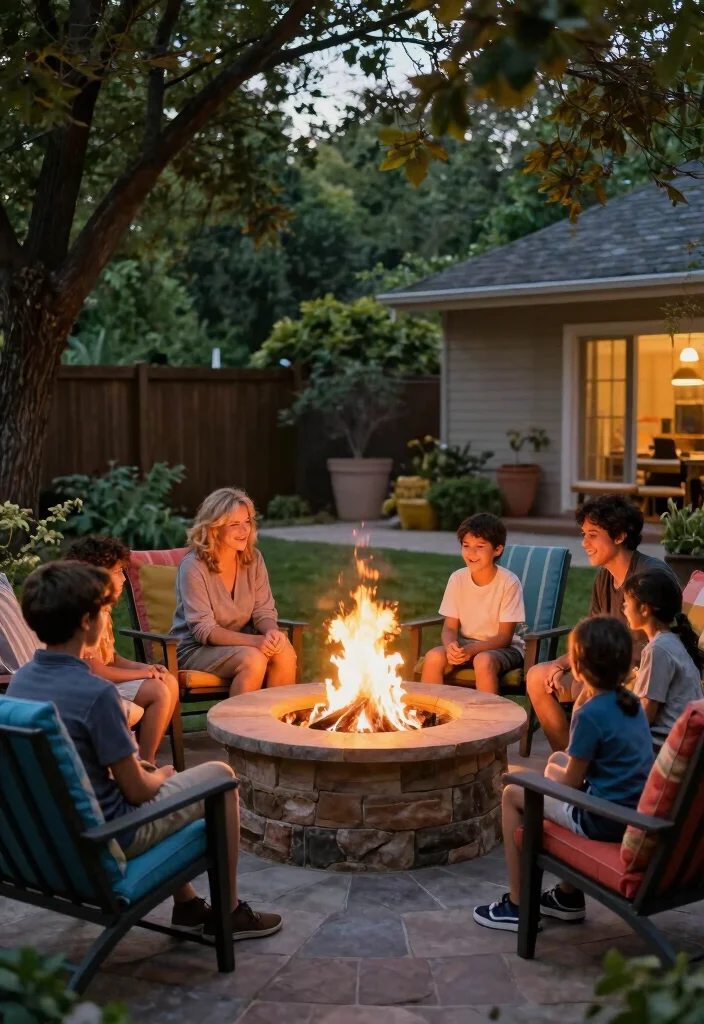
Fire pits are a wonderful addition to any backyard, extending the outdoor season and making chilly evenings cozy and inviting. Whether roasting marshmallows or sharing stories, a fire pit becomes a central gathering point for family bonding. You can choose from various styles, including portable fire bowls or built-in stone pits, to match your backyard’s aesthetic.
When positioning your fire pit, ensure it’s a safe distance from structures or trees. Surround it with comfortable seating for everyone to gather closely and enjoy the warmth. Don’t forget to keep safety in mind by having a fire extinguisher nearby and checking local regulations regarding fire pits.
Essentials for a fire pit area:
– Place the fire pit safely away from flammable items
– Provide comfortable seating for gatherings
– Ensure safety measures are in place
Creating a fire pit area enriches your backyard’s functionality while encouraging outdoor family time, especially on cool evenings.
13. Wildlife Gardens: Embrace Nature
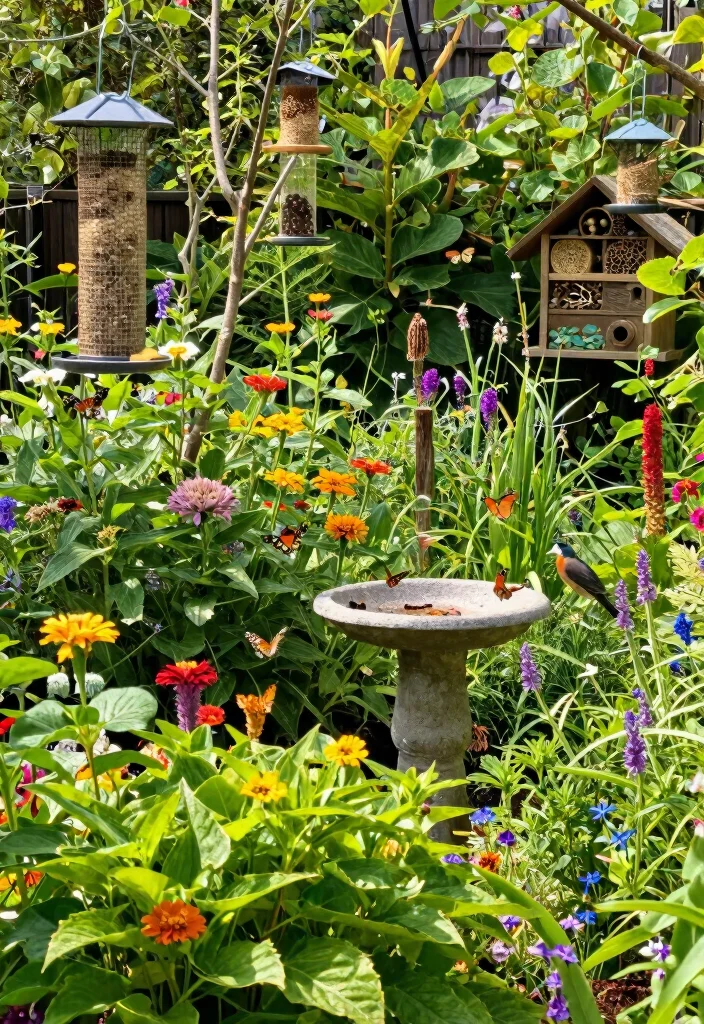
Design a backyard that welcomes wildlife! A wildlife garden not only supports local ecosystems but also offers your family the chance to observe nature up close. Include elements that attract birds, butterflies, and beneficial insects to create a lively and thriving environment.
Install bird feeders and baths to attract various species and encourage birdwatching. Select native plants that provide food and habitat for local wildlife, ensuring a rich ecosystem. Consider building or purchasing insect hotels to support beneficial insects like bees and ladybugs.
Ways to enhance your wildlife garden:
– Add bird feeders and baths for lively visitors
– Plant native species for food and habitat
– Create insect hotels to support beneficial bugs
Encouraging wildlife into your garden deepens your family’s connection to nature while contributing to environmental health.
14. Garden Pathways: Guide the Way
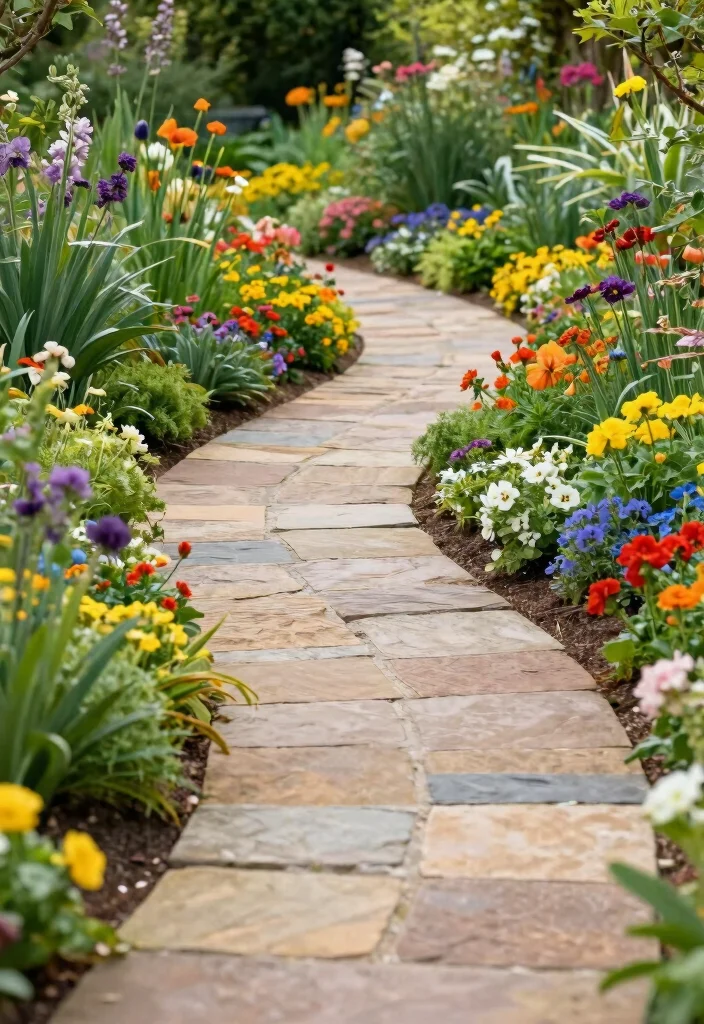
Garden pathways serve both functional and aesthetic purposes, guiding visitors through your backyard while beautifying the space. Well-designed pathways create a sense of flow and exploration in your outdoor environment, making it more inviting. Use materials like stones, bricks, or mulch to craft durable and attractive paths.
Opt for natural materials that complement your overall landscape design. Incorporating gentle curves in your pathways can make the garden feel more inviting and organic. Utilize low edging plants to define the edges of the pathways, guiding visitors effortlessly through your garden.
Tips for designing garden pathways:
– Choose natural materials that match your landscape
– Design curved pathways for a welcoming feel
– Define edges with low plants for guidance
Paths not only enhance usability but also add character, encouraging families to wander and appreciate the beauty around them.
15. Vertical Gardens for Small Spaces
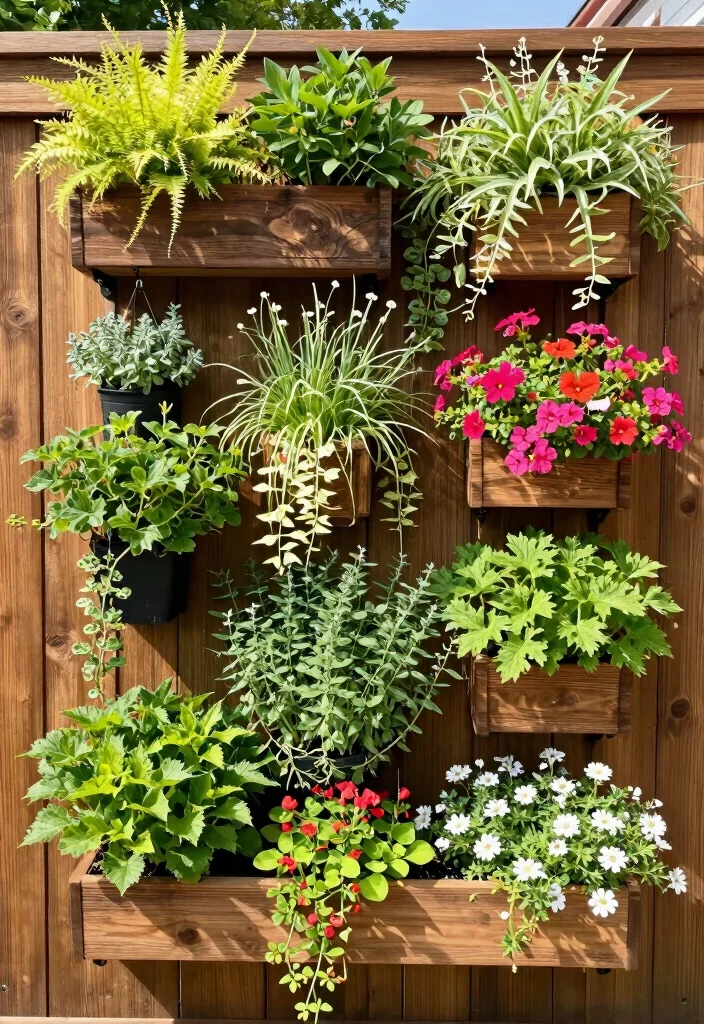
If your yard space is limited, consider creating a vertical garden! These gardens maximize small areas while introducing stunning visual interest. They can be mounted on walls or fences, showcasing climbing plants, fragrant herbs, or vibrant flowers.
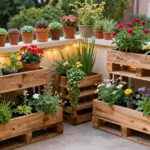
Choose a location that receives adequate sunlight for the plants you want to grow. Select climbing plants like vines or fragrant herbs such as mint for easy maintenance. Get creative with containers: repurpose wooden pallets, hanging planters, or wall-mounted pockets to design a unique vertical garden.
Tips for starting a vertical garden:
– Select a sunny wall or fence for mounting
– Choose suitable climbing plants and herbs
– Use creative containers for added charm
Vertical gardens save space while transforming any bare wall into a flourishing green canvas, adding beauty to your backyard.
16. Eco-Friendly Lighting Solutions
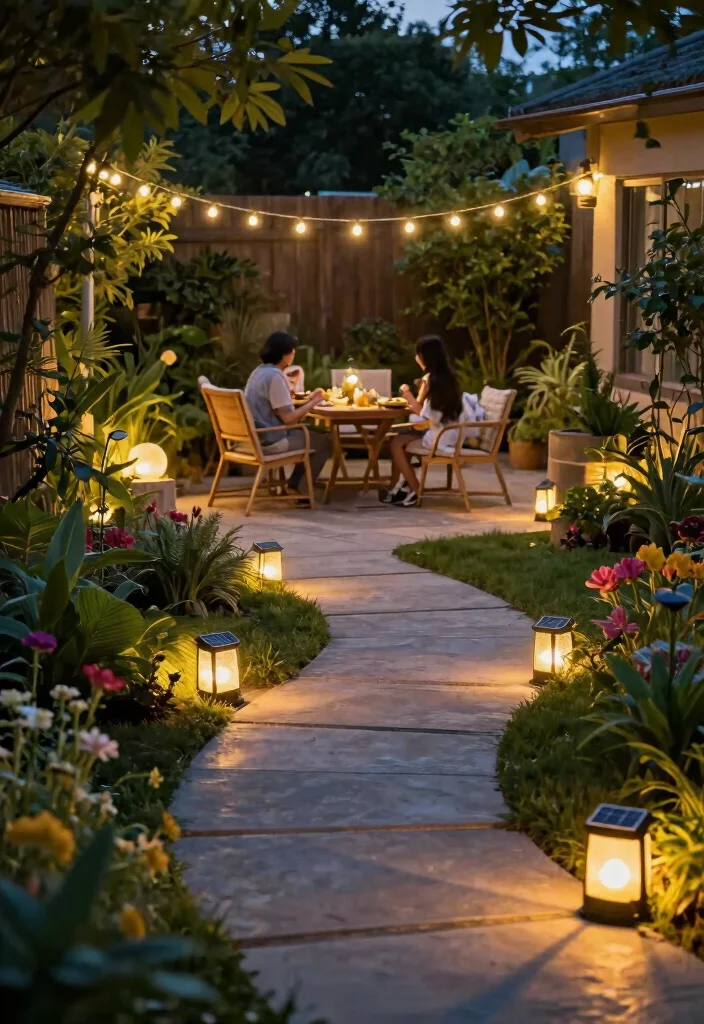
Enhancing your backyard with eco-friendly lighting is key to creating a warm and inviting atmosphere while being mindful of energy consumption. Solar-powered lights are a fantastic choice, requiring no electricity and offering versatility in placement throughout your garden. They beautifully illuminate pathways and highlight garden features without harming the environment.
Consider lining your walkways with solar path lights for safe navigation at night. Utilize energy-efficient LED string lights to add a cozy ambiance for evening gatherings. Incorporate reusable lanterns for charm without the need for electricity.
Ideas for eco-friendly lighting:
– Line walkways with solar path lights for safety
– Use LED string lights for a warm atmosphere
– Add reusable lanterns for a charming touch
Eco-friendly lighting not only enhances the beauty of your backyard but also promotes sustainability, creating the perfect setting for family enjoyment after sunset.
Conclusion
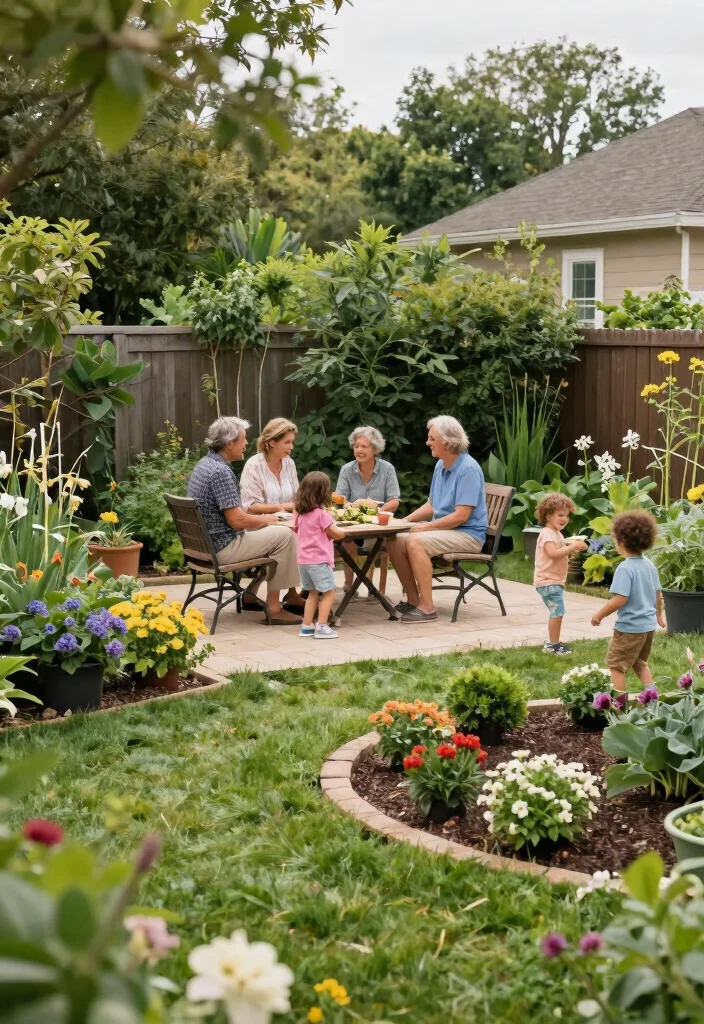
Transforming your backyard into a beautiful, practical, and family-friendly space requires thoughtfulness and creativity. By incorporating sustainable landscaping ideas, you enrich your family’s outdoor experience while making a positive impact on the environment. Each of the featured ideas not only enhances your yard’s aesthetics but also promotes bonding and learning for all ages. Happy gardening, and may your backyard flourish with joy and love!
Frequently Asked Questions
What are practical backyard landscaping ideas for a family-friendly yard?
These practical, ready-to-implement backyard landscaping ideas keep a family-friendly vibe in focus. Start by defining zones: a safe play area for kids, a dining or lounging spot, and a pollinator-friendly corner. Choose durable, low-maintenance plants and use mulch or gravel for paths to reduce upkeep. Add a small seating area, a rain barrel for sustainable watering, and a compost bin to support sustainable gardening solutions. Create family-friendly gardens with soft ground covers under play equipment and clearly defined borders for safety. Finish with smart lighting and shade to extend use after dark. These backyard design ideas help you enjoy a beautiful, practical space with minimal effort.
How can I create sustainable, eco-friendly backyard landscaping ideas that work for busy families?
For sustainable gardening solutions in a busy family yard, start with native and drought-tolerant plants to cut water use. Group plants by sun and water needs, build raised beds for easier access, and use permeable surfaces to manage runoff. Install a rain barrel and a simple drip irrigation system to execute sustainable gardening solutions with less waste. Mulch beds to suppress weeds and retain moisture, and choose durable, kid-friendly materials for paths and seating. Finally, add composting to recycle kitchen scraps and nourish your backyard landscaping ideas with nutrients. These steps turn your space into a green, family-friendly sanctuary without heavy upkeep.
What outdoor living spaces are most effective in backyard design ideas for families?
Think of outdoor living spaces as extensions of your home: a covered patio or pergola for shade, a cozy seating area around a fire pit for conversations, and a small outdoor kitchen or grill zone for easy family meals. Include a kid-friendly play corner and low-maintenance ground covers to keep the area welcoming. Use durable, weatherproof furniture, smart lighting, and simple storage to keep things tidy. Create a smooth flow from house to yard with a simple path and connect the spaces with backyard design ideas that make outdoor living spaces usable year-round.
Which low-maintenance plants are ideal for a sustainable, family-friendly yard?
Choose plants that thrive with minimal care and suit your climate. Great options include native shrubs, ornamental grasses, lavender, salvia, yarrow, and groundcovers like creeping thyme or sedum. Add edible touches such as strawberries in a raised bed to engage kids. Group plants by sun exposure, mulch generously, and install a simple irrigation plan to minimize watering. Favor disease-resistant varieties and avoid invasives. This supports family-friendly gardens and sustainable gardening solutions while keeping backyard landscaping ideas practical and pretty.
How can I make a backyard safe and accessible for kids and guests while keeping the design stylish?
Prioritize safe, accessible design with wide, even paths and non-slip surfaces. Use rounded-edged planters, soft ground covers under play areas, and secure gates for boundaries. Install ample lighting, store tools out of reach, and create easy-to-use storage solutions. Add raised beds and child-friendly seating to keep things engaging without clutter. Aim for durable materials and a simple maintenance plan so your backyard design ideas stay stylish while supporting family-friendly yards.