Creating a peaceful retreat in your own backyard can feel like a dream, especially in small urban spaces where privacy is often hard to come by. I put together this post because I know many of you are looking for ways to enhance your outdoor areas. You want to find solutions that not only provide privacy but also improve drainage and add visual interest to your garden. Let’s face it—an inviting outdoor space can be the perfect escape after a long day.
If you’re someone who loves gardening or simply wants to beautify your home environment, this post is for you. Whether you’re a seasoned gardener or just starting out, the ideas we’ll explore will help you transform your yard into a sanctuary. I’ve gathered 12 amazing berm landscaping ideas that focus on privacy, effective drainage solutions, and creating visual interest. These ideas are practical, creative, and perfect for small urban spaces.
You’ll find tips that include everything from using evergreen plants for a lush privacy screen to designing multi-level berms that catch the eye. This guide is packed with fresh ideas to help you create a space that reflects your style and meets your needs. So, let’s dig in and explore how you can elevate your garden!
Key Takeaways
– Discover 12 unique berm landscaping ideas to enhance privacy, including the use of evergreen plants and climbing vines.
– Learn about effective drainage solutions integrated into berm designs, such as rock gardens and water-friendly options.
– Explore ways to add seasonal color with flowering berms, creating visual interest throughout the year.
– Get practical insights on integrating seating areas into your berm landscaping for a more inviting outdoor experience.
– Find out how to create wildlife-friendly spaces and edible landscapes, enriching both your garden and local ecology.
1. Curved Berm for Soft Edges
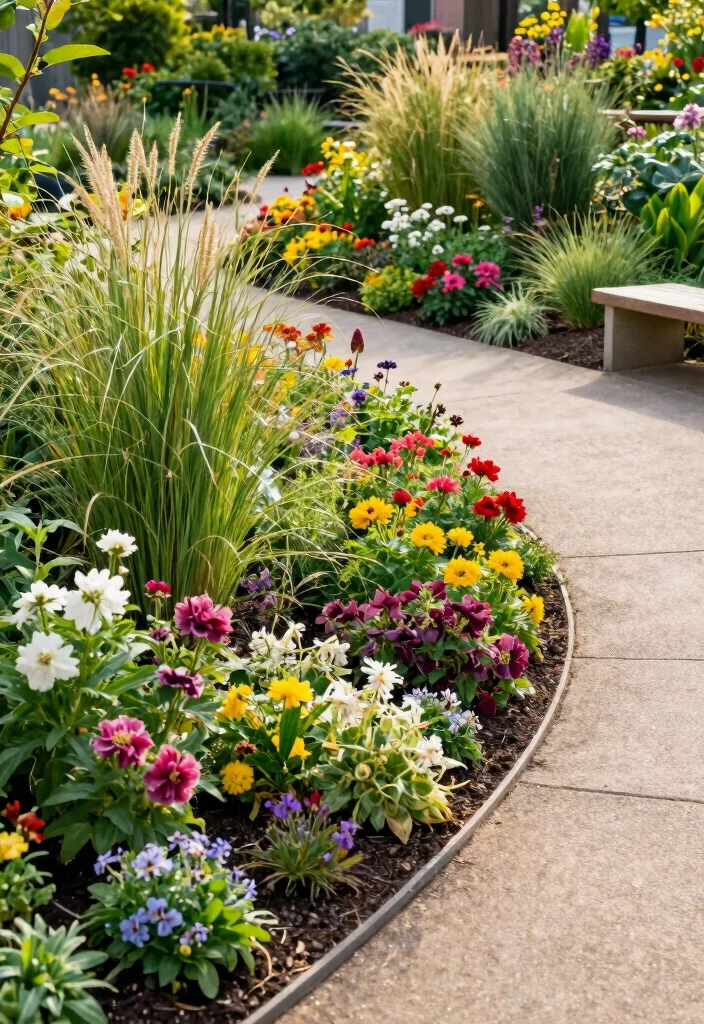
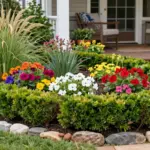
Are you looking to soften your landscape’s hard edges? A curved berm is an excellent way to achieve that gentle look while effectively managing rainwater. This design not only beautifies your outdoor space but also facilitates smooth drainage. Imagine lush greenery hugging a flowing curve, creating a visual delight for your yard.
Consider planting a blend of perennials and ornamental grasses along the curve. This mix can create a harmonious flow that invites the eye to explore. Varying plant heights will add depth and intrigue to your garden layout.
Key benefits to enjoy:
– Softens harsh lines of hardscaping.
– Enhances drainage by guiding water along the curve.
– Offers a rich selection of plant choices.
Practical planting tips:
– Use a garden hose to outline your desired curve before digging.
– Opt for drought-resistant plants to reduce upkeep.
– Incorporate a palette of colors for year-round appeal.
2. Privacy Berm with Evergreen Plants
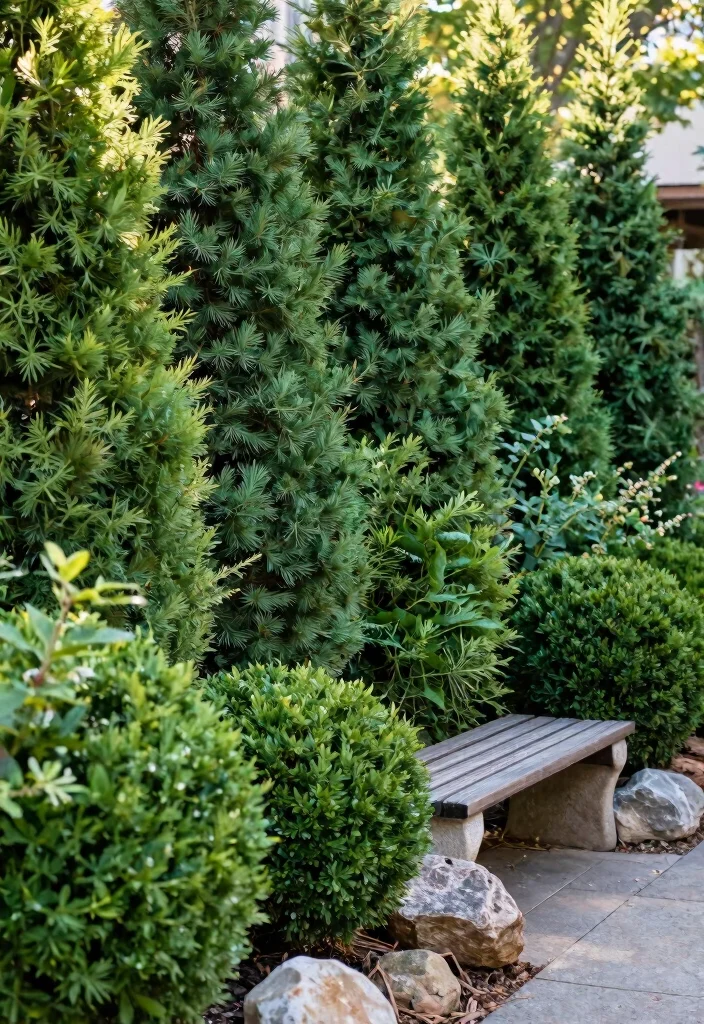
Seeking a natural privacy solution? A berm lined with evergreen plants could be just what you need. These evergreens provide year-round coverage, creating a peaceful oasis and blocking unwanted views from neighbors. Imagine a lush, green backdrop that transforms your outdoor space into a serene retreat.
Arrange your plants in layers, placing taller varieties at the back and shorter ones in front. This layering not only enhances privacy but also enriches the visual texture of your garden.
Top choices for your privacy berm:
– Arborvitae for height and density.
– Boxwoods for a formal structure.
– Junipers for a light, airy appearance.
Implementation tips for success:
– Space your plants properly to allow for full growth.
– Add decorative stones or mulch at the base for extra texture.
– Mix in seasonal flowers for vibrant pops of color.
How To Choose the Right Berm Landscaping Ideas
When it comes to enhancing your small urban space with berm landscaping, making the right choices is crucial. This guide will help you select the best berm ideas that meet your needs for privacy, drainage, and visual interest.
1. Assess Your Space
Begin by measuring your garden area. Take note of its size and shape, as these will influence your berm design. A narrow space might benefit from a low, curved berm, while a larger area can handle a multi-level design. Understanding your limits will help you pick a style that fits perfectly.
2. Determine Your Purpose
Identify what you want to achieve with the berm. Are you looking for privacy landscaping ideas? Or perhaps you need drainage solutions for gardens? Knowing your main goal will guide your choices. For privacy, consider taller, evergreen plants; for drainage, focus on a rock garden berm that helps channel water effectively.
3. Choose the Right Plants
Selecting the right plants is vital for visual interest and function. For a flowering berm, opt for perennials that bloom at different times throughout the year. If you prefer a privacy screen, evergreen trees like junipers or hollies work great. Make sure the plants are suitable for your local climate and soil type.
4. Incorporate Drainage Solutions
Effective drainage is essential to prevent water pooling on your berm. When designing your berm, consider using gravel or sand at the base to allow for better water flow. You could also integrate a rain garden at the bottom of the berm to manage runoff and promote healthy drainage.
5. Factor in Maintenance
Think about how much time you can dedicate to maintaining the berm. Some plants may require regular trimming or special care. A simple design with hardy plants can be less demanding. If you want a striking look with less effort, consider a minimalist rock and succulent berm.
6. Budget Wisely
Before diving into your project, set a clear budget. Consider costs for materials like soil, plants, and any decorative features like stones or benches. Remember, some options like a wildlife-friendly berm may require more initial investment, but they can pay off in the long run by enhancing your garden’s ecology.
Pro Tip: Sketch your ideas before you start. A simple drawing can help visualize the final look and ensure each element fits your goals. This will save you from making costly mistakes and help you stay organized throughout the process.
By following these steps, you can choose the right berm landscaping ideas that not only beautify your space but also serve practical purposes like privacy and drainage. Happy gardening!
3. Flowering Berm for Seasonal Color
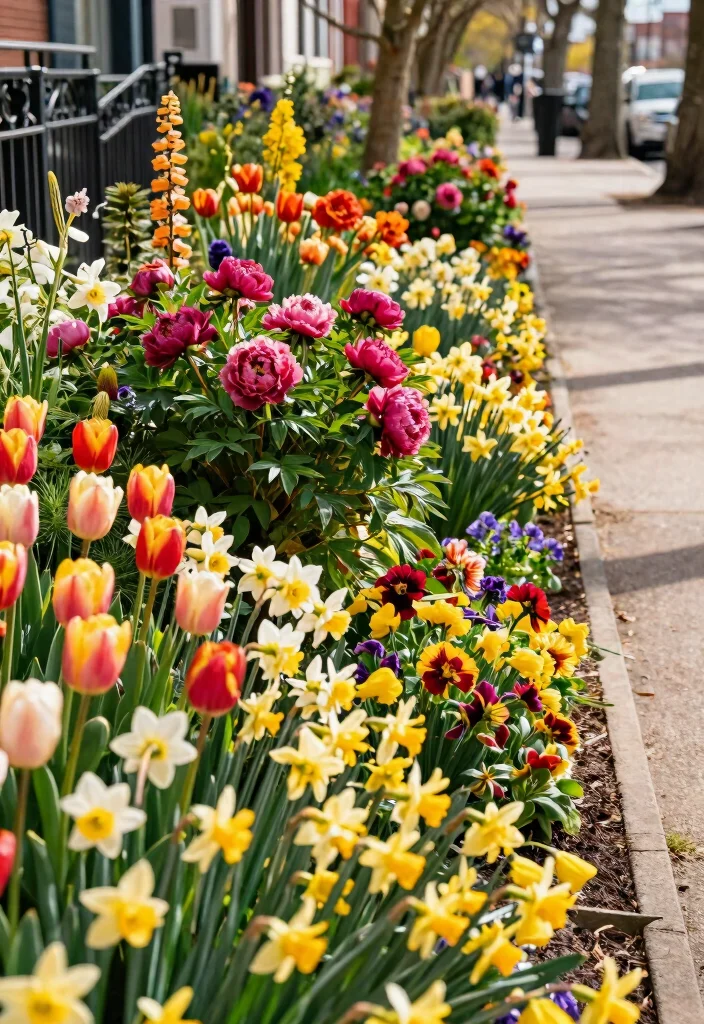
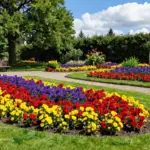
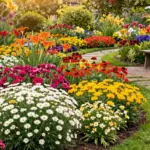
Want to bring vibrant color to your garden? A flowering berm can be your answer. By selecting a variety of flowering plants that bloom at different times, you’ll ensure a stunning display across all seasons. Picture spring bulbs giving way to summer blooms, followed by the warm hues of fall foliage.
This approach not only attracts bees and butterflies but also keeps your landscape lively and engaging. Each season offers a fresh look and feel to your garden experience.
Flowering plants to consider:
– Tulips and daffodils for spring joy.
– Peonies and echinacea for summer beauty.
– Asters and sedums for fall charm.
Planting tips:
– Layer bulbs beneath perennials for staggered blooms.
– Choose companion plants that harmonize in height and color.
– Maintain regular watering to encourage healthy growth.
4. Rock Garden Berm for Drainage Solutions
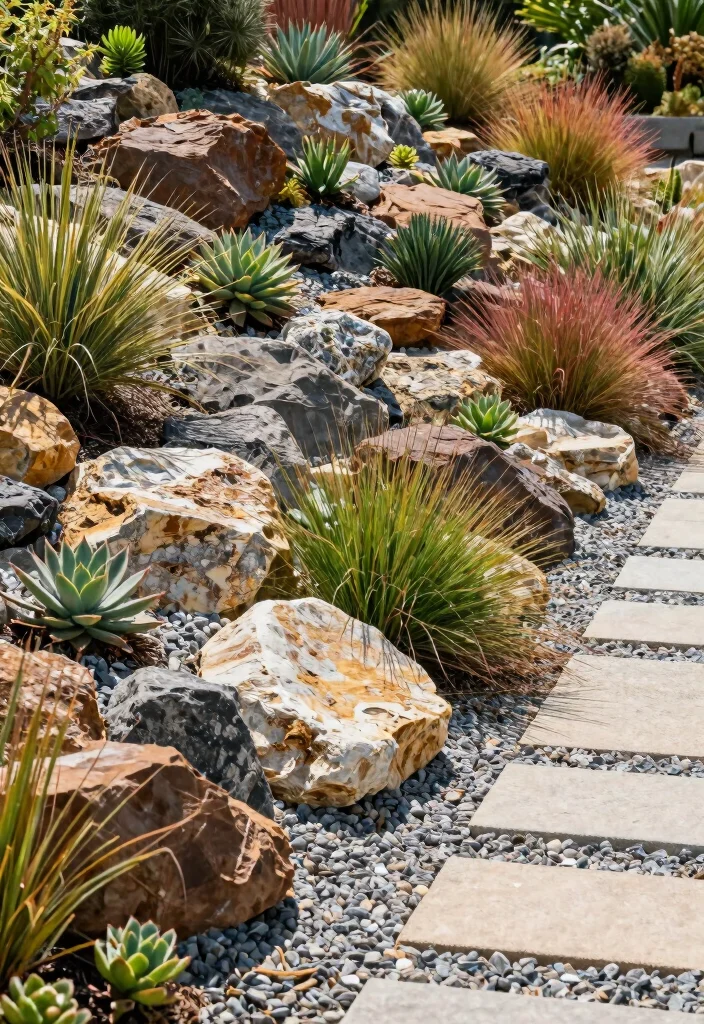
Struggling with drainage in your garden? A rock garden berm offers a beautiful yet functional solution. The rocky surface promotes effective water flow, reducing pooling and erosion. Imagine a landscape adorned with stunning stones and hardy plants thriving in drier conditions.
By using various stones, gravel, and drought-tolerant plants, you create an attractive space that demands less maintenance. This design not only looks great but also supports your garden’s health.
Materials to consider:
– River stones for a natural aesthetic.
– Crushed gravel for a solid foundation.
– Succulents and drought-resistant plants for added durability.
Success tips:
– Vary stone sizes to create different levels within the berm.
– Use landscape fabric underneath to prevent weeds.
– Plant in clusters for a fuller, more cohesive appearance.
Fun fact: a rock garden berm can improve drainage by up to 40% in heavy soils, while drought-tolerant plants cut watering needs. In berm landscaping ideas, mix stones with varied textures to speed water away from foundations and reduce erosion.
5. Edible Landscape Berm
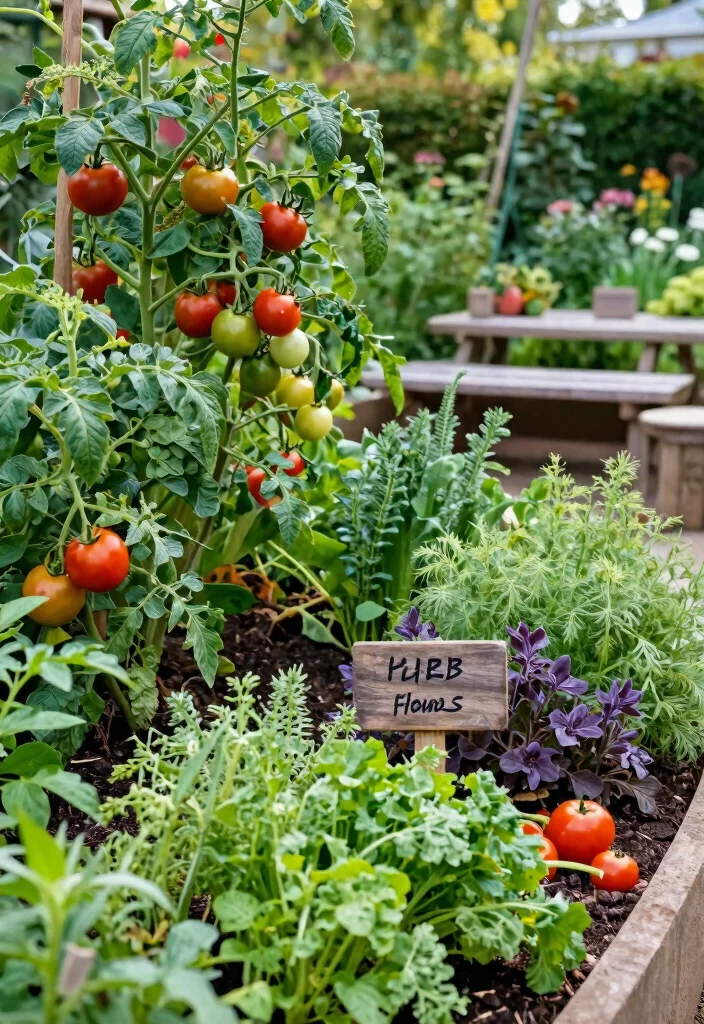
Why not create beauty while growing your food? An edible landscape berm merges aesthetics with practicality, allowing you to cultivate herbs, vegetables, and fruits right alongside decorative plants. Picture a garden that delights the eyes and nourishes the body with fresh ingredients.
Select a range of edible plants suited to your climate and arrange them on a berm for easy maintenance. This layout not only enhances your garden’s beauty but also supports your culinary adventures.
Edible plants to explore:
– Basil, rosemary, and thyme for fragrant herbs.
– Tomatoes and peppers for homegrown produce.
– Dwarf fruit trees for added height and interest.
Implementation strategies:
– Label your plants for easy identification.
– Include companion plants that boost flavor and growth.
– Use organic mulch to retain moisture and suppress weeds.
6. Multi-Level Berm Design
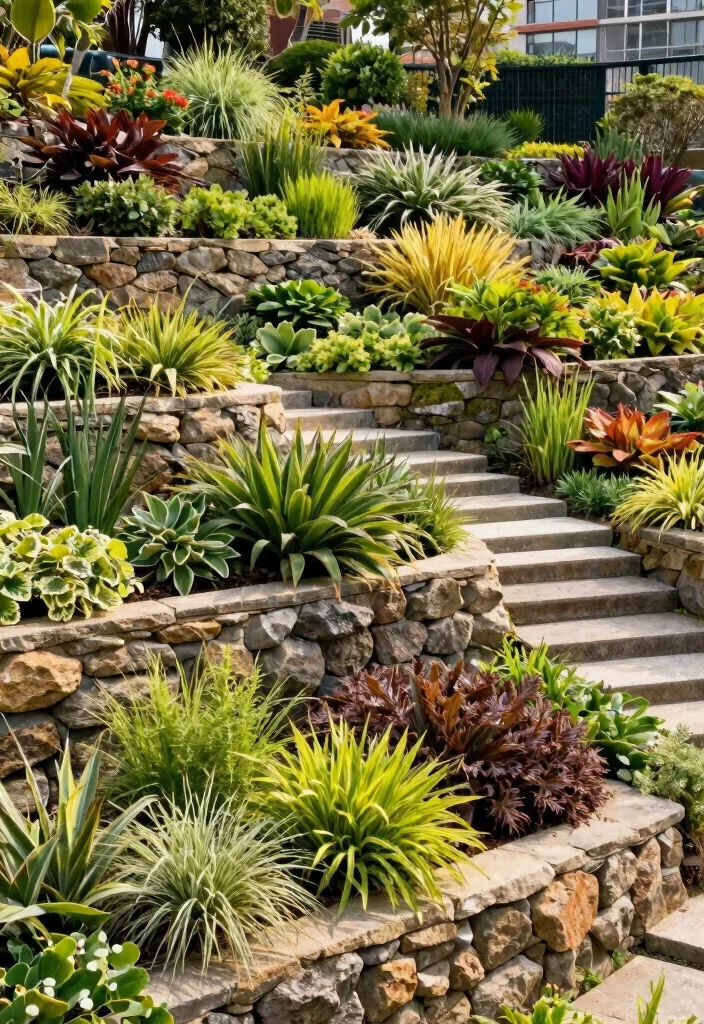
Looking to create a striking garden feature? A multi-level berm design can add visual interest while improving drainage. This style is perfect for maximizing space in smaller areas, providing a unique opportunity to showcase a variety of plants.
Each tier can host different plant species, creating an eye-catching display. Embrace native plants to lower maintenance and support local wildlife in your garden.
Benefits include:
– Maximizes space in compact urban areas.
– Establishes distinct planting zones for diverse selections.
– Enhances drainage through effective water flow.
Design suggestions:
– Use retaining walls to define each level clearly.
– Incorporate stepping stones for easy access to all areas.
– Vary plant heights to add depth and intrigue.
7. Privacy Screen with Climbing Vines
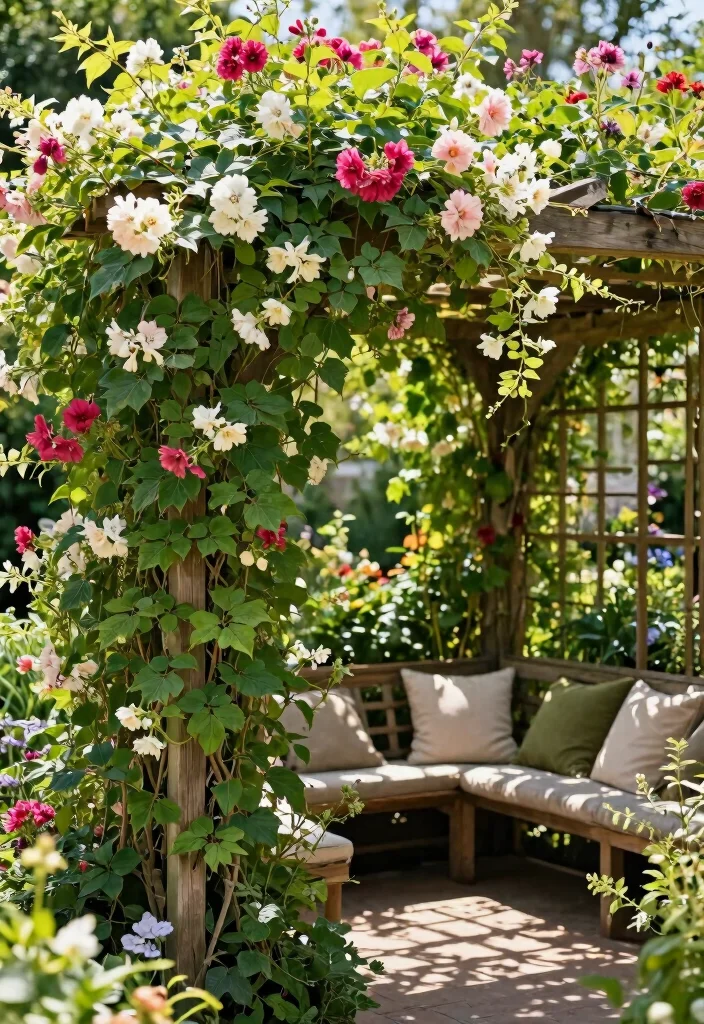
Want to create a lush privacy screen? Consider planting climbing vines on a berm. This vertical solution not only enhances privacy but also adds a vibrant green backdrop to your outdoor area. Imagine a wall of greenery alive with colors and textures throughout the seasons.
By training vines to grow on trellises or fences, you can create a soft, inviting barrier. Combine various vine types to maintain year-round visual interest and movement.
Vine varieties to consider:
– Wisteria for fragrant blooms and cascading beauty.
– Clematis for a range of colors and forms.
– Honeysuckle for its sweet aroma and appeal to wildlife.
Implementation tips:
– Choose a sturdy trellis to support the vines.
– Water regularly during their establishment phase.
– Prune periodically to encourage growth and blooming.
8. Minimalist Rock and Succulent Berm
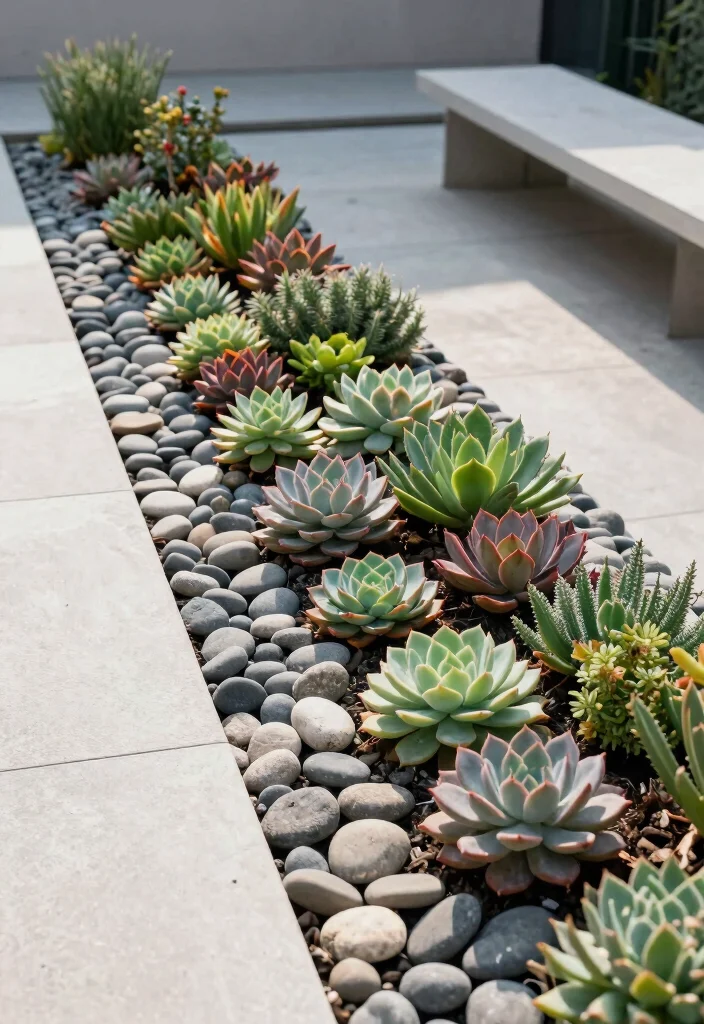
If you prefer a modern look, a minimalist rock and succulent berm is a perfect choice. This low-maintenance design combines various stones with succulents, creating an eye-catching contemporary appearance. Picture smooth pebbles and vibrant succulents coming together in an elegant harmony.
Using different sizes of stones, you can craft an organic yet structured shape that complements minimalist decor. Succulents add captivating colors and textures without overwhelming your space.
Materials to consider:
– Smooth river stones for a grounded feel.
– A variety of colorful succulents for visual impact.
– Minimalist furniture to enhance the overall aesthetic.
Design tips for success:
– Create geometric patterns with stones for a modern flair.
– Utilize a drip irrigation system for efficient watering.
– Select succulents suited to your climate for optimal growth.
9. Water-Friendly Berm Design
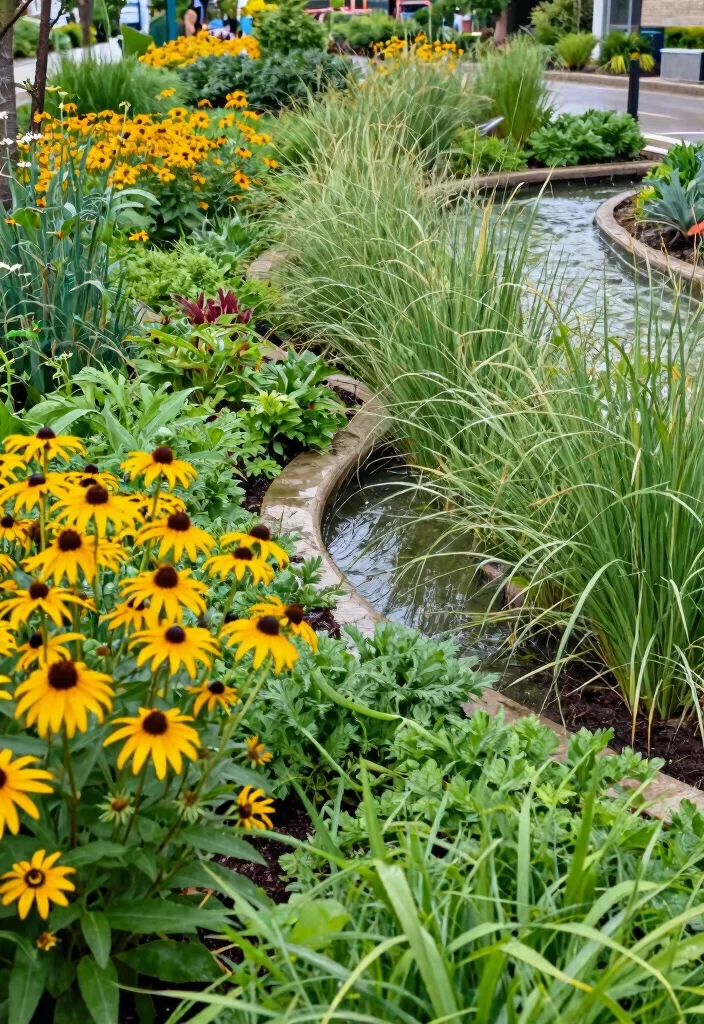
In a world focused on conservation, a water-friendly berm design can help manage runoff and reduce water usage. By incorporating native plants that flourish in your climate, you’ll create a sustainable landscape that thrives with minimal watering. Imagine a garden that not only looks beautiful but also respects natural resources.
Consider adding rain gardens or swales to direct rainwater toward your berm, promoting natural drainage while enhancing your garden’s beauty.
Native plants to explore:
– Echinacea for vibrant color and resilience.
– Black-eyed Susan for late summer blooms.
– Ornamental grasses for delightful texture.
Design tips:
– Shape your berm to effectively capture and retain rainwater.
– Use mulch to help retain moisture and suppress weeds.
– Incorporate various heights for added visual interest.
❝Water-smart berms prove you can save rain, not waste it. As part of berm landscaping ideas, plant natives that thrive in your climate and add a simple rain garden to guide runoff toward the berm, cutting irrigation needs and boosting beauty with less effort.❞
10. Seating Area Integration in Berm Landscaping
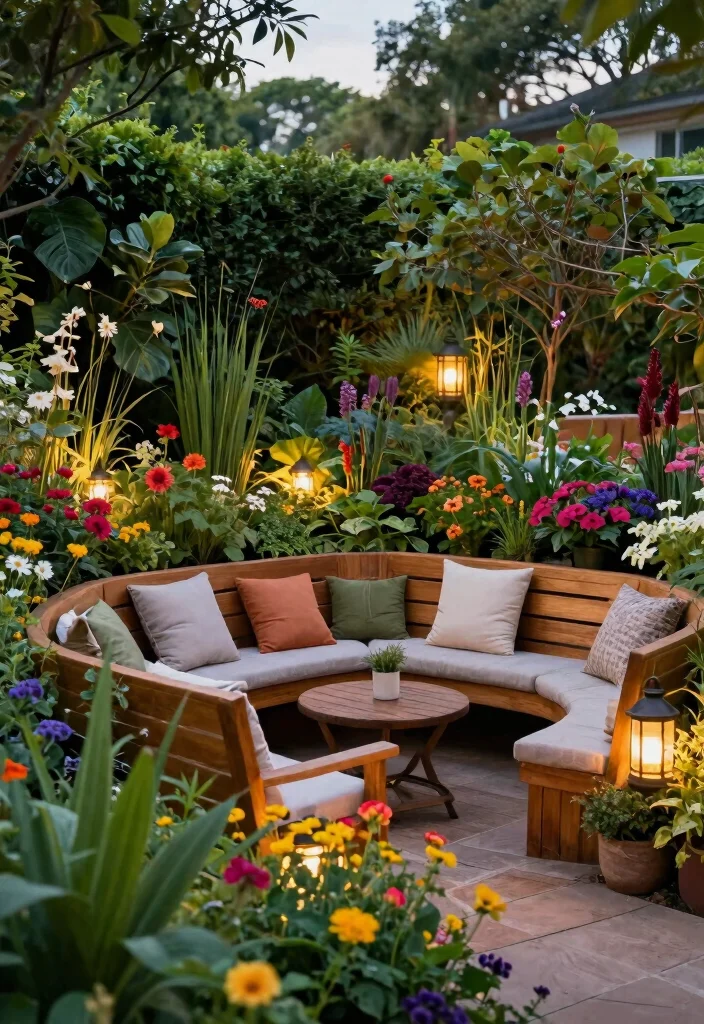
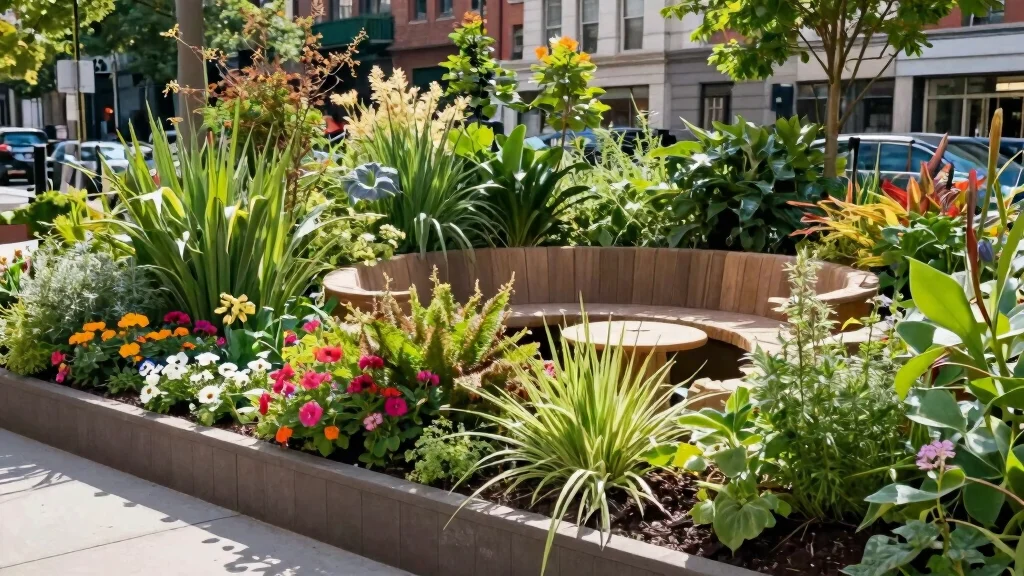
Transform your garden into a personal retreat by integrating a seating area into your berm landscaping. Strategically placing benches or chairs within or around the berm creates inviting spots for relaxation and enjoyment. Imagine lounging in your garden, surrounded by the beauty of nature.
Consider using natural materials like wood or stone that harmonize with your landscaping. This not only enhances the aesthetic but also offers a functional space for gatherings and leisure.
Seating ideas to consider:
– Wooden benches for rustic charm.
– Stone seating for a natural touch.
– Cushioned chairs for comfort and style.
Implementation tips:
– Position seating to maximize scenic views.
– Surround seating with fragrant plants for a sensory experience.
– Use outdoor lighting to enhance the ambiance during evenings.
11. Wildlife-Friendly Berm
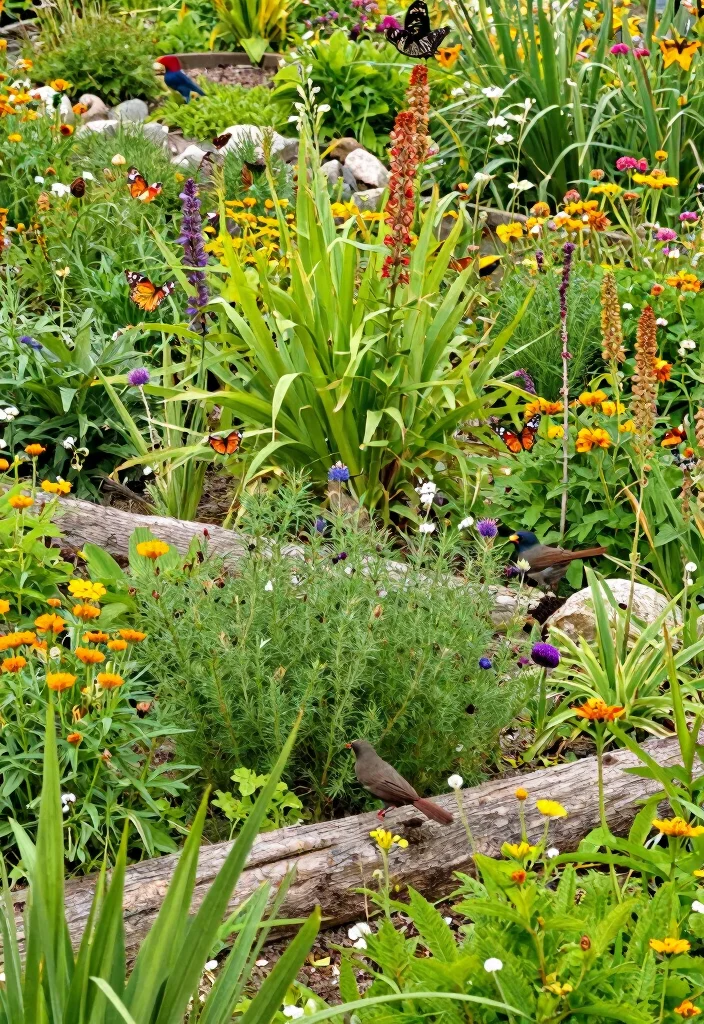
Creating a wildlife-friendly berm is a great way to promote biodiversity in your garden. By selecting plants that attract birds, butterflies, and beneficial insects, you can cultivate a thriving habitat right in your backyard. Picture a lively space filled with color and movement, all while supporting your local ecosystem.
Incorporating native plants is essential, as they are well-suited to the local environment and more likely to attract native wildlife. This approach enriches not only your garden but also your community’s natural balance.
Wildlife-friendly plant suggestions:
– Milkweed to draw in butterflies.
– Sunflowers to feed visiting birds.
– Coneflowers for their nectar-rich blooms.
Success tips:
– Create varying heights and textures to offer shelter.
– Avoid chemical pesticides that harm beneficial insects.
– Include natural features like logs or rocks for added habitat.
12. Seasonal Interest with Foliage Changes
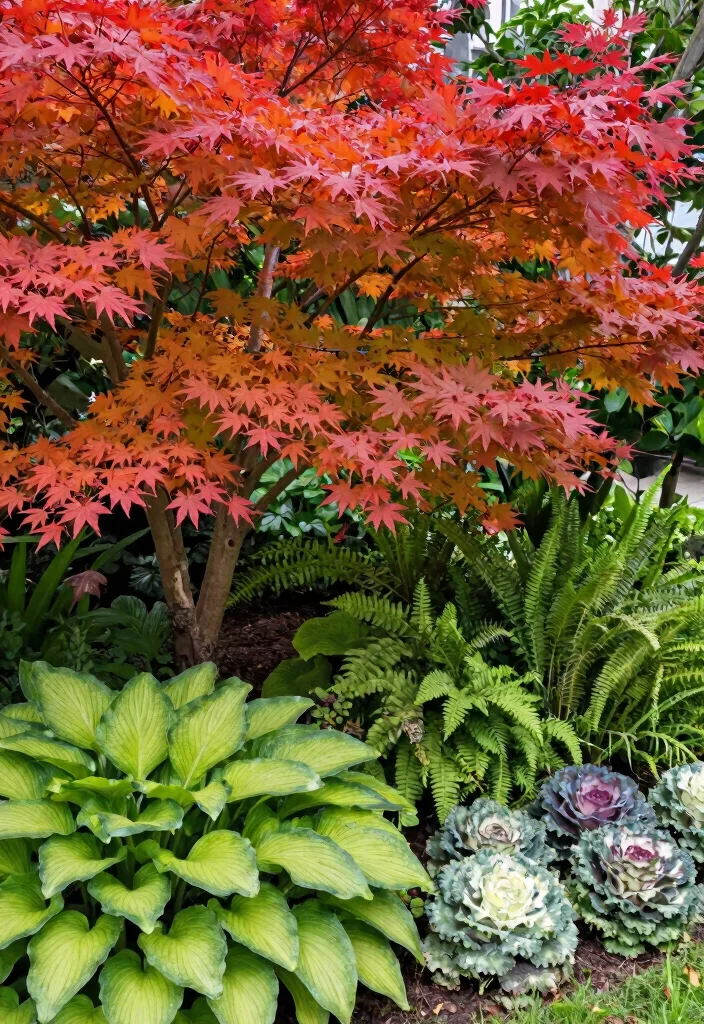
Want a garden that looks beautiful all year long? Incorporating a range of plants that offer seasonal interest is key to achieving this. Choose species that provide colorful foliage in the fall while maintaining lush greens in winter, creating a dynamic garden experience.
Changing colors and textures not only boost visual appeal but also connect you to the rhythm of the seasons. Imagine stepping outside to a new view with each passing month.
Foliage suggestions to explore:
– Japanese Maple for stunning autumn hues.
– Ornamental Cabbage for winter interest.
– Hostas and ferns for lush summer greenery.
Implementation tips:
– Group plants by their seasonal phases for maximum effect.
– Use mulch to keep soil healthy and improve aesthetics.
– Experiment with layering to create depth with changing foliage.
Did you know that a berm with three deciduous shrubs and two evergreens stays visually interesting all year, with fall color lasting 6–8 weeks and winter greens enduring? That’s berm landscaping ideas in action—colorful, practical, and ready to enjoy.
Conclusion
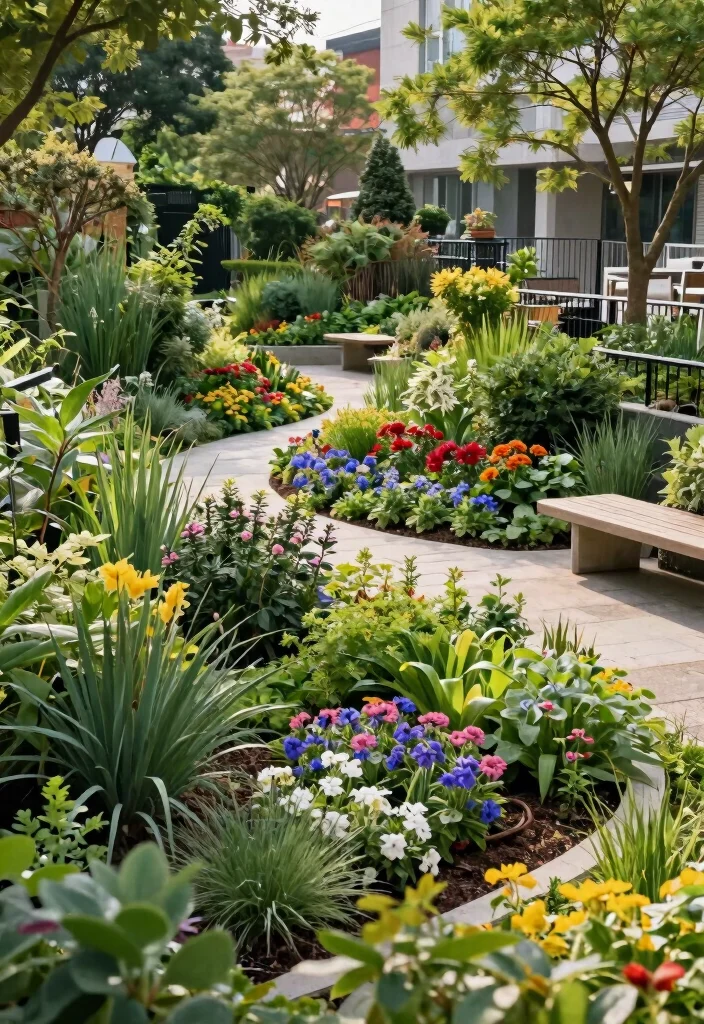
Transforming your small urban space with berm landscaping can create a haven of privacy, beauty, and functionality. These 12 ideas showcase diverse approaches that cater to aesthetics while providing practical solutions for drainage and wildlife.
From colorful flowering plants to sturdy evergreens, there’s a solution for every taste and need. Embrace the potential of berms and let your garden flourish with creativity and style!
Frequently Asked Questions
What are the best berm landscaping ideas for privacy in small urban spaces?
Berms are a smart way to add privacy, define space, and add visual interest in small urban yards. Start with a curved, low berm along the boundary to screen sightlines without blocking light. For privacy landscaping ideas, use a layered plant scheme: a back row of evergreen screens (e.g., arborvitae or columnar yew), a middle tier of taller shrubs, and a soft front with grasses or groundcovers. This garden berm design supports year‑round privacy and texture. For drainage, shape the berm to shed water away from the house; add a shallow swale on the uphill side or a perforated drain if your soil drains poorly. Choose plants suited to your sun and climate, group in odd numbers for a natural look, and add mulch to retain moisture. Finally, plan irrigation for hot spells to keep plants healthy and looking intentional year‑round.
How can berms improve drainage in tight urban gardens?
Berms are a practical way to manage water and prevent pooling in small spaces. Start by assessing where water tends to collect and design a berm that directs runoff away from foundations. Create a shallow swale along the berm’s toe to catch excess water, and consider a perforated pipe with gravel if drainage is poor. Use a well‑draining soil mix (loam amended with organic matter) and avoid compacting it. Plant moisture‑tolerant species at the base (Carex, hostas in shade, daylilies in sun) and drought‑tolerant plants higher up to reduce irrigation. This drainage solutions for gardens approach also offers privacy landscaping ideas and contributes to visual interest in landscaping.
Which plants work best for year‑round privacy on a berm?
For reliable year‑round privacy, choose a layered approach: evergreen screens at the back, a middle tier of evergreen or semi‑evergreen shrubs, and a soft front edge. Back‑row options include arborvitae varieties such as ‘Emerald Green’ or Thuja ‘Green Giant’. Mid‑layer choices include boxwood, holly, or euonymus hedges. At the front, add low‑growing evergreens or ornamental grasses to maintain light flow and texture. Always match plants to your sun, soil, and climate, space them appropriately, and avoid invasive species. This strategy delivers privacy landscaping ideas with lasting structure and visual interest in landscaping.
How much maintenance does a berm require, and how can I keep it looking good through the seasons?
Berms benefit from a predictable maintenance routine. In spring, prune if needed, refresh mulch to about 2–3 inches, and topdress with compost. In summer, monitor soil moisture and water deeply; check drainage outlets after heavy rains. In fall, tidy up and consider planting bulbs or late‑season perennials for upcoming color. In winter, the evergreen backbone provides structure even when other plants rest. To maintain visual interest in landscaping, mix textures (grasses, ferns, broadleaf evergreens) and rotate seasonal color with bulbs or container plants near the berm. A light pruning keeps the screen dense without looking sparse.
Where should I start if I want to build a berm on a budget in a small space?
Begin with a clear plan: sketch the curve, decide on height (1–3 ft works well in small spaces), and choose a simple 2–3 layer plant scheme. Use soil you already have and add compost to improve structure. Look for affordable evergreen screens on sale or in larger pots to accelerate privacy. Edge the berm with inexpensive stone or timber and reuse rocks from the site to create edges and terracing. Build gradually over a season or two to spread costs, and prioritize drainage with a gentle slope that directs water away. Your berm landscaping ideas can start small and grow into a powerful combination of privacy landscaping ideas, drainage, and visual appeal.