Coastal living brings a sense of calm and connection to nature. Every time I step outside and feel the salty breeze, I crave an outdoor space that reflects that easy, breezy vibe. That’s why I created this post, packed with coastal landscaping ideas that not only look stunning but also thrive in salty environments. Whether you live by the shore or just want to infuse a coastal spirit into your garden, this guide is for you.
If you’re someone who loves gardening and wants to create a space that embraces the coastal charm, you’re in the right place. From selecting the right salt-tolerant plants to designing beach-inspired seating areas, you’ll find ideas that resonate with your love for the sea. This post offers twelve practical tips that are not only beautiful but also functional, allowing you to enjoy a serene outdoor space that stands up to the elements.
You’ll get a range of ideas that are creative, sustainable, and perfect for enhancing your coastal garden design. Imagine a backyard filled with colorful containers, swaying grasses, and even a soothing water feature — all designed to thrive despite the salty air. Ready to transform your garden? Let’s dive into these twelve coastal landscaping ideas that will inspire your next outdoor project.
Key Takeaways
– Embrace Native Plants: Choose salt-tolerant plants that are native to your area for sustainability and ease of care.
– Create Windbreaks with Tall Grasses: Install tall grasses to help shield lower plants and create a cozy space from strong coastal winds.
– Use Hardscaping Wisely: Incorporate durable materials like stone and gravel to manage water runoff and provide a stable base for your design.
– Layer Your Plantings: Arrange plants in layers to create depth and visual interest while ensuring they can withstand salt and wind.
– Incorporate Outdoor Art: Add personal touches with outdoor art and decor that reflect your coastal style, enhancing the overall feel of your garden.
1. Embrace Native Plants
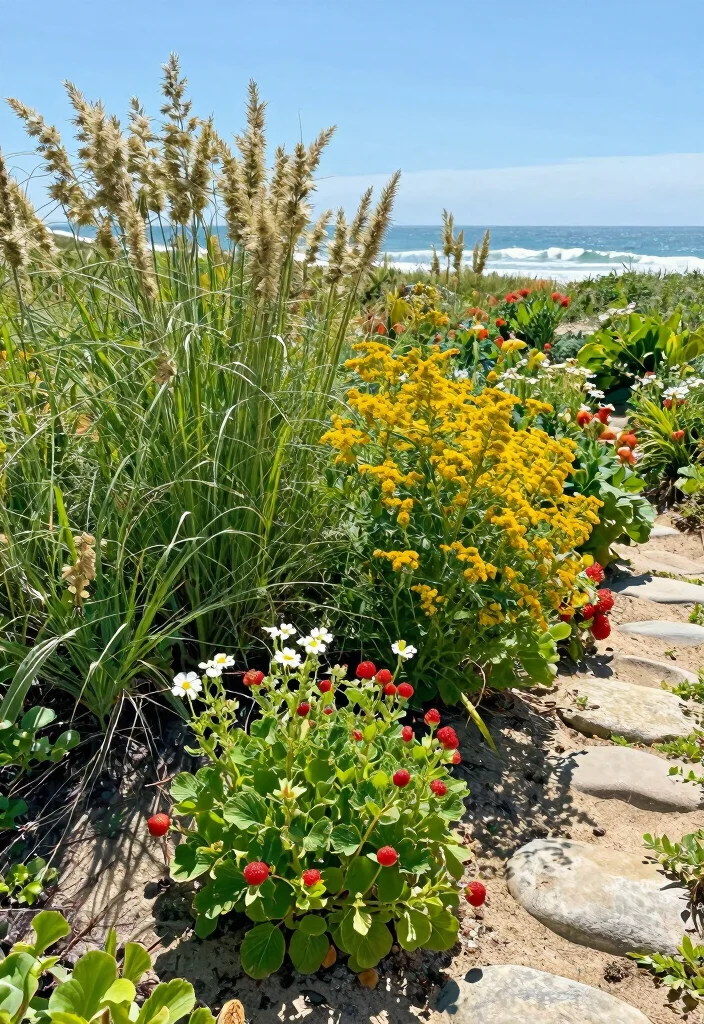
Selecting native plants is a smart choice for your coastal garden. These plants naturally thrive in your local environment, adapting effortlessly to the climate, soil, and salt exposure. By choosing native species, you can create a beautiful garden that needs less upkeep and conserves water.
Look for native grasses like salt marsh hay or seaside goldenrod, which attract local wildlife while providing texture. Pair them with colorful perennials such as beach strawberry or sea thrift to ensure your garden shines throughout the seasons.
Consider these tips for selecting native plants:
– Research local native species to support local ecology.
– Select varieties that bloom at different times for year-round color.
– Opt for plants that thrive in sandy or poor soil conditions.
With native plants, your garden becomes a stunning haven that promotes biodiversity.
Native plants get along with your mountain yard, not fight it. Start with a few local wildflowers and shrubs, mix heights, and you’ll water less, yet invite more pollinators and wildlife into your space.
2. Create Windbreaks with Tall Grasses
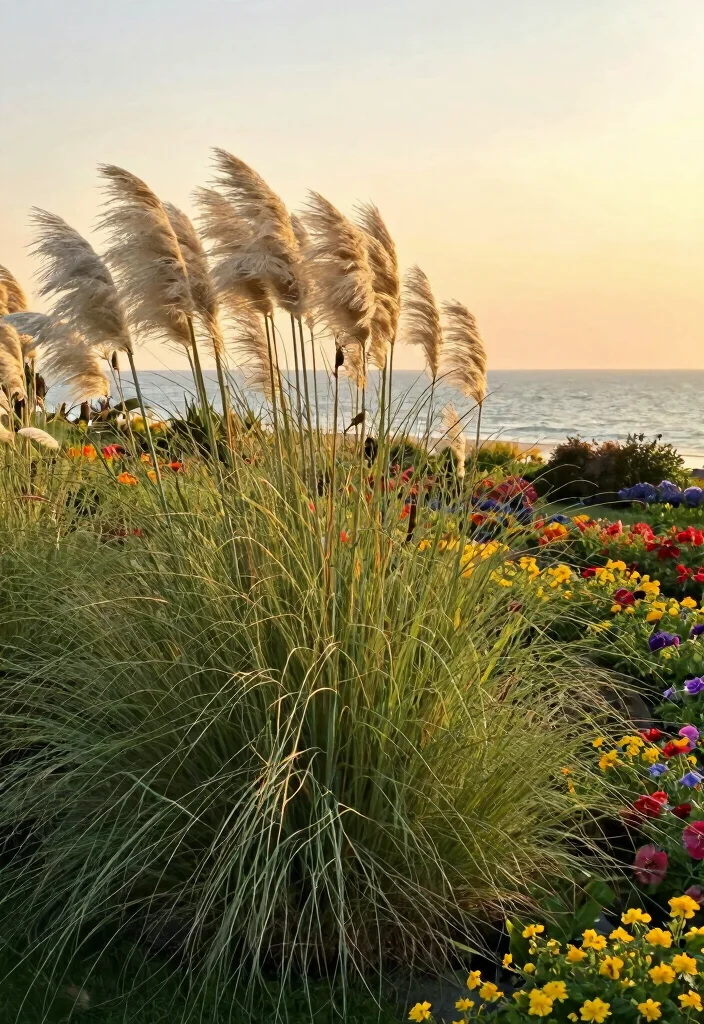
Coastal winds can be challenging, but tall grasses serve as natural windbreaks. Varieties like pampas grass or switchgrass create a protective barrier for your delicate plants while adding movement to your landscape. Their graceful sway enhances the overall beauty of your garden.
Plant these grasses around the edges of your garden, allowing them to sway gently in the breeze. This not only shields your flowers and shrubs but also provides privacy and a cozy atmosphere.
Here are some tips for integrating tall grasses:
– Combine different textures and heights for added visual appeal.
– Select grasses that bloom at various times for extended interest.
– Space them appropriately for air circulation and growth.
With tall grasses, your garden becomes a more enchanting and secure sanctuary.
Fun fact: Tall grasses can cut coastal wind speed by up to 60% at garden level, turning gusts into a gentle breeze. Pampas grass and switchgrass are key coastal landscaping ideas, creating a living shield that protects delicate plants with graceful movement. Plant them along garden edges for privacy.
3. Use Hardscaping Wisely
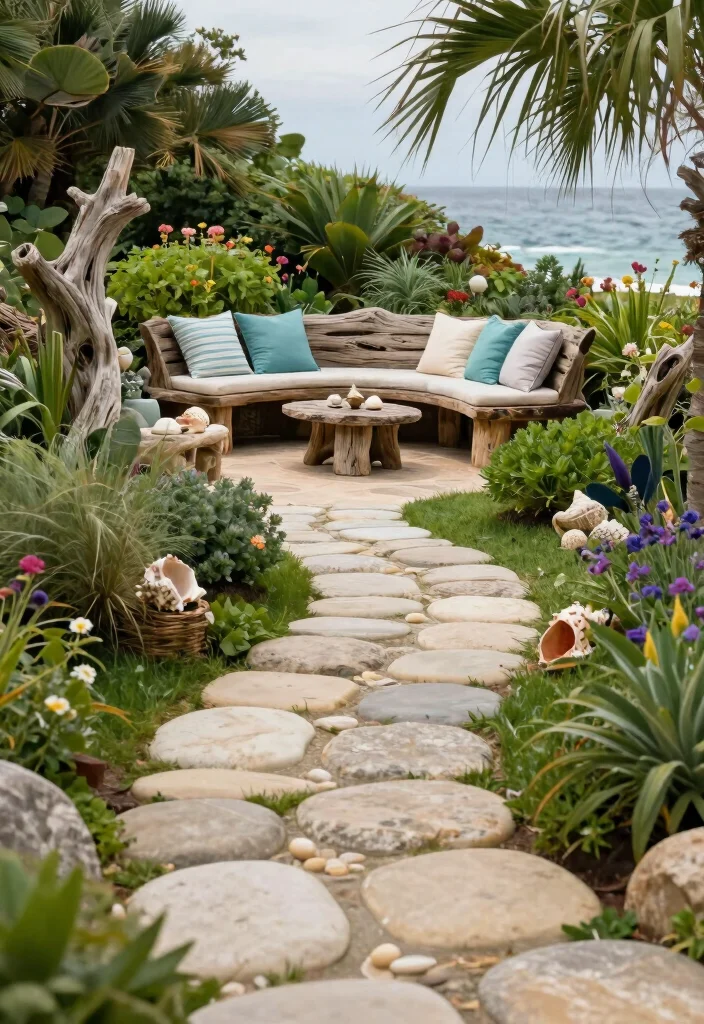
Incorporating hardscaping features like pathways and patios can beautifully define your outdoor area. Using materials such as natural stone, gravel, or reclaimed wood enhances the coastal vibe while providing functional spaces for relaxation.
Create winding paths with smooth stones or rustic pavers to guide visitors through your garden. A cozy seating area can become a perfect spot for morning coffee or evening gatherings.
Consider these hardscaping ideas:
– Use permeable materials for paths to improve drainage.
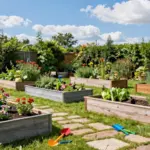
– Build raised beds with stone walls for a tiered effect.
– Add decorative elements like fountains or fire pits for charm.
Thoughtful hardscaping brings structure to your garden and invites outdoor living.
4. Layer Your Plantings
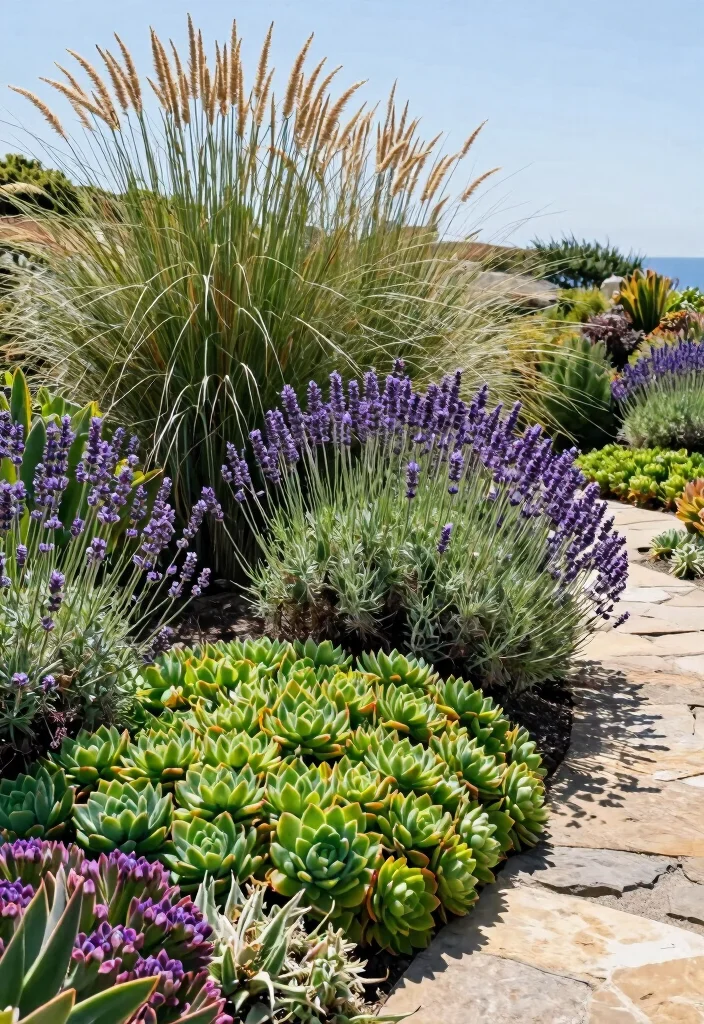
Creating layers in your coastal garden adds depth and visual interest. Position taller plants in the back and shorter ones in the front to craft an eye-catching display that draws attention. This approach not only beautifies your space but also maximizes growing area.
Mix textures and colors for a more dynamic effect. For example, use tall ornamental grasses in the back, medium perennials like lavender in the middle, and low-growing succulents at the front.
To achieve a successful layered look:
– Select plants with varying colors and textures for contrast.
– Plan for seasonal changes by choosing plants that bloom at different times.
– Ensure each plant receives adequate sunlight for healthy growth.
Layered plantings transform flat spaces into vibrant coastal retreats.
Coastal landscaping ideas come alive when you layer your plantings: tall back, shorter front, and a mix of grasses, lavender, and succulents. This approach adds depth, texture, and breezy charm you can actually maintain.
How To Choose Salt Tolerant Plants for Your Coastal Garden
Choosing the right plants for your coastal garden is vital to ensure they thrive in salty air and sandy soils. Salt tolerance is key since coastal environments can be harsh. Here’s a guide to help you select the best salt tolerant plants for your outdoor space.
1. Consider Your Climate
Different coastal areas have varying climates. Check your local climate zone before selecting plants. Some plants thrive in warmer, sunnier environments, while others may prefer cooler or shadier spots. Understanding your climate helps ensure that your plants will not just survive but truly flourish in your coastal garden.
2. Assess Soil Type
The kind of soil in your coastal garden plays a significant role in plant selection. Sandy soils drain quickly, which is great for some plants but not for others that need more moisture. Test your soil for drainage and nutrient content. Look for plants that can handle the well-drained sandy soils typical in coastal areas.
3. Research Native Species
Native plants are often the best choice for coastal landscaping. They are adapted to local conditions, including salt spray and strong winds. Check local gardening resources or extension services for a list of native salt tolerant plants. Some common choices include beach grass, sea oats, and salt marsh hay, which are excellent for stabilizing sandy soils.
4. Check for Salt Tolerance
Not all plants can handle salt. Look for plants specifically labeled as “salt tolerant” or “salt resistant.” Common salt tolerant plants include seaside goldenrod, beach strawberry, and bayberry. Consult gardening catalogs or websites that specialize in coastal plants to find those that thrive in your conditions.
5. Plan for Maintenance
Even salt tolerant plants need some care. Consider how much time you want to spend on maintenance. Some plants may require more watering or pruning than others. For a low-maintenance garden, choose hardy species that are drought resistant and require minimal care once established.
6. Design for Aesthetics
Finally, think about how your plants will look together. Mixing heights, colors, and textures can create a stunning visual appeal. Choose a combination of flowering plants, evergreen shrubs, and ornamental grasses for a diverse and attractive garden.
Pro Tip: Visit local botanical gardens or coastal parks to see salt tolerant plants in action. This can provide inspiration and help you visualize how different plants will look together in your own garden.
By following these guidelines, you can successfully choose salt tolerant plants that are perfect for your coastal garden. Remember, the right selection not only enhances the beauty of your outdoor space but also ensures your plants will thrive in their seaside environment. Happy gardening!
5. Incorporate Decorative Stones and Gravel
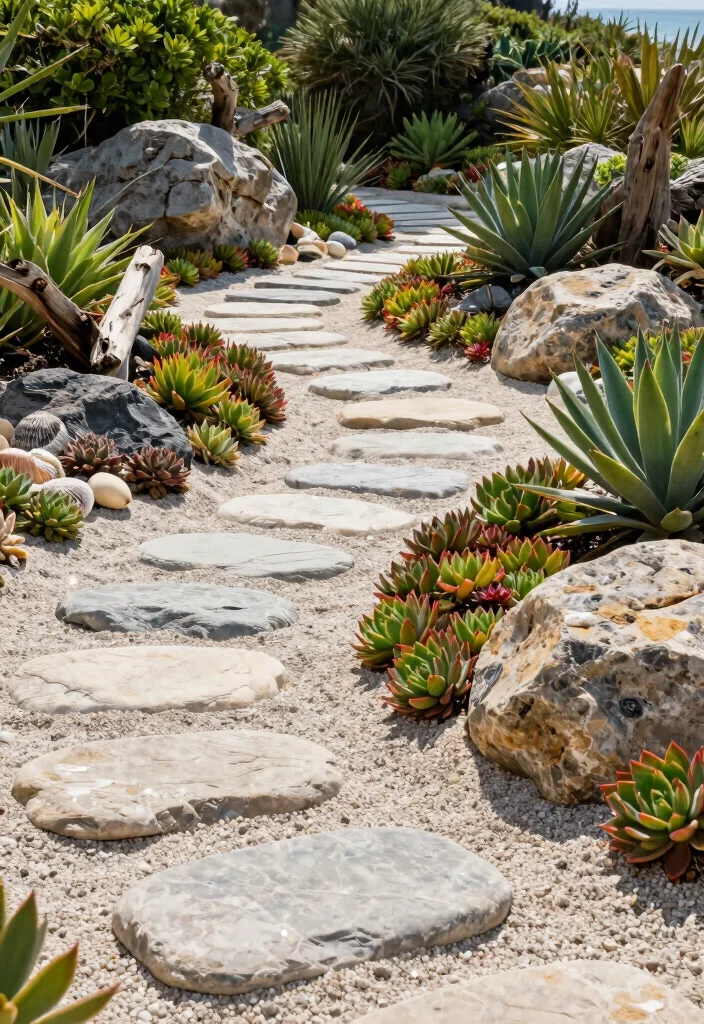
Using decorative stones and gravel can elevate your coastal landscape while serving practical purposes. These materials are perfect for pathways and borders, helping to suppress weeds without the need for watering.
Light-colored stones mimic sandy beaches, while darker stones provide a striking contrast against colorful plants. Create gravel beds filled with salt-tolerant succulents for a contemporary look or use decorative stones to define pathways.
Key considerations include:
– Choose stones that complement your overall color palette.
– Incorporate varying sizes for added texture and interest.
– Lay landscape fabric beneath to keep weeds at bay.
With decorative stones, your landscape will achieve a cohesive and stylish finish.
6. Create a Water Feature
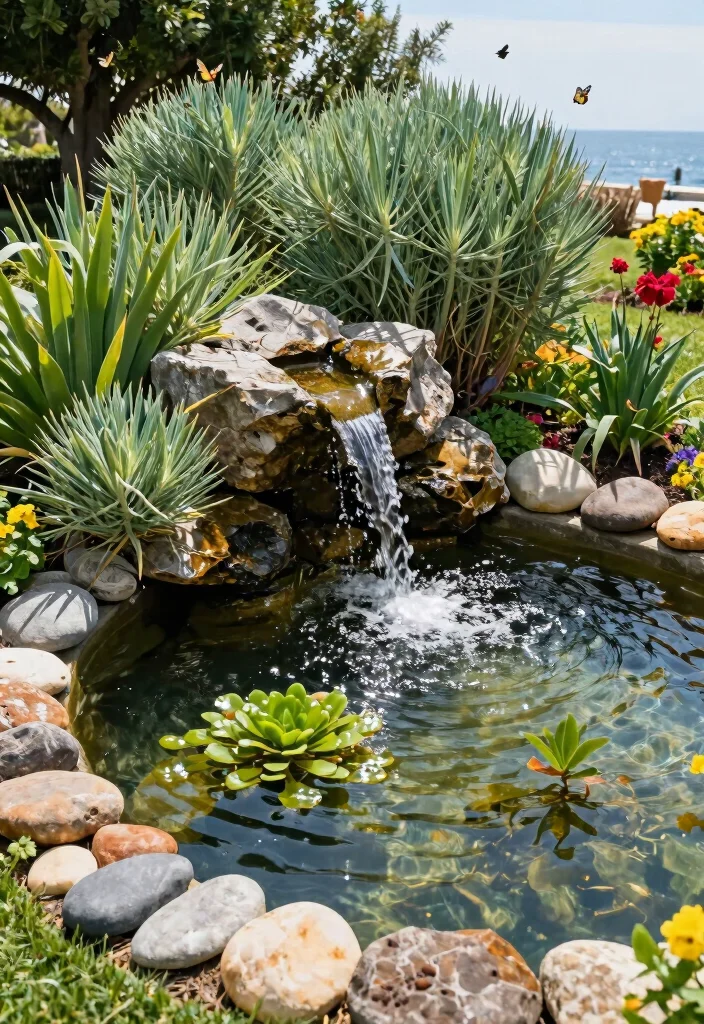
A water feature can bring a sense of calm to your coastal garden. The soothing sound of water attracts wildlife and serves as a stunning focal point. Whether you choose a pond, fountain, or bubbling rock, it enhances your outdoor space’s tranquility.
Opt for salt-tolerant plants like sea oats or rushes that can thrive near your water feature. Consider using recycled water for an eco-friendly approach.
Here are some tips for creating a water feature:
– Select a sunny spot with some shade to balance temperature.
– Ensure easy access to the water source for maintenance.
– Surround the feature with attractive stones and salt-tolerant plants for a blended look.
A water feature transforms your garden into a peaceful retreat.
7. Install a Beach-Inspired Seating Area
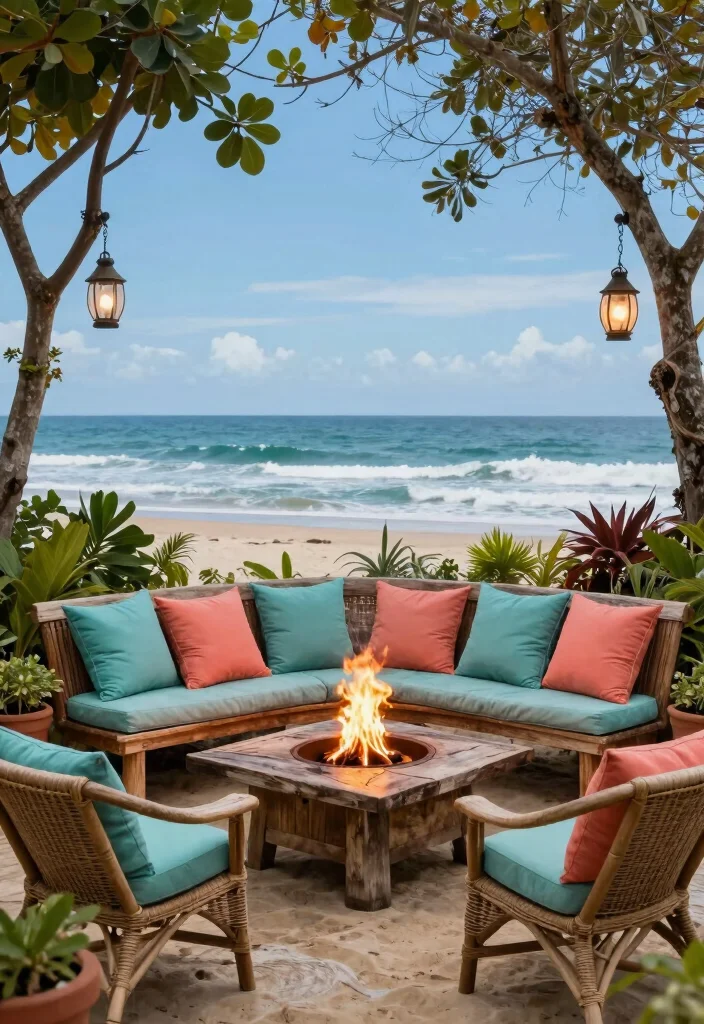
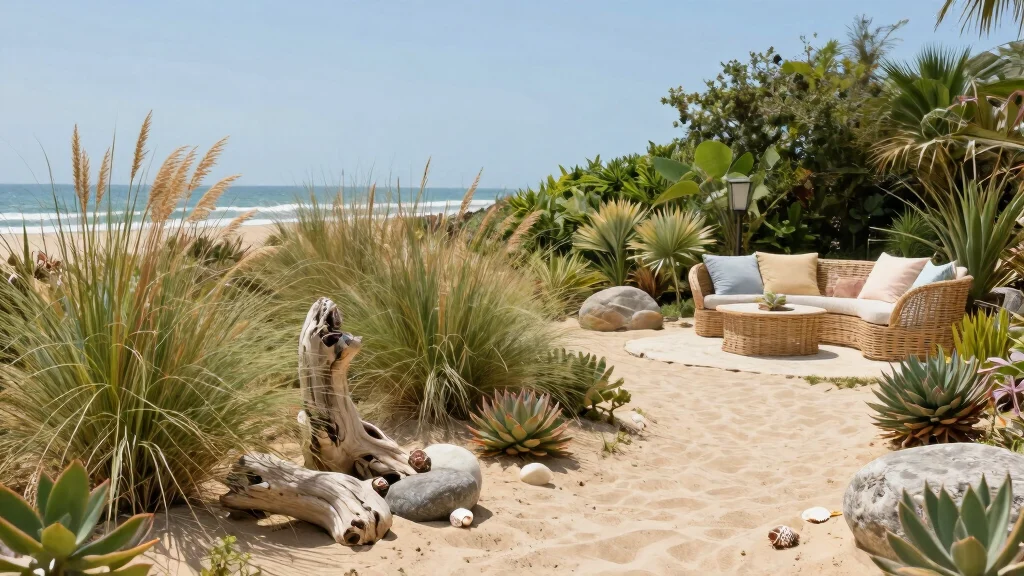
Designing a cozy seating area in your coastal garden can create a beach retreat feel. Use natural materials like driftwood, wicker, or weather-resistant furniture to establish a welcoming spot for relaxation.
Incorporate soft cushions and throws in ocean-inspired colors to enhance comfort. Arrange seating around a fire pit or table to encourage friendly gatherings.
Keep these pointers in mind when designing your seating area:
– Position furniture in shaded areas for comfort during hot weather.
– Use light colors to reflect the coastal theme and brighten the space.
– Add decorative touches like lanterns or hanging planters for charm.
A beach-inspired seating area invites you to unwind and enjoy the coastal vibe.
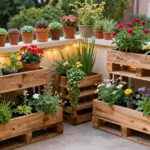
8. Use Colorful Containers for Planting
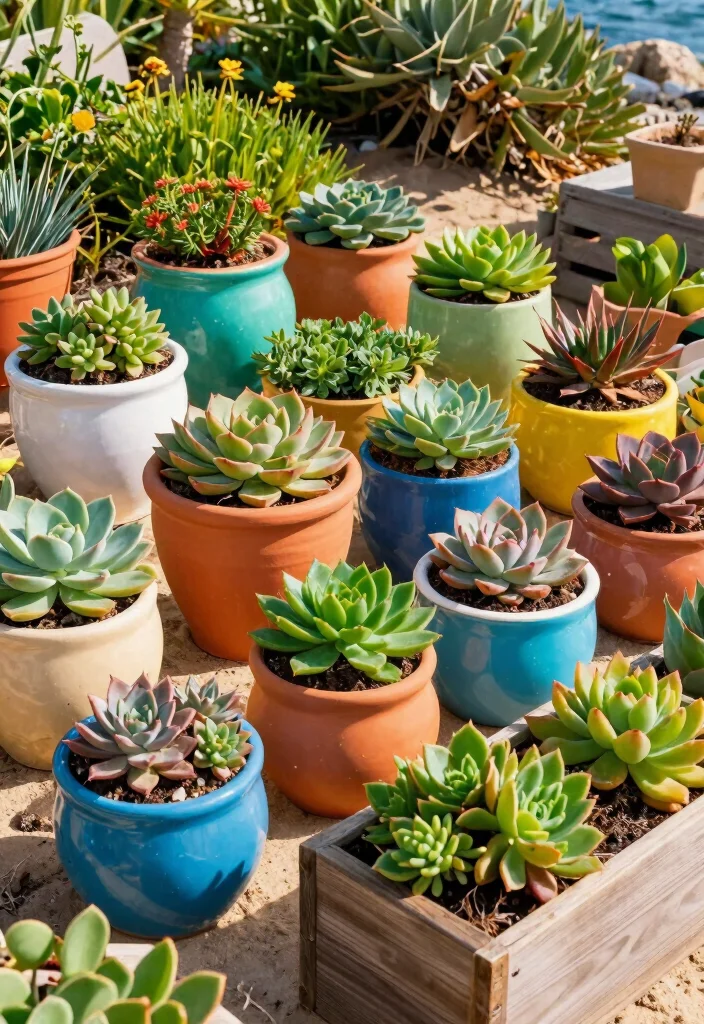
Colorful containers can inject vibrancy into your coastal landscape. Whether you choose ceramic pots, rustic wooden boxes, or recycled items, containers showcase salt-tolerant plants like succulents, herbs, or small bushes beautifully.
Mix and match various colors, sizes, and textures for an eye-catching display. Containers also allow for easy rearranging, making it simple to refresh your garden design with each season.
Here are some tips for using containers:
– Ensure proper drainage to prevent overwatering.
– Select plants with similar sunlight and watering needs.
– Change out plants seasonally for ongoing interest.
Colorful containers make your coastal garden feel lively and inviting!
9. Incorporate Outdoor Art
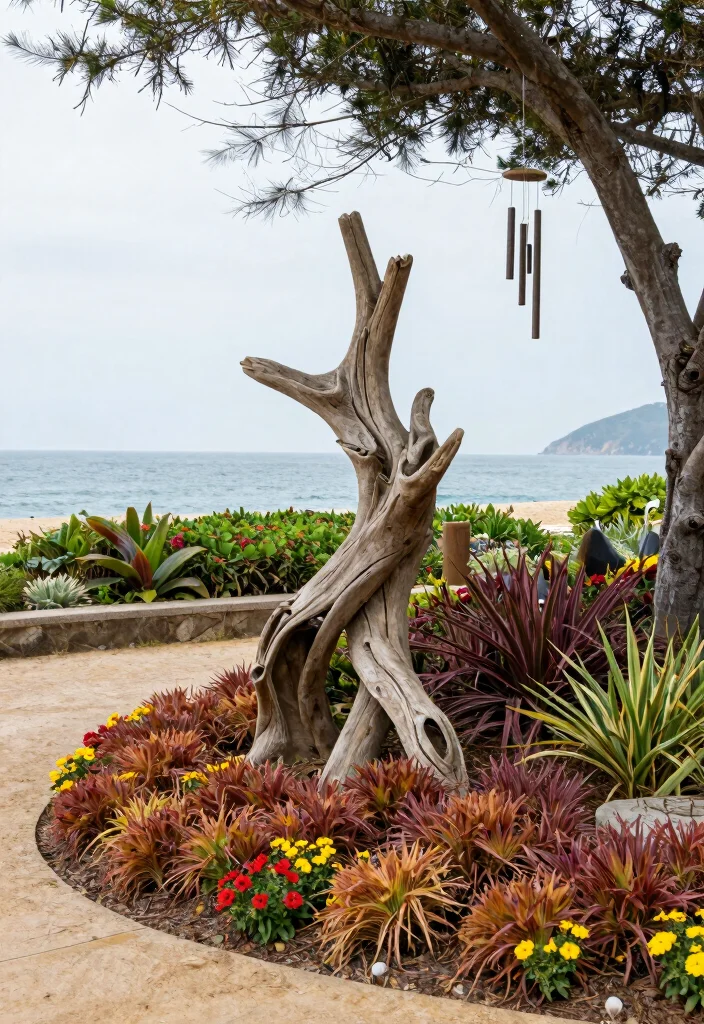
Integrating outdoor art can elevate your coastal landscaping significantly. Consider adding sculptures, wind chimes, or driftwood art that reflect local coastal culture. Art pieces can serve as focal points and conversation starters, adding personality to your garden.
Choose weather-resistant items to ensure they withstand the elements, and position them thoughtfully throughout your space to encourage exploration. A driftwood sculpture, for instance, can beautifully complement the surrounding plants.
Here are some tips for incorporating outdoor art:
– Match the scale of your art to your garden size; larger pieces suit bigger spaces well.
– Use colors and materials that align with your garden theme.
– Mix different art styles for visual variety and excitement.
Outdoor art can give your garden a unique and personal touch.
10. Use Ground Cover Plants
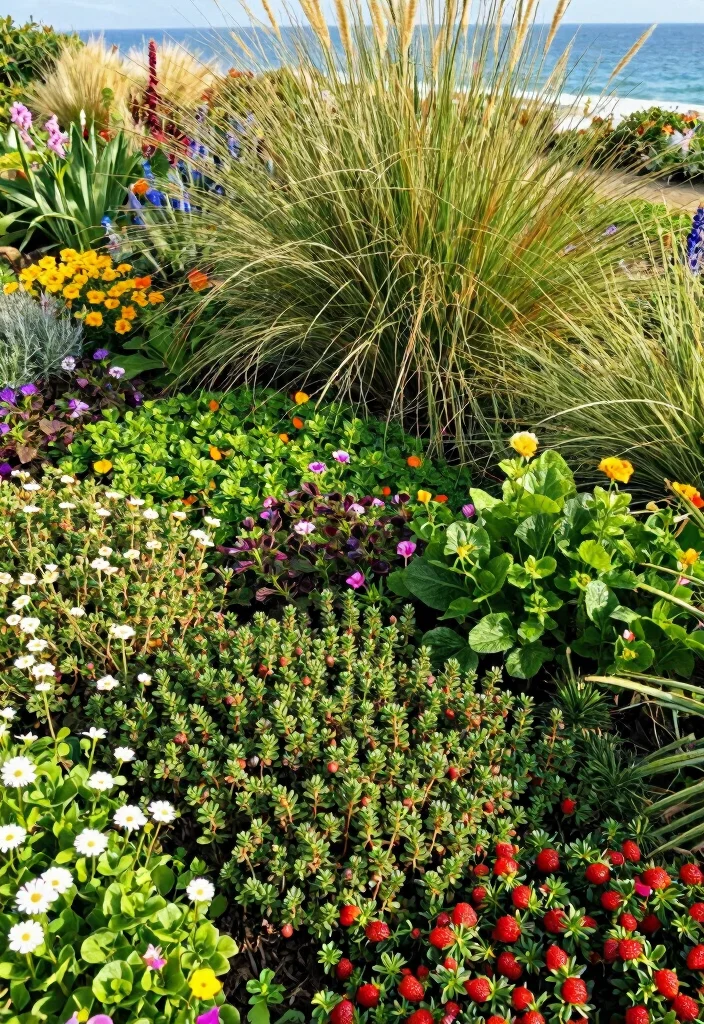
Ground cover plants are a fantastic solution for filling empty spaces in your coastal garden while minimizing weeds. Options like creeping thyme or beach strawberry offer lush greenery and colorful blooms.
Not only do ground covers enhance beauty, but they also help prevent soil erosion, which is crucial in sandy coastal areas. Interplant them with taller flowers or grasses for added texture and visual intrigue.
When using ground cover plants:
– Choose varieties that are both salt-tolerant and drought-resistant.
– Plan their placement wisely to avoid overcrowding.
– Regularly monitor their spread and prune to maintain control.
Ground cover plants provide both beauty and functionality to your coastal landscape.
11. Design with Patios and Decks
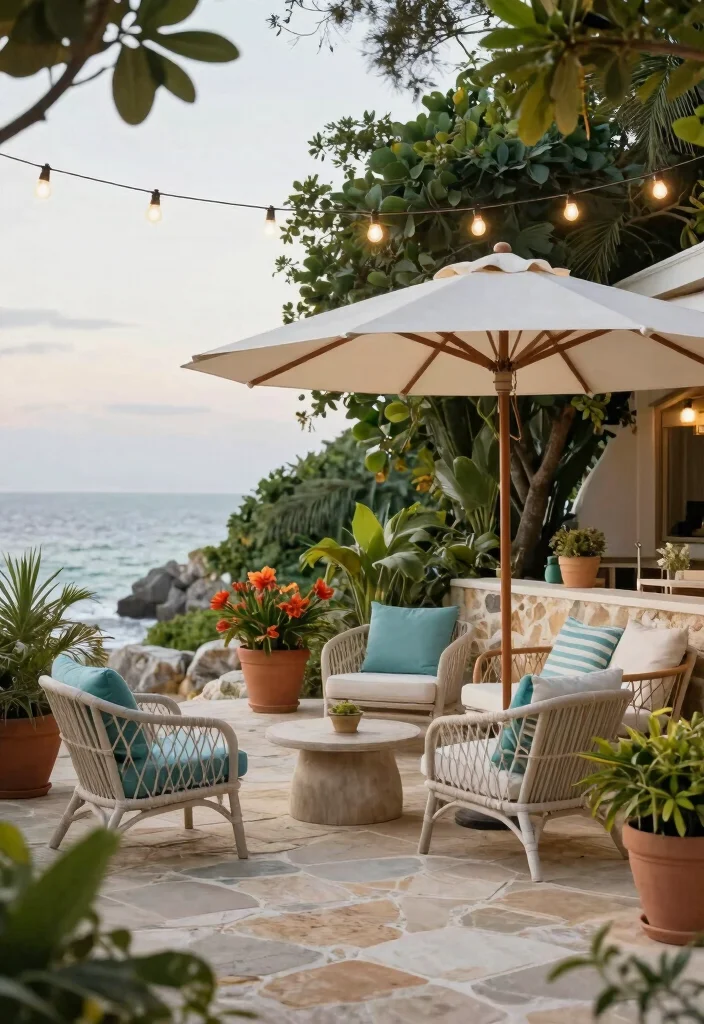
Patios and decks are vital for maximizing outdoor living, especially in coastal areas. A wooden deck or stone patio can serve as a perfect gathering space for barbecues, parties, or peaceful reading.
Choose weather-resistant furniture that reflects the coastal theme, and consider adding shade elements like umbrellas or pergolas for comfortable lounging.
Here are some design ideas:
– Use natural materials like wood or stone that convey a coastal feel.
– Incorporate built-in seating for efficient space usage.
– Add outdoor lighting to enjoy the area even after sunset.
A well-designed patio or deck enhances both functionality and style in your coastal garden.
12. Choose Coastal Decor Accents
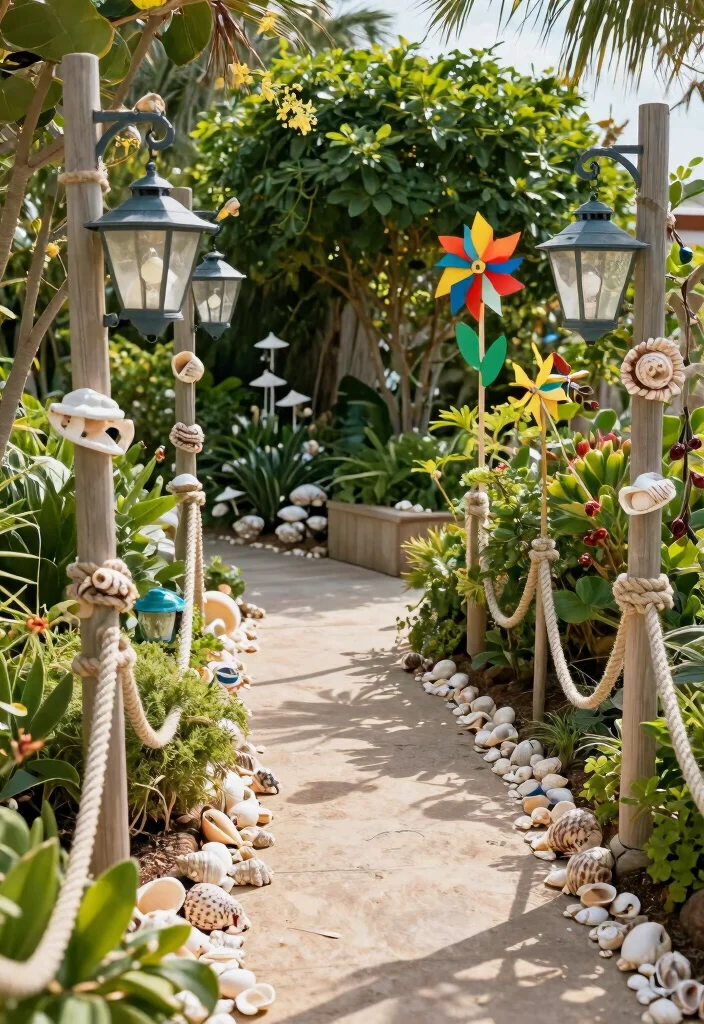
Finally, don’t overlook decor accents that can enrich your coastal garden’s theme. Nautical ropes, scattered seashells along paths, or beach-themed lanterns can unify the overall look.
Use decor that reflects natural surroundings to create a cohesive theme without overshadowing the plants. Opt for subtle accents that enhance your landscape’s beauty.
Consider these decor ideas:
– Add wind spinners or flags for movement and interest.
– Use natural materials that blend harmoniously with the environment, like driftwood or stones.
– Choose colors and themes that echo the beach, such as various shades of blue and white.
Thoughtfully placed decor accents will elevate your coastal landscape and foster an inviting atmosphere.
Conclusion
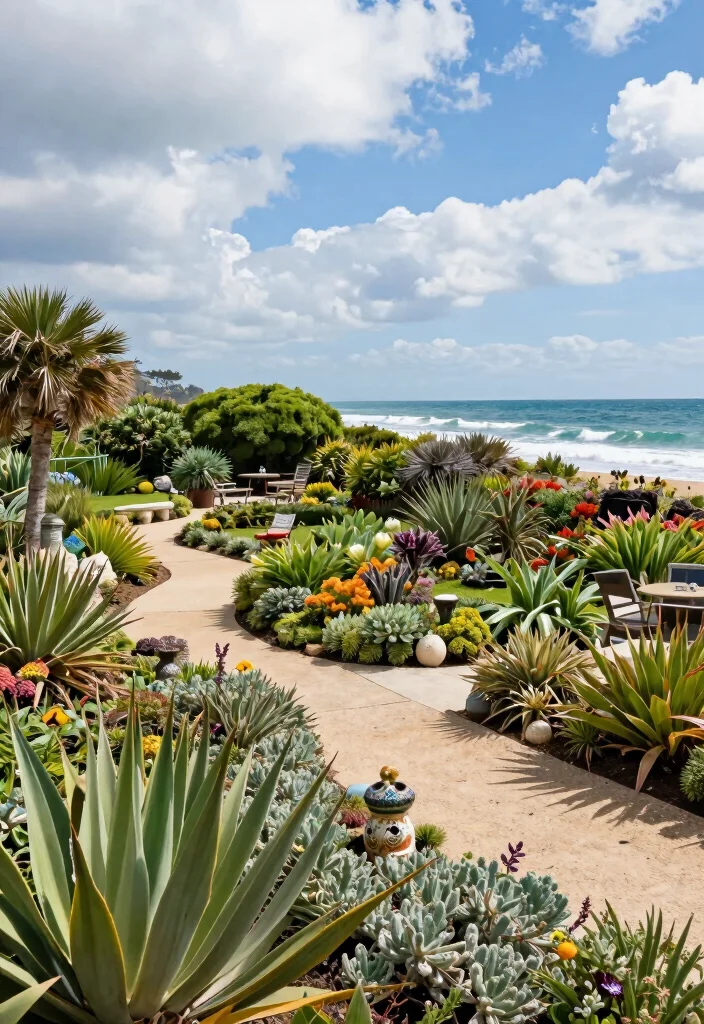
A well-designed coastal landscape can bring joy and tranquility to your outdoor space while enhancing your home’s natural beauty. By incorporating salt-tolerant plants and thoughtful design elements, you can create a resilient garden that stands up to coastal conditions. Each of these ideas can help you achieve the beach-inspired sanctuary of your dreams, so don’t hesitate to mix and match according to your taste.
Your coastal paradise awaits, and with these tips, you’ll be well on your way to creating a stunning outdoor retreat that reflects the beauty of coastal living.
Frequently Asked Questions
What are the best salt-tolerant plants for coastal landscaping ideas?
Perfect question for coastal landscaping ideas. Start with salt-tolerant plants that handle wind, sun, and salty spray. Great options by category: ornamental grasses such as beach grass; perennials like sea lavender, ice plant, and sea thrift; and shrubs such as bayberry and saltbush. For best results in your coastal garden design, choose natives or proven coast-adapted species, check your USDA zone, and ensure excellent drainage. Group plants with similar water needs and mulch to conserve moisture and protect roots. Avoid overwatering and heavy fertilizer that can stress plants in salty air. Quick starter picks to test: sea kale, lavender varieties, ice plant, and ornamental grasses.
How can I design a low-water coastal garden using xeriscaping for coastlines?
To embrace xeriscaping for coastlines, start with a quick site check: sun, wind, drainage. Then select drought-tolerant and salt-tolerant species and group them by water needs. Favor native plants when possible for resilience and ease of care, add a light mulch to reduce evaporation, and install a drip irrigation system with zone controls. Use permeable hardscape like gravel, mulch, or stepping stones instead of concrete to maintain infiltration. Plan your project in phases that align with your budget while keeping a cohesive coastal garden design feel.
What are the essential elements of beach landscape ideas for outdoor coastal decor?
For beach landscape ideas that shine in outdoor coastal decor, start with a breezy color palette of sand neutrals, ocean blues, and sea greens. Include textures like driftwood, weathered stone, grasses, and sandy groundcovers. Build wind protection with a dense shrub border to cut salt spray and create microclimates for more delicate plants. Layer plantings from low groundcovers to mid-sized shrubs to provide depth. Add practical outdoor coastal decor such as rustic furniture, rope accents, and seashell-inspired accents. Finally, choose permeable paths and ensure good drainage to keep the beachey vibe healthy.
What maintenance practices help a coastal garden survive salt spray and windy conditions?
Maintenance starts with picking salt-tolerant plants that suit your microclimate and giving them room to breathe to reduce wind damage. Install windbreaks with native shrubs or a living screen and prune to reduce sail in storms. Use well-draining soil, add mulch to stabilize moisture, and water sparingly with a drip system tuned to plant needs. Clean salt spray off foliage during milder days to prevent burn and disease, and monitor for pests common to coastal areas. With these tweaks, your coastal garden design stays resilient year after year.
How can I start implementing the 12 coastal landscaping ideas on a budget?
Great question for turning vision into reality. Start by prioritizing 2–3 high-impact ideas that save water and cut upkeep first, then phase in others as budget allows. Reuse materials around your yard or source reclaimed driftwood, stones, and containers to boost outdoor coastal decor without much cost. Choose salt-tolerant plants that establish quickly and fit your climate to reduce replacement expenses. Plan a simple maintenance routine so new features stay healthy with minimal effort. By mapping a budget-friendly rollout, you can realize your full coastal landscaping ideas plan over time.