Creating a beautiful garden can sometimes feel overwhelming, especially if you’re working with limited space. As someone who loves gardening, I know how frustrating it can be to look at those neglected corners of your yard and wonder how to make them shine. That’s why I put together this post—because I believe everyone deserves to enjoy a lush garden, even if your yard space is small.
If you’re a gardening enthusiast or someone who simply wants to add some green to your life, this guide is for you. Whether you’re looking to grow herbs, flowers, or even small fruits, these corner garden bed ideas will inspire you to utilize every inch of your outdoor space. You’ll find creative and practical solutions that not only beautify your yard but also enhance your gardening experience.
In this post, you’ll discover ten unique corner garden bed ideas that are smart, stylish, and space-efficient. Each idea is designed to help you make the most of those often-overlooked areas in your yard while bringing joy and color into your life. Let’s dive in and transform those corners into thriving little gardens!
Key Takeaways
– Utilize Vertical Space: Vertical garden frames and trellises maximize space and allow for more plants in smaller areas.
– Incorporate Multi-functional Designs: Raised garden beds with trellises not only provide planting space but also add height and structure to your garden.
– Create Unique Arrangements: Items like pallet planters or herb spirals can turn a corner into an eye-catching focal point while saving space.
– Grow Compact Plants: Consider planting compact fruit trees or herbs to make the most of your corner garden bed without overcrowding.
– Add Wildlife-Friendly Features: Creating a corner wildlife habitat can enhance biodiversity while showcasing your gardening skills.
1. Vertical Garden Frames
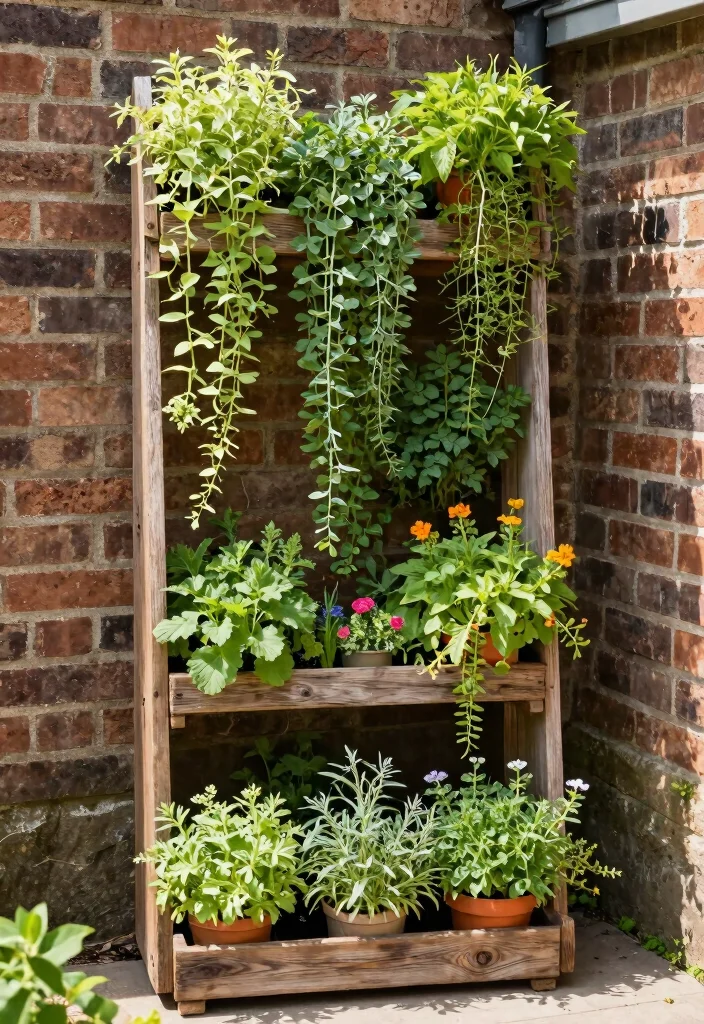
If you’re short on yard space but want to make a statement, vertical garden frames are your answer. They turn any corner into a vibrant showcase for herbs, flowers, or even small vegetables. You can create these frames from wood, metal, or recycled materials, making them as unique as your style.
Start by selecting the right plants that thrive in vertical settings, such as trailing vines or compact herbs. Make sure your frame has strong support and good drainage to keep plants healthy and thriving.
Key steps to get started:
– Choose a sturdy frame material for durability.
– Mix soil and compost for optimal planting.
– Install a drip irrigation system for easy watering.
– Regularly inspect for pests and diseases, as vertical gardens can be more exposed.
Your corner will transform into a lush living wall, adding beauty and freshness to your space.
Did you know vertical garden frames can add up to 2x to 3x more planting area in a tight corner? With strong support and good drainage, you can grow herbs, flowers, and compact veggies in one smart move. It’s a practical, stylish win for corner garden bed ideas.
How To Choose the Right Corner Garden Bed
When it comes to maximizing your yard space, the right corner garden bed can make a big difference. Here’s how to select one that fits your needs.
1. Size Matters
The first step is to determine the size of your corner. Measure the area where you plan to place the garden bed. Consider both the length and width! A standard corner garden bed can range from 4×4 feet to 6×6 feet. Make sure to leave space for access and maintenance, like weeding or harvesting.
2. Material Selection
The material of your garden bed can affect both its durability and aesthetics. Common options include wood, metal, and composite materials. Wood is popular but needs treatment to prevent rot. Metal offers a modern look but can heat up quickly in the sun. Composite materials last longer and come in various colors to suit your design.
3. Built-In Features
Think about features that enhance functionality. A corner garden bed with built-in trellises is great for climbing plants like beans or cucumbers. Some designs include self-watering systems to help with irrigation, which is perfect if you have busy days. Consider what features would simplify your gardening efforts.
4. Plant Compatibility
Not every plant is suitable for corner beds. Choose plants that thrive in limited space and offer vertical growth. Herbs, for instance, are excellent for corner beds. If you want flowers, go for perennials that won’t crowd each other out over time. Make a list of plants you’d like to grow, and check their space requirements!
5. Aesthetic Appeal
Your corner garden bed should also fit in with your overall landscape design. Consider colors and styles that match your home and existing garden. If you have a rustic-themed yard, reclaimed wood can add charm. For a contemporary space, sleek metal beds might fit better. Don’t forget to think about how your garden will look in different seasons.
6. Budget Considerations
Last but not least, set a budget before you start shopping. Corner garden beds can vary widely in price. DIY options can save you money if you’re handy with tools, while ready-made beds might cost more but save time. Factor in costs for soil, plants, and any additional features you want.
Pro Tip: Always measure twice and buy once. It’s better to take your time figuring out what you need than to end up with a bed that doesn’t fit or doesn’t meet your needs. Planning ahead can save you both time and money!
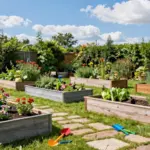
2. Raised Garden Beds with Trellises
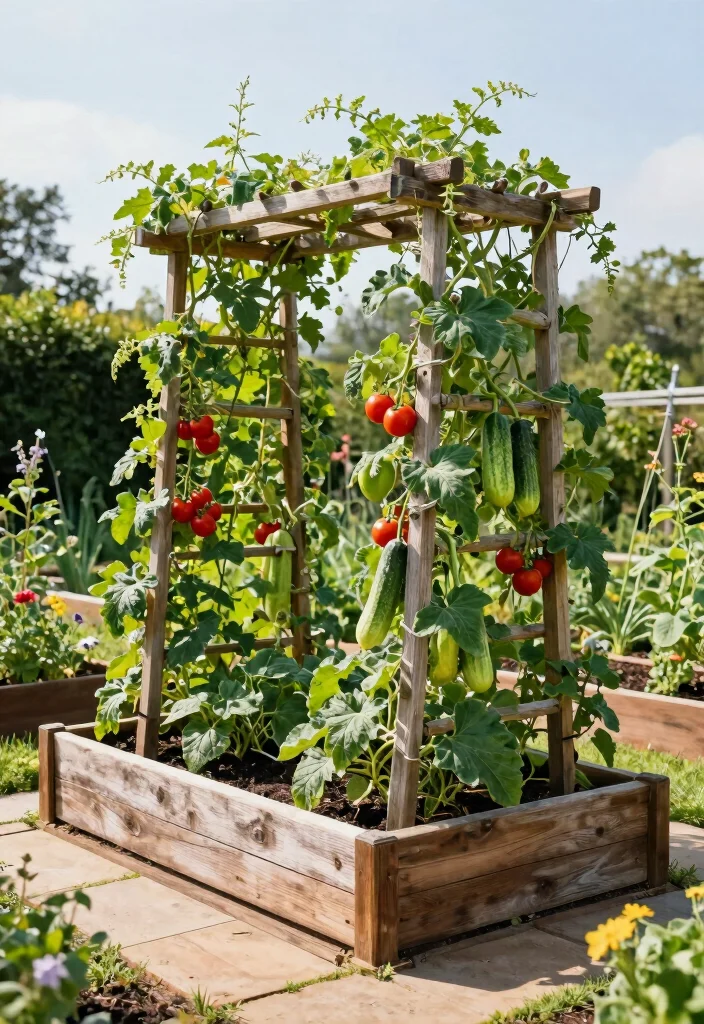
Maximize your planting potential by combining raised garden beds with trellises. This clever setup not only allows you to grow climbing plants like peas and cucumbers but also enhances your garden’s overall yield. Raised beds improve soil warmth and drainage, making planting a breeze.
To get the most out of this design, ensure your trellis is securely anchored and placed in a sunlit area. Pair climbing plants with companion varieties for a more productive garden.
Key steps to get started:
– Construct raised beds with rot-resistant wood.
– Build a trellis using sturdy materials like metal or wood lattice.
– Plan for companion planting, such as tomatoes with basil.
– Regularly prune climbing plants for better growth and air circulation.
Your corner will evolve into a stunning layered garden, bursting with life and color.
3. Corner Herb Spiral
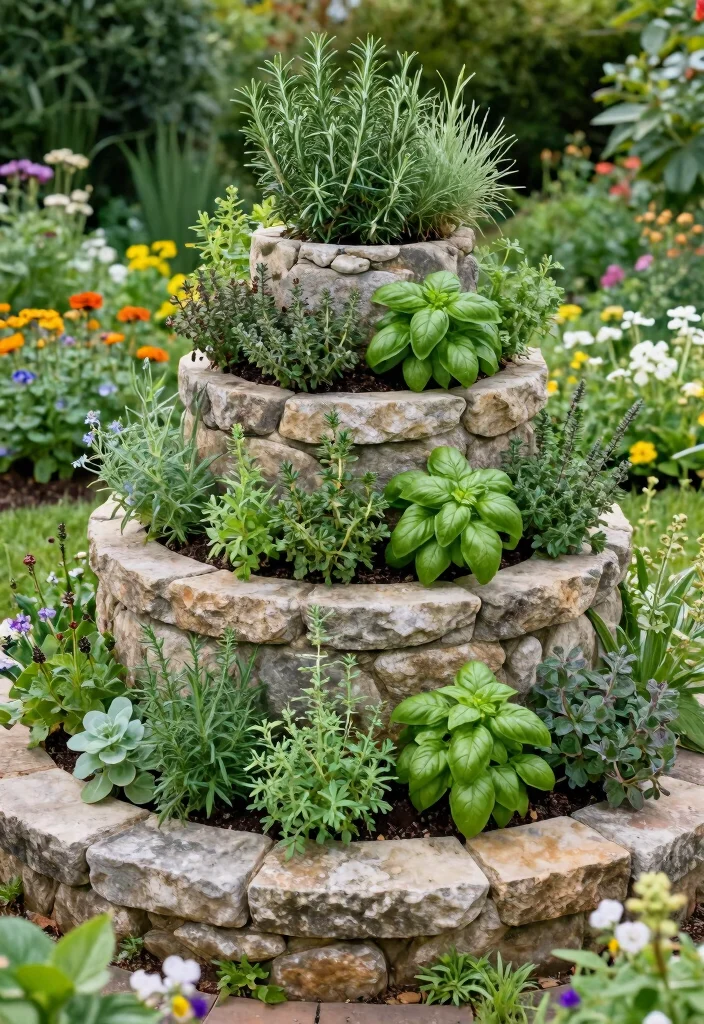
Herb spirals are a creative way to maximize a small space while showcasing a variety of herbs. This upward spiraling structure creates mini ecosystems that cater to different herbs based on their light and moisture needs.
Not only do herb spirals promote good drainage, but they also add a unique visual element to your garden. Use stones or bricks to build your spiral and fill it with nutrient-rich soil.
Key steps to get started:
– Mark the center and spiral outward.
– Vary soil depths as you ascend the spiral.
– Harvest regularly to encourage growth and reduce overcrowding.
An herb spiral will become a functional centerpiece that impresses visitors and provides fresh herbs at your fingertips.
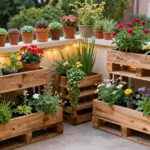
4. Pallet Corner Planters
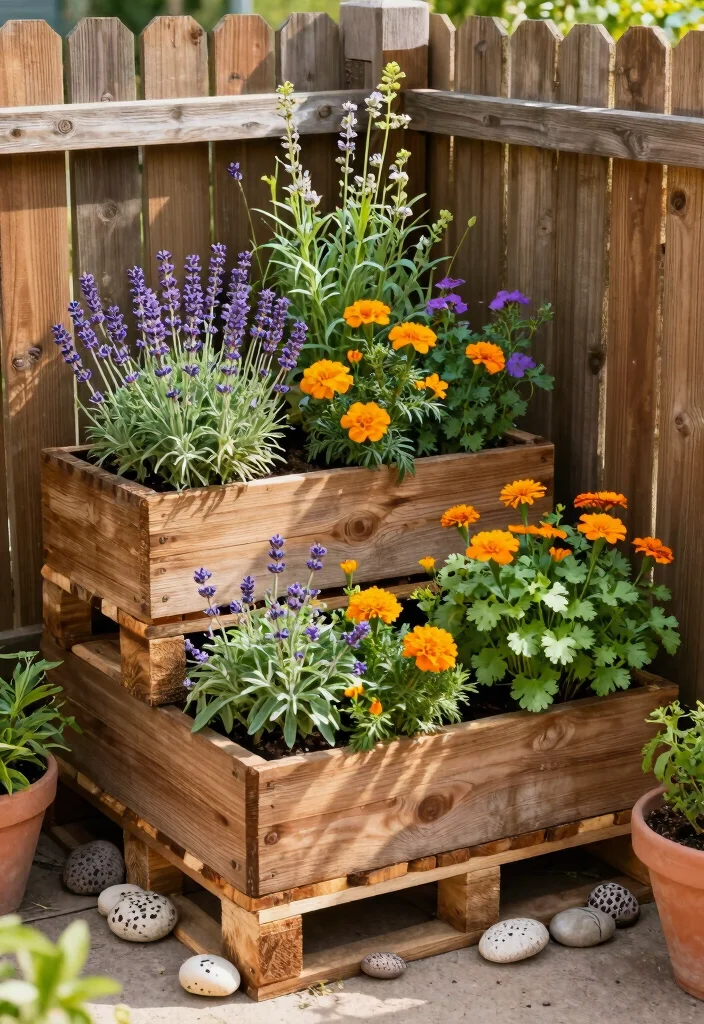
Transforming wooden pallets into corner planters is an eco-friendly and trendy way to utilize space creatively. These tiered planters allow you to grow a variety of plants while adding depth to your garden.
Pallets are not only budget-friendly but also let your creativity shine. Be sure to select pallets treated for outdoor use, and fill them with quality soil for optimal growth.
Key steps to get started:
– Secure pallets to prevent movement in strong winds.
– Line the insides with landscape fabric to help retain soil.
– Group similar plants for a cohesive look and easier maintenance.
This method enhances your yard’s charm while promoting recycling and a personal touch to your gardening.
5. Corner Gazebo with Planter Boxes
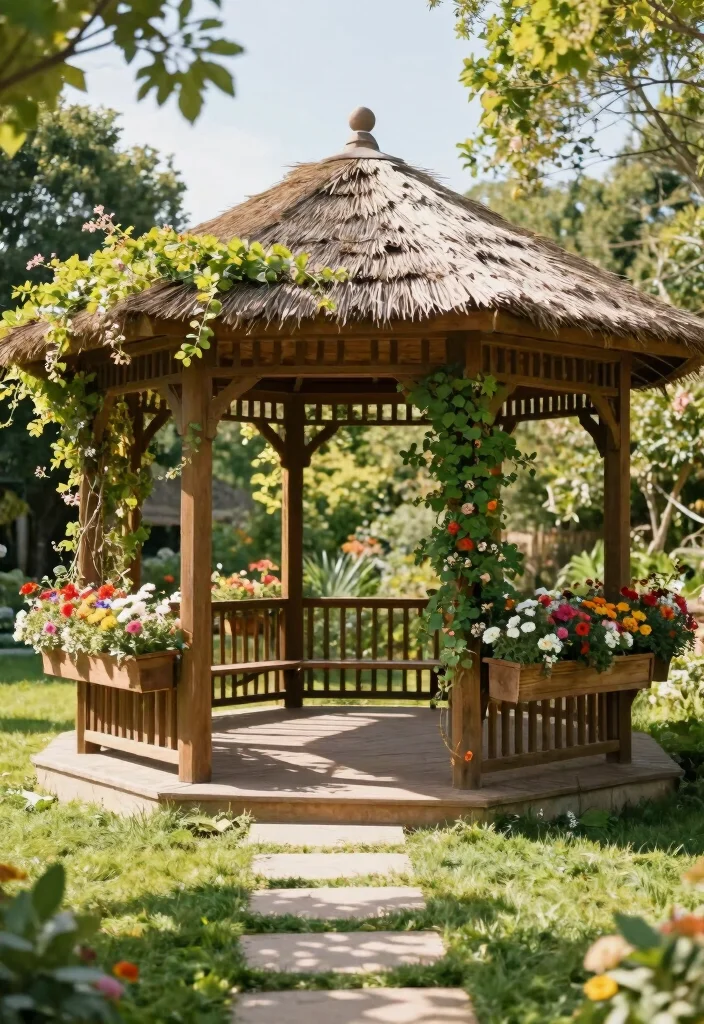
Adding a gazebo to your corner can create a charming focal point while maximizing your outdoor space. Enhance it further with built-in planter boxes filled with climbing vines or colorful flowers.
This design not only adds dimension but also creates a cozy retreat for relaxation. The planters can turn into fragrant spots that elevate your outdoor enjoyment.
Key steps to get started:
– Position the gazebo to ensure sunlight reaches the planters.
– Use treated wood for durability against the elements.
– Incorporate lighting to enjoy the space at night.
Your corner will transform into an enchanting outdoor haven, inviting you to unwind amid nature’s beauty.
6. Compact Fruit Trees
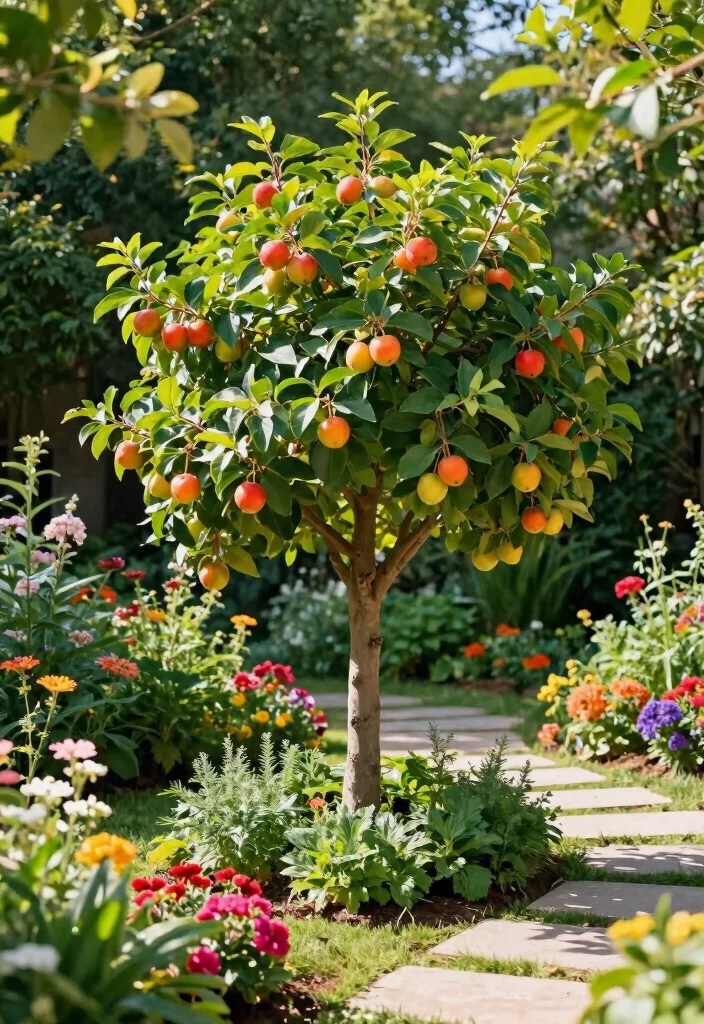
Utilizing corner spaces for compact fruit trees brings delicious produce to your backyard without taking up too much room. Dwarf varieties of apples, peaches, and cherries are perfect for small gardens.
These trees not only yield fresh fruit but also serve as beautiful ornamental features, adding height and charm to your space. Be sure to plant in a sunny corner and provide support as they grow.
Key steps to get started:
– Select self-pollinating varieties for easier growth.
– Plant companion plants around the base to deter pests.
– Monitor soil moisture and fertilize regularly.
Enjoy the rewards of having your own fruit tree, enhancing both the beauty and bounty of your garden.
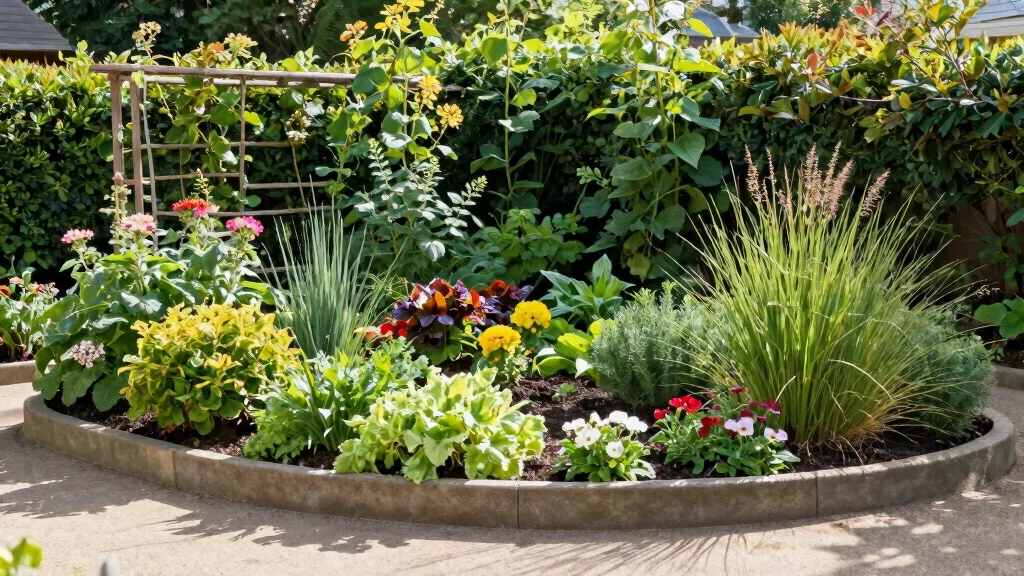
7. Corner Wildlife Habitat
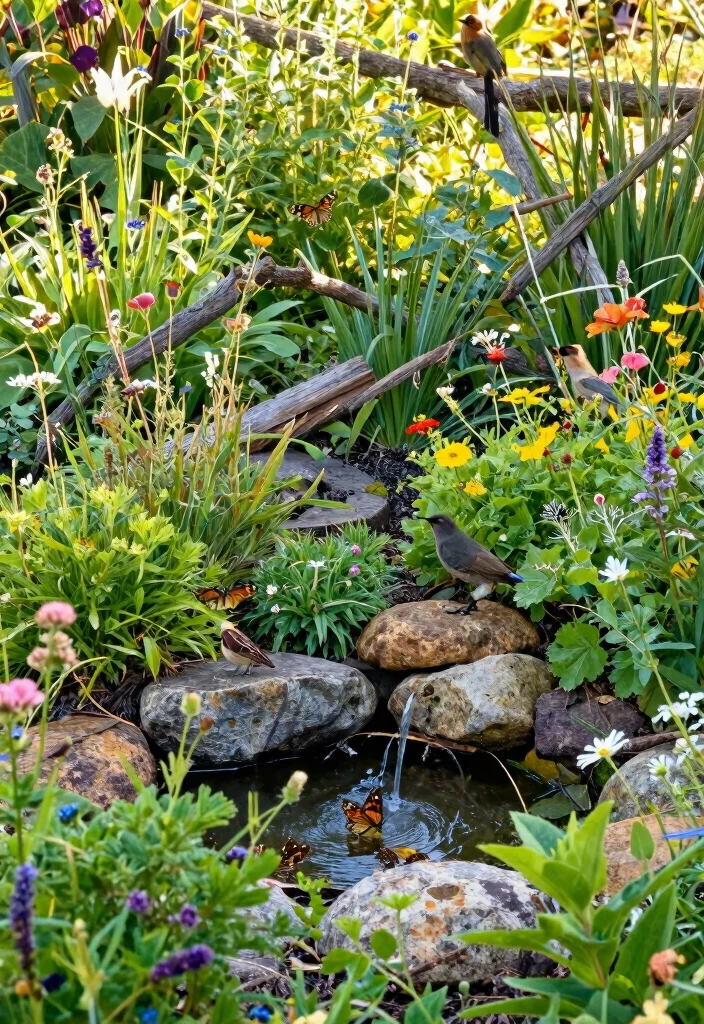
Creating a wildlife habitat in your corner garden turns an unused space into a sanctuary for local fauna, boosting biodiversity in your area. This garden can attract beneficial insects, birds, and other wildlife, enriching your ecosystem.
Wildlife gardens promote sustainable practices and offer a delightful way to connect with nature. You’ll be thrilled to see butterflies and birds visiting your garden regularly.
Key steps to get started:
– Mix flowering perennials and shrubs for year-round interest.
– Avoid pesticides to protect the wildlife.
– Regularly clean water sources to keep them fresh.
This garden not only beautifies your corner but also positively impacts your local environment.
8. Container Gardens on Stacked Platforms
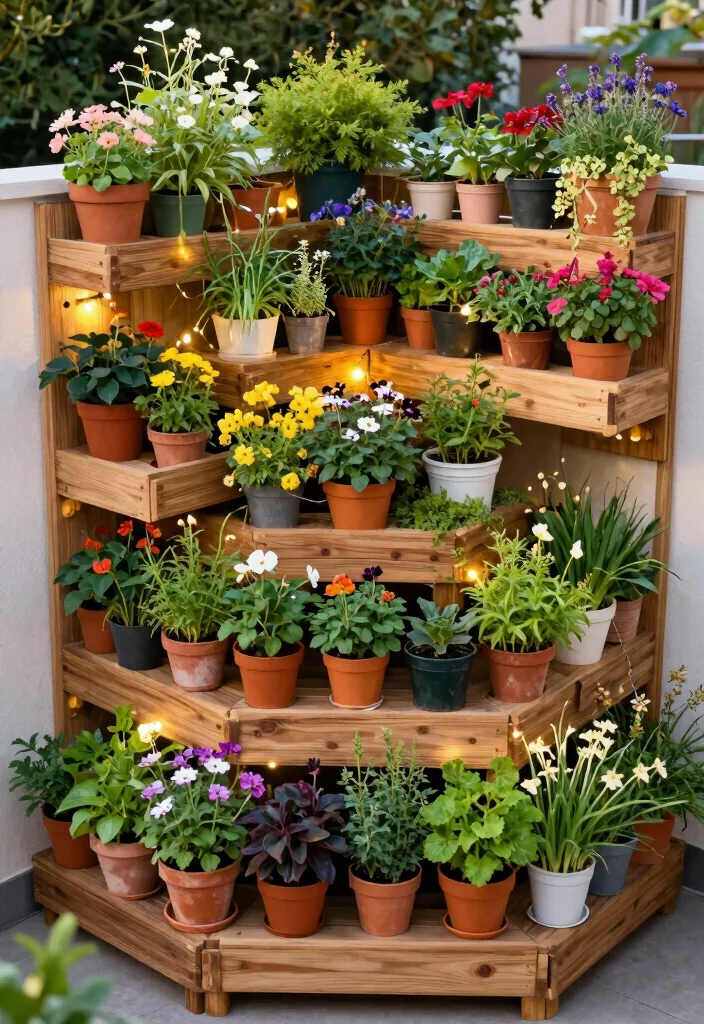
Creating container gardens on stacked platforms is a clever approach to utilizing corner spaces while adding visual appeal. These platforms can be constructed from wood, metal, or reclaimed materials and hold various containers filled with plants.
This design enables easy access and can be rearranged to suit your needs, making it perfect for limited ground space. Choose plants with similar sunlight and water requirements to thrive together.
Key steps to get started:
– Use a range of pot sizes for a dynamic appearance.
– Rotate plants regularly for balanced growth.
– Add decorative elements like fairy lights for nighttime charm.
This setup maximizes your growing potential while enhancing the beauty of your garden.
Fun fact: stacking platforms can double your usable planting space in a tight corner; two extra tiers for herbs and compact veggies. This turns corner garden bed ideas into practical, accessible setups you can rearrange anytime.
9. Succulent Corner Oasis
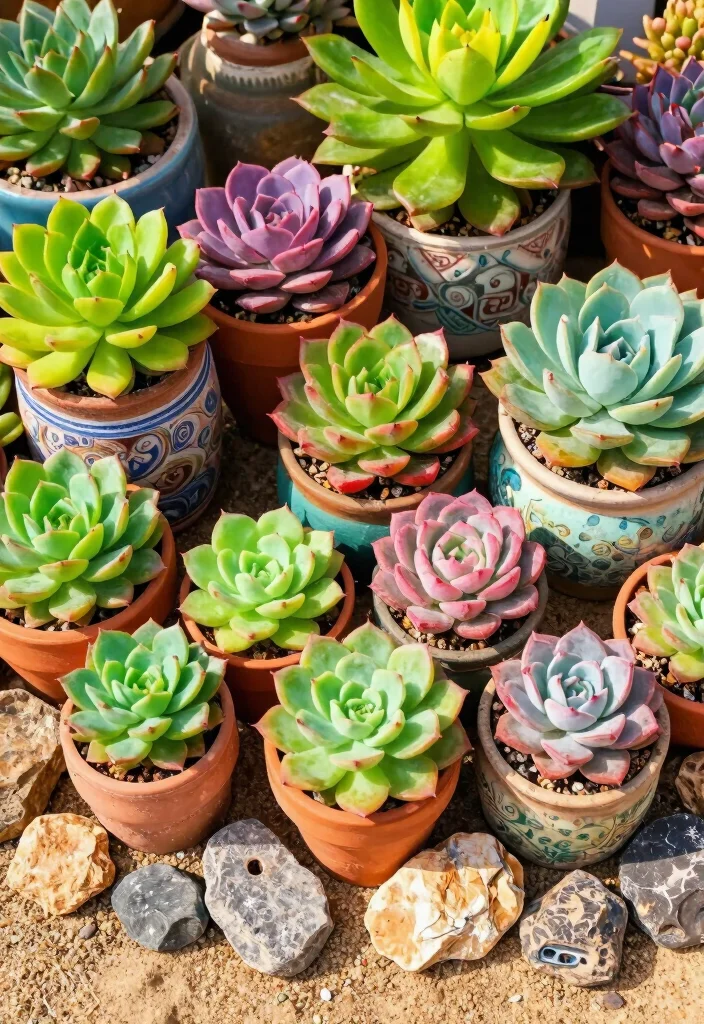
Designing a succulent corner oasis is an excellent way to introduce low-maintenance yet stunning beauty to your yard. Succulents are available in various shapes and colors, perfect for creating unique displays.
They require minimal water, making them ideal for busy gardeners. This corner can become a drought-resistant haven while still providing vibrant aesthetics.
Key steps to get started:
– Arrange succulents in interesting containers, like terracotta pots or vintage items.
– Group plants with similar light and moisture needs for best results.
– Use rocks for added visual interest and drainage.
Your succulent corner oasis will be a captivating focal point that’s easy to maintain.
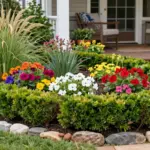
10. Colorful Flower Corner Bed
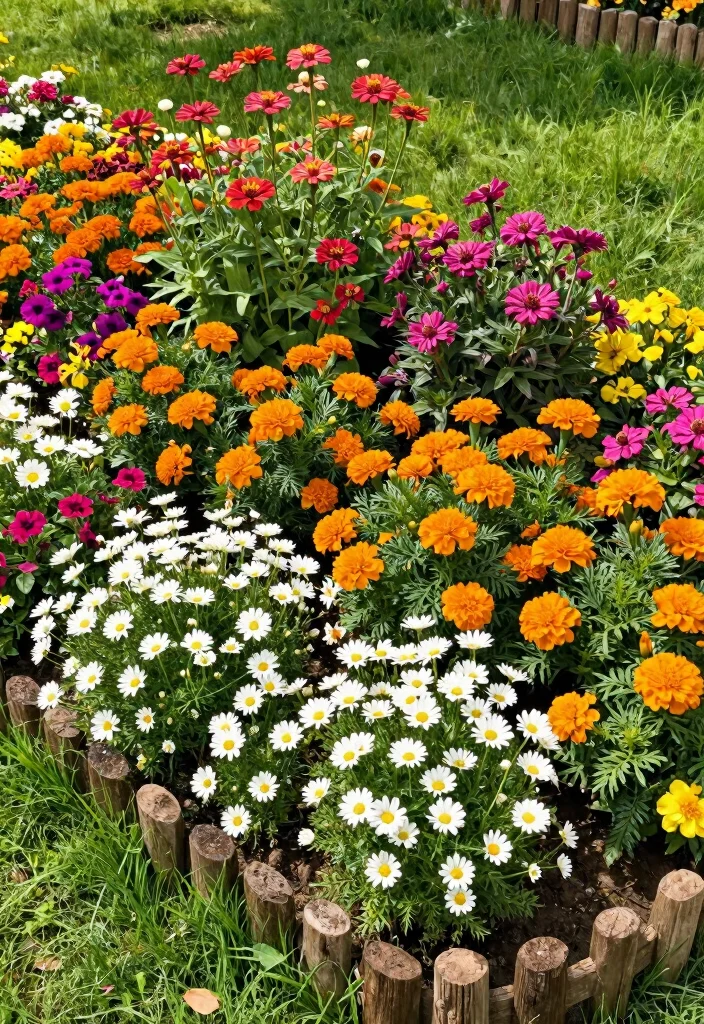
Transforming a corner into a colorful flower bed adds joy and vibrancy to your outdoor space. A mix of perennials and annuals ensures continuous blooms throughout the year, creating a lively atmosphere.
Flower beds enhance your yard’s aesthetics while providing habitats for pollinators. You can position them to create appealing sightlines from various angles in your garden.
Key steps to get started:
– Choose flowers suited to your climate zone.
– Incorporate different bloom times for year-round color.
– Add mulch to retain moisture and suppress weeds.
A colorful flower corner bed will turn your outdoor area into a cheerful retreat bursting with life.
❝ Corner garden bed ideas with a colorful mix can boost pollinator visits by up to 40% and keep your yard blooming from spring to frost. Plan with perennials and annuals for continuous blooms. ❞
Conclusion
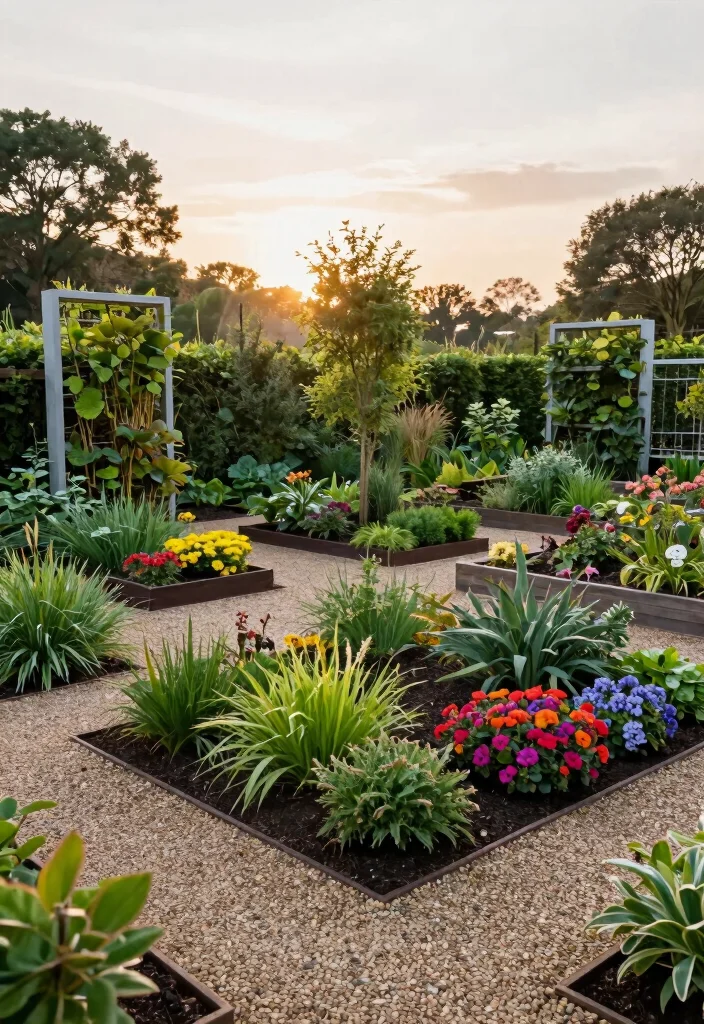
Embracing these corner garden bed ideas can truly transform your unused spaces into vibrant havens.
With creativity and intention, even the smallest corners can flourish into stunning garden features that provide beauty and productivity.
Whether you opt for vertical gardening or colorful flower beds, each idea offers unique benefits and appeals. Happy gardening!
Frequently Asked Questions
What are practical corner garden bed ideas for small spaces?
Corner spaces are gold in small yards.
Start with a raised garden bed running along the corner to maximize soil depth and reduce bending.
Install a vertical element—a trellis, wall-mounted pocket planter, or a stackable planter tower—to turn unused height into growing space.
Choose modular, space-saving pieces that fit the corner without blocking pathways.
Consider a shallow, wide bed for herbs near the door and a deeper bed for vegetables.
For efficient planting solutions, group sun-loving plants together and stagger plantings to maximize harvests.
These are practical corner garden bed ideas for small space gardening that save space and boost harvests.
Can corner garden bed ideas support vertical gardening and maximize space?
Absolutely—corners are perfect for vertical gardening.
Attach a sturdy trellis or lattice to the wall, add hanging baskets or pocket planters on adjacent surfaces, and pair with a slim vertical planter at the corner.
A raised garden bed at the base keeps soil moisture and makes maintenance easy.
This creative garden design approach boosts yields in backyard landscaping while keeping the footprint tidy.
It’s a smart example of efficient planting solutions that use height to multiply growing space.
What plants work best in corner garden beds for small spaces?
Choose compact, high-yield varieties and use succession planting.
For sun: cherry tomatoes, bush beans, peppers, and basil; for shade: lettuce, spinach, kale, and chard.
Herbs like thyme, oregano, and chives are perfect in corners.
Consider growing strawberries in containers or hanging pockets to maximize fruiting space.
Use companion planting to optimize space and deter pests, and rotate crops each season to keep the soil healthy.
This fits well with small space gardening techniques and corner garden bed ideas.
How do I ensure good drainage and soil health in corner garden beds?
Start with raised beds or a proper drainage layer (gravel or broken pottery).
Use a high-quality mix of compost, topsoil, and peat or coco coir.
Add mulch to retain moisture and suppress weeds.
Install a drip irrigation line for even watering and to minimize waste.
Avoid heavy foot traffic on soil and keep pathways clear for access.
Test soil pH and amend as needed.
With well-drained soil in your corner garden bed ideas, you’ll see healthier plants and easier maintenance.
How can I design a budget-friendly corner garden bed that still looks great?
Start with inexpensive, repurposed materials—pallets become planters, cinder blocks form a low-cost raised bed, and old troughs or containers add character.
Paint or stain them to match your yard and keep colors cohesive.
Use a focused plant palette to reduce waste and maintenance, and add mulch and a simple drip system to save water.
Compost kitchen scraps to feed the bed.
With a little planning, you can achieve creative garden design and corner garden bed ideas for small space gardening that look great without breaking the bank.