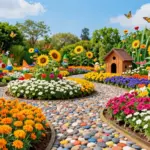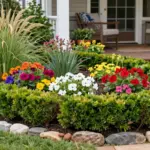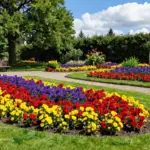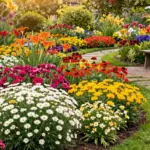
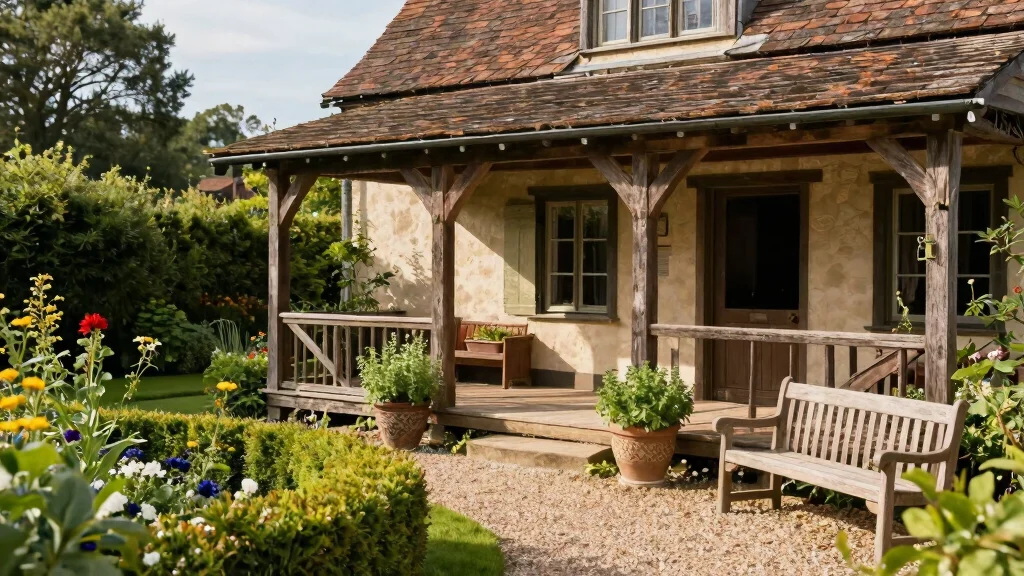
There’s something undeniably inviting about the charm of a country farmhouse. It’s that warm, rustic vibe that makes you feel at home the moment you step outside. With autumn’s approach, I find myself dreaming of cozy evenings surrounded by the earthy scents of herbs and flowers. If you adore the idea of cultivating a beautiful outdoor space that mirrors the serenity of a countryside landscape, this post is just for you.
In this guide, you’ll discover a treasure trove of country farmhouse landscaping ideas that will elevate your home’s curb appeal while showcasing your love for gardening. Whether you’re a seasoned gardener or just beginning, these ideas are tailored for anyone who appreciates the essence of rural garden aesthetics. From charming herb gardens to rustic decor, I pulled together 12 inspiring ideas that are not only practical but also filled with that enchanting, rustic charm you crave.
You’ll learn how to create cozy sitting areas, utilize vintage farm equipment for decor, and even add a water feature to your outdoor space. Get ready to embrace the simplicity and beauty of farmhouse aesthetics that will make your home the envy of the neighborhood!
Key Takeaways
– Discover how to create an herb garden that adds both beauty and functionality to your yard.
– Incorporate rustic garden decor like vintage tools to enhance the country charm of your outdoor space.
– Plan a charming pathway using natural stones or reclaimed materials for a warm welcome to your home.
– Learn about edible landscaping techniques, combining beauty with practicality by growing fruits and vegetables.
– Explore ways to layer native plants to create depth and interest while promoting local biodiversity.
1. Create an Herb Garden Delight
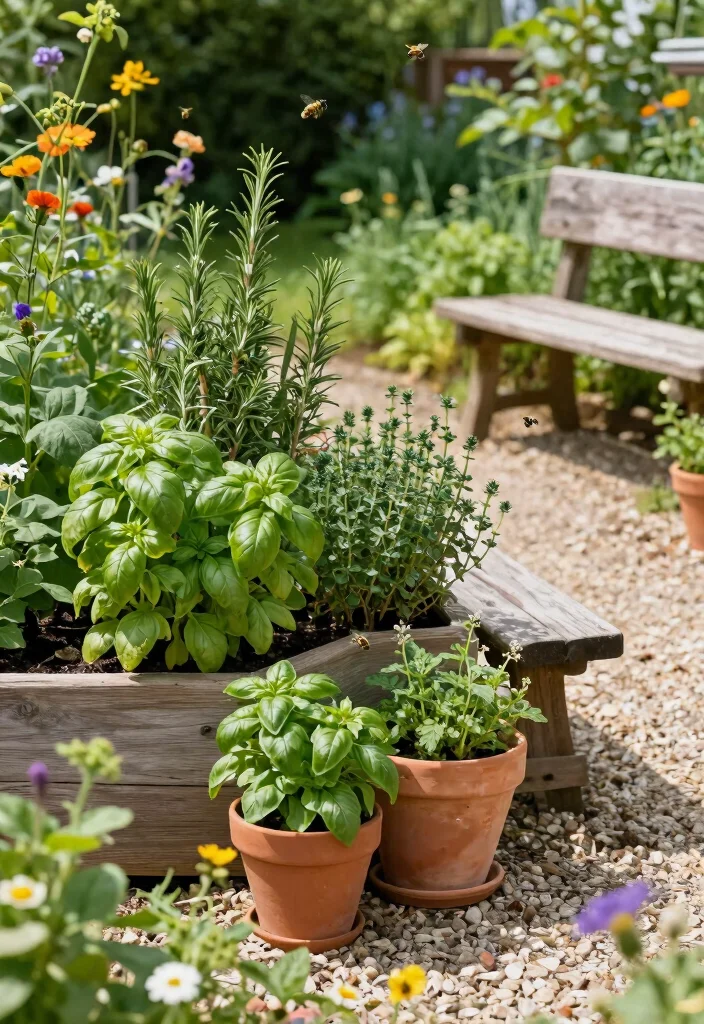
Are you dreaming of fresh herbs just steps away from your kitchen? An herb garden not only elevates your culinary creations but also adds delightful aromas and colors to your outdoor space. Imagine plucking vibrant basil, rosemary, and thyme as you prepare your meals, all while enjoying the beauty of your garden!
Growing your own herbs is a rewarding venture. They enhance flavors, are packed with nutrients, and are incredibly easy to care for. You can even create unique combinations of herbs to suit your taste!
Ingredients:
– 1 sunny spot in your yard
– Raised garden beds or decorative pots
– A selection of herbs like basil, rosemary, thyme, and mint
– Stepping stones or gravel for pathways
Instructions:
1. Choose a sunny location that receives at least 6 hours of sunlight.
2. Prepare raised beds or arrange decorative pots in a pleasing pattern.
3. Plant a mix of annual and perennial herbs for a diverse harvest.
4. Lay stepping stones or gravel to create charming pathways between sections.
5. Water regularly and enjoy the fresh herbs right from your garden!
FAQs:
– Can I grow herbs indoors? Yes, herbs like basil and mint thrive indoors with proper light.
– Can I plant herbs in the same pot? Yes, just ensure they have similar water and sunlight needs.
2. Incorporate Rustic Garden Decor
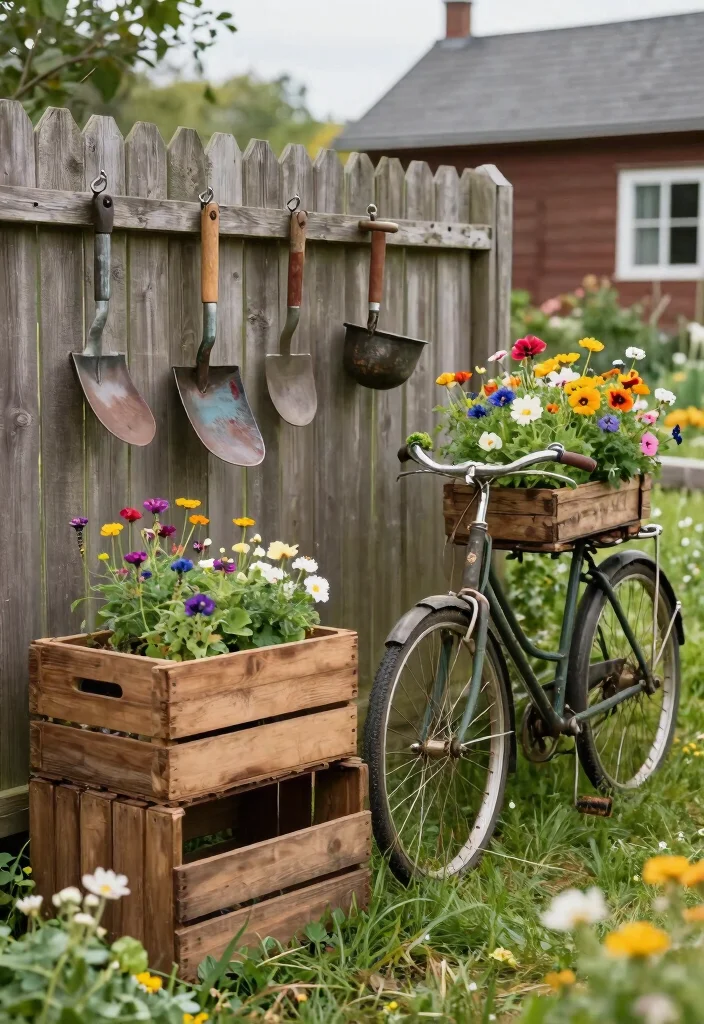
Looking to add character to your farmhouse landscape? Rustic garden decor can transform your outdoor space into a charming retreat. Vintage tools, reclaimed wood, and unique accents tell stories of the past while creating a warm and inviting atmosphere.
These decor elements not only enhance the aesthetic but also make your garden feel personal and unique. You can use your creativity to blend these pieces into your landscape seamlessly!
Ingredients:
– Vintage wooden crates
– Old gardening tools
– Repurposed items like bicycles or wheelbarrows
Instructions:
1. Collect vintage crates to use as planters or display stands.
2. Hang old gardening tools on walls or fences for artistic flair.
3. Repurpose items, like bicycles, as creative planters.
4. Arrange decor to reflect your personal gardening journey.
FAQs:
– Can I mix styles with modern decor? Yes, blending styles can create a unique look.
– Where can I find rustic decor? Check local flea markets or antique shops for treasures!
3. Build a Charming Pathway
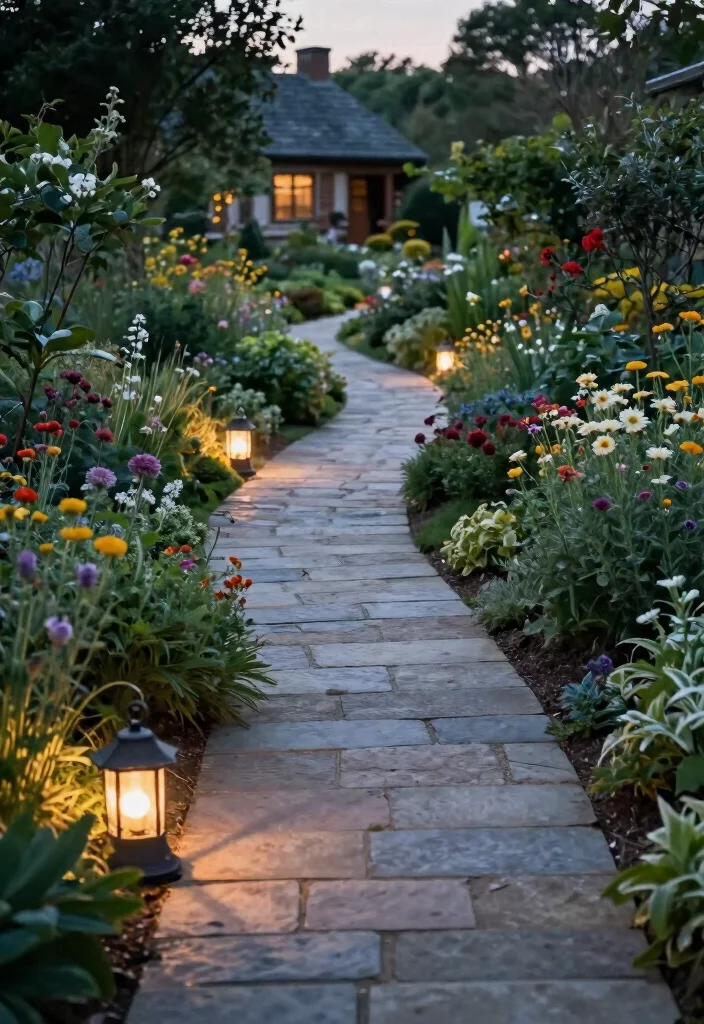
Do you want to guide your guests through a beautiful garden? A thoughtfully designed pathway can enhance the charm of your farmhouse space. Whether crafted from stone, gravel, or wood, a pathway invites exploration and creates a cozy atmosphere.
A well-placed pathway not only serves a purpose but also complements the overall aesthetic of your garden. It’s a simple project that can yield stunning results!
Ingredients:
– Natural stones or reclaimed wood
– Flowers or low shrubs to frame the path
– Solar-powered lanterns for lighting
Instructions:
1. Choose materials that match your home’s style.
2. Lay out the pathway, opting for curves for a natural feel or straight lines for a structured look.
3. Frame the path with vibrant flowers or shrubs for added color.
4. Install solar lanterns along the pathway for evening ambiance.
FAQs:
– Can I use bricks for the pathway? Yes, bricks can add a classic touch.
– How do I maintain the pathway? Regularly remove weeds and debris to keep it neat.
Pro tip: In country farmhouse landscaping ideas, a curved pathway crafted from natural stones or reclaimed wood leads guests through the garden with intention. Keep it narrow, invite planting beds to peek around corners, and watch your curb appeal and herb garden come alive.
4. Embrace Natural Fencing
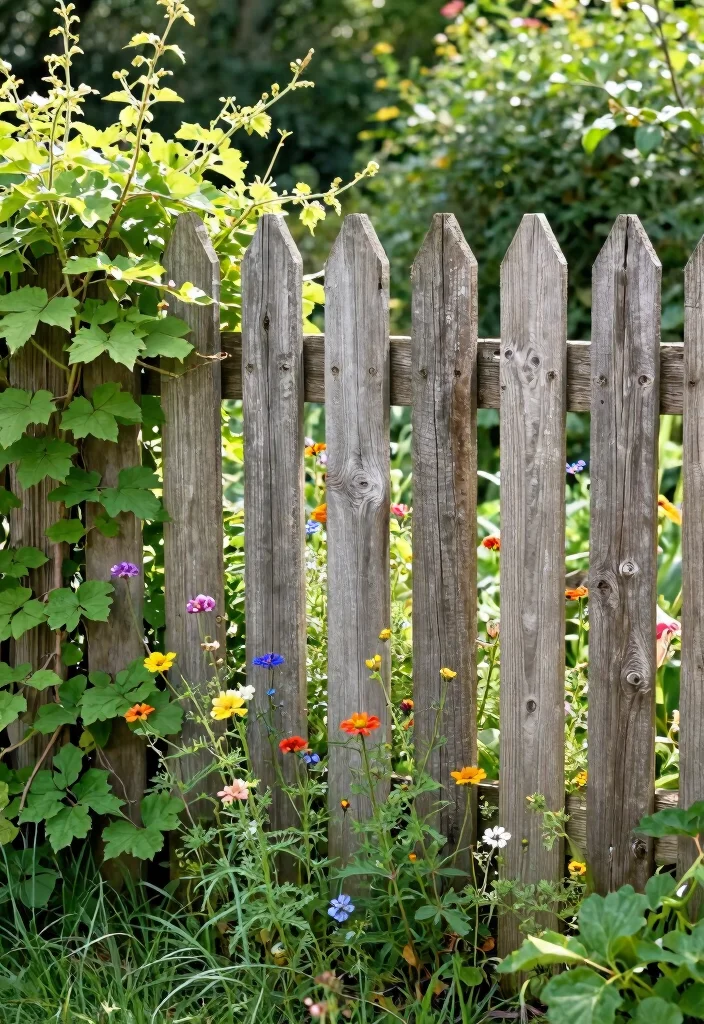
Are you looking for a way to enhance privacy while maintaining a rustic aesthetic? Natural fencing is a perfect solution that blends seamlessly into the landscape. By using materials like wood and living plants, you can create a beautiful boundary that feels organic and inviting.
This approach not only serves its function but adds to the overall charm of your farmhouse garden. It’s an excellent way to connect with nature while providing a sense of security!
Ingredients:
– Rustic wooden posts
– Wire fencing or dense shrubs
– Climbing plants like wisteria or morning glories
Instructions:
1. Choose wooden posts and wire fencing that complement your garden.
2. Plant living fences with dense hedges or shrubs for added privacy.
3. Incorporate climbing plants along the fence for softness.
4. Enjoy sitting on your porch, surrounded by your beautiful landscape.
FAQs:
– Can I use a mix of materials for fencing? Yes, combining materials can create a unique look.
– How do I maintain a living fence? Regular trimming will keep it healthy and attractive.
5. Create a Cozy Outdoor Sitting Area
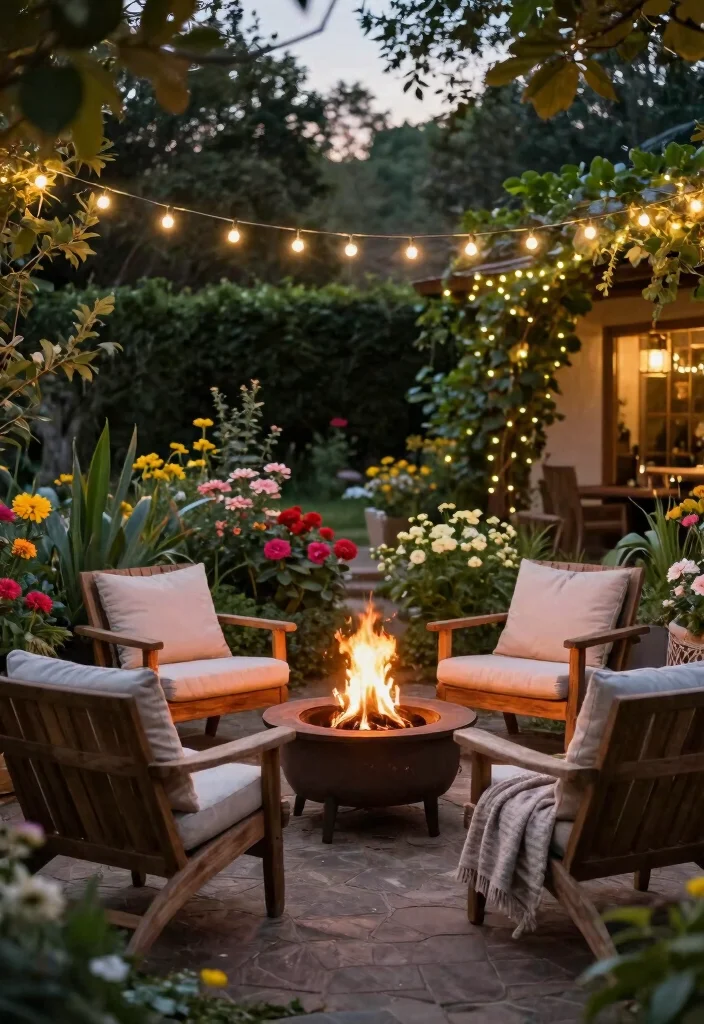
Do you want a perfect spot to unwind outdoors? A cozy sitting area can transform your garden into a relaxing retreat. Picture yourself sipping coffee in the morning sun or hosting friends for evening chats in a beautifully designed space.
This area not only enhances your garden experience but also provides a charming backdrop for gatherings with loved ones. Let’s make it a cozy haven!
Ingredients:
– Comfortable outdoor furniture
– A fire pit for warmth
– Soft throws and cushions
Instructions:
1. Select outdoor furniture that reflects your style.
2. Add a fire pit for warmth and ambiance during cooler evenings.
3. Layer soft throws and cushions for comfort.
4. Surround the area with plants and flowers for an inviting atmosphere.
FAQs:
– Can I create a sitting area with limited space? Yes, you can use smaller furniture to fit cozy spaces.
– How do I maintain outdoor furniture? Regular cleaning and covering during bad weather will extend its life.
6. Layer with Native Plants
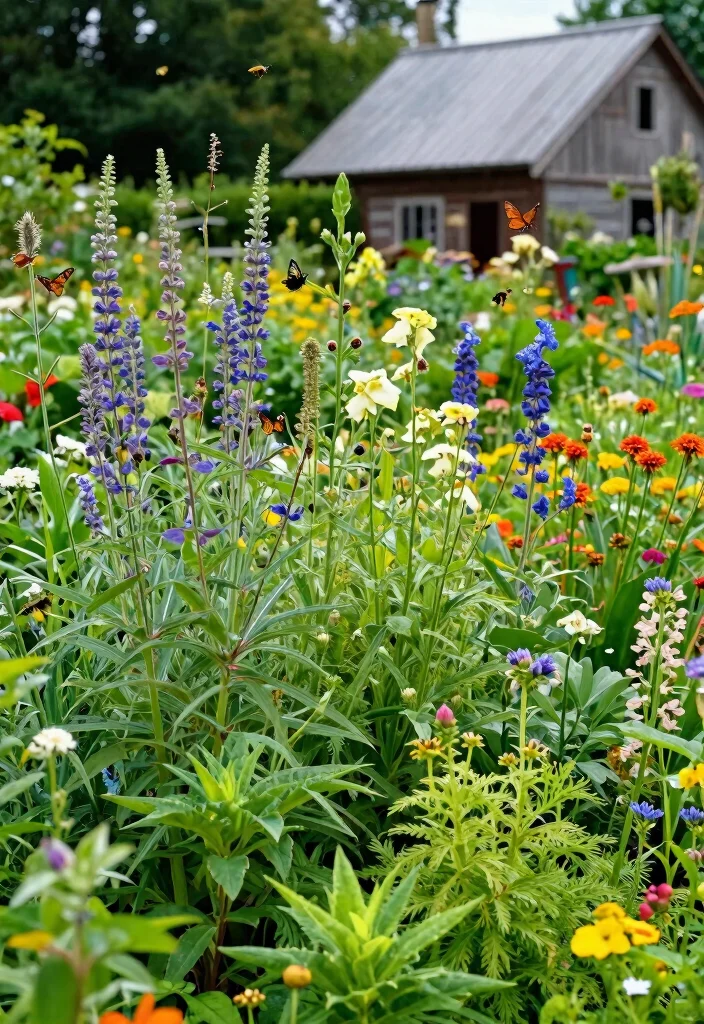
Are you searching for a low-maintenance yet beautiful landscape? Native plants are the answer! These beauties are adapted to your local climate, making them easy to care for and perfect for adding a touch of nature to your farmhouse garden.
Using native flora not only enhances your garden’s aesthetics but also supports local wildlife, creating a thriving ecosystem right in your backyard. Let’s embrace the beauty of nature!
Ingredients:
– Local native plants
– A mix of perennials for seasonal interest
– Varying heights and textures for depth
Instructions:
1. Research local native plants that thrive in your area.
2. Plan a mix of perennials to ensure year-round beauty.
3. Arrange plants of varying heights for visual interest.
4. Watch your garden flourish while supporting local wildlife!
FAQs:
– Can I mix native plants with non-natives? Yes, just ensure they are compatible with local conditions.
– How do I find native plants? Visit local nurseries or botanical gardens for options.
Fun fact: Native plants can cut watering by up to 40% and require half the maintenance of non-native species. In a country farmhouse landscape, they bloom with less fuss, support local wildlife, and align perfectly with country farmhouse landscaping ideas.
7. Use Vintage Farm Equipment as Decor

Do you want to add a touch of history to your garden? Incorporating vintage farm equipment can create a delightful rustic charm. Items like old plows, wheelbarrows, and ladders can be transformed into stunning decor pieces that tell a story.
These unique elements not only enhance the farmhouse aesthetic but also serve as conversation starters when guests visit. Let’s make your garden a showcase of history!
Ingredients:
– Vintage farm tools like plows and wheelbarrows
– Old ladders for vertical gardens
– Creative ideas for using these items as decor
Instructions:
1. Use a rusted wheelbarrow as a planter for colorful flowers.
2. Hang an old plow on a wall to create a focal point.
3. Use old ladders for vertical gardening by adding pots.
4. Arrange these items artistically in your garden for charm.
FAQs:
– Can I find vintage equipment easily? Check local antique shops or online marketplaces for unique finds.
– How do I clean vintage items before using them? Gently scrub with soapy water and let them dry thoroughly.
Did you know that repurposing vintage plows and wheelbarrows can boost curb appeal by up to 40%? A single well-placed piece tells a story and fits perfectly with country farmhouse landscaping ideas.
8. Incorporate a Water Feature
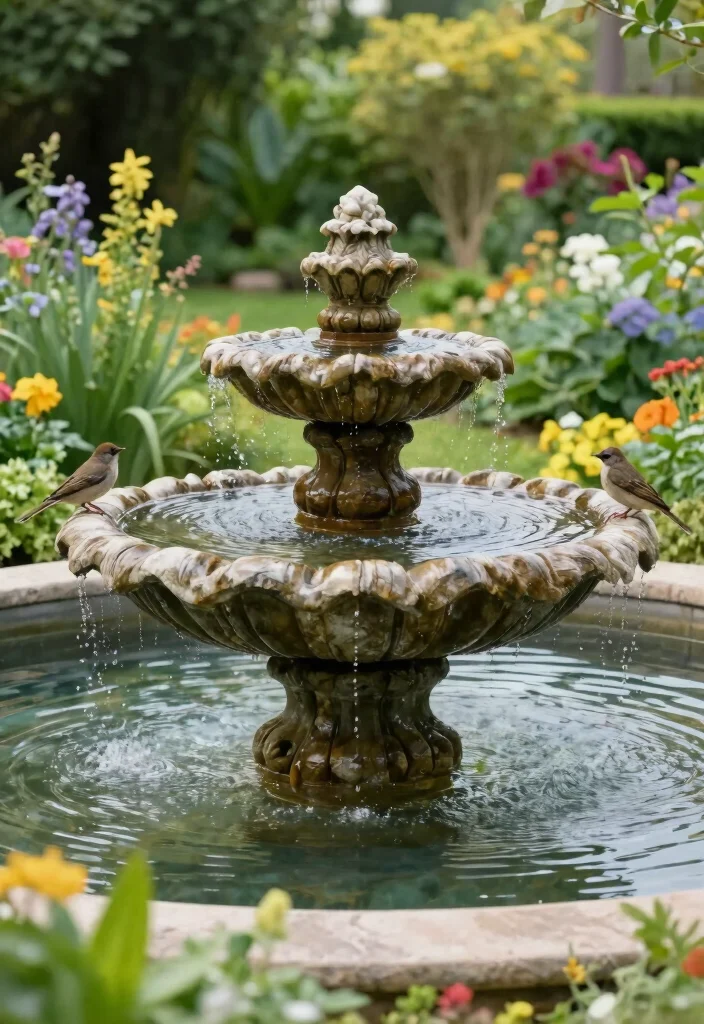
Are you dreaming of a serene garden oasis? A water feature can bring tranquility to your farmhouse landscape. Whether it’s a gentle fountain, a small pond, or a charming birdbath, the sound of water enhances the peaceful ambiance of your outdoor space.
This calming element not only beautifies your garden but also attracts local wildlife, creating a lively ecosystem. Let’s design your peaceful retreat!
Ingredients:
– A water feature like a fountain or birdbath
– Surrounding plants for integration
– Seating for relaxation nearby
Instructions:
1. Choose a water feature that complements your home’s style.
2. Surround the feature with native plants to blend it into the landscape.
3. Add seating nearby for quiet contemplation.
4. Enjoy the soothing sounds of water as you relax!
FAQs:
– Can I install a water feature myself? Yes, many simple designs can be installed with basic tools.
– How do I maintain the water feature? Regularly check for debris and clean the pump as needed.
9. Add Color with Flower Beds
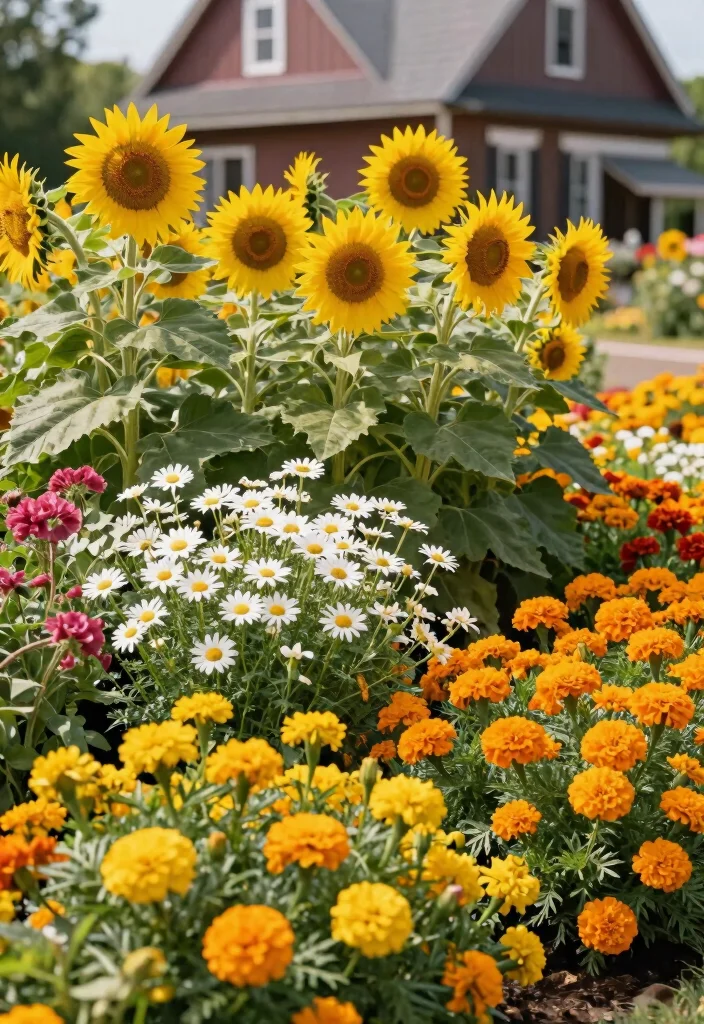
Do you want to infuse your garden with life and vibrancy? Colorful flower beds are an essential part of any farmhouse landscape, creating a warm and inviting atmosphere for guests. Imagine blooms of every hue welcoming you home!
With careful planning, you can design flower beds that offer continuous color throughout the seasons, adding beauty and charm to your outdoor space. Let’s get started on your colorful garden!
Ingredients:
– A variety of flowers for different blooms
– Taller flowers for the back and shorter for the front
– A color theme for a cohesive look
Instructions:
1. Choose flowers that bloom at different times for year-round interest.
2. Arrange taller flowers at the back and shorter in the front.
3. Select a color theme for a more unified appearance.
4. Mix perennials with annuals for lasting beauty.
FAQs:
– Can I use all annuals? Yes, but including perennials will reduce the need for replanting each year.
– How do I care for my flower beds? Regular watering and deadheading will keep them thriving.
How To Choose the Right Plants for Your Country Farmhouse Herb Garden
When designing a charming herb garden that fits beautifully with your country farmhouse aesthetics, selecting the right plants is key. Herbs not only enhance your landscape but also provide culinary benefits and a lovely fragrance. Let’s break down how to choose the perfect plants for your herb garden.
1. Consider Your Climate
Before anything else, think about the climate in your area. Different herbs thrive in various climates, so understanding whether you live in a warm, temperate, or cooler zone will guide your choices. For instance, basil loves warmth, while parsley can tolerate cooler temperatures. Check your local growing zones to see what herbs will flourish.
2. Think About Sunlight Needs
Most herbs require plenty of sunlight to grow strong and flavorful. Generally, aim for a location that gets six to eight hours of sunlight daily. Herbs like rosemary and thyme love full sun, while others, such as mint, can handle partial shade. Assess your garden spot throughout the day to ensure it meets these light requirements.
3. Assess Your Space
Evaluate how much space you have for your herb garden. If you have a small area, opt for compact varieties or consider vertical gardening techniques to maximize space. Planter boxes or hanging pots can also save room while adding a charming rustic touch. On the other hand, if you have plenty of space, consider planting a wider variety of herbs, from culinary staples to aromatic plants.
4. Determine Your Culinary Interests
Think about what herbs you frequently use in your cooking. If you love Italian dishes, consider planting basil, oregano, and parsley. For Asian cuisine enthusiasts, cilantro and lemongrass can be fantastic choices. Choosing herbs that you will actually use in your meals ensures that your garden remains practical and enjoyable.
5. Factor in Maintenance Level
Some herbs are low-maintenance, while others require more attention. If you want a hands-off garden, opt for hardy herbs like chives and thyme that can thrive with minimal care. If you enjoy gardening and don’t mind spending time tending to your plants, feel free to explore more delicate options like basil or dill that may need regular pruning.
6. Embrace Companion Planting
Companion planting can enhance the health and growth of your herbs. Certain herbs work well together, repelling pests or attracting pollinators. For example, planting basil next to tomatoes can improve growth and flavor. Research common herb pairings to create a thriving ecosystem in your garden.
Pro Tip: When starting your herb garden, consider planting from seeds or purchasing younger plants. If you start from seed, be patient, as it may take longer to see results. However, growing from seeds can be more rewarding and allows you to explore a wider variety of herbs. If you choose young plants, look for healthy specimens with vibrant leaves and strong stems.
By considering these factors, you can create a stunning herb garden that not only enhances the rustic charm of your country farmhouse but also provides fresh flavors for your kitchen. Happy gardening!
10. Consider a Seasonal Garden
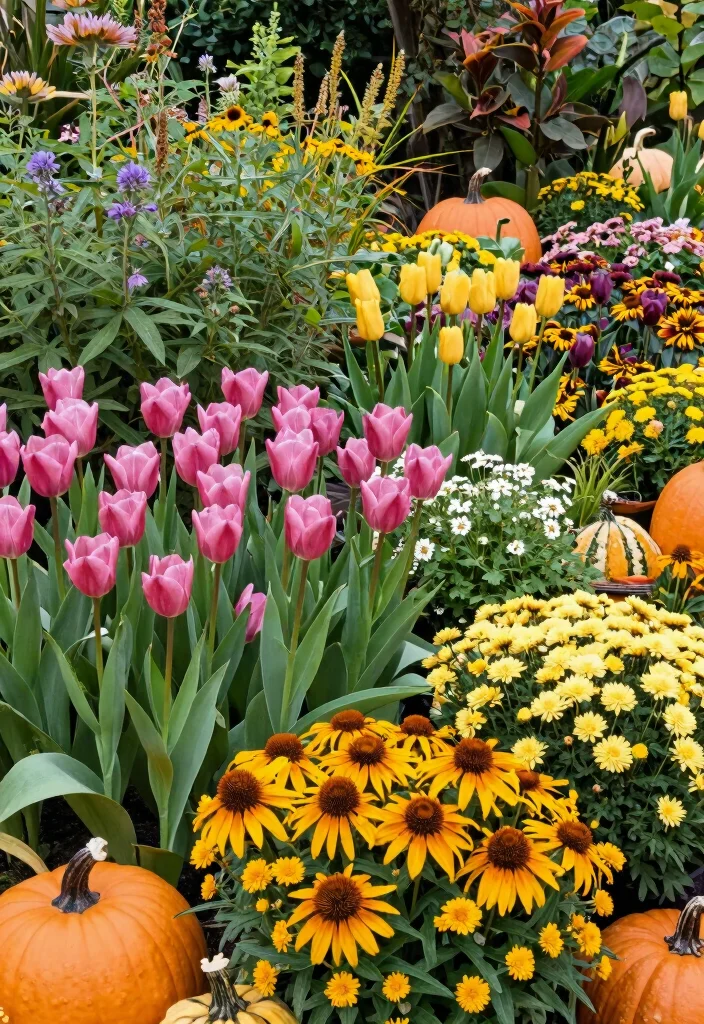
Are you excited about showcasing different plants throughout the year? A seasonal garden allows you to celebrate nature’s changing beauty with a variety of blooms and colors. Each season brings its own charm, making your landscape dynamic and ever-evolving.
This approach not only keeps your garden interesting but also allows you to engage with nature as it transforms. Let’s plan your seasonal showcase!
Ingredients:
– Plants for spring, summer, autumn, and winter
– Seasonal decorative elements like pumpkins or wreaths
– A planting calendar for organization
Instructions:
1. Plan for a diverse range of blooms across the seasons.
2. Incorporate seasonal decorations to enhance the garden’s appeal.
3. Use a calendar to track planting and maintenance schedules.
4. Enjoy the continual beauty and interest in your landscape!
FAQs:
– Can I mix seasonal plants with perennials? Yes, combining them can create a vibrant display.
– How do I ensure year-round interest? Plan for overlapping bloom times and varied textures.
11. Utilize Vertical Gardening Techniques
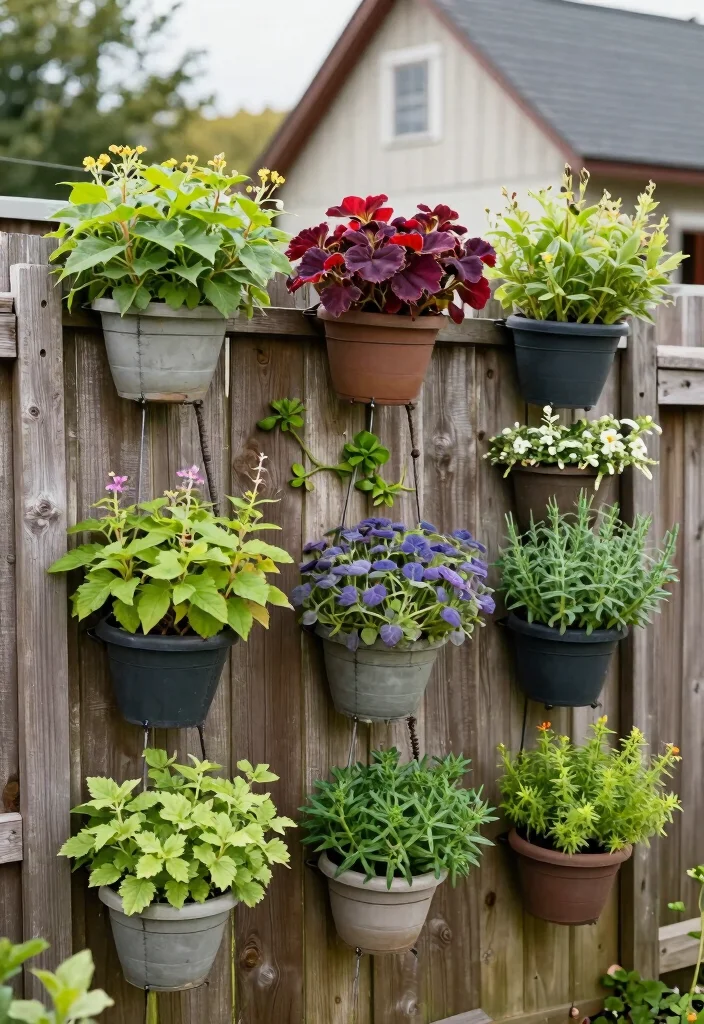
Are you looking to maximize your gardening space creatively? Vertical gardening is a fantastic method that allows you to grow plants up walls or fences, perfect for small areas or adding dimension to your landscape. It’s a fun and innovative way to enhance your garden!
This technique not only saves space but also adds visual interest and texture to your outdoor space. Let’s explore how to get started!
Ingredients:
– Trellises or wall planters
– Hanging pots or pallets
– Climbing plants suitable for vertical growth
Instructions:
1. Use trellises for climbing plants like peas and beans.
2. Hang pots or use pallets to create vertical displays for herbs and flowers.
3. Incorporate wire mesh for a rustic touch.
4. Enjoy the added depth and beauty in your garden!
FAQs:
– Can I grow vegetables vertically? Yes, many vegetables thrive when grown upward.
– How do I maintain a vertical garden? Regular watering and pruning will keep it healthy.
12. Green up with Edible Landscaping
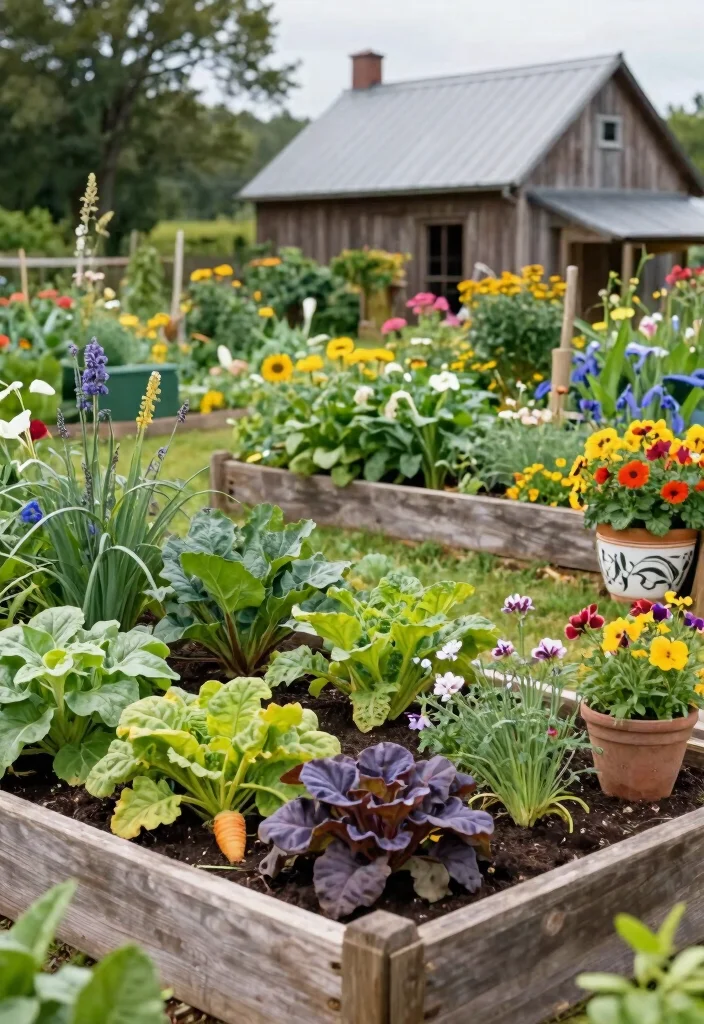
Are you interested in a beautiful garden that also provides fresh produce? Edible landscaping combines aesthetics with functionality, allowing you to enjoy delicious fruits, vegetables, and herbs right from your yard. Imagine the joy of harvesting your own ingredients!
This approach not only enhances your garden’s visual appeal but also promotes sustainability and healthy living. Let’s create your edible paradise!
Ingredients:
– Designated areas for vegetable patches and flower beds
– Attractive containers for herbs and small fruits
– A mix of edible and ornamental plants
Instructions:
1. Plan your garden layout, designating specific areas for vegetables and herbs.
2. Use beautiful containers for herbs and small fruits.
3. Interplant edible and ornamental plants for a cohesive look.
4. Enjoy the fruits of your labor while beautifying your landscape!
FAQs:
– Can I grow edibles in pots? Yes, many vegetables and herbs thrive in containers.
– How do I start with edible landscaping? Begin with easy-to-grow plants and expand from there.
Conclusion
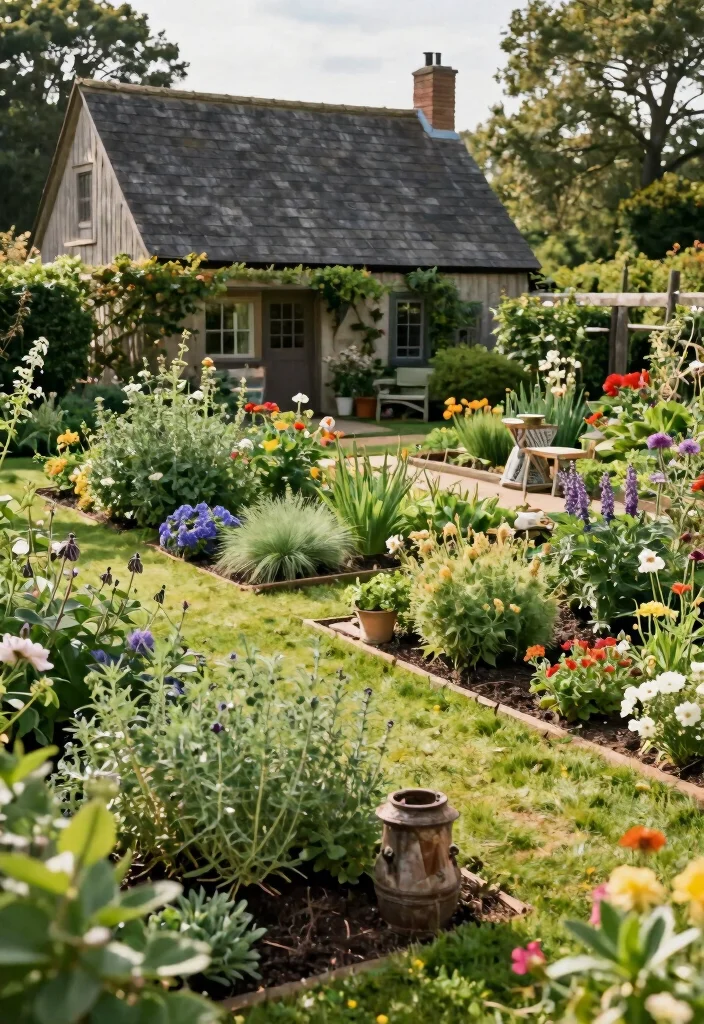
Incorporating these country farmhouse landscaping ideas can infuse your outdoor space with rustic charm and unique character. From herb gardens to vibrant flower beds, each idea allows you to express your style while enhancing your curb appeal.
Embrace your creativity, play with textures and colors, and let your garden tell your story. Whether you’re starting small or planning a complete makeover, these ideas can help craft an enchanting landscape that you’ll cherish for years to come. Happy gardening!
Frequently Asked Questions
What are the essential elements of country farmhouse landscaping ideas for an herb garden?
In country farmhouse landscaping ideas for an herb garden, start with healthy soil and raised beds to keep herbs productive and neat.
Incorporate rustic garden design elements like weathered wood edging, a gravel or stone path, and galvanized containers to frame the herb beds.
Plant a versatile kitchen-herb mix—rosemary, thyme, sage, oregano, chives and lavender—that loves sun and well-drained soil.
Add simple edging, a standout focal point (like a potting bench or wooden crate planter), and an efficient watering plan (drip irrigation or soaker hose) to support outdoor landscaping tips and rural garden aesthetics.
Finish with seasonal color and scent: herbs that bloom or echo cottage garden vibes, boosting charming curb appeal ideas.
How can I create charming curb appeal with a country farmhouse herb garden?
To boost charming curb appeal ideas with a country farmhouse herb garden, start at the entry: a welcoming path, a low stone wall or weathered fence, and container plantings along the doorway. Plant standard kitchen herbs near the entrance—rosemary, thyme, oregano, and lavender—for fragrance and seasonal color. Use neutral or aged wood planters and a few galvanized buckets to echo farmhouse garden decor. Light with warm LED or solar lights to keep the space inviting after dark. Tie the look together with a consistent palette and neat edging that reinforces country farmhouse landscaping ideas.
What are easy-to-maintain herb garden landscaping ideas for a rural garden aesthetic?
For a low-maintenance approach aligned with rural garden aesthetics, pick hardy, perennial herbs and keep beds simple. Use raised beds to reduce weed pressure and simplify watering. Install a drip irrigation or soaker hose system and mulch thickly to conserve moisture. Group sun-loving herbs (rosemary, thyme, lavender) together; tuck shade-tolerant herbs (mint in containers) where they won’t escape. Keep paths clear and use container plantings along borders for quick updates with the seasons, giving you practical outdoor landscaping tips without heavy upkeep.
Which perennial herbs work well in a rustic farmhouse garden and how should I place them?
Perennial stars for a rustic farmhouse garden include rosemary, thyme, sage, oregano, lavender, and chives. Place them along sunny borders or at the corners of beds for a natural frame. Ensure they get full sun and well-drained soil. Group herbs with similar water needs to streamline maintenance and use edging that reflects rustic garden design. For variety, stack taller lavender at the back with thyme and oregano in mid-height, and edge with low-growing herbs to create a cozy, rustic look that matches country farmhouse landscaping ideas.
How can I plan a budget-friendly country farmhouse landscaping makeover focusing on an herb garden?
Start with a simple plan: map your space, define herb zones, and list must-have herbs. Reuse materials: repurpose pallets for raised beds, salvaged fencing for edging, and upcycle vintage containers for planters. Build a few easy raised beds, install inexpensive drip irrigation or collect rainwater for watering; mulch instead of turf to cut maintenance. Grow from cuttings or buy small transplants to save costs, and use solar-powered lights and affordable seed mixes for a pop of color. This approach aligns with country farmhouse landscaping ideas while keeping outdoor landscaping tips on budget and farmhouse garden decor cohesive.