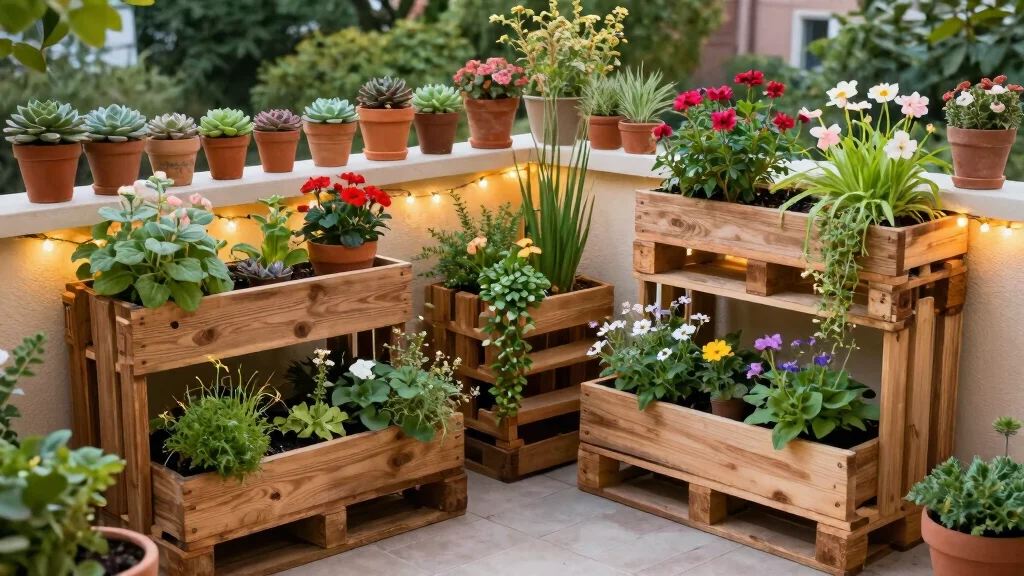
Creating a beautiful garden space is a dream for many, but the cost and space constraints can feel overwhelming. That’s why I put together this post on 14 DIY Raised Garden Bed Ideas for Budget Friendly and Custom Builds. Whether you’re a gardening novice or a seasoned green thumb, there’s something in here for everyone looking to cultivate their own little oasis.
If you love gardening but struggle with limited space or budget, you’re in the right place. These ideas are tailored for those who want to grow their own vegetables, flowers, or herbs without breaking the bank. Even if you live in a small apartment or have a tiny backyard, you can create stunning vertical gardens that maximize your space while adding character to your home.
In this guide, you’ll discover a variety of creative and cost-effective DIY raised garden bed ideas. From pallet planters to stacked tire gardens, these projects are not only fun to build but also customizable to fit your unique style. Each idea offers practical tips and insights to help you get started on your gardening adventure. So, let’s dig in and explore how you can bring your gardening dreams to life!
Key Takeaways
– Discover 14 unique DIY raised garden bed ideas that suit various budgets and styles, making gardening accessible for everyone.
– Explore vertical garden solutions perfect for small spaces, allowing you to grow plants even in limited areas.
– Gain insights on custom garden designs that reflect your personal taste and enhance your outdoor space.
– Get practical budget gardening tips to keep costs low while creating beautiful and functional garden beds.
– Find easy DIY garden projects that are fun and engaging, perfect for family activities or solo endeavors.
1. Pallet Planter Boxes
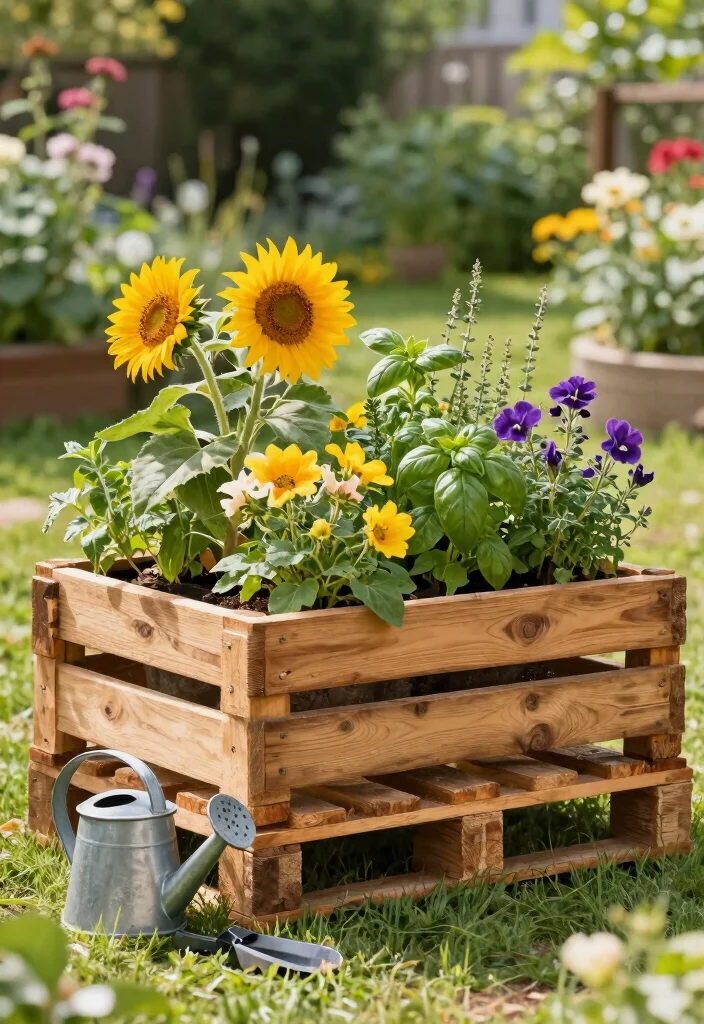
If you’re looking for a fun, budget-friendly gardening project, wooden pallets are your answer. These versatile materials can easily be transformed into charming raised garden beds that add character to your outdoor space. Sand down a pallet to eliminate splinters, line it with landscaping fabric, and fill it with nutrient-rich soil for your favorite plants. The slats provide excellent drainage while enhancing your garden’s rustic appeal.
To get started, ensure you choose non-toxic wood pallets and consider painting them for an extra splash of color. You can also stack pallets for a simple vertical garden, maximizing your planting area without taking up too much space.
Key materials needed:
– Wooden pallets
– Sandpaper
– Landscaping fabric
– Potting soil
– Your choice of plants
Follow these steps to create your planter:
– Smooth the pallet using sandpaper.
– Line the inside with landscaping fabric.
– Fill with soil and plant your favorites.
2. Stacked Tire Planters
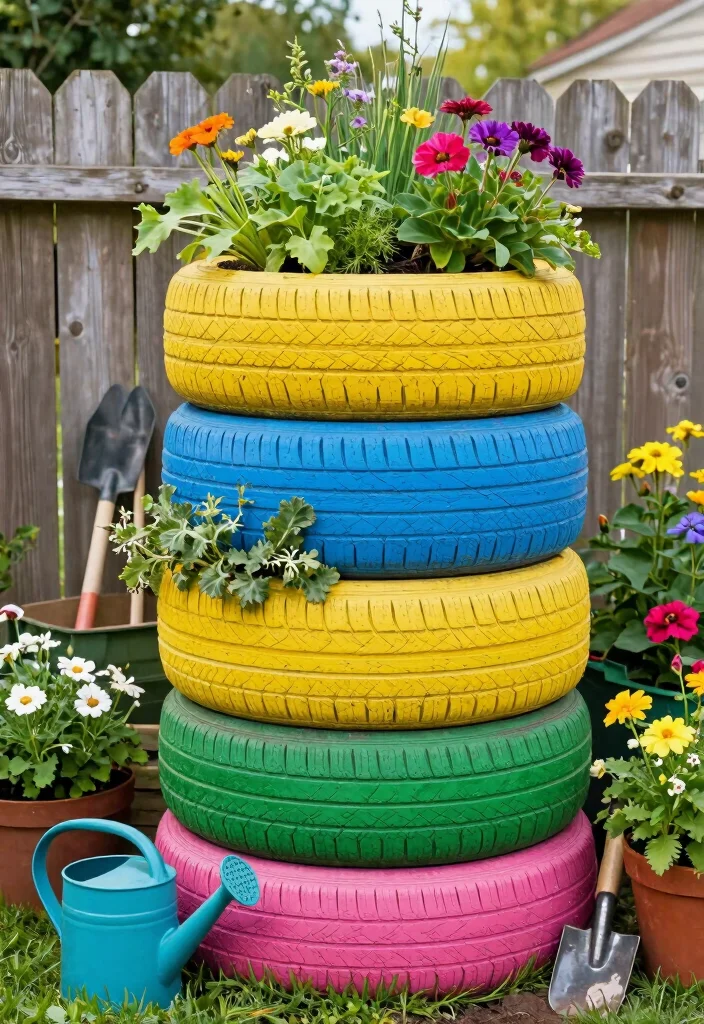
Don’t throw away those old tires just yet! With a little creativity, they can turn into fun vertical planters. Stacking tires not only saves space but also creates an eye-catching display in your garden. You can paint them in vibrant colors or keep them classic for a rustic touch. Fill each tire with soil and plant a variety of herbs, flowers, or small vegetables to enjoy their benefits.
When using tires, be cautious about potential chemicals. Lining the inside with a barrier can help ensure safety for your plants.
Materials to gather:
– Old tires
– Outdoor paint (optional)
– Potting soil
– Your choice of plants
Steps to create your tire planter:
– Stack the tires securely.
– Fill each tire with soil and plant accordingly.
– Water and enjoy your new garden!
3. Hanging Vertical Garden
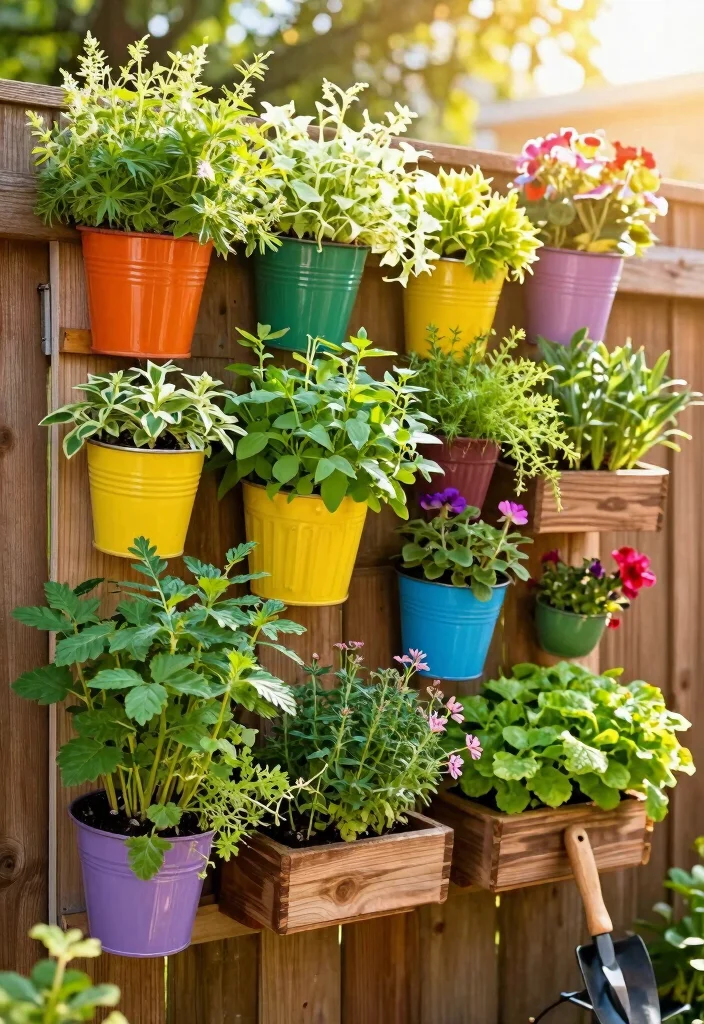
Looking to add some flair to your walls? Repurpose old containers to create beautiful hanging vertical gardens. This creative idea utilizes wall-mounted planters at different heights, producing a stunning visual display while saving space. Old tin cans, wooden boxes, or even shoe organizers work perfectly for holding plants.
This setup is especially delightful for herbs and trailing plants, allowing you to enjoy greenery without sacrificing floor space.
Gather these materials:
– Various containers (cans, boxes, organizers)
– Wall hooks or brackets
– Potting soil
– Your choice of plants
Create your vertical garden by:
– Securely attaching hooks or brackets to the wall.
– Filling containers with potting soil and plants.
– Hanging them at varying heights for added interest.
4. Wooden Crate Gardens
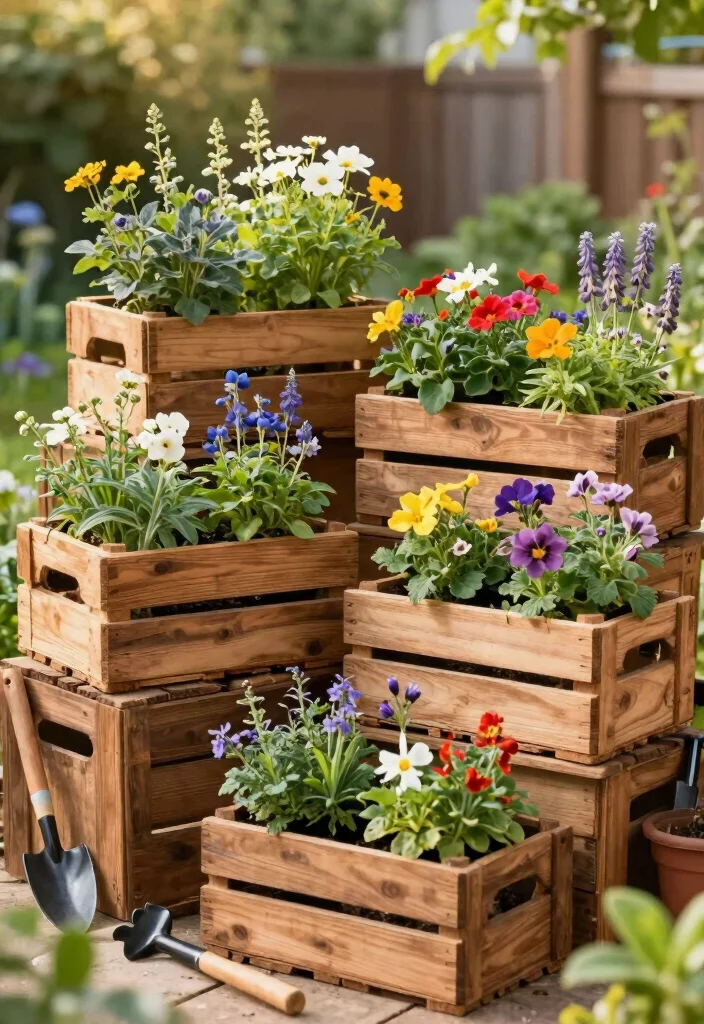
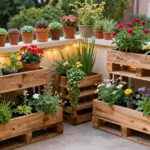
Transform old wooden crates into unique raised garden beds that add charm to your yard. These crates can be stacked or placed side by side, allowing for a customizable gardening setup. Simply sand them down and line the insides with landscaping fabric to keep the soil intact.
Fill the crates with quality soil to grow a variety of vegetables, herbs, or flowers.
To enhance mobility, consider adding wheels to the bottom of each crate, making it easy to adjust their position for sunlight.
Essential materials include:
– Wooden crates
– Sandpaper
– Landscaping fabric
– Potting soil
– Your choice of plants
Steps to create your crate garden:
– Sand the crates to remove rough edges.
– Line with landscaping fabric.
– Fill with soil and plant your selections.
How To Choose the Right DIY Raised Garden Bed
When it comes to creating a DIY raised garden bed, making the right choices can turn a simple project into a successful gardening venture. Consider these essential factors to ensure your raised garden bed fits your needs perfectly.
1. Size
Think about how much space you have available and what you want to grow. A raised garden bed can range in size from small, portable boxes to larger plots. Typically, a good width is 3 to 4 feet, allowing you to reach the center easily without stepping inside the bed. Length can vary based on your available area, but keeping it under 10 feet helps with maintenance.
2. Material
The material you choose will impact both the durability and aesthetics of your garden bed. Common materials include wood, metal, and even bricks. Untreated cedar or redwood are great choices for wooden beds, as they resist rot. If you opt for metal, ensure it is rust-resistant. Avoid treated lumber that may leach chemicals into your soil.
3. Soil Type
Selecting the right soil is crucial for your plants’ health. A mix of topsoil, compost, and organic matter creates a nutrient-rich environment. You can also add perlite or vermiculite for better drainage. Aim for a depth of at least 12 inches in your raised bed to encourage healthy root growth.
4. Drainage
Good drainage prevents waterlogging and ensures your plants get the moisture they need. Consider adding a layer of rocks or gravel at the bottom of your raised bed for excess water to flow through. If you’re building a vertical garden, ensure water can drain from each level to avoid pooling.
5. Budget
DIY projects can be budget-friendly, but costs can add up quickly. Determine a budget before starting, including materials, soil, and any additional decorations. Look for reclaimed materials to save costs or check local classifieds for deals on supplies. Remember, a well-planned budget helps keep your project on track without overspending.
6. Design and Accessibility
Choose a design that suits your gardening style and accessibility needs. If you have limited mobility, consider elevated beds that reduce the need to bend. Vertical gardens can be a fantastic solution for small spaces, allowing you to utilize vertical space for planting. Custom designs can also add a unique touch to your garden while making the most of your space.
Pro Tip: Before you begin building, sketch your design and list the materials you’ll need. This will help streamline your project and ensure you have everything on hand. Remember to take measurements carefully and adjust your plans if necessary.
Choosing the right elements for your DIY raised garden bed can significantly impact your gardening experience. By considering size, materials, soil type, drainage, budget, and design, you’ll create a thriving garden that fits your needs. Happy gardening!
5. Simple PVC Pipe Garden
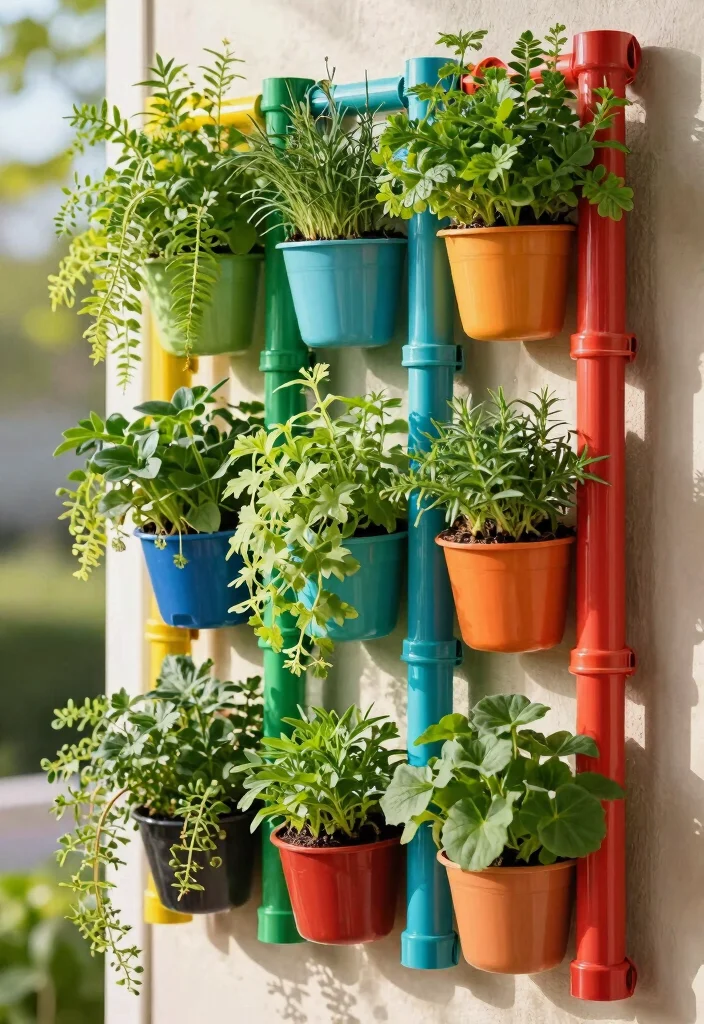
Think outside the box with PVC pipes for your vertical gardening needs! These lightweight tubes can be cut and arranged in various ways, filled with soil and plants for a unique gardening experience. This setup is especially suitable for growing herbs or trailing vegetables, making it ideal for limited spaces.
To add a personal touch, paint the pipes to match your outdoor decor for a vibrant look.
Key materials to gather:
– PVC pipes
– Paint (optional)
– Potting soil
– Your choice of plants
Steps to create your PVC pipe garden:
– Cut PVC pipes to your desired lengths.
– Secure them to a wall or structure.
– Fill with soil and plant your herbs or small veggies.
6. Ladder Garden
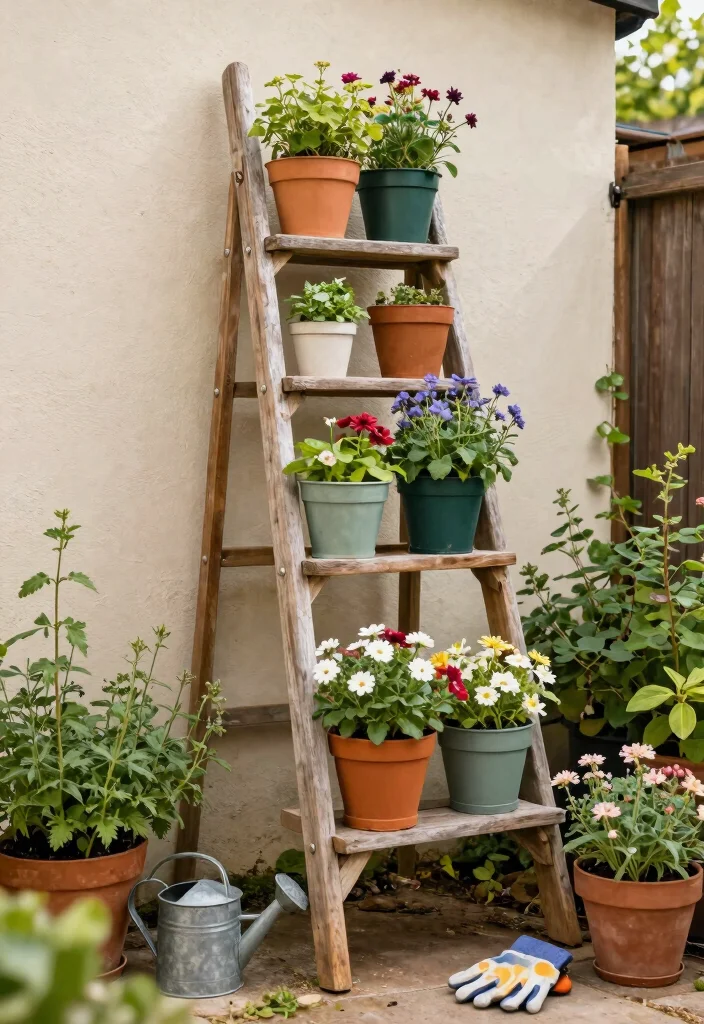
An old ladder can be a charming addition to your garden as a vertical planter. Lean it against a wall or fence and use the rungs to create shelves for your plants. This rustic approach allows you to cultivate a variety of greenery, from herbs to flowering vines.
You can paint the ladder to add personality or retain its natural wood for a vintage feel.
Important materials include:
– Old ladder
– Pots or containers
– Your choice of plants
To set up your ladder garden:
– Securely position the ladder against a wall.
– Place pots or containers on each rung.
– Fill with soil and plant as desired.
7. Gutter Garden
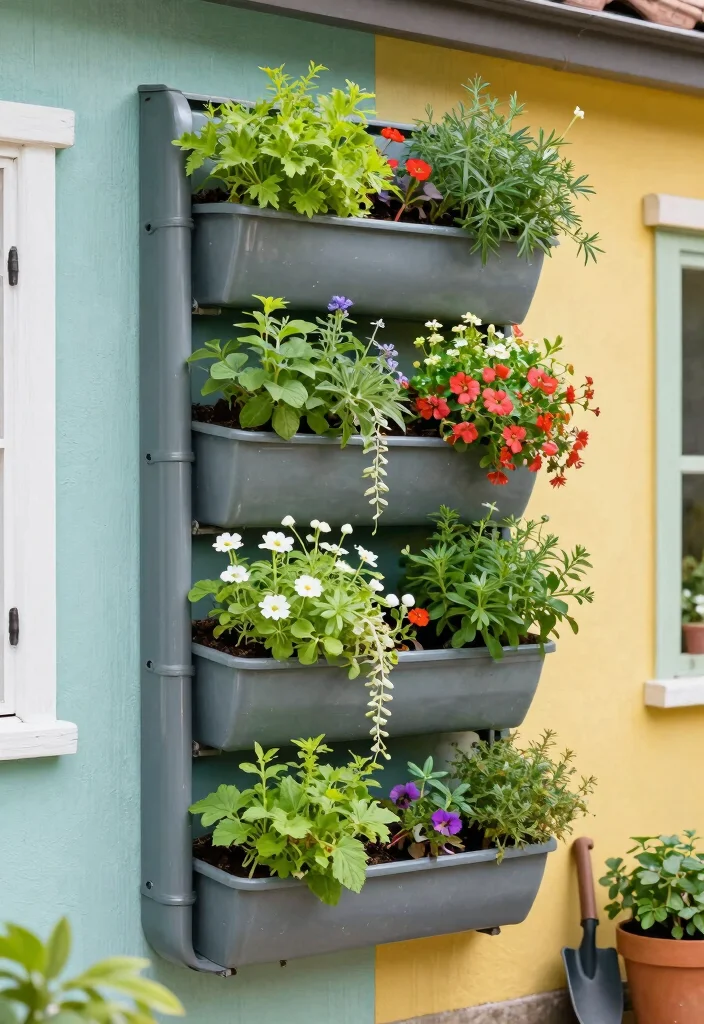
Give old gutters a new life by transforming them into stylish vertical planters. By attaching them to a wall, you can create long, narrow planters perfect for herbs or small flowers. Simply cut the gutter to your desired length, secure it, and fill with potting soil for a fresh gardening option.
This design allows for excellent drainage while maximizing your gardening space.
Materials you’ll need:
– Old gutters
– Screws and brackets
– Potting soil
– Your choice of plants
Steps to create your gutter garden:
– Cut gutters to your desired lengths.
– Attach to the wall with screws and brackets.
– Fill with soil and plant herbs or trailing flowers.
8. Wine Barrel Garden
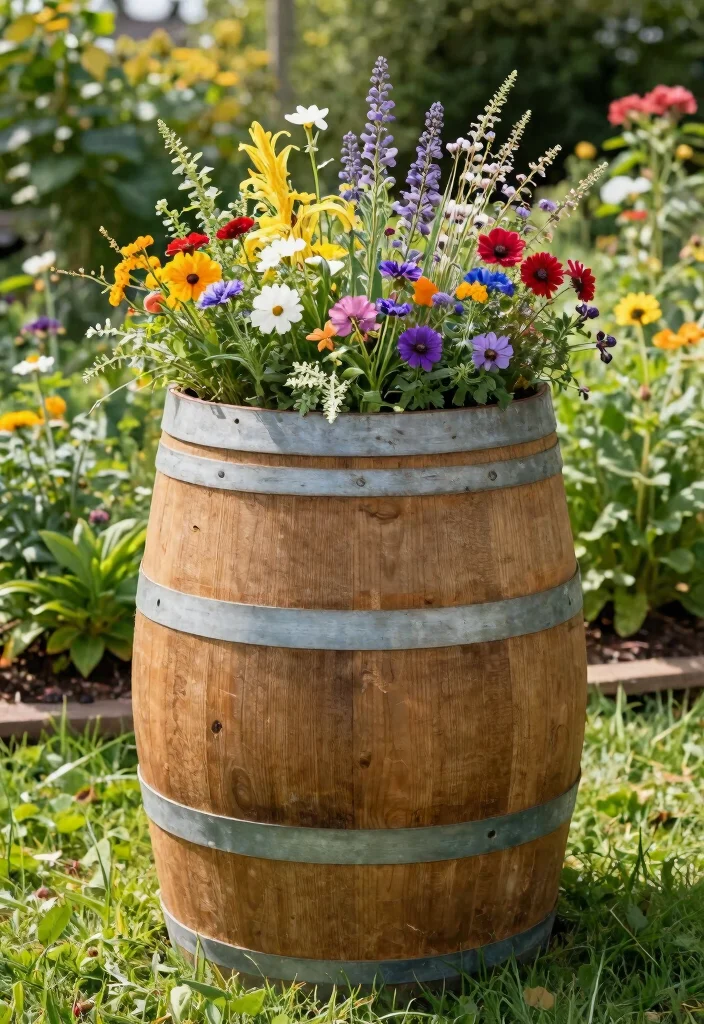
Wine barrels can add a touch of elegance to your garden. By cutting a barrel in half, you create two rustic raised beds ready for planting. These large planters retain moisture well, making them perfect for a variety of vegetables and flowers.
You can leave the barrels natural or paint them for a more polished appearance.
Gather these materials:
– Half wine barrels
– Potting soil
– Your choice of plants
Steps to create your wine barrel garden:
– Cut the barrel in half if necessary.
– Fill with potting soil.
– Plant your favorite flowers or veggies.
Fun fact: cutting a wine barrel in half creates two rustic raised beds in one compact footprint. These barrels retain moisture well, making diy raised garden bed ideas ideal for vegetables and flowers in small spaces.
9. Cinder Block Planters
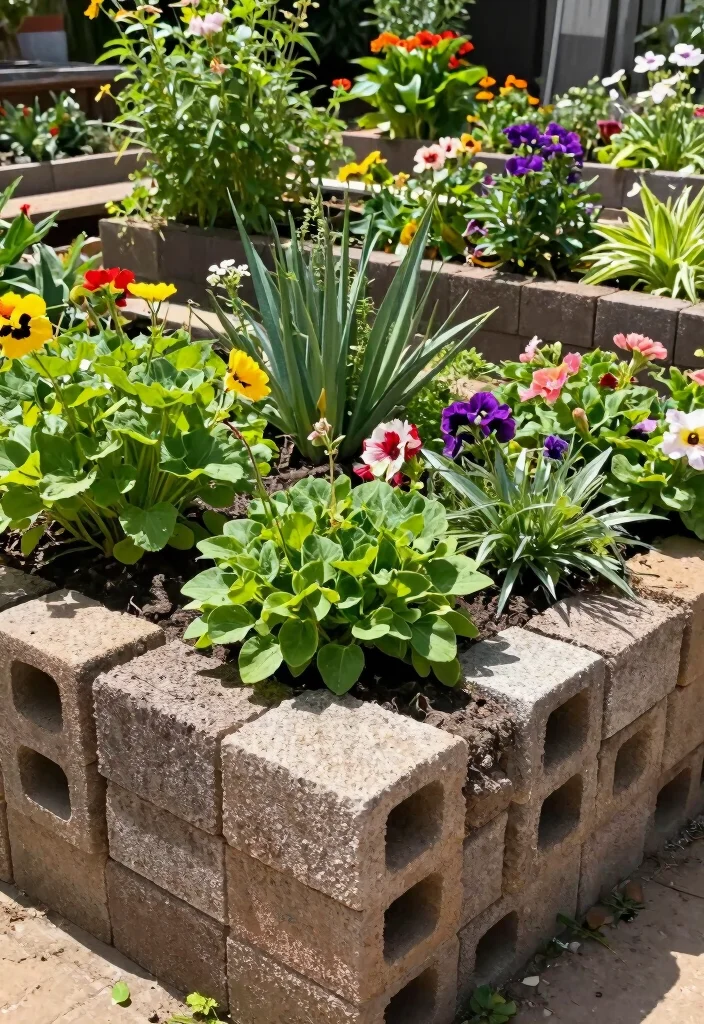
Cinder blocks are an affordable and versatile option for raised garden beds. Stack them in various configurations to create ample planting space and distinct sections for different plants. Their sturdy structure ensures easy drainage while offering a unique visual appeal.
To personalize your project, consider painting or decorating the blocks.
Required materials include:
– Cinder blocks
– Potting soil
– Your choice of plants
Steps to create your cinder block planter:
– Stack cinder blocks in your desired configuration.
– Fill with potting soil and plant accordingly.
10. Fabric Grow Bags
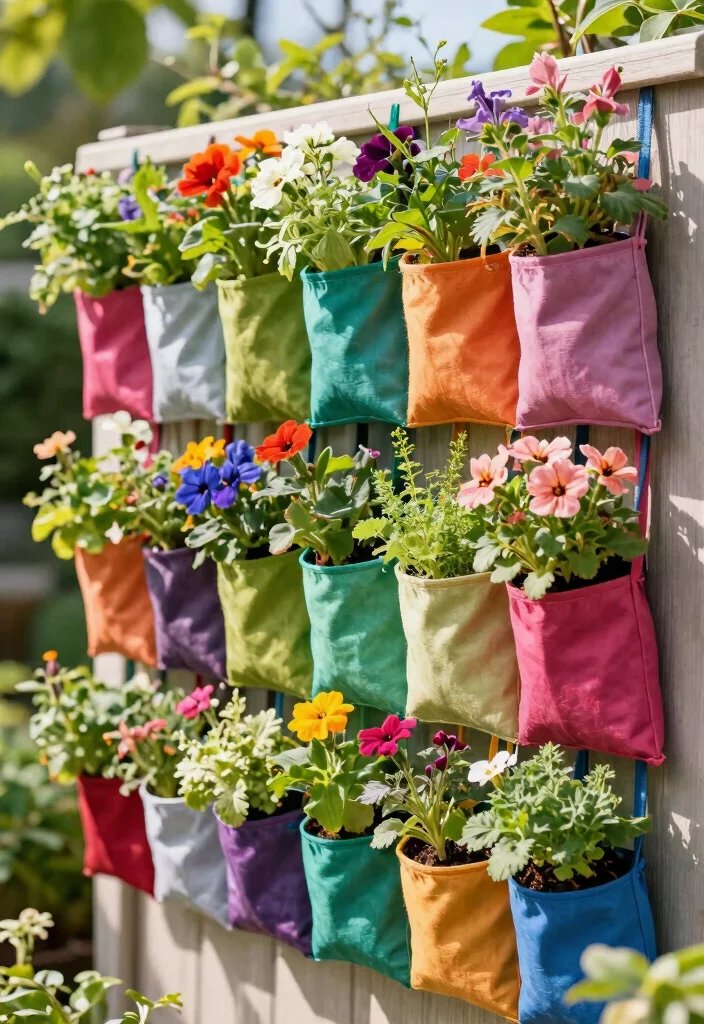
Fabric grow bags offer an innovative solution for gardening in small spaces. These breathable bags promote excellent drainage and air circulation, encouraging healthy root growth. Available in various sizes, they can be easily stacked or hung, creating a vertical garden effect.
Simply fill the bags with potting soil and your preferred plants for a flexible gardening option.
Choose dark-colored bags to retain heat in warmer climates.
Materials to gather:
– Fabric grow bags
– Potting soil
– Your choice of plants
Steps to set up your grow bags:
– Fill the bags with potting soil.
– Plant your desired plants inside.
– Water regularly and enjoy your vertical garden.
11. Vertical Wall Planters
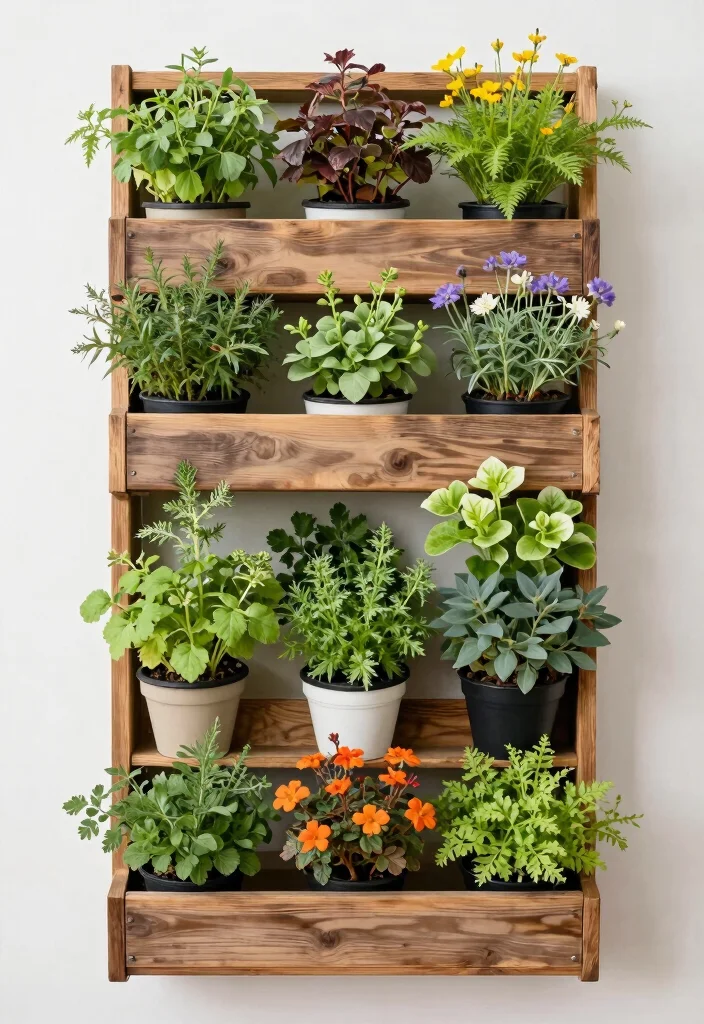
Vertical wall planters are an excellent way to create a stunning visual display in compact areas. Available for purchase or easy to build with wooden boards, these planters allow you to attach small pots directly to a wooden frame or trellis.
Maximize your gardening area and bring life to your walls with this setup, which is ideal for herbs and trailing vines that add beauty and fragrance.
Gather these materials:
– Wooden boards or a trellis
– Small pots
– Potting soil
– Your choice of plants
Steps to create your wall planters:
– Attach pots to the wooden frame or trellis.
– Fill with soil and plant your desired herbs or flowers.
Living tiny? Vertical wall planters—one of the diy raised garden bed ideas—make every inch count. Attach small pots to a trellis and watch herbs and trailing vines flourish on your compact wall, turning empty space into harvest-ready beauty.
12. Hanging Baskets
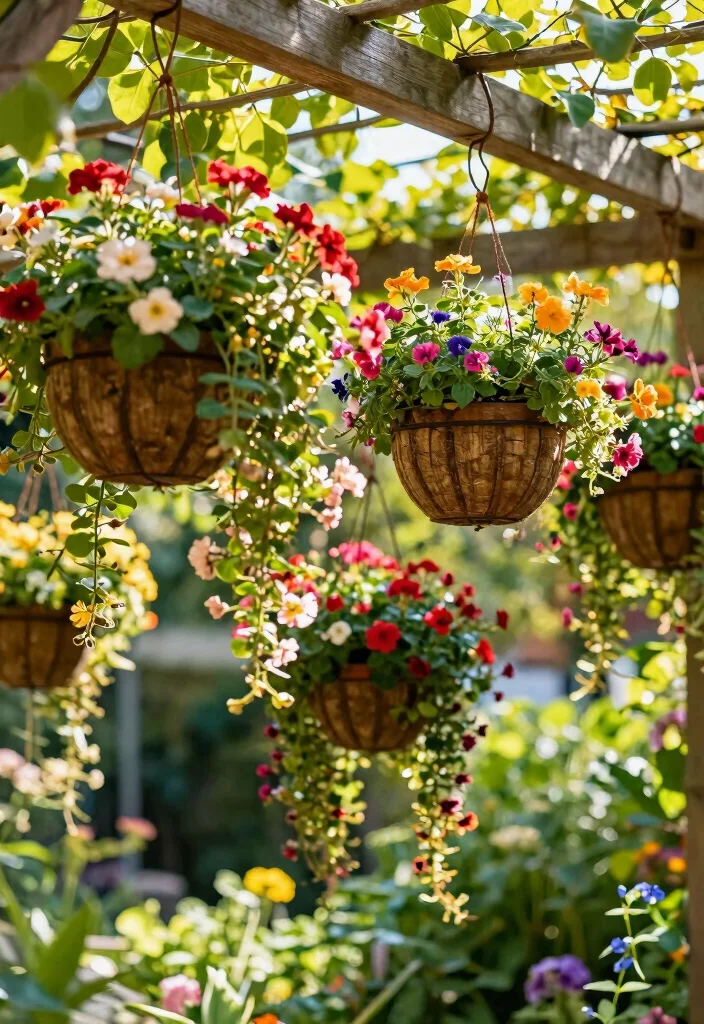
Hanging baskets provide a classic solution for gardeners with limited floor space. Choose sturdy baskets that can hold soil and plants, making them easy to hang from balconies, hooks, or beams. These baskets are perfect for trailing plants like ivy or petunias, adding vibrant bursts of color without taking up valuable ground space.
Remember to keep the baskets well-watered, as they can dry out more quickly than traditional garden beds.
Essential materials include:
– Hanging baskets
– Potting soil
– Your choice of plants
Steps to create your hanging garden:
– Fill hanging baskets with potting soil.
– Plant your desired flowers or trailing plants.
– Hang them securely in your garden space.
13. Repurposed Furniture Garden
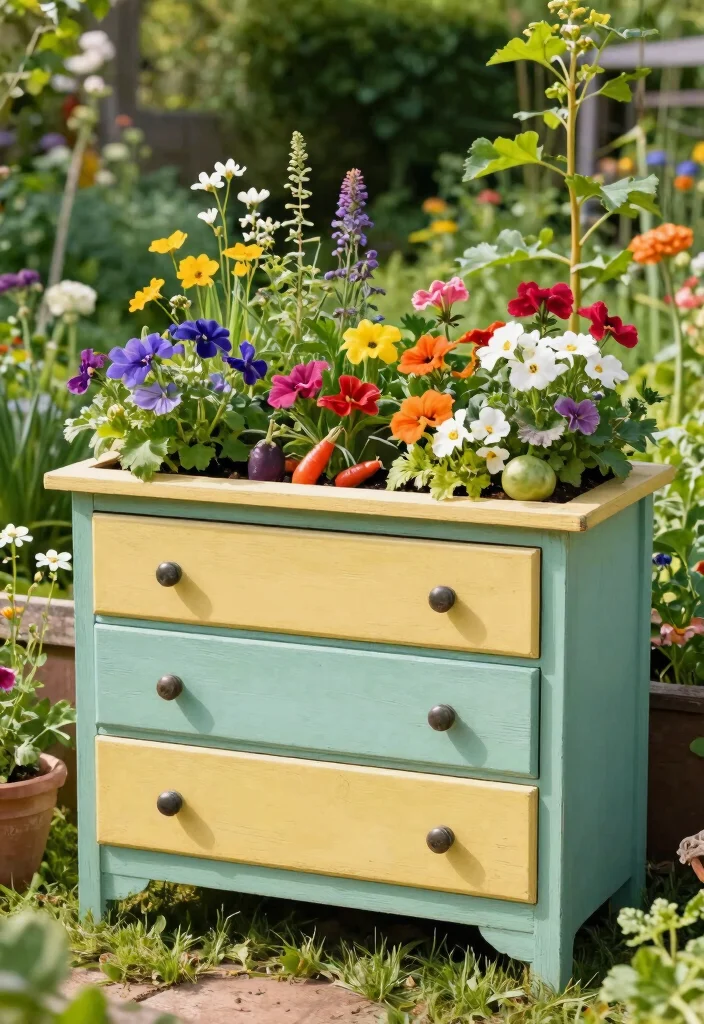
Old furniture can be a creative and charming way to create raised garden beds. Consider using an old dresser or bookshelf as vibrant planters. Remove the drawers and fill the cavities with soil to plant flowers or vegetables directly inside.
This approach not only repurposes furniture but also provides a unique focal point in your garden.
Gather these materials:
– Old furniture (dressers, bookshelves)
– Potting soil
– Your choice of plants
Steps to create your furniture garden:
– Remove drawers from the furniture.
– Fill with potting soil.
– Plant your desired flowers or veggies.
Repurposing old furniture as raised beds is a win for diy raised garden bed ideas: stylish, affordable, and space-saving. Remove the drawers, fill with soil, and plant directly—old dressers become charming planters that turn any small space into a thriving garden.
14. Vertical Ladder Shelves
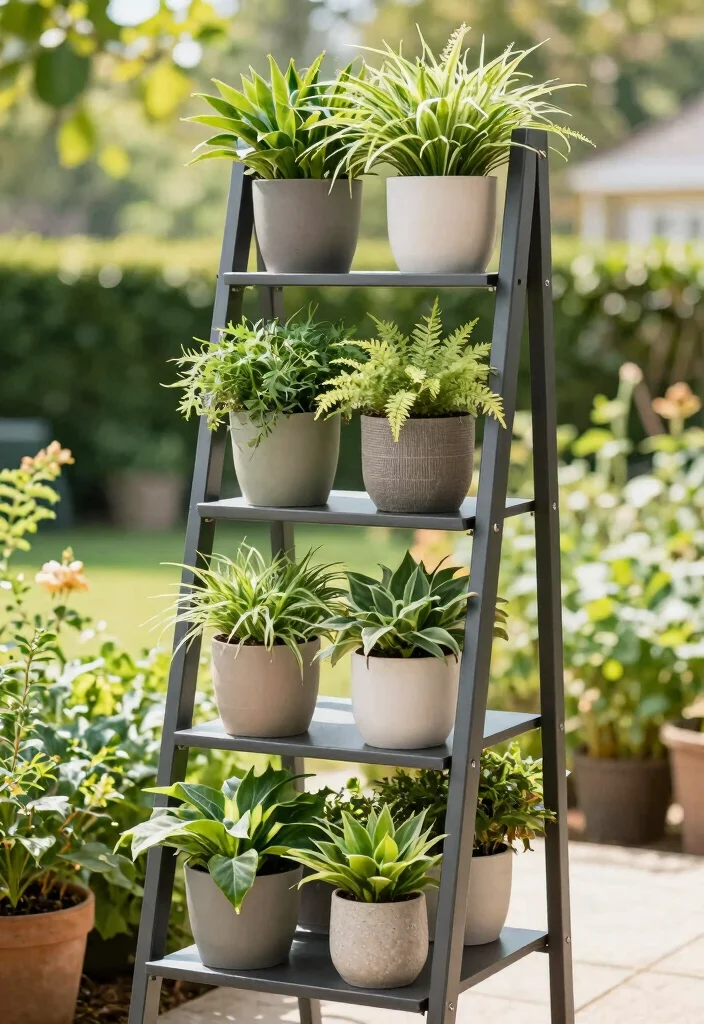
For a modern twist on vertical gardening, consider using ladder shelves. These can be easily purchased or DIYed with wood and support beams, creating tiered levels for your plants. Arrange pots on each shelf for a clean, trendy look that adds height to your garden.
This design works beautifully in both indoor and outdoor settings, allowing for easy access to your plants.
Key materials to gather:
– Ladder shelves or DIY wood
– Pots
– Potting soil
– Your choice of plants
To set up your ladder shelves:
– Assemble the ladder shelves securely.
– Place pots with soil on each shelf.
– Plant and water your greens.
Conclusion
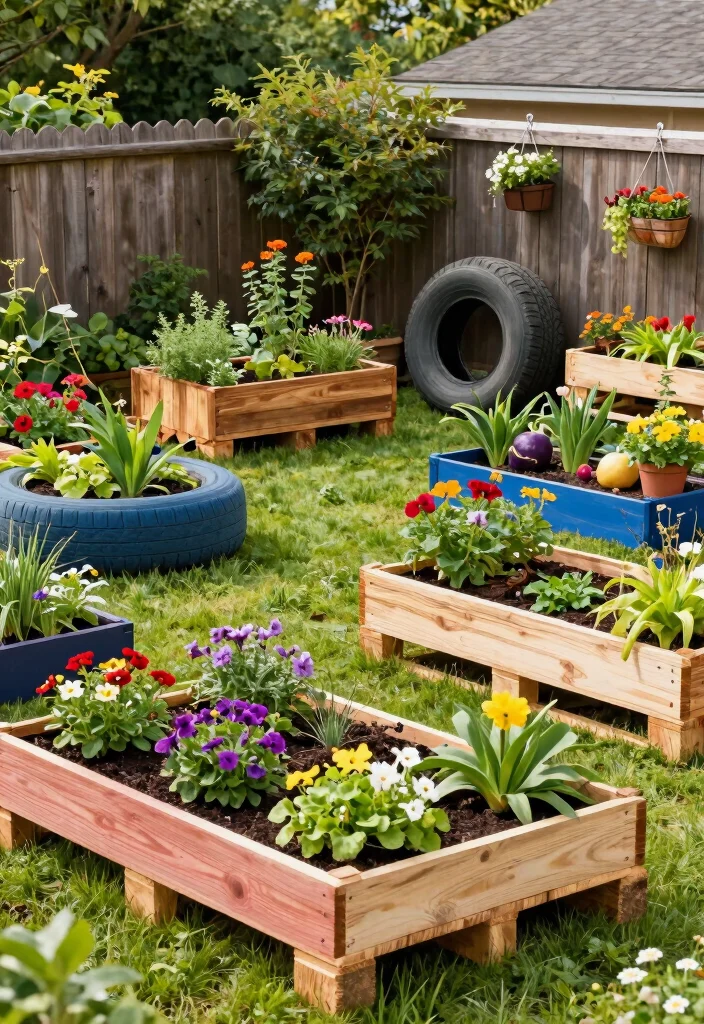
Embracing DIY raised garden beds not only enhances your gardening experience but also allows you to express your creativity.
Each project featured here is budget-friendly and perfect for small spaces, making gardening accessible to everyone.
So, gather your supplies, unleash your creativity, and start cultivating a beautiful garden that reflects your unique style!
Frequently Asked Questions
What are some practical diy raised garden bed ideas for small spaces?
Compact spaces deserve clever solutions. Try a vertical diy raised garden bed idea like a ladder planter against a wall, a fence-mounted pocket garden, or a stack of cinder blocks with soil pockets.
For a simple start, target beds around 4×2 feet with about 8–12 inches of soil depth for herbs and leafy greens. Use a balanced soil mix (topsoil, compost, and coconut coir) and fill from the bottom to reduce waste.
Re-use materials when possible—weathered pallets, cedar boards, or concrete blocks can keep costs down. Finish with a simple irrigation plan to keep plants hydrated and thriving.
Which budget-friendly materials and raised garden bed plans help cut costs without compromising durability?
Look for inexpensive, durable options like untreated or responsibly sourced wood, concrete blocks, galvanized steel, or repurposed shipping pallets.
Sketch your raised garden bed plans on paper first and keep beds modest in size to minimize material waste. Use off-cuts for trim, line the bed to prevent rot, and consider using a simple soil mix (topsoil + compost) to reduce expensive amendments.
Tip: build in modules that can be expanded later, and choose materials that don’t require heavy maintenance for long-term savings.
How can I implement vertical garden ideas using diy raised beds for a small patio?
Vertical garden ideas are perfect for tiny spaces. Create a freestanding vertical bed from a recycled pallet, or mount modular planters on a fence or wall. Lean a shallow ladder bed against a wall for easy access and good airflow.
Use fabric garden sleeves or pocket planters for herbs, greens, and compact flowers. Integrate a trellis with climbing plants to maximize growing space without widening your footprint.
Pair these with drip irrigation to keep everything hydrated with minimal effort.
What maintenance tips and easy DIY garden projects can keep raised beds productive year after year?
Mulch regularly to conserve moisture and suppress weeds. Install a simple drip irrigation line or soaker hose to reduce water waste.
Line beds with a breathable liner if you’re concerned about soil leaching, and rotate crops each season to preserve soil health. Seal or repaint wood periodically to protect against moisture, and replant or refresh with compost and mulch when needed.
Start small with staged upgrades you can complete in a weekend, keeping budget gardening tips in mind.
How do I design a custom garden designs plan that fits my space using budget gardening tips and diy raised garden bed ideas?
Begin by measuring your space, noting sun exposure and drainage. Choose bed shapes and depths that suit what you want to grow and how you’ll access them. Sketch a custom garden designs layout that prioritizes accessibility and airflow, then pick affordable materials and plan phased builds to spread costs.
Incorporate vertical elements, like ladder beds or wall planters, to maximize small-space gardening. Use budget gardening tips such as repurposed containers and salvaged hardware, and keep diy raised garden bed ideas flexible so you can adjust as your needs evolve.