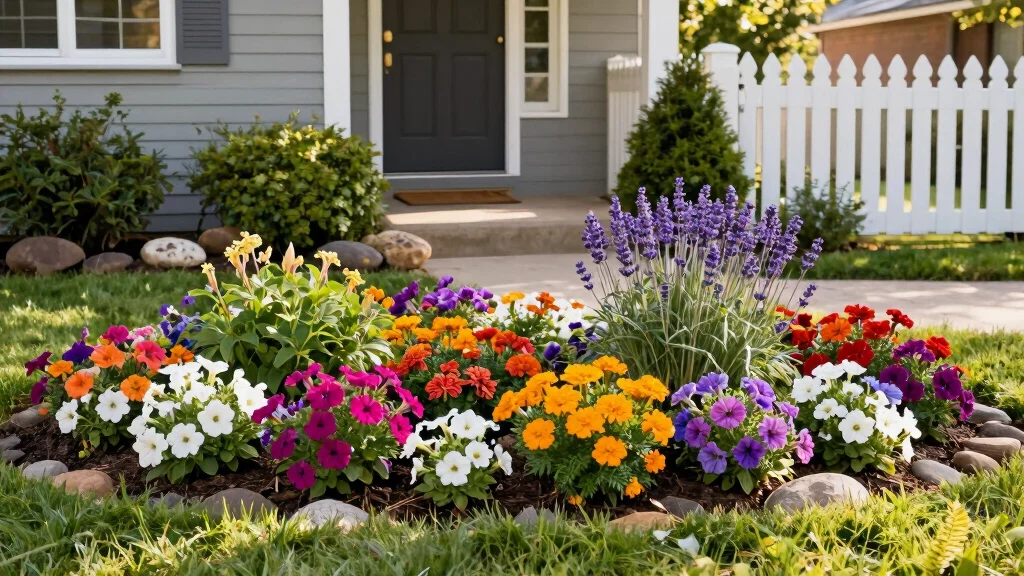
Creating a beautiful front flower bed can truly transform your home’s curb appeal. With the right flowers and design, you can make your house a welcoming sight for guests and passersby. I wanted to put together this guide to help busy homeowners like you find low-maintenance yet stunning front flower bed ideas that fit your lifestyle. After all, who doesn’t want a pretty front yard without spending their entire weekend tending to it?
If you’re someone who loves gardening but struggles to find the time, this post is for you. You’ll discover 12 front flower bed ideas that are easy to maintain and packed with color. Each suggestion aims to inspire and equip you with practical designs that bring your home to life. Get ready to dive into vibrant flower combinations, seasonal planting tips, and clever garden border ideas that will make your front yard the envy of the neighborhood.
By the end of this article, you’ll have a wealth of ideas to choose from. Whether you’re after perennial powerhouses or colorful flower combinations, I’ve got you covered. Let’s get started on creating that charming curb appeal you’ve been dreaming of!
Key Takeaways
– Discover 12 low-maintenance front flower bed ideas that enhance curb appeal while fitting a busy lifestyle.
– Explore perennial powerhouses that bloom year after year with minimal effort.
– Learn about drought-resistant flowers that thrive during dry spells, saving you time and water.
– Find tips for seasonal flower planting that keep your front yard colorful throughout the year.
– Get creative with garden border ideas and container gardens that add charm without requiring extensive upkeep.
1. Perennial Powerhouses
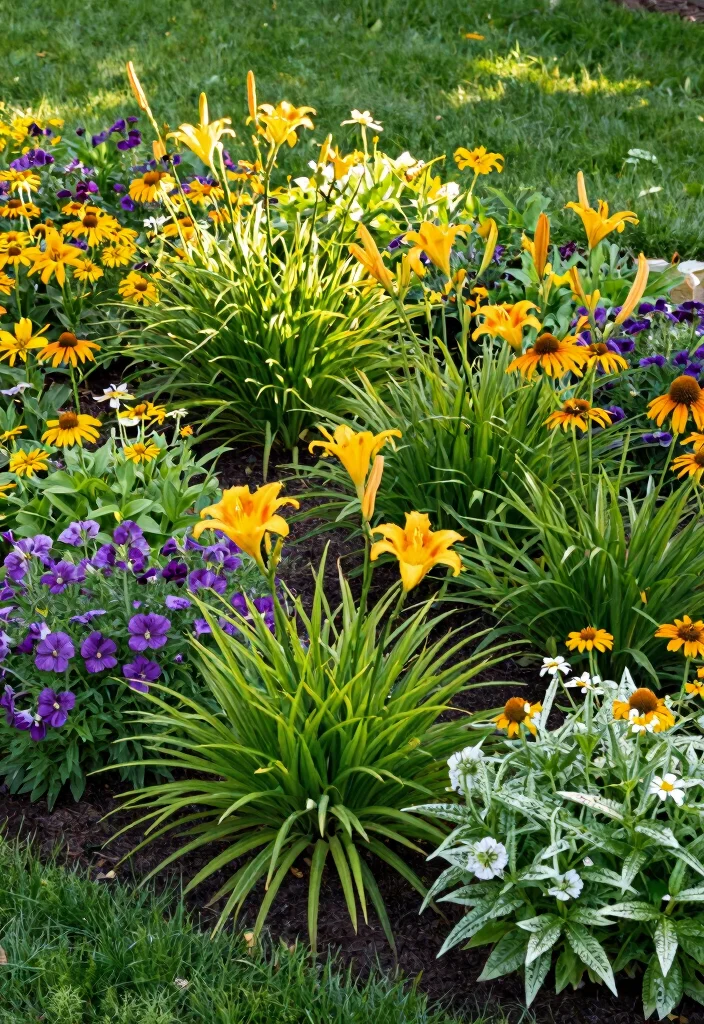
If you’re looking for a flower bed that thrives with little effort, perennials are your best bet. These resilient plants return year after year, offering beautiful blooms without the hassle of replanting. Varieties like daylilies, coneflowers, and black-eyed Susans add vibrant colors to your garden with ease.
Start by selecting a sunny spot and ensure they have enough room to flourish. Grouping them together creates a stunning visual effect that draws the eye. For a flourishing flower bed, use mulch to keep moisture in and weeds out.
Key tips for planting perennials:
– Choose a sunny spot for optimal growth.
– Space plants to avoid overcrowding.
– Use mulch to retain moisture and suppress weeds.
– Mix various heights for added interest.
– Select flowers that bloom at different times for continuous color.
This strategy will allow your garden to showcase beauty effortlessly, making your front yard a welcoming sight year after year.
How To Choose the Right Front Flower Bed Ideas
Creating a stunning front flower bed can greatly enhance your home’s curb appeal. With so many options available, selecting the right design for your space can feel overwhelming. Here’s a guide to help you choose the best front flower bed ideas that align with your lifestyle and aesthetic preferences.
1. Consider Your Space
Before you start planning your flower bed, take a good look at the area. Measure the length and width where you want to plant. Think about how much sunlight the area receives throughout the day. A flower bed in full sun will require different plants than one with partial or full shade. This initial assessment will guide your flower bed design decisions and help you decide on plant types.
2. Choose the Right Flowers
Once you know your space, it’s time to pick flowers. Think about the color palette you want to achieve. Do you want bright, colorful flowers for a cheerful look or soft pastels for a more subdued effect? Make sure to select flowers that thrive in your climate. For low-maintenance options, consider perennials that come back year after year, such as daylilies or coneflowers. If you enjoy seasonal change, plan for annuals that can be swapped out throughout the year, like petunias or marigolds.
3. Think About Maintenance
As a busy homeowner, you want a flower bed that requires minimal upkeep. Choose plants that are drought-resistant or native to your area, as they often need less water and care. Group plants with similar watering needs together to simplify maintenance. Don’t forget to consider mulch to help retain moisture and suppress weeds, which can save you time and effort.
4. Plan for Seasonal Changes
When selecting your flower bed design, think about how it will look throughout the seasons. You can mix perennials with annuals to ensure there’s always something blooming. For example, plant spring bulbs like tulips alongside summer blooms, such as daisies. This strategic layering will keep your flower bed looking fresh and vibrant all year long.
5. Add Structure and Borders
To make your front flower bed visually appealing, consider incorporating borders or edging materials. This can include stones, brick, or even decorative fencing. Borders not only define the space but also provide a neat, finished look. Additionally, adding height with taller plants in the back and shorter plants in the front creates depth and interest in your flower bed.
6. Personalize Your Design
Finally, make your flower bed uniquely yours. Think about incorporating decorative elements like garden art, stepping stones, or even a small bench. These personal touches help create a welcoming atmosphere that reflects your style. You might also consider adding a container garden for versatility, allowing you to easily change plants as seasons or trends change.
Pro Tip: Grab a sketch pad and draw out your flower bed design before planting. This visual plan will help you organize your space better and make adjustments as needed. Also, don’t rush the planting process. Take your time to ensure plants are spaced correctly to allow for growth.
By considering your space, selecting the right flowers, focusing on maintenance, planning for seasonal changes, adding structure, and personalizing your design, you can create a beautiful front flower bed that enhances your curb appeal and fits your busy lifestyle. Happy gardening!
2. Drought-Resistant Delights
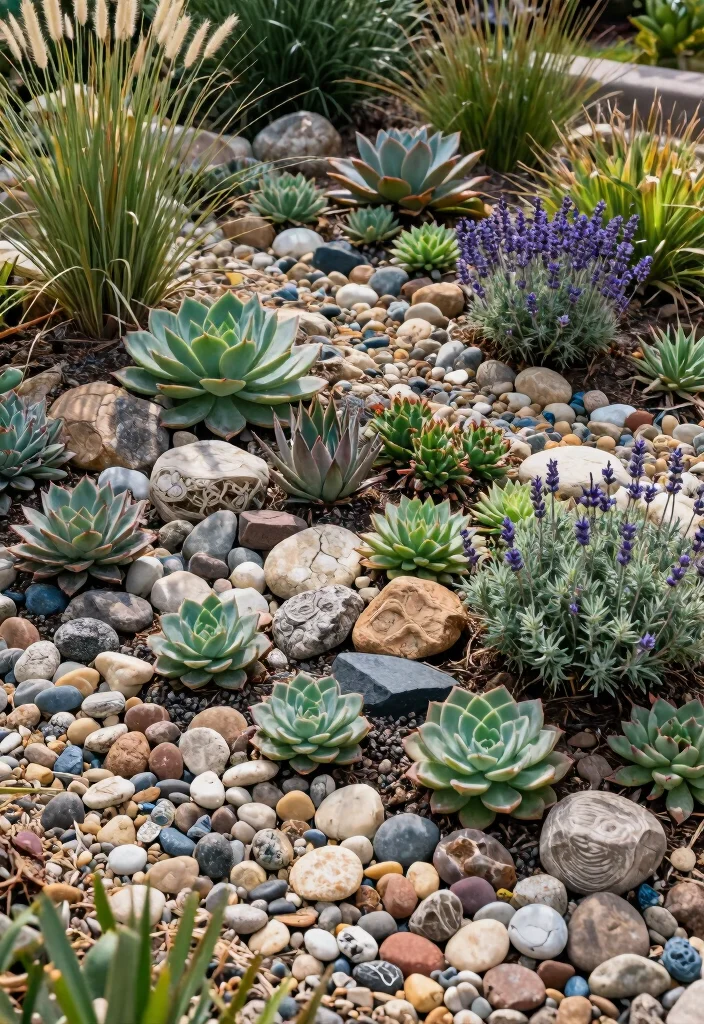
If your region faces dry spells or you have a busy lifestyle, drought-resistant flowers can be a game changer. Plants like succulents, sedums, and lavender not only conserve water but also bring unique textures to your flower bed. These hardy beauties will remain stunning even in challenging conditions.
Consider integrating them into a rock garden or combining with gravel to create a modern aesthetic. Focus on providing good drainage and grouping them for a cohesive look.
Helpful planting strategies include:
– Prepare soil for excellent drainage.
– Group plants together for visual harmony.
– Add decorative stones to enhance aesthetics and drainage.
– Combine different shapes of succulents for a dynamic display.
– Pair with ornamental grasses for movement and texture.
This approach not only simplifies your gardening routine but also creates a beautiful, low-maintenance display that thrives in any climate.
3. Edible Flower Gardens
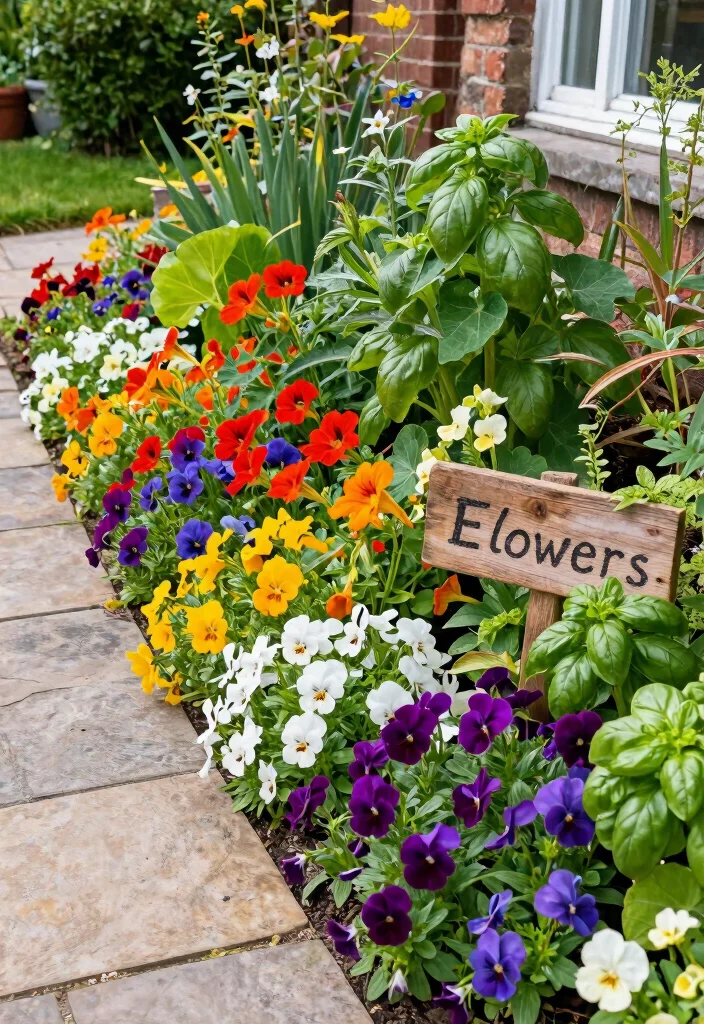
Why not mix beauty with functionality in your front flower bed? Edible flowers like nasturtiums and pansies not only add vibrant color but also serve as delightful additions to your meals. Imagine incorporating these blooms into salads or garnishing your dishes with them, creating a feast for the eyes and palate.
Plant them alongside traditional flowers or in a raised bed for maximum impact. Ensure they receive plenty of sunlight and good drainage for best results.
Essential tips for growing edible flowers:
– Select organic seeds for healthier blooms.
– Ensure plenty of sunlight and well-drained soil.
– Regularly deadhead to encourage continuous blooming.
– Pair with herbs like basil for added fragrance.
– Use them in seasonal decorations or culinary creations.
This approach not only beautifies your space but also enriches your meals, making your garden both appealing and practical.
4. Seasonal Switch-Ups
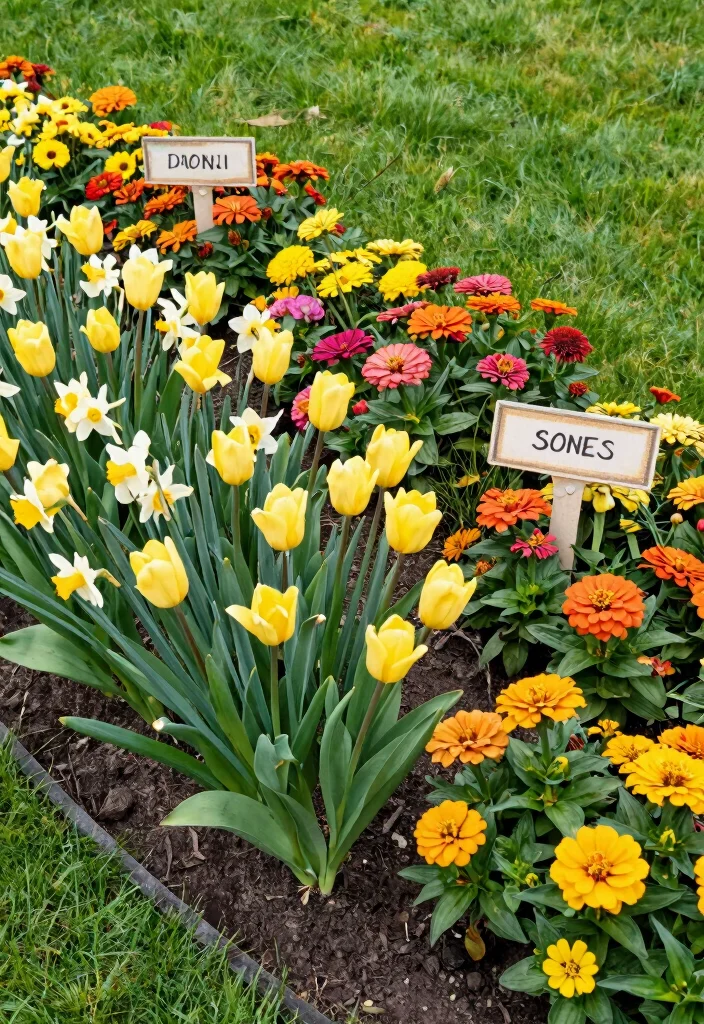
Why settle for a single seasonal look when you can enjoy changing blooms all year? By planting a mix of annuals and perennials that bloom in different seasons, your flower bed can stay fresh and vibrant throughout the year. Spring tulips give way to summer zinnias, while fall brings cheerful mums.
This rotation keeps your garden lively without the hassle of frequent changes. Planning your layout ahead of time helps maintain order as seasons shift.
Tips for effective seasonal planting:
– Sketch a layout for seasonal changes.
– Label your flowers for easy maintenance.
– Include foliage plants for interest year-round.
– Use plant markers to track blooms.
– Aim for color schemes that reflect each season’s palette.
This method not only enhances your curb appeal but also allows you to enjoy a dynamic garden that evolves with the seasons.
5. Low-Maintenance Perennials with Pop
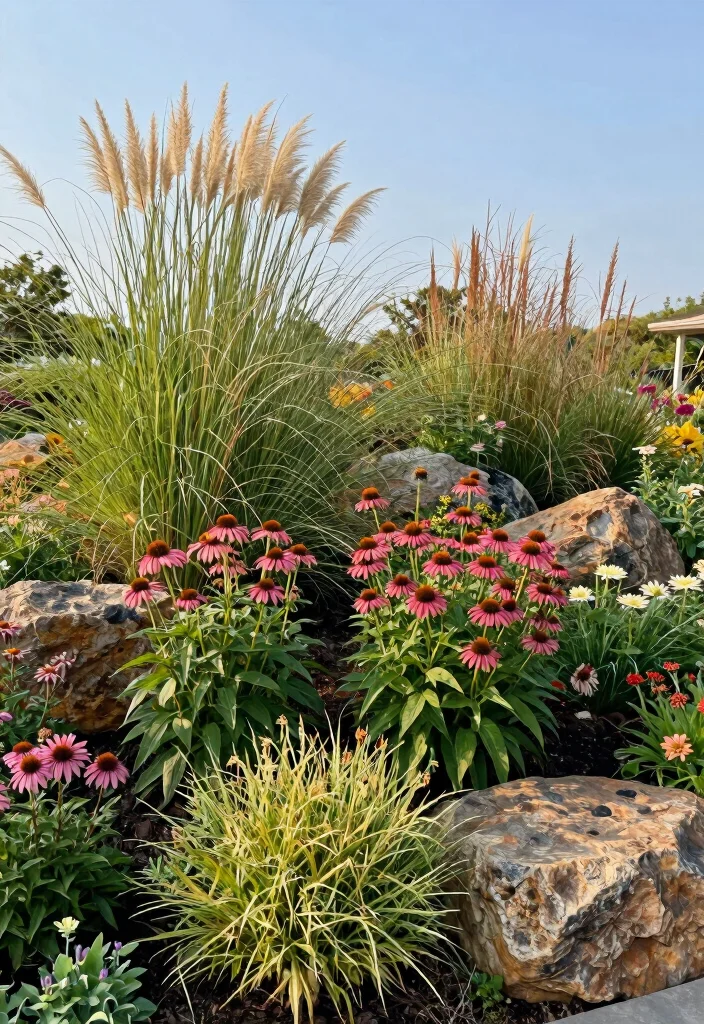
If you prefer stunning flowers that require little upkeep, focus on bold and unique perennials. Plants like echinacea, Russian sage, and ornamental grasses provide striking visuals with minimal effort. These resilient options make a great first impression on anyone visiting your home.
Incorporate them into your front flower bed for a lasting impact. Consider planting in odd numbers for a natural look and layering heights for depth.
Effective planting strategies include:
– Use odd numbers for a natural appearance.
– Layer heights for visual appeal.
– Apply mulch for moisture retention.
– Add rocks or driftwood for texture.
– Choose a color palette that complements your home’s exterior.
This approach will give your garden a polished and vibrant feel, making it a standout feature of your home.
“Fun fact: Planting 3–5 bold perennials like echinacea, Russian sage, and ornamental grasses gives you nonstop color with minimal upkeep. Use odd-number groupings and layered heights to create instant depth—your front flower bed ideas will welcome visitors all season.”
6. Monochromatic Magic
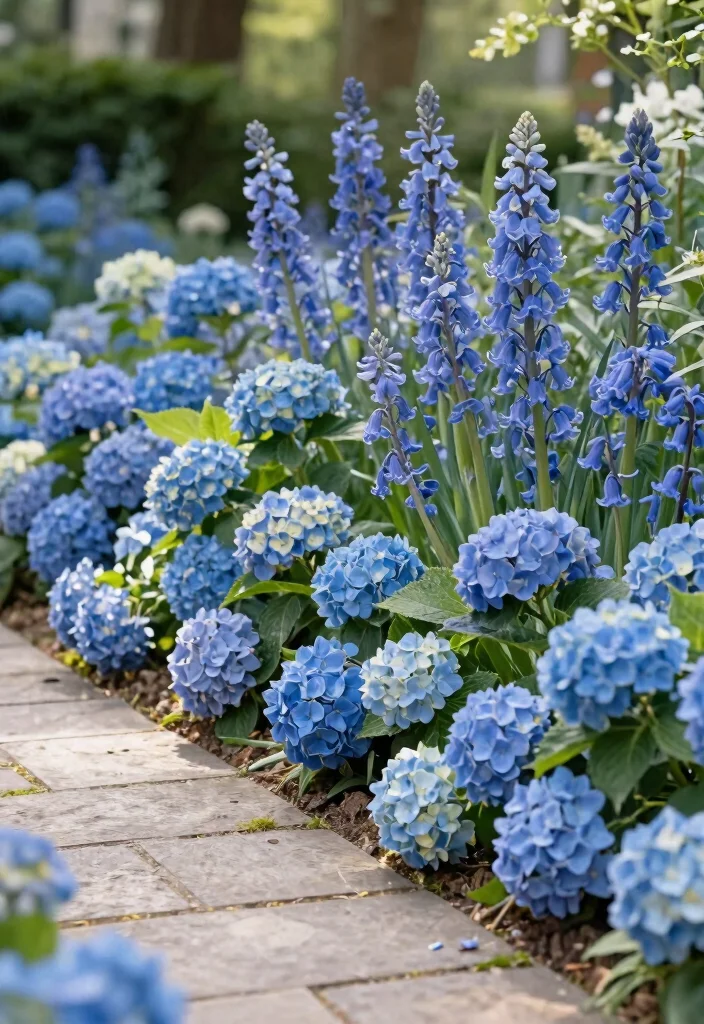
Experience the beauty of a monochromatic flower bed! By selecting a single color, you can create a cohesive and sophisticated look. Shades of blue from hydrangeas, delphiniums, and bluebells can transform your front yard into a peaceful retreat.
This design not only looks elegant but also creates a calming effect. Mixing various textures and heights keeps the garden visually interesting.
Smart design tips include:
– Combine different leaf shapes for texture.
– Use varying heights to add depth.
– Contrast with hardscapes like stone paths.
– Incorporate seasonal variations for year-round interest.
– Add decorative items that match your color theme.
This strategy will turn your front yard into a tranquil oasis while ensuring seasonal freshness and visual appeal.
7. Border Beauties
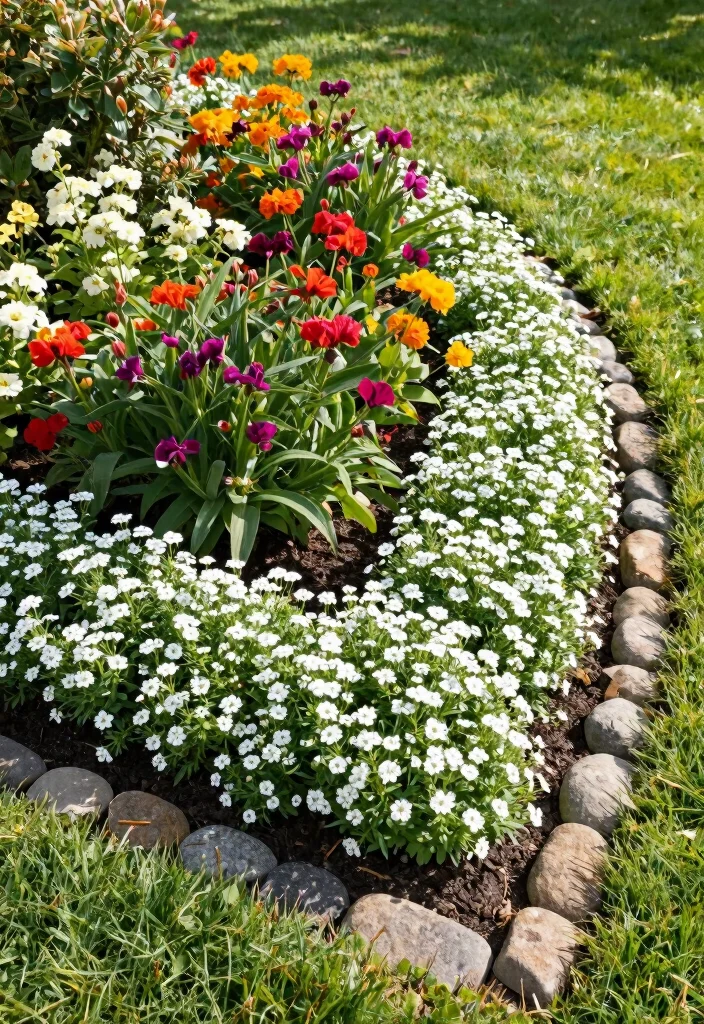
Garden borders can beautifully define your space while adding charm. Using low-growing flowers like alyssum and sweet woodruff creates a welcoming frame for your flower bed. These border beauties enhance your garden’s structure and add cheer.
Choose hardy flowers that can withstand foot traffic and define the border with stones or a small fence. This creates a clean and polished look.
Helpful installation tips:
– Select resilient flowers for enduring beauty.
– Clearly define borders for a neat appearance.
– Rotate flowers for seasonal freshness.
– Pair border plants with taller flowers for dimension.
– Consider aromatic plants for added sensory appeal.
This approach not only enhances your flower bed but also creates a lovely, inviting atmosphere for guests.
Borders are the welcome mat for your home. Use hardy, low-growing blooms like alyssum and sweet woodruff to frame your front flower bed ideas, then finish with stones or a small fence for a clean, lasting edge. Busy homeowners, this border boosts curb appeal with minimal effort.
8. Container Gardens
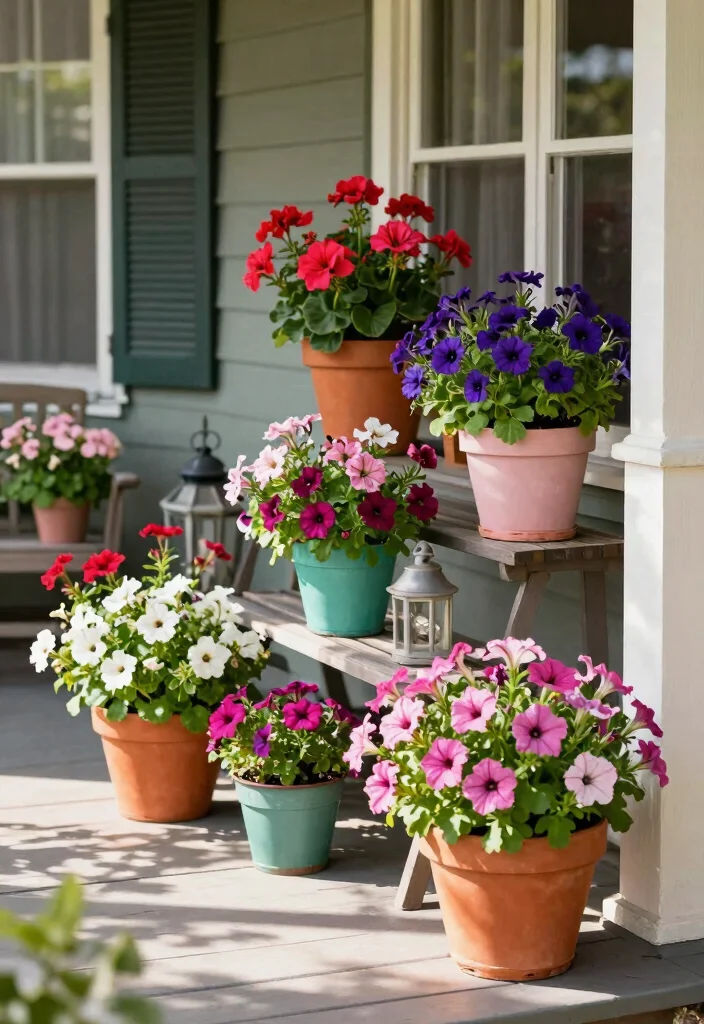
If you’re short on ground space, container gardens offer a fantastic solution. Large pots filled with vibrant flowers can brighten up walkways or stairs while requiring minimal care. Flowers like petunias, geraniums, and impatiens are perfect for this setup.
Arrange them by height and color for a stunning display. Using high-quality potting soil ensures they thrive, while pots that match your home’s style enhance the aesthetic.
Essential container tips:
– Choose high-quality soil for best results.
– Pick pots that complement your architecture.
– Ensure proper drainage to protect roots.
– Vary container heights for interest.
– Rotate plants seasonally for freshness.
This method allows you to enjoy beautiful blooms even in limited spaces, adding vibrancy and charm to your home.
9. Vertical Gardens
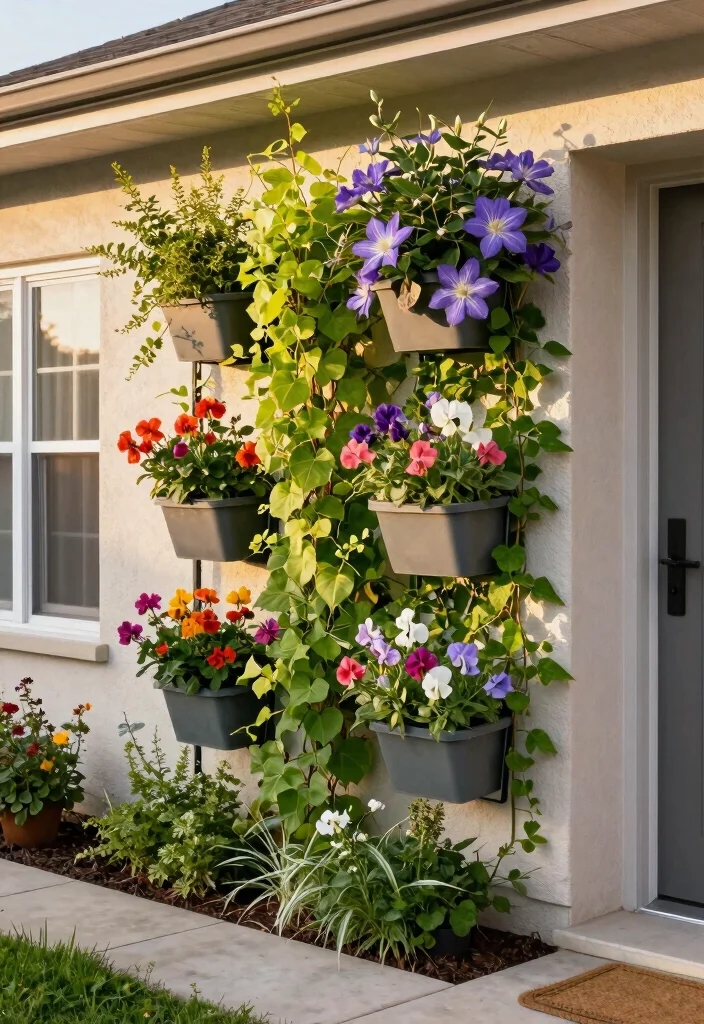
Maximize your space by creating a vertical garden! This is an excellent option for smaller front yards where traditional beds may not fit. Using climbing plants like clematis or sweet peas creates a lush backdrop that brightens your exterior.
Incorporating wall-mounted pots can add color and dimension to your space. Ensure your climbing plants have sturdy supports and mix them with various bloom times for continuous beauty.
Key installation tips include:
– Use strong supports for climbers.
– Combine plants with staggered bloom times.
– Ensure adequate sunlight for all.
– Add trailing plants for a cascading effect.
– Consider a drip irrigation system for easy watering.
This strategy transforms your vertical space into a vibrant garden, making your home more inviting.
10. Wildlife-Friendly Flowers
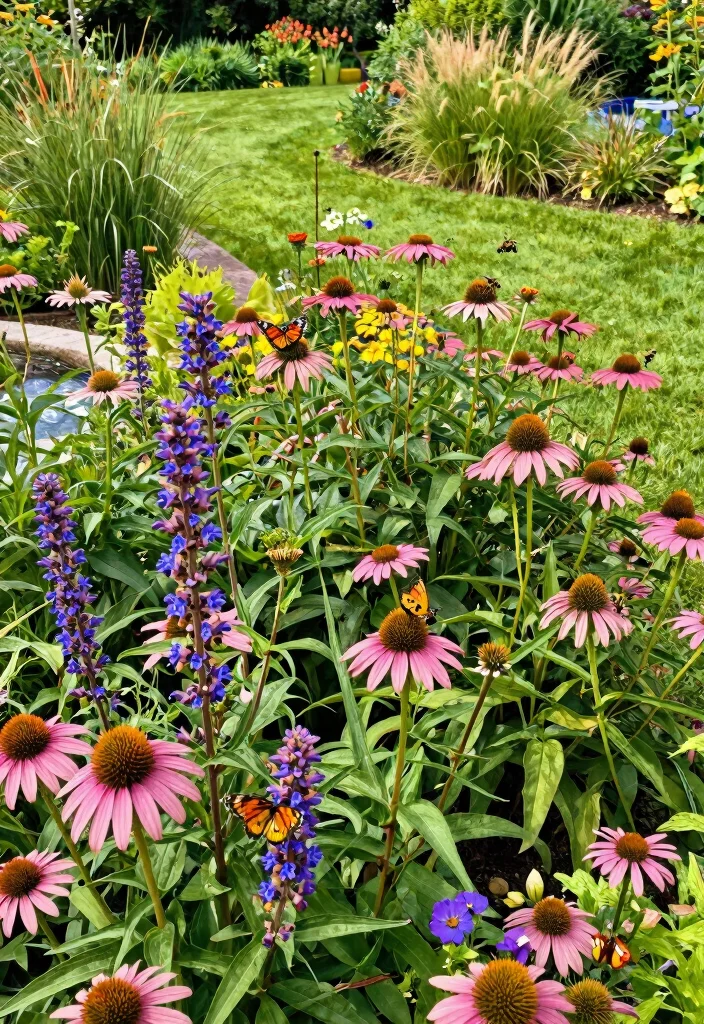
Encouraging local wildlife can bring beauty and ecological benefits to your garden. By planting native flowers that attract bees, butterflies, and hummingbirds, you create a vibrant ecosystem. Flowers like bee balm, echinacea, and milkweed not only add color but also support biodiversity.
This not only enhances your garden’s charm but also encourages wildlife to thrive. Plant a variety that blooms at different times and avoid pesticides to protect pollinators.
Helpful planting tips:
– Include flowers that bloom at various times.
– Avoid chemicals to protect beneficial insects.
– Add a water source for visiting wildlife.
– Create small habitats to attract more creatures.
– Use organic fertilizers for healthy plants.
This approach enriches your garden while creating an inviting habitat for local wildlife.
Fun fact: native, wildlife-friendly flowers can attract up to 30% more pollinators with minimal maintenance. Choose bee balm, echinacea, and milkweed to boost biodiversity in your front flower bed ideas and create a thriving, low-effort habitat.
11. Colorful Flower Combinations
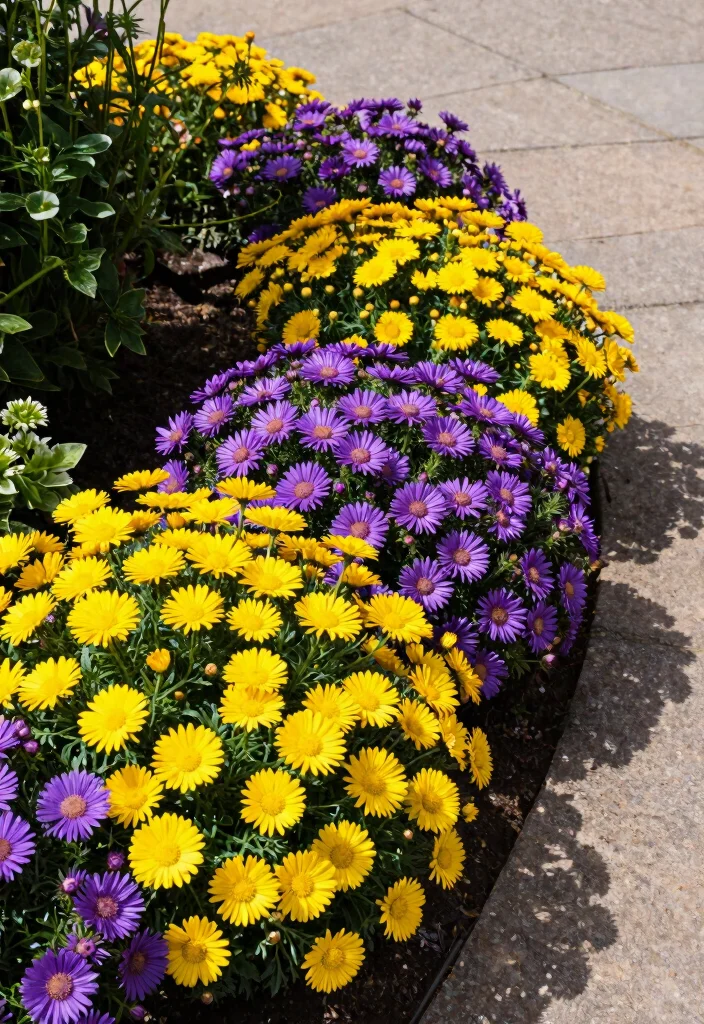
Dive into the world of color theory by crafting flower beds with bold, complementary colors. Pair yellows with purples or reds with greens to create a lively and inviting front yard. Mixing annuals and perennials can keep your colors fresh and engaging throughout the growing season.
This vibrant palette not only beautifies your home but also creates a cheerful atmosphere. Focus on contrasting colors for visual impact, and plan arrangements that allow taller flowers to stand behind shorter ones.
Smart design tips include:
– Use contrasting colors for a striking effect.
– Plan for height variations in your arrangements.
– Regularly deadhead to keep colors vivid.
– Consider seasonal changes for dynamic palettes.
– Experiment with shapes and patterns for intrigue.
This method will bring your flower bed to life, making it a stunning focal point in your landscaping.
12. Year-Round Appeal with Evergreens
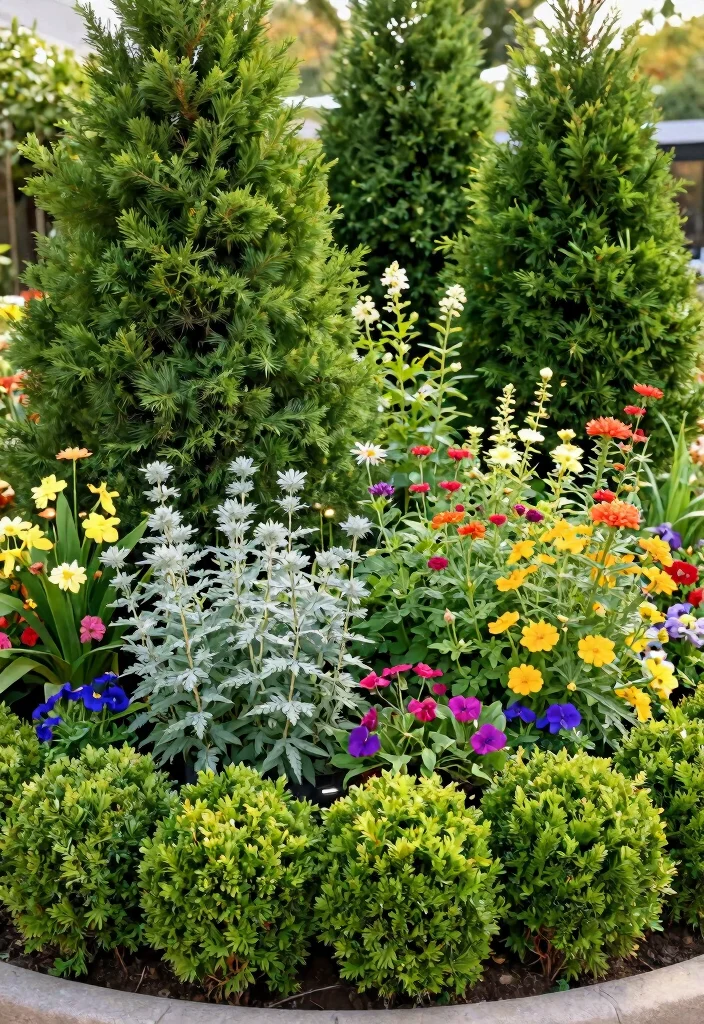
Evergreen plants are perfect for maintaining visual interest in your flower bed throughout the seasons. Varieties like boxwood and junipers provide a lush green backdrop that beautifully complements seasonal blooms. These plants require minimal care while ensuring your garden looks vibrant all year.
Incorporate them as structural anchors in your design, and mix in seasonal flowers for added color. Regular pruning will help maintain their shape and size.
Effective planting strategies:
– Use evergreens as foundational elements.
– Combine with seasonal flowers for variety.
– Prune regularly to keep shapes tidy.
– Add seasonal decorations for winter charm.
– Pair with colorful annuals for striking contrast.
This approach ensures your flower bed remains an attractive feature, providing year-round beauty and interest.
Conclusion
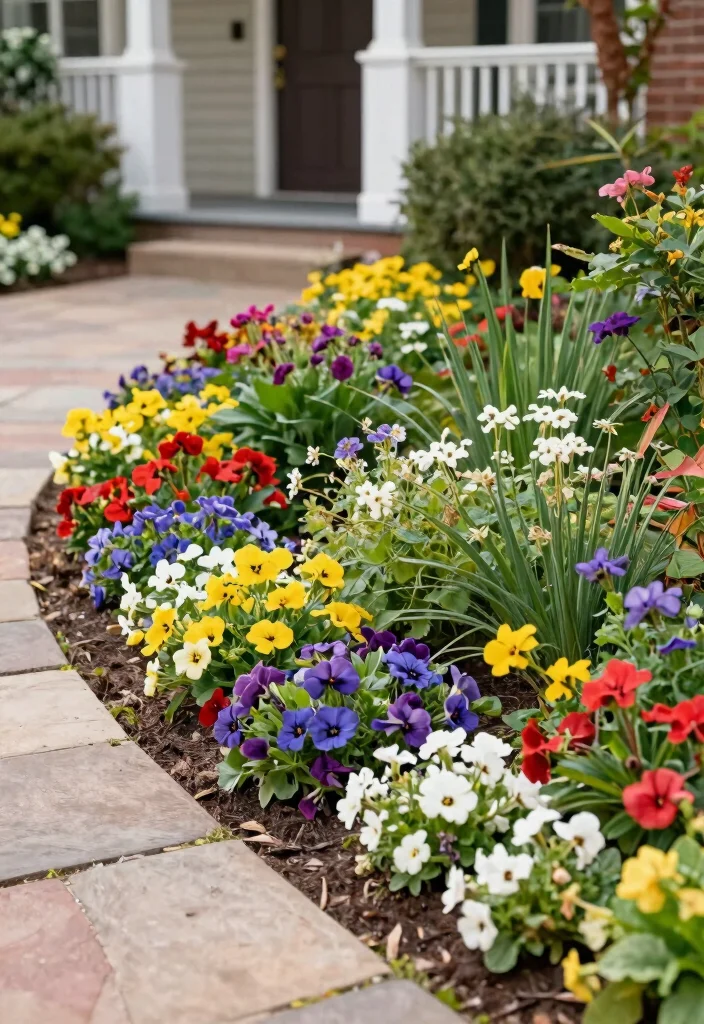
Creating a welcoming front flower bed is all about combining beauty with practicality.
From low-maintenance perennials to colorful seasonal arrangements, there are endless options to enhance your curb appeal.
Consider these ideas as a foundation to inspire your unique garden design, making your home the most inviting on the block.
Frequently Asked Questions
What are some easy front flower bed ideas for busy homeowners to boost curb appeal?
Busy homeowners can still create beautiful curb appeal with simple, reliable options. Start with a cohesive color palette, a clear focal point, and blocks of the same plants to minimize maintenance.
Choose low-maintenance perennials and drought-tolerant varieties, and cover soil with mulch (2-3 inches) to suppress weeds and retain moisture. Add durable edging to reduce edging tasks and consider a basic drip irrigation system to cut water chores.
With these front flower bed ideas, your bed stays tidy year round and offers consistent curb appeal landscaping without daily upkeep. For seasonal color, add a couple of well-timed annuals or bulbs each spring so the bed feels fresh without heavy maintenance.
How can I design a front flower bed with low maintenance that still looks polished and inviting?
Design a front flower bed that stays polished with a simple plan. Start with a focal point, then group plants in blocks with similar care needs to reduce upkeep.
Apply flower bed design principles: repeat colors, use evergreen structure for year-round form, and keep the bed visually compact. Mulch to suppress weeds, install a drip irrigation line for efficient watering, and choose garden border ideas that define edges without constant maintenance.
A clean edge and a thoughtful planting scheme keep curb appeal landscaping looking tidy with minimal work.
Which colorful flowers for the front yard perform well in sun and require minimal care?
If your front yard faces sun most of the day, pick tough, sun-loving perennials and annuals for easy color.
Try colorful flowers for front yard like lavender, Echinacea, coreopsis, Rudbeckia (Black-eyed Susan), Salvia, Yarrow, and Daylilies. They thrive in sun, require little fertilizer, and only need occasional deadheading.
Mix colors strategically to extend season-long interest and pair warm tones with greens for a vibrant front yard. For planning, use seasonal flower planting to refresh color as seasons change.
What are effective garden border ideas to frame a front flower bed on a budget?
Borders define the bed without costing a fortune. Start with a clean boundary that halves maintenance chores.
Try brick or stone edging, timber boards, or metal edging for a crisp, durable finish. Lay stepping stones or mulch between beds to reduce weed growth and keep maintenance minimal. Groundcovers like creeping thyme or sedum can soften the edge and require little care, delivering classic garden border ideas without breaking the bank. These front flower bed ideas help keep the space neat and inviting.
How do I plan seasonal planting to keep a front flower bed attractive all year long?
Plan around your climate, sun, and soil. Map bloom times so color shifts through the seasons and there are no awkward gaps.
Use seasonal flower planting strategies: spring bulbs for early color, mid-season perennials for repeats, and summer annuals for ongoing color, with fall interest from seedheads or late bloomers. Mulch to conserve moisture, schedule light fertilization, and consider evergreen structure for winter. A simple planting plan can deliver year-round front flower bed ideas with low maintenance.