Creating a beautiful mountain landscape requires more than just choosing the right plants. If you’ve ever looked out over a rugged, hilly vista and thought about how to bring that natural beauty to your own yard, you’re in the right place. This post is crafted for those who love embracing nature and want to transform their gardens into vibrant, sustainable spaces that echo the serene charm of mountainous terrains.
If you’re passionate about gardening and care about creating wildlife habitats, you’ll find these ideas particularly inspiring. Whether you’re a seasoned gardener or just starting out, the following mountain landscaping ideas will help you design an outdoor oasis that emphasizes natural textures, local flora, and eco-friendly practices. I’ve gathered twelve practical concepts that not only enhance the beauty of your space but also encourage biodiversity and sustainability.
Get ready to dive into tips that will elevate your garden. From selecting native plants that thrive in high altitudes to designing functional outdoor living spaces, you’ll discover how to create a landscape that reflects the splendor of the mountains. This post will provide you with valuable insights and actionable ideas for cultivating a unique, nature-inspired garden.
Key Takeaways
– Embrace Native Plants: Using plants native to your area ensures they thrive and support local wildlife, creating a balanced ecosystem in your garden.
– Design Rock Gardens: Incorporate rock formations to add texture and create microclimates for sun-loving plants, enhancing the overall aesthetic.
– Focus on Sustainable Landscaping: Choose eco-friendly materials and practice water conservation techniques to minimize your garden’s environmental impact.
– Create Outdoor Living Spaces: Design functional areas that invite relaxation and enjoyment while seamlessly blending into the natural surroundings.
– Incorporate Wildlife Habitats: Providing food, water, and shelter makes your garden a haven for birds and beneficial insects, promoting biodiversity.
1. Embrace Native Plants
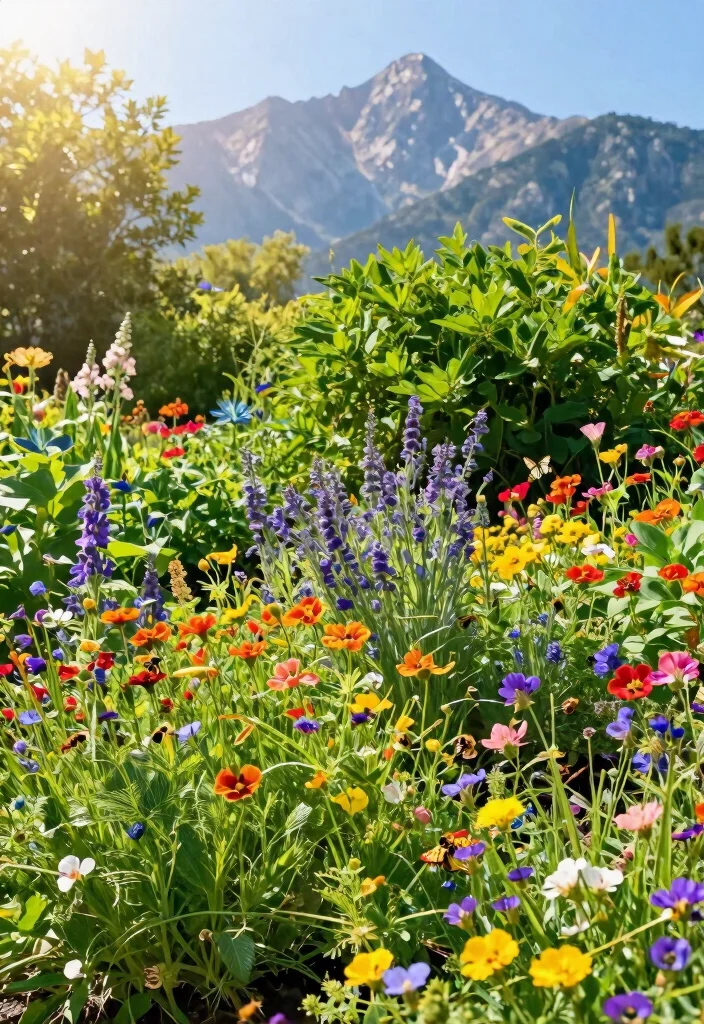
If you want a thriving garden that works with nature, native plants are the way to go. These plants are naturally suited to your local climate, meaning they need less water and maintenance. By adding native wildflowers and shrubs, you not only beautify your space but also create habitats for local wildlife.
Begin by exploring the plants that grow naturally in your area. Mix different heights and blooming times for a colorful, dynamic garden throughout the seasons.
Steps for Choosing Native Plants:
– Explore local flora by visiting native plant nurseries.
– Select perennials that bloom at various times for ongoing color.
– Group plants according to their watering needs for easy care.
With native plants, your garden will flourish while supporting the environment.
Native plants get along with your mountain yard, not fight it. Start with a few local wildflowers and shrubs, mix heights, and you’ll water less, yet invite more pollinators and wildlife into your space.
2. Rock Garden Design
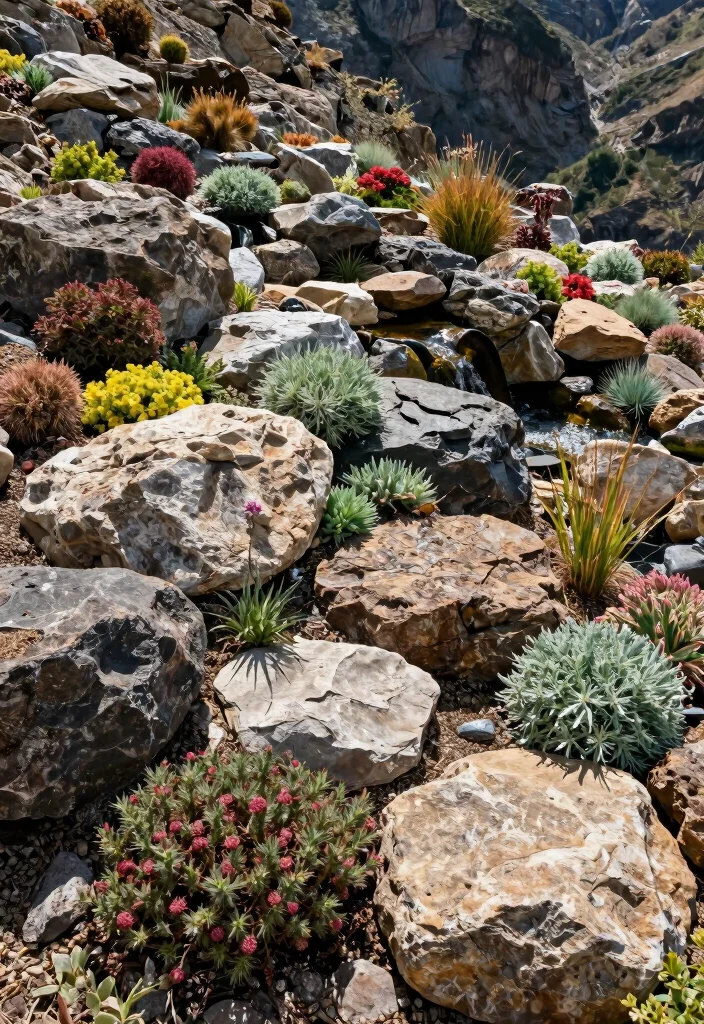
Rock gardens bring a unique touch to your mountain landscape while blending seamlessly with the environment. They not only look good but also promote drainage on slopes, making them practical.
Start your rock garden by choosing stones that fit naturally into your surroundings. Use a variety of boulders, gravel, and smaller rocks to create a visually appealing arrangement that mimics nature’s beauty.
How to Create Your Rock Garden:
– Find a sunny spot to help your plants thrive.
– Layer rocks in a natural pattern, adding plants among them.
– Choose drought-resistant plants like sedums that thrive in rocky areas.
A rock garden can reduce erosion while providing a tranquil space for relaxation.
3. Sustainable Landscaping
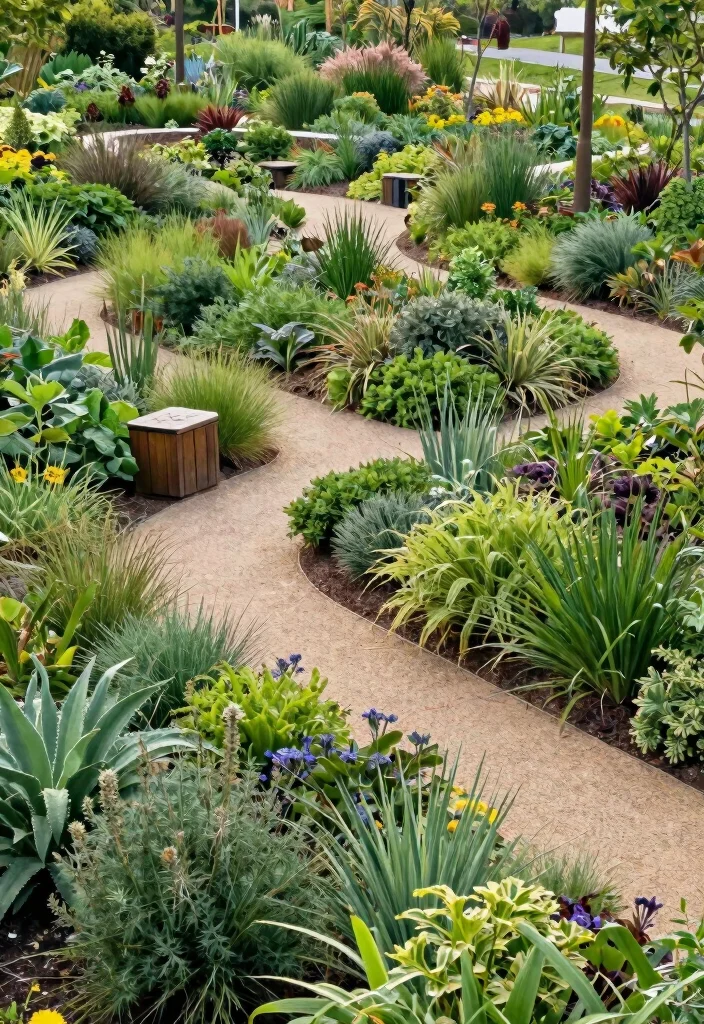
Sustainable landscaping not only beautifies your mountain property but also promotes ecological health. By adopting practices that conserve resources, you can create a garden that flourishes and supports biodiversity.
Consider implementing xeriscaping, which uses drought-resistant plants to minimize water use. This approach lowers maintenance needs while enhancing your garden’s beauty. Adding rain gardens can help manage stormwater effectively.
Ideas for Sustainable Practices:
– Compost organic waste to naturally enrich your soil.
– Choose native plants that need less water and provide habitats for wildlife.
– Apply mulch to retain moisture and suppress weeds.
This way, your landscaping will be both stunning and environmentally friendly.
4. Alpine Garden Features
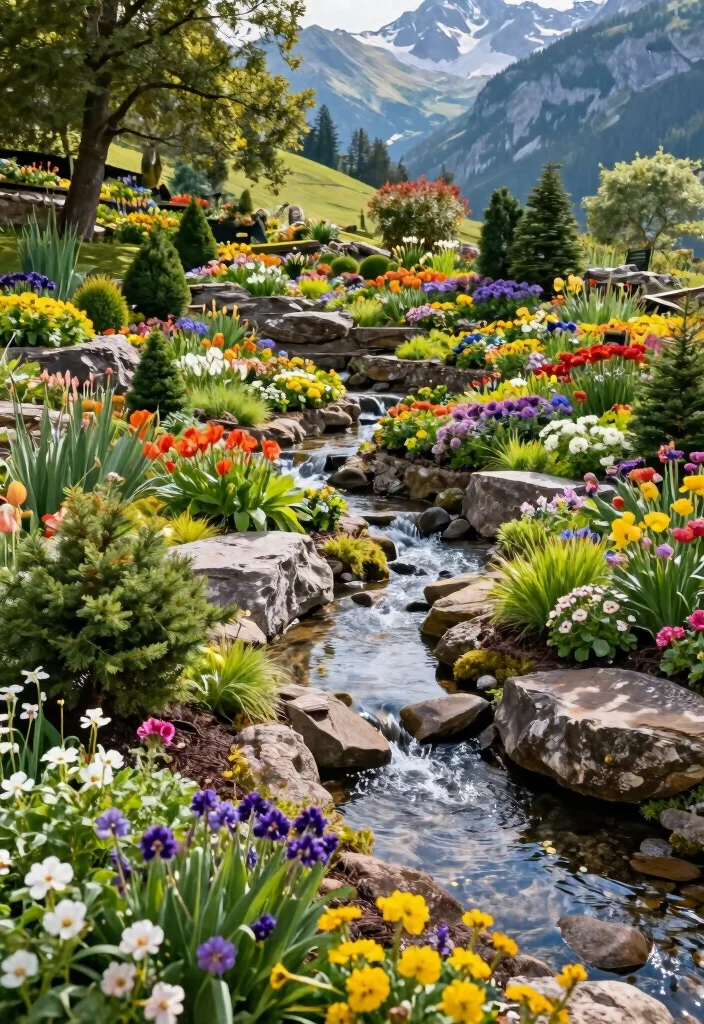
Alpine gardens showcase the stunning beauty of mountain plants, creating a unique landscape full of diversity. These gardens feature flora that thrives in high altitudes, bringing color and interest to your outdoor space.
To design an alpine garden, create raised beds or mounds that mimic natural mountain slopes. Use a mix of soil and stones for proper drainage, incorporating alpine asters, gentians, and dwarf conifers for year-round appeal.
Key Design Elements for Alpine Gardens:
– Build tiered sections to enhance visual interest.
– Add small water features or rocks to simulate natural streams.
– Select hardy plants that endure mountain climate changes.
An alpine garden not only highlights local biodiversity but also provides a peaceful retreat for you to enjoy.
5. Outdoor Living Spaces
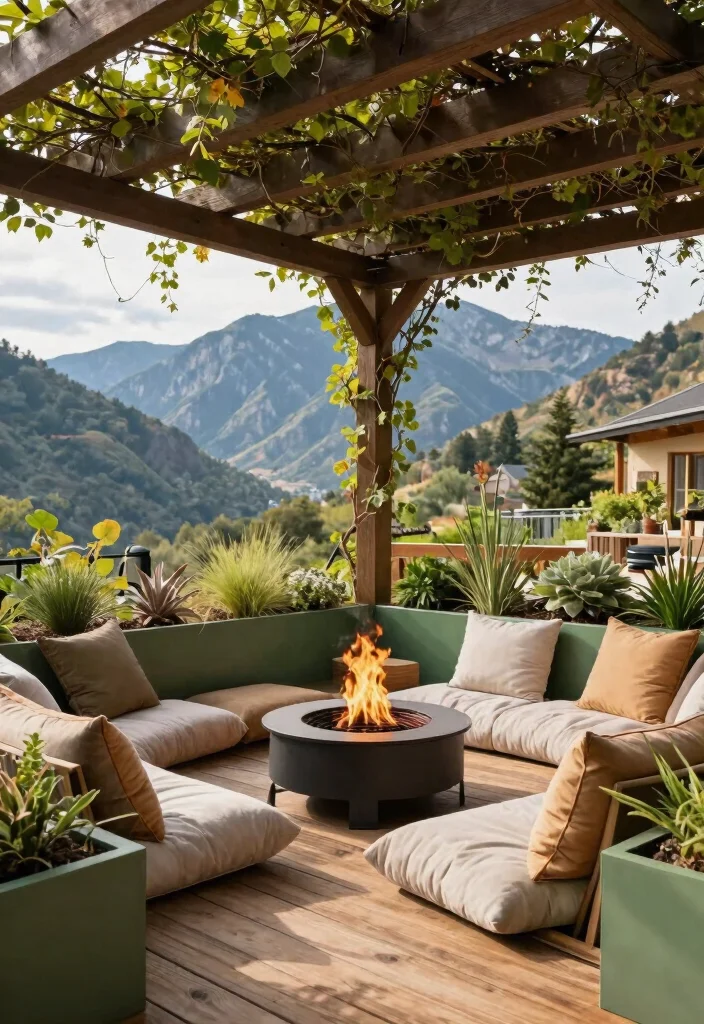
Creating outdoor living spaces in your mountain landscape can deepen your connection with nature. These areas for relaxing, dining, and entertaining make your garden functional and enjoyable.
Think about building a patio or deck that complements the natural surroundings. Use organic materials like wood or stone to maintain a natural look. Add comfortable seating and low-maintenance planters filled with native plants for a cozy atmosphere.
Ideas for Outdoor Living Spaces:
– Incorporate a firepit for warmth and ambiance.
– Use outdoor rugs and lights to create a welcoming vibe.
– Add a pergola with vines for shade and beauty.
An inviting outdoor space allows you to soak in the breathtaking mountain views while enjoying the fresh air.
6. Terraced Gardens
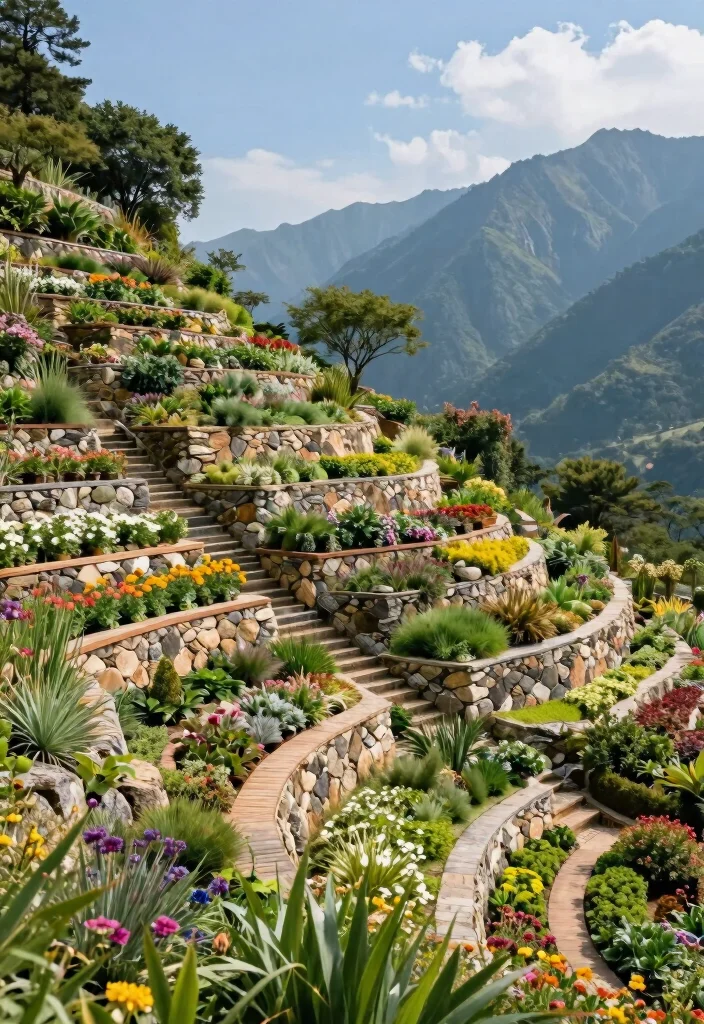
Terracing is an effective way to manage sloped mountain landscapes. This method enhances soil retention, reduces erosion, and creates flat planting areas.
Build terraces using natural stones or timber to create distinct planting zones. Each level can accommodate different plants, allowing for a rich diversity based on sunlight and moisture levels.
Advantages of Terraced Gardens:
– Simplifies maintenance with easier access to planting areas.
– Minimizes soil erosion and conserves water.
– Adds visual interest with varied plant heights and textures.
Terraced gardens beautify your landscape while promoting sustainable gardening practices.
7. Wildlife Habitats
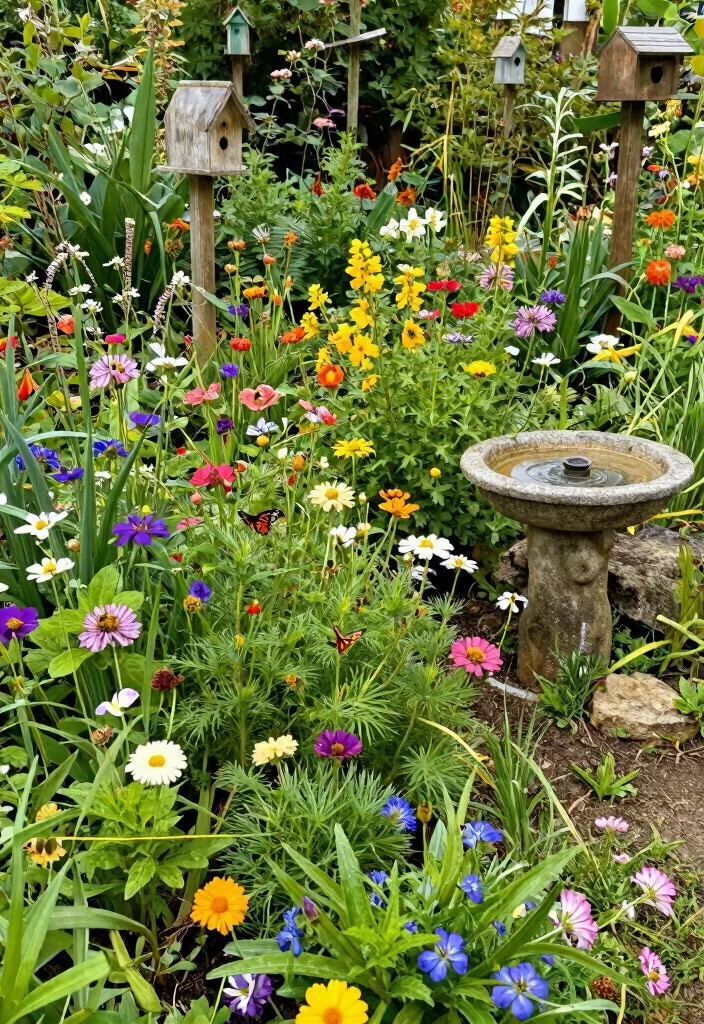
Creating wildlife habitats in your mountain garden encourages biodiversity and supports local ecosystems. Adding elements that attract birds, bees, and butterflies transforms your garden into a vibrant sanctuary.
Add features like birdhouses, feeders, and native plants to welcome wildlife. Letting some areas grow wild can provide natural cover for smaller creatures.
Tips for a Wildlife-Friendly Garden:
– Plant flowers that offer nectar for pollinators.
– Install water sources like birdbaths or ponds.
– Avoid pesticides to maintain a safe environment for all species.
Focusing on wildlife habitats will enhance your garden’s beauty and contribute to local ecological health.
Mountain landscaping ideas come alive when you invite wildlife to stay. Plant native nectar flowers, add a birdhouse, and let a corner grow a little wild—your garden becomes a thriving habitat that supports pollinators and birds.
8. Edible Landscaping
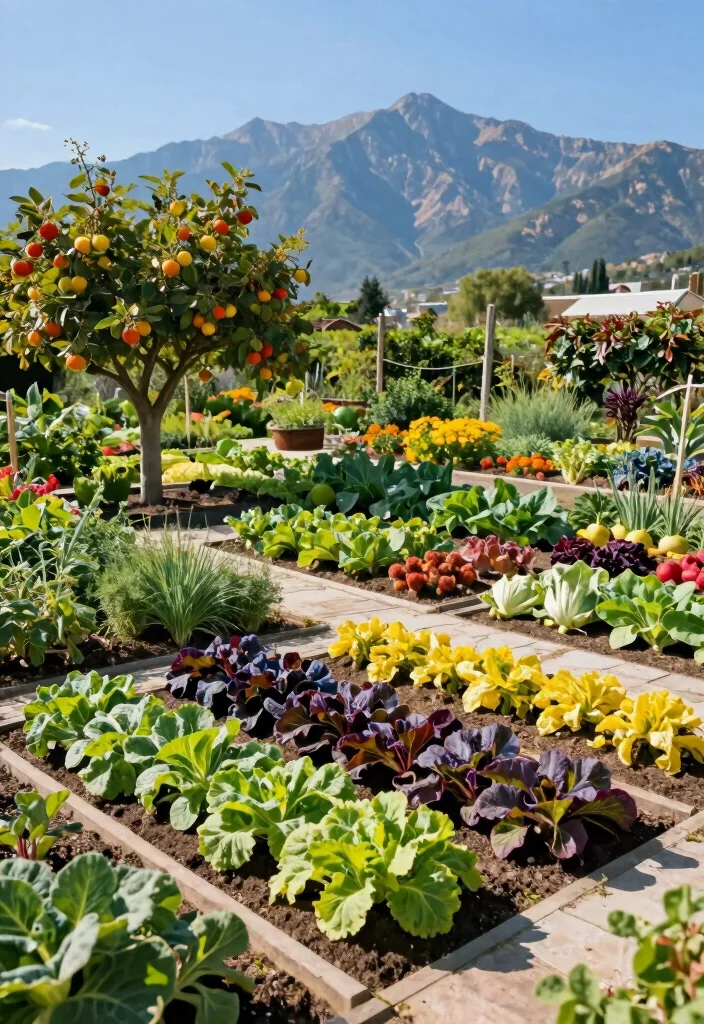
Combine aesthetics and functionality by adding edible plants to your mountain landscaping. Edibles can be just as visually appealing as ornamental plants while providing fresh produce right from your garden.
Start with herbs, fruits, and vegetables that thrive in your local climate. Create attractive borders with edible flowers like nasturtiums, or plant fruit trees in strategic spots for shade and beauty.
Edible Landscaping Ideas:
– Use raised beds for better access and drainage.
– Incorporate trellises for climbing plants like beans or cucumbers.
– Mix ornamental and edible plants for a beautiful and tasty experience.
This approach adds beauty while nourishing your body with homegrown produce.
How To Choose Native Plants for Mountain Landscaping
Choosing the right native plants for your mountain landscaping can significantly enhance the natural beauty of your outdoor space. Native plants not only thrive in their local environment but also attract wildlife, making your garden a lively habitat. Here’s how to select the best native plants for your mountain garden:
1. Understand Your Climate
Start by assessing your specific mountain climate. Is it cold and snowy, or warm with high summer sun? Different regions have varying temperature ranges and moisture levels. Research the hardiness zones in your area and select plants suited to those conditions. This ensures your plants will survive and flourish in your unique environment.
2. Consider Soil Type
Mountain soils can vary greatly, from rocky and sandy to rich and loamy. Test your soil to understand its characteristics, including pH and drainage. For rocky or sandy soils, choose drought-tolerant plants that can thrive in these conditions. For richer soils, you might explore more diverse options that require more moisture.
3. Look for Local Native Species
Focus on plants that are native to your specific mountain region. These species have adapted to local temperatures, soil types, and wildlife, making them more resilient. Visit local nurseries or consult local conservation groups to find lists of native plants. Examples may include wildflowers, shrubs, and trees that provide habitat and food for local wildlife.
4. Plan for Seasonal Interest
Choose a variety of plants to ensure your garden looks good year-round. Consider selecting some that bloom in spring, summer, and fall. Include evergreens for winter interest, too. Mixing plants with different heights, flower colors, and foliage textures creates a dynamic landscape that changes with the seasons.
5. Think About Wildlife
Select plants that attract local wildlife, such as birds, butterflies, and beneficial insects. Native plants provide essential nutrients and habitats for these creatures. Look for flowering plants that produce nectar and seeds, and consider adding berry-producing shrubs. This not only supports the ecosystem but also adds life to your garden.
6. Maintenance Requirements
Evaluate how much time you can dedicate to maintaining your garden. While native plants generally require less maintenance than non-native species, some may still need occasional care like pruning or watering. Choose species that fit your lifestyle. If you prefer a low-maintenance garden, focus on hardy plants that thrive with minimal intervention.
Pro Tip: Visit local botanical gardens or native plant nurseries to see mature specimens in person. This helps you visualize their growth and placement in your landscape, allowing you to make informed choices about size and aesthetics.
Choosing the right native plants involves understanding your mountain environment and selecting species that naturally thrive there. By following these steps, you’ll create a beautiful, sustainable garden that enhances your outdoor living space while supporting local wildlife habitats.
9. Natural Pathways
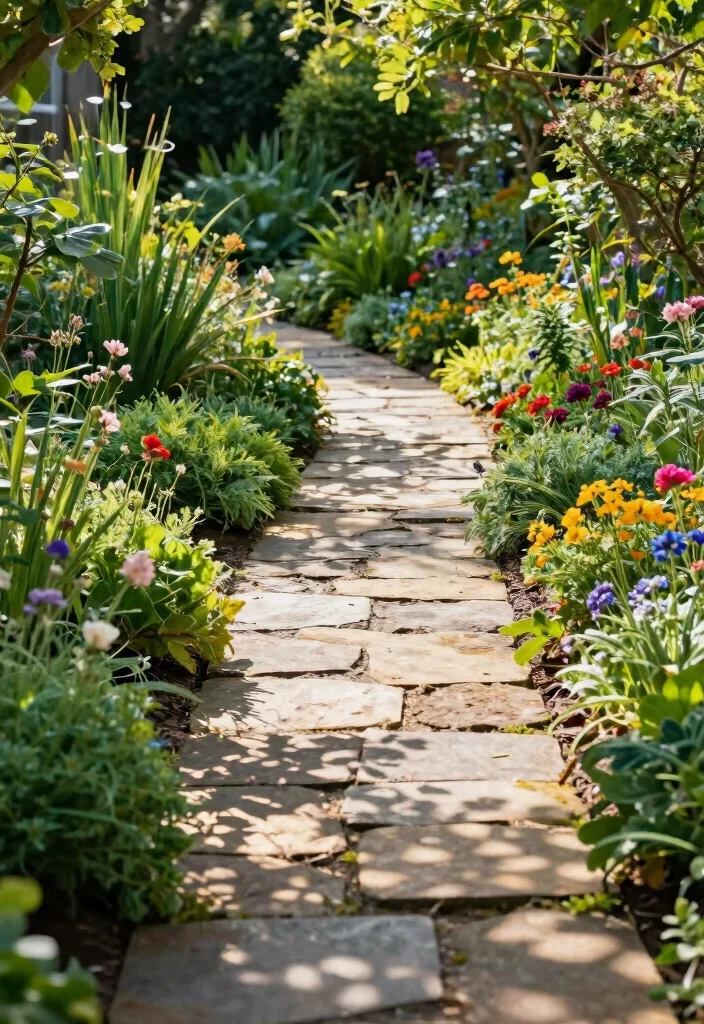
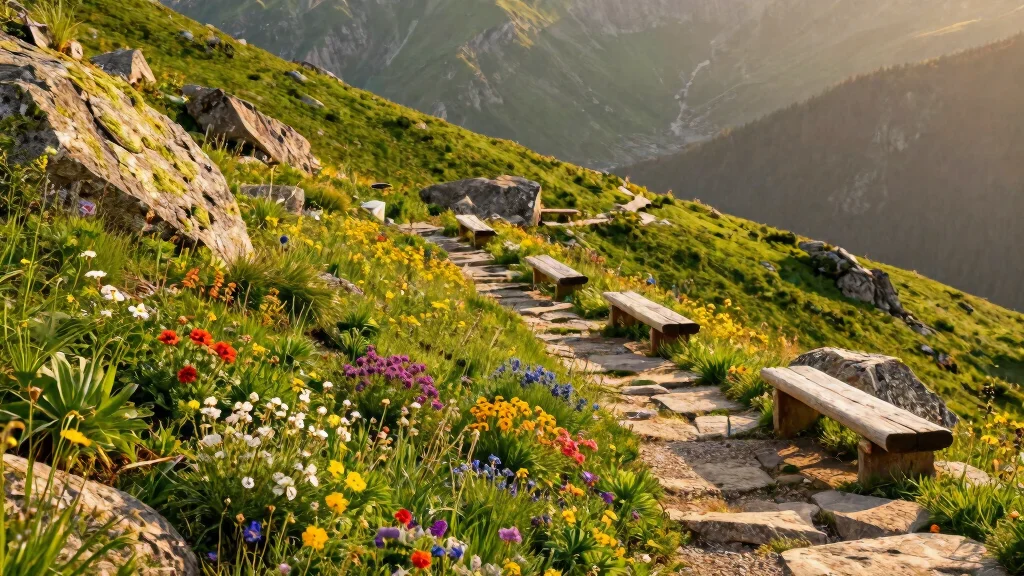
Natural pathways enhance the flow of your mountain garden while blending into the environment. Paths made from local stone, gravel, or beaten earth guide visitors through your landscape with minimal disruption.
Create winding paths that resemble natural trails to foster exploration. Encourage native plants to line your paths for added beauty and to prevent soil erosion along the edges.
Steps for Building Natural Pathways:
– Select materials that complement your garden’s style.
– Keep paths narrow to create a more intimate feel.
– Allow plants to grow over the edges for a softer, natural look.
Natural pathways not only guide visitors but also enrich the experience of connecting with nature.
10. Water Features
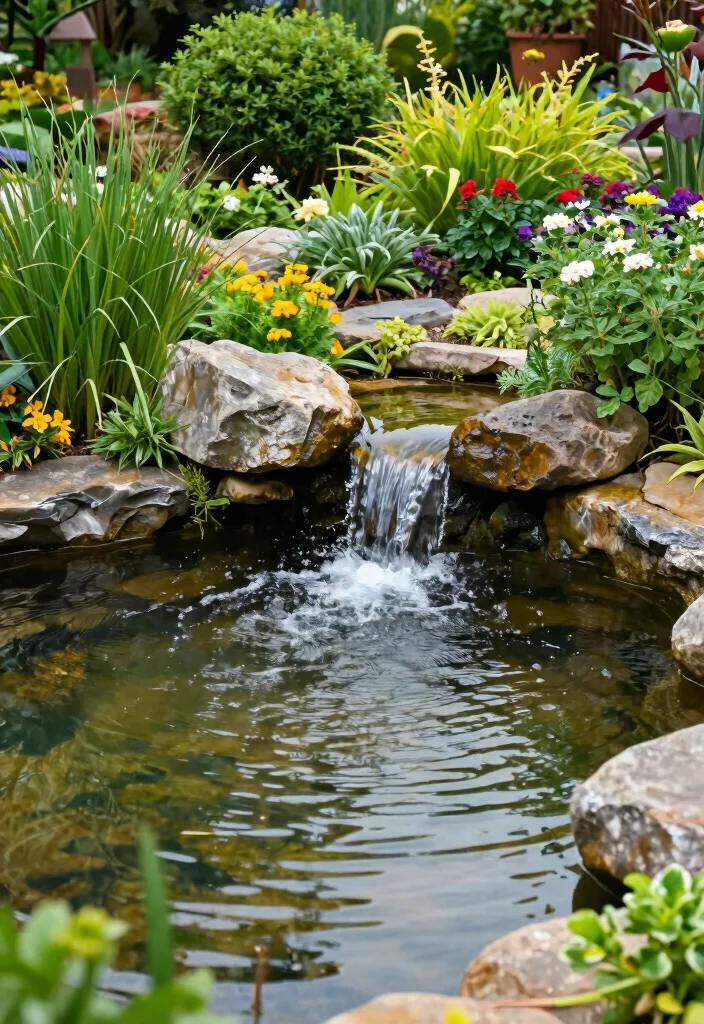
Adding water features, such as ponds, fountains, or streams, brings a calming element to your mountain landscape. They attract wildlife and create a peaceful setting that enhances relaxation.
Design your water feature to harmonize with the surroundings. Surround it with natural stones and native plants for a cohesive appearance. Consider adding a small waterfall for soothing sounds and movement.
Water Feature Ideas:
– Create a pond with fish and water lilies for a stunning focal point.
– Install a birdbath to invite feathered visitors.
– Use a bubbling fountain to keep the water fresh and lively.
With the right water features, your garden will echo nature’s sounds, inviting tranquility and beauty.
11. Seasonal Interest
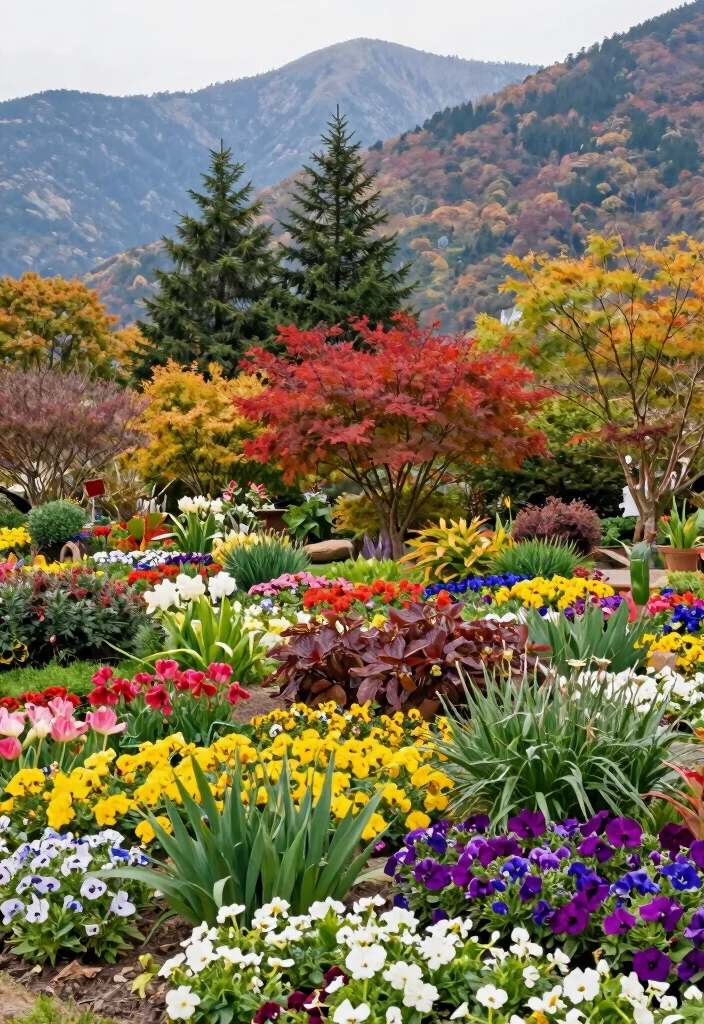
Designing a garden with year-round interest is key in mountain landscapes. Select plants that offer seasonal beauty, ensuring your garden remains captivating throughout the year.
Choose a mix of evergreens, perennials, and seasonal blooms for ongoing visual interest. Incorporate trees that display beautiful foliage in fall and winter, while vibrant blooms add color in spring and summer.
Strategies for Seasonal Interest:
– Plan for fall colors using maples and oaks.
– Include evergreens for winter structure and life.
– Arrange perennials that bloom at different times for continuous beauty.
This planning keeps your mountain garden stunning across all seasons.
Fun fact: With a smart mix of evergreens, perennials, and fall-color trees, you can achieve year-round drama in mountain landscaping ideas—often delivering 40% more seasonal color and 20% less watering than a single-season palette. Plan ahead for spring blooms and autumn foliage.
12. Incorporating Art
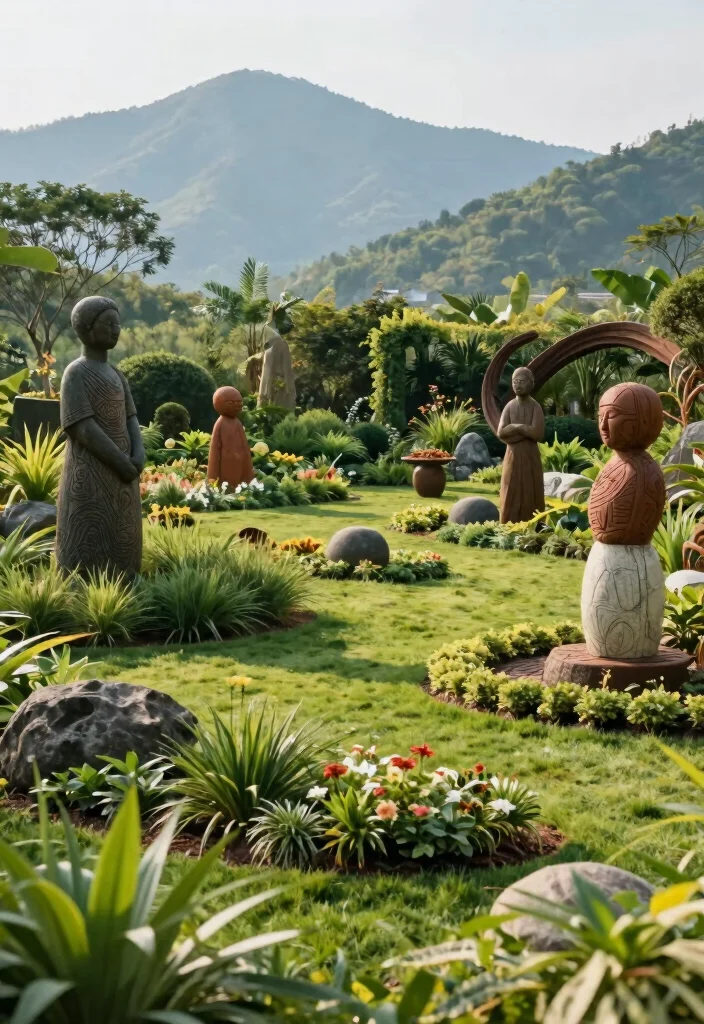
Integrating artistic elements into your mountain landscape adds personality and charm. Incorporating sculptures, pottery, or garden art creates focal points that draw attention and spark conversation.
Select pieces that resonate with the natural surroundings, like rustic wooden sculptures or stone carvings reflecting local culture or wildlife. Position your art to enhance your garden’s flow and encourage exploration.
Artistic Ideas:
– Use recycled materials for eco-friendly sculptures.
– Incorporate artistic planters that blend with plants.
– Create a gallery walk by displaying art along pathways.
With art in your garden, you create a dynamic, engaging space that celebrates both nature and creativity.
Conclusion
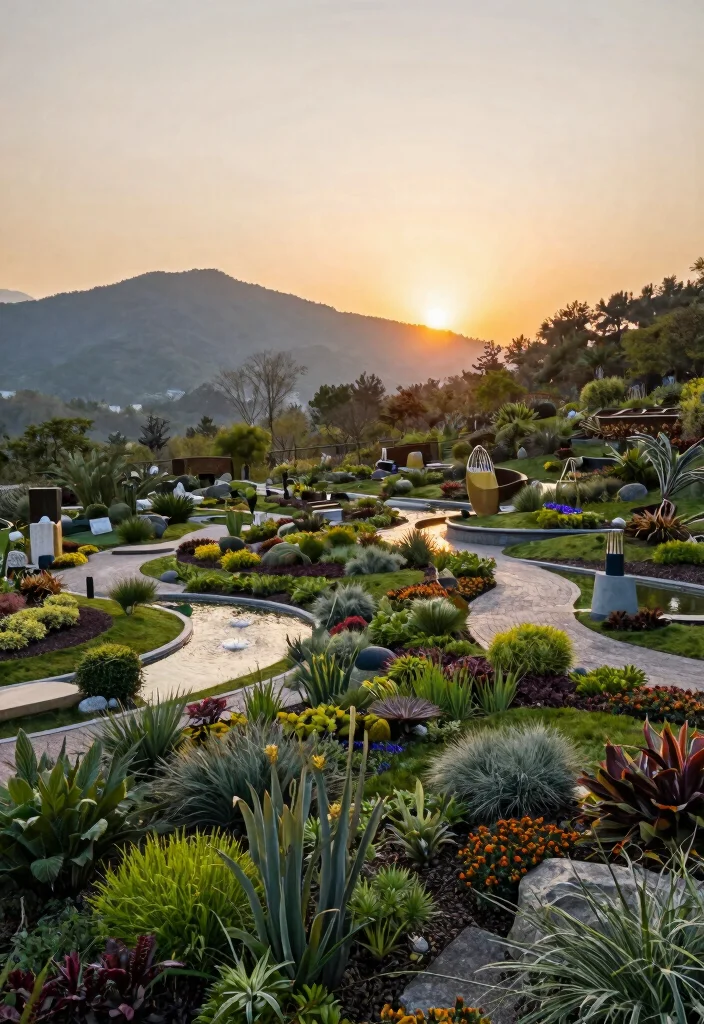
Mountain landscaping offers endless possibilities for creating beautiful, sustainable spaces that attract wildlife and embrace native beauty. By incorporating these twelve ideas, you can transform your outdoor area into a harmonious blend of nature and design.
Whether it’s cultivating native plants, building water features, or adding art elements, each idea contributes to a unique outdoor experience that resonates with the surrounding environment.
Frequently Asked Questions
What are some mountain landscaping ideas to create natural textures and showcase native beauty?
Start with layering textures using native groundcovers, grasses, and rocks to mimic the natural mountain terrain. Choose a palette of greens, browns, and grays that reflect the landscape, and blend in a rock garden design elements with soft plant textures for contrast.
Plan zones that follow the slope for better drainage, and select plants from the native plants for mountains list for your area. Add wildlife-friendly features like small boulder clusters for shelter and nectar-rich blooms to attract pollinators. Use sustainable landscaping practices like mulching and drip irrigation to keep water use efficient. This practical approach offers fresh ideas for mountain landscaping ideas that are both beautiful and wildlife-friendly.
How can I incorporate a rock garden design and alpine garden features in a mountainous yard?
Incorporate a rock garden design by selecting a sunny, well-drained slope, placing rocks in natural groupings, and creating shallow soil pockets. For alpine garden features, choose hardy perennials and low-growing groundcovers that tolerate wind and cold. Build a few small terraces or a retaining wall to create microclimates where sun and shade shift. Pair rocks with native grasses and drought-tolerant plants, and mulch to conserve moisture. Add an edging to hold soil in place and keep the look cohesive with the natural mountain landscape. This approach keeps your rock garden design and alpine garden features cohesive within a sustainable landscaping plan.
Which native plants thrive in mountain habitats and support wildlife?
Look for species adapted to cold winds, rocky soils, and well-drained sites in your region. Start with the local list of native plants for mountains and pick a mix of groundcovers, grasses, and shrubs that bloom at different times to feed pollinators year-round. Group plants by sun exposure and soil moisture, ensure good drainage, and avoid invasive species. Include nectar-rich flowers for insects, berries for birds, and sheltering foliage for wildlife. Mulch to conserve moisture and soil health, water deeply during dry spells, and minimize chemical inputs to protect beneficial insects. With thoughtful selection, you will create a wildlife-friendly landscape that still fits the mountain landscape.
What sustainable landscaping practices work best for mountain garden habitats?
Prioritize water-wise choices: upgrade to a sustainable landscaping approach with drip irrigation, rain barrels, native plantings, and mulch to reduce evaporation. Build healthy soil with compost and avoid synthetic fertilizers that can wash away in storms. Choose drought-tolerant natives and group plants by their water needs to simplify irrigation. Maintain soil stability on slopes with groundcovers and stepping-stone paths, prune to balance airflow, and monitor for pests with natural methods to protect pollinators. This is a solid sustainable landscaping plan for mountain habitats.
How can I design outdoor living spaces that blend with the mountain scenery while saving water?
Design terraces and seating nooks that follow the natural contours, using local stone or wood that echoes the surrounding rocks. Frame the view with native plants for mountains and other greenery to create outdoor living spaces that feel part of the landscape. Use permeable paving and sustainable landscaping practices to manage rainwater and reduce runoff. Choose drought-tolerant plants, add shade with pergolas or evergreens, and include a small water feature that recirculates to conserve water. With careful planning, your mountain landscaping ideas come to life as a practical, wildlife-friendly outdoor living area.