Creating an inviting garden space can feel tricky, especially when your outdoor area is limited. This is where my inspiration for this post comes in. Having navigated the challenges of tight spaces myself, I am always looking for creative ways to enhance my garden without compromising on beauty or access. That’s why I compiled this list of 12 narrow flower bed ideas that will help you make the most of your area while keeping your borders clean and appealing.
If you’re someone who loves gardening but feels restrained by your small garden design, this post is for you. Whether you live in an urban environment with limited space or simply wish to maximize your garden’s potential, you’ll appreciate these practical solutions. From vertical gardening solutions to space-saving plants, I’ve gathered ideas that not only look great but also fit perfectly into compact areas.
Get ready to discover how you can turn your narrow spaces into vibrant flower beds with 12 simple yet striking ideas. These options are perfect for anyone eager to add color and life to their garden while maintaining a tidy appearance. You’ll find inspirations that are not only beautiful but also achievable, making your gardening dreams a reality.
Key Takeaways
– Vertical Wall Planters: Utilize vertical space to grow flowers without taking up ground area, ideal for small gardens.
– Raised Flower Beds: Create defined borders and improve drainage, making it easier to maintain your narrow flower beds.
– Container Gardens: Use pots to add flexibility and color in tight spots, allowing for easy rearrangement and seasonal changes.
– Ground Cover Plants: Choose low-growing plants to fill in spaces without blocking pathways, perfect for a clean, minimalist look.
– Butterfly Gardens: Attract pollinators with specific flowers that thrive in narrow beds, enhancing the beauty of your small garden while supporting local wildlife.
1. Vertical Wall Planters
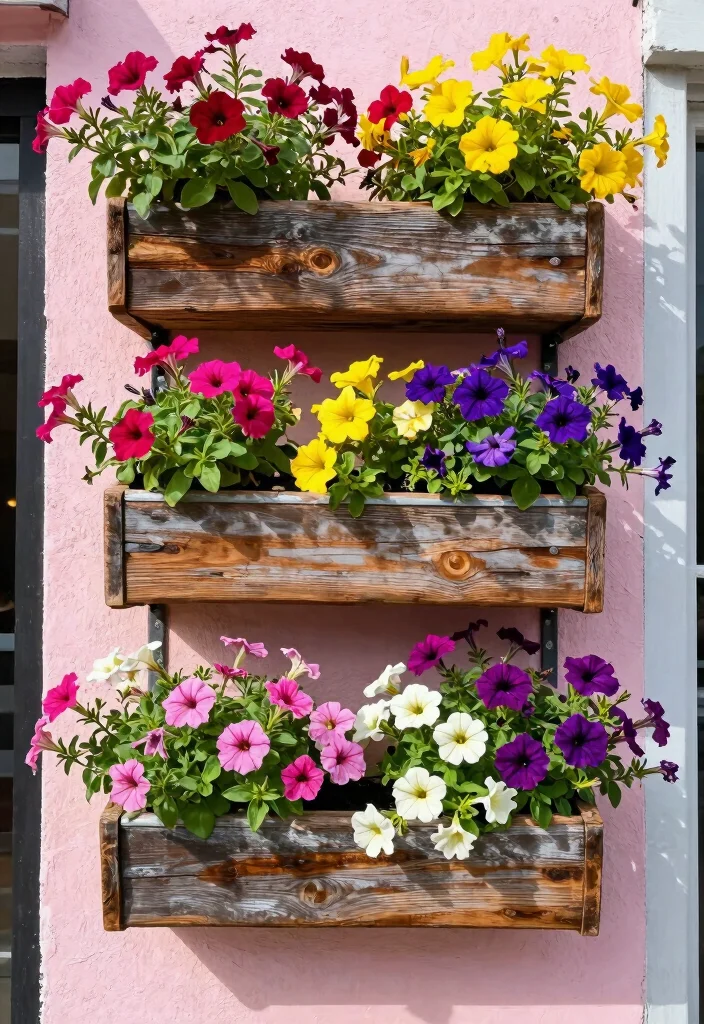
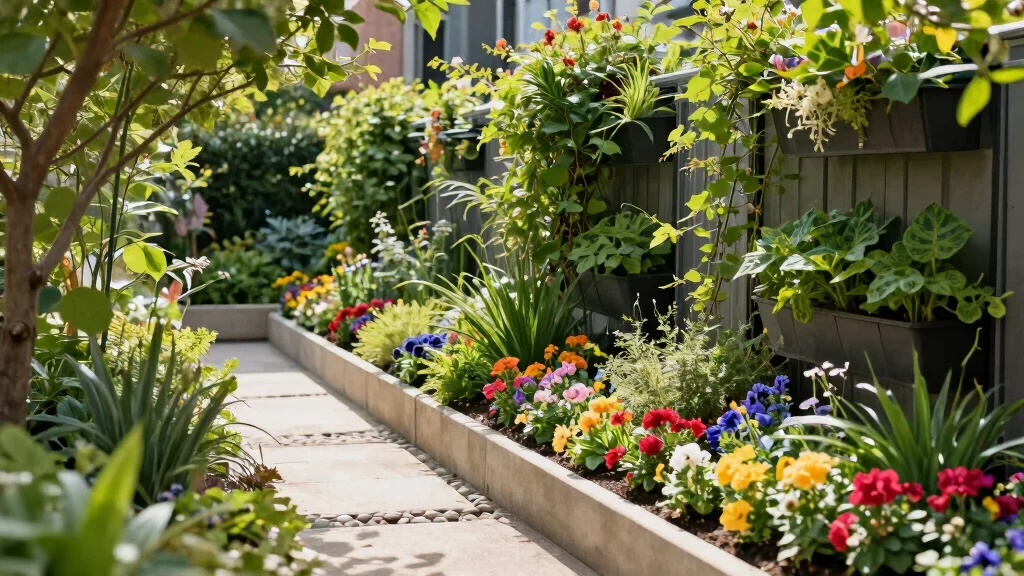
If you’re short on floor space, vertical wall planters are your best friend. They let you showcase beautiful flowers while saving precious ground area. Made from materials like wood or metal, these creative planters can be mounted on walls or fences, instantly brightening up your space with vibrant colors. Think about using trailing plants such as nasturtiums or ivies to create a stunning waterfall effect.
To get the most out of your vertical garden, select a sunny wall for plants that thrive in bright light. Opt for lightweight soil to ensure the structure stays secure.
Key benefits of vertical wall planters:
– Maximize vertical space for diverse planting options.
– Add dimension to your garden design.
– Ideal for urban areas where space is limited.
With the right approach, you’ll enjoy a lively garden display that draws the eye and enhances your home.
2. Raised Flower Beds
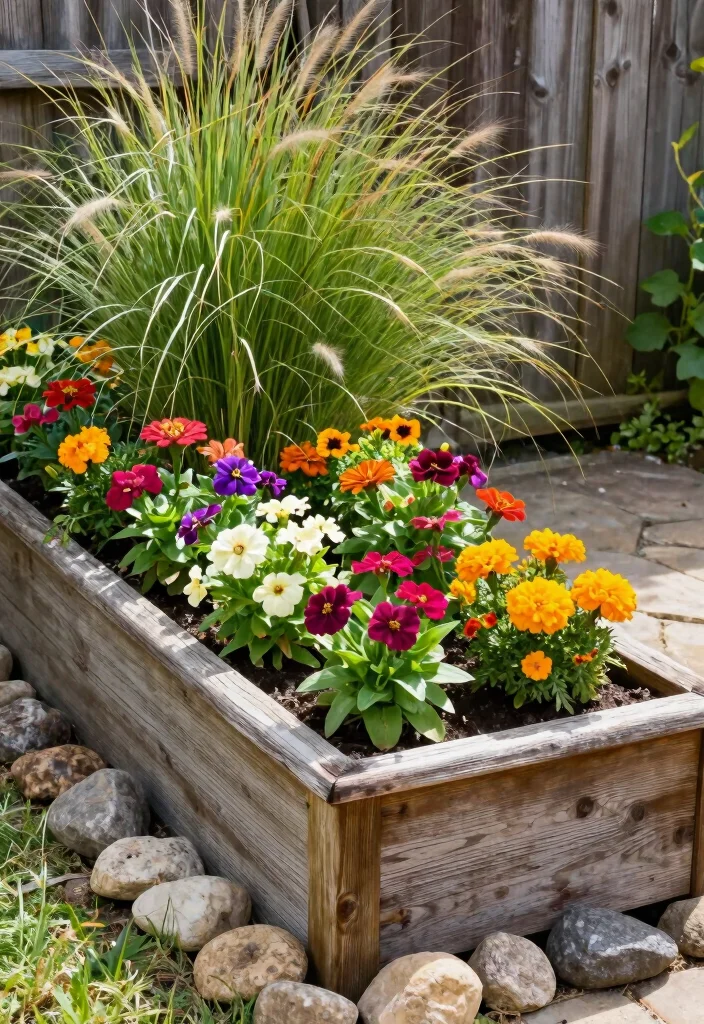
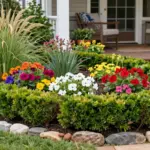
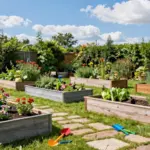
Raised flower beds are a stylish way to enhance your garden while ensuring proper drainage and temperature control. These beds can fit snugly into tight spots, yet provide ample space for a variety of flowers. Using reclaimed materials like bricks or old wood adds a rustic charm to your space.
Begin by determining the best location and then focus on the plants you want to feature. Consider adding a controlled mixture of soil to enhance growth.
Reasons to choose raised flower beds:
– Reduce back strain with no need to bend down.
– Enhance soil quality for better growth.
Plant ideas include:
– Compact ornamental grasses for height and texture.
– Drought-resistant flowers like sedums for low maintenance.
– Colorful annuals such as zinnias or marigolds for pops of color.
With these tips, your raised flower bed will flourish and become a beautiful focal point in your garden.
Fun fact: Raised flower beds warm soil up to 5 degrees earlier than ground beds, a huge boost for narrow flower bed ideas in tight spaces. Use reclaimed bricks or old wood to add rustic charm, while keeping maintenance simple and their borders clean.
3. Container Gardens
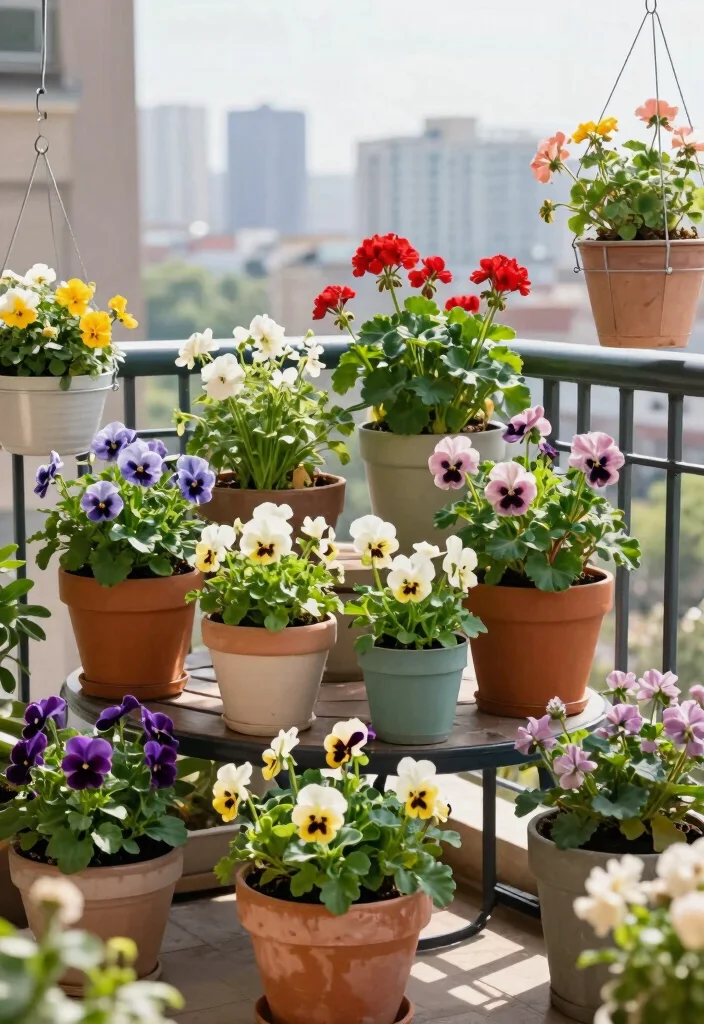
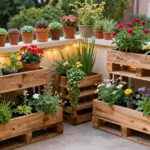
Container gardening offers a flexible and fun way to create a mini flower bed in any narrow space. You can mix and match containers of various heights and shapes to give your area a lively look. Long, narrow troughs can serve as elegant flower beds, bursting with color from plants like geraniums, pansies, and petunias.
For optimal results, choose plants that thrive in confined spaces and consider how you want to arrange them for the best visual impact. Regularly check for moisture and adjust your watering schedule.
Benefits of container gardens:
– Easy to rearrange for a fresh look anytime.
– Perfect for renters or those seeking temporary setups.
Plant suggestions:
– Trailing plants in hanging containers for a layered effect.
– Small shrubs paired with flowering annuals for variety.
With proper drainage and quality potting mix, your container garden will thrive and bring joy to your space.
“Fun fact: In a 4-foot-long trough, you can squeeze 6-8 colorful plants—geraniums, pansies, and petunias—creating a bold, bouquet-like display. These containers prove narrow flower bed ideas shine in any balcony.”
4. Window Boxes
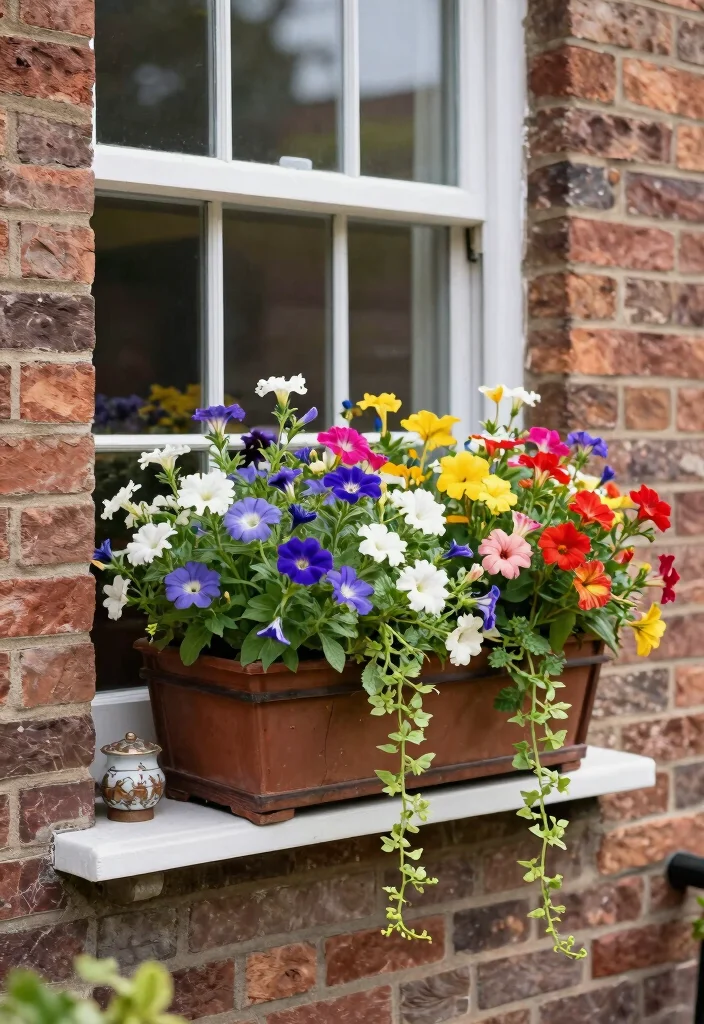
Window boxes are a delightful way to add beauty and functionality to your home. Mounted on narrow windowsills or balcony railings, these boxes bring flowers right to eye level. Bright blooms and cascading plants create a charming display that can enliven any facade.
To make the most of your window boxes, select a mix of vibrant flowers and trailing plants that spill gracefully over the edges. Ensure proper drainage to keep your plants healthy and blooming.
Advantages of window boxes:
– Enhance curb appeal with colorful displays.
– Perfect for small spaces in urban settings.
Plant suggestions include:
– Trailing vines like sweet potato vine for lushness.
– Compact flowering plants such as calibrachoas or snapdragons for color.
With thoughtful planting, your window boxes can create a warm and inviting atmosphere for your home.
How To Choose the Right Vertical Gardening Solutions for Narrow Flower Beds
Creating a stunning narrow flower bed can be challenging, especially in tight spaces. Vertical gardening solutions are a fantastic way to maximize your area while keeping your garden looking clean and organized. Here’s how to choose the right vertical gardening solutions for your narrow flower beds.
1. Consider Your Space Size
Before you start planning, measure your available space. Determine how much vertical height you have for planting. If your narrow bed is along a wall, you might be able to use wall planters or trellises. Aim for a vertical solution that fits comfortably within your measurements without overwhelming the area. A good rule of thumb is to leave at least 12 inches of space above your tallest plant for optimal growth.
2. Select Suitable Materials
Look for vertical gardening structures made from durable materials like wood, metal, or plastic. Wood can provide a natural look, while metal may offer a more modern touch. Ensure that any material you choose is weather-resistant to withstand outdoor conditions. If you’re leaning towards planters, ensure they have proper drainage to prevent waterlogged roots.
3. Choose the Right Plants
Your choice of plants will significantly impact your vertical garden’s success. Opt for space-saving plants that grow vertically, such as climbing roses, peas, or morning glories. Consider the growing conditions—sunlight, shade, and climate—when choosing your plants. Aim for a mix of flowering plants and greenery for visual interest and variety.
4. Think About Accessibility
When installing vertical gardening solutions, ensure you can easily access your plants for maintenance. Consider how you will water, prune, or harvest your plants. Solutions like tiered planters or hanging baskets should be at a height you can reach comfortably. If your vertical garden requires a tall ladder to access, it may not be practical for everyday use.
5. Plan for Sunlight Exposure
Different plants have different sunlight needs. Make sure your vertical garden receives the right amount of light based on the plants you choose. If your narrow space is shaded, consider shade-tolerant plants. Similarly, if your area receives full sun, select plants that thrive in bright conditions. Observe your garden throughout the day to understand how sunlight interacts with your chosen setup.
6. Budget Wisely
Finally, set a budget for your vertical gardening solution. Prices can vary significantly based on materials and the complexity of the setup. While it’s tempting to go for the cheapest option, investing in quality materials can pay off in durability and aesthetics. Consider DIY options if you’re handy; repurposing pallets or old furniture can be cost-effective and unique.
Pro Tip:
Consider integrating drip irrigation into your vertical gardening setup. It can save time and ensure your plants receive a consistent water supply, especially important for those hard-to-reach areas. This simple addition can enhance plant health and reduce maintenance efforts.
By following these guidelines, you can create a stunning and functional vertical garden in your narrow flower bed, making the most of your available space while adding charm and color to your urban gardening experience.
5. Vertical Garden Trellises
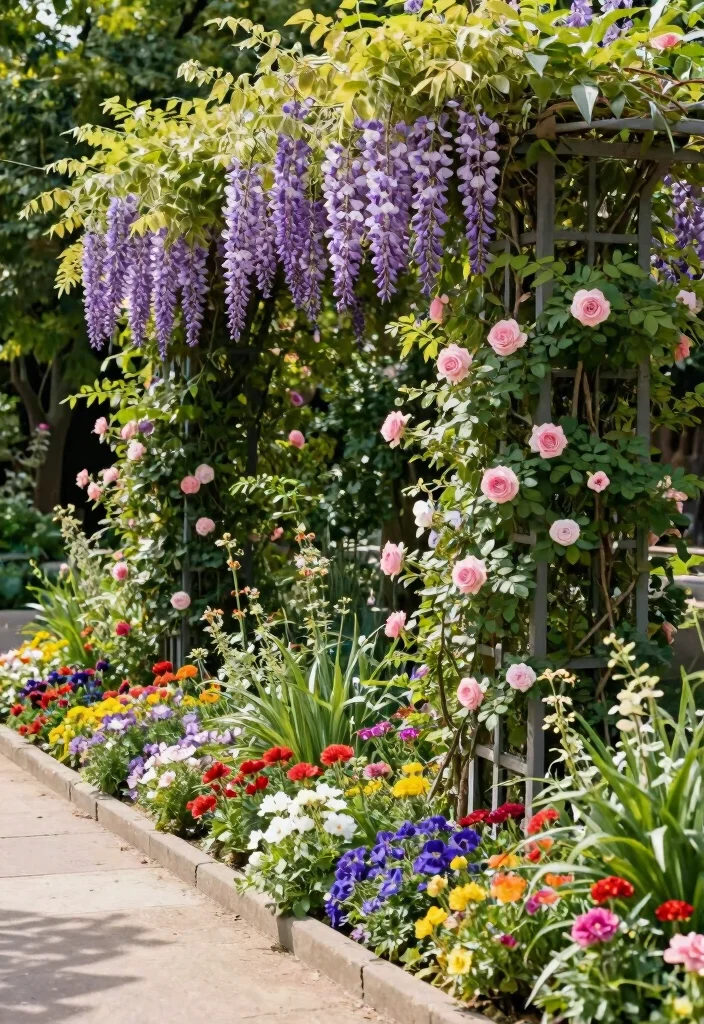
Incorporating trellises into your narrow flower bed is a brilliant way to grow climbing plants and flowers vertically. This not only saves space but also creates a stunning focal point in your garden. Position the trellis at the back to support flowering vines like clematis or honeysuckle, making them stand out beautifully.
When choosing plants, think about their growth patterns and how they will interact with the trellis. Ensure that the trellis is securely anchored to support heavier plants.
Key benefits of vertical garden trellises:
– Utilize vertical space efficiently for more plants.
– Create a striking focal point that draws attention.
Suggestions for climbing plants:
– Wisteria for dramatic blooms and fragrance.
– Climbing roses to add beauty and scent.
Your vertical garden will become a captivating feature that enhances your outdoor experience.
Tight spaces don’t mean boring gardens—vertical trellises let your flowers climb up and bloom out, so your narrow flower bed ideas stay vibrant without crowding. A sturdy back trellis keeps vines neat and easy to manage.
6. Edible Flower Beds
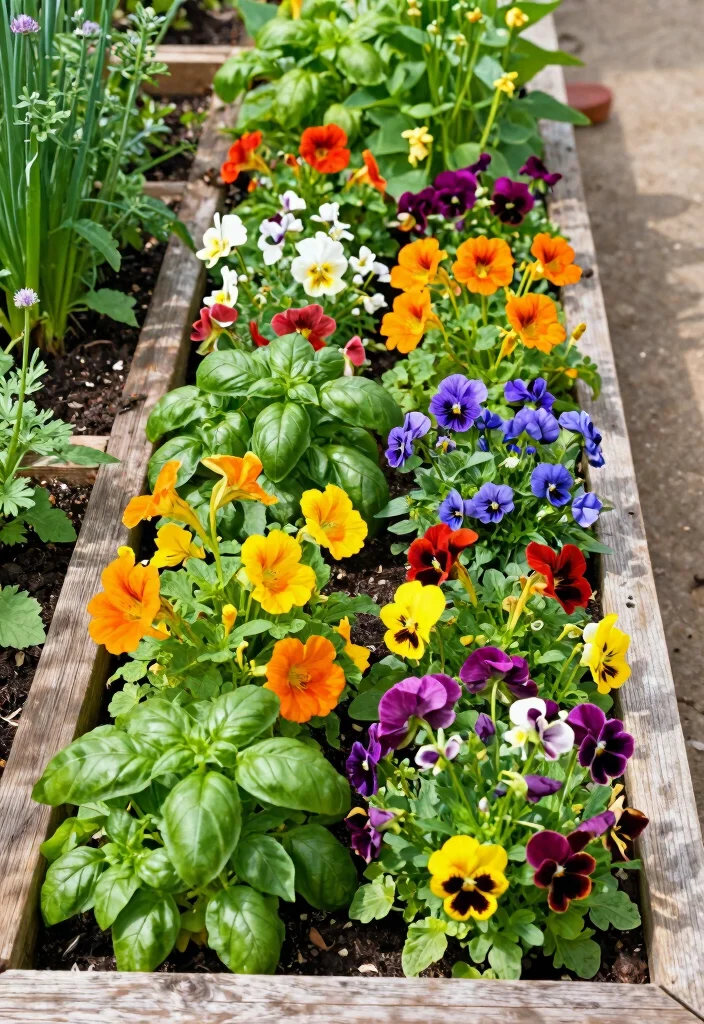
Why not create a beautiful and functional garden with edible flower beds? These beds add a splash of color while offering fresh ingredients for your meals. Fill narrow beds with edible flowers like nasturtiums, marigolds, and pansies that are as delicious as they are lovely.
By combining beauty with practicality, you can grow herbs and small vegetables alongside your flowers. Ensure you research which flowers are safe to eat.
Key advantages of edible flower beds:
– Blend beauty with functionality for your garden.
– Support sustainable gardening practices.
Plant ideas include:
– Edible herbs like basil and chives to complement your blooms.
– Small vegetables like cherry tomatoes that fit well in the space.
With careful planning, your edible flower bed will thrive while providing delightful additions to your kitchen.
7. Minimalist Flower Beds
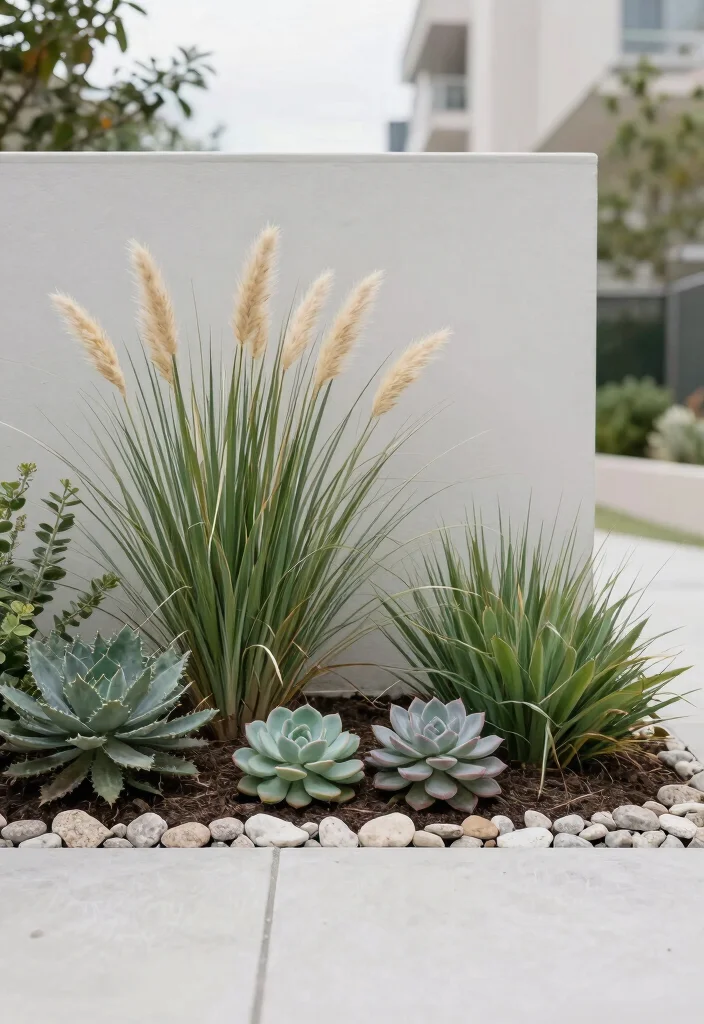
Adopting a minimalist approach to flower beds can create a sleek and modern look, even in tight spaces. By selecting just a few standout plants, you can make a bold statement without overwhelming the area. Think about using monochromatic colors or a single hue for a cohesive and sophisticated feel.
This design not only reduces maintenance but also enhances the elegance of your garden. Plan your layout meticulously to avoid clutter.
Benefits of minimalist flower beds:
– Simplify maintenance for easier upkeep.
– Create an elegant atmosphere in your outdoor space.
Plant suggestions:
– Unique textures like ornamental grasses or succulents for interest.
– Architectural plants like aloes for striking visuals.
With a thoughtful minimalist approach, your garden will radiate style and tranquility.
8. Ground Cover Plants
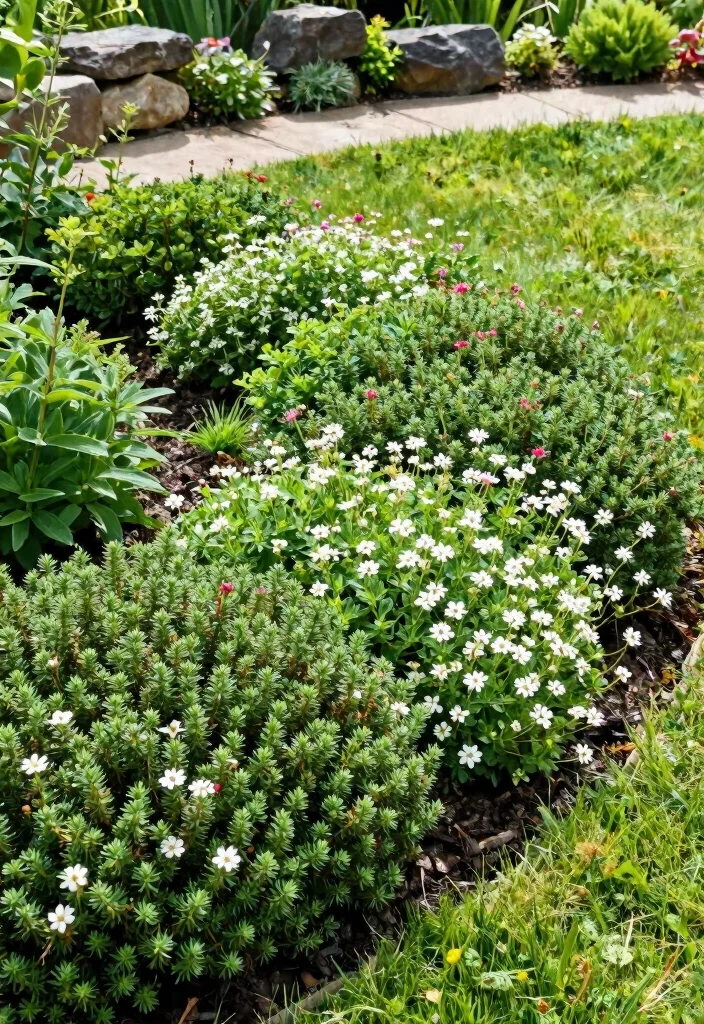
Ground cover plants are an excellent choice for filling small areas and adding layers of interest with minimal effort. They spread quickly, covering the soil and often blooming with delightful flowers. This approach can transform a tight corner into a lush oasis without heavy upkeep.
Choose plants that work well together in terms of size and color for a harmonious look. Regular trimming might be necessary to keep them tidy.
Benefits of ground cover plants:
– Prevent soil erosion while adding beauty.
– Low maintenance once established for easy care.
Plant suggestions:
– Creeping thyme for its fragrance and culinary use.
– Sedums for vibrant colors and drought tolerance.
With ground cover plants, you’ll enjoy a vibrant and easy-to-maintain garden area.
9. Tiered Flower Beds
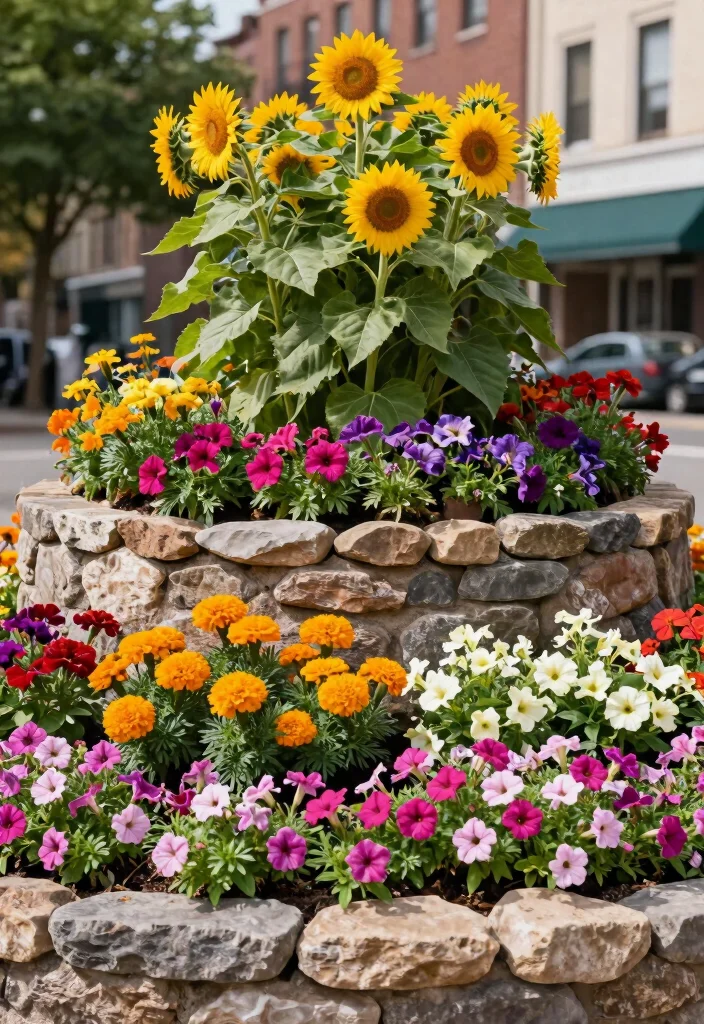
Tiered flower beds can create depth and visual interest in narrow spaces. By designing levels, you can incorporate a variety of flowers that thrive under different sunlight conditions. Place taller plants at the back and shorter ones in the front for an organized yet lush effect.
This design enhances the visual appeal of your garden while allowing for diverse growing conditions. Ensure that each tier has proper drainage to prevent waterlogging.
Benefits of tiered flower beds:
– Enhance visual appeal for a stunning garden display.
– Diverse conditions support a range of plants.
Plant suggestions:
– Sunflowers or hollyhocks for height.
– Marigolds and petunias for colorful lower tiers.
Your tiered flower beds will become an eye-catching centerpiece in your garden.
10. Butterfly Gardens
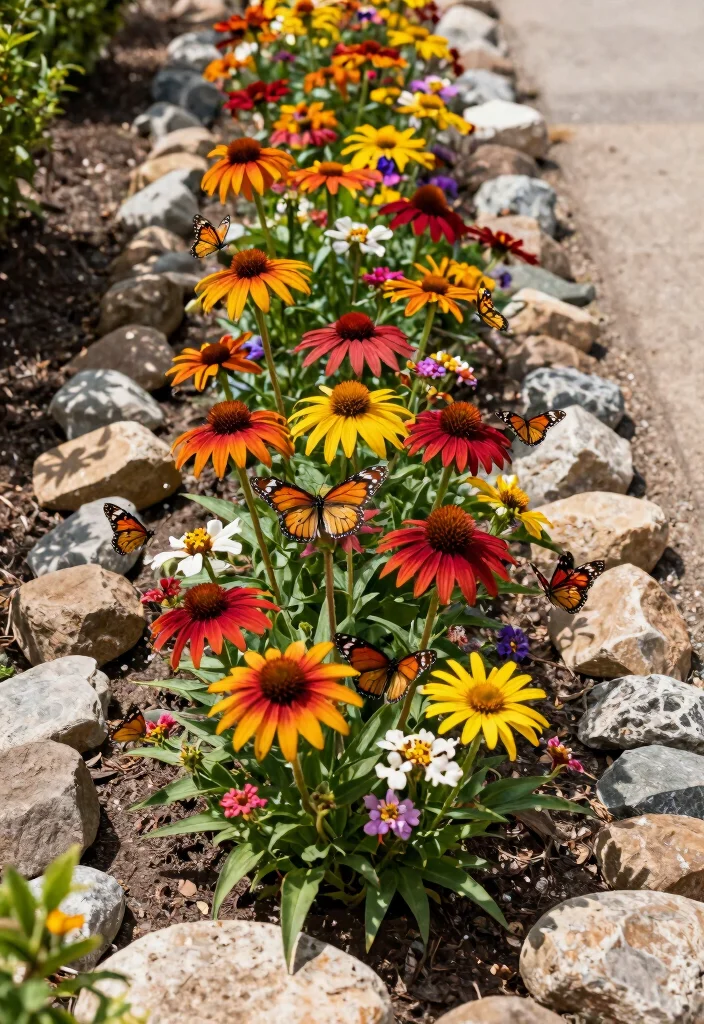
Designing a flower bed to attract butterflies can turn your small garden into a vibrant habitat. Butterfly-friendly plants not only beautify your space but also contribute to local biodiversity. Use native flowers that provide nectar and host plants for caterpillars to create an inviting environment.
Ensure a variety of flowering plants for continuous blooms throughout the season, keeping your garden lively.
Benefits of butterfly gardens:
– Promote ecological balance within your garden.
– Encourage wildlife interaction for a dynamic experience.
Plant suggestions:
– Milkweed for attracting monarchs.
– Coneflowers and black-eyed Susans for nectar sources.
By avoiding pesticides and providing basking stones, your butterfly garden will thrive and welcome beautiful visitors.
11. Seasonal Bloom Beds
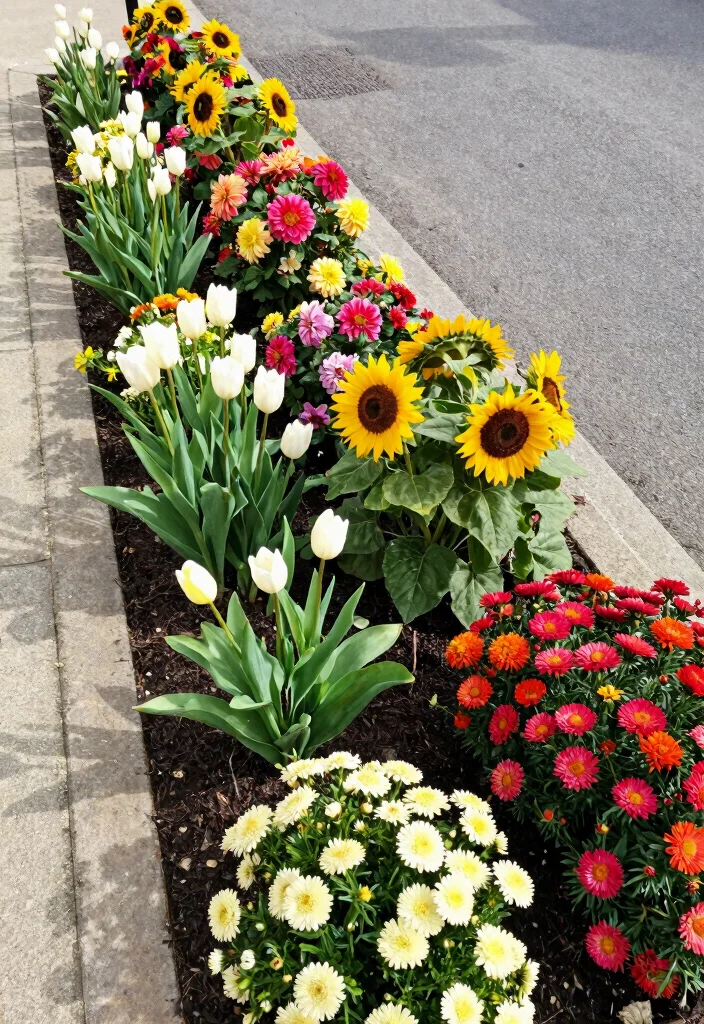
Creating flower beds that focus on seasonal blooms can keep your garden fresh and vibrant all year round. By selecting early bloomers, summer favorites, and fall foliage plants, your narrow bed can evolve with the seasons. Rotating your plants keeps your garden dynamic and interesting.
Benefits of seasonal bloom beds:
– Year-round beauty and interest for your space.
– Encourage seasonal harmony in your garden design.
Plant ideas:
– Early spring bulbs like tulips and daffodils.
– Summer favorites such as dahlias and sunflowers.
– Fall foliage like asters and ornamental kale.
With careful planning, your seasonal bloom beds will create a stunning landscape that changes beautifully throughout the year.
12. Modern Minimalist Edibles
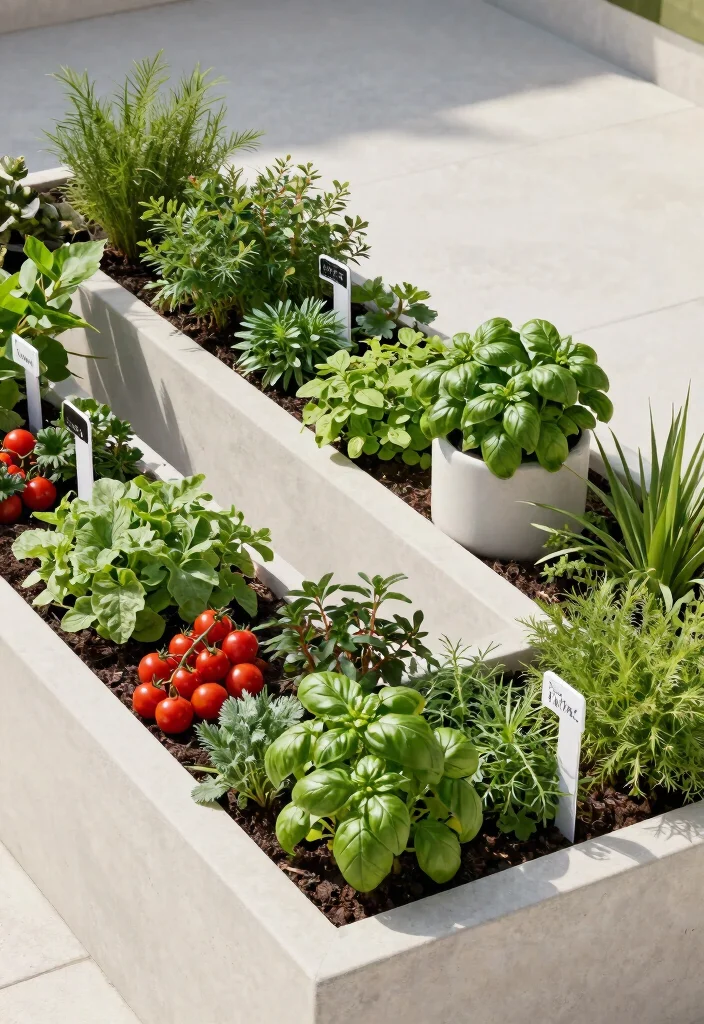
For a sleek and contemporary vibe, consider a narrow flower bed dedicated to modern edibles. A geometric design can transform your garden into a stylish art piece while providing fresh produce. Pair herbs like basil and mint with compact vegetables such as cherry tomatoes for a chic look.
This approach not only looks good but also encourages home cooking with fresh ingredients. Plan for vertical growth to maximize your limited space.
Benefits of modern minimalist edibles:
– Stylish and practical for contemporary gardens.
– Encourage healthy cooking with fresh produce.
Plant suggestions:
– Bush varieties of zucchini or peppers for easy space management.
– Compact lettuce and spinach for a quick harvest.
Your modern minimalist edible garden will be both functional and visually appealing, enhancing your outdoor experience.
Conclusion
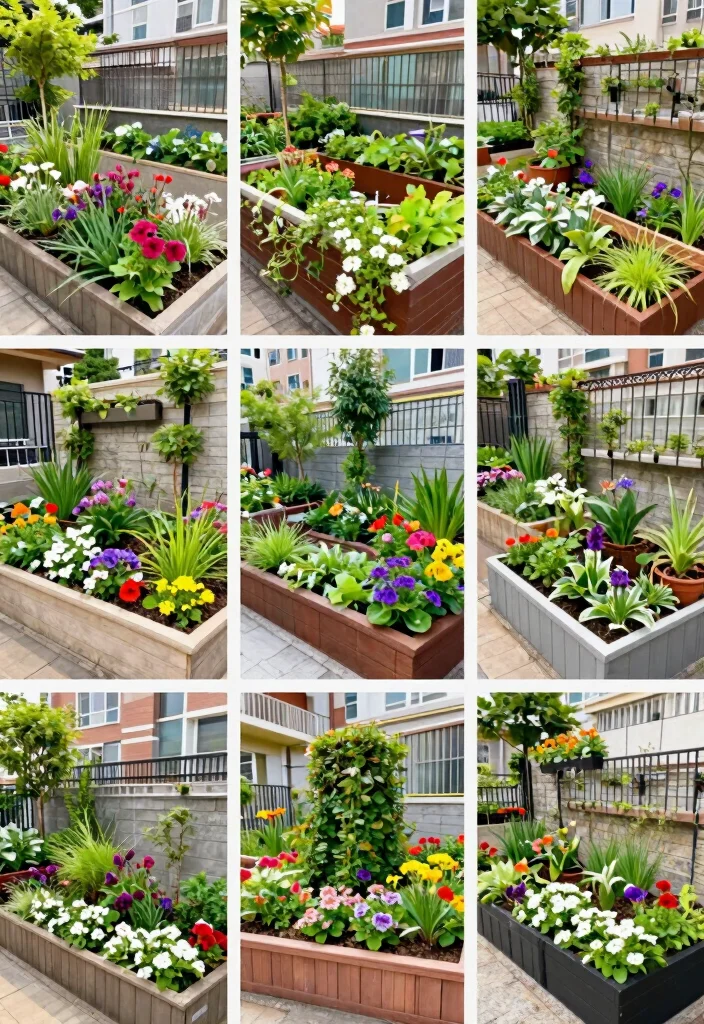
These twelve narrow flower bed ideas prove that even the tightest spaces can bloom beautifully! Whether you’re going vertical, embracing minimalism, or creating a butterfly-friendly haven, there are endless possibilities to explore when it comes to maximizing your garden area.
Each idea can be tailored to fit your unique style and space constraints, letting your creativity flourish without limits. So grab your gardening gloves and start transforming your outdoor oasis today!
Frequently Asked Questions
Question: What are the best vertical gardening solutions for a narrow flower bed?
Great question! For a narrow flower bed, vertical gardening solutions let you add height without widening the footprint. Start with a slim trellis along the back, or wall-mounted pocket planters and a narrow vertical planter rail that runs the length of the bed. Use a simple, automated drip line or a compact hose to water both vertical and ground-level plantings without waste.
Choose plants that work well in tight spaces and won’t overwhelm the bed. Trailing varieties like lobelia, ivy, creeping thyme, and dwarf petunias look great spilling over the sides. For herbs or small greens, try thyme, oregano, and compact chives in vertical pots. Keep the color palette cohesive and repeat a couple of hues to maintain a clean border.
Pro tip: install a slim edging along the border to define the space and keep mulch and soil from creeping into the path. A neat border plus vertical accents create a tidy, high-impact look in tight spaces.
Question: How can I design a small garden using narrow flower bed ideas to keep borders clean?
To design a small garden using narrow flower bed ideas while keeping borders clean, start with a strong, straight border using the same material all around (brick, metal, or timber) and a thin edging strip. This creates a crisp line that makes the bed feel wider than it is.
Choose a simple palette and layer plants: tall back-of-bed specimens, mid-height fillers, and a front row of low-growing groundcovers. For small garden design considerations with flower bed landscaping, keep textures varied but colors coordinated to avoid a busy look. Use space-saving plants that perform in narrow beds, like dwarf agapanthus, heuchera, or creeping thyme.
Keep maintenance minimal with a compact irrigation system and mulch that helps keep weeds down and borders neat. Regularly trim and deadhead to maintain a polished appearance and prevent spillover into walkways.
Question: Which space-saving plants work best for narrow beds in urban gardening?
When choosing space-saving plants for narrow borders in urban gardening, pick compact varieties that stay multi-season and bloom well in tight quarters. Good options include dwarf coneflower (Echinacea ‘PowWow’ series), creeping thyme, sedums, compact grasses, lobelia, and calibrachoa. For a vertical boost, combine these with trailing herbs like thyme or creeping oregano in vertical planters.
Group plants by sun exposure: sun lovers at the back, partial shade in the middle, and shade-tolerant groundcovers at the front. This layered approach keeps the bed lively without overcrowding, and supports a continuous display of color through the seasons. Urban gardening tips: choose nursery-proven compact cultivars and consider containerized options that can be swapped as needed.
Question: What maintenance tips help keep a narrow flower bed tidy and borders looking clean?
Maintenance for narrow flower beds should be quick and regular to keep borders clean. Start with a thin mulch layer to suppress weeds and stabilize moisture, then edge the bed every few weeks to prevent soil or grass from creeping into the path.
Water with a discreet drip system to reduce waste and avoid splashing on borders. Regularly deadhead spent blooms and prune back any leggy growth to maintain a tidy silhouette. Use low-growing groundcovers to fill gaps and cut down on weeding. Urban gardening tips: keep routines simple and repeatable so your narrow bed stays neat through every season.
Question: Can you mix vertical gardening solutions with traditional planting in a narrow bed without crowding it?
Absolutely. Start by planning zones: designate a vertical feature at one end with vertical gardening solutions and leave the rest for ground-level planting. Choose compact cultivars for both: a vertical trellis with trailing lobelia or ivy, and short perennials or herbs in front. Maintain spacing so roots don’t compete and sunlight reaches all plants. Keep a cohesive color scheme to unify the look and avoid a cluttered feel in a narrow space. This approach bridges space-saving plants with traditional planting for a layered, balanced display.