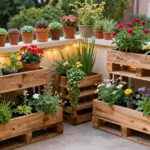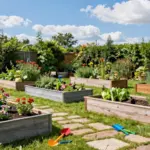
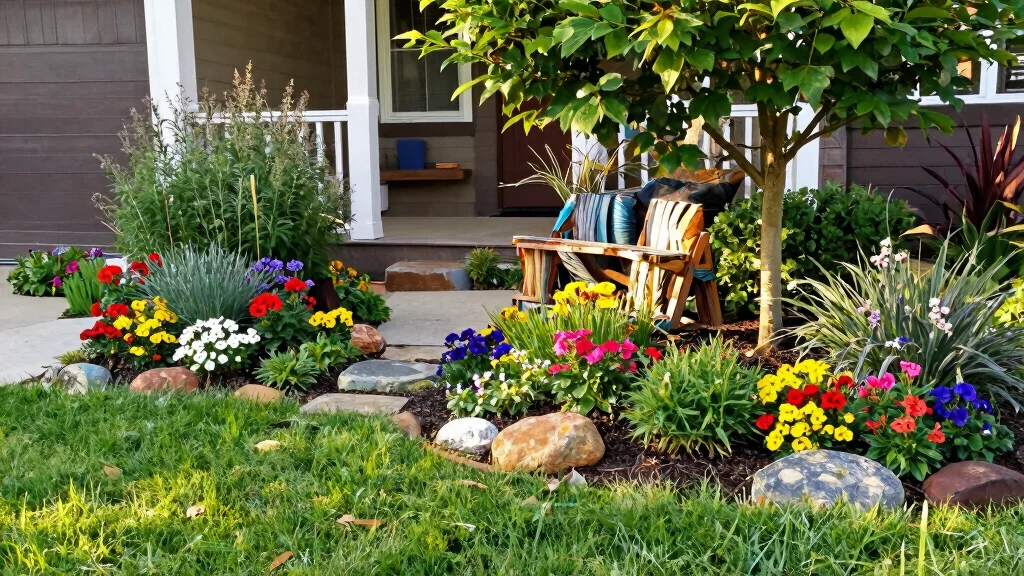
Creating a stunning front yard can feel like a daunting task. With the right outdoor landscaping ideas front yard, you can transform your space into a welcoming oasis. This post is for anyone who craves a beautiful and eco-friendly front yard that enhances curb appeal while being gentle on the planet. Whether you’re a seasoned gardener or just starting, I’ve gathered 14 sustainable landscaping ideas that are both practical and visually appealing.
Imagine walking up to your home and being greeted by vibrant flowers, lush greenery, and charming outdoor decor. If you’re into gardening or simply want to improve your home’s first impression, this guide will inspire you. You’ll discover landscaping tips that are easy to implement, helping you create a front yard that not only stands out but also contributes positively to the environment.
These ideas are designed to bring you a sense of connection with nature while providing you with actionable steps to enhance your front yard design. You’ll learn about native plants, rain gardens, and more. Each suggestion focuses on sustainability without sacrificing beauty or style. Get ready to roll up your sleeves and breathe new life into your front yard!
Key Takeaways
– Embrace Native Plants: Planting native species can improve biodiversity and reduce maintenance. They are well-adapted to your local environment and require less water and care.
– Create a Rain Garden: Transform a low spot in your yard into a rain garden to manage stormwater runoff. This sustainable feature can attract pollinators and add beauty to your yard.
– Install Permeable Walkways: Use materials that allow water to filter through, reducing puddles and erosion. Permeable walkways also enhance the aesthetic of your entryway.
– Incorporate Solar Lighting: Solar-powered lights offer a beautiful way to illuminate your yard at night. They are eco-friendly and can highlight unique garden features.
– Plan for Year-Round Interest: Choose a mix of plants that bloom in different seasons. This ensures your front yard remains vibrant and visually engaging throughout the year.
1. Embrace Native Plants
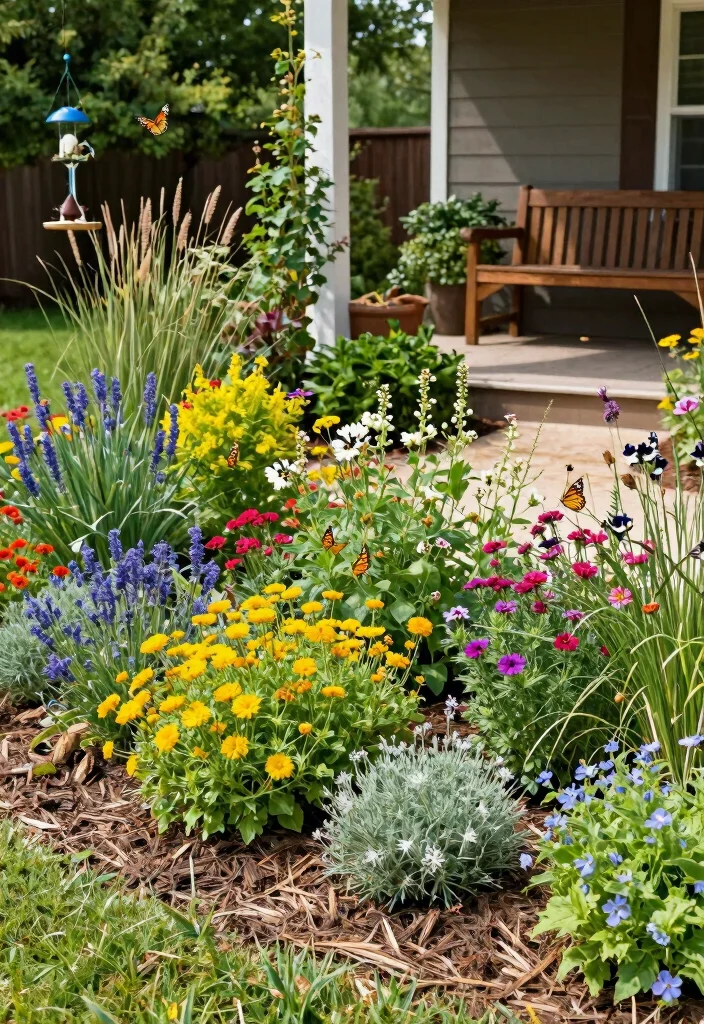
If you want a vibrant and easy-to-care-for front yard, native plants are the way to go. These plants thrive naturally in your area, which means they need less water and are more resistant to local pests. Imagine a colorful garden filled with seasonal blooms that also supports local wildlife like bees and butterflies. Incorporating these plants isn’t just good for aesthetics; it’s a win for the environment too!
Start by researching which native species flourish in your region. Combine perennials with annuals for continuous blooms, and group plants with similar watering needs for efficient care. This approach not only beautifies your space but also promotes biodiversity.
Key steps to embrace native plants:
– Research local native species for your garden.
– Mix perennials with annuals for all-year blooms.
– Group plants by watering needs for easy maintenance.
– Include plants that provide habitat for wildlife.
By choosing native plants, you’re enhancing your curb appeal while contributing to a healthier ecosystem.
Native plants get along with your mountain yard, not fight it. Start with a few local wildflowers and shrubs, mix heights, and you’ll water less, yet invite more pollinators and wildlife into your space.
2. Create a Rain Garden
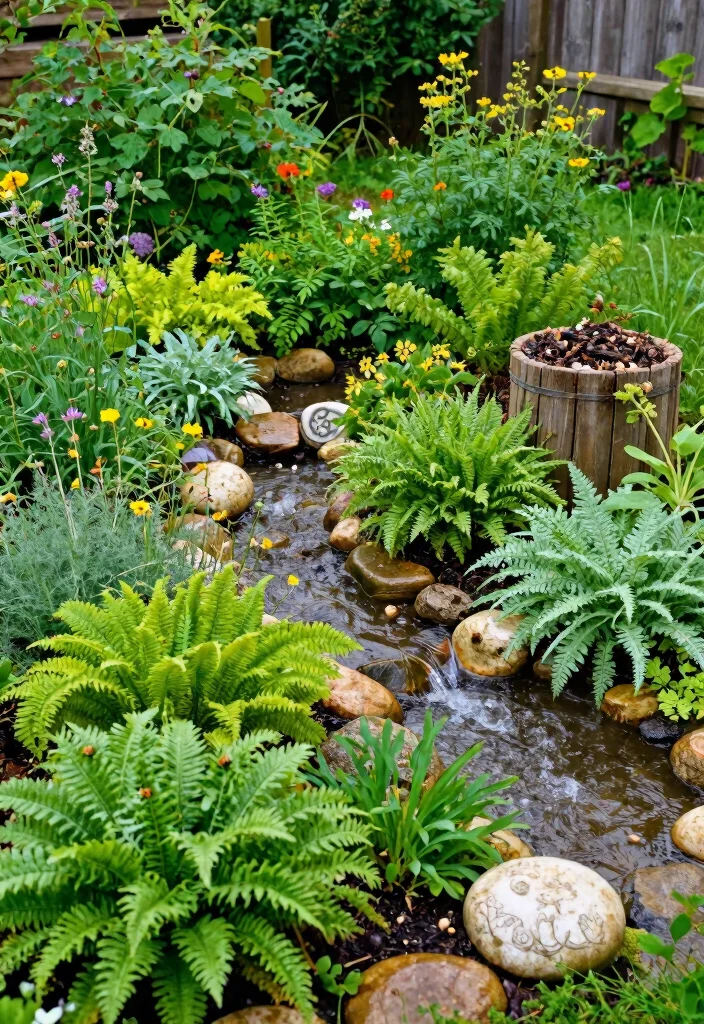
Imagine a stunning garden that not only looks great but also helps manage stormwater! A rain garden is designed to collect rainwater, allowing it to soak into the ground instead of overwhelming your drainage system. This not only conserves water but also adds a beautiful focal point to your front yard. Choose native plants that thrive in wet conditions for a lush and vibrant display.
Begin by selecting a low area in your yard where rain naturally collects. Dig a shallow depression to help hold water, and fill it with nutrient-rich soil. Plant various native species for visual interest, and consider adding decorative stones for style and erosion prevention.
Steps to create a rain garden:
1. Pick a low spot where water collects.
2. Dig a shallow depression about 6-12 inches deep.
3. Fill it with soil and compost for nutrients.
4. Plant a variety of native species for color.
5. Use decorative stones to enhance the look.
A rain garden not only beautifies your yard but also supports the local ecosystem!
3. Install Permeable Walkways
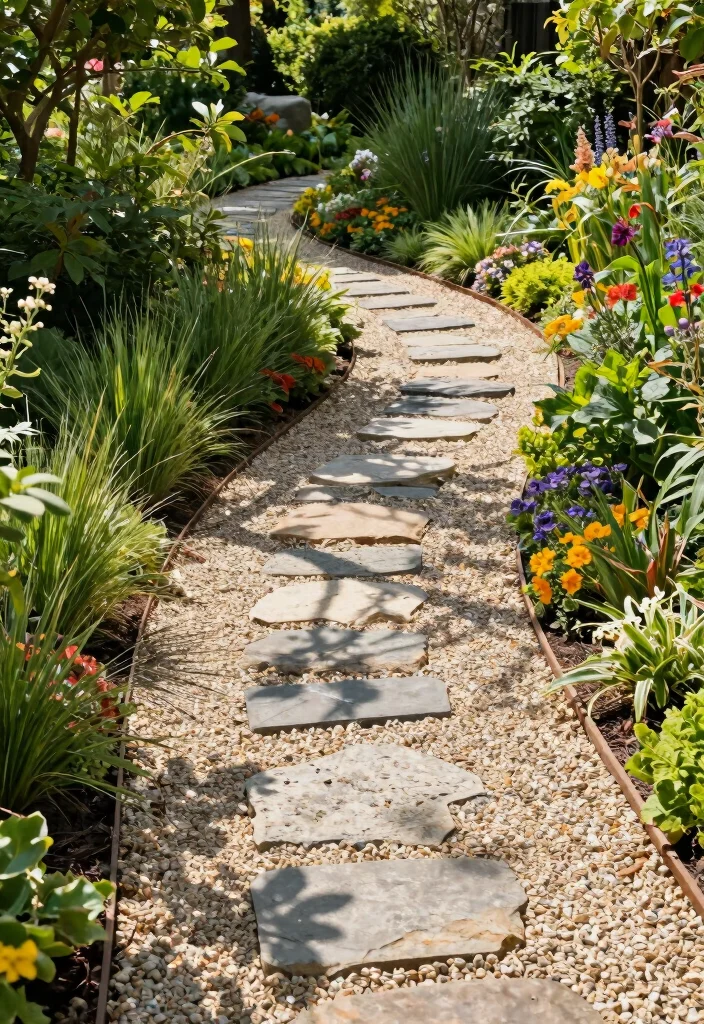
Permeable walkways are a stylish and practical choice for your front yard. These paths allow rainwater to filter through, replenishing groundwater instead of running off. Using materials like gravel or permeable pavers, you can create a beautiful walkway that also supports sustainability. Your yard will look inviting while promoting environmental health!
Choose materials that match your home’s style and design the pathway to follow your yard’s natural contours. Surround the walkway with plants to create a soft, inviting edge.
Tips for your walkway:
– Select materials that complement your landscape.
– Shape the path to follow natural yard lines.
– Add nearby plants to soften the walk’s edges.
A well-designed permeable walkway enhances your front yard’s beauty and helps the environment!
4. Utilize Vertical Gardening
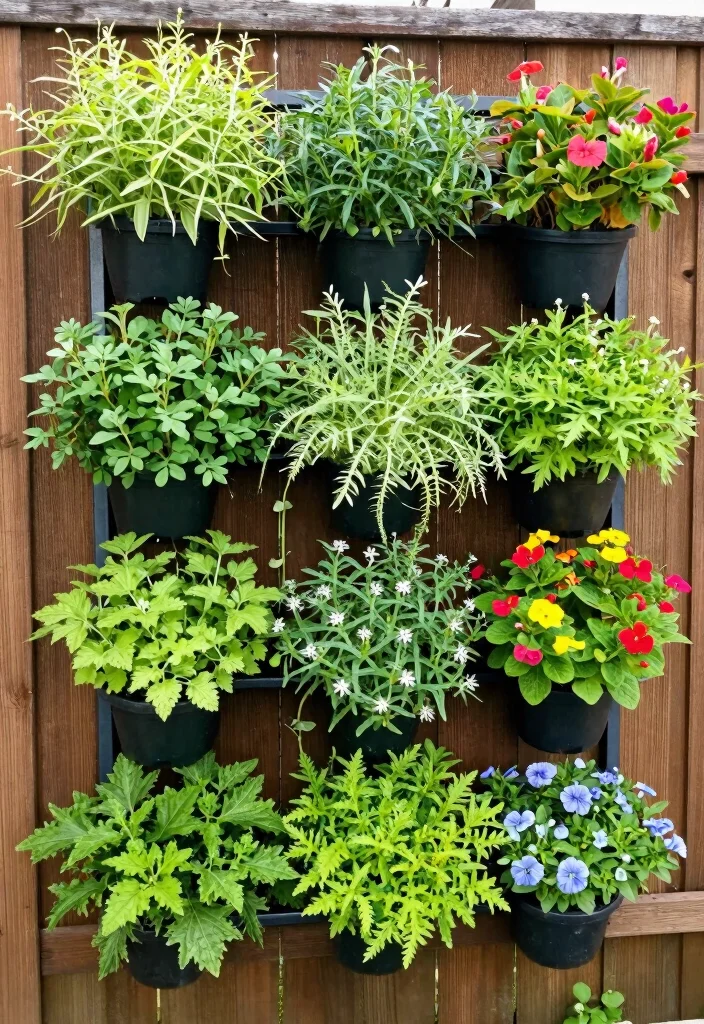
Short on space? Vertical gardening can transform your front yard into a lush paradise! By using walls, fences, or trellises, you can create stunning vertical displays of flowers and edible plants without taking up much ground space. This approach adds height and visual interest to your landscaping, making it both functional and beautiful.
Consider wall planters for herbs or colorful foliage, and install trellises for climbing plants like beans. Hanging pots can add color at varied heights, making your garden a feast for the eyes.
Ideas for vertical gardening:
– Use wall planters for herbs and foliage.
– Install trellises for climbing vegetables.
– Hang pots for flowers, adding color at different levels.
With vertical gardening, you can maximize your space while creating an eye-catching display!
5. Decorative Compost Bins
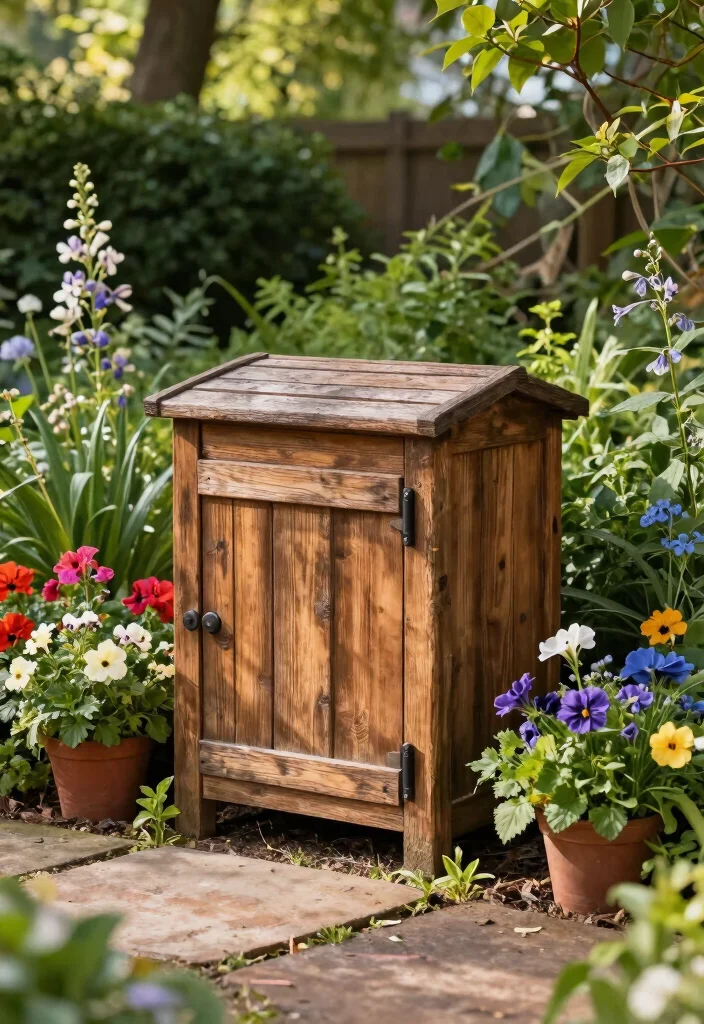
Composting is not just eco-friendly; it can also enhance your front yard’s design! A decorative compost bin can be both functional and an eye-catching feature in your garden. Choose a bin that matches your home’s style, whether rustic wood or sleek metal, to blend seamlessly with your landscape.
Select a convenient location for easy access, and layer brown and green materials for effective composting. Surround the bin with plants or decorative stones to create an inviting area.
Steps for stylish composting:
– Pick an accessible spot for your compost bin.
– Layer carbon-rich and nitrogen-rich materials.
– Decorate with plants for a charming look.
A decorative compost bin supports your gardening efforts while showcasing your commitment to sustainability!
6. Xeriscaping for Low Maintenance
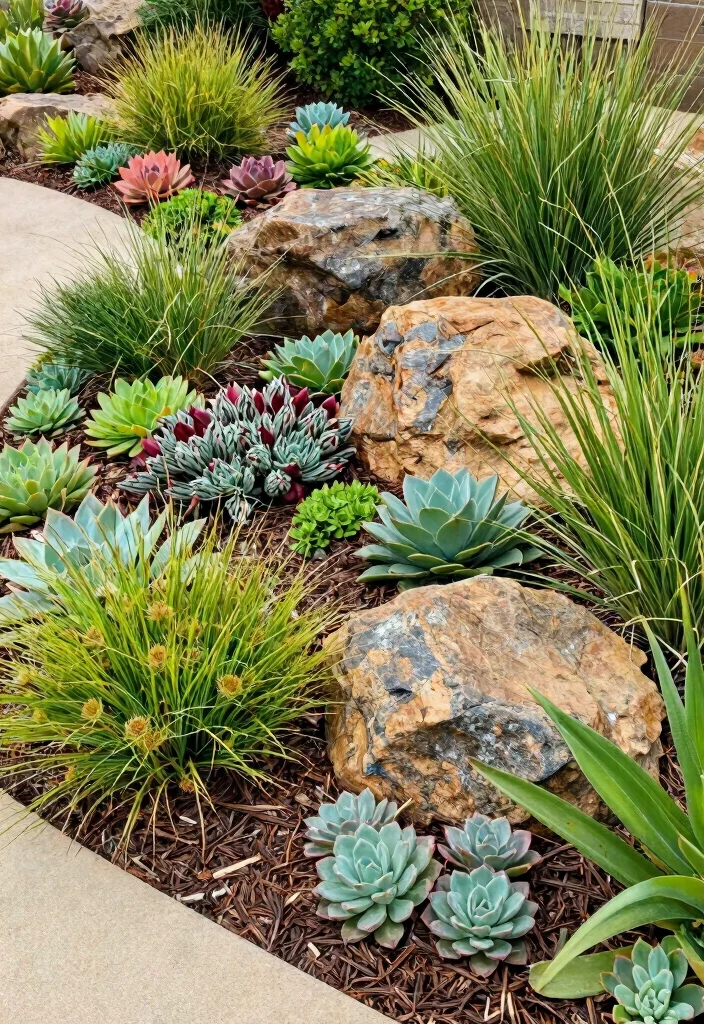
Xeriscaping is a smart way to create a beautiful front yard with minimal water needs. By choosing drought-resistant plants and reducing lawn areas, you can design a stunning landscape that thrives even in dry conditions. This method is perfect for areas prone to drought, offering both beauty and sustainability.
Select native or drought-tolerant plants such as succulents and ornamental grasses. Incorporate rock gardens instead of traditional lawns, and use mulch to retain moisture.
Key aspects of xeriscaping:
– Choose drought-resistant plants like succulents and wildflowers.
– Incorporate rocks instead of lawns for low maintenance.
– Use mulch to keep moisture in and weeds out.
Embracing xeriscaping saves water and time, giving you an appealing front yard!
7. Edible Landscapes
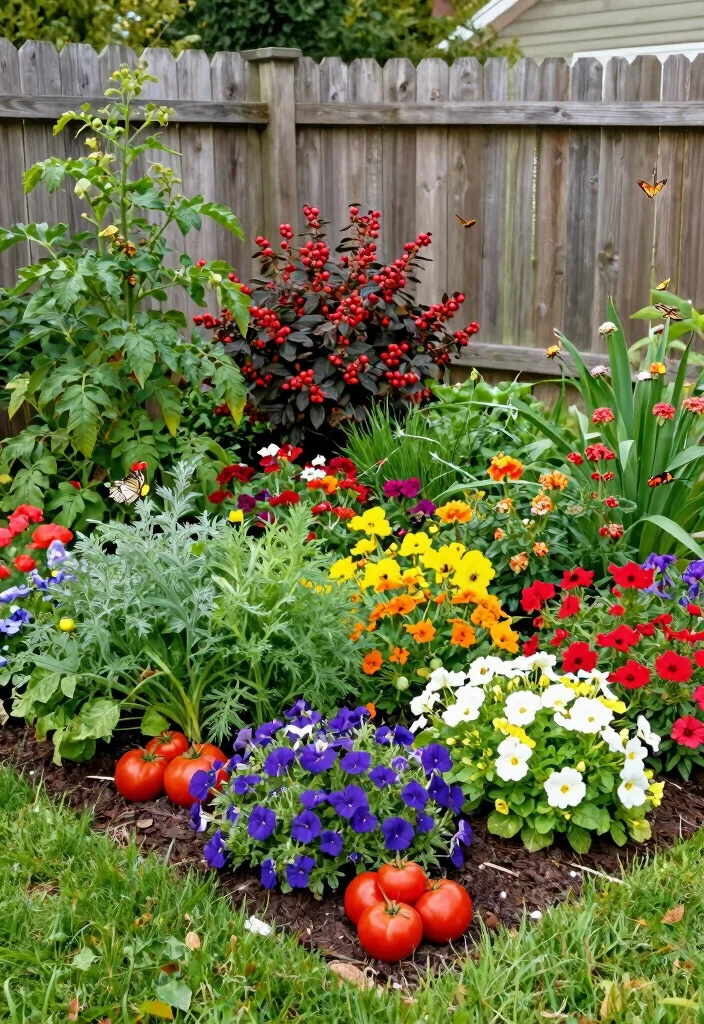
Imagine walking into a front yard filled with delicious fruits and vibrant vegetables! Creating an edible landscape blends beauty with functionality, allowing you to grow fresh produce alongside ornamental plants. This unique garden space showcases your creativity while providing food for your family.
Plant berry bushes among flowering shrubs for a pop of color, and use raised beds for vegetables to add height. Incorporate herbs into flower beds for a beautiful and useful mix.
Ideas for edible landscaping:
– Plant berry bushes among flowering plants.
– Use raised beds for vegetables, adding variety.
– Mix herbs into flower beds for beauty and utility.
By blending edibles with ornamental plants, your front yard can be both stunning and productive!
8. Natural Stone Features
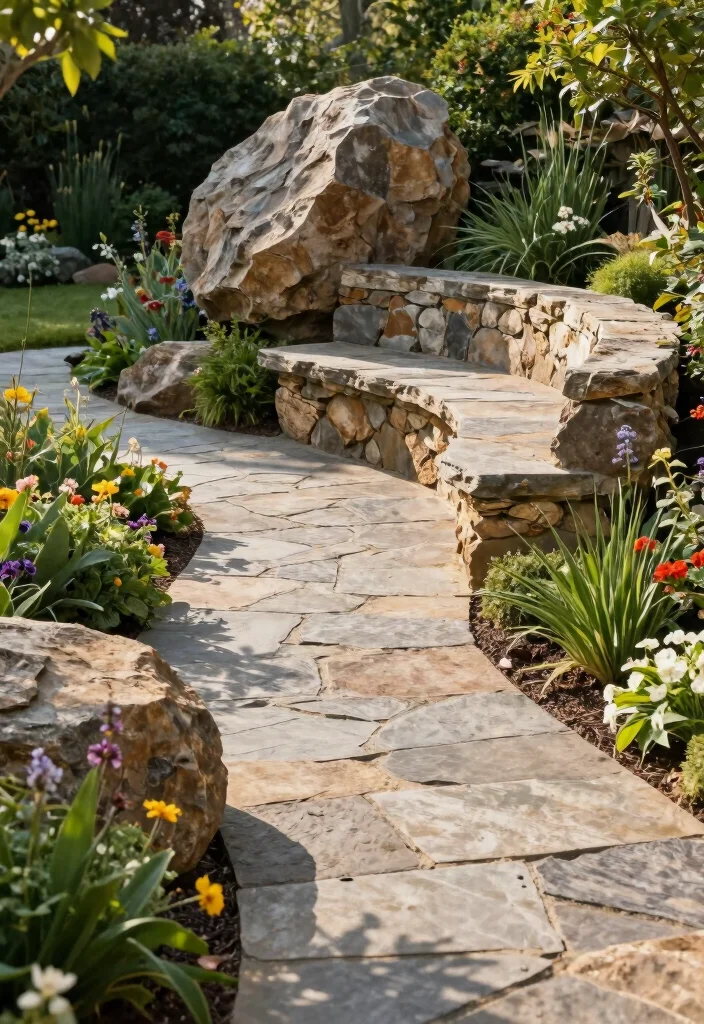
Adding natural stone to your landscaping gives texture and timeless charm to your front yard. Stone features like pathways, walls, or decorative boulders enhance your garden’s beauty while requiring minimal maintenance. These elements blend effortlessly into your landscape, providing a rustic appeal.
Create a stone pathway leading to your door or use boulders as natural seating. Incorporate stone borders around flower beds for definition and style.
Ideas for stone features:
– Create a stone pathway to your entryway.
– Use boulders as seating or focal points.
– Add stone borders around flower beds for a polished look.
Natural stone elements can tie your landscaping together, enhancing its overall appeal!
9. Solar Lighting for Ambiance
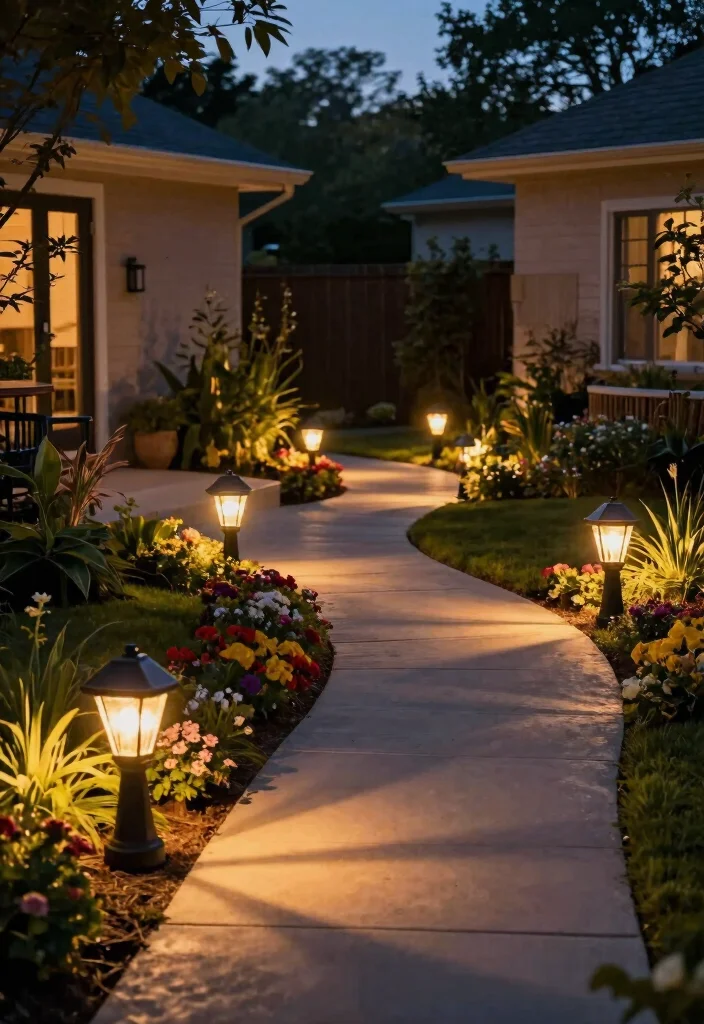
Enhancing your front yard with solar-powered lighting brings both beauty and functionality. These energy-efficient lights can line your walkways, highlighting gorgeous plants and garden features while adding safety. With a variety of styles available, you can find the perfect lights to match your home.
Choose lights that complement your architecture and place them evenly along pathways for both safety and design. Use spotlights to highlight focal points or beautiful plants, creating a cozy nighttime atmosphere.
Tips for solar lighting:
– Select lights that match your home’s style.
– Space lights evenly along pathways for effect.
– Use spotlights to highlight special features.
Solar lighting adds warmth to your front yard, making it inviting in the evenings!
Outdoor Landscaping Ideas Front Yard? Start with solar lighting along the path—it’s energy-efficient and instantly boosts curb appeal. Place lights evenly, spotlight key plants, and you’ll enjoy a safe, welcoming glow all night.
How To Choose Sustainable Landscaping Ideas for Your Front Yard
Choosing the right sustainable landscaping ideas for your front yard can enhance your curb appeal while being kind to the environment. Here’s how to make your selection effectively.
1. Assess Your Climate
Understanding your local climate is critical when selecting plants and designs. Are you in a dry area that requires drought-resistant plants, or do you have a temperate zone where a variety of plants thrive? Look for native plants that adapt well to your local conditions. They usually require less water and fertilizer, making them sustainable choices.
2. Consider Your Space
Take a good look at your front yard’s size and shape. Do you have a small space or a sprawling garden? Choose landscaping ideas that suit the dimensions of your yard. For smaller yards, vertical gardens or raised beds can save space while providing greenery. Larger spaces can accommodate diverse plantings, seating areas, or sustainable features like rain gardens.
3. Choose Native and Drought-Resistant Plants
Native plants are adapted to your local environment and typically require less maintenance. They help preserve local ecosystems by attracting native pollinators like bees and butterflies. Drought-resistant plants are another excellent choice that conserves water. Look for plants that thrive in your area and can withstand dry spells without much care.
4. Plan for Water Management
Water conservation is key to sustainable landscaping. Think about installing a rain garden to capture and filter stormwater, reducing runoff and irrigation needs. You could also look into permeable walkways that allow water to seep through. This design promotes healthier plant growth while preventing puddles in your yard.
5. Incorporate Edibles
Why not make your front yard beautiful and productive? Integrating edible plants into your landscaping can be both functional and attractive. Consider fruit trees, berry bushes, or vegetable patches. These plants not only provide food but also enhance your yard’s aesthetic appeal. Just be mindful of their placement to ensure they blend well with other ornamental plants.
6. Use Eco-Friendly Materials
Choosing the right materials can make a significant difference. Look into sustainable options for hardscaping, such as recycled bricks or stones. These materials not only reduce waste but also add character to your yard. Avoid treated wood or plastic if you can, as they can leach harmful chemicals into the soil.
Pro Tip: Create a layout plan before you start planting. This plan can help you visualize your ideas and make adjustments as needed. Sketch your front yard on paper, marking where you want to place plants, features, and pathways. A well-thought-out design minimizes wasted resources and time during implementation!
Choosing sustainable landscaping ideas requires careful consideration, but the rewards are well worth it. By assessing your climate, understanding your space, selecting native plants, managing water wisely, incorporating edible options, and using eco-friendly materials, you can create a stunning front yard that enhances curb appeal while being environmentally friendly.
10. Garden Art and Decor
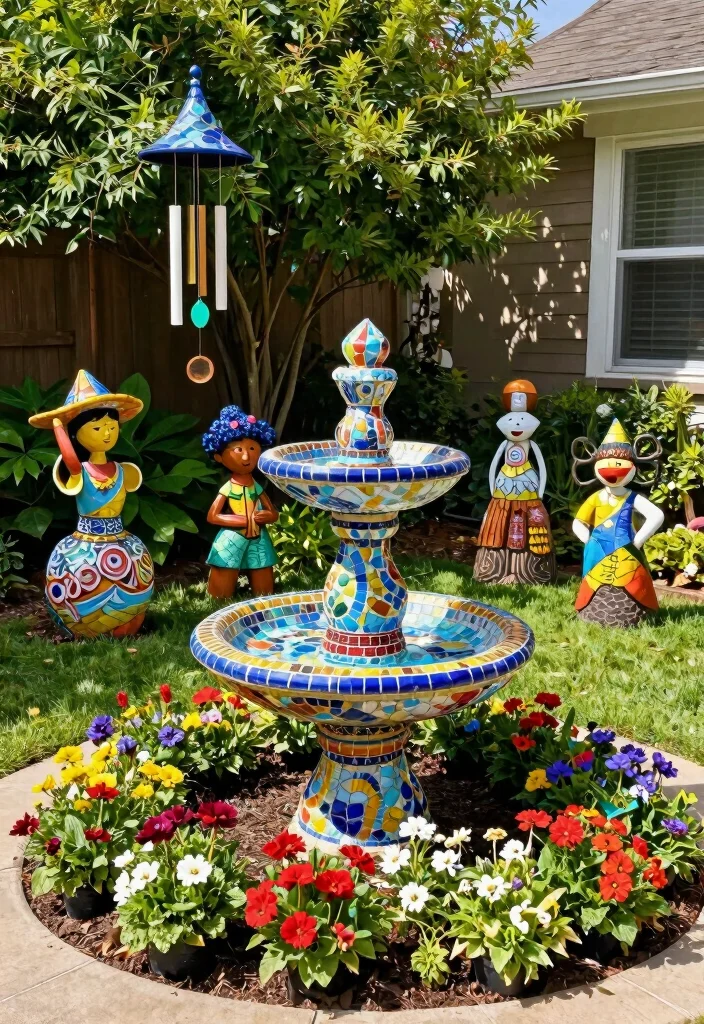
Adding garden art and decor to your front yard introduces a personal touch while showcasing your creativity. From sculptures to colorful birdhouses, these pieces create visual interest and tell a story. Choose sustainable materials to keep your landscape eco-friendly and stylish.
Add a beautiful mosaic birdbath as a centerpiece, or use recycled materials to craft unique art pieces. Hang wind chimes or fairy lights to add whimsy and charm to your outdoor space.
Ideas for garden decor:
– Add a colorful mosaic birdbath as a focal point.
– Create art using recycled materials.
– Hang wind chimes for a playful touch.
Artful decor can make your front yard truly unique, allowing you to express your personality sustainably!
11. Organic Lawn Care
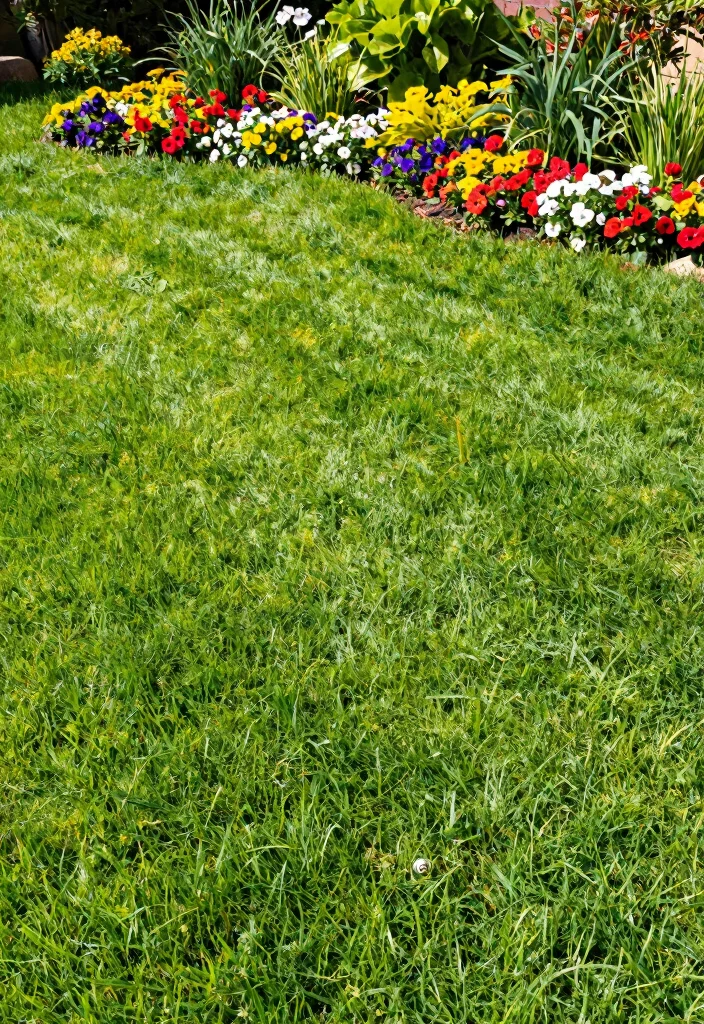
You can maintain a healthy, lush lawn while being eco-friendly! Using organic lawn care methods keeps your yard vibrant and reduces the need for harmful chemicals. Focus on natural fertilizers and pest control to create a safe space for your family and pets.
Opt for compost or natural fertilizers to nourish your lawn, and keep the grass tall for better drought resistance. Introducing beneficial insects helps manage pests without chemicals.
Organic lawn care tips:
– Use compost or natural fertilizers for growth.
– Keep grass tall for drought resistance.
– Introduce beneficial insects for natural pest control.
An organic lawn can be beautiful and healthy, supporting both your garden and the environment!
12. Sustainable Mulching Practices
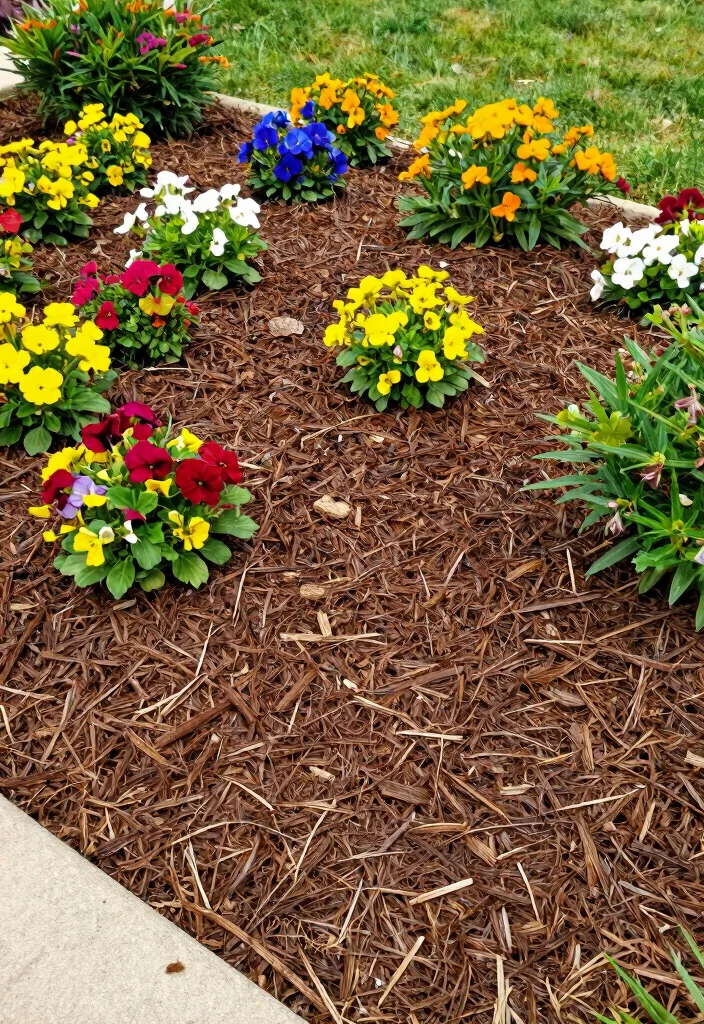
Applying mulch is a simple yet effective way to enhance your front yard! Mulch conserves moisture, suppresses weeds, and improves soil health. Using organic materials like shredded leaves or wood chips not only protects your plants but also adds nutrients back to the soil.
Apply a 2-3 inch layer of mulch around your plants to retain moisture and enrich the soil. Colored mulch can also add visual interest to your garden beds while refreshing the look.
Mulching tips:
– Apply a 2-3 inch layer for moisture retention.
– Use colored mulch for added visual appeal.
– Refresh mulch annually for optimal benefits.
Sustainable mulching practices can make your front yard look polished while supporting healthy plant life!
13. Eco-Friendly Water Features
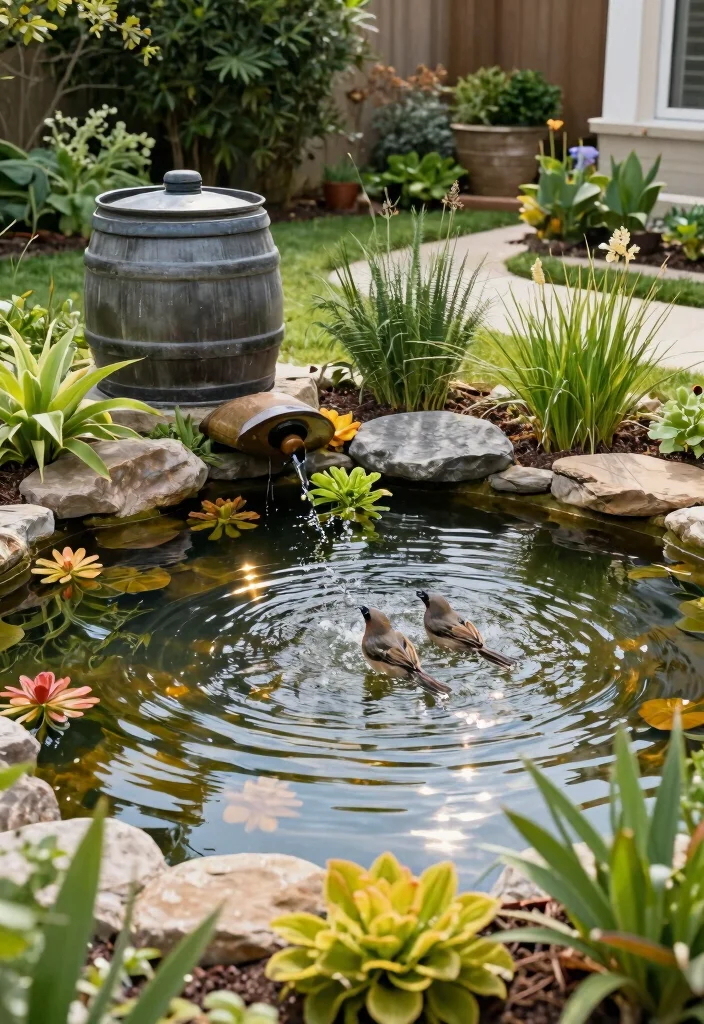
Adding eco-friendly water features like rain barrels or small ponds can elevate your front yard’s charm. These features not only create a peaceful atmosphere but also attract wildlife such as birds and beneficial insects. Using recycled materials or solar-powered pumps makes these additions even more sustainable and eco-conscious.
Consider installing a rain barrel to capture stormwater for your garden, or create a small pond filled with native aquatic plants. A fountain that recycles water can also add a lovely touch to your yard.
Ideas for water features:
– Install a rain barrel for stormwater collection.
– Create a small pond with native plants.
– Add a fountain that recycles water.
These features transform your garden into a serene oasis while supporting sustainable practices!
Did you know a compact rain barrel can slash outdoor water use by up to 40%? Pair it with solar-powered pumps and native plants for true eco-friendly water features in your outdoor landscaping ideas front yard—boosting wildlife, lowering bills, and boosting curb appeal.
14. Seasonal Planting for Year-Round Interest
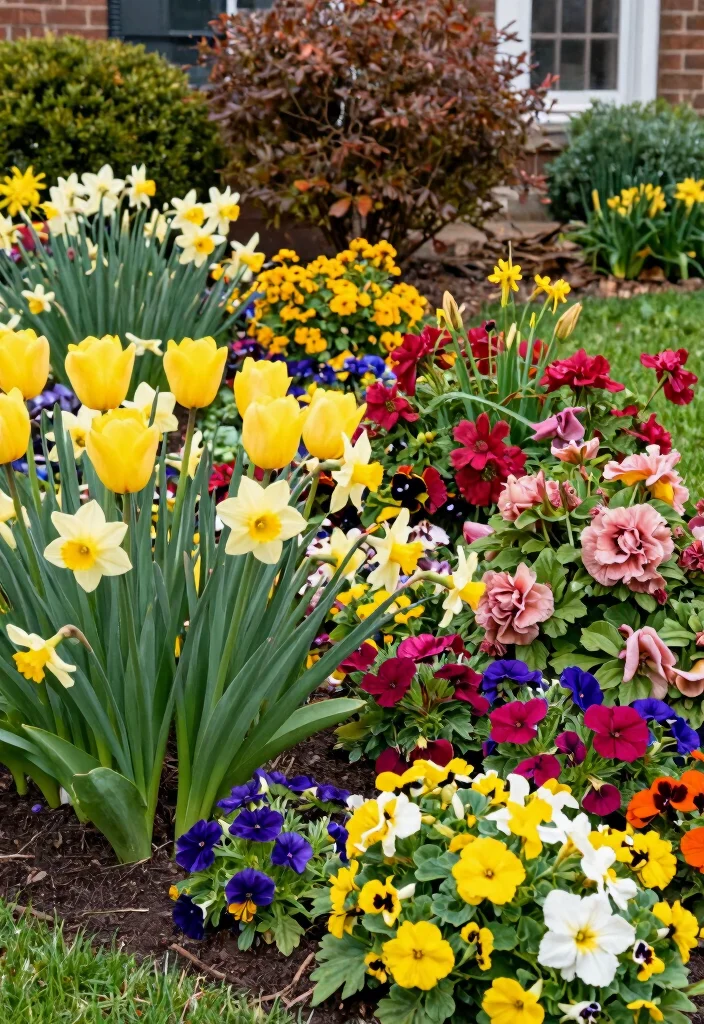
To keep your front yard looking beautiful all year, consider seasonal planting. By selecting plants that bloom in different seasons, you create a dynamic landscape that offers visual interest throughout the year. This approach showcases your gardening skills and keeps your yard vibrant.
Plant spring bulbs like tulips and daffodils for early blooms, and add summer annuals for bright bursts of color. Incorporate fall perennials for late-season interest to keep your yard lively.
Seasonal planting ideas:
– Plant spring bulbs like tulips and daffodils.
– Use summer annuals for vibrant colors.
– Add fall perennials for continued interest.
With thoughtful seasonal planting, your front yard can be a welcoming and colorful space every month of the year!
Conclusion
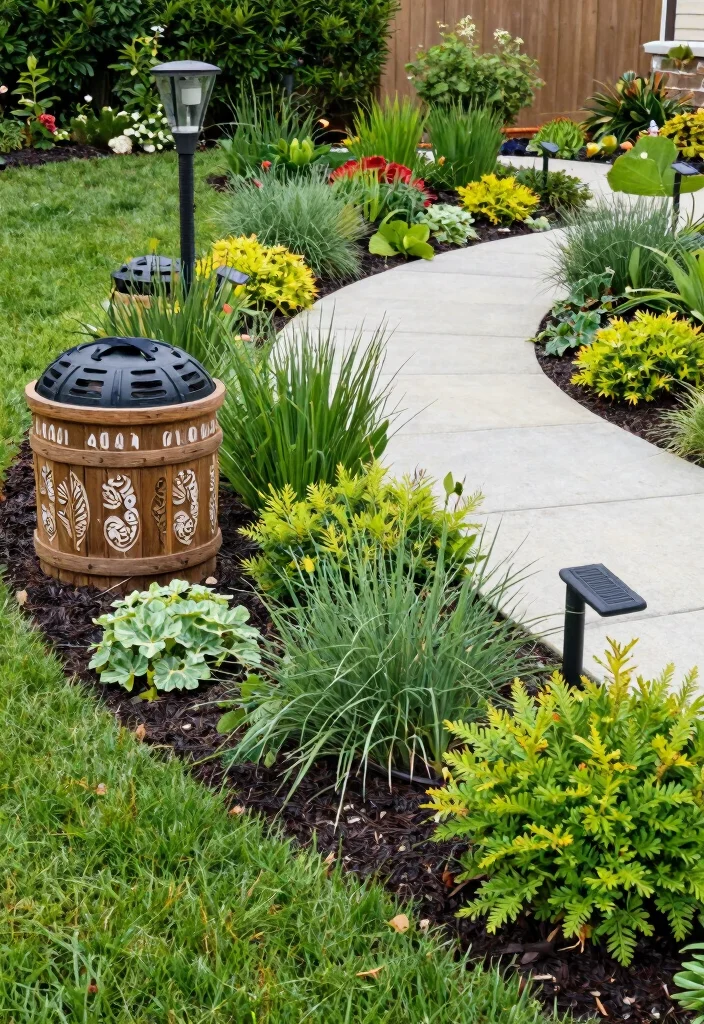
Revamping your front yard with sustainable landscaping ideas can significantly enhance your curb appeal while benefiting the environment.
From native plants to decorative compost bins, every choice you make contributes to a greener future.
Get inspired by these ideas, and don’t hesitate to mix and match to create your unique paradise right outside your door!
Frequently Asked Questions
What are some sustainable outdoor landscaping ideas for a front yard to boost curb appeal?
Starting with a solid plan that fits your climate and budget, you can achieve outdoor landscaping ideas front yard that are sustainable. Try native, drought-tolerant plants as anchors and layer them with colorful perennials for year‑round interest.
Add landscape planning by drafting a simple budget and cohesive color palette. Use mulch to suppress weeds and conserve moisture, and install a drip irrigation system to water efficiently.
Finish with permeable pathways, energy‑efficient lighting, and a few pieces of outdoor garden decor made from recycled materials to boost curb appeal without harming the environment.
How can I design a front yard that is both beautiful and eco-friendly on a budget?
Start with a simple front yard design plan that prioritizes low-maintenance, eco-friendly elements. Choose a limited palette of native, drought-tolerant plants and group them in blocks for easier care and irrigation efficiency.
Keep it affordable with savvy landscape planning—reuse materials, compost kitchen scraps, and mulch heavily to cut water use. A basic drip irrigation timer can save water, and a rain barrel helps harvest free irrigation. Cap it off with a touch of outdoor garden decor such as reclaimed wood planter boxes or stone edging to add charm on a budget.
Which plants and features help reduce water use while keeping strong curb appeal?
Go with water-wise choices like native grasses, sedums, lavender, and other drought-tolerant shrubs. Group plants with similar water needs so you can water efficiently. Layer with a thick mulch to cut evaporation and keep roots cool. For structure, install permeable paths (gravel or porous pavers) to manage runoff and support healthy soil. Collect rainwater in a barrel and feed your plants with a simple drip irrigation system for maximum efficiency.
What maintenance tips help keep an eco-friendly front yard looking great year-round?
Create a simple, sustainable routine. Mulch to 2-3 inches and refresh yearly, prune native plants after flowering to encourage robust growth, and compost yard waste to feed the soil. Use organic pest control when needed and run irrigation on a schedule with a weather-based controller. Plant selection and seasonal cleanup should be gentle on the ecosystem, so you keep landscape tips practical and effective.
How can I incorporate sustainable garden decor that enhances curb appeal without harming the environment?
Choose decor made from renewable or recycled materials—reclaimed wood, natural stone, or upcycled metal can add charm without waste. Add solar-powered lighting to highlight features and reduce energy use. Use planters made from recycled materials and select outdoor garden decor that supports wildlife, like native plantings and water features with energy-efficient pumps. With curb appeal ideas, you can create a welcoming front yard that’s both beautiful and kind to the planet.