Creating a beautiful flower bed can feel overwhelming, especially when you want it to be low-maintenance and effective at draining water. That’s where pea gravel comes in. This versatile material not only enhances the aesthetics of your garden but also provides excellent drainage, ensuring your plants thrive without the fuss of constant upkeep. I put this post together because I saw a need for creative ideas that make gardening easier while still looking stunning.
If you love gardening but often struggle with watering issues or the upkeep of traditional flower beds, then this guide is for you. Whether you’re a seasoned gardener or just starting out, you’ll find pea gravel flower bed ideas that suit your style and needs. I’ve compiled twelve inspiring concepts that will help you create inviting outdoor spaces with minimal maintenance.
In this blog post, you will discover a mix of designs that incorporate pea gravel, from serene stone borders to vibrant vertical gardens. Each idea is tailored to provide a creative solution to your flower bed challenges while keeping your garden looking fresh. So, let’s dig in and explore how you can make your garden both beautiful and easy to care for!
Key Takeaways
– Pea gravel enhances drainage: It prevents water pooling and helps maintain the health of your plants, making it an ideal choice for flower beds.
– Low maintenance gardening solutions: With these ideas, you can enjoy a beautiful garden without spending hours on upkeep.
– Versatile design options: From geometric designs to wildflower meadows, these ideas offer a range of styles to fit your aesthetic.
– Integrate edible plants: Some ideas incorporate edible flowers, blending beauty with functionality for a garden that’s both attractive and practical.
– Create inviting outdoor spaces: Use pea gravel to design areas for relaxation, such as integrated seating, enhancing the enjoyment of your garden.
1. Serene Stone Borders
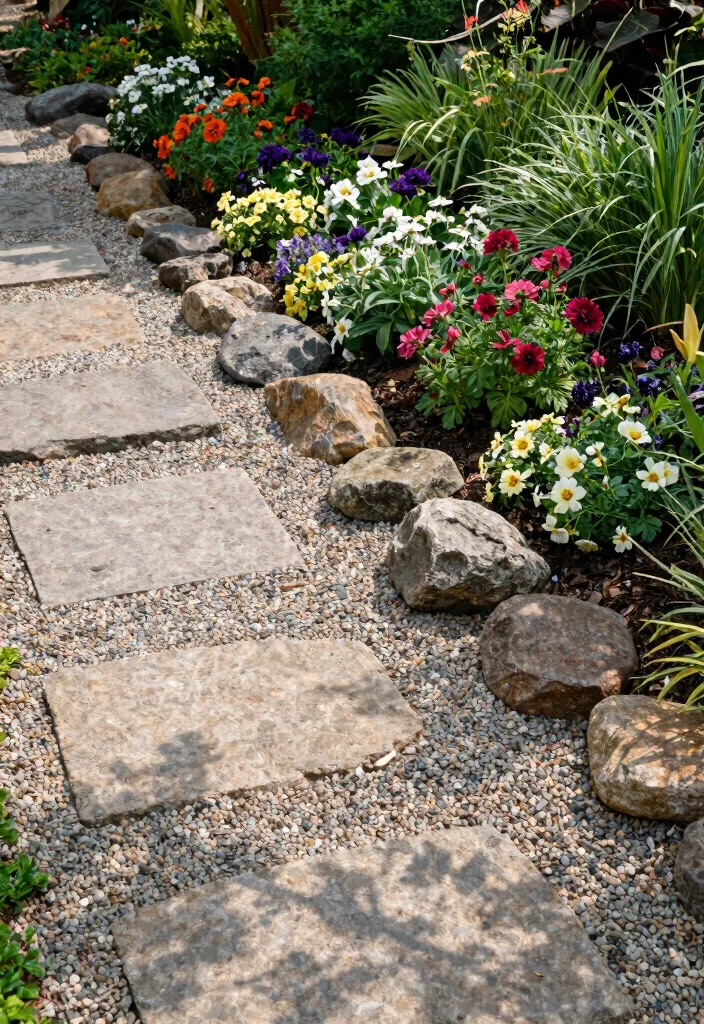
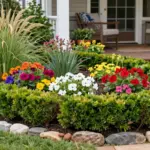
Imagine a flower bed that elegantly combines the ruggedness of stone with the softness of pea gravel. This design not only enhances the beauty of your garden but also provides a clear definition to your flower beds. Using flat stones or decorative boulders creates a stunning contrast with vibrant flowers, making the whole area pop with color and texture.
To achieve this serene look, pick stones that harmonize with your home’s color palette. Mixing various sizes of stones can create a relaxed, natural feel that draws the eye. Be sure to secure the stones well to keep them in place, preventing any shifting over time.
Key steps to create stone borders:
– Choose stones that match your home’s style.
– Mix sizes for a more organic appearance.
– Secure stones firmly to avoid movement.
This approach not only helps manage drainage but also reduces weeds, making maintenance simple. Picture a peaceful garden where the stone and gravel work together to highlight your floral displays!
How To Choose the Right Pea Gravel for Your Flower Bed
When planning a flower bed that incorporates pea gravel, it’s important to select the right type of gravel. The right choice enhances aesthetics, provides excellent drainage, and ensures low-maintenance gardening. Here’s how to choose the best pea gravel for your needs.
1. Size Matters
Pea gravel typically comes in various sizes, ranging from 1/4 inch to 3/8 inch. Smaller gravel tends to settle into soil better, while larger pieces create a more textured surface. When selecting size, consider the look you want versus how well it will stay in place. For flower beds, a size of around 3/8 inch is commonly preferred for both comfort and beauty.
2. Color Selection
Pea gravel comes in a range of colors, from earthy browns and grays to vibrant reds and whites. Think about how the color will complement your plants and the overall design of your garden. Light-colored gravel can reflect sunlight well, while darker colors may absorb heat. Choose a color that enhances your flower bed’s vibrancy without overpowering the flowers.
3. Drainage Properties
One of the key benefits of using pea gravel is its excellent drainage capabilities. Look for gravel that allows water to flow easily through it. This characteristic helps prevent water from pooling around your plants, which can lead to root rot. Ensure that the gravel you choose has a consistent shape, as rounded edges allow for better drainage.
4. Compatibility with Plants
Consider the plants you want to incorporate in your flower bed. Some plants thrive in drier conditions, while others prefer moist soil. Pea gravel works well with drought-tolerant perennials and succulents. When selecting gravel, think about how it will interact with the specific plants chosen for your garden.
5. Maintenance Level
A low-maintenance garden is an excellent goal for many gardeners. Pea gravel requires minimal upkeep but can still accumulate debris and weeds over time. Choose a type of gravel that is thicker and has fewer gaps to help reduce weed growth. Consider using landscaping fabric beneath the gravel to further suppress weeds.
6. Budget Considerations
Prices for pea gravel can vary significantly based on quality, size, and color. Set a budget before shopping. Generally, lighter colors or specialty colors may cost more. Don’t forget to include delivery fees in your budget if you’re purchasing a large quantity. Comparing prices from different suppliers may help you find the best deal.
Pro Tip: Always order slightly more gravel than you think you need. It’s common to underestimate how much is required, and having extra on hand can help for future repairs or touch-ups. Measure your flower bed area thoroughly to determine how much gravel you need, using a depth of 2-3 inches for optimal coverage.
By following these guidelines, you can select the perfect pea gravel for your flower bed. This choice will not only enhance the aesthetics of your outdoor space but also make maintenance a breeze. Happy gardening!
2. Colorful Perennial Intermix
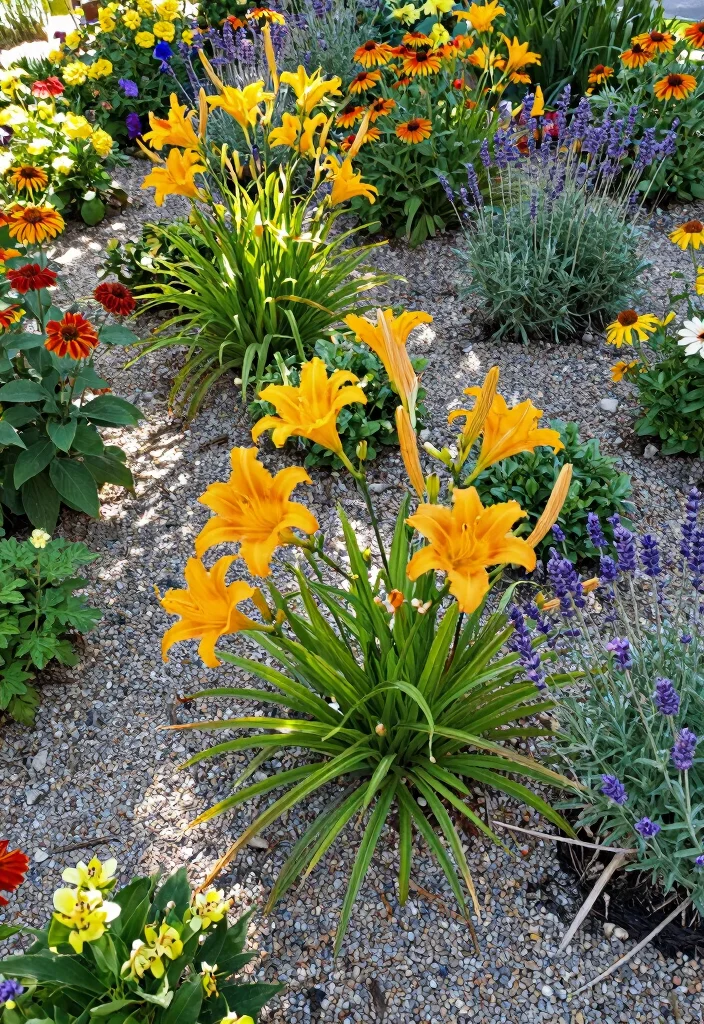
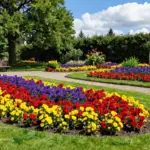
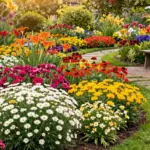
Transform your pea gravel flower bed into a vibrant spectacle by mixing bright perennials. This technique introduces a rainbow of colors and extends the blooming season, ensuring your garden is lively throughout the year. Planting low-maintenance varieties like daylilies and coneflowers offers beauty with minimal effort.
Opt for flowers that thrive together, such as daylilies, which are hardy and full of life, or lavender, which adds fragrance and drought resistance. Mixing these plants ensures a stunning display that requires little upkeep while providing constant visual interest.
Planting recommendations include:
– Daylilies for their vibrant and resilient blooms.
– Coneflowers to attract butterflies and offer height.
– Lavender for its scent and drought-tolerance.
This combination creates a dynamic flower bed filled with color and life, making your garden a captivating focal point while benefiting from the effective drainage of pea gravel.
3. Geometric Designs
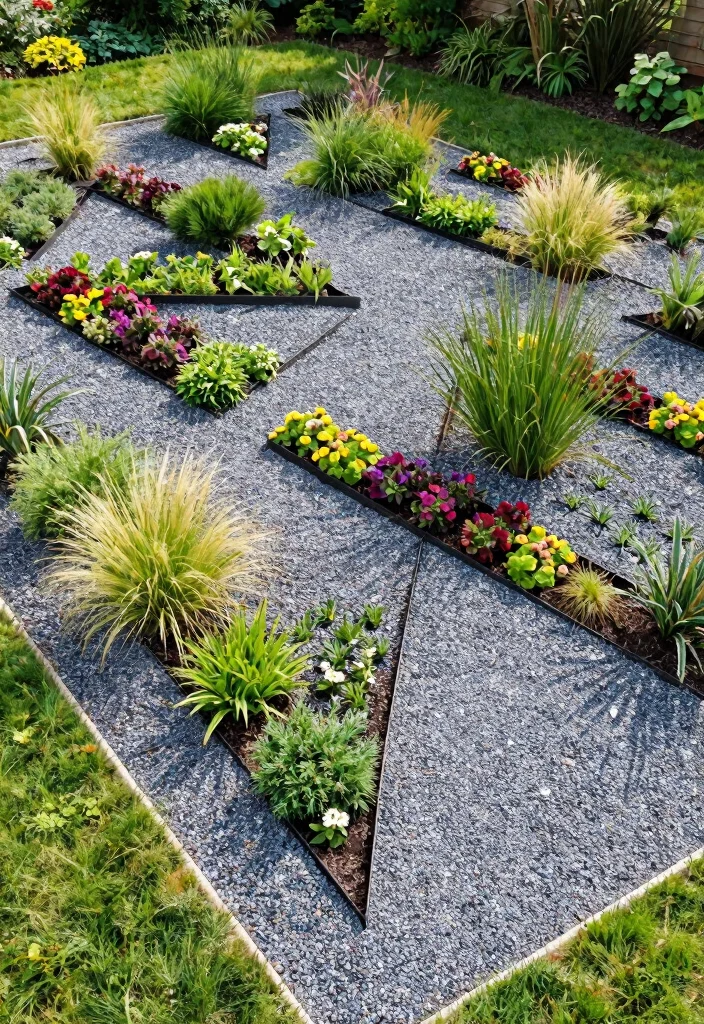
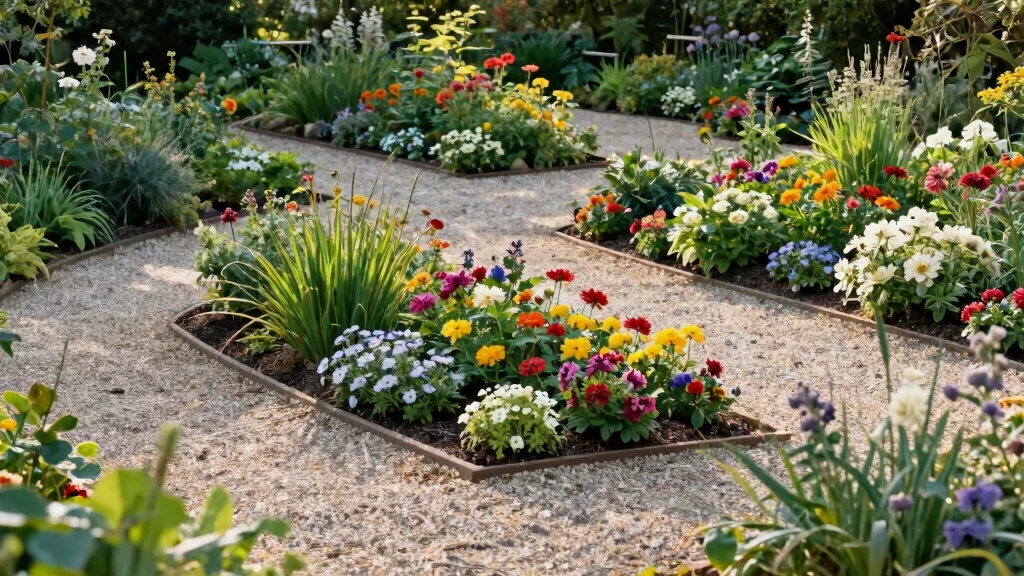
For those who appreciate modern design, consider using pea gravel to create geometric flower beds. This approach emphasizes clean lines and structured shapes, giving your garden a chic and sophisticated appearance. Shapes like rectangles and triangles can define your layout beautifully.
Begin by mapping out distinct shapes in your garden. Use edging materials to keep your designs clean and fill in the areas with pea gravel for a striking contrast. Strategically place plants to maintain visual balance and interest throughout the space.
Design tips to consider:
– Vary plant heights for added depth.
– Add ornamental grasses for unique texture.
– Keep gravel free of weeds for crisp lines.
This design not only enhances the style of your garden but also utilizes the drainage benefits of pea gravel, ensuring your plants flourish despite changing weather patterns.
4. Pea Gravel Pathways
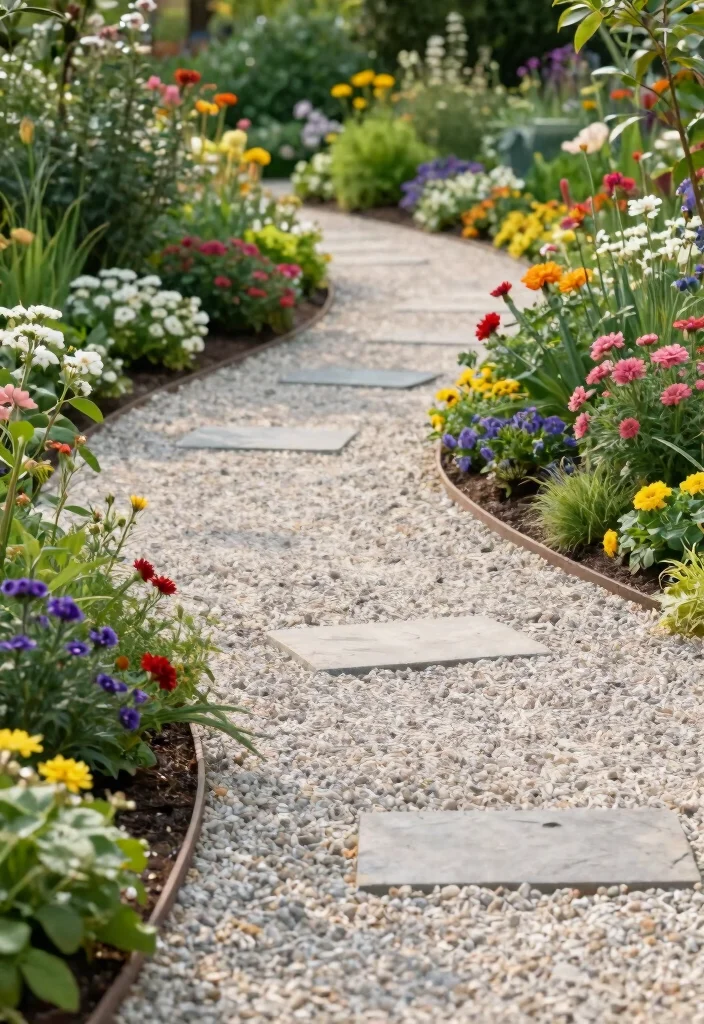
Adding pea gravel pathways through your flower beds enhances both beauty and functionality. These paths not only facilitate maintenance but also prevent soil compaction around your plants. The gentle crunch of gravel underfoot provides an auditory element to your serene garden setting.
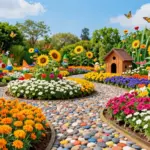
Design defined paths with pea gravel to guide visitors seamlessly from one flower bed to another. This layout creates a natural flow, encouraging exploration while keeping your plants protected. Plus, the gravel provides excellent drainage for your garden beds.
Pathway tips for a successful design:
– Ensure pathways are wide enough for easy movement.
– Use landscape fabric beneath the gravel to deter weeds.
– Include stepping stones for decorative flair.
This method keeps your garden organized and polished, perfectly complementing the surrounding vibrant flowers.
Fun fact: a 2-inch pea gravel layer is one of our pea gravel flower bed ideas—creating sturdy pathways that prevent soil compaction and keep beds healthy during rainy weeks. Visitors follow the natural flow, and the soft crunch adds a calming, garden-friendly soundtrack.
5. Rock Gardens with Pea Gravel
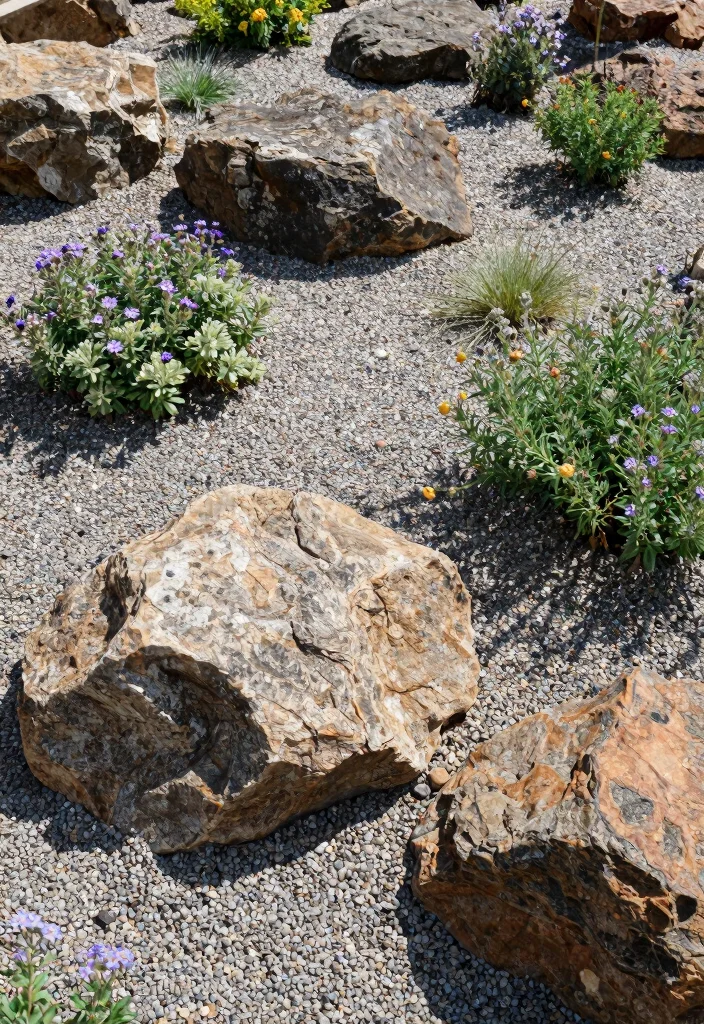
A rock garden featuring pea gravel allows you to showcase a captivating blend of textures and shapes. This style provides visual intrigue while requiring minimal maintenance, making it an ideal choice for busy gardeners. Integrating larger stones or boulders creates a striking foundation for your design.
Surround these rocks with drought-resistant perennials like sedum and alpine asters that thrive in rocky settings. Their colorful blooms will stand out amidst the gravel, adding life to your garden space.
Considerations for your rock garden:
– Select stones that complement your plant choices.
– Ensure a slight slope in the gravel for proper drainage.
– Group plants in odd numbers for a more natural look.
This combination not only highlights the beauty of nature but also simplifies upkeep, making it a fantastic option for gardeners seeking low-maintenance solutions.
6. Edible Flower Beds
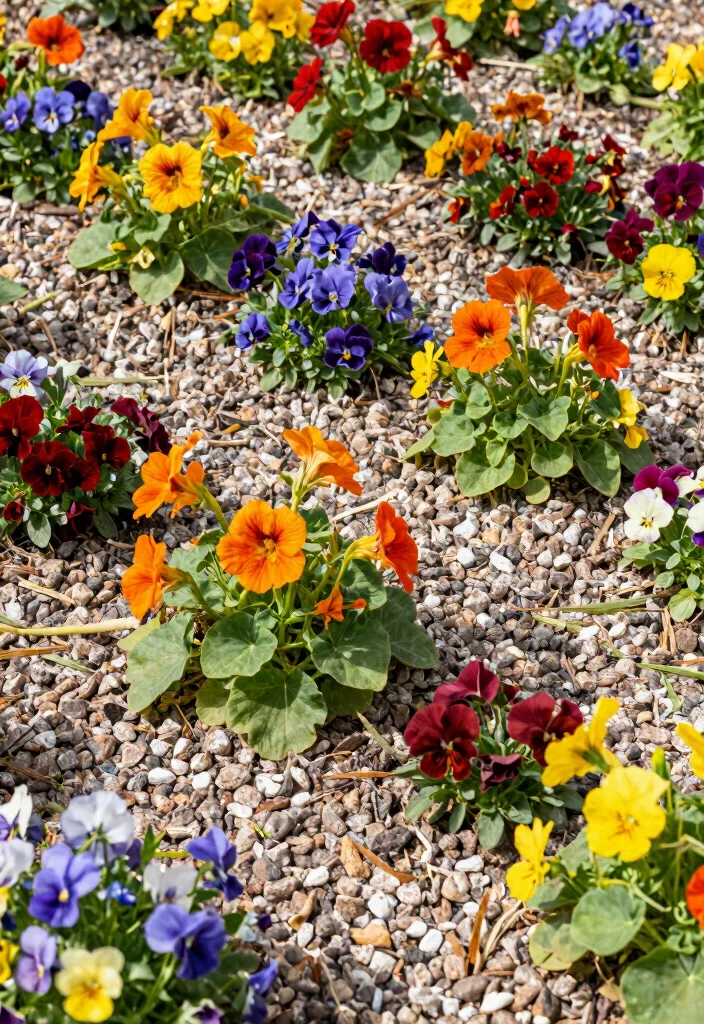
Why not merge beauty with utility by crafting edible flower beds using pea gravel? This creative idea lets you grow stunning flowers like nasturtiums and pansies that are not only delightful to look at but also tasty. The pea gravel enhances drainage, ensuring healthy growth for both edible and ornamental plants.
Mix these colorful edibles with traditional perennials, using gravel to aid in preventing waterlogged roots. This approach not only beautifies your garden but also enhances your cooking with fresh ingredients.
Edible plant combinations to try:
– Nasturtiums for their peppery flavor and bright colors.
– Pansies that add flair to salads and desserts.
– Violets for their sweet taste and visual charm.
This idea enriches your garden environment while providing culinary delights, blending aesthetics with functionality.
7. Wildflower Meadows with Pea Gravel Borders
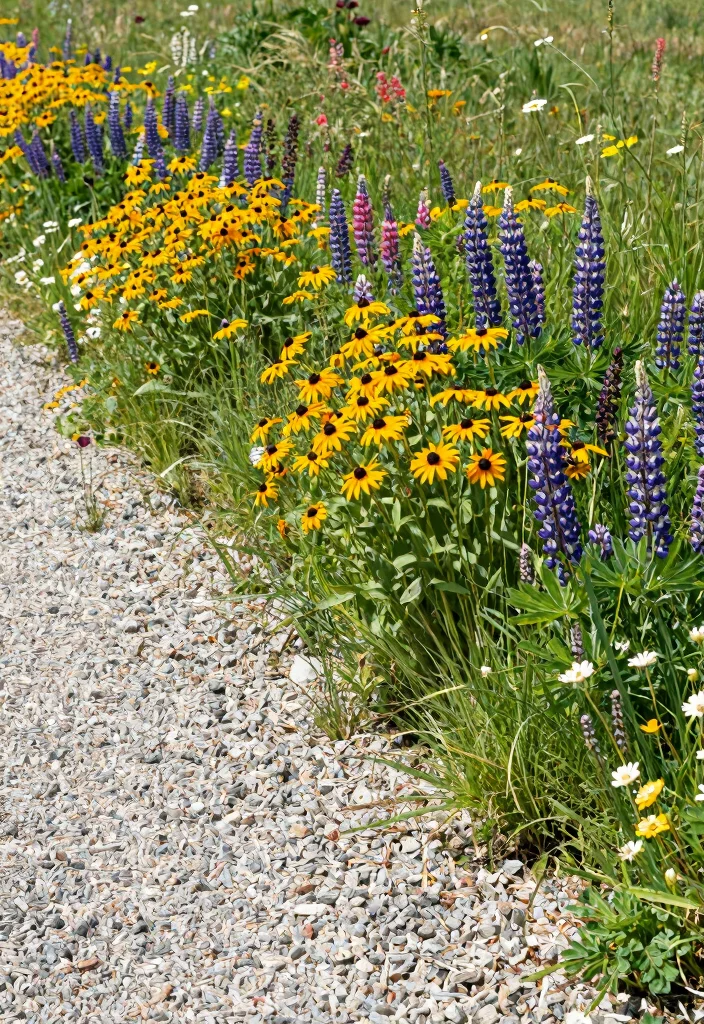
Create a relaxed and natural atmosphere with a wildflower meadow bordered by pea gravel. This method offers a low-maintenance flower bed filled with native wildflowers, attracting pollinators and boosting biodiversity in your garden. The gravel serves as a strong border while ensuring excellent drainage for your wildflower plants.
Select a variety of wildflowers that bloom at different times, ensuring continuous color and activity throughout the seasons. This diversity not only enhances the visual appeal but also supports local ecosystems.
Wildflower options to consider:
– Black-eyed Susans for their sunny yellow blooms.
– Butterfly Weed to invite monarch butterflies.
– Lupines for their stunning spikes of color.
This natural design is easy to maintain and promotes a flourishing ecosystem, making it a wonderful choice for environmentally conscious gardeners.
Fun fact: Pea gravel borders can improve drainage by up to 50% and cut maintenance in a wildflower meadow. Pair that border with a mix of bloom times to keep color from spring through frost. It’s a low-maintenance setup that aligns with pea gravel flower bed ideas and attracts pollinators.
8. Vertical Planting with Gravel Accents
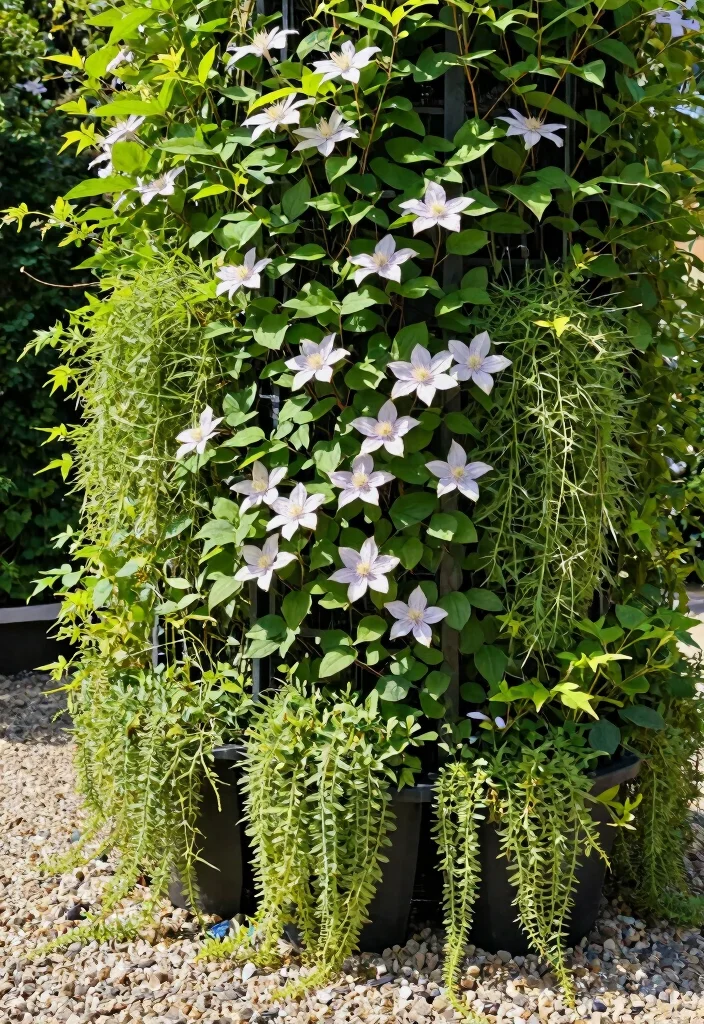
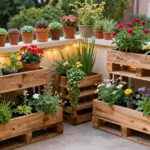
If space is limited, vertical planting with pea gravel accents is a clever way to maximize your flower bed’s potential. This design saves ground space while creating a visually stunning display. Utilize vertical planters or trellises to introduce climbing perennials like clematis or climbing roses.
Surround the base of your planters with pea gravel to enhance drainage and prevent soil erosion. This not only supports the plants but also adds a modern look to your garden.
Vertical planting tips include:
– Select sturdy structures for climbing plants.
– Add trailing plants at the base for a cascading effect.
– Ensure all plants receive adequate sunlight.
This style attracts the eye upward, adding dynamic visual interest to your garden while being practical and easy to care for.
9. Raised Beds with Gravel Surrounds
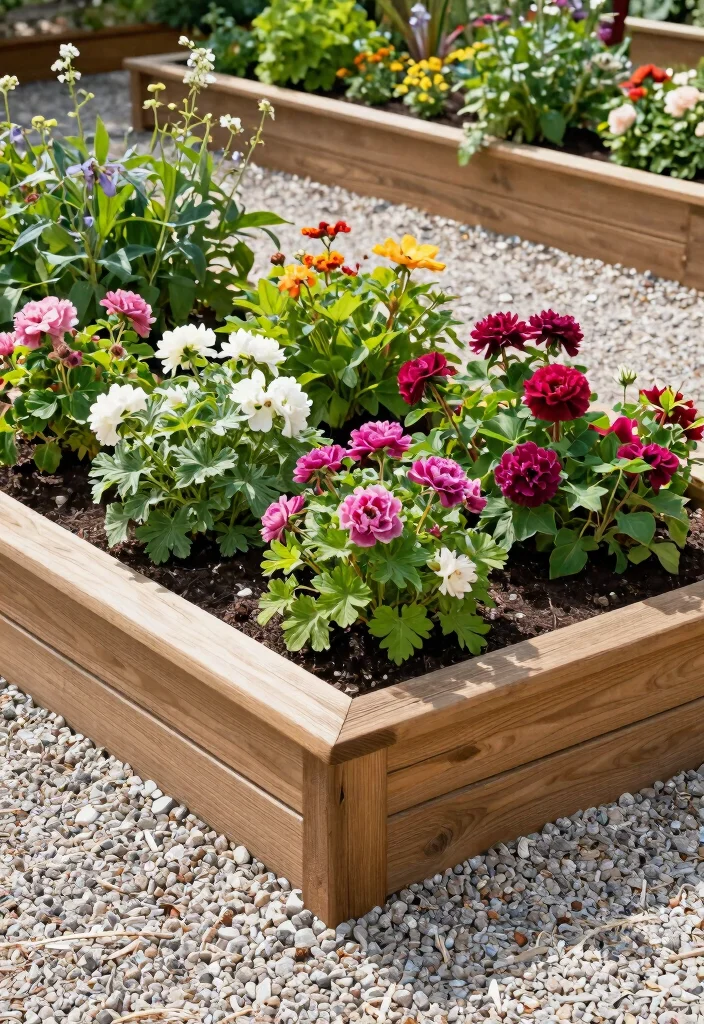
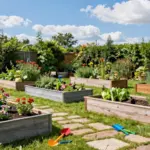
Elevating your flower beds with pea gravel surrounds is an excellent way to manage soil quality and drainage. This method not only lifts the plants, making them easier to care for, but also adds a defined aesthetic to your garden. Construct raised beds using materials like wood or stone, then fill the surrounding area with pea gravel.
This combination prevents soil erosion and keeps weeds at bay, allowing your plants to thrive. You can grow a variety of perennials in optimal conditions, making the most of your gardening efforts.
Benefits of raised beds:
– Enhanced drainage and improved soil control.
– Easier access for planting and harvesting.
– Attractive design that fits into your overall garden layout.
This design creates a tidy and organized garden space while allowing for flourishing perennials.
10. Seasonal Blooms with Pea Gravel Mulch
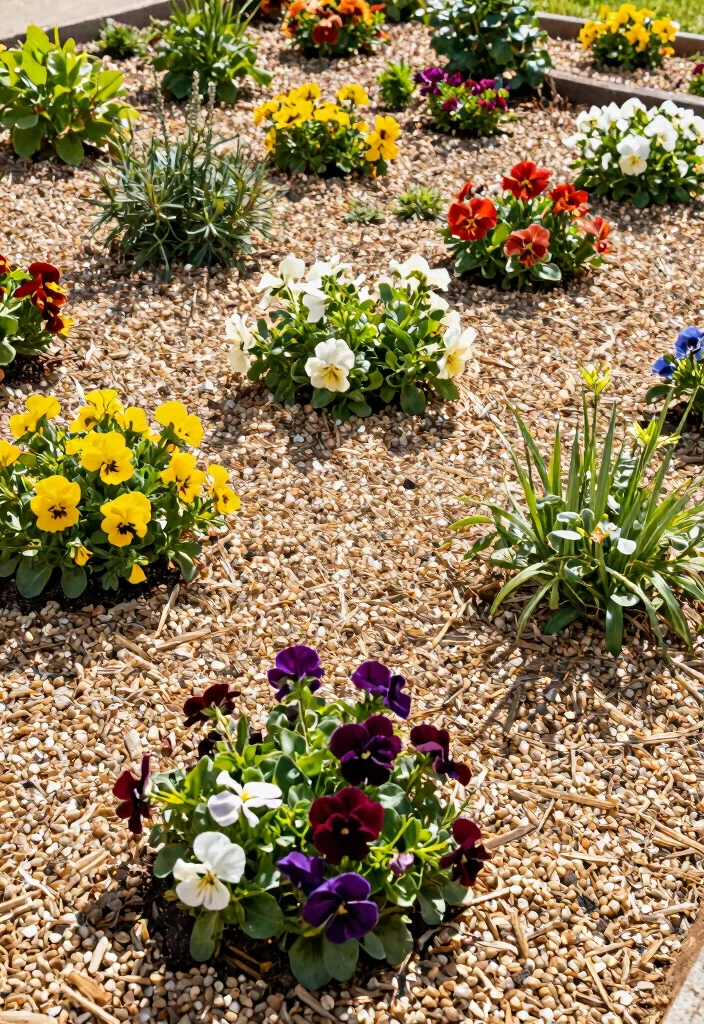
Utilizing pea gravel as mulch in your flower beds is a smart way to protect perennial roots while showcasing seasonal blooms. This technique helps insulate plants through changing weather while ensuring effective drainage. Choose perennials that bloom at different times to maintain color throughout the year.
By applying a layer of pea gravel around the bases of your flowers, you stabilize soil temperature and minimize weed growth, giving your plants the best chance to thrive. This results in a vibrant, colorful garden.
Perennial selections to consider:
– Asters for their rich fall colors.
– Peonies for stunning spring displays.
– Sedum for summer vibrancy.
This method results in a flower bed filled with continuous color and life, all while simplifying maintenance thanks to the protective gravel layer.
11. Simple Succulent Gardens with Pea Gravel
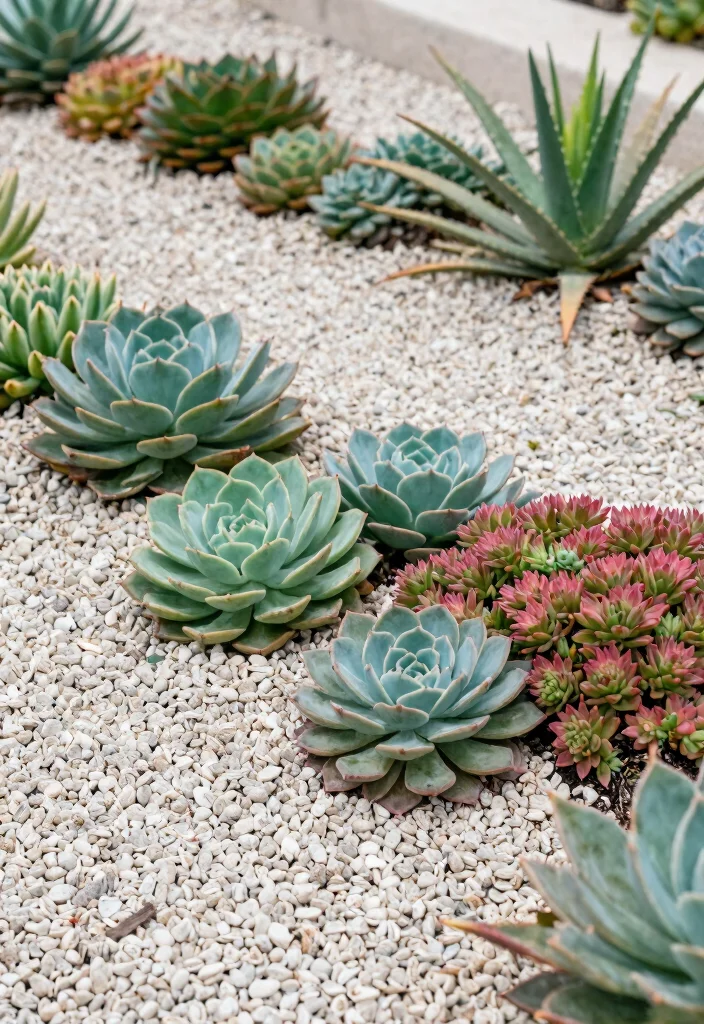
For an incredibly low-maintenance option, consider creating a succulent garden with pea gravel. Succulents require minimal water and are resilient, making them perfect for busy lifestyles. Arrange a variety of succulents within a designated space, surrounding them with pea gravel to enhance the overall look.
This not only improves drainage but also adds a contemporary touch to your garden. Succulents thrive in this environment, creating a visually interesting and drought-tolerant garden.
Succulent varieties to explore:
– Echeveria for their lovely rosette shapes.
– Sedum for their easy-care nature.
– Aloe Vera for its medicinal uses.
This design creates a unique garden space that is both visually appealing and low-maintenance, ideal for anyone looking to simplify their gardening experience.
Low-maintenance is my gardening mantra: plant a succulent garden with pea gravel, and you’re set. Surround hardy succulents with pea gravel for drainage and a modern look—work smarter, not harder.
12. Integrated Seating Areas with Gravel Accents
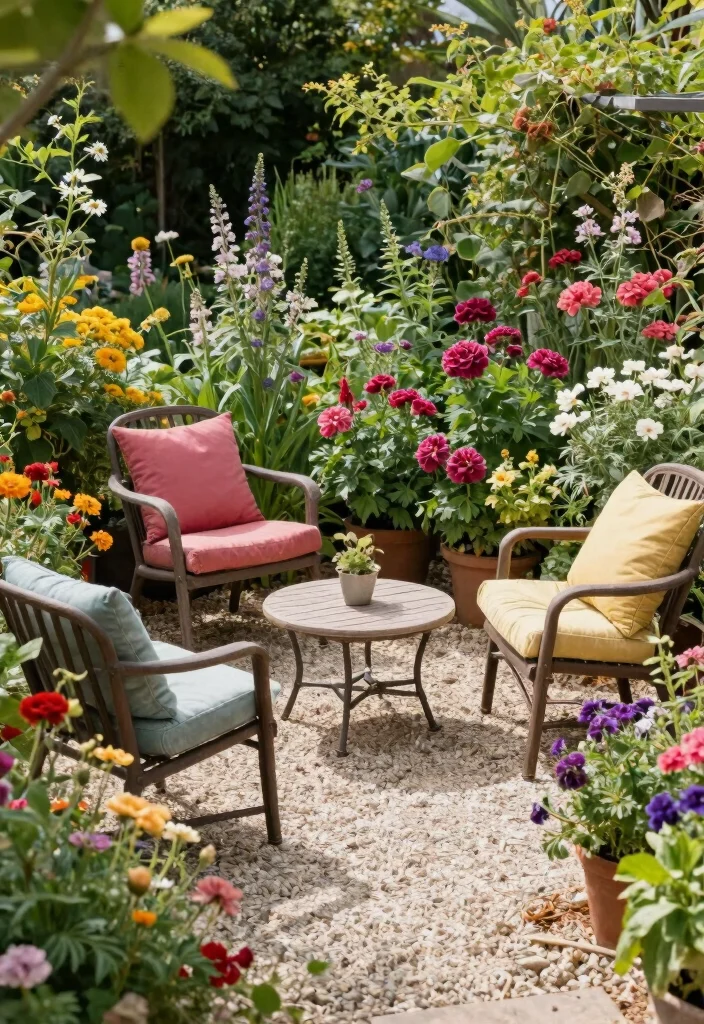
Enhance your garden experience by integrating a cozy seating area within your flower beds, accented by pea gravel. This design creates a perfect nook to relax and enjoy your garden while defining a special space in your landscape. Design a small patio or seating area surrounded by blooming perennials, with gravel pathways leading to it.
This setup encourages you to unwind in the beauty of your outdoor space while providing easy access. Incorporating comfortable furniture and fragrant plants nearby enhances the sensory experience.
Seating suggestions to consider:
– Use weather-resistant materials for durability.
– Add cushions for comfort and color.
– Place fragrant flowers nearby for added enjoyment.
This thoughtful design beautifully merges function with aesthetics, allowing you to immerse yourself in your garden while enjoying the benefits of low-maintenance landscaping.
Conclusion
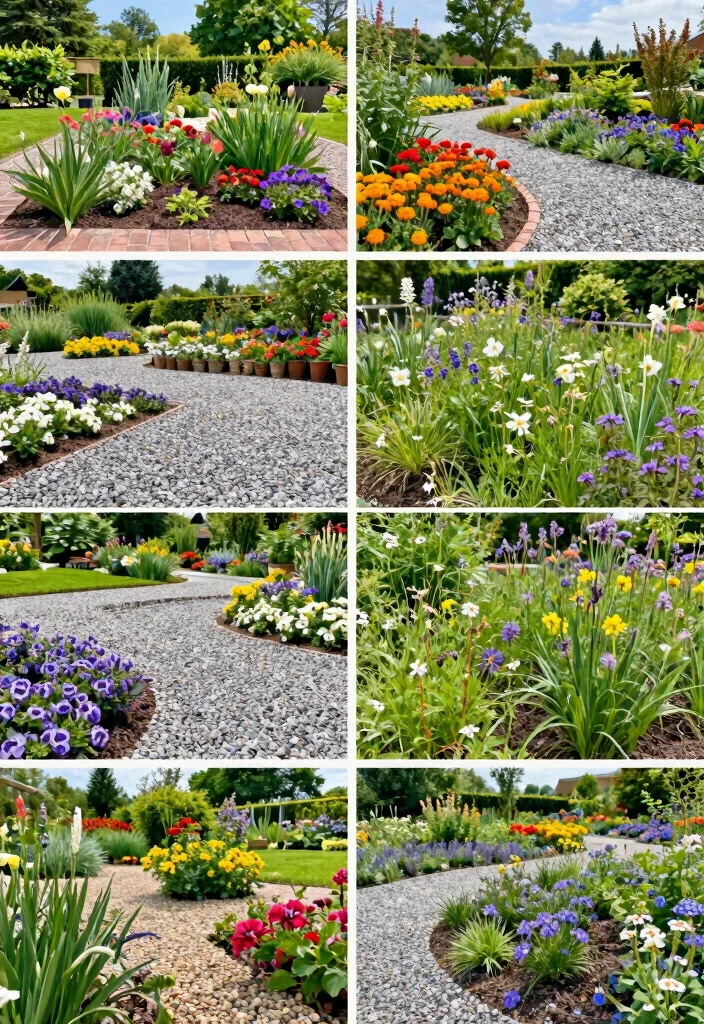
Embracing pea gravel in your flower bed designs not only enhances the beauty of your garden but also creates a functional, low-maintenance landscape. From geometric arrangements to edible flower beds, each idea offers unique benefits while ensuring ease of care.
By incorporating these various approaches, you’ll not only elevate your outdoor space but also enjoy the peace of mind that comes with a garden that thrives with minimal effort. Get inspired and start designing your perfect pea gravel flower bed today!
Frequently Asked Questions
What are some pea gravel flower bed ideas for drainage and low maintenance?
These pea gravel flower bed ideas can boost flower bed drainage and slash maintenance in your garden. Start with a clean base: lay down a weed barrier, then add a 2-3 inch layer of washed pea gravel and ensure a gentle slope away from structures for proper outdoor garden design drainage. Edge the bed to keep gravel in place and reduce soil intrusion across the growing season. Finally, mix in hardy perennials and ornamental grasses that thrive in well-drained soil for a low-maintenance, textured look—this is the essence of pea gravel landscaping ideas.
How can pea gravel enhance flower bed drainage and texture without increasing maintenance?
Pea gravel is a simple way to improve flower bed drainage and add texture in pea gravel flower bed ideas. Start with a porous sub-base (crushed stone or coarse sand) and a weed barrier, then spread a 2-3 inch layer of washed pea gravel. The loose, rounded stones create air spaces that help water drain and roots breathe, while reducing soil erosion in decorative gravel landscaping areas. Choose two to three complementary colors for visual interest and keep low maintenance gardening in mind with lightweight edging to prevent gravel migration.
Are pea gravel flower beds a good fit for low-maintenance perennial gardens?
Absolutely. For a low maintenance gardening approach in perennials, pea gravel flower beds reduce weeds, conserve moisture, and cut irrigation needs. Choose drought-tolerant perennials and natives that thrive in well-drained soil, spacing them for air circulation. Edging keeps gravel contained, so your pea gravel landscaping ideas stay tidy year-round while you enjoy a durable, texture-rich bed.
What maintenance tips make pea gravel landscaping in a flower bed easy and long-lasting?
To keep it easy and long-lasting, check edges regularly and top up the gravel every couple of years as needed. Remove fallen leaves and debris to prevent decay, which can attract pests. Use persistent edging to prevent gravel migration; keep the slope slight to aid drainage and prevent water pooling around plant crowns. When planting new perennials, install them with a shallow soil cover and avoid burying crowns under gravel. This approach aligns with practical outdoor garden design and pea gravel landscaping ideas.
How do I design an outdoor garden with pea gravel accents to match my style and ensure proper drainage?
Designing with pea gravel accents is all about color, texture, and drainage. Begin with a simple plan: map the space, decide on a cohesive color palette, and determine how water should flow away from the home. Use pea gravel as paths, bed mulch, or decorative borders that complement your outdoor garden design. Ensure drainage by sloping the area 1-2% away from foundations and laying a proper base so you don’t get puddles. Repeat colors or shapes across the bed for a unified look and explore different pea gravel landscaping ideas to match your style.