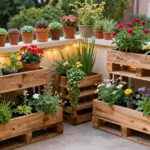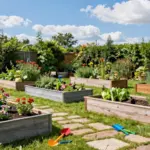
Creating a rock garden bed is more than just a landscaping choice; it’s a way to harmonize your outdoor space with nature. The increasing interest in sustainable gardening has led many to seek out designs that embrace natural textures and require minimal water. If you’ve been longing for a garden that not only looks stunning but also thrives in drought conditions, you’re in the right place. This post is crafted for those who love the beauty of cacti and succulents and want to incorporate them into their outdoor settings.
Whether you’re a seasoned gardener or just starting out, these 12 rock garden bed ideas will inspire you to create a serene haven. Each idea focuses on low-maintenance techniques and drought-resistant plants, allowing you to enjoy the charm of a rock garden without the fuss. From minimalist designs to colorful displays, you’ll find concepts that suit any style and preference. Get ready to explore the beauty of landscaping with rocks and discover the joy of natural garden aesthetics that require less water and effort.
In this guide, you’ll uncover practical tips for designing your rock garden, along with suggestions for the best drought-resistant plants to use. You’ll learn how to create texture and interest with stones, gravel, and unique arrangements. Let’s dive into these creative ideas that promise to bring life to your outdoor space.
Key Takeaways
– Discover various rock garden bed ideas that blend natural textures with drought-tolerant styles to enhance your garden.
– Learn about drought-resistant plants that thrive in rock gardens, helping you create a low-water oasis.
– Explore practical tips for landscaping with rocks, including how to choose materials and arrange them for maximum effect.
– Find inspiration in diverse garden bed designs that suit different tastes, from minimalist zen vibes to colorful succulent displays.
– Enjoy the benefits of low-maintenance gardening with ideas that require less upkeep while providing beauty and texture to your outdoor area.
1. Minimalist Zen Garden
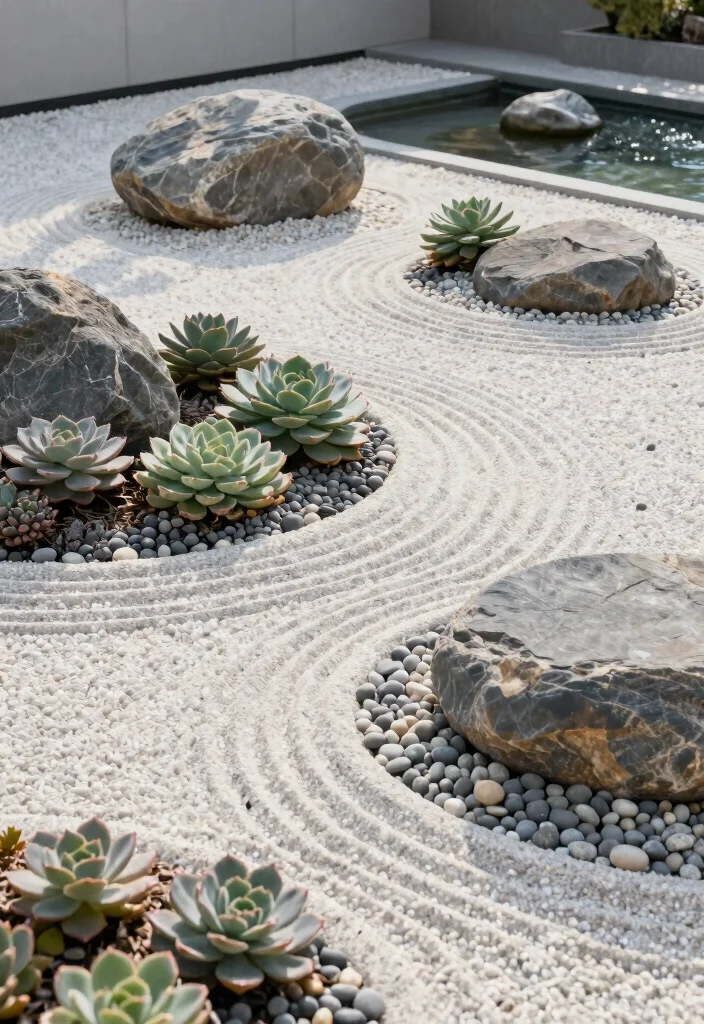
Find your calm with a minimalist Zen rock garden. Picture smooth pebbles and larger stones arranged in peaceful patterns that inspire tranquility. This style is ideal for compact spaces or patios, adding a serene touch to your outdoor area. Keep the design simple and uncluttered for the best effect.
To maintain this peaceful setting, rake the pebbles occasionally to keep everything looking sharp. Adding a small water feature nearby can enhance the soothing ambiance and provide extra texture.
Key elements to incorporate:
– Smooth river stones for a clean look
– Sand or fine gravel for raking patterns
– Echeveria or Sedum for vibrant color
– Small water feature for sound and texture
By simplifying your design and focusing on a few key plants, you can create a mindful retreat that offers respite from daily chaos.
Fact: A tiny Zen rock garden is one of the simplest rock garden bed ideas for a balcony. A 4×6 foot setup with pebbles and larger stones fosters calm, and regular raking keeps the pattern crisp.
2. Layered Stone Beds
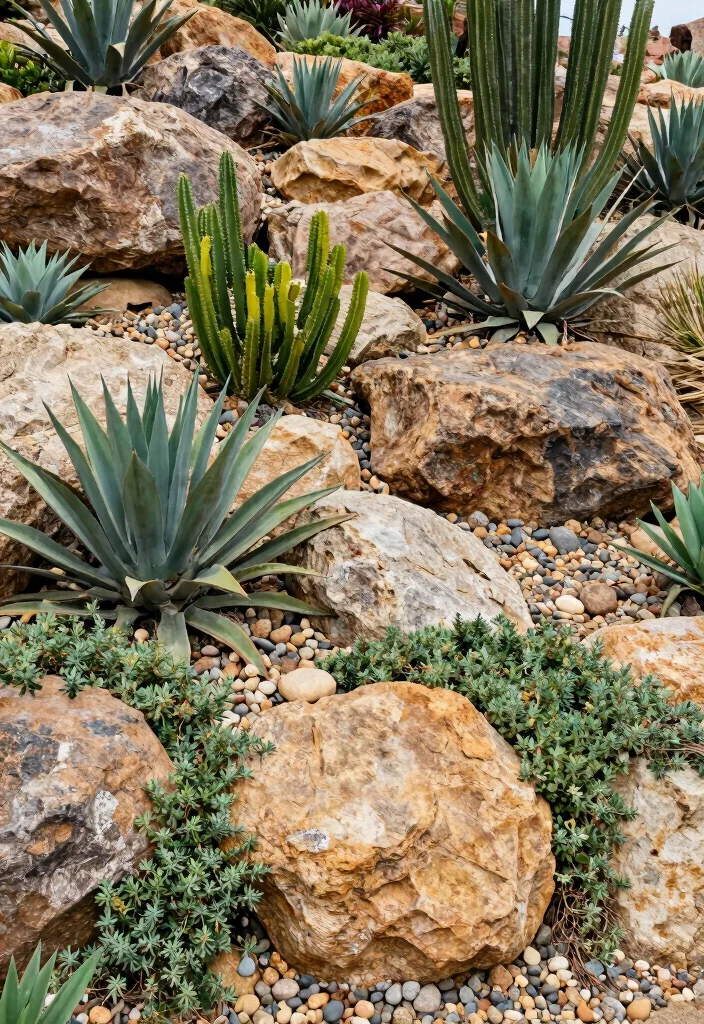
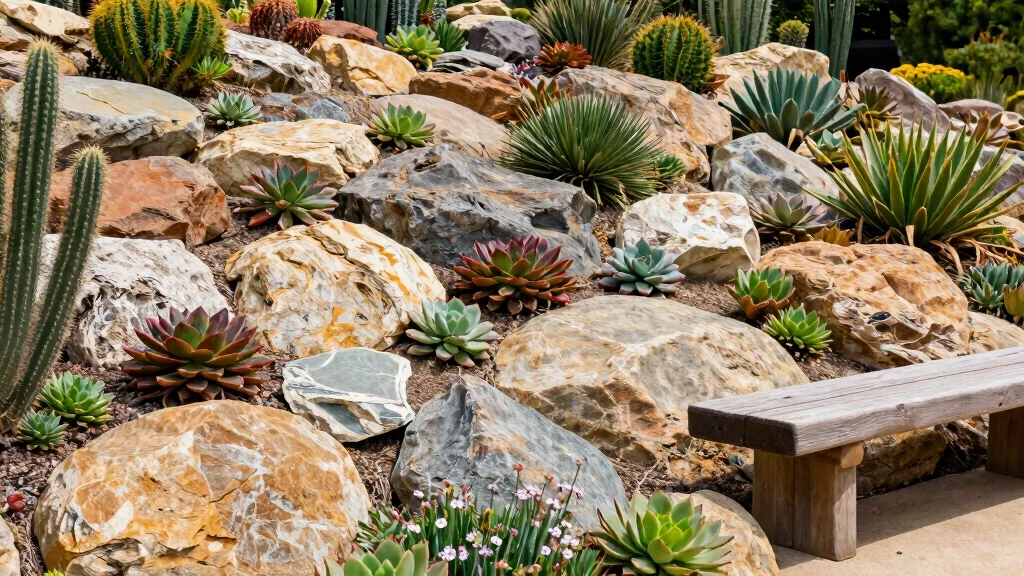
Transform your garden with layered stone beds that add depth and structure. This design is perfect for sloped areas, where rocks of various sizes can help stabilize the soil. Using larger boulders along with smaller pebbles creates an appealing contrast, especially when paired with drought-resistant plants like Agave or Opuntia.
Incorporate ground cover plants to fill gaps and retain moisture, enhancing the overall look and health of your garden.
Key components to consider:
– Large boulders for foundational layers
– Smaller stones for top layers
– Agave or Opuntia for vertical interest
– Ground cover like creeping thyme
Layering not only adds visual intrigue but also improves drainage, supporting plant vitality.
3. Cacti Wonderland
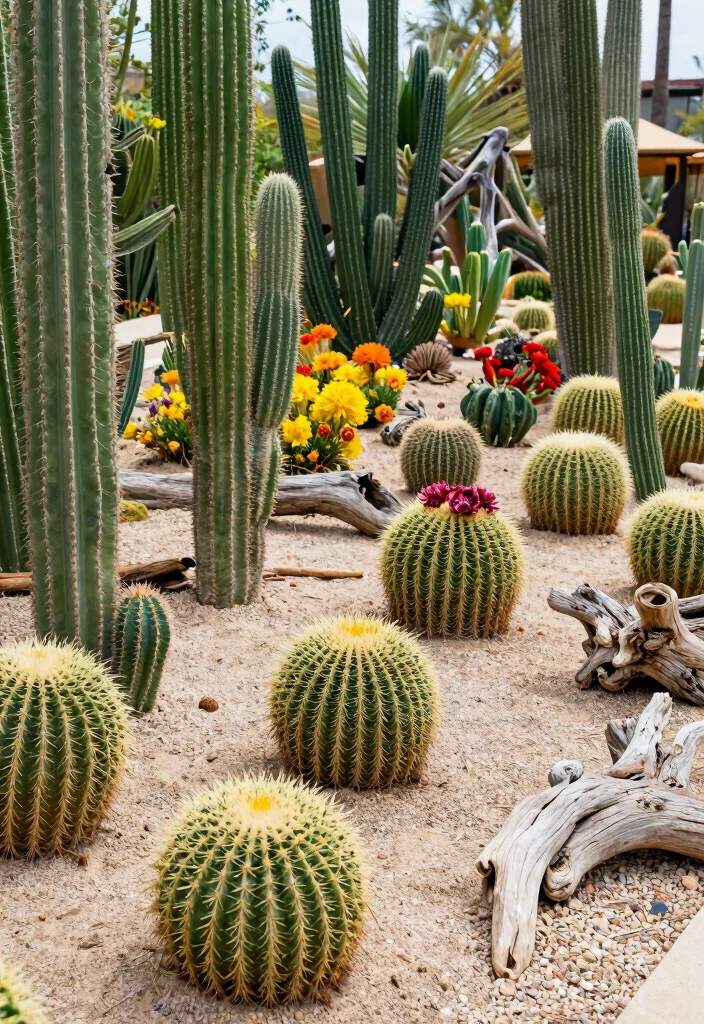
Transform your rock garden into a vibrant cacti wonderland! With their striking shapes and diverse colors, cacti can command attention in any landscape. Arrange tall Saguaros alongside barrel cacti and colorful flowering varieties for a stunning display. Use a sandy or rocky base to mimic their natural environment, ensuring proper drainage with gravel and stones.
Enhance the desert feel by introducing decorative driftwood for added texture. Position your plants according to their sun needs—most cacti thrive in full sunlight.
What to include:
– Various cactus types like Saguaro and barrel
– Sandy or rocky soil for drainage
– Decorative stones or driftwood for aesthetics
Water sparingly to keep your cacti healthy, as they are perfect for low-maintenance gardens.
4. Colorful Succulent Displays
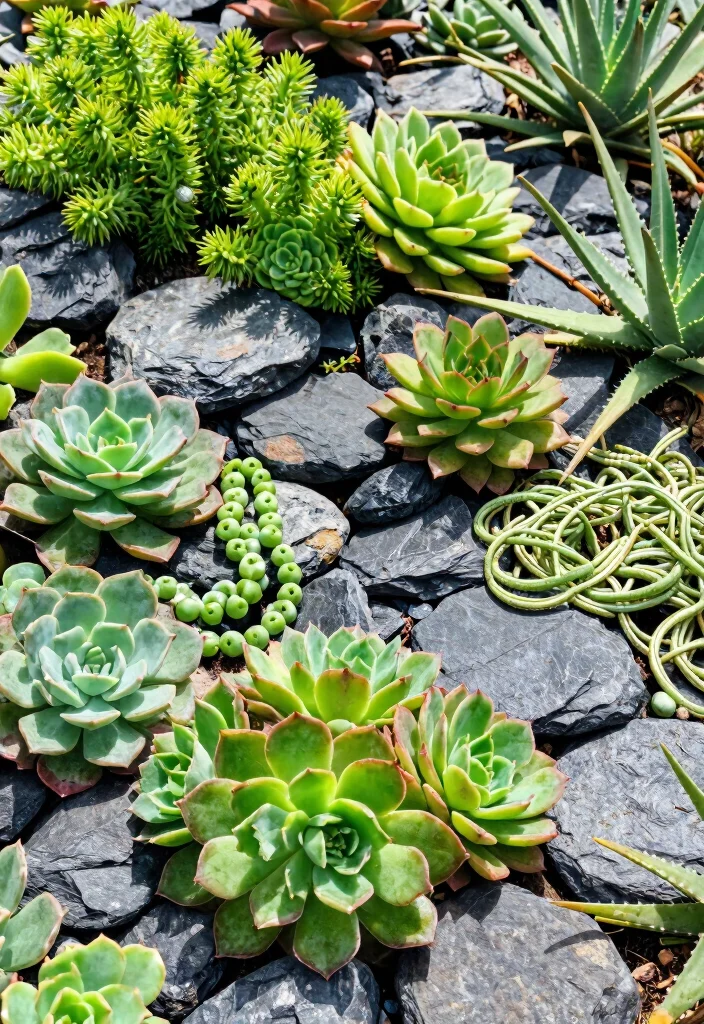
Succulents bring a vibrant burst of color and shape, perfect for lively rock garden displays. Mix Rosette-shaped Echeveria, trailing String of Pearls, and spiky Aloe varieties for an eye-catching arrangement. Use contrasting stones, such as dark slate with light-colored succulents, to make the colors pop. Cluster plants for a natural look, layering them at varying heights for added depth.
For maintenance, ensure well-drained soil and water according to their needs. These resilient beauties thrive with minimal care, making them perfect for busy gardeners.
Display ideas to consider:
– Cluster different varieties for visual interest
– Use contrasting stones for striking appeal
– Layer plants for depth
Regularly check for pests to keep your arrangements healthy and vibrant.
Colorful succulent displays are like tiny, low-water stage sets for your garden; they reward you with drama without demanding daily maintenance. Mix Echeveria rosettes, String of Pearls, and spiky Aloe, then layer heights for depth—your rock garden bed ideas become instantly alive.
5. Rock Pathways
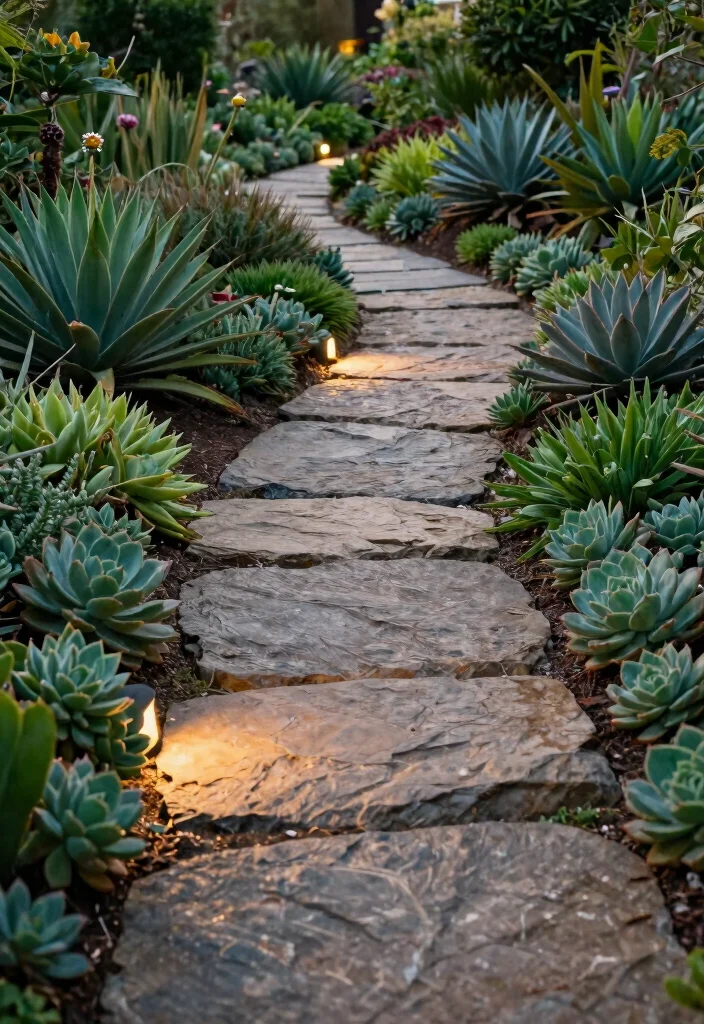
Create inviting pathways in your rock garden using large flat stones or gravel. These pathways enhance accessibility and guide the eye through your landscape design. Choose stones in various sizes for a rustic look, or opt for neatly cut slabs for a polished appearance. Surround the path with a mix of succulents and drought-resistant plants to soften the edges.
Consider adding small lights along the pathway to create a charming ambiance at night. Ensure the materials allow for proper drainage to keep your garden healthy.
Pathway creation steps:
– Choose stone sizes for your path
– Surround with plants for softness
– Include lighting for evening charm
Regularly check for weeds to maintain a pristine look, directing attention to focal points in your garden.
6. Boulder Focal Points
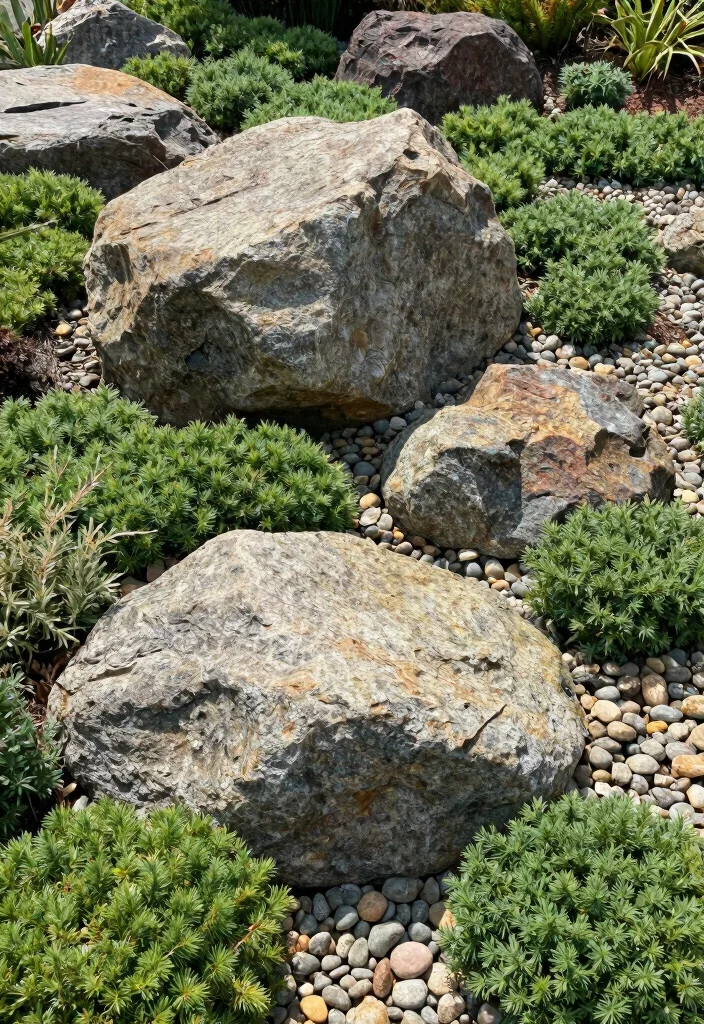
Incorporate large boulders as stunning focal points in your rock garden. These natural features not only provide structure but also contrast beautifully with surrounding plants. Select unique shapes and sizes for visual interest, and surround them with low-growing plants like hardy sedums or ground covers to enhance their appeal.
This design works beautifully in larger gardens where boulders can be strategically placed to draw the viewer’s eye. Fill gaps with smaller stones for a cohesive look.
Design ideas to explore:
– Use unique boulder shapes for drama
– Surround with low-growing plants for contrast
– Incorporate smaller stones for unity
Positioning boulders in clusters creates a more natural feel, serving as habitats for wildlife and enriching your garden ecosystem.
7. Succulent Terraces
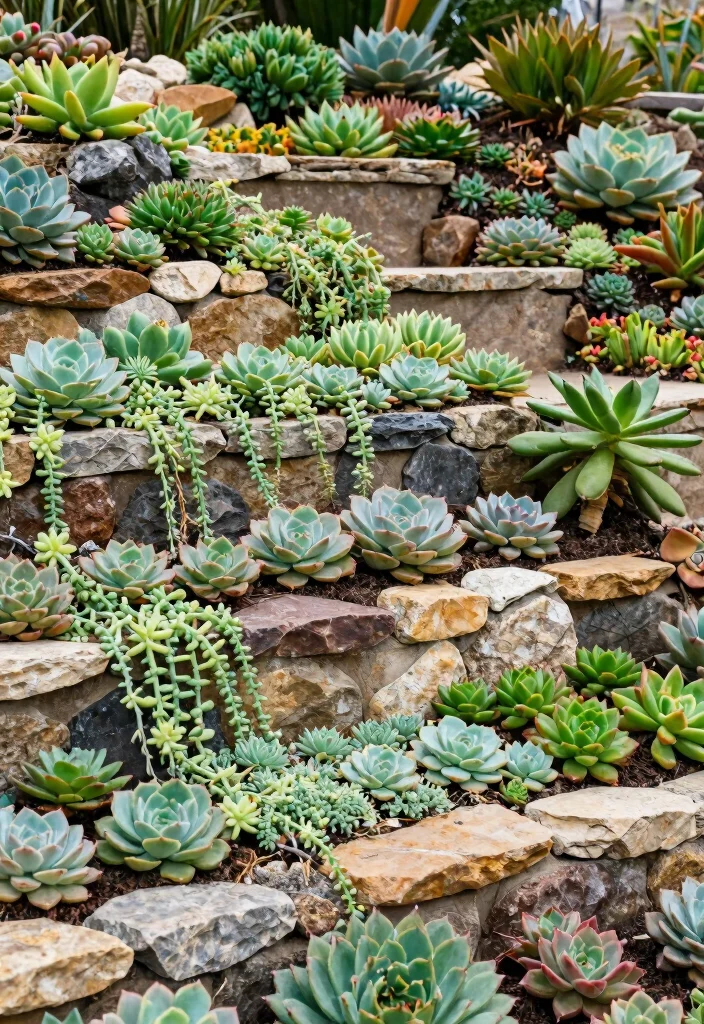
Maximize sloped gardens by creating succulent terraces to make the most of your space. This design features steps or levels made of rocks and soil, allowing each level to host a variety of succulents. Not only does this prevent soil erosion, but it also results in an engaging and attractive display.
Use a mix of colors and shapes for visual interest, and include trailing varieties to soften edges. Ensure each level has good drainage to keep your plants healthy.
Terrace construction steps:
– Build steps or levels with rocks
– Choose diverse succulent varieties for richness
– Ensure good drainage for plant health
Native plants can thrive better in your climate, creating a vibrant terraced garden that adds depth to your yard.
8. Textured Gravel Gardens
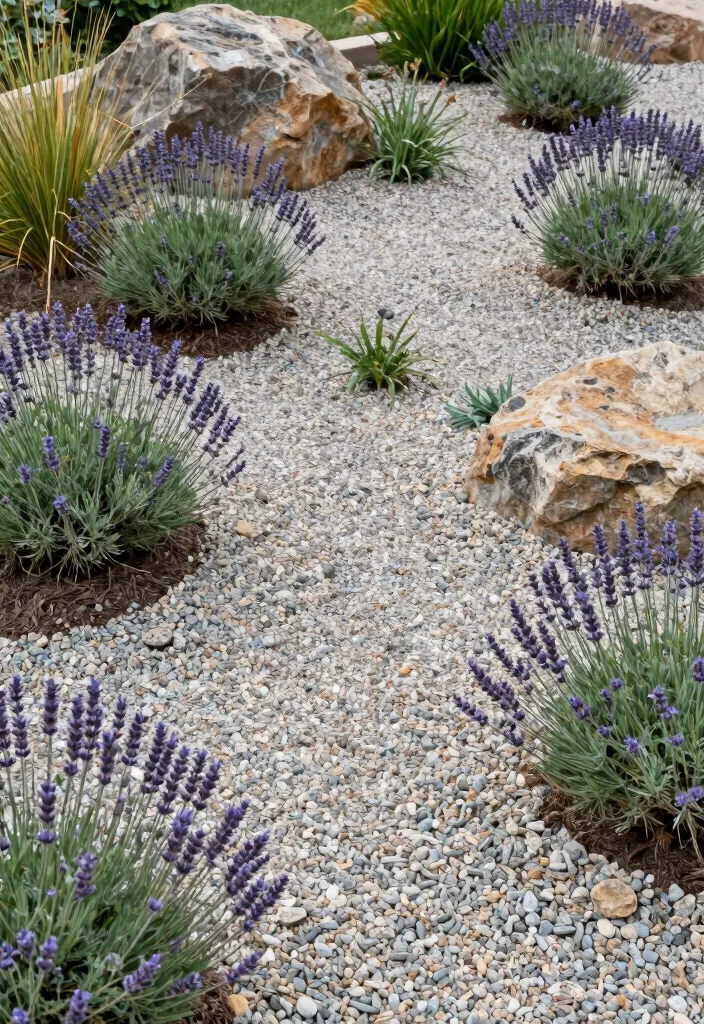
Gravel gardens are a stylish and low-maintenance option for your rock garden. By using varied sizes and colors of gravel, you can create a textured landscape that requires minimal water and care. Pair larger stones with finer gravel for contrast, and incorporate drought-tolerant plants like Lavender or ornamental grasses for softness and color.
Adding larger boulders as accents can break up the gravel and introduce height to your design. Regularly check for weeds to keep your gravel garden tidy and appealing.
Gravel garden tips:
– Use various gravel sizes for depth
– Incorporate drought-tolerant plants for sustainability
– Add boulders for visual height
Laying down landscape fabric before the gravel helps prevent weeds, creating a beautiful and functional outdoor space.
How To Choose the Right Rock Garden Bed Design
Creating a stunning rock garden bed involves more than just picking a few stones and plants. You need to consider various factors to ensure your garden not only looks great but also thrives. Here are some key points to guide your selection process:
1. Consider Your Space
Before diving into design ideas, evaluate the area where you want to create your rock garden. Measure the space to determine how much room you have for rocks, plants, and pathways. Think about the sun and shade patterns. A garden that gets plenty of sunlight will be perfect for drought-resistant plants, while shaded areas may require different plant choices. A well-planned space creates a more balanced and harmonious garden.
2. Choose the Right Materials
Selecting the right materials is critical for both aesthetics and functionality. Natural stones, gravel, and boulders can add texture and dimension to your garden. Opt for materials that are locally sourced if possible, as they blend well with the regional landscape. When choosing rocks, consider their size and shape; larger boulders can serve as focal points, while smaller stones can fill in gaps. Mixing different materials can create an interesting visual effect.
3. Select Drought-Resistant Plants
For a low-maintenance rock garden, choose plants that thrive in dry conditions. Succulents and cacti are excellent options due to their ability to retain water. You can also consider drought-resistant perennials like lavender or sedum. These plants not only require less water but also provide beautiful color and texture to your garden. Make sure to group plants with similar water needs together for optimal care.
4. Plan for Drainage
Proper drainage is essential in a rock garden. Water accumulation can lead to root rot and other plant issues. Plan your garden with sloped areas or drainage channels to ensure excess water flows away from the plants. If necessary, incorporate gravel or sand at the base of the plants to enhance drainage. A well-drained garden will keep your plants healthy and thriving.
5. Create a Visual Flow
Your rock garden should have a natural flow that guides the eye through the space. Use pathways created from stepping stones or gravel to lead visitors through the garden. Vary the heights of your rocks and plants to create depth and dimension. Taller plants can be placed at the back or center, while shorter plants can border the edges. This layering creates a dynamic look and makes your garden feel more expansive.
6. Factor in Maintenance
Although rock gardens are generally low-maintenance, some upkeep is still required. Consider how much time you want to dedicate to your garden. If you prefer a hands-off approach, focus on plants that require minimal care. Regularly check for weeds and dead plants, and make sure your rocks are stable. Planning for maintenance can save you time and effort down the road.
Pro Tip: Before finalizing your design, sketch out your rock garden on paper. This visual representation allows you to rearrange elements easily until you find the perfect layout. Don’t hesitate to adjust your plans as you see how the elements work together in your space. Happy gardening!
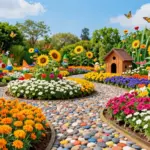
9. Fairy Garden with Rocks
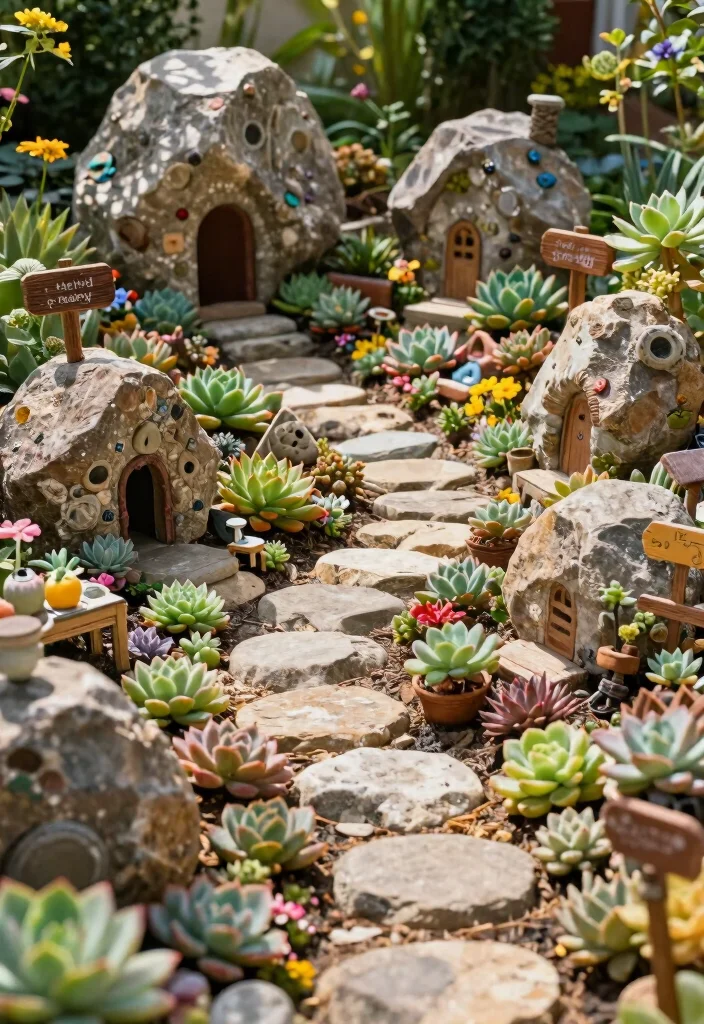
Create a whimsical fairytale atmosphere with a rock garden designed for tiny fairy figurines. Use small stones to form charming paths and larger boulders as miniature houses or shelters for your fairy friends. Surround these features with colorful succulents and small flowers to bring your imaginative landscape to life.
Incorporating various textures keeps the garden visually interesting and playful. Adding decorative elements like wooden signs or tiny furniture enhances the magical feel.
Garden elements to include:
– Small stones for enchanting paths
– Large boulders as whimsical shelters
– Colorful succulents and tiny flowers
Keep the fairy garden accessible for children, inspiring creativity and providing a delightful project for families.
Fairy garden spaces prove that tiny details can elevate rock garden bed ideas into magic. Use small stones for charming paths, larger boulders as fairy houses, and sprinkle succulents for color—practical, playful, and endlessly shareable.
10. Rustic Mediterranean Rock Garden
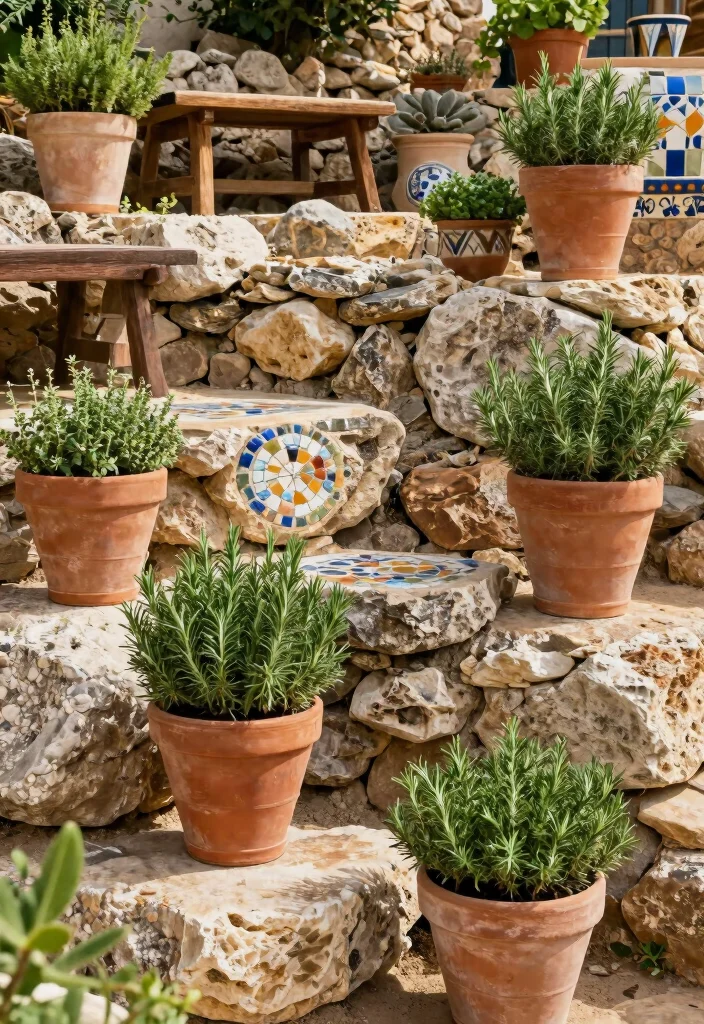
Capture the essence of the Mediterranean with a rustic rock garden that blends stone and plant life. Utilize terracotta pots, rugged stones, and fragrant herbs like rosemary and thyme for a delightful touch. This style emphasizes a relaxed, inviting feel, perfect for creating welcoming outdoor spaces.
Layer your rocks and use sandy soil to mimic the Mediterranean climate, ensuring plants thrive in this environment. Adding rustic wooden furniture or mosaic tiles can further enhance the charm of the setting.
Design features to consider:
– Terracotta pots for authenticity
– Herbs and drought-resistant plants for fragrance
– Rustic wooden elements for warmth
Select plants that flourish in full sun and withstand dry conditions for a garden that celebrates simplicity and evokes a sense of travel right in your backyard.
11. Rock Garden Borders
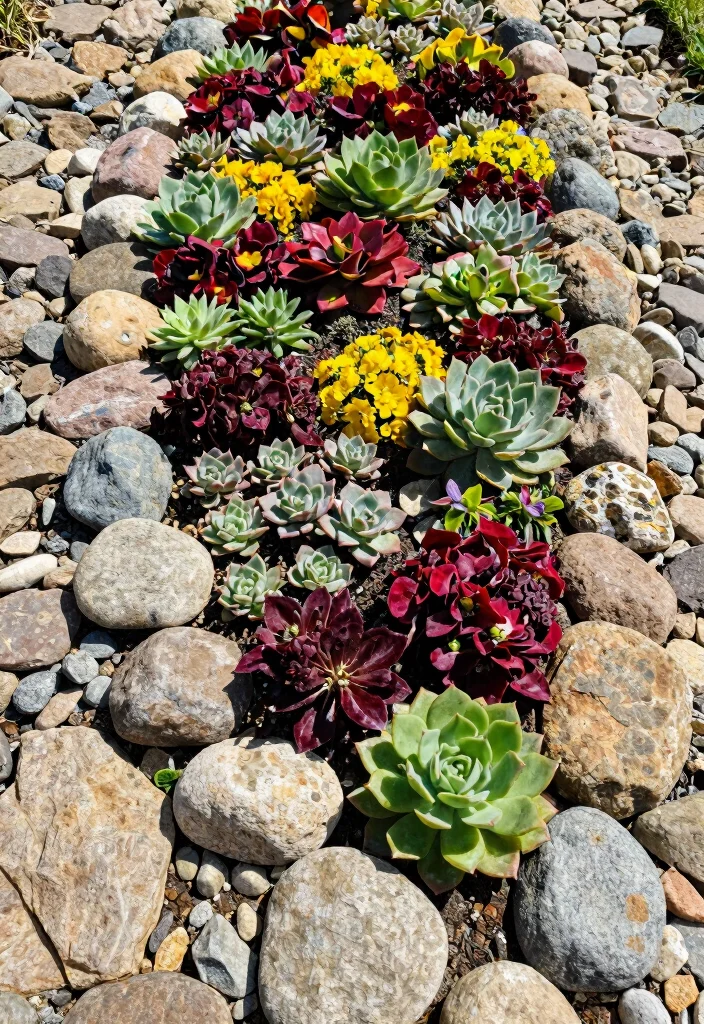
Elevate your garden’s borders with a rock garden design that frames flower beds or pathways beautifully. Using smaller stones along the edges creates defined lines and adds texture to your existing gardens. Fill the center with vibrant flowers or drought-resistant plants like succulents to create a striking contrast with the hard edges of the rocks.
This design works wonderfully in gardens of any size, enhancing visual interest. Mixing various stone sizes achieves an organic look, while trailing plants can spill over the edges, softening the defined lines.
Border design ideas:
– Use smaller stones for clean edges
– Fill with vibrant flowers or succulents
– Mix stone sizes for a natural appeal
Regularly checking for weeds helps keep your borders looking tidy, creating a polished and attractive garden.
12. Creative Rock Sculptures
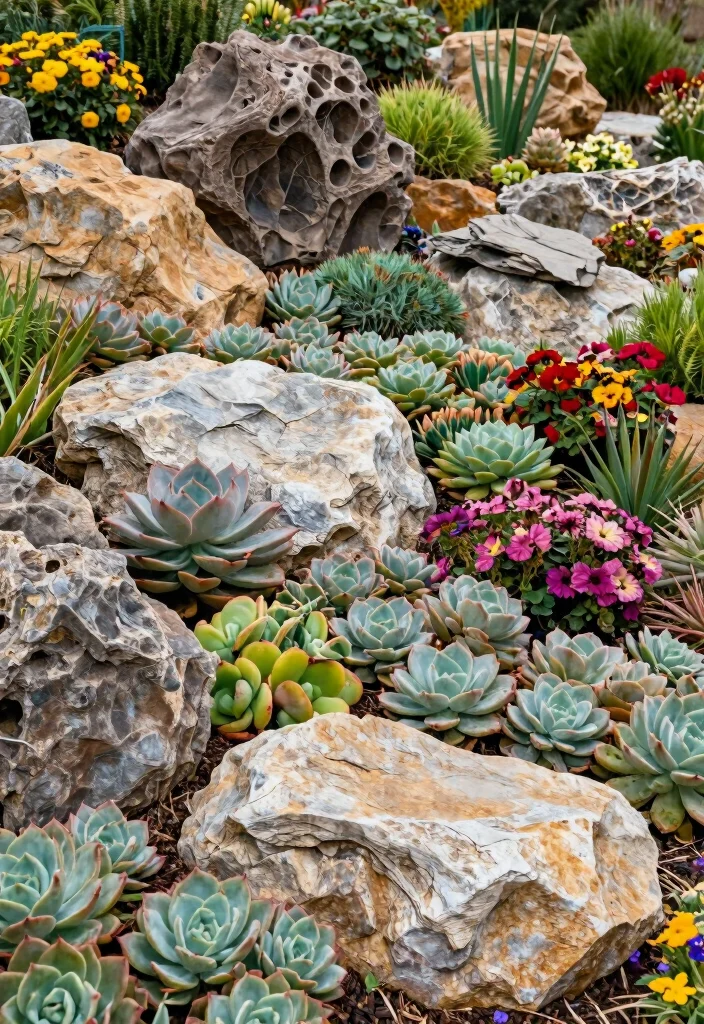
Add a delightful touch of artistry to your rock garden with creative rock sculptures. Use uniquely shaped boulders or craft your own sculptures from smaller stones, personalizing your landscape. Surround these artistic pieces with carefully chosen plants that complement their forms, such as soft succulents or bright annuals.
This concept allows you to express your creativity while enhancing the visual appeal of your garden. Ensure good drainage around the sculptures to prevent plant rot, maintaining a healthy environment.
Sculpture ideas to consider:
– Unique boulders for impact
– Create sculptures from smaller stones
– Choose complementary plants for balance
Securely placing sculptures ensures they withstand the elements, turning them into captivating conversation pieces that elevate the charm and uniqueness of your garden.
Conclusion
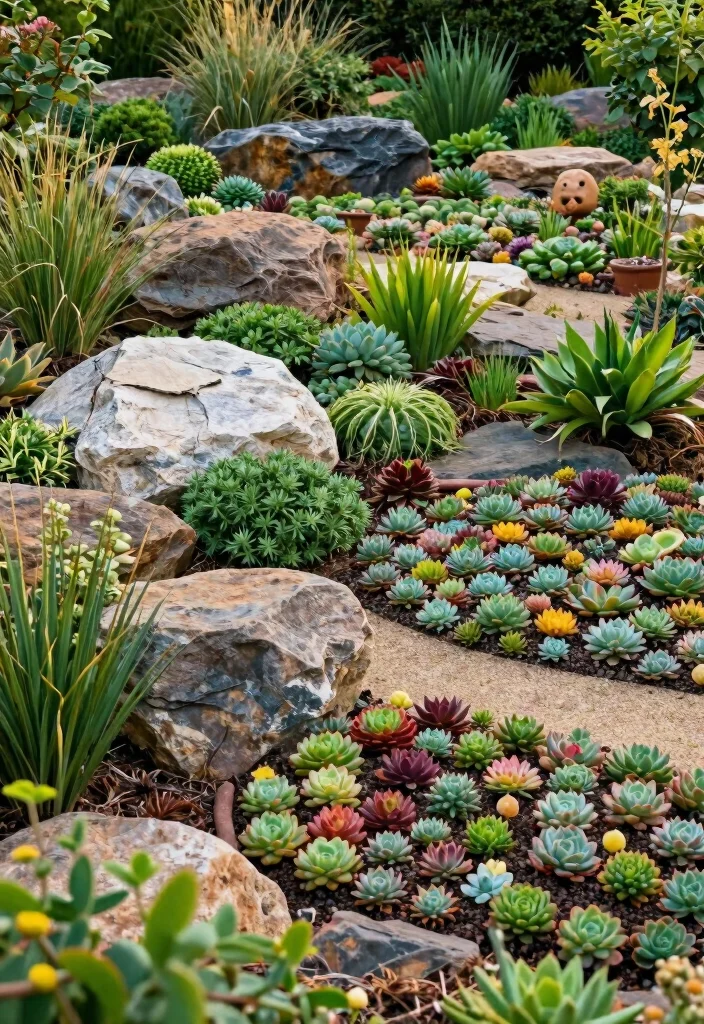
Rock gardens are not just about aesthetics; they offer a sustainable and low-maintenance approach to gardening that celebrates nature’s beauty.
By incorporating drought-resistant plants and unique arrangements, you can create a stunning outdoor space that thrives in any climate. Whether you choose minimalist designs or whimsical fairy gardens, the possibilities are endless!
So, why not transform your garden into a rock-filled haven that inspires tranquility and creativity?
Frequently Asked Questions
Question: What are the best drought-resistant plants to use in rock garden bed ideas?
Answer: For a rock garden bed ideas approach, start with drought-resistant plants like , Echeveria, Sempervivum (hens-and-chicks), Agave, Aloe, and Yucca. Plant in clusters for texture and color, grouping by sun and water needs. Water deeply after planting, then let the soil dry; these plants thrive with low-maintenance gardening. Use rocks to create microhabitats that protect roots and reduce evaporation. This aligns with rock garden bed ideas and keeps maintenance minimal.
Question: How can I design a rock garden bed for low-maintenance gardening?
Answer: Start with a site that has good sun and drainage. Choose evergreen, slow-growing plants and group by water needs to reduce irrigation. Use landscaping with rocks to form layers and habitat nooks. Install a drip irrigation line for efficiency, or rely on natural rainfall once established. Mulch lightly and limit weeding by using appropriate groundcovers. Outline a simple garden bed design with curves and focal rocks to achieve natural garden aesthetics while keeping low-maintenance gardening in mind.
Question: How do I create natural garden aesthetics with landscaping with rocks in a rock garden bed?
Answer: Aim for organic shapes, varied textures, and a cohesive color palette. Place a mix of large boulders, medium stones, and gravel to mimic a natural landscape. Let rocks guide the plant placements and tuck succulents into crevices for drama. Use curves instead of straight lines, and choose drought-tolerant plants that echo the rock tones. This approach delivers a natural garden aesthetics vibe and a timeless feel in rock garden bed ideas.
Question: What soil mix and drainage do I need for a succulent and cactus rock garden bed?
Answer: Use fast-draining soil—either a commercial cactus soil mix or a homemade blend of potting soil, coarse sand or perlite, and small amounts of compost. In raised beds or slopes, ensure a gentle incline for drainage and consider a base of pea gravel or crushed rock under the soil. Water deeply but infrequently once established. Regular, light mulch helps suppress weeds and conserve moisture, supporting drought-resistant plants and low-maintenance gardening in your rock garden bed ideas.
Question: How should I plan the layout and scale of a rock garden bed for a cohesive design?
Answer: Start with a clear focal point—like a dramatic cactus cluster or sculpted rock. Sketch a plan with curved borders, placing larger rocks toward the back and smaller ones in front to create depth. Group plants in odd numbers (3-5) for visual rhythm and balance, and vary heights and textures to keep it interesting across seasons. Consider path access for maintenance and ensure the color palette ties the elements together. This layout approach fits garden bed design, landscaping with rocks, and natural garden aesthetics in your rock garden bed ideas.