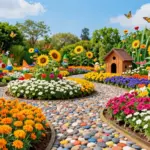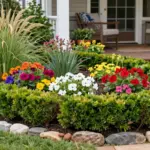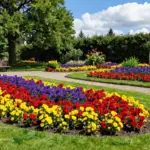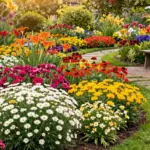
Creating a stunning outdoor space is something many of us dream about. With the popularity of sustainable living on the rise, I felt it was essential to share some creative and eco-friendly rock landscaping ideas. The durability and versatility of rock make it a fantastic choice for anyone looking to enhance their garden and create a modern, natural vibe. Rock landscaping not only looks incredible, but it also reduces water consumption and minimizes maintenance, which is a win-win for both your garden and the environment!
If you’re a gardening enthusiast or just someone who enjoys spending time outdoors, this post is for you. Whether you’re a seasoned gardener or just starting, you’ll find inspiration here. This guide will provide you with 14 innovative rock landscaping ideas that are practical, beautiful, and sustainable. You’ll learn how to incorporate natural stone landscaping, create striking outdoor rock features, and use durable landscape materials that stand the test of time. Let’s dig in and transform your outdoor space into a natural haven.
Key Takeaways
– Explore Creative Rock Arrangements: Discover how to use various rock types to create visually appealing arrangements that enhance your garden’s aesthetic.
– Incorporate Durability: Learn about the long-lasting benefits of using natural stone landscaping materials that can withstand the elements without losing charm.
– Design Modern Gardens: Get tips on modern garden design techniques that integrate rocks and stones to create stylish and functional outdoor spaces.
– Add Water Features: Understand how to incorporate rock water features, like ponds and fountains, to add tranquility and beauty to your garden.
– Make It Eco-Friendly: Find practical strategies to create sustainable rock landscaping that conserves water and promotes biodiversity in your outdoor space.
1. Rock Garden Wonders
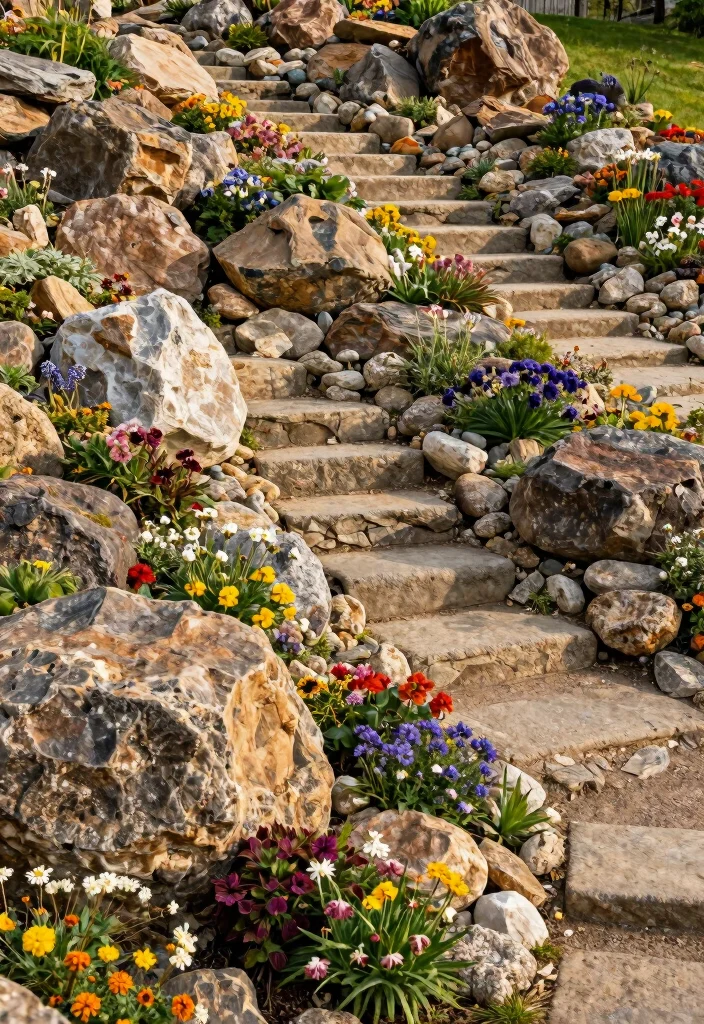
Are you looking to create a stunning outdoor space? Rock gardens offer a unique way to combine natural beauty with low-maintenance landscaping. Picture vibrant alpine flowers nestled among assorted stones, creating an eye-catching display that enhances your yard’s appeal. This design not only adds texture but also harmonizes with the surrounding environment, making it a perfect fit for any garden style.To get started, choose a sunny spot for your rock garden and plan your layout carefully. Mix various rock sizes for depth and interest, placing larger stones at the back and smaller ones in front for a tiered effect. Don’t forget to select soil that supports healthy plant growth and includes gravel for optimal drainage.Key benefits of rock gardens:- Require minimal upkeep once established
– Attract beneficial wildlife like bees and butterflies
– Create a naturalistic aesthetic that enhances your landscape
Enhancing your garden with winding paths of stepping stones or gravel can invite exploration. A well-designed rock garden not only conserves water but also brings life and color to your outdoor oasis.
2. Zen Rock Gardens
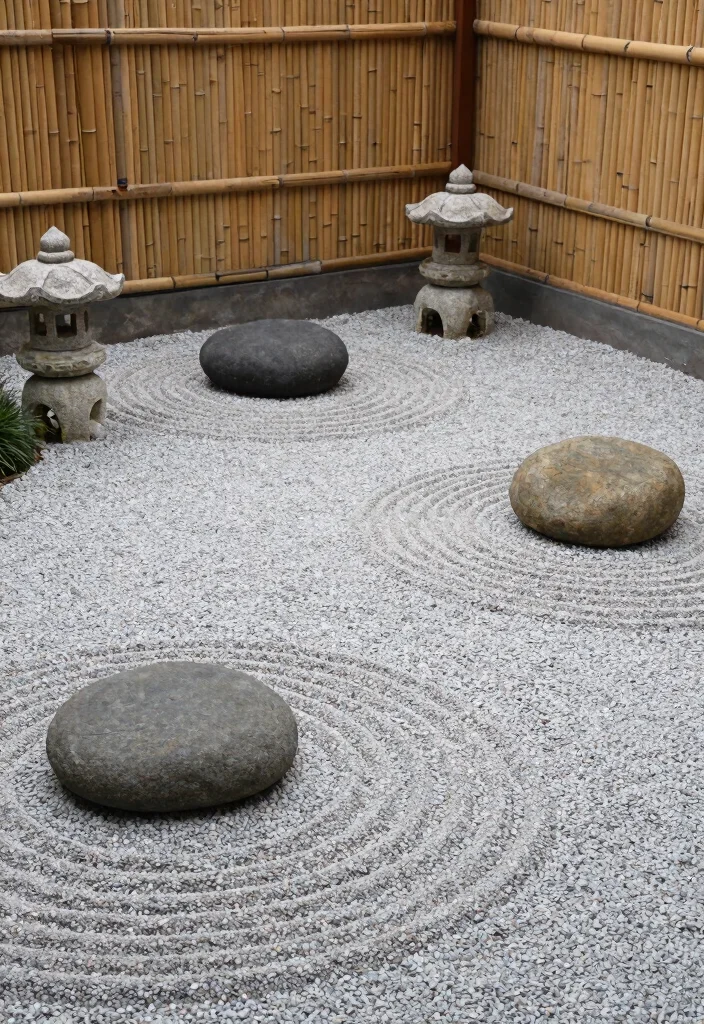
Seeking a peaceful retreat in your yard? A Zen rock garden might be just what you need. These minimalist spaces emphasize simplicity and tranquility, using carefully placed rocks and gravel to represent water and land. With their serene designs, Zen gardens create a perfect environment for relaxation and reflection.Begin by laying down a bed of fine gravel or sand, and rake it into gentle patterns that mimic rippling water. Strategically position rocks in clusters to symbolize islands or mountains, and consider adding larger boulders for visual impact. Enhance the serene atmosphere with bamboo fencing or a traditional stone lantern.Here are some maintenance tips for your Zen garden:- Rake the gravel regularly to maintain your patterns
– Add small plants like moss or succulents for a touch of greenery
– Use rocks of various sizes for added visual complexity
Creating a Zen garden provides more than just aesthetics; it offers a meaningful space for mindfulness and calm in your daily life.
3. Edible Rock Gardens
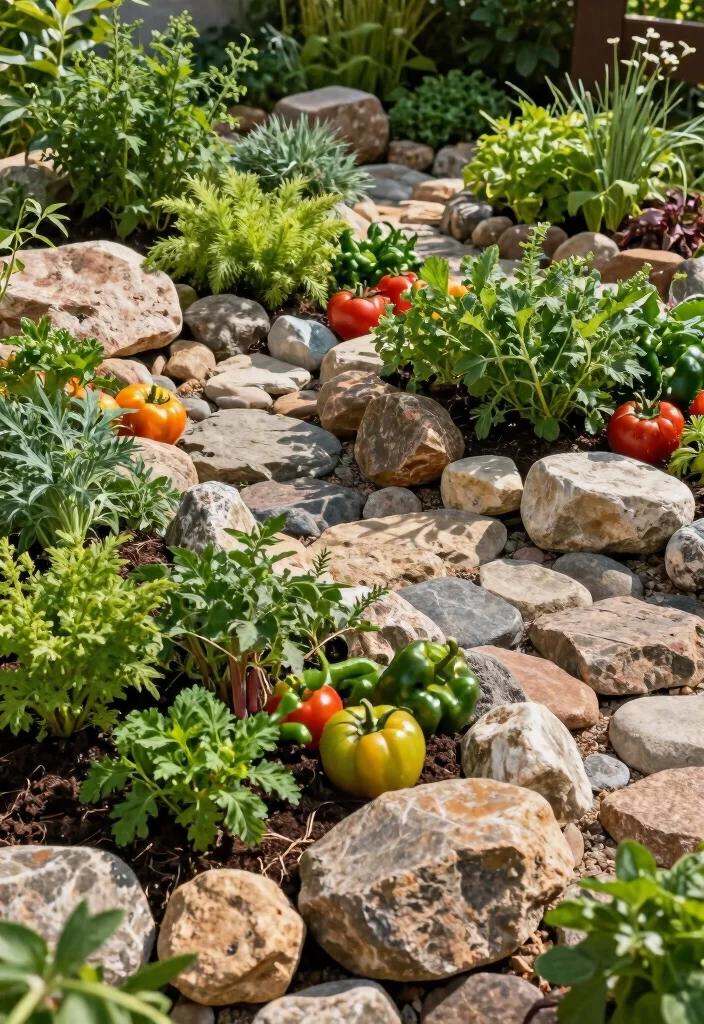
Why not combine beauty with practicality? An edible rock garden allows you to cultivate herbs and vegetables right alongside decorative rocks. This creative design not only adds aesthetic appeal but also gives you fresh ingredients at your fingertips, making gardening both functional and enjoyable.Start by choosing a sunny location and arranging your rocks for easy access to your plants. Use larger stones to create raised beds, which help with drainage and warming the soil. Consider planting hardy herbs like thyme, rosemary, and sage that thrive in rocky environments.Benefits of edible rock gardens include:- Fresh herbs readily available for cooking
– A modern design that blends form and function
– Adds visual interest to your outdoor space
Try incorporating stone borders to define your planting areas. The striking contrast of green plants against rugged stones creates a captivating visual that will impress any visitor.
Fun fact: in a sunny 6×6 ft edible rock garden, you can grow 12 herbs and veggies using raised beds built from larger stones. It turns beauty into practicality—perfect rock landscaping ideas for delicious, easy-to-maintain harvests.
4. Rock Borders for Definition
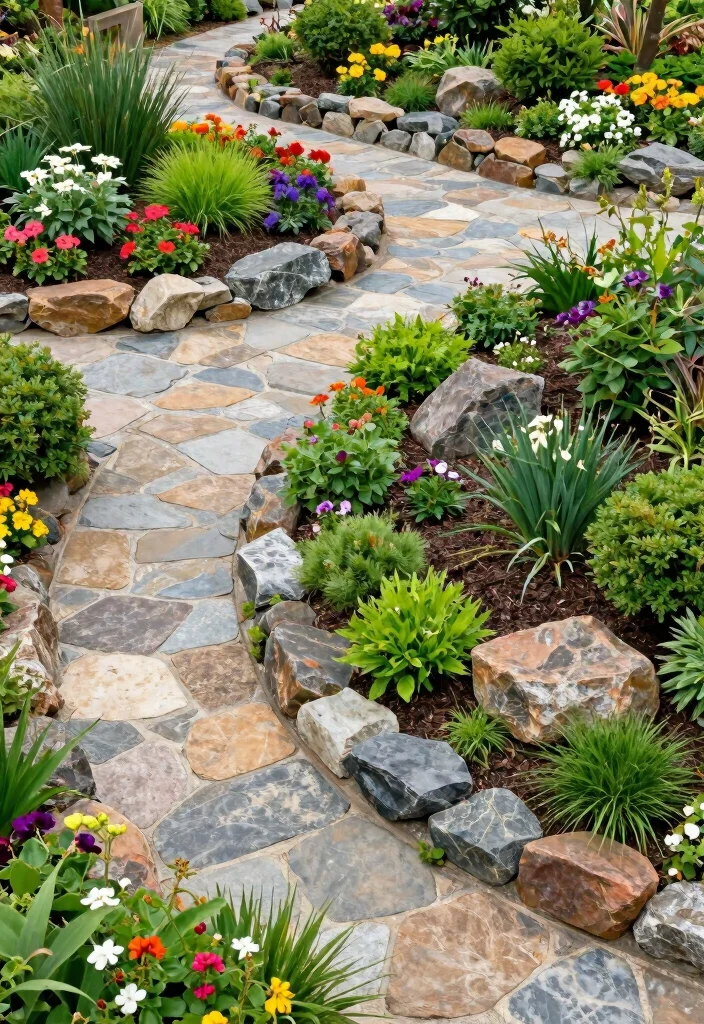
Rock borders serve as an excellent way to define garden beds or pathways while adding a contemporary flair. These borders create clean edges that separate different areas of your garden without the need for more intrusive fencing or walls.When selecting rocks for your borders, consider using a variety of sizes and colors to keep it visually engaging. Arrange the stones closely for a seamless look, or leave gaps to let plants peek through for added charm.Advantages of rock borders include:- Prevent soil erosion by holding it in place
– Create habitats for beneficial insects
– Require less maintenance than traditional wood borders
To install, outline your desired shape with a garden hose, then start placing your stones. Ensure the border has a natural flow, whether straight or gently curved. This stylish addition enhances modern garden designs while adding a touch of sophistication.
5. Rock Water Features
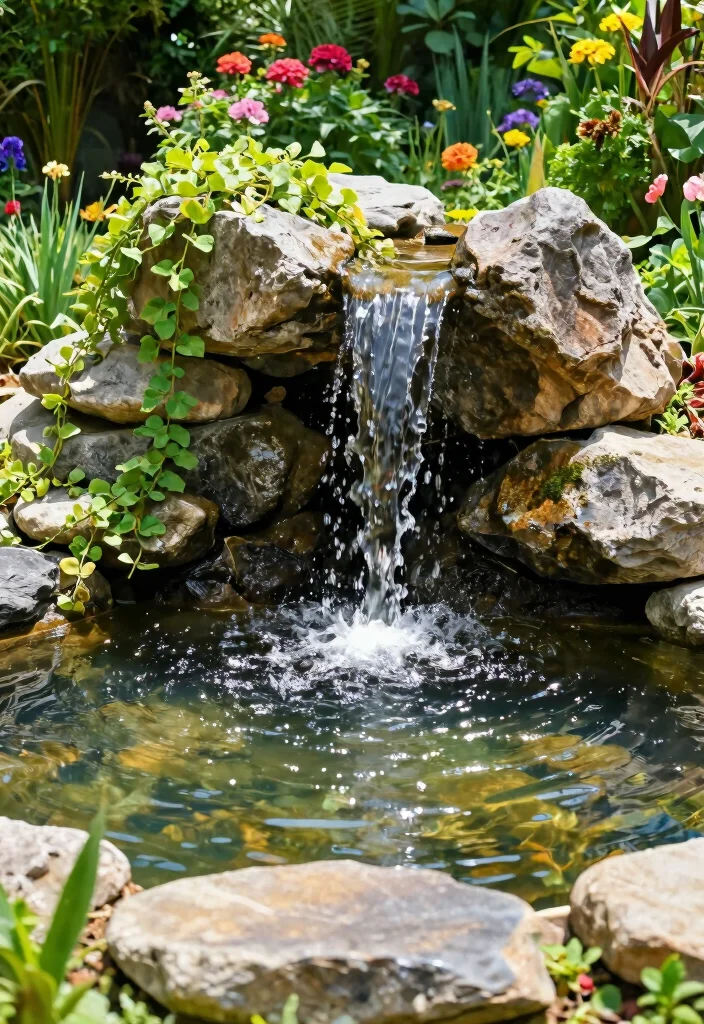
Imagine the soothing sound of trickling water in your garden. Adding rock water features can create a peaceful ambiance while integrating beautifully with your landscaping. These features not only serve as focal points but also attract wildlife, enriching your garden’s ecosystem.Consider options like a cascading rock waterfall, a pond framed by stones, or a simple bubbling rock. Choose the design that best fits your space and budget to enhance your outdoor area.To create your rock water feature:- Select a visible yet accessible location
– Choose rocks that complement your garden’s overall style
– Ensure proper water management to avoid overflow and erosion
These features not only elevate your garden’s beauty but also provide a calming atmosphere that invites relaxation and enjoyment in your outdoor sanctuary.
6. Creative Rock Arrangements
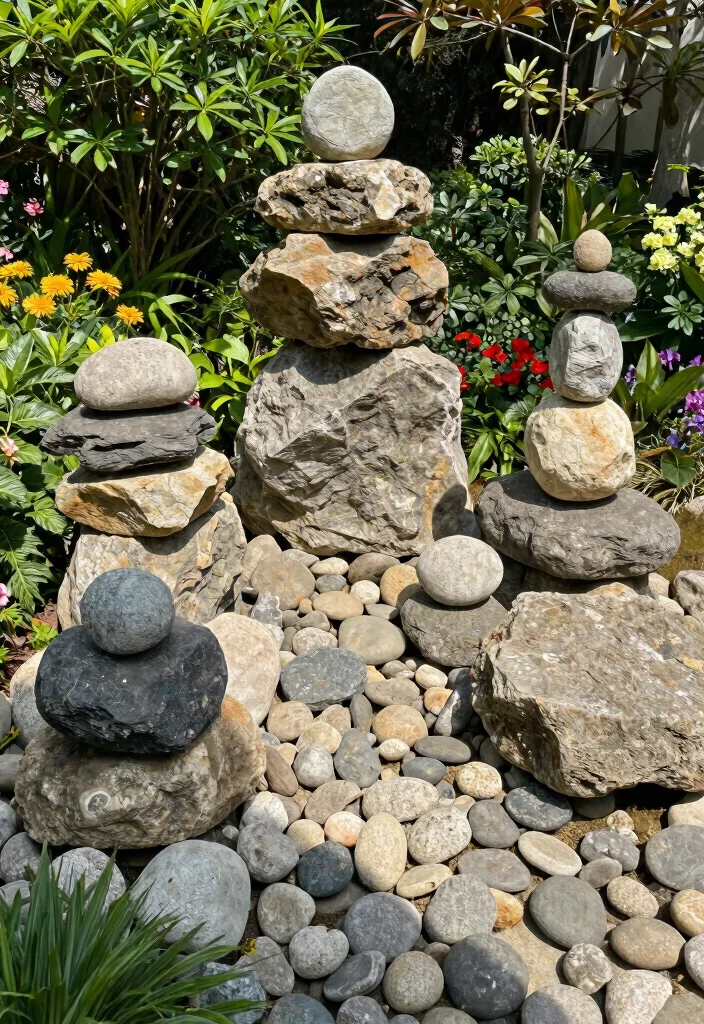
Creative rock arrangements can make stunning focal points in any garden. Whether stacked artistically or arranged in unique patterns, they introduce a modern touch while promoting sustainability. These eye-catching designs can transform a dull area into a captivating feature.Consider arranging rocks of different shapes and sizes to form sculptures or informal seating. Surround larger boulders with smaller stones to enhance the visual complexity of your space.Tips for arranging rocks:- Use an odd number of boulders for a more organic feel
– Mix textures and colors for depth and interest
– Balance height and spread for stability
These artistic arrangements not only serve as conversation starters but also enhance the overall aesthetic of your outdoor setting with minimal maintenance required.
How To Choose the Right Rock Landscaping Ideas
Choosing the right rock landscaping ideas can seem overwhelming. With so many options available, it’s essential to narrow down your choices based on your outdoor space’s needs and aesthetics. Here are some key criteria to consider when selecting the best rock landscaping ideas for your garden.
1. Purpose of the Design
Consider what you want to achieve with your rock landscaping. Are you looking to create a decorative feature, improve drainage, or enhance privacy? Pinpointing the purpose will help guide your decisions. For instance, if you want a calming area, a Zen rock garden might be ideal. If you’re looking to provide structure, stone retaining walls might fit your needs better.
2. Type of Stones
Different types of stones offer unique looks and functions. Natural stone landscaping options, like river rocks or granite, provide a rustic feel, while smoother pebbles can add a modern touch. Think about the colors and textures that will complement your home and plants. Research how durable each type is, especially if you live in an area with extreme weather conditions.
3. Size and Scale
The size of your space will influence your rock landscaping choices. Larger rocks can serve as focal points but may overwhelm a small garden. Smaller stones can fill in gaps and add texture without taking over. Measure your space and visualize how different sizes will fit in. A good rule of thumb is to keep larger stones in the background and smaller ones in the foreground to create depth.
4. Budget Considerations
Rock landscaping can vary significantly in cost. Natural stones often come at a premium, while gravel or manufactured stones may be more budget-friendly. Calculate your total budget, including delivery and installation costs. Remember that investing in durable materials can save money in the long run, as you won’t need to replace them frequently.
5. Maintenance Requirements
Think about how much time you can dedicate to maintenance. Some rock arrangements, like dry river beds, require minimal upkeep, while others may need regular weeding or cleaning. Consider how much time you want to spend maintaining your landscape. If low-maintenance is a priority, opt for larger stones and integrate them with grass or succulents to reduce weeding.
6. Eco-Friendly Options
If sustainability is important to you, look for eco-friendly landscaping options. Recycled stones and locally sourced materials reduce your environmental footprint. Additionally, incorporating native plants with your rock features can create a balanced ecosystem. Think about how your choices can benefit local wildlife and pollinators as well.
Pro Tip: Always visualize your design before making any purchases. Create a mock-up of your space using materials you can find around your yard or use design software. This way, you can see how different rock types and arrangements will look together in your space, allowing for adjustments before you commit to a purchase!
7. Stone Pathways
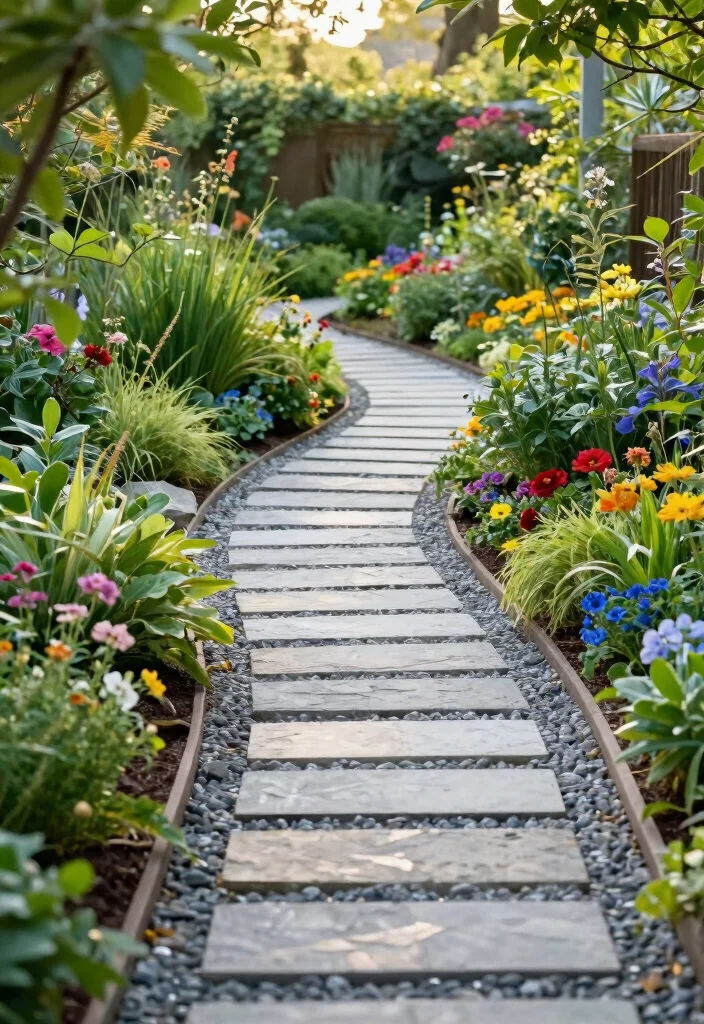
Enhancing your garden with a stone pathway adds both functionality and beauty. Pathways guide visitors through your space while showcasing the natural splendor of your garden. They create a sense of flow and connectivity, inviting exploration.You can use flat stones, stepping stones, or gravel to construct your paths. Choose materials that match your garden’s style—smooth river stones for a modern look or rugged slate for a more rustic vibe.To create your stone pathway:- Lay out the path in a way that feels natural
– Ensure stones are spaced evenly for a cohesive appearance
– Plant along the edges for a softer touch
Stone pathways minimize mud and erosion, making your garden easier to navigate. They can become delightful features that guide people from one area to another while enhancing the overall landscape.
8. Rock Retaining Walls
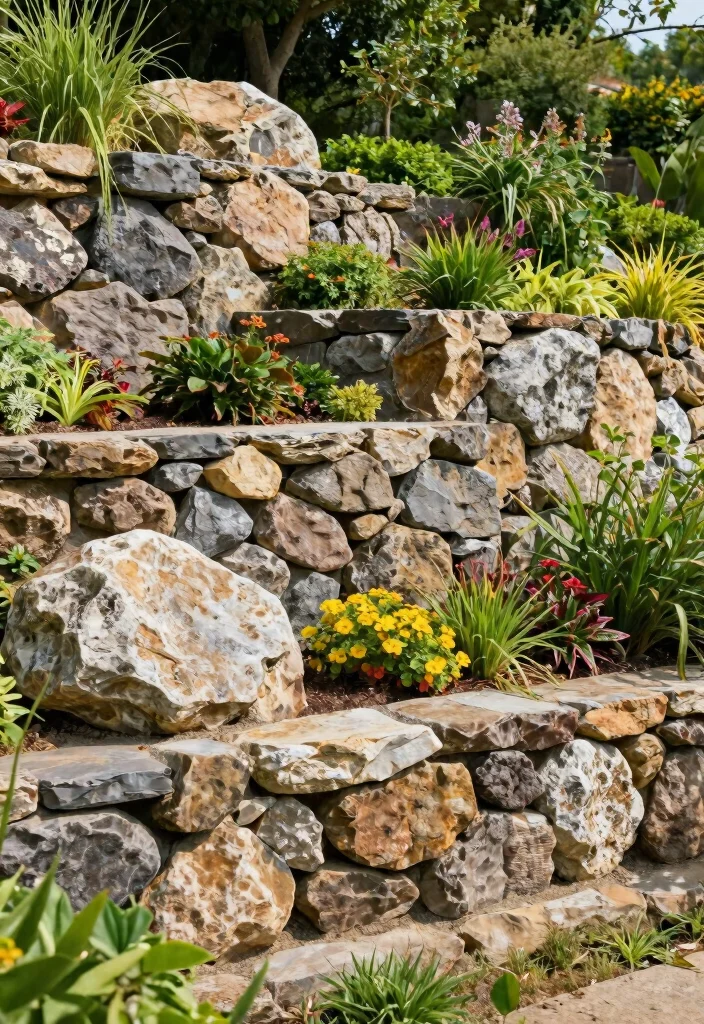
If your garden features slopes, rock retaining walls offer both functionality and beauty. These walls help prevent erosion while adding dimension and character to your landscape, making them a practical choice for uneven terrain.When constructing a retaining wall, use larger boulders for stability and fill gaps with smaller stones. Sloping the wall back slightly can enhance both its strength and visual appeal.Benefits of rock retaining walls include:- Preventing soil erosion effectively
– Creating usable terrace space for planting
– Adding a natural, rustic charm to your garden
These walls can serve as backdrops for planting beds, offering versatility in design. You can even stack them creatively to form seating areas or decorative features that enrich your outdoor experience.
9. Fire Pits with Rock Surrounds
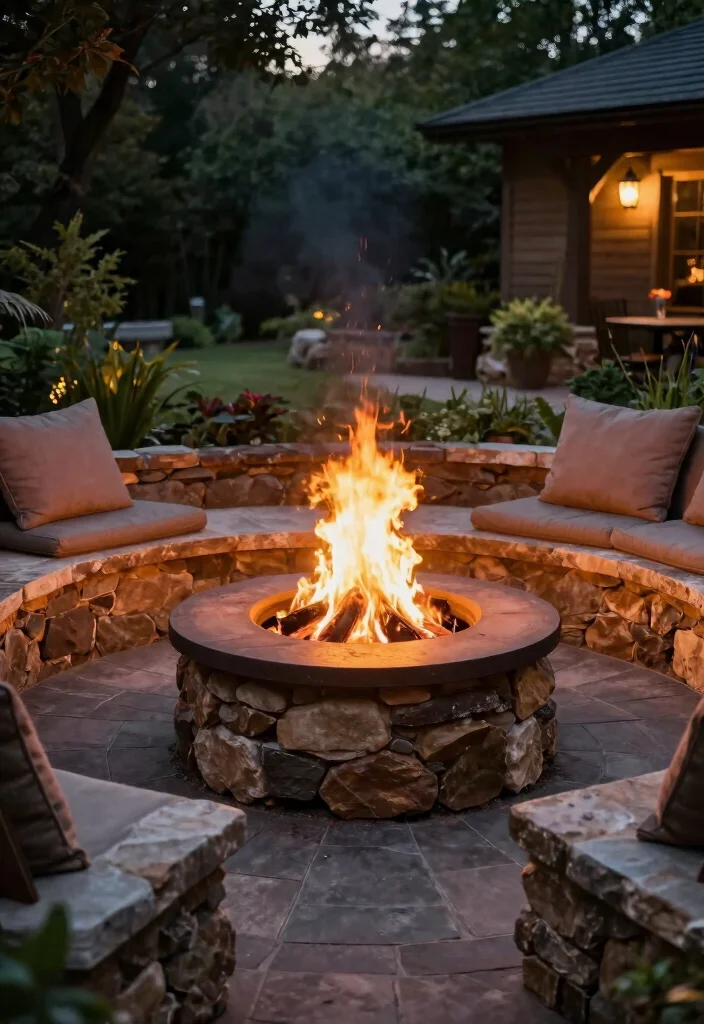
Bring warmth and charm to your outdoor gatherings with a fire pit surrounded by rocks. This setup not only provides heat but also serves as a captivating focal point for socializing, creating an inviting atmosphere for friends and family.To create a fire pit, start by selecting a safe location away from flammable materials. Construct a circular or square enclosure using stones, ensuring adequate ventilation for safety. Consider adding comfortable seating around the fire pit, blending natural stones with outdoor furniture for a cozy vibe.Enhance the ambiance with decorative elements like lanterns or plants to elevate the aesthetics of your space. This cozy arrangement fosters an inviting environment, perfect for evening conversations and gatherings under the stars.
10. Rock Mulching
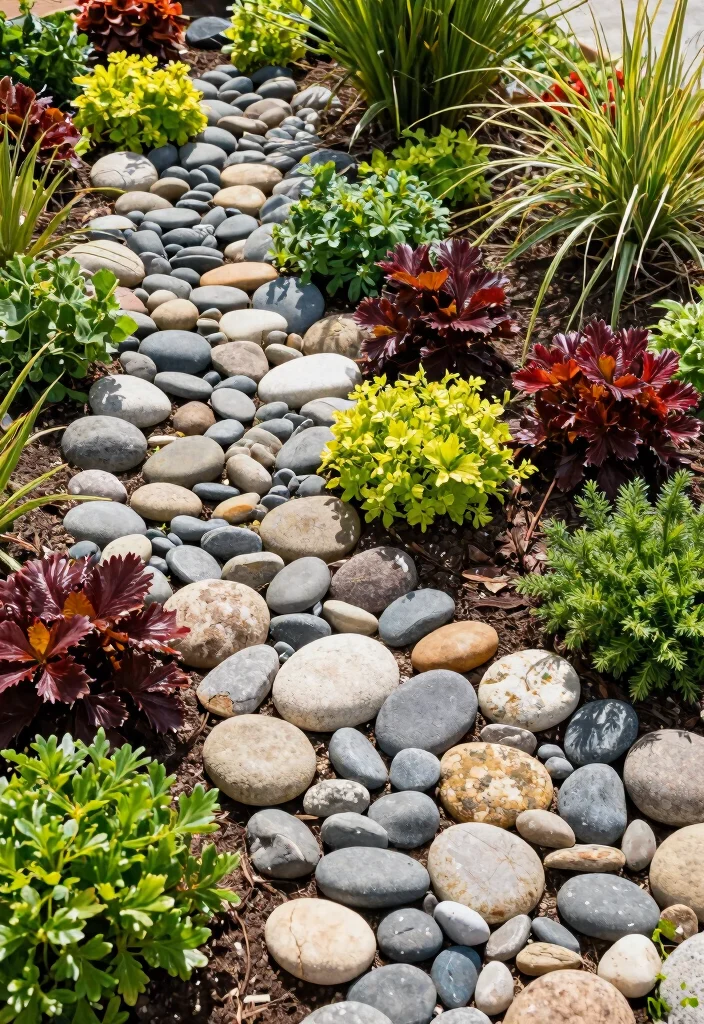
For a contemporary approach to mulching, consider using rocks as mulch. This eco-friendly choice reduces water usage and minimizes weed growth while adding a unique visual element to your garden. Rocks provide a polished and modern look that complements various landscapes.When selecting rocks for mulching, opt for smaller stones or gravel that harmonize with your plants. Spread a layer deep enough to suppress weeds while allowing moisture to reach the soil beneath.Advantages of rock mulching include:- Low maintenance and long-lasting solution
– Helps retain soil moisture
– Provides a clean, sophisticated appearance
This option is particularly effective in dry regions where conserving water is essential. Plus, refreshing or replacing the rocks is simple, making it an ideal choice for sustainable gardening.
11. Succulent Rock Gardens
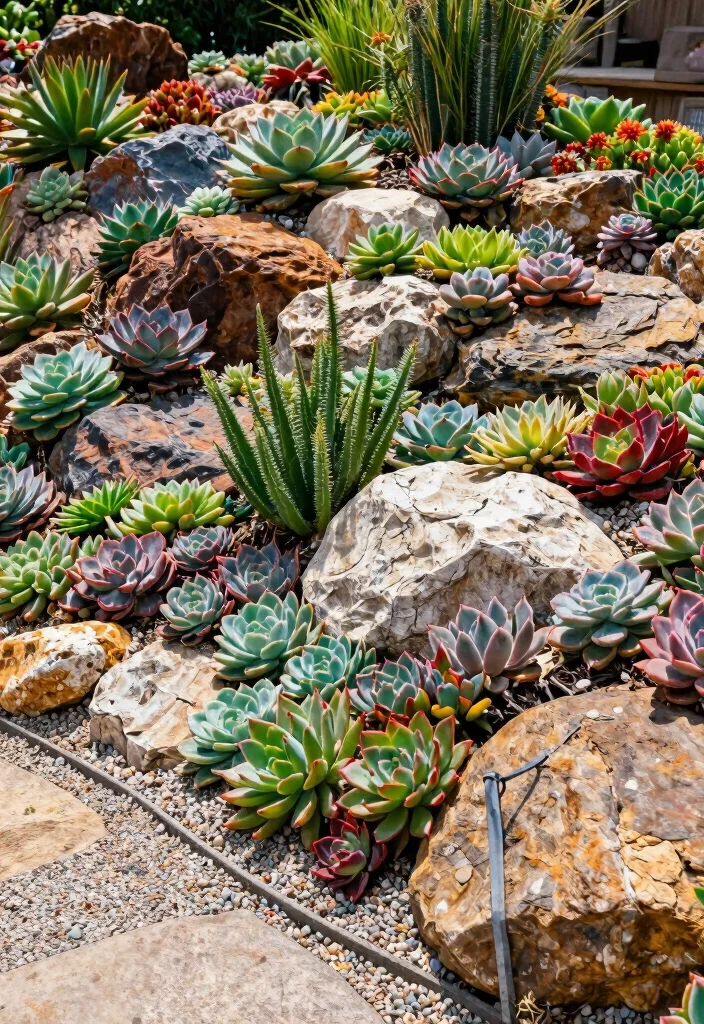
If you’re a fan of succulents, a succulent rock garden is an ideal way to blend these hardy plants with beautiful stones. These gardens not only look contemporary but are also low-maintenance and efficient with water usage, making them perfect for busy gardeners.Begin by selecting a sunny spot and designing a layout that incorporates various rock sizes. Create raised areas for planting succulents while ensuring proper drainage. Consider these helpful tips:- Choose succulents with diverse colors and textures for visual interest
– Space plants appropriately to allow for growth
– Add decorative stones or gravel for a refined finish
This gardening style encourages creativity and can transform a bare space into a thriving oasis, all while minimizing water use and upkeep.
Did you know a succulent rock garden is one of the easiest rock landscaping ideas? It can slash water use by up to 50% compared to lawns. Sun, stones, and low-maintenance plants keep your outdoor space stylish and drought-smart.
12. Rock-Filled Planters
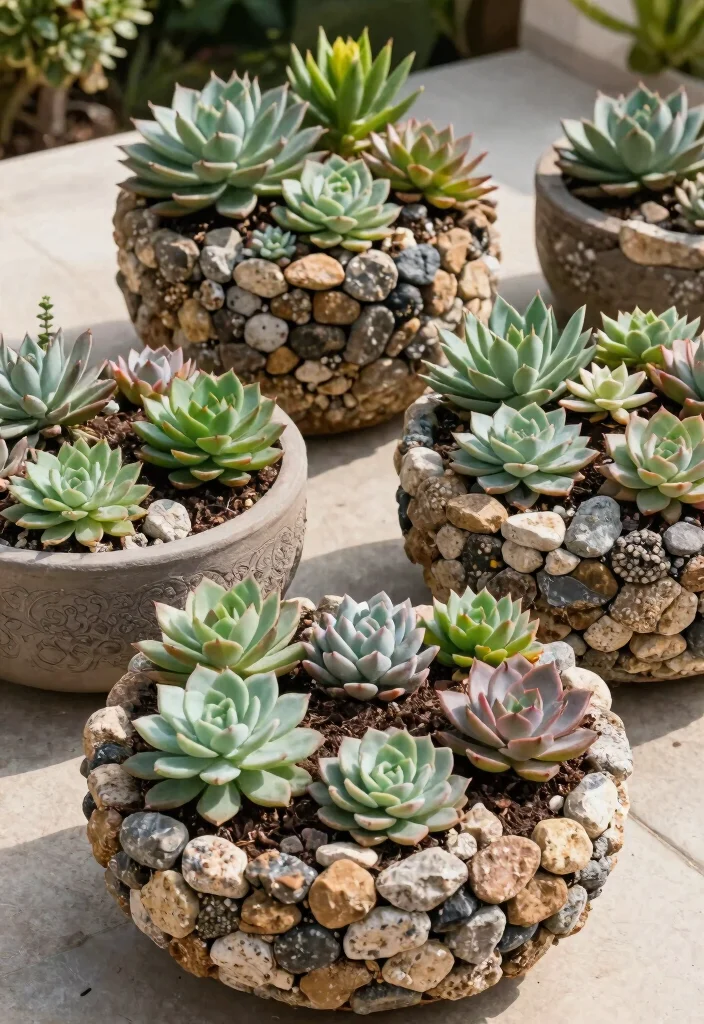
For a unique twist on gardening, try rock-filled planters that incorporate stones as part of the planting medium. This modern approach adds texture to your garden while ensuring excellent drainage for your plants, making it a stylish yet practical choice.To create rock-filled planters, mix small rocks, gravel, and potting soil. Add drought-tolerant plants or succulents for a beautiful arrangement. You can use various planter styles, including hanging planters or raised beds for added interest.Advantages include:- Improved drainage and aeration for plant roots
– Unique visual appeal that combines rocks and plants
– Low-maintenance options using drought-tolerant species
This innovative gardening method encourages creativity and is perfect for those looking to elevate their gardening style while making the most of limited space.
13. DIY Rock Art
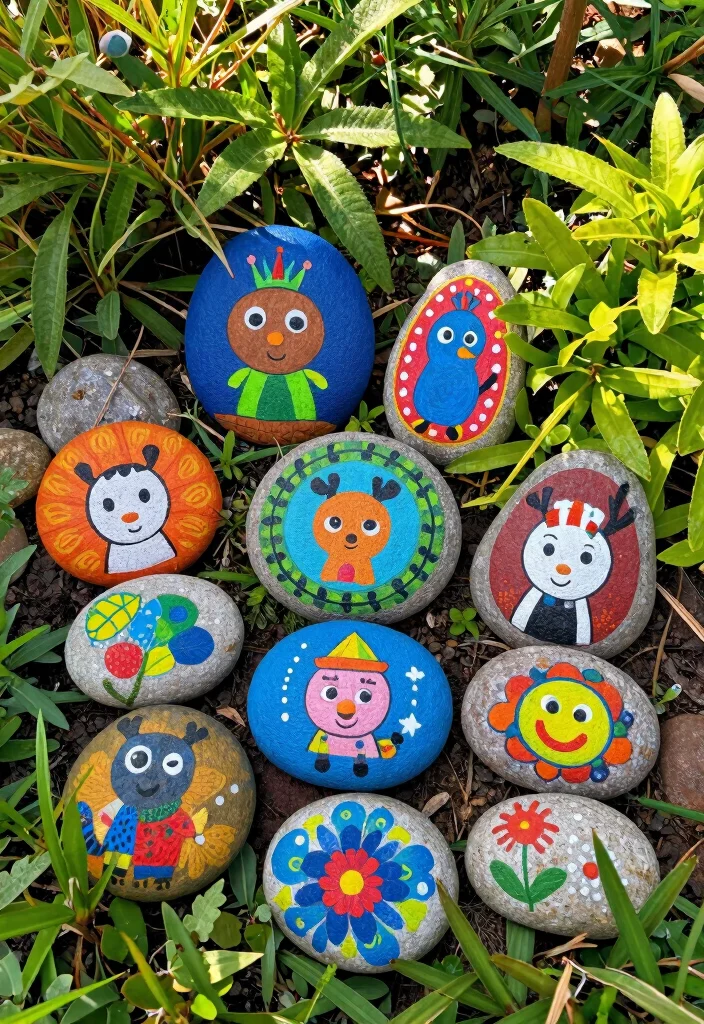
DIY rock art brings a personal touch to your garden while showcasing your creativity. Painting or decorating rocks can infuse your outdoor space with fun and whimsy, making it a delightful project for all ages.Gather smooth stones and your choice of acrylic paint or markers. Let your imagination run wild—design patterns, quotes, or even paint your favorite creatures. Once finished, place the rocks throughout your garden or along pathways to surprise and delight visitors.This is a fantastic family activity, promoting creativity and eco-friendliness. Encourage kids to join in the fun by painting rocks together and placing them around the garden. The finished pieces not only brighten your outdoor area but also create lasting memories.Benefits include:- Personalizes your outdoor space
– Engages the entire family in gardening
– Inexpensive decorations using natural materials
DIY rock art is a wonderful way to express your creativity and infuse joy into your garden.
Did you know that painting a handful of rocks can boost garden charm in under a weekend? DIY rock art turns ordinary stones into playful landmarks, part of sustainable rock landscaping ideas for eco-friendly outdoor spaces. Start small, gather smooth stones, and let creativity lead the way.
14. Sustainability and Rock Landscaping
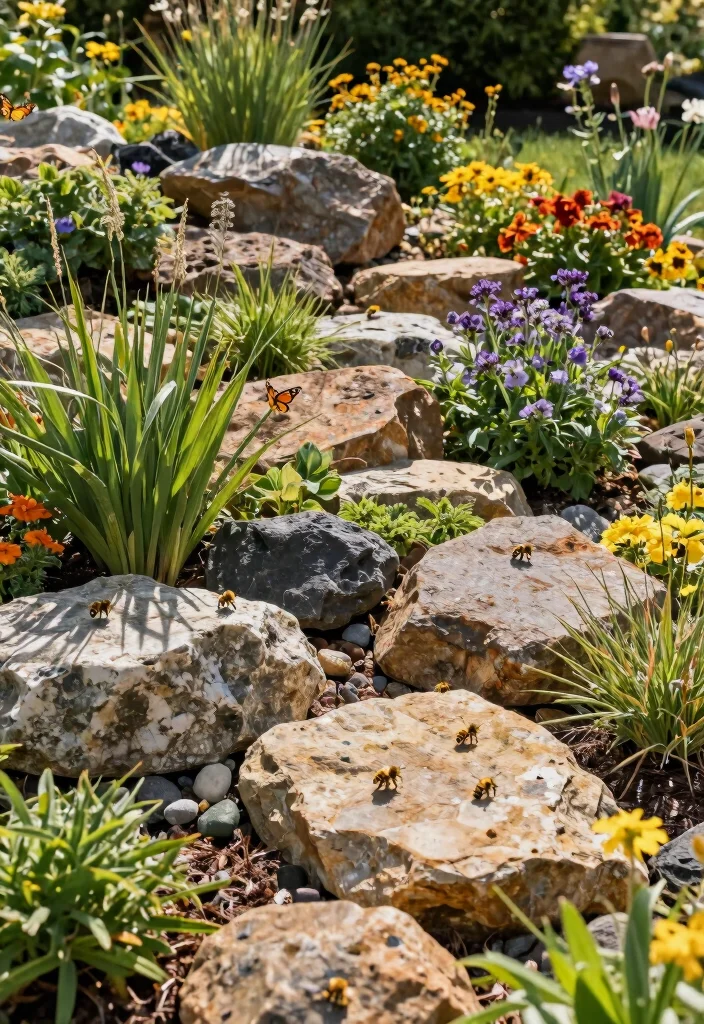
The charm of rock landscaping lies in its sustainable approach. Using natural stones minimizes water needs, supports local wildlife, and requires less upkeep than traditional gardens. This eco-friendly method helps create a beautiful, low-impact outdoor environment that thrives over time.By incorporating native plants into your rock designs, you can boost biodiversity while fostering a vibrant ecosystem. Native plants adapt to local conditions, requiring less water and care while enhancing the overall landscape.Here are ways to embrace sustainability:- Choose locally sourced rocks to reduce transportation impact
– Design your garden layout to maximize sunlight and minimize energy use
– Plant native flowers alongside rocks to attract pollinators
Adopting these sustainable practices not only benefits the environment but also creates a beautiful and meaningful outdoor space that you can enjoy for many years.
Conclusion
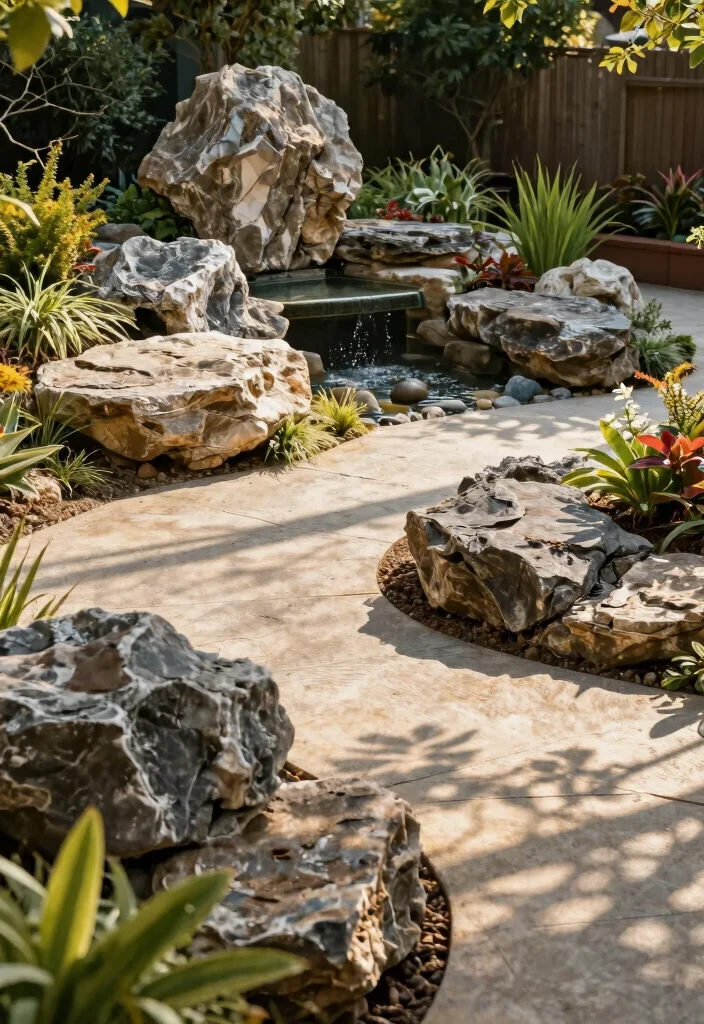
Rock landscaping offers a captivating way to enhance your outdoor spaces while embracing sustainability. From creative arrangements to functional installations, these ideas inspire you to create a garden that connects with nature.
Consider which elements resonate with your style and space, and don’t hesitate to mix and match to create your unique rock garden masterpiece. Happy gardening!
Frequently Asked Questions
What are the best durable materials for rock landscaping to achieve a natural, modern look?
For a natural, modern vibe, start with durable landscape materials like locally sourced natural stone (granite, limestone, slate) and weather-resistant pavers. Create a solid base with durable crushed stone or compacted gravel, and plan drainage to prevent pooling.
Prefer dry-stone construction or limited mortar to keep the look organic and preserve future flexibility. Arrange stones in staggered layers and creative rock arrangements to add rhythm without clutter. Pair rocks with native, drought-tolerant plants for sustainability and low maintenance. This approach fits rock landscaping ideas that stay natural yet modern.
How can I arrange rocks for a modern garden design without making it feel busy?
Start with a simple color palette and use creative rock arrangements that celebrate negative space. Group stones in odd numbers, vary height, and place them to lead the eye toward a focal point like a water feature or a sculpted boulder. Use clean lines for pathways and keep mulch or groundcovers minimal to avoid visual clutter. Build low natural stone landscaping walls or terraced steps to create gentle levels and texture. Add subtle lighting to highlight textures at night, then step back and review the balance—less is more in modern garden design.
What maintenance should I expect with outdoor rock features in sustainable rock landscaping?
Maintenance is usually low, but a few habits keep rocks looking fresh. Regularly rake debris and wash away moss or algae from shaded stones. Check for shifting or loose stones and reset them as needed to prevent trips. Ensure drainage gaps stay clear of soil and roots, and use a weed barrier or simple edging to minimize weed growth between rocks. Inspect irrigation or sprinklers near rocks to avoid water damage, and reseal or re-sand joints only if you used mortar. With these steps, your outdoor rock features stay durable and beautiful year after year.
How do I choose eco-friendly rock landscaping materials?
Start by sourcing locally when possible to cut transport emissions and support local quarries. Favor natural stone landscaping that lasts for decades over short-life alternatives, and ask suppliers about quarry location and extraction practices. Consider reclaimed or recycled stone to reduce waste, and prioritize pervious surfaces like gravel or flagstone that promote drainage and groundwater recharge. Use durable landscape materials that require less maintenance, and limit cement or adhesives to keep the look authentic. Finally, plan your layout with rock landscaping ideas that minimize environmental impact while delivering a modern, natural feel.
Are there budget-friendly tips to achieve 14 rock landscaping ideas with eco-conscious approach?
Absolutely. Start by inventorying rocks you already have or can source cheaply, then sketch a simple design that emphasizes a few bold rock features rather than a full remodel. Buy in bulk and mix sizes to create creative rock arrangements without paying top dollar. Use natural stone landscaping elements like stepping stones and dry-stone walls to create structure, and fill gaps with mulch or drought-tolerant groundcovers to reduce irrigation needs. Build pathways and seating with affordable flagstone or gravel, and DIY where possible to save money while staying true to sustainable goals. With careful planning, you can implement several of the rock landscaping ideas on a budget while keeping the space durable and stylish.