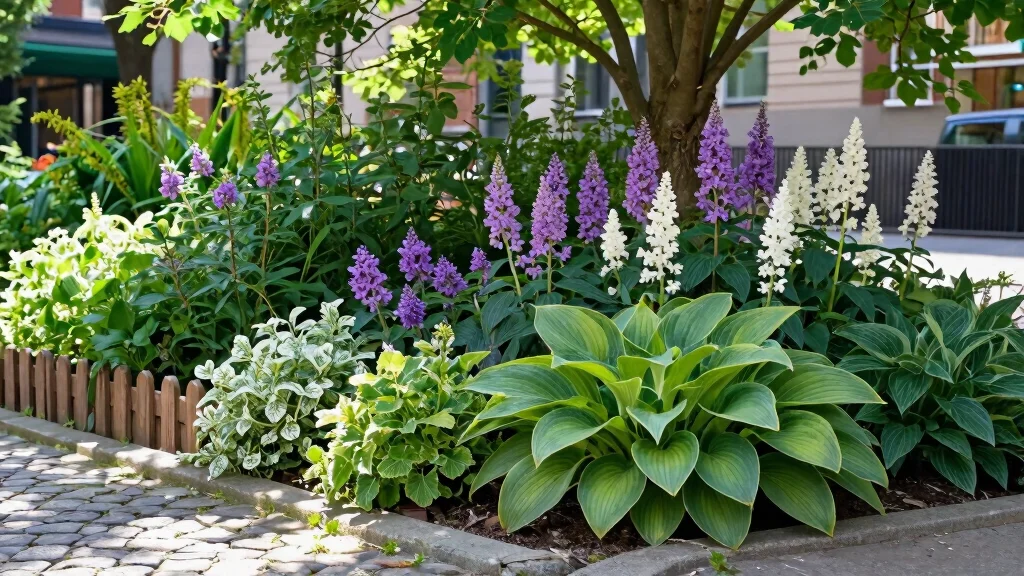
Creating a beautiful garden can feel like a daunting task, especially if your space is shaded by trees or buildings. If you’ve ever gazed longingly at sun-drenched flower beds, you might think your options are limited. But fear not! I made this post to show you that shady spots can be just as lush and inviting as sunny ones. With the right selection of plants and garden design ideas, you can transform your low light spaces into vibrant, enchanting flower beds filled with color and texture.
This guide is for anyone who loves gardening but struggles with less-than-ideal lighting conditions. Whether you’re a seasoned gardener or just starting out, you’ll find tips and inspiration tailored for urban gardens and shaded areas. You’ll discover 12 shady flower bed ideas that feature shade-loving flowers and drought-resistant greenery. Get ready to embrace the beauty of low light plants and learn how to maximize your garden’s potential.
In this post, you’ll find a variety of plants that thrive in shade, each with its unique charm. From majestic Hostas to playful Coral Bells, I pulled together a list that is practical, stylish, and perfect for transforming those tricky spots into gorgeous flower beds. Let’s dive into the world of shady flower beds and unlock the secrets to creating your own lush retreat!
Key Takeaways
– Explore a variety of shade-loving flowers that thrive in low light, enhancing your garden’s beauty.
– Discover practical garden design ideas to maximize the potential of your shady spots.
– Learn about drought-resistant greenery that requires minimal maintenance and thrives in challenging environments.
– Find tips on planting in shade effectively to ensure your flowers flourish.
– Get inspired with 12 unique flower bed ideas that will transform your shaded areas into vibrant landscapes.
1. Hostas: The Majestic Giants of the Shade
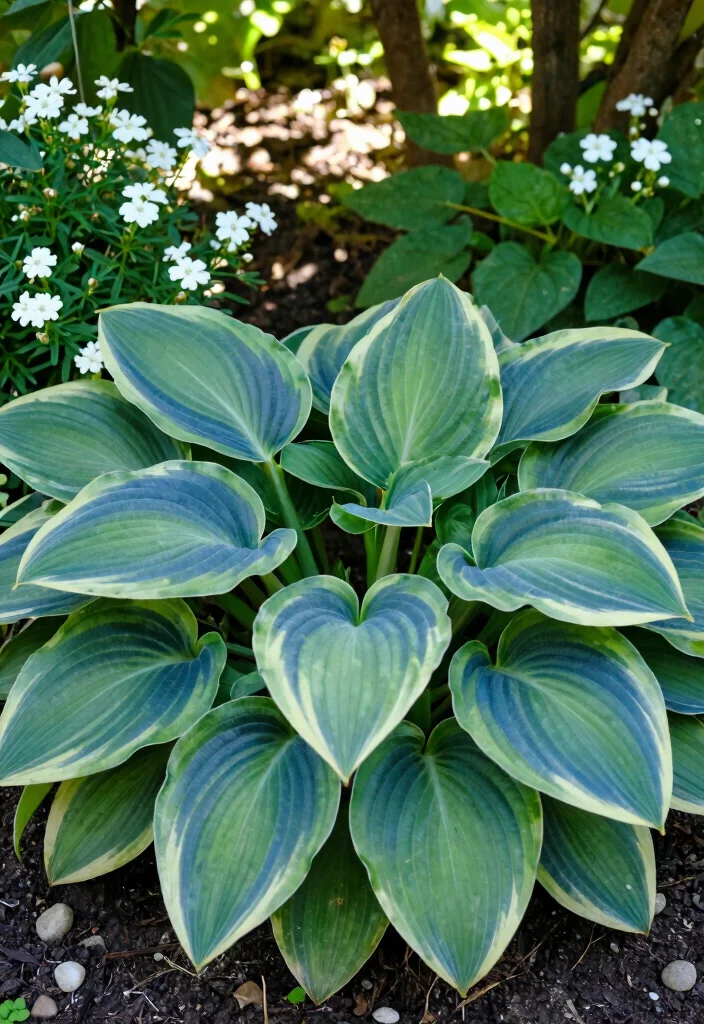
If you’re looking for reliable plants that thrive in shade, hostas are a fantastic choice. Their large, vibrant leaves come in various greens and even blues, creating a lush background for colorful blooms. These giants not only provide splendid foliage but also act as a living texture, enhancing the overall garden aesthetic. When arranged in clusters, they form a striking visual that stands out in low light.
To ensure your hostas flourish, plant them in well-drained soil and keep an eye on their water needs, especially during dry spells. They pair beautifully with other plants like ferns or coral bells, making your shady spaces feel more inviting and vibrant.
Key tips for growing hostas:
– Plant the crown level with the soil for healthy growth.
– Keep soil consistently moist, avoiding sogginess.
– Combine with ferns for a lovely texture contrast.
Hostas are not just visually stunning; they also adapt well, making them perfect for urban gardens where light is limited.
2. Astilbe: Colorful Fountains of Bloom
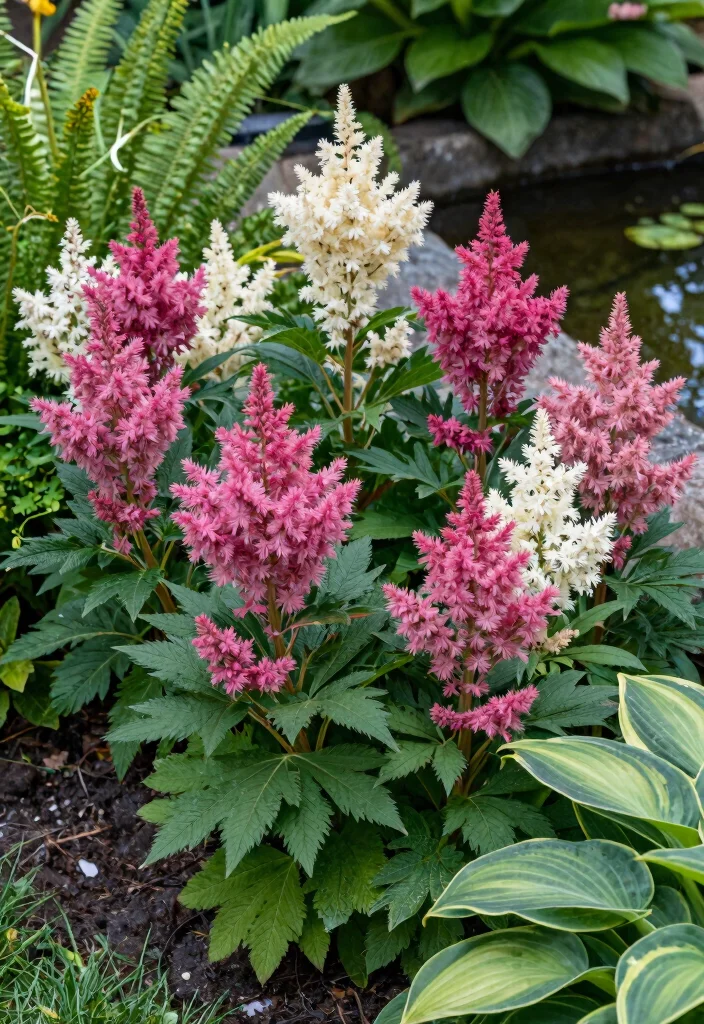
Astilbe adds a pop of color to shaded areas with its feathery flower spikes, blooming in shades of pink, white, and red. These plants create height and contrast beautifully against darker foliage like hostas, making your garden visually appealing. Grouping them enhances their stunning effect, creating a vibrant focal point that attracts attention.
For best results, plant astilbe in consistently moist soil, particularly near water features. Their striking blooms not only beautify your space but also attract butterflies and hummingbirds, turning your garden into a lively habitat.
Essential astilbe care tips:
– Plant during spring or fall for optimal growth.
– Maintain well-drained, consistently moist soil.
– Pair with ferns or hostas for a rich, layered look.
With astilbe in your garden, you’ll enjoy vibrant blooms early in the season, inviting life and color when other plants are just waking up.
How To Choose Shade-Tolerant Perennials for Your Garden
When planning a shady flower bed, selecting the right shade-tolerant perennials is crucial for a lush and vibrant garden. These plants not only thrive in low light but can also add texture and color to your outdoor space. Here are some essential criteria to consider when choosing the perfect plants for your shady flower bed.
1. Light Requirements
Understanding how much shade your garden receives is the first step. Some plants prefer full shade, while others do well in partial shade. Check the specific light needs of each plant before purchasing. This helps ensure they will thrive in your specific conditions.
2. Soil Type
The type of soil in your garden plays a significant role in plant health. Conduct a simple soil test to determine its pH and texture. Shade-loving plants often prefer well-drained, rich soil. Amend your soil with compost if it’s too sandy or clay-heavy to provide a better growing environment for your perennials.
3. Drought Resistance
Consider the water needs of your chosen plants. If you live in an area prone to dry spells, opt for drought-resistant varieties. Plants like ferns and astilbe can thrive in shade and still cope well with limited water. This will help you maintain a healthy garden with less effort, especially during dry seasons.
4. Plant Height and Spread
Think about the size of your flower bed and how tall or wide you want your plants to grow. Taller plants like hostas can work well at the back of the bed, while shorter varieties like periwinkles can be placed in front. This layering creates depth and visual interest. Always check the mature height and spread of each plant to avoid overcrowding.
5. Seasonal Interest
Choose plants that provide year-round appeal. Some perennials bloom in spring, while others offer beautiful foliage or unique seed heads in fall and winter. Selecting a mix of plants will ensure your garden remains attractive across all seasons. For example, bleeding hearts bloom beautifully in spring, while coral bells add vibrant color in the summer.
6. Pest and Disease Resistance
Some plants are more susceptible to pests and diseases than others. Research the common issues associated with your chosen perennials. Look for varieties that are known for their resilience. This can save you time and effort managing garden problems down the line.
Pro Tip: When in doubt, consult local gardening experts or extension services. They can provide valuable insights into the best plants suited for your specific climate and conditions.
By focusing on these essential criteria, you can create a stunning shady flower bed that thrives in low-light conditions. Each choice you make will contribute to a vibrant and lush garden, allowing you to enjoy the beauty of plants that flourish in the shade. Whether you opt for the majestic hosta or the delicate bleeding heart, the key is to pay attention to their needs and your garden’s unique environment. Happy gardening!
3. Bleeding Hearts: Heartfelt Beauty
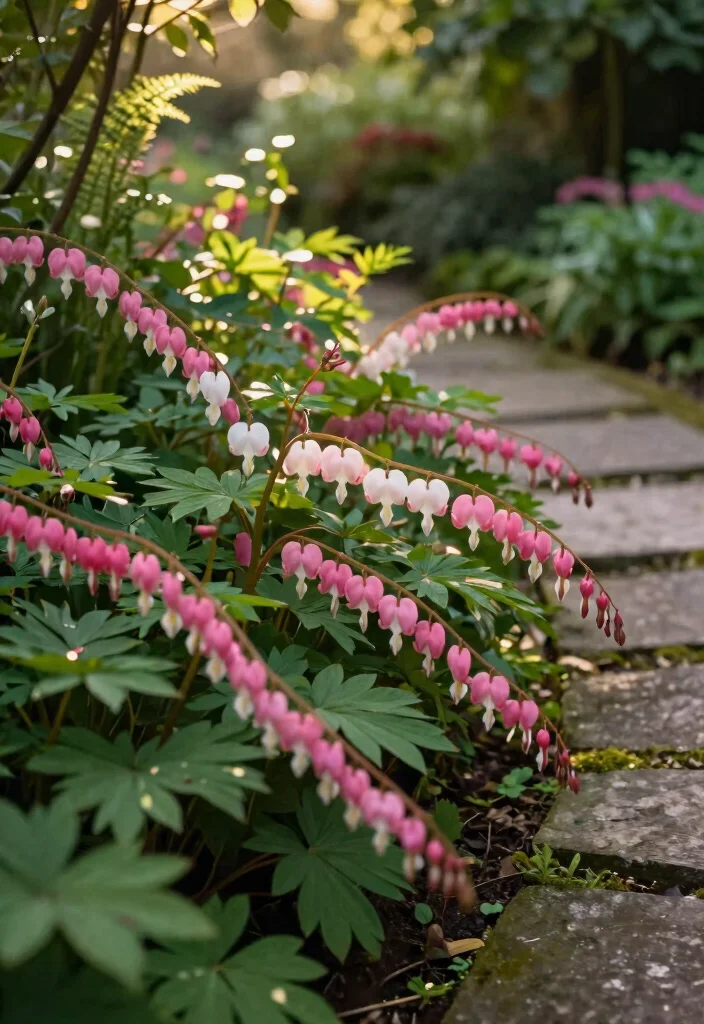
Bleeding hearts bring an enchanting charm to your shady garden with their heart-shaped blooms in pink and white. These perennials thrive in partial shade and moist, fertile soil, making them perfect for those tricky spots where other plants may struggle. Their unique flowers and beautiful arching stems convey love and affection, adding a tranquil touch to your flower bed.
Even when not in bloom, the lush greenery of bleeding hearts enhances the garden’s beauty. For best results, ensure they have consistent moisture, especially during dry periods, and consider planting them alongside hostas or ferns for a cohesive look.
Planting tips for bleeding hearts:
– Ensure the crown is level with the soil for healthy growth.
– Keep soil consistently moist, particularly in dry spells.
– Combine with hostas for a lush, serene garden.
Though they may go dormant in summer, their early season blooms are sure to captivate anyone who visits your garden!
4. Ferns: The Graceful Greenery
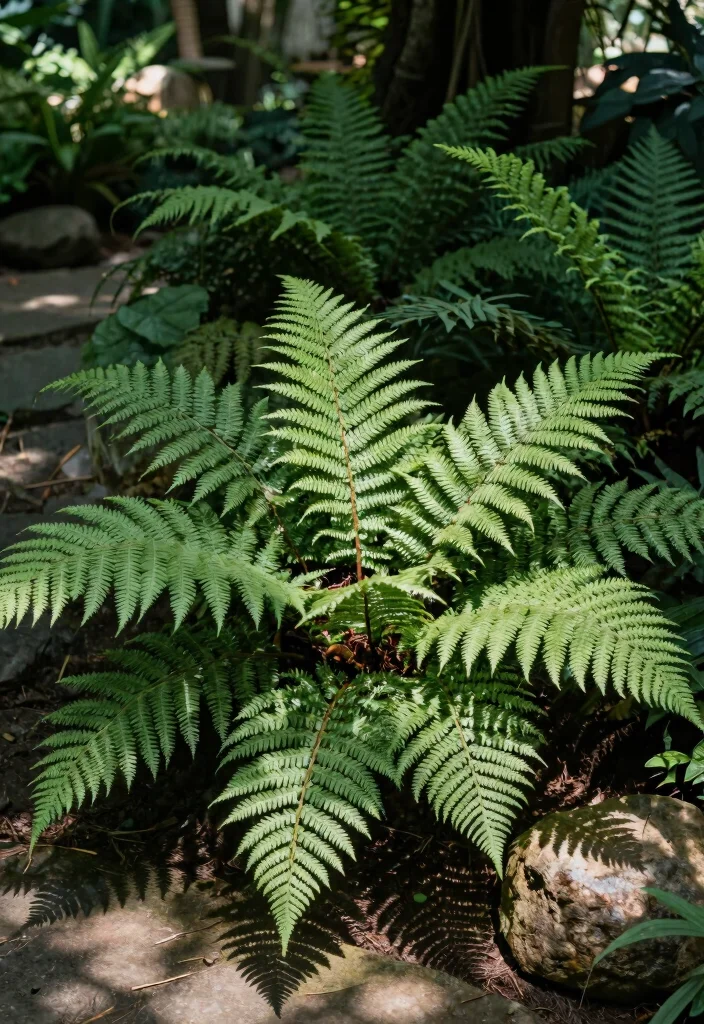
Ferns are a must-have for any shady garden, showcasing lush green foliage that brings life to dim areas. Their delicate fronds add an ethereal touch, perfect for filling gaps beneath trees or alongside other flowers. With a variety of species available, you can easily find a fern that complements your garden style.
Ferns thrive in moist, well-drained soil and are ideal companions for shade-loving plants. Their graceful movement in the wind adds a dynamic element, enhancing your garden’s tranquility.
Key fern care tips:
– Dig a hole wide enough for roots to spread freely.
– Water regularly, especially during dry spells.
– Combine with hostas and astilbes for a layered effect.
Ferns can adapt beautifully to different garden styles, whether traditional or modern, creating a timeless feel in any shaded area.
5. Brunnera: The Forget-Me-Nots of the Shade
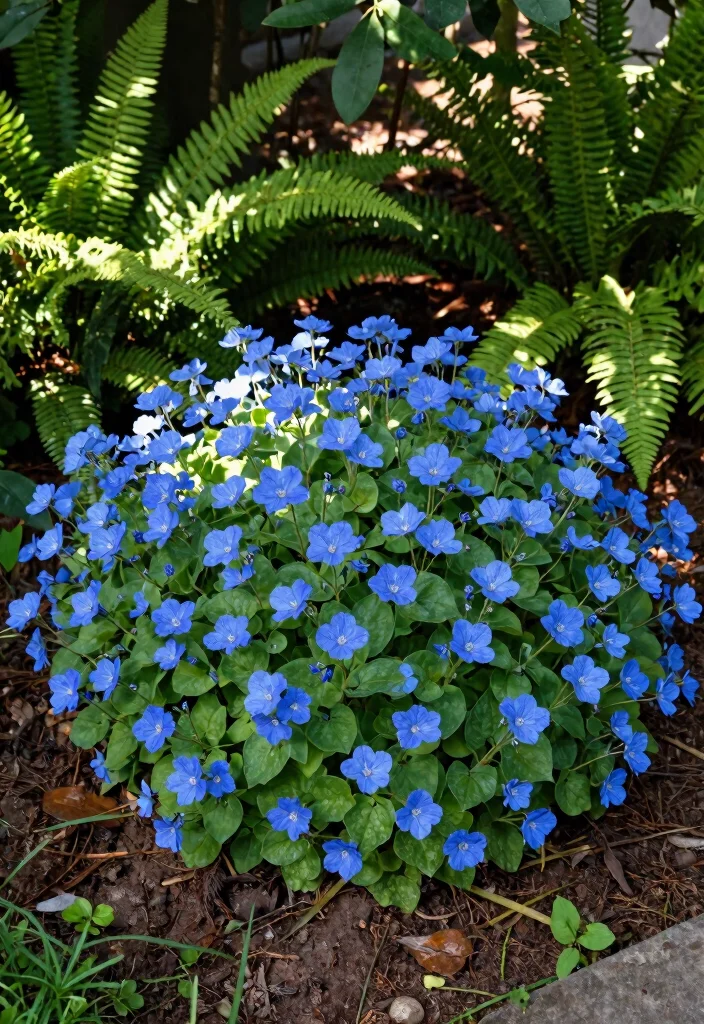
Brunnera, also known as Siberian bugloss, adds a delightful splash of blue to your shady garden. With tiny, bright blue flowers blooming in spring and heart-shaped leaves providing lush ground cover, these plants are perfect for low-light areas. Their striking foliage can withstand moderate foot traffic, making them ideal for garden paths or informal walkways.
Thriving in moist, well-drained soil, Brunnera can brighten up dark corners of your garden. Plus, they self-seed, offering delightful surprises year after year.
Brunnera care essentials:
– Plant at soil level for optimal growth.
– Keep soil moist, especially during dry spells.
– Pair with ferns and hostas for a stunning display.
Not only do Brunnera plants add beauty to your garden, but they are also low-maintenance, making them a great choice for busy gardeners.
6. Pulmonaria: Early Bloomers of Beauty
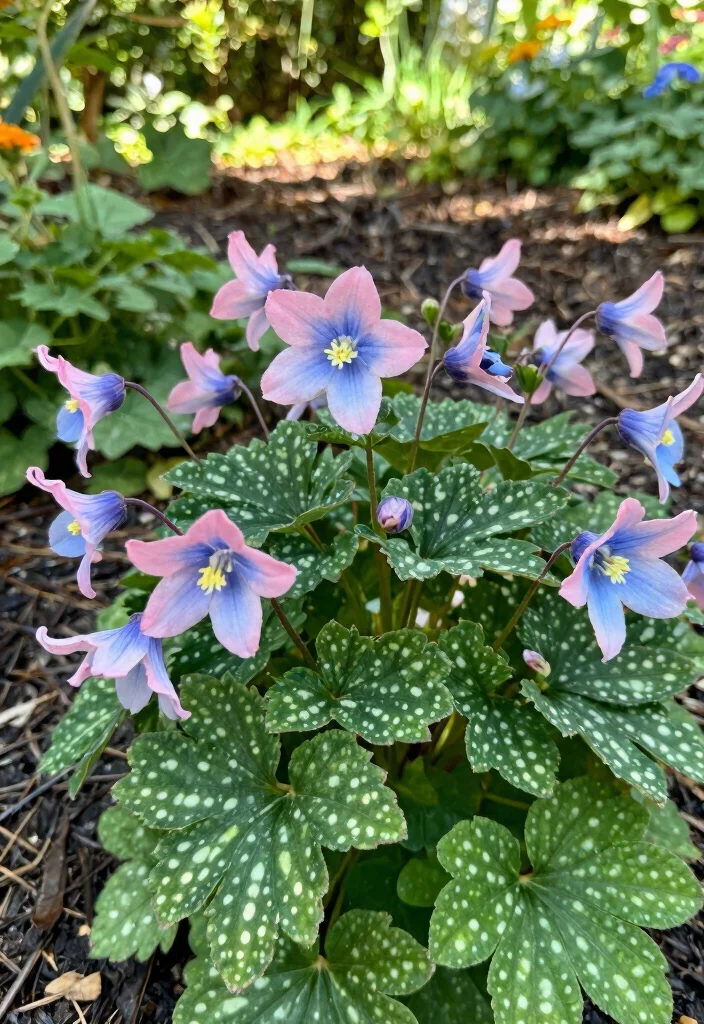
Pulmonaria, or lungwort, is a charming perennial that introduces early-season beauty to shady beds. Its spotted leaves and clusters of tubular flowers in blue, pink, and white emerge in spring, making it an excellent choice for hard-to-fill spots under trees. This adaptable plant thrives in various soil types, from rich woodlands to dry gardens.
Not only does Pulmonaria enhance your garden’s visual appeal, but it also attracts bees and butterflies, supporting local biodiversity. Regular watering during dry spells will help establish strong growth.
Key tips for growing Pulmonaria:
– Plant at the same soil level as in the pot.
– Water regularly to support growth, especially when dry.
– Combine with ferns and hostas for added interest.
With its vibrant early blooms, Pulmonaria will invigorate any shaded space, creating a lively atmosphere.
7. Tohono Chul: The Hardy Desert Flower
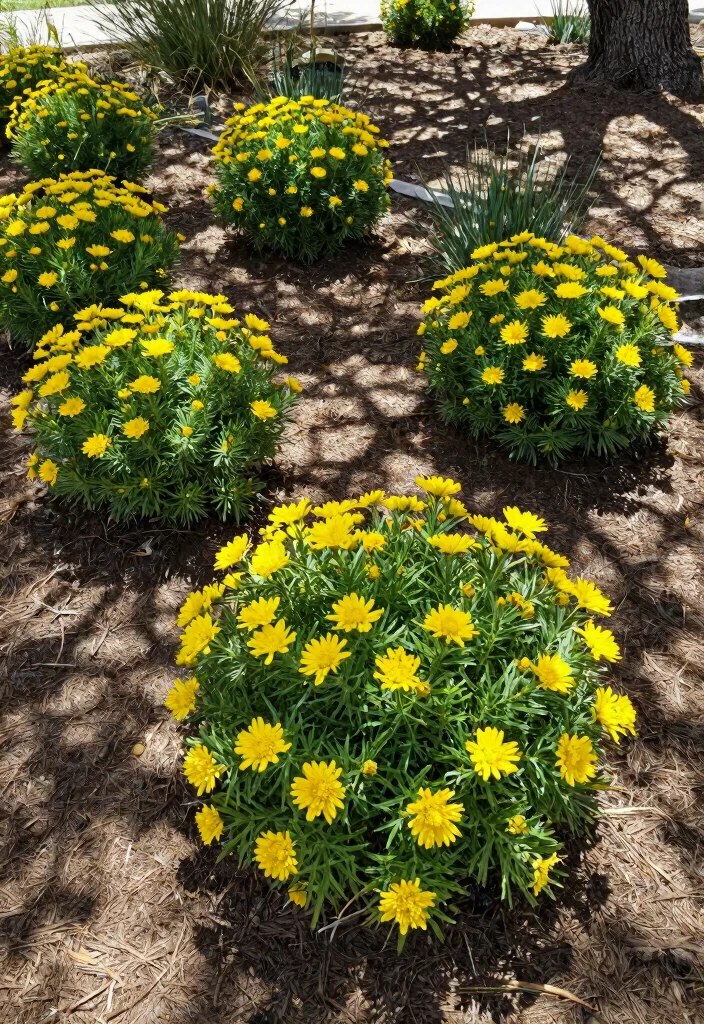
Tohono Chul, or the desert flower, offers a unique twist for shady flower beds. This drought-resistant perennial thrives in low-light conditions while adding vibrant yellow blooms and succulent leaves to your garden. Perfect for busy gardeners, it requires minimal watering and adapts well to various soil types.
Typically blooming in mid-summer, Tohono Chul stands out against darker foliage, making it a striking addition to your garden’s palette. Its hardiness and low maintenance make it a fantastic choice for urban gardening.
Essential care tips for Tohono Chul:
– Plant at the same level as in its pot.
– Water sparingly, as it prefers drier conditions.
– Combine with other drought-resistant plants for an exciting mix.
By incorporating Tohono Chul into your shaded spaces, you can enjoy a unique aesthetic while simplifying your gardening routine.
8. Japanese Forest Grass: A Textured Ground Cover
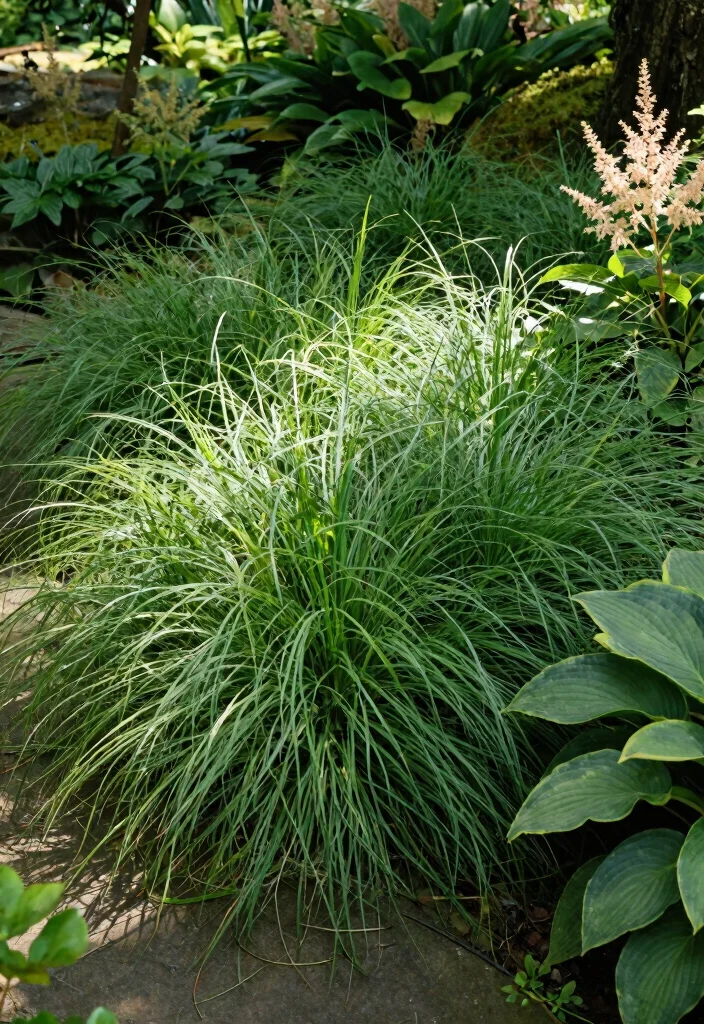
Japanese forest grass, or Hakonechloa macra, is an ornamental grass that brings movement and texture to shady areas. With cascading green leaves that turn golden in the fall, this plant offers year-round interest and thrives in partial to full shade. It beautifully fills gaps between other perennials, enhancing the overall garden design.
The fine texture of Japanese forest grass softens hard edges, creating a graceful, waterfall effect. It works well alongside other shade-loving plants, adding depth to your flower bed.
Key care tips for Japanese forest grass:
– Plant at the same depth as in the nursery pot.
– Ensure consistent moisture; water regularly.
– Combine with hostas and astilbes for variety.
Incorporating Japanese forest grass into your garden will elevate its charm and sophistication, creating a peaceful oasis in shady areas.
9. Shade Tolerant Succulents: The New Trend
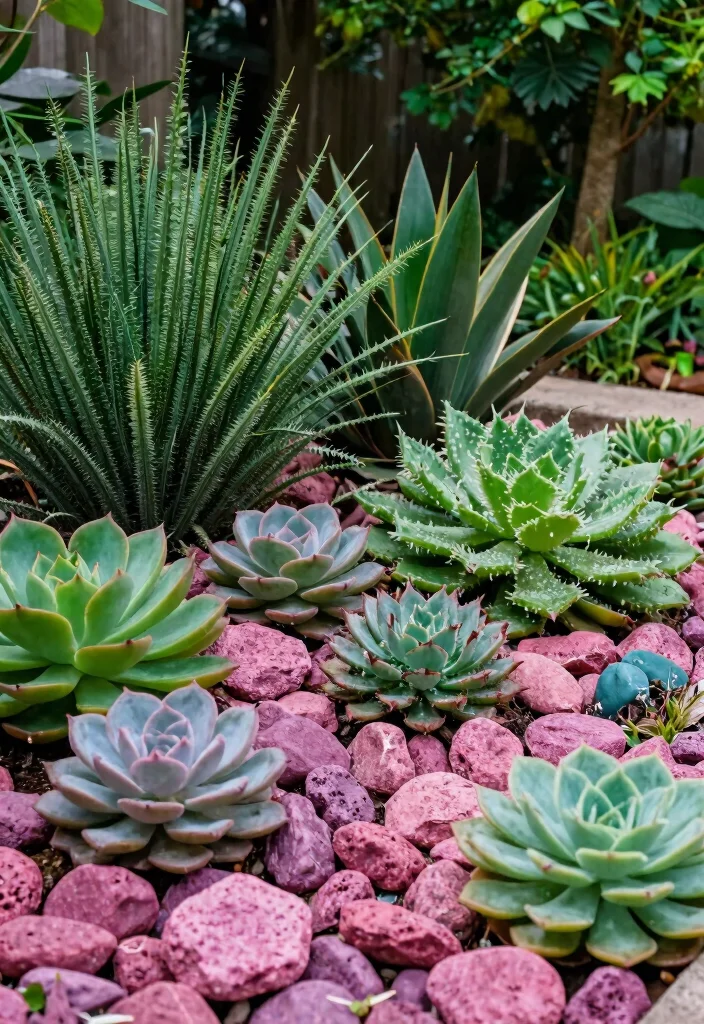
Believe it or not, some succulents thrive in shaded environments! These unique plants add an unexpected flair to traditional shady gardens. Varieties like jade plants and haworthias adapt well to lower light while maintaining their vibrant colors and textures. Perfect for urban gardeners, they require less water than typical flowering plants.
Adding shade-tolerant succulents allows for creative arrangements in your flower bed, whether in containers or as accents with flowering perennials. They offer a modern edge to your garden design.
Key tips for growing shade-tolerant succulents:
– Plant at the same depth as in the nursery pot.
– Water sparingly; ensure good drainage.
– Pair with ground covers like creeping thyme for contrast.
Integrating succulents into your shady garden not only looks stylish but also serves as a unique conversation starter among visitors.
10. Caladium: The Colorful Foliage Star
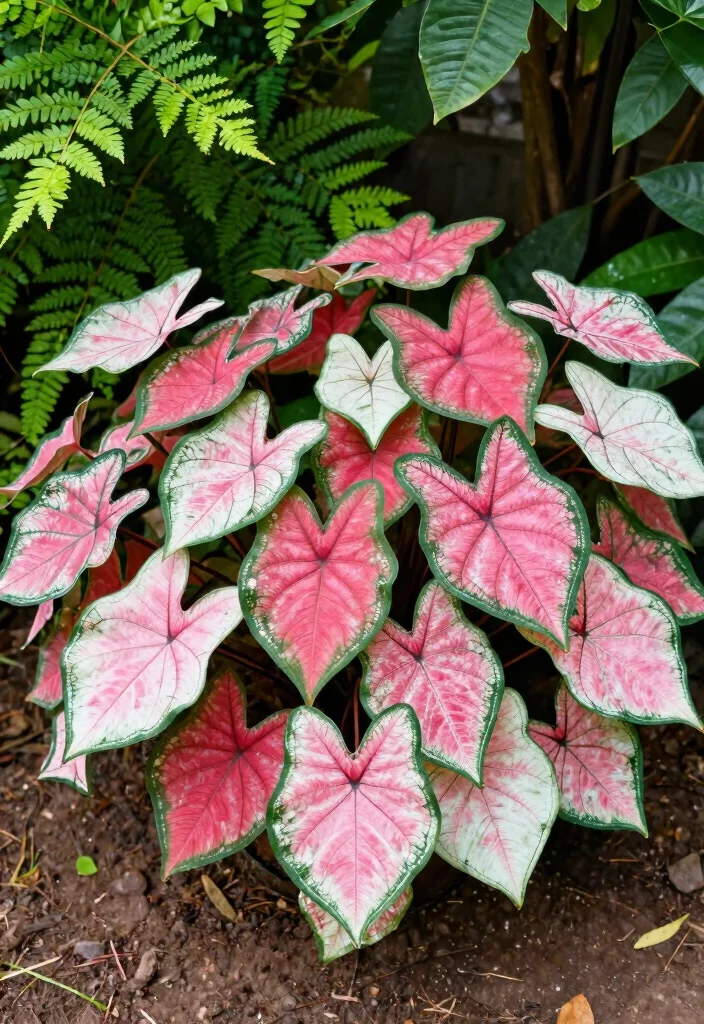
Caladiums are a stunning choice for shady garden beds, celebrated for their colorful foliage rather than flowers. Their heart-shaped leaves come in vibrant hues of pink, red, and white, providing a lively display throughout the summer. Preferring rich soil and consistent moisture, caladiums thrive in damp, shaded areas.
These tropical plants create a beautiful backdrop for other perennials and can brighten dark corners of your garden. They also work excellently in containers, showcasing their beauty alongside other shade-loving plants.
Essential caladium care tips:
– Plant the tubers about 1-2 inches deep.
– Keep soil consistently moist but well-drained.
– Pair with hostas or ferns for a dynamic mix.
Caladiums not only enhance your garden’s vibrancy but also bring a tropical feel to any shady space.
Fun fact: Caladium leaves can reach 6–12 inches across, turning a dull, damp corner into a color-packed focal point all summer. They thrive in shady beds and containers, elevating your shady flower bed ideas with bright pinks, reds, and whites. No sun? no problem—these tropicals brighten it up.
11. Coral Bells: The Colorful Perennial
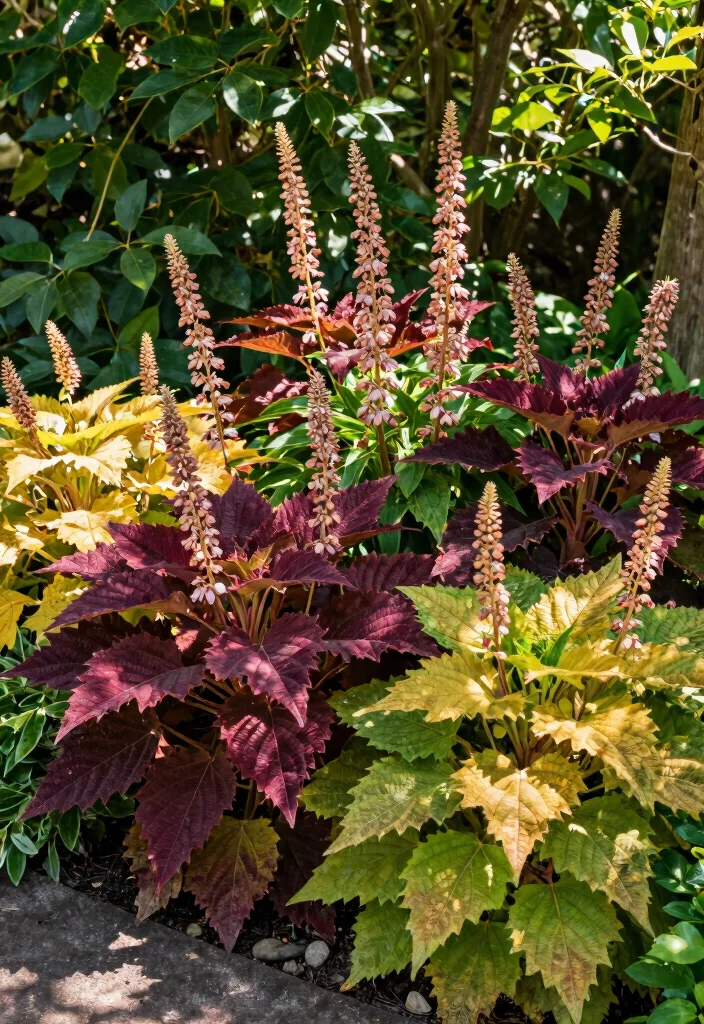
Coral bells, known as Heuchera, are cherished for their stunning foliage and delicate flower spikes that rise gracefully above the leaves. Available in a variety of colors, from deep burgundies to bright chartreuse, these plants add depth to your shady flower beds. They thrive in well-drained soil and prefer partial shade, making them versatile for urban gardens.
The colorful leaves provide a beautiful contrast against darker greens, brightening even the shadiest corners. Plus, coral bells attract hummingbirds, adding liveliness to your outdoor space.
Care tips for coral bells:
– Plant at the same depth as in the pot.
– Water regularly to keep the soil moist.
– Pair with ferns or astilbes for a vibrant display.
With their long-lasting color and unique textures, coral bells are a delightful addition for gardeners looking to enhance shaded areas!
Did you know? Coral bells (Heuchera) come in over 200 cultivars. Their colorful foliage can brighten shady flower bed ideas by up to 40% in perceived light, even when sunlight is limited.
12. Periwinkle: The Ground Cover Champion
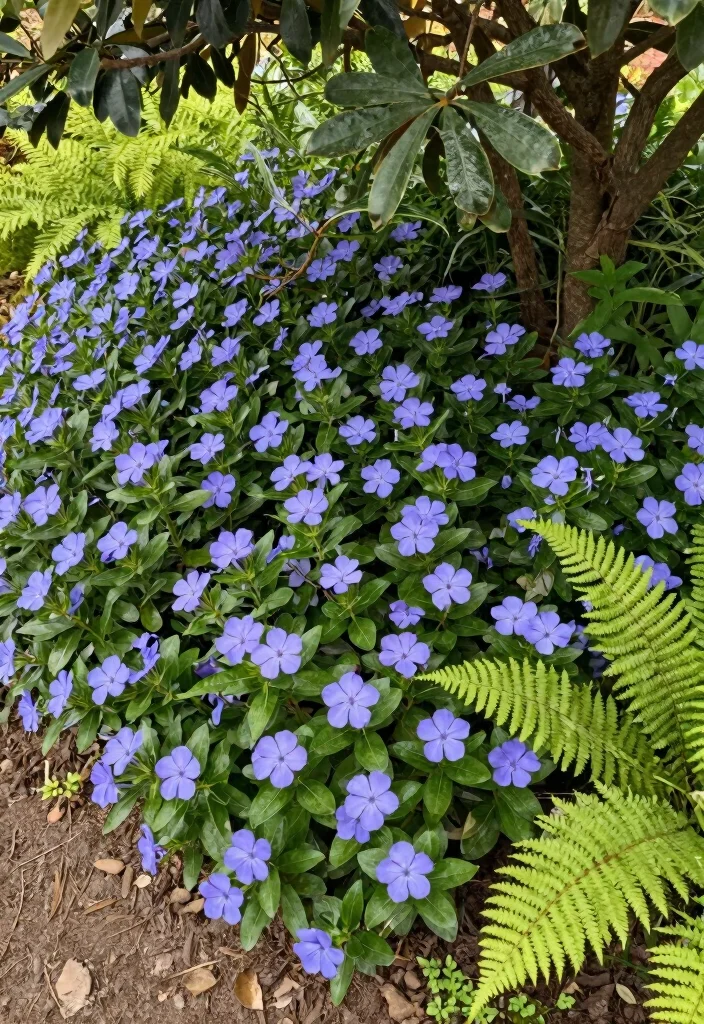
Periwinkle, or Vinca minor, is an excellent evergreen ground cover that flourishes in shady spots. Its glossy green leaves and charming purple flowers bloom in spring, creating a lush carpet of color that remains vibrant year-round. Periwinkle is great for filling gaps in flower beds, offering a stunning contrast to other perennials.
This hardy plant is highly adaptable, tolerating various soil types and providing excellent coverage while stabilizing the soil. Its low-maintenance nature allows it to spread quickly, making it an ideal choice for urban gardens.
Key care tips for periwinkle:
– Plant at the same level as in the container.
– Water regularly, especially during the first few weeks.
– Combine with flowering plants like astilbe for a colorful mix.
With its beautiful blooms and easy-to-care-for nature, periwinkle is a fantastic choice for any shady flower bed!
Fun fact: Periwinkle can spread up to 2–3 feet per year in shady beds, making it a standout for shady flower bed ideas. It stays evergreen, is low-maintenance, and partners well with other shade-tolerant perennials in urban gardens.
Conclusion
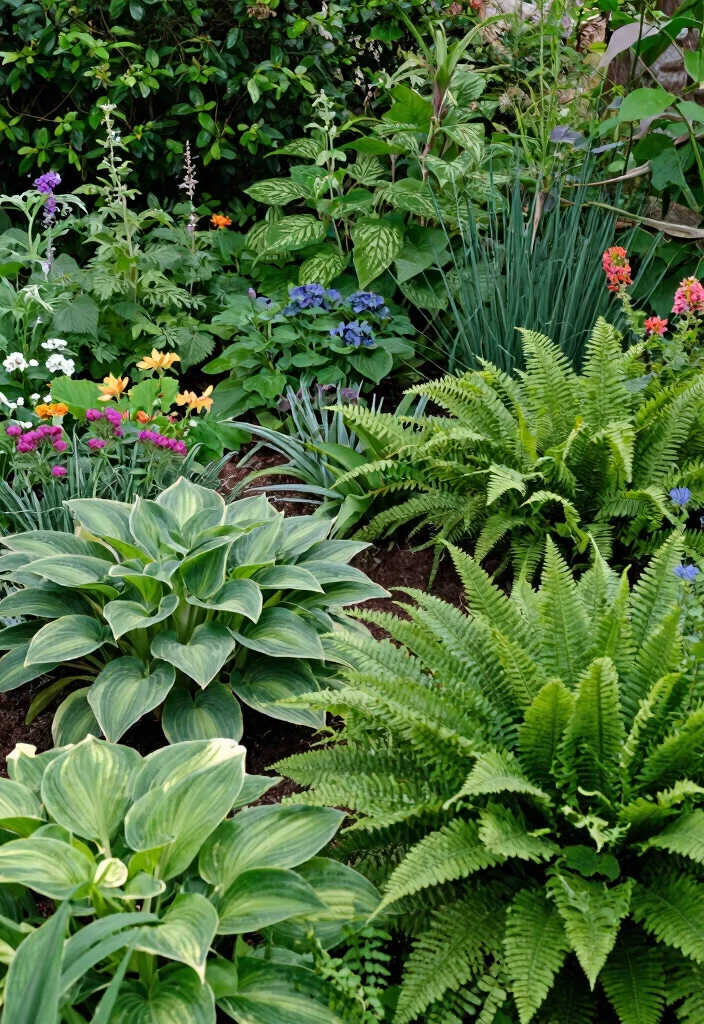
Creating a shade-filled oasis can be as rewarding as tending to sunny spots in your garden. With these 12 shady flower bed ideas, you can transform dark, overlooked corners into lush retreats that burst with color and texture. From hostas to periwinkle, the options are limitless for those low light spaces.
So, don’t shy away from those shady areas; embrace them! By incorporating these diverse shade-loving perennials, you’ll not only enhance your garden’s beauty but also provide a haven for wildlife. Gardening in the shade can unlock a whole new level of creativity, making your urban garden both vibrant and inviting.
Frequently Asked Questions
What are the best shade-tolerant perennials for a lush shady flower bed in an urban garden?
In shady spaces, focus on shade-tolerant perennials that deliver greenery and color without full sun.
Think staples like hosta, fern varieties, heuchera (coral bells), astilbe, pulmonaria, lamium, and brunnera for spring blooms.
Group them in drifts and layer by height, mixing foliage textures for depth. Prepare rich soil with compost, maintain consistent moisture, and mulch to conserve water. For urban shade, choose cultivars with variegated or bright leaves to brighten dim corners, and water deeply during dry spells rather than frequent shallow watering. With thoughtful planting in shade, you can achieve a lush look that stays vibrant all season.
How can I design a shady bed for low-light spaces using practical garden design ideas?
Start with a cohesive plan that uses garden design ideas tailored to shade. Build a color story from low light plants and evergreen foliage to carry you through seasons. Layer plant heights: tall ferns or astilbes at the back, mid-height examples like heuchera or brunnera in the middle, and groundcovers such as lamium at the front. Add texture with a mix of glossy, velvety, and matte leaves to keep the bed interesting even when blooms are sparse. Introduce a vertical element (trellis, tall grasses) and reflective accents (light-colored stones, a small water feature) to brighten shaded corners. Plan irrigation and maintenance around planting in shade, and keep a simple rotation of seasonal color to maintain visual interest year-round.
Which low light plants are best for beginners and stay green year-round in shade?
Great question for newcomers. Try these dependable low light plants that often stay evergreen: Pachysandra terminalis (Japanese spurge), Vinca minor (periwinkle), Epimedium, Ajuga reptans, Bergenia cordifolia, and Helleborus (winter bells). These selections are typically tolerant of shade and once established, many tolerate some drought as part of drought-resistant greenery. Plant in groups for impact, enrich soil with organic matter, mulch to lock in moisture, and water deeply during dry spells. Be mindful of potential spread with vigorous groundcovers and choose cultivars that fit your space.
How do I choose the right shade-loving flowers for different shade levels in my bed?
First categorize your bed by shade level: deep shade vs. dappled/partial shade. For deep shade, top picks include hosta, ferns, pulmonaria, and hellebores. For partial or dappled shade, try astilbe, brunnera, epimedium, and lamium. Group plants with similar light needs to maximize bloom time and overall appearance. Keep a lighter touch with bloom timing so you have continuous interest; add evergreen foliage to carry the look when flowers fade. Regularly refresh mulch, check soil moisture, and adjust fertilizer to the light level so your shade-loving flowers thrive.
What maintenance tips help keep a shady bed looking vibrant through seasons and weather changes?
Consistency is key for shady beds. Mulch to retain moisture and keep roots cool, and water deeply rather than frequent shallow sprinkling. Divide crowded shade-tolerant perennials every 2–3 years to maintain vigor. Replace seasonal color with early-blooming shade-loving flowers or foliage accents as needed. Watch for slugs and other pests common in damp shade, and maintain good drainage to prevent root rot. For year-round interest, include evergreen foliage and winter-interest plants like hellebore and ferns, and consider light pruning to keep shapes neat. This approach aligns with planting in shade and helps your shady bed stay lush, even in low-light conditions.