Creating a beautiful yard doesn’t have to break the bank or take up all your weekends. If you’ve been daydreaming about revamping your outdoor space into a serene oasis, you’re in the right place. This post is for anyone who craves a cozy, inviting yard without the constant upkeep. Whether you’re a busy parent, a college student, or simply someone who prefers low-maintenance beauty, these tips will help you create a stunning space that fits your lifestyle.
I’ve gathered ten simply landscaping ideas that are minimal, easy to implement, and budget-friendly. You’ll discover how to embrace container gardening for flexibility, opt for native plants that thrive with little effort, and even create pathways with gravel for a neat look. These ideas not only save you time and money but also bring a sense of tranquility to your home. Let’s dive into these practical and stylish solutions to transform your yard into a beautiful retreat.
Key Takeaways
– Embrace Container Gardening: Use pots and containers to create a flexible and manageable garden space that can be easily rearranged and styled without much effort.
– Opt for Native Plants: Choosing plants that are native to your area ensures they’ll thrive with minimal care, saving you time and money on watering and maintenance.
– Use Mulch for a Clean Look: Applying mulch not only enhances the aesthetics of your garden but also helps retain moisture and suppress weeds, making it easier to maintain.
– Incorporate Vertical Gardening: Maximize your space and add visual interest by growing plants vertically. This method allows you to enjoy gardening even in small areas.
– Create a Zen Garden: A simple zen garden can bring peace and balance to your yard. It’s low-maintenance and provides a calming atmosphere for relaxation.
1. Embrace Container Gardening
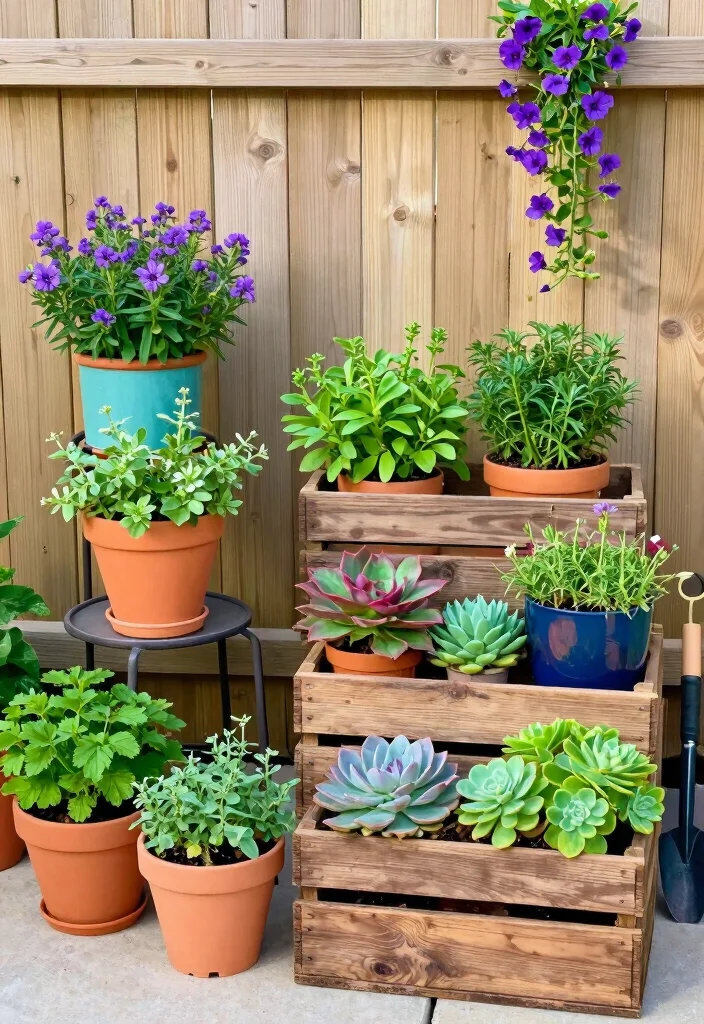
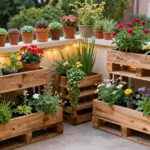
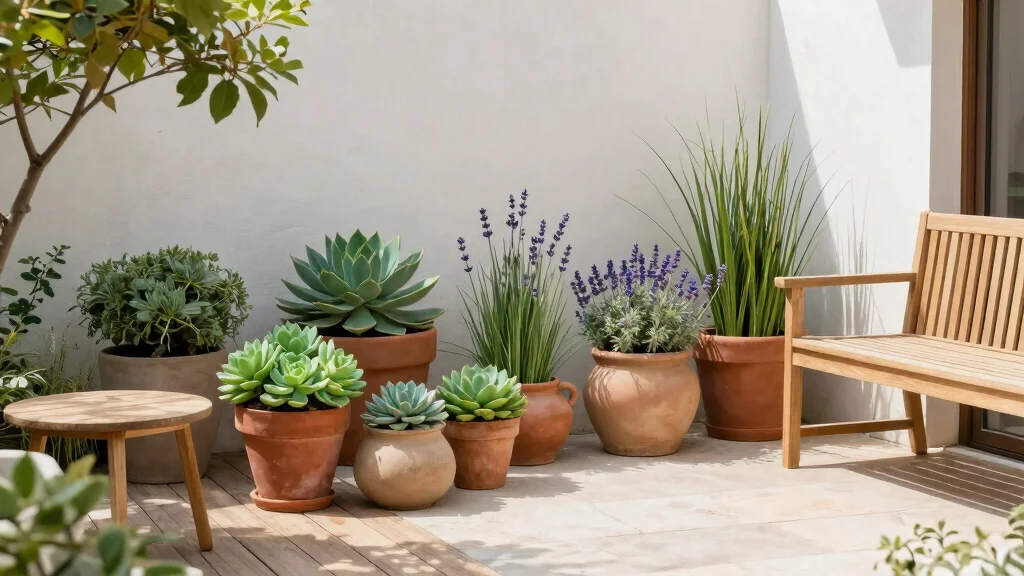
Container gardening is a fantastic way to bring life to any space, big or small. With a variety of pots in different sizes and textures, you can easily create a vibrant garden without extensive digging. This method allows you to customize your layout while also providing the flexibility to change your garden’s look with the seasons.
Start by selecting containers made of materials like ceramic, metal, or even recycled wood. Fill them with low-maintenance plants like succulents, herbs, or small shrubs that thrive in pots. Stick to a color scheme that resonates with you, whether that’s soft earth tones or bright, striking colors.
Benefits of Container Gardening:
– Perfect for limited spaces
– Easily movable for seasonal changes
– Control over soil and drainage
– Reduced weed growth
– Use high-quality potting soil for better growth.
– Group containers for a stunning visual effect.
– Add trailing plants for extra flair.
Container gardening not only maximizes your outdoor space but also allows you to express your creativity and style effortlessly.
2. Go for Native Plants
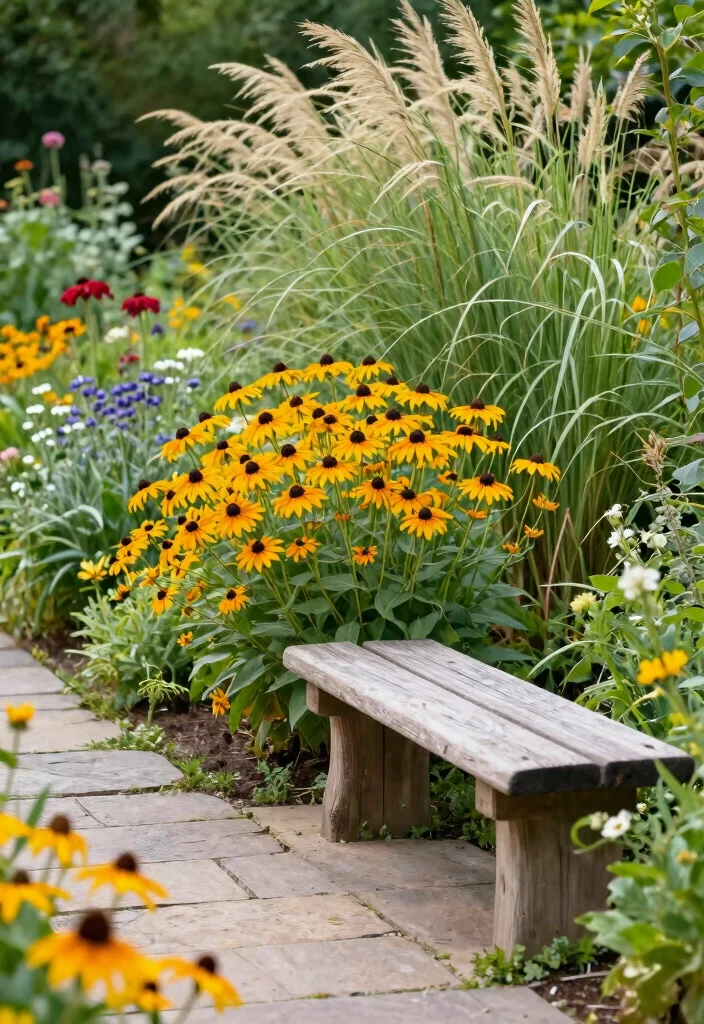
Choosing native plants is an effective way to create a thriving, low-maintenance garden. These plants are naturally suited to your local climate, requiring less water and fewer chemicals, which means more time enjoying your yard. They also support local wildlife, creating a vibrant ecosystem right outside your door.
Research plants that flourish in your area, such as coneflowers, black-eyed Susans, and various ornamental grasses. Planting these species in clusters enhances their visual appeal and saves space.
Benefits of Native Plants:
– Low-maintenance and hardy
– Year-round local beauty
– Benefit local pollinators
– Arrange taller plants at the back and shorter ones in front.
– Mix textures and colors for added interest.
– Use mulch to keep weeds at bay and moisture in.
Using native plants allows you to cultivate a beautiful yard with minimal effort, all while supporting your local environment.
3. Use Mulch for a Clean Look
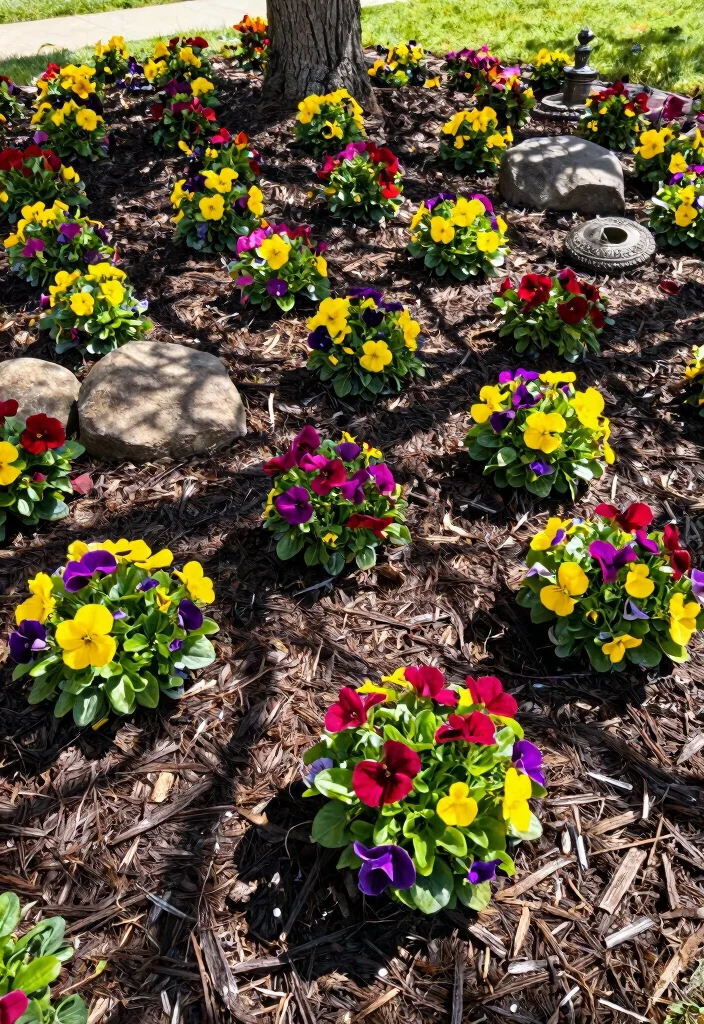
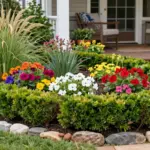
Mulch serves as a secret weapon for any gardener looking to simplify maintenance while enhancing their garden’s appearance. It offers a neat finish around your plants and helps suppress weeds, ensuring your yard looks polished all season long. Additionally, mulch retains soil moisture, reducing the need for frequent watering.
Opt for organic mulches like shredded bark or cocoa hulls for an eco-friendly choice. Alternatively, consider gravel or stone for a modern touch that complements minimalist designs. Darker mulches can also help your plants stand out beautifully.
Benefits of Using Mulch:
– Controls weed growth
– Retains soil moisture
– Enhances garden aesthetics
– Apply a 2-3 inch layer around plants.
– Refresh mulch seasonally for the best results.
– Use contrasting colors for a striking effect.
Adding mulch to your landscaping not only reduces upkeep but enhances the overall beauty of your outdoor space.
Mulch can cut your watering needs by up to 50% and keeps weeds at bay for weeks. It gives a neat finish to any garden, a win for simply landscaping ideas that stay polished all season long.
4. Create Pathways with Gravel
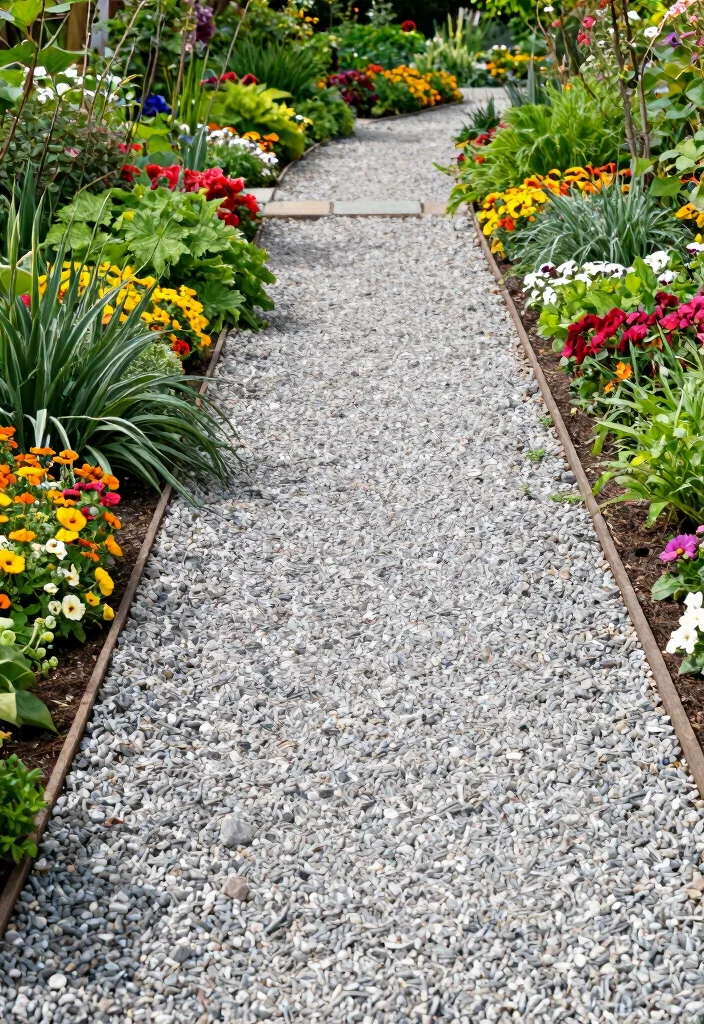
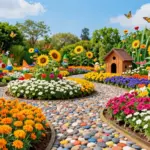
Gravel pathways provide a stylish and budget-friendly way to define areas in your garden. They add a rustic charm and require little maintenance, making them ideal for a low-effort landscape. Plus, you can easily install them yourself with gravel sourced from local suppliers.
To create your pathway, outline your desired shape using stakes or a garden hose. Remove the grass or weeds, then fill the area with larger stones followed by finer gravel for a smooth finish. This method also enhances drainage, keeping your pathway tidy.
Benefits of Gravel Pathways:
– Cost-effective and simple to install
– Excellent drainage
– Requires less maintenance than paved paths
– Use landscape fabric to prevent weeds.
– Add stepping stones for a decorative touch.
– Define borders with bricks or timber.
Gravel pathways can help you carve out defined areas in your yard while remaining an easy-to-care-for and affordable option.
Did you know gravel pathways can cut garden maintenance by up to 50% and still look chic? Outline, remove grass, and layer larger stones with fine gravel for a DIY path that fits perfectly into simply landscaping ideas.
5. Opt for Low-Maintenance Hardscaping
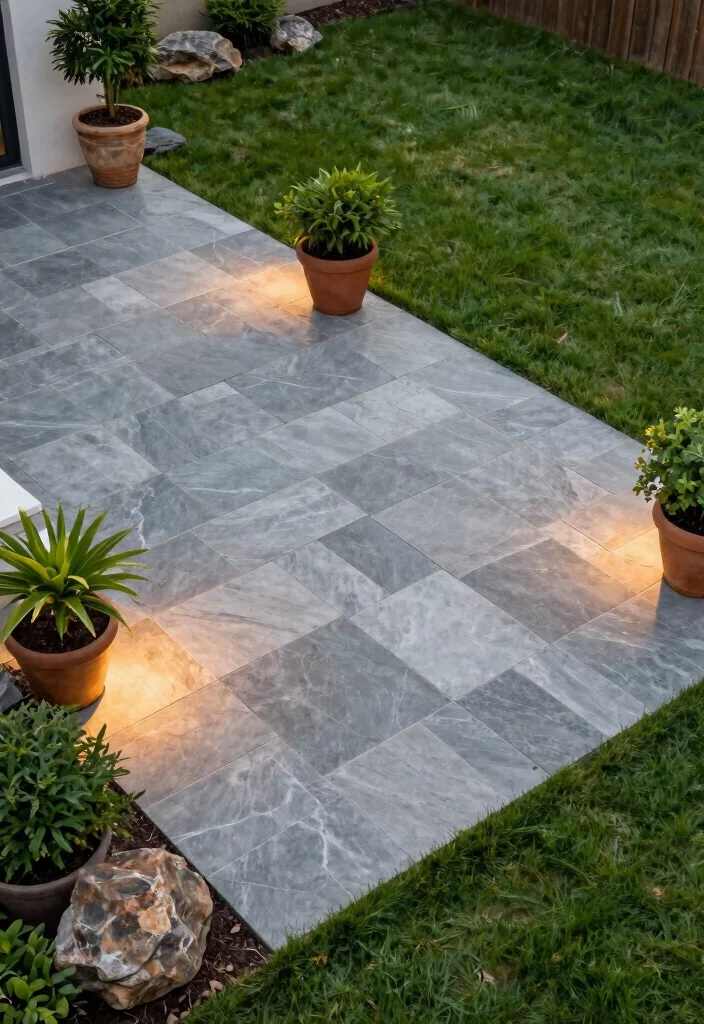
Incorporating hardscaping elements like stone walls, patios, and walkways provides structure to your garden while needing minimal upkeep. These features create inviting spaces for seating or dining, allowing you to enjoy the outdoors without the hassle of constant maintenance.
Choose materials such as flagstone, pavers, or large concrete slabs for a clean and modern aesthetic. Arrange them in straight lines or geometric patterns for a contemporary feel, and mix in pebbles or gravel for added interest and drainage.
Benefits of Hardscaping:
– Durable and long-lasting
– Requires little maintenance
– Clearly defines outdoor spaces
– Use permeable materials for better drainage.
– Combine hardscape with softscape for visual balance.
– Include lighting to enhance your evening atmosphere.
Low-maintenance hardscaping not only elevates your outdoor space but also minimizes the time spent on garden chores, letting you relax and enjoy your yard.
6. Incorporate Vertical Gardening
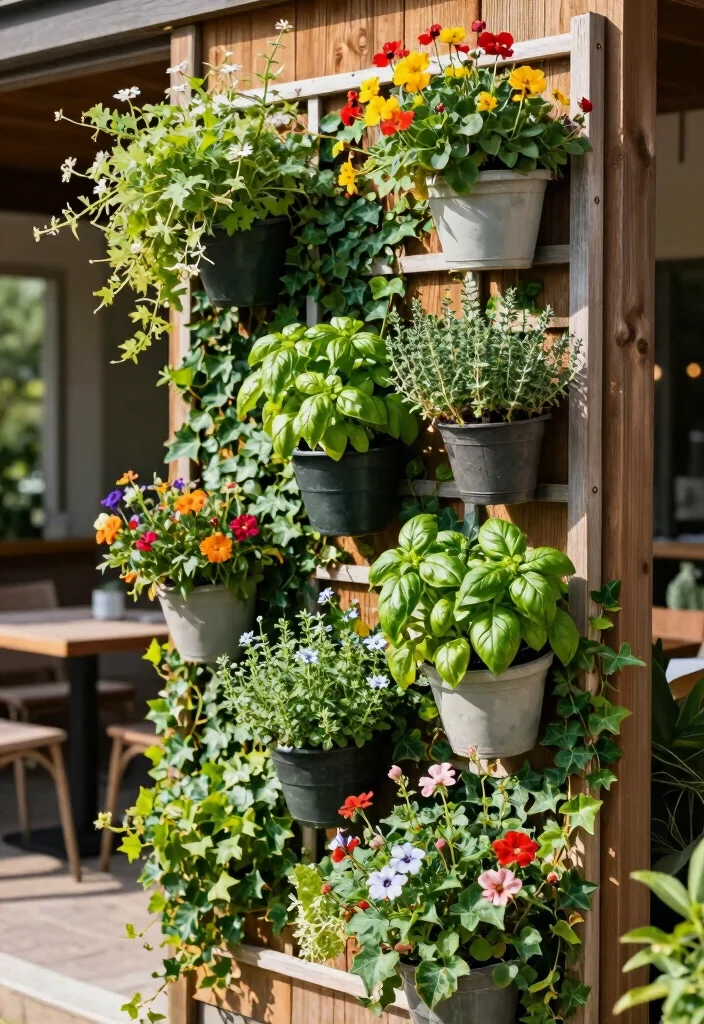
Limited space? Vertical gardening is a clever solution that allows you to grow plants upward, maximizing your available area while adding striking visual elements. Wall planters, trellises, and hanging pots are all great ways to create a lush vertical display.
Choose climbing plants like ivy, beans, or flowering vines to make your vertical garden pop. This method not only beautifies your space but can also attract pollinators and provide privacy when designed thoughtfully. For easy access, think about starting a vertical herb garden right on your patio.
Benefits of Vertical Gardening:
– Saves space while adding lushness
– Creates eye-catching designs
– Easy access to fresh herbs and vegetables
– Ensure your structure can support mature plants.
– Arrange plants by height for balance.
– Regularly check for pests and provide adequate water.
Embracing vertical gardening can breathe new life into tight spaces and keep maintenance manageable.
7. Choose Perennials Over Annuals
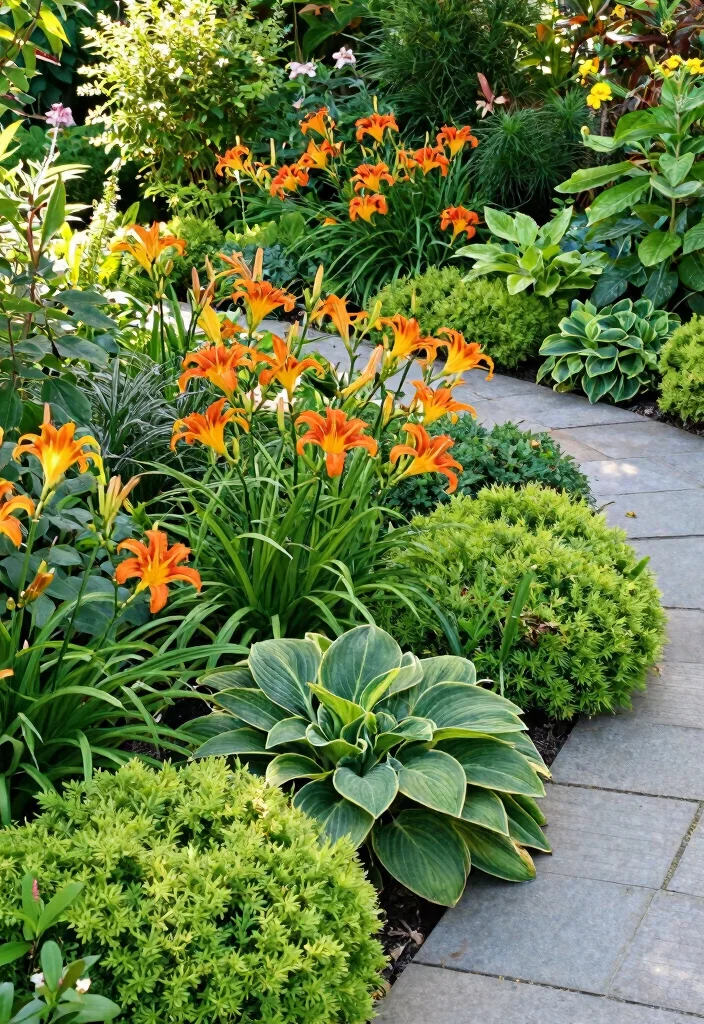
Perennials are the perfect choice for gardeners looking for simplicity and longevity. Unlike annuals, which need replanting each year, perennials return season after season, providing consistent bursts of color without the hassle.
Select varieties that thrive in your climate, such as daylilies, hostas, and sedums, to create a vibrant garden that requires little care. Group them together in clusters for a fuller appearance while minimizing upkeep.
Benefits of Perennials:
– Come back year after year
– Less replanting needed
– Generally more resilient and drought-tolerant
– Plant in the appropriate zone for best results.
– Consider blooming seasons for continuous color.
– Mulch around them to conserve moisture and suppress weeds.
Choosing perennials enriches your yard with beautiful blooms that thrive with minimal effort.
How To Choose Low-Maintenance Plants for Your Yard
Choosing the right plants for your yard can make a significant difference in the overall look of your space, especially when aiming for a minimalist garden design. With low-maintenance plants, you can enjoy a beautiful yard without the hassle of constant upkeep. Here are some critical factors to consider when selecting these plants.
1. Plant Hardiness Zone
Start by checking your hardiness zone. This zone indicates which plants will thrive in your local climate. Every plant has a specific range of temperatures it can tolerate. If you choose plants suited for your zone, they’ll require less care and will flourish more naturally in your garden.
2. Sunlight Requirements
Evaluate the amount of sunlight your garden receives throughout the day. Some plants need full sun, while others prefer partial shade or full shade. Selecting plants that match your garden’s light conditions will help them grow better and reduce the need for extra watering or care.
3. Water Needs
Consider how much water each type of plant requires. Some plants are drought-resistant, while others need regular watering. For a low-maintenance garden, opt for plants that can thrive with minimal water. This not only saves time but also helps with budget-friendly landscaping by reducing your water bill.
4. Growth Habit
Understand the growth habits of the plants you are considering. Some plants spread quickly, while others are slow-growing. If you want to keep maintenance low, choose plants that don’t require frequent pruning or dividing. This means less work for you over time, allowing your yard to maintain its beauty without constant intervention.
5. Pest and Disease Resistance
Select plants known for their resistance to pests and diseases. Some varieties are more prone to issues that require intervention. By choosing hardy and resilient plants, you can significantly lower the chances of dealing with infestations or diseases, keeping your garden looking its best with minimal effort.
6. Seasonal Interest
Look for plants that provide year-round interest. Choosing a variety of plants that bloom at different times, or have attractive foliage in different seasons, can make your yard visually appealing all year long. This variety allows you to enjoy your garden without having to replace plants frequently, which can become costly.
Pro Tip: Before making your final decision, visit local nurseries or garden centers. Speak with experts about your specific garden conditions. They can recommend the best low-maintenance plants tailored to your yard’s requirements and local climate! This personal touch ensures you’re making the best choices for your garden and your budget.
By considering these criteria, you will be well-equipped to choose low-maintenance plants that fit your minimalist design theme. This thoughtful approach will make maintaining your yard much easier, allowing you to enjoy a beautiful outdoor space without the stress of constant upkeep.
8. Create a Zen Garden
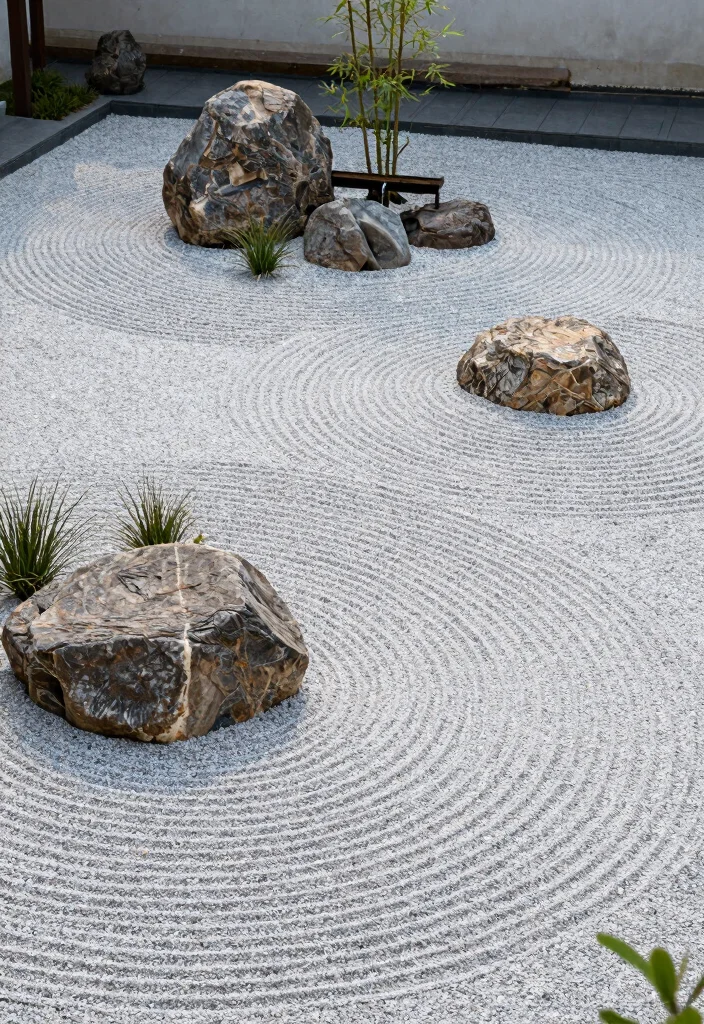
A Zen garden provides a serene escape with minimal maintenance. Its simplicity, featuring rocks, gravel, and carefully placed plants, promotes a sense of peace and tranquility.
To design your Zen garden, start with a base of fine gravel or sand, raked into calming patterns. Add larger rocks or boulders as focal points, symbolizing mountains or islands. Incorporate low-maintenance plants like ornamental grasses or succulents to soften the scene.
Benefits of Zen Gardens:
– Encourage relaxation and mindfulness
– Require little upkeep
– Offer aesthetic simplicity suitable for any space
– Use contrasting gravel colors for added interest.
– Group plants for a balanced look.
– Consider a small water feature for soothing sounds.
Creating a Zen garden invites tranquility into your landscape while keeping maintenance low.
9. Implement a Simple Lawn Alternative
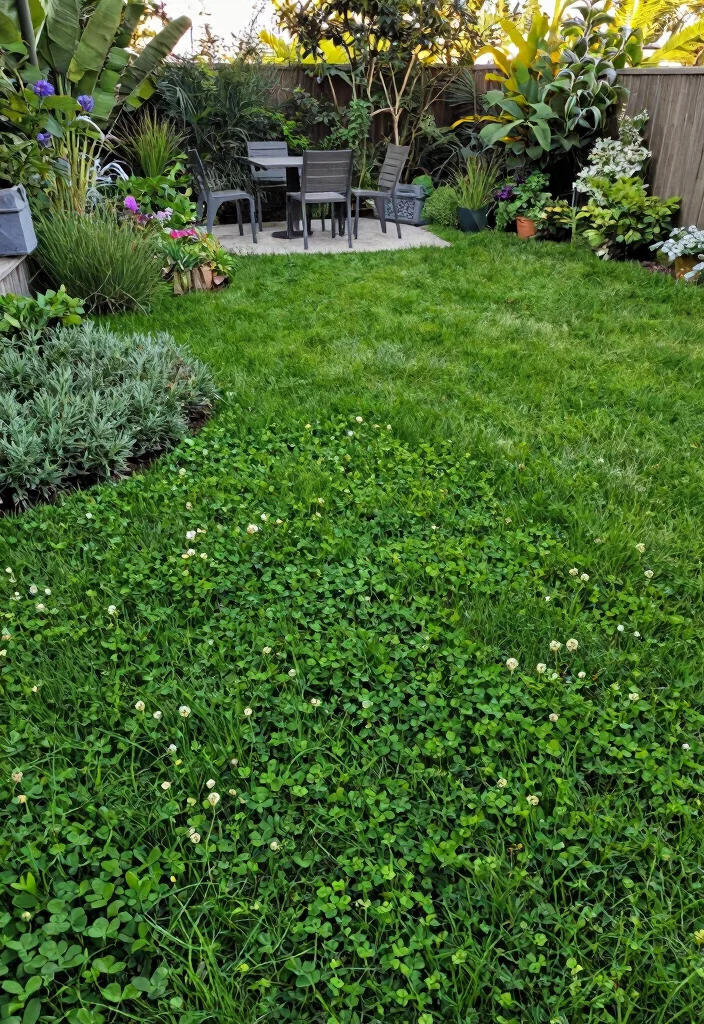
Are you fed up with the upkeep of a traditional lawn? Lawn alternatives can offer a stunning look with far less maintenance. Consider ground covers like clover, creeping thyme, or moss for beautiful, low-care options that stay green all year.
These alternatives not only cut down on watering but also reduce the need for fertilizers and pesticides, promoting an eco-friendly environment. This shift can save you both time and money while enhancing your garden’s appearance.
Benefits of Lawn Alternatives:
– Low maintenance and drought-resistant
– Eco-friendly options
– Unique and attractive ground cover
– Select ground covers suited to your climate.
– Mix different species for varied textures.
– Create pathways for easy access.
Transitioning to lawn alternatives can refresh your yard while significantly reducing maintenance tasks.
10. Incorporate Edible Landscapes
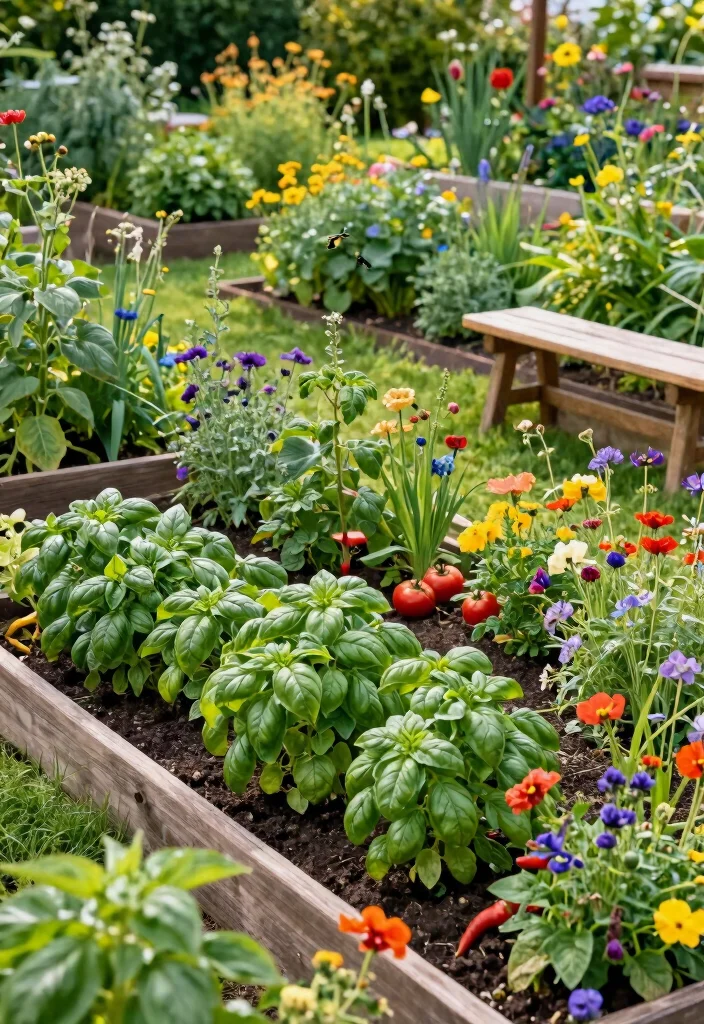
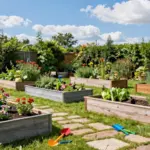
Imagine harvesting fresh herbs and vegetables right from your yard! Edible landscapes blend beauty with functionality, allowing you to grow your own food while enhancing your outdoor space. This approach can include container gardens, raised beds, or even integrating edible plants into existing flower beds.
Opt for easy-care edibles like herbs, cherry tomatoes, or peppers that flourish in smaller spaces. Consider companion planting to boost growth and protect against pests. This method not only saves you money but also supports a sustainable lifestyle.
Benefits of Edible Landscapes:
– Fresh produce at your fingertips
– Low-maintenance varieties available
– Aesthetic and functional beauty
– Plan for easy access for regular harvesting.
– Use complementary plants for better growth.
– Incorporate decorative pots to match your landscape theme.
Edible landscapes add a unique charm to your yard, promoting health and sustainability in your gardening practices.
Edible landscapes prove that beauty can grow your dinner. Even in tiny spaces, herbs, cherry tomatoes, and peppers thrive with simple companion planting and simply landscaping ideas. Turn container gardens into budget-friendly, low-maintenance harvests—your yard becomes a fresh, living pantry.
Conclusion
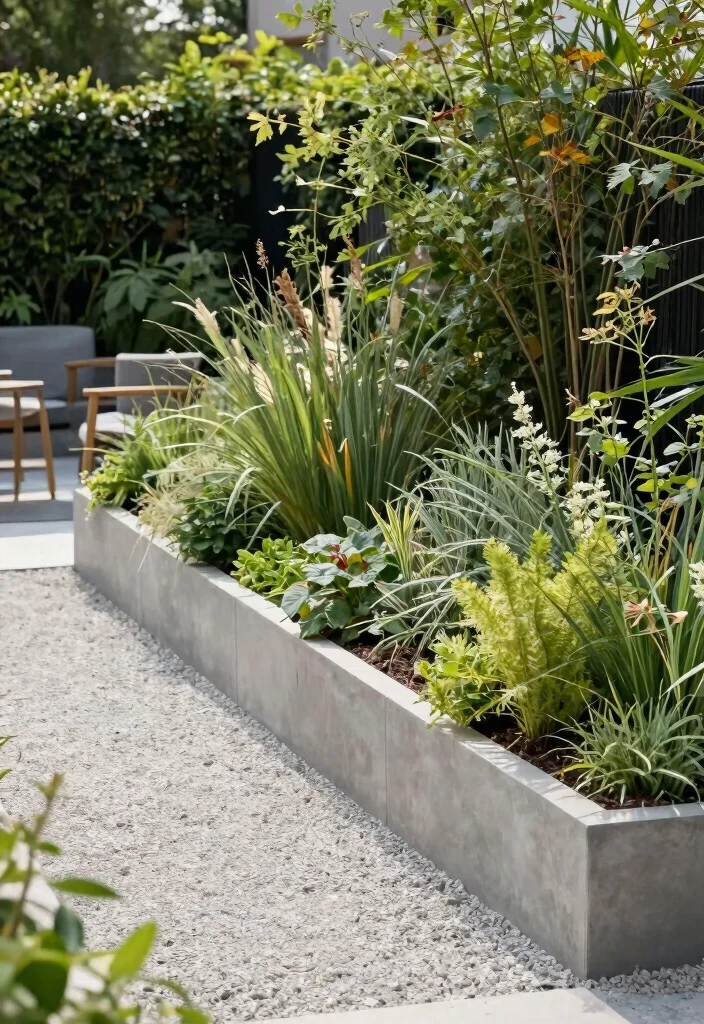
Transforming your outdoor space into a low-maintenance haven is entirely achievable with these simply landscaping ideas. By focusing on minimalist design and budget-friendly options, you’ll create a garden that reflects your style while being easy to maintain. Embrace these trends and enjoy the beauty of a well-planned yard that allows for relaxation and peace.
Whether you’re looking for container gardening, native plants, or even a Zen garden, there’s something here for every gardening enthusiast. Which idea resonates with you the most?
Frequently Asked Questions
What do ‘Simply Landscaping Ideas’ look like for a minimalist, low-maintenance yard?
Think simple, practical design that reduces upkeep while keeping style. ‘Simply landscaping ideas’ focus on minimalist garden design, budget-friendly landscaping, and easy landscaping tips to create low-maintenance gardens that still look polished.
Begin with one clear focal point—like a container cluster or a small accent tree—then repeat a limited plant palette to keep care straightforward. Use containers to control soil, irrigation, and weeds, and pair durable plants with a thick mulch layer. Small upgrades like outdoor lighting or a simple gravel path can add impact without complicating maintenance.
With these basics, you can achieve a stylish, affordable yard makeover that opens up space and saves time.
Which container plants are best for a budget-friendly, low-maintenance yard makeover?
For a budget-friendly yard makeover, start with a few sturdy containers and place them where you enjoy spending time. Look for affordable options—upcycled pots, plastic resin, or thrift-store finds—to keep costs down. Choose low-maintenance plants that thrive in containers: succulents, perennial herbs (rosemary, thyme, oregano), ornamental grasses, and native perennials. Use a consistent pot color or material to create a cohesive look, and consider self-watering containers to reduce watering chores. Fill with a good potting mix, add mulch on top, and group containers in odd-numbered clusters near seating areas for best impact. These ideas support budget-friendly landscaping and a low-maintenance garden vibe.
How can I design a minimalist garden on a budget using containers?
To achieve a minimalist garden design on a budget with containers, plan first. Pick a tight color palette and 2-3 plant types you’ll repeat across containers. Stick to clean lines and simple shapes to keep the look calm and uncluttered. Use the same pot material for cohesion, and keep plant heights varied but not chaotic. Place containers in pairs or small clusters near focal points or seating to anchor the space. Add a single texture like decorative mulch or gravel to create depth without extra work. With careful planning, you can create an affordable yard makeover that feels high-end but stays easy to maintain.
What are easy landscaping tips to keep a low-maintenance garden?
Easy landscaping tips for low-maintenance gardens include choosing native and drought-tolerant plants, minimizing lawn, and using a thick layer of mulch. Group plants by water needs and install a simple drip irrigation or soaker hoses to cut routine watering. Rely on container gardening for flexible color bursts and easy replacements. Use durable perennial groundcovers where possible, and keep maintenance simple with a once-a-week check for deadheading and weed control. A clean, organized layout and durable materials reduce effort while keeping things looking tidy.
How can I start an affordable yard makeover this weekend using containers?
Weekend plan to start an affordable yard makeover using containers: 1) measure your space and note sun/shade spots; 2) pick 2-3 container sizes and a cohesive style that fits your budget; 3) choose a small plant palette—1 evergreen filler and 1-2 seasonal color pops; 4) source affordable containers (thrift stores, repurposed buckets, or repurposed crates) to keep costs down; 5) fill with good potting soil and a top layer of mulch; 6) arrange containers in inviting groups near entryways or seating; 7) set a simple maintenance plan (watering every 2-3 days in heat, light pruning every couple of weeks); 8) track progress and adjust as needed. This approach delivers budget-friendly landscaping and a quick, easy path to a refreshed yard.