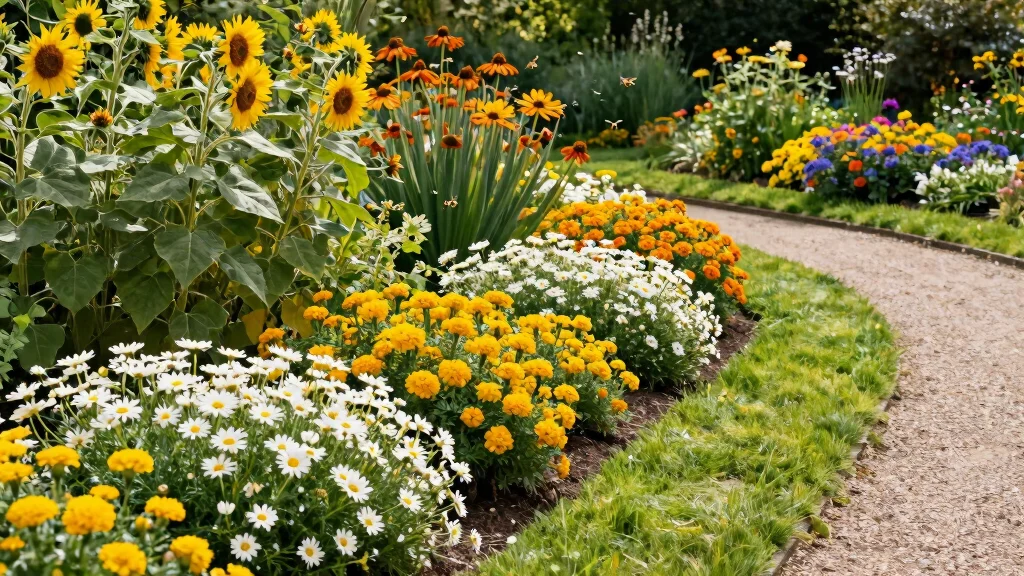
Creating a stunning garden on a slope can be both a challenge and a rewarding experience. If you’re anything like me, you’ve probably stared at that sloped patch of land in your yard, wondering how to make it beautiful while also tackling the pesky problem of erosion. Well, you’re in luck! This post is all about sloping flower bed ideas that not only enhance your outdoor space but also help control erosion, support soil health, and attract beneficial pollinators.
If you love gardening and are passionate about creating eco-friendly spaces, this post is for you. You’ll find inspiration that caters to both your aesthetic desires and your commitment to sustainability. Whether you’re a seasoned gardener or just starting out, these ideas will help you cultivate layered beauty while addressing essential issues like soil stabilization and effective plant selection.
So, what can you expect? I’ve rounded up 12 creative sloping flower bed ideas that will transform your garden into a stunning landscape. From terraced designs to vibrant pollinator pathways, you’ll discover practical solutions and beautiful plant choices that will make your sloped garden thrive. Get ready to dive into a world of layered beauty and erosion control!
Key Takeaways
– Explore varied flower bed designs that prevent erosion and promote soil stability through practical techniques.
– Learn about pollinator-friendly plants that attract beneficial insects while adding color and life to your garden.
– Discover layered flower beds that create visual interest and maximize space on your garden slope.
– Gain insights into soil stabilization techniques that ensure your plants thrive while protecting your landscape.
– Get inspired by ornamental plant selections that enhance your garden’s beauty while supporting erosion control.
1. Terraced Flower Beds: A Step Towards Stability
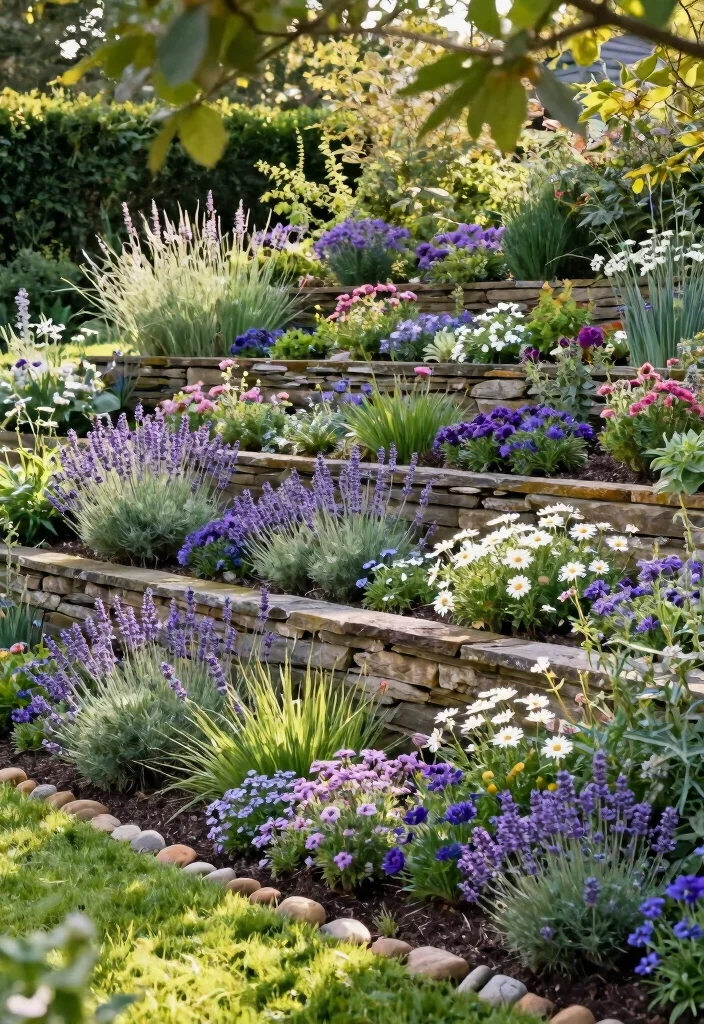
Imagine transforming your garden into a beautiful, layered oasis while effectively managing soil erosion. Terraced flower beds offer a stunning visual appeal and a practical solution to prevent runoff. By leveling sections of your sloped garden, you create ideal pockets for planting a variety of flowers, ensuring vibrant colors and textures throughout the seasons. Using materials like stone or wood for retaining walls can elevate the aesthetic and function of your garden space.
To get started with terraced flower beds, consider these helpful tips. Begin by choosing a site and sketching out your design. Select a mix of perennial and annual plants, allowing for a blooming spectacle year-round. Don’t forget to incorporate native species to promote local wildlife and enhance soil health.
Key steps to create your terraced flower beds:
– Build sturdy retaining walls from stone or wood.
– Choose deep-rooted plants like yarrow and daylilies.
– Plant native varieties to support local ecosystems.
– Implement drip irrigation for efficient watering.
By following these guidelines, you’ll not only enhance your garden’s beauty but also foster a flourishing environment that thrives year after year.
2. Pollinator Pathway: Eco-Friendly and Vibrant
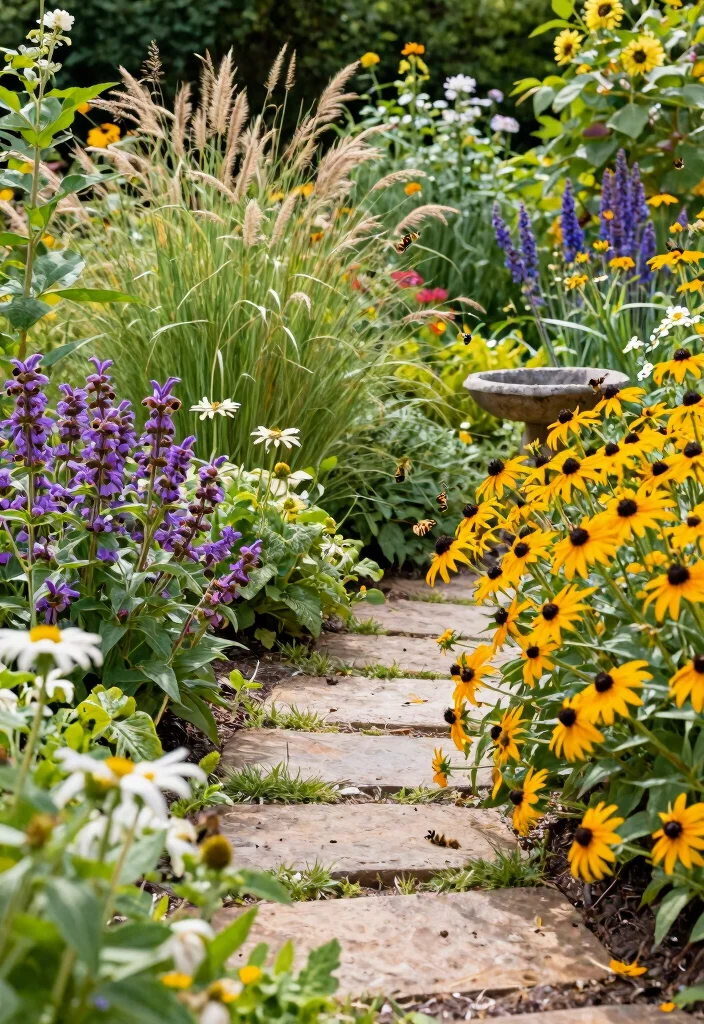
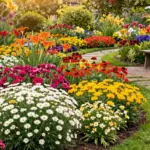
Creating a pollinator pathway is a delightful way to invite nature into your yard while enhancing its beauty. This vibrant corridor of flowers attracts bees, butterflies, and other essential pollinators, supporting a healthy ecosystem. By selecting a variety of native plants that thrive in your area, you ensure that your garden blooms continuously, providing food and habitat for these important creatures.
To design your pollinator pathway, consider integrating plants that bloom at different times of the year. This diversity not only supports local wildlife but also adds visual interest to your landscape. Position taller flowers at the back, allowing shorter varieties to flourish in the front, creating a stunning layered effect.
Key considerations for your pollinator pathway:
– Choose plants that provide continuous blooms throughout the seasons.
– Layer plants by height for an appealing aesthetic.
– Include a water source, like a birdbath, for thirsty pollinators.
– Avoid pesticides to keep your garden safe and inviting.
Establishing this beautiful pathway not only enhances your outdoor space but also contributes to the well-being of your local ecosystem.
Think of your yard as a pollinator pathway: sloping flower bed ideas guiding bees and butterflies along a bright corridor. Plant natives that bloom from spring to fall, and watch pollinators thrive while your garden stays colorful and resilient.
3. Ground Cover Magic: Nature’s Carpet
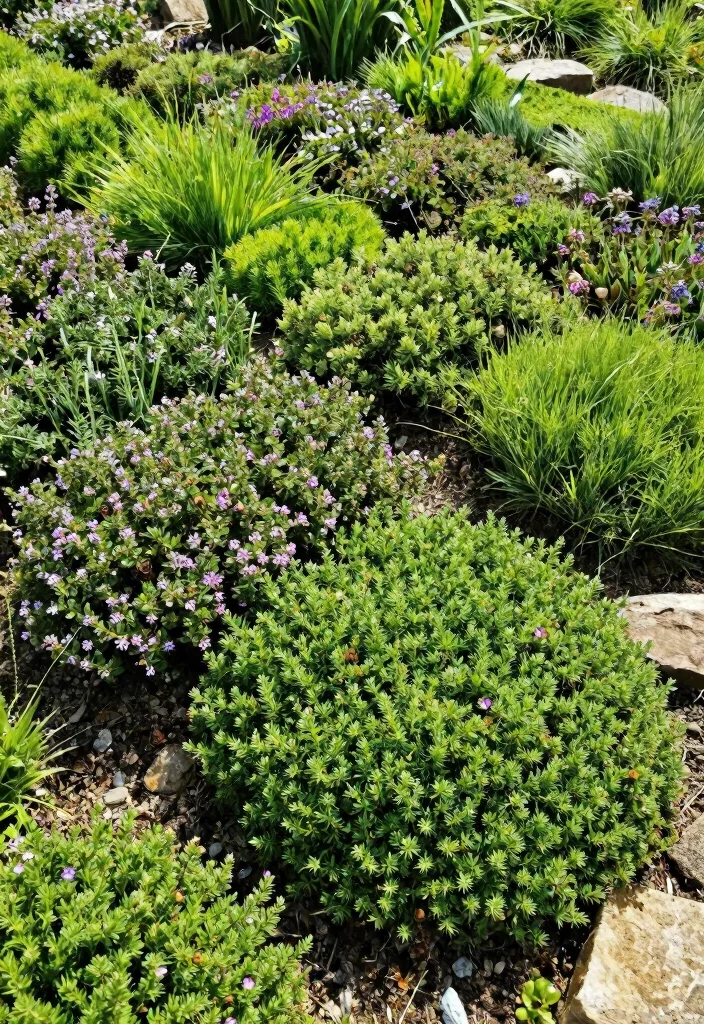
Ground cover plants are a fantastic solution for those looking to combat erosion while adding lush greenery to their garden. These hardy plants create a dense mat that holds the soil in place, preventing runoff and creating an inviting landscape. Varieties like creeping thyme and ajuga not only stabilize the ground but also add a splash of color and texture to your sloped areas.
When selecting ground cover plants, choose those that are low-maintenance and suited for your climate. Many of these plants thrive in dry conditions, making them perfect for sloped gardens where water retention is key. Plus, their blooms often attract pollinators, enhancing your garden’s biodiversity.
Benefits of using ground cover plants:
– Require minimal care once established for easy maintenance.
– Thrive in drought conditions, perfect for sloped areas.
– Attract pollinators with their beautiful flowers.
– Enrich soil as they decay, improving its quality.
By incorporating ground cover plants, you create a vibrant, eco-friendly solution that beautifies your garden while preventing erosion.
4. Layered Flower Beds: The Art of Height Variation
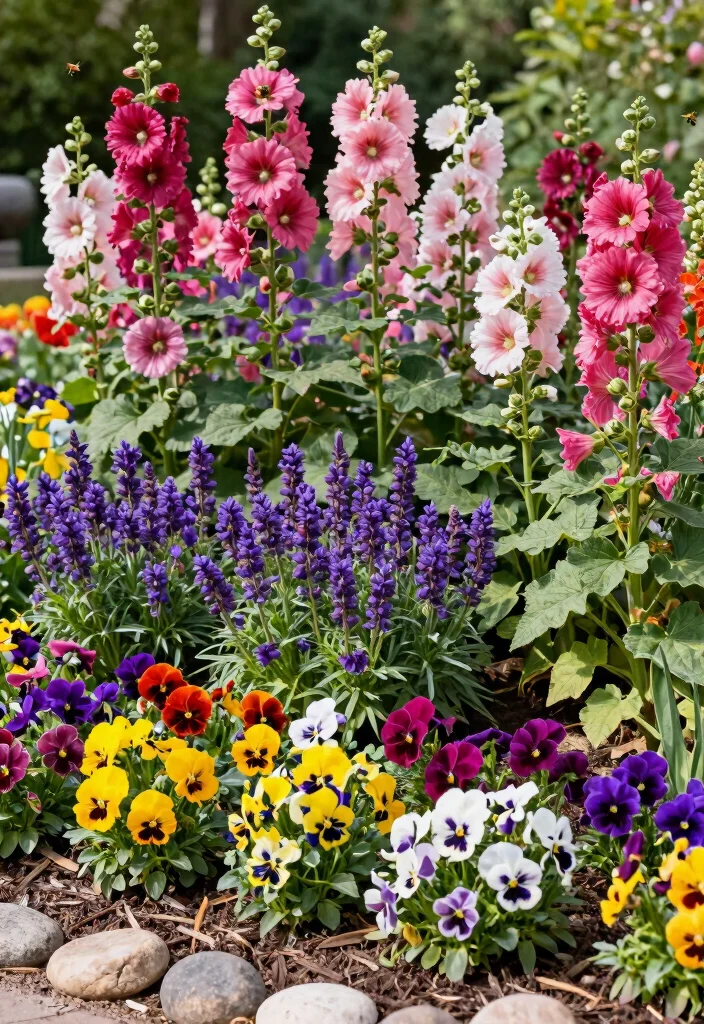
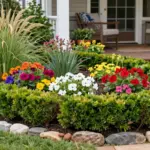
Layered flower beds offer an artistic way to enhance your garden’s beauty while managing soil erosion. By arranging taller plants at the back and gradually decreasing the height towards the front, you create a visually striking display that captures attention. This approach not only adds depth but also supports various microclimates for diverse plant species.
To create an eye-catching layered effect, select a mix of plants that bloom at different times. Use ornamental grasses to add movement and texture, and remember to group plants in odd numbers for a more natural look.
Design tips for layered flower beds:
– Group plants for a more impactful appearance.
– Choose varieties with staggered bloom times for continuous color.
– Add ornamental grasses for texture and movement.
– Use mulch to retain moisture and control weeds.
This technique not only enhances your garden’s beauty but also fosters a vibrant ecosystem that thrives on diversity.
Fun fact: Sloping Flower Bed Ideas that layer plants can reduce soil erosion by up to 40% when heights step from back to front. This approach also stretches blooming times and invites pollinators all season long. Start with tall back plants, then gradually lower heights for lasting depth.
How To Choose the Right Plants for Your Sloping Flower Bed
When designing a sloping flower bed, selecting the right plants is essential for both aesthetic appeal and effective erosion control. Here’s how to choose the best plants for your layered beauty and soil stabilization.
1. Consider Soil Type
Different plants thrive in various soil types. Test your soil to determine its pH and drainage ability. For example, sandy soils drain quickly, making them ideal for drought-tolerant plants, while clay soils hold moisture better. Choose plants that are well-suited for your specific soil conditions to promote healthy growth.
2. Look for Erosion Control Plants
Plants that help control erosion are crucial for sloping flower beds. Ground covers, such as creeping thyme or sedum, can form mats that hold soil in place. Deep-rooted plants like native grasses or shrubs also help stabilize the slope. Research erosion control plants that are native to your region for better adaptability and lower maintenance.
3. Select for Layered Flower Beds
Incorporating a mix of heights adds visual interest to your garden. Use taller plants in the back and shorter ones in the front. Try combining perennials like delphiniums or hollyhocks with lower-growing annuals such as marigolds. Layering not only enhances beauty but also creates a more inviting habitat for pollinators.
4. Choose Plants for Seasonal Interest
Pick a variety of plants that bloom at different times throughout the year. This ensures your flower bed remains vibrant and appealing. For instance, include spring bulbs like daffodils, summer bloomers like echinacea, and fall favorites like asters. A well-planned sequence of blooms will provide continuous color and attract a range of pollinators.
5. Consider Sunlight and Shade Tolerance
Observe the sunlight patterns in your garden. Some areas may receive full sun while others are shaded. Select plants based on their sunlight requirements. Shade-loving plants like hostas and heucheras can thrive in cooler areas, while sun-loving varieties like zinnias and lavender will flourish in brighter spots. Matching plants to their light conditions is key to a thriving garden.
6. Think About Maintenance Needs
Consider how much time you can dedicate to maintenance. Some plants require regular watering and pruning, while others are low-maintenance or drought-tolerant. Native plants often require less care, as they are adapted to local conditions. Choose a mix that fits your lifestyle, ensuring you can maintain the beauty without feeling overwhelmed.
Pro Tip: Before planting, create a layout on paper. This can help you visualize the final look and make adjustments as needed. Group plants with similar water and sunlight needs to simplify your care routine.
Choosing the right plants for your sloping flower bed can create a stunning visual impact while contributing to soil stabilization. By considering soil type, erosion control capabilities, layering, seasonal interest, sunlight exposure, and maintenance needs, you can craft a beautiful, eco-friendly garden that enhances your landscape and supports local pollinators. Happy gardening!
5. Rock Gardens: Nature’s Sculptural Elegance
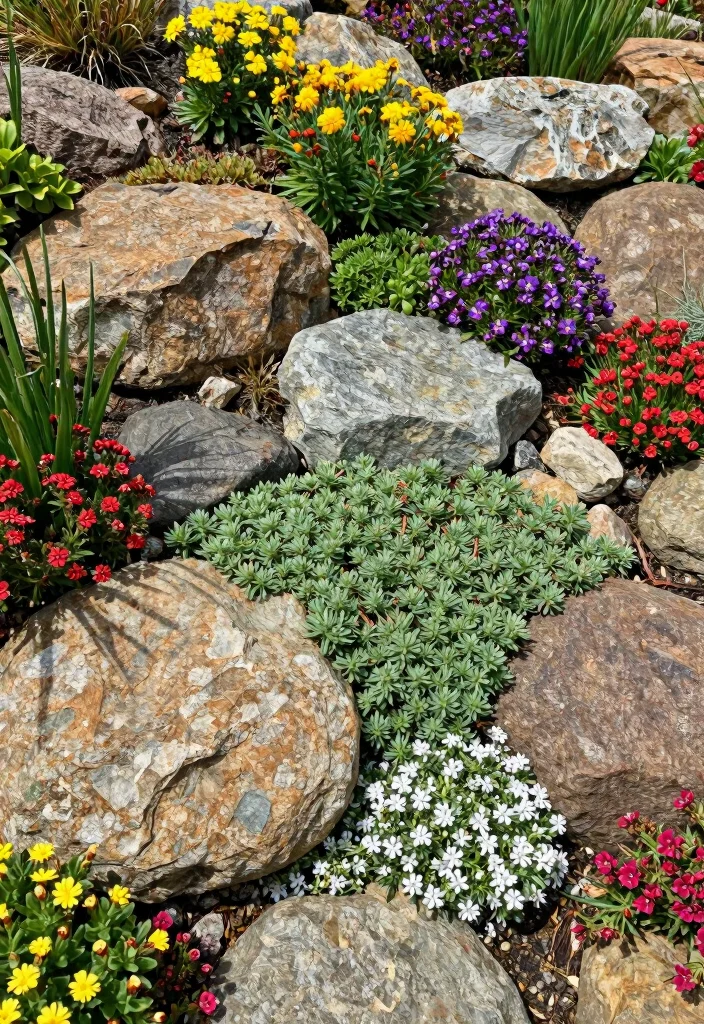
Rock gardens provide an elegant solution for sloped areas, blending beauty with practicality. By incorporating various sizes of rocks alongside drought-resistant plants, you create a visually stunning landscape that prevents soil erosion. This style requires minimal upkeep while offering unique habitats for beneficial insects and small animals.
When designing your rock garden, choose plants that thrive in dry, well-drained soils. Varieties like sedum and creeping phlox flourish in these conditions, adding delightful colors without the need for excessive watering.
Benefits of rock gardens:
– Require little water, making them ideal for dry climates.
– Provide habitats for insects and wildlife.
– Need minimal maintenance once established.
– Create a beautiful, natural aesthetic with rocks and plants.
Rock gardens not only showcase nature’s beauty but also serve as an effective means of controlling erosion, making them a stylish and practical choice.
6. Colorful Annuals: Seasonal Splendor
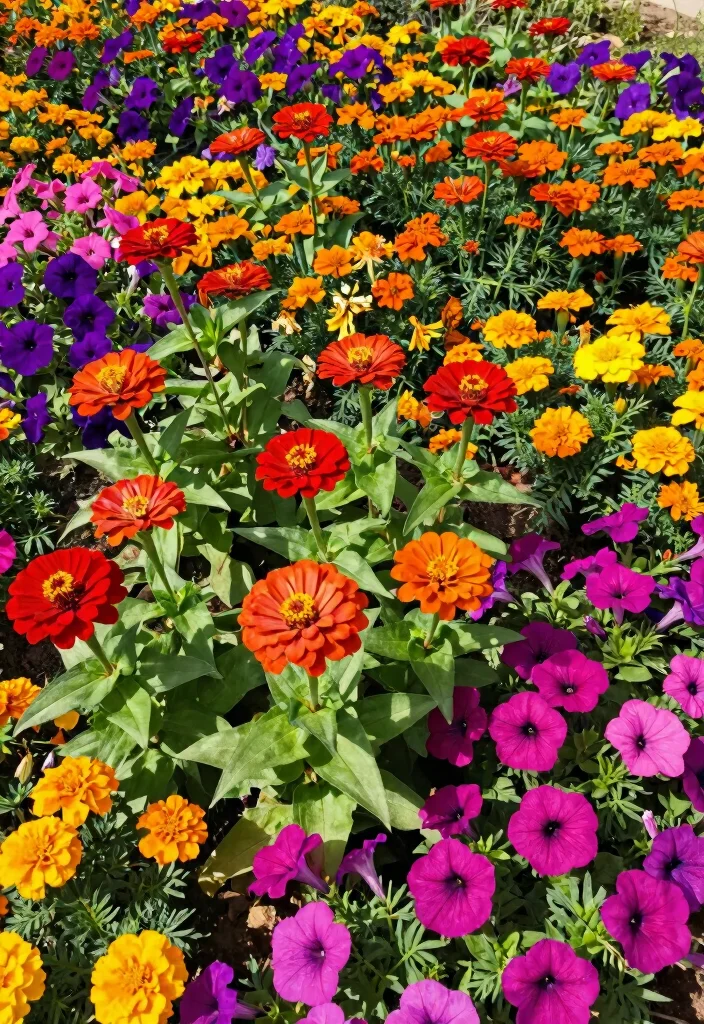
Incorporating colorful annuals into your sloping garden is an exciting way to inject vibrant life into your landscape every season. These plants provide a dazzling display of colors that can be easily rotated each year, allowing for endless creativity. By strategically placing flowers like zinnias and marigolds, you can enhance both beauty and erosion control in your garden.
When using annuals, consider selecting varieties that thrive in your region’s climate. Mixing heights and colors will create a dynamic visual impact while also supporting local pollinators. Planning for continuous blooming ensures that your garden remains a colorful spectacle throughout the growing season.
Points to consider when using annuals:
– Choose varieties suited for your climate and soil conditions.
– Mix different heights and colors for a lively appearance.
– Use companion planting to boost growth and deter pests.
– Plan for blooms that last from spring to fall.
With thoughtful planning, annuals can transform any sloped area into a seasonal masterpiece, benefiting both the gardener and the environment.
7. Edible Flower Beds: Beauty Meets Function
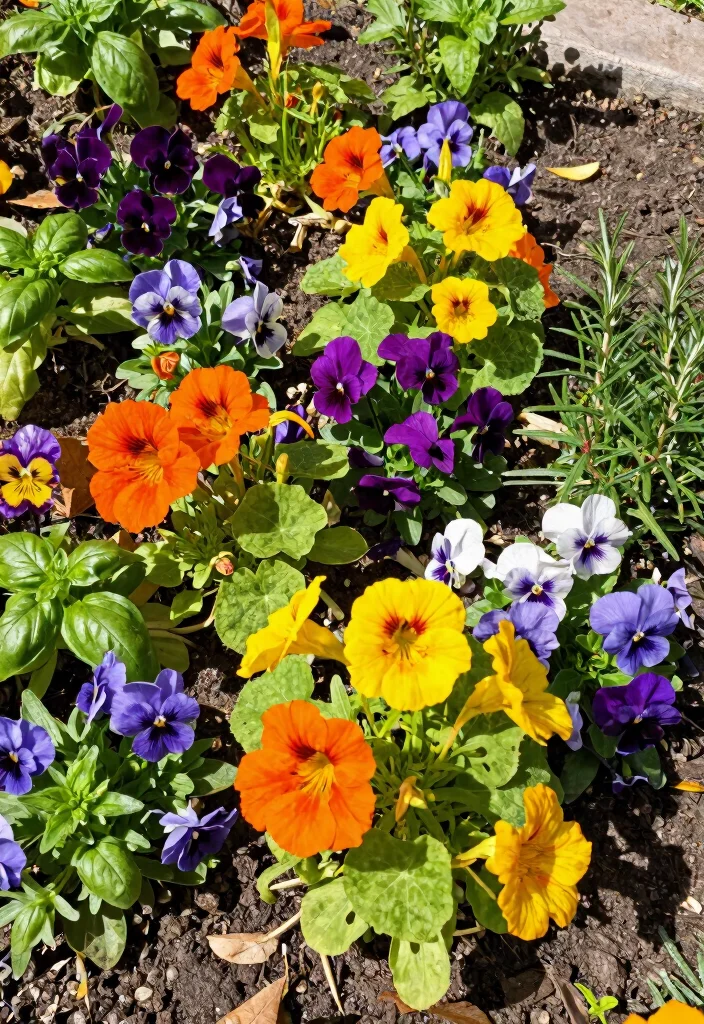
Why not merge beauty with practicality by planting edible flower beds on your slope? Flowers like nasturtiums and pansies not only brighten your garden but also provide tasty options for salads and garnishes. These plants are often easy to grow and attract beneficial insects, contributing to a healthy ecosystem while enhancing your culinary endeavors.
When establishing your edible flower bed, select varieties that are both attractive and safe to consume. Consider planting deeper-rooted flowers to help stabilize the soil and keep pathways clear for easy access during harvest.
Tips for establishing an edible flower bed:
– Choose ornamental and edible varieties for safety.
– Use deeper-rooted flowers to support soil stability.
– Keep paths clear for convenient harvesting.
– Monitor for pests and diseases for a healthy garden.
This approach not only yields beautiful blooms but also allows you to enjoy fresh, organic ingredients right from your yard.
8. Shade-Loving Beauties: Embracing the Cool
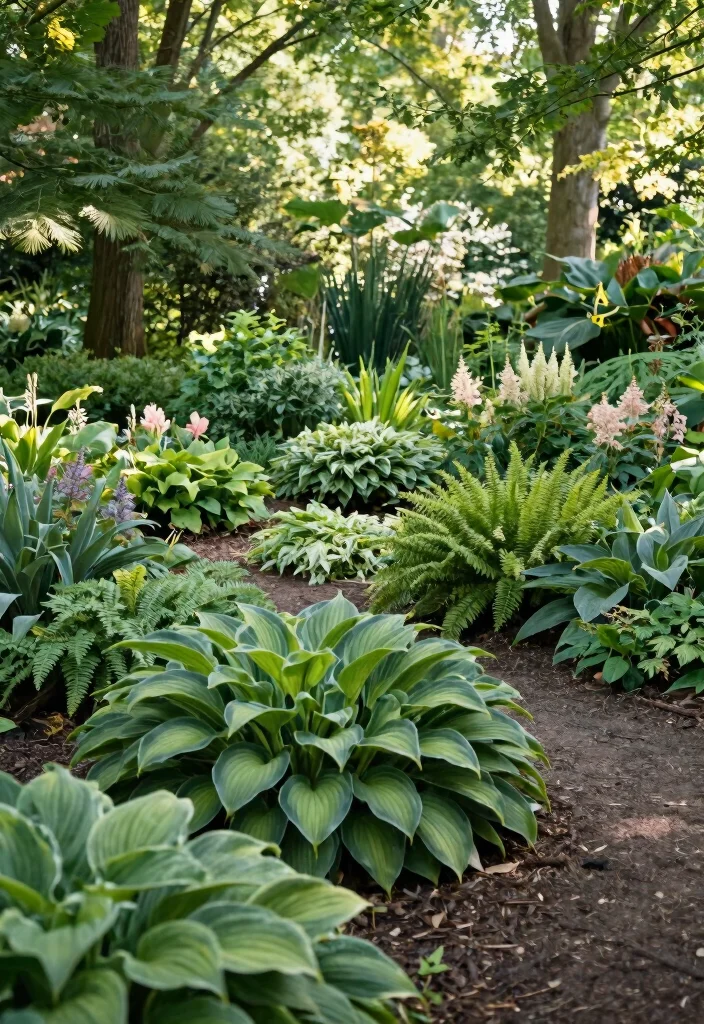
If your sloped area lacks sunlight, consider adding shade-loving plants for a lush, green escape. Plants like hostas and ferns thrive in low-light conditions, offering stunning foliage and blooms that can transform your garden into a tranquil retreat. Layering these plants helps prevent soil erosion while adding depth and texture to your landscape.
To design your shade garden, vary the heights and leaf shapes for visual interest. Incorporating organic matter into the soil can improve moisture retention and support healthy growth.
Designing a shade garden:
– Use a mix of heights and leaf shapes for appeal.
– Add organic matter to enhance moisture retention.
– Group plants with similar water and light needs.
– Create pathways for easy navigation through the foliage.
By embracing shade-loving plants, you can cultivate a serene atmosphere that maintains soil integrity while providing a refreshing escape.
9. Drought-Tolerant Wonders: Sustainable Choices
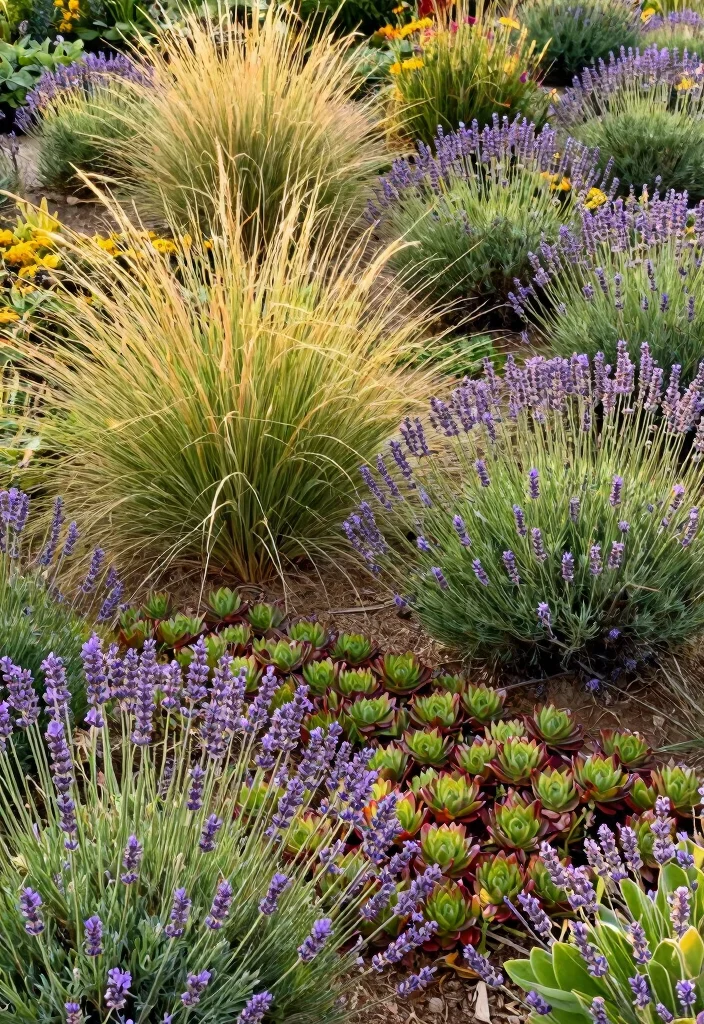
Creating a garden with drought-tolerant plants is a smart way to conserve water while enjoying beautiful visuals. Varieties like lavender and succulents thrive in sunny slopes, requiring minimal maintenance and adding unique shapes and colors to your landscape. Their deep roots help anchor the soil, reducing erosion while providing a stunning array of textures.
Choosing drought-tolerant plants not only benefits your garden but also supports local wildlife. These hardy species are well-suited for dry conditions, making them an ideal choice for sustainable gardening.
Benefits of drought-tolerant planting:
– Reduce water usage, perfect for water-scarce regions.
– Require little maintenance, making them easy to care for.
– Support native species, benefiting local ecosystems.
– Enhance resilience against extreme weather conditions.
By selecting drought-tolerant plants, you can create a beautiful, resilient garden that thrives in any environment.
10. Seasonal Bulbs: A Burst of Spring Color
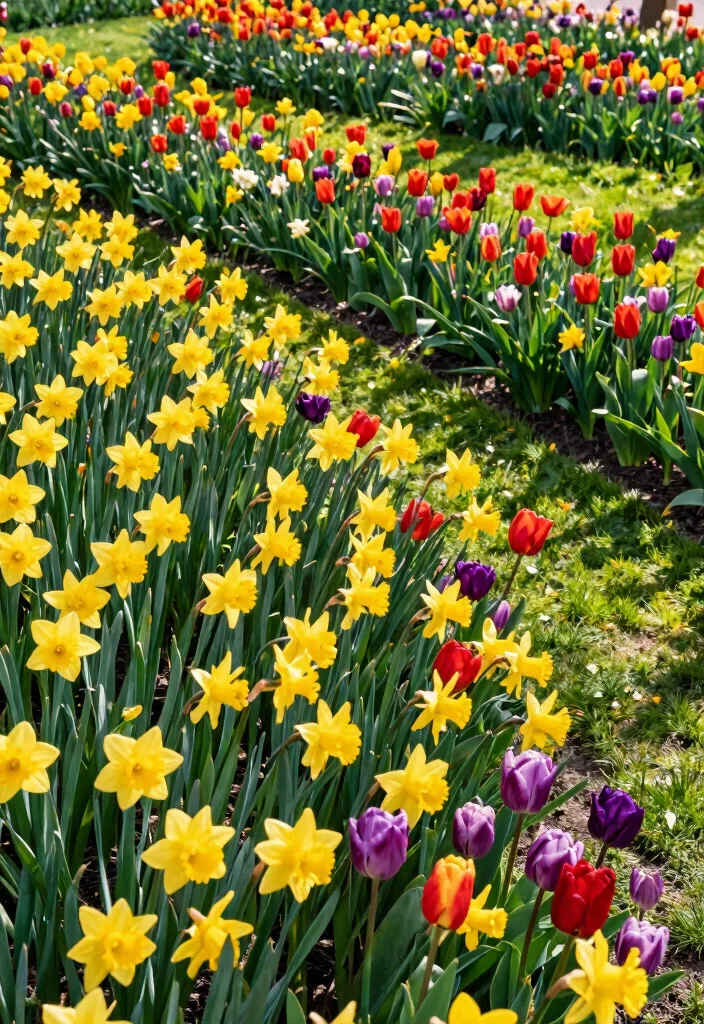
Planting seasonal bulbs in your sloping flower beds is a fantastic way to ensure a vibrant display of color each spring. Bulbs like daffodils and tulips can be layered into your soil, providing stunning bursts of color as they bloom one after another. These hardy flowers establish strong root systems, helping to manage erosion while enhancing the beauty of your garden.
To successfully plant bulbs, ensure they are placed at the correct depth and grouped in odd numbers for a more organic look. Adding mulch can help retain moisture and suppress weeds, allowing your flowers to flourish.
Steps for successful bulb planting:
– Plant bulbs at a depth of two to three times their height.
– Group bulbs in odd numbers for a natural appearance.
– Use mulch to keep moisture and control weeds.
– Choose a variety of bulbs for an extended blooming display.
With careful planning, these seasonal beauties can transform any slope into a colorful canvas that delights the senses.
11. Butterfly Gardens: A Pollinator’s Paradise
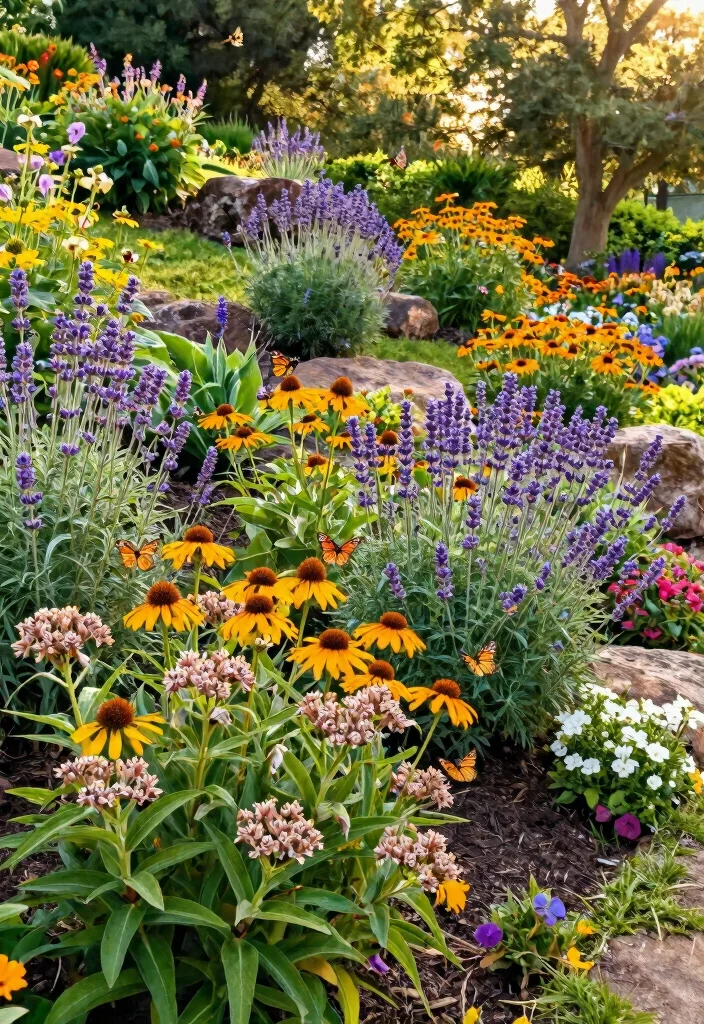
Designing a butterfly garden in your sloped flower bed is a joyful way to attract these enchanting creatures while promoting biodiversity. By planting a variety of nectar-rich flowers like milkweed and coneflower, you create a visually stunning space that provides essential food for butterflies. Layering plants to create inviting habitats supports their life cycles, benefiting both adult butterflies and caterpillars.
For an effective butterfly garden, select native flowers that attract local species. Incorporate taller plants to provide shelter and open spaces for basking, ensuring a welcoming environment for these pollinators.
Key design elements for a butterfly garden:
– Use native flowers that attract local butterfly populations.
– Provide shelter with taller plants and basking spots.
– Include shallow water features for hydration.
– Avoid chemicals to keep your garden safe for pollinators.
This enchanting garden design not only supports the ecosystem but also fills your landscape with vibrant life and movement.
A well-planned set of sloping flower bed ideas for a butterfly garden can boost nectar blooms by up to 30% and attract 6–8 butterfly species. Layer native, nectar-rich plants like milkweed and coneflower to create inviting habitats and practical, pollinator-friendly spaces you can enjoy all season.
12. Water-Wise Gardens: Sustainable and Beautiful
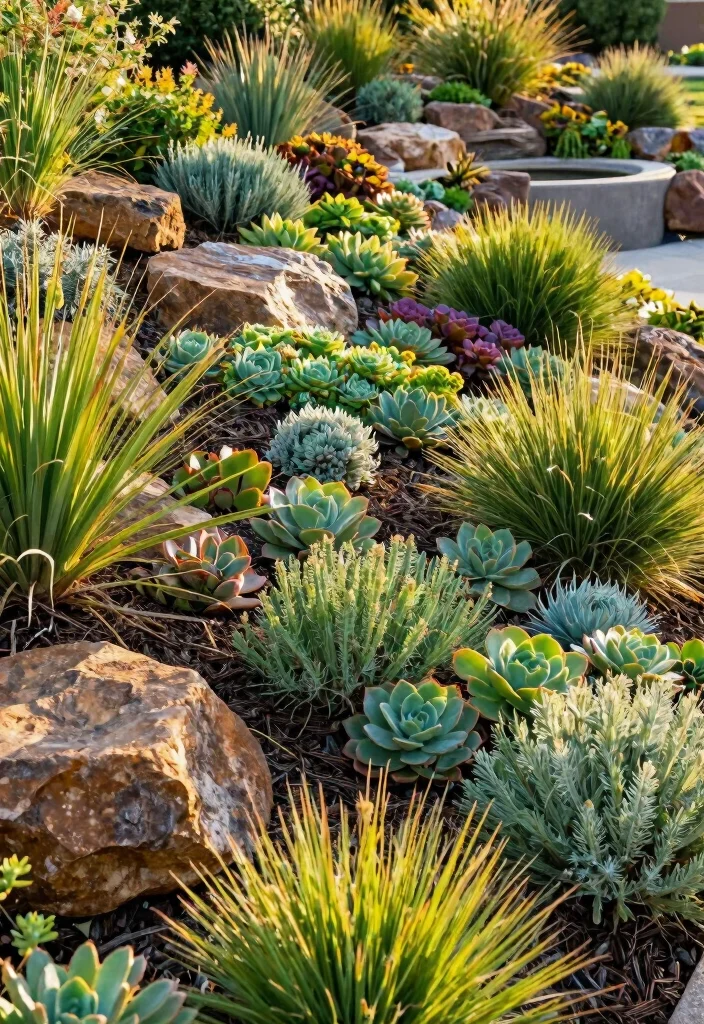
Creating a water-wise garden on a sloping flower bed is both visually appealing and environmentally friendly. By using plants that require less water, like succulents and native perennials, you help retain moisture while preventing erosion. Layering these plants can create beautiful visual effects while conserving valuable resources in your garden.
Incorporate permeable materials like rocks and mulch to facilitate water absorption and reduce runoff. Choosing native plants ensures better acclimation to your local climate, promoting sustainability in your garden.
Tips for a successful water-wise garden:
– Select plants native to your area for better adaptation.
– Use water-saving techniques like rain gardens or swales.
– Apply organic mulch to reduce evaporation.
– Plan for diverse plant selections for year-round interest.
With mindful choices, your water-wise garden can thrive, providing both beauty and ecological benefits that last.
Conclusion: Cultivating Beauty and Sustainability
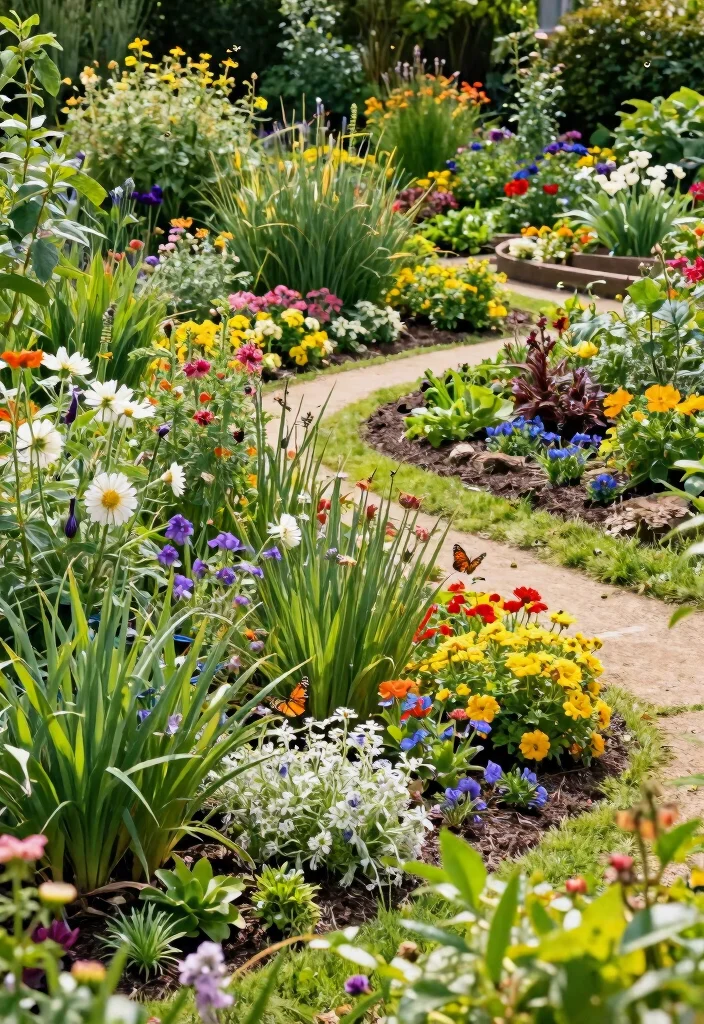
Incorporating sloping flower beds into your garden design not only enhances the beauty of your space but also addresses vital ecological concerns like erosion.
Each of these ideas blends aesthetics with eco-friendly practices, creating gardens that are both stunning and sustainable. By choosing the right plants and employing effective soil stabilization techniques, you can transform your sloped areas into vibrant havens for pollinators and a peaceful retreat for yourself. So grab your gardening gloves and get started on a beautiful journey towards a more sustainable garden!
Frequently Asked Questions
What are the best sloping flower bed ideas that combine erosion control with pollinator-friendly beauty?
Start with sloping flower bed ideas that prioritize soil stability and visual interest. On steeper slopes, pair erosion control plants like creeping sedum, blue fescue, yarrow, and creeping thyme to anchor the soil and attract pollinators.
Next, design layered flower beds by stacking plants in three heights: groundcovers, mid-height perennials, and tall backliners. This creates year-round texture while spreading root systems to stabilize soil on the slope.
Finish with practical soil care: a thick mulch layer, minimal soil disturbance, and a simple drip irrigation plan to keep roots moist without washing away soil. Choose an ornamental plant selection that blooms across seasons to provide nectar sources for bees and butterflies.
Which erosion control plants are best for garden slopes, and how should I select ornamental plants for layered flower beds?
For erosion control on slopes, choose resilient, deep-rooted plants such as erosion control plants including native grasses (like Little Bluestem), ornamental grasses, creeping sedum, creeping thyme, yarrow, and blanketflower. These anchor soil and tolerate sun and drought.
When selecting plants for layered flower beds, think in three layers: groundcovers, mid-height perennials, and tall backplants. Prioritize nectar-rich blooms to support pollinators and pair textures and colors that stay cohesive through the seasons.
Practical steps: test soil, observe sun exposure, group by water needs, and mix perennials with short-lived blooms to maintain continuous coverage and interest.
How can I design a garden slope to create layered flower beds that stabilize soil and support pollinators?
Begin with a quick site audit of your slope’s sun, moisture, and drainage. Then map out garden slope design zones and plan three plant layers: groundcovers, mid-height perennials, and tall backstock. Choose pollinator-friendly varieties that bloom at different times to ensure a steady nectar flow.
Incorporate practical stabilizers like shallow terraces, living retaining edges, and organic mulch to slow runoff. Pair these with erosion control plants that develop strong root networks so your slope stays beautiful and functional year-round.
Finish with a simple irrigation plan (drip or soaker hoses) to water deeply without eroding soil.
What practical steps can I take to implement soil stabilization techniques on a slope without sacrificing aesthetics?
Start with a soil test and select plants with strong root systems that suit your sun and moisture. Then add soil stabilization techniques like shallow terraces or edging to break up runoff paths and create planting pockets.
Choose a diverse mix of erosion control plants and ornamental plant selection that provide color and nectar. Apply a thick, breathable mulch to protect the soil and conserve moisture, and install a drip irrigation system to keep roots hydrated without washing soil away.
Keep aesthetics by grouping plants with complementary colors and heights, and by using natural materials (stone, wood, mulch) that blend into the garden landscape.
How do I maintain a sloping flower bed year-round to prevent erosion and keep a thriving pollinator habitat?
Develop a seasonal maintenance plan that prioritizes soil health and pollinator food sources. In spring, refresh mulch, prune to maintain layered structure, and divide crowded perennials to sustain vigor.
During summer, reseed or replace flowering annuals as needed, water with a schedule that preserves soil structure, and monitor for erosion after heavy rains. In fall, add organic matter and mulch to protect roots through winter. In winter, inspect slopes for washouts and prepare for the next growing season by ordering pollinator-friendly perennials.
Regularly remove invasive species, keep nectar-rich plants thriving, and ensure each layer remains visible to create a robust habitat for bees, butterflies, and other pollinators.