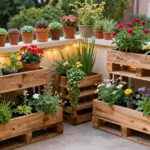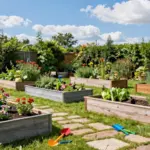
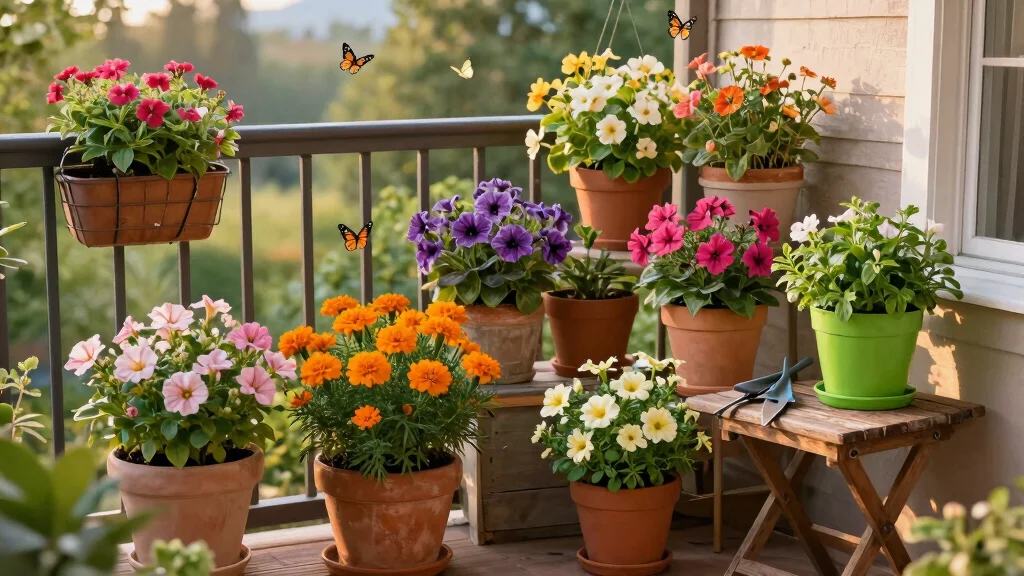
Creating a beautiful flower bed can seem daunting, especially if you’re just starting your gardening journey. That’s why I put this post together. I wanted to share some ideas that are not only simple and easy but also friendly for beginners. If you’ve ever stood in your yard, feeling overwhelmed by the possibilities, you’re not alone. It can be tough to know where to start, but these small flower bed ideas will help you dive right in.
If you’re someone who loves the idea of a colorful garden but doesn’t know how to create one, this guide is for you. Whether you have a small backyard, a cozy balcony, or just a little patch of sunlight, you’ll find inspiration here. I’ve gathered ten delightful flower bed ideas that are approachable and budget-friendly. These suggestions are perfect for anyone who wants to add some charm and beauty to their space without the stress.
In this post, you’ll discover practical tips and creative suggestions for small flower beds. From cheerful container gardens to low-maintenance perennials, each idea is designed to help you get started with confidence. You’ll learn how to mix colors, choose the right plants, and create arrangements that bring joy to your outdoor space. Let’s dig in and explore these small flower bed ideas that are simple, easy, and perfect for beginners!
Key Takeaways
– Discover ten beginner-friendly flower bed ideas that are easy to implement and maintain.
– Explore cheerful container gardens that can brighten up any small space and are great for limited areas.
– Learn about vertical gardens to maximize your growing area and create a stunning visual impact.
– Get inspired by combinations of herbs and flowers that not only beautify your garden but also offer culinary benefits.
– Find out how to choose low-maintenance perennials that provide lasting beauty and require minimal care.
1. Cheerful Container Gardens
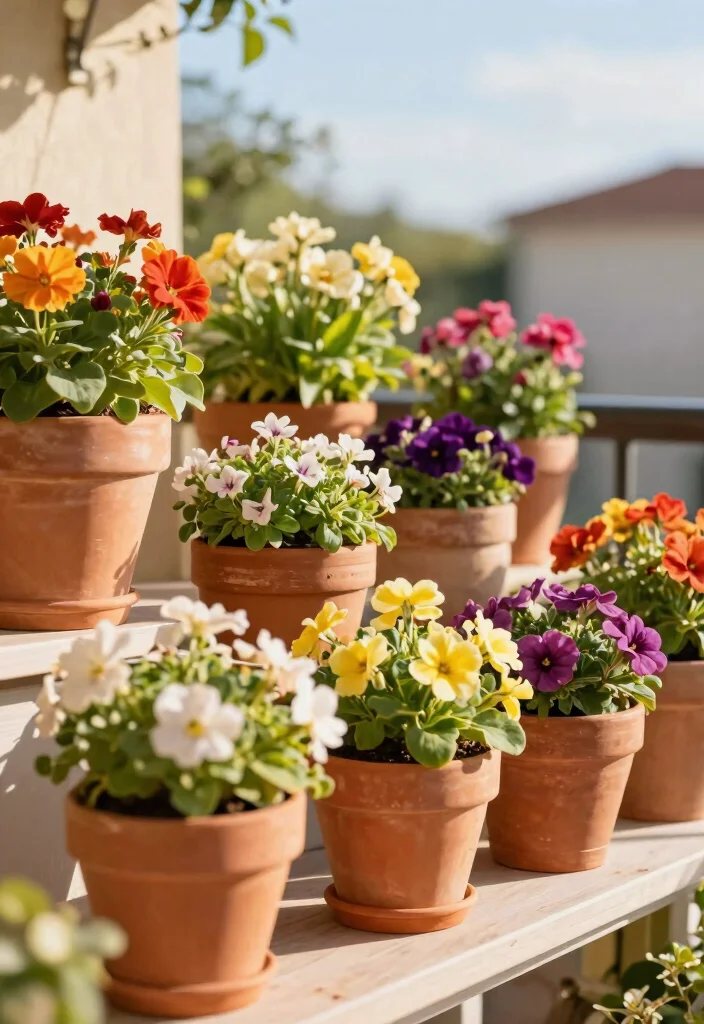
Brighten your small space with a vibrant container garden! By using a variety of containers like terracotta pots and colorful ceramics, you can design a lively floral display. Choose flowers that showcase your style, reflecting the cheerful ambiance you want to create.
Opt for sun-loving options, such as petunias, marigolds, and zinnias, perfect for sunny spots. Add depth and texture with trailing plants like ivy or bacopa. Make sure to use quality potting soil and enhance drainage by adding stones at the bottom of each pot. You can even personalize your containers with paint or decorations to match your outdoor vibe.
Key flower choices:
– Petunias for vibrant colors
– Marigolds that deter pests
– Zinnias for long-lasting blooms
– Bacopa as a lovely trailing option
– Ivy for added texture
This approach not only enlivens your garden but also allows you to express your creativity. Enjoy the beauty and fragrance of your blooms in a compact space!
2. Vertical Gardens for Small Spaces
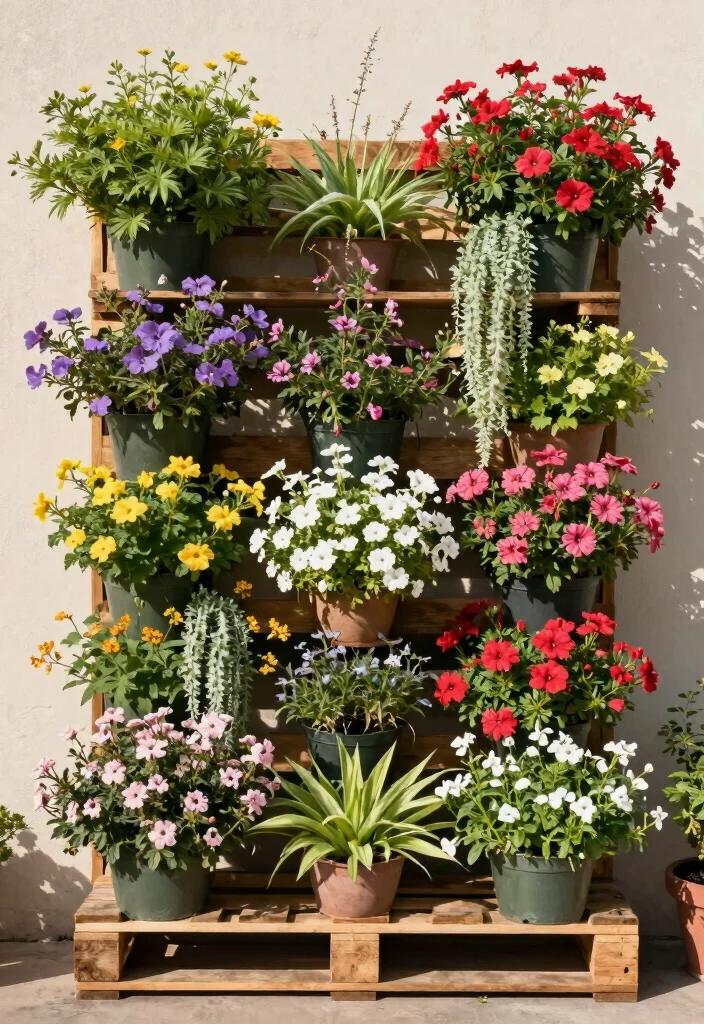
Short on ground space? Vertical gardens are your solution! These creative setups utilize wall space to display your favorite flowers in stunning arrangements. You can use wall planters, trellises, or even pallets to create layers of color and texture.
Start with climbing plants like sweet peas or morning glories for a beautiful draping effect, and add trailing succulents or herbs for a unique twist. This concept not only conserves space but also creates a captivating focal point in your patio or yard. Choose pots that complement your wall colors for a cohesive look.
Essential flowers to consider:
– Sweet Peas for fragrant blooms
– Morning Glories for vibrant colors
– Trailing Succulents for low maintenance
Ensure your vertical garden receives adequate sunlight depending on the plants you choose for optimal growth. Enjoy the beauty and functionality of your elevated blooms!
3. Herbs and Flowers in One Bed
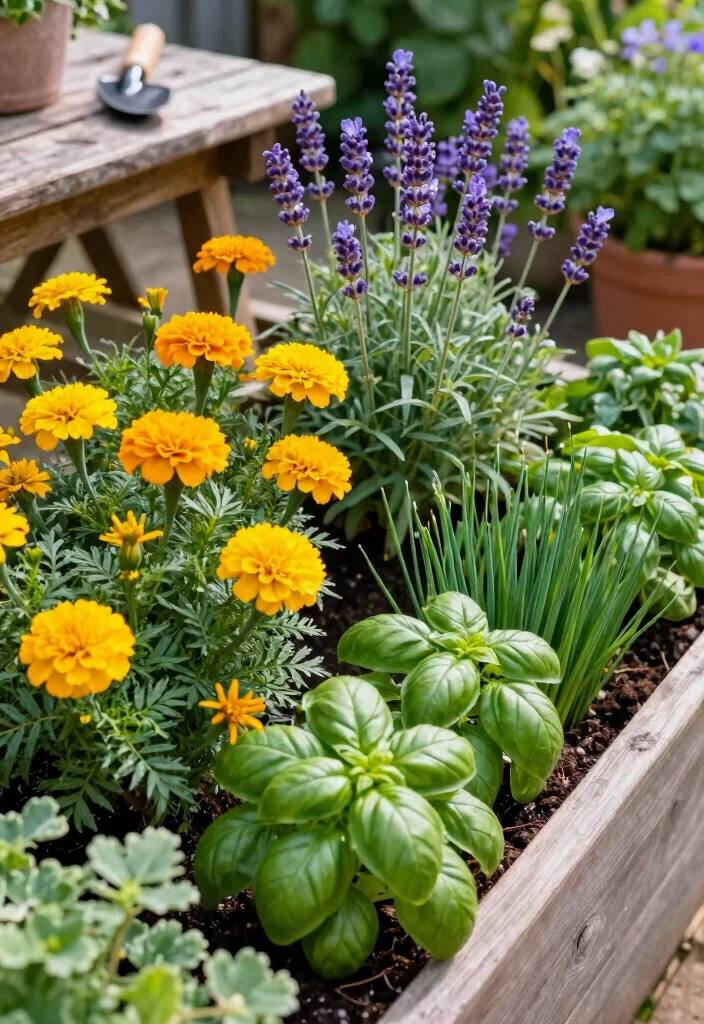
Blend your passion for cooking with gardening by creating a herb and flower bed! This delightful combination adds beauty and practicality to your cooking space. Imagine snipping fresh basil while enjoying the sight of marigolds in full bloom!
Select flowers that complement herbs, like lavender to attract pollinators and nasturtiums, whose colorful blooms are also edible. Using containers can keep your herbs organized and accessible. This dual-purpose gardening maximizes your small area and provides fresh ingredients right when you need them.
Perfect pairings include:
– Basil with Marigolds for vibrant color
– Lavender with Rosemary for aromatic beauty
– Nasturtiums with Chives for an edible display
Regularly prune your herbs to encourage bushier growth, making your garden both beautiful and functional!
4. Succulent Arrangements
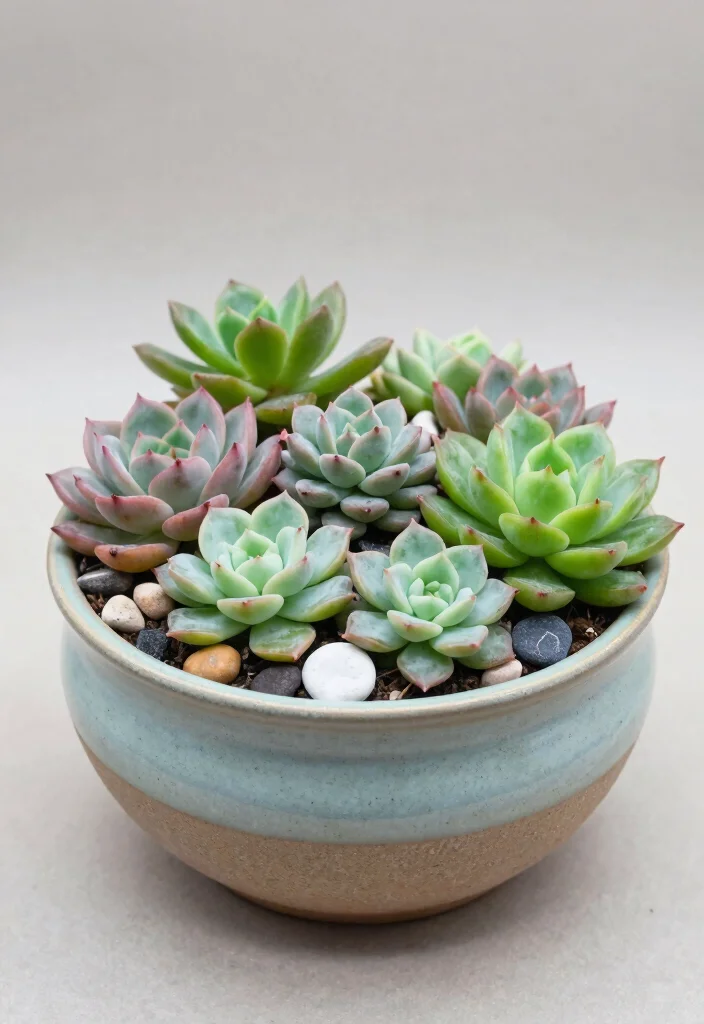
If you’re a busy beginner, succulent arrangements are the ideal choice! These resilient plants thrive in various lighting conditions and need little care.
Mix different succulent varieties for a unique display, pairing them with decorative stones or pebbles for added charm. You can create either a modern or rustic look depending on your container choices. Remember to use cactus soil for optimal drainage. Succulents provide a pop of color and texture, enhancing your small flower bed beautifully.
Recommended succulent varieties:
– Echeveria for rosette shapes
– Haworthia for unique patterns
– Sedum for trailing effects
Group succulents with similar watering needs to ensure they thrive, and allow the soil to dry completely between waterings!
How To Choose the Right Small Flower Bed Ideas
When starting your journey into small flower bed gardening, it’s essential to pick the right design to suit your space and style. Here are some key factors to consider when selecting your ideal small flower bed layout.
1. Size of Your Space
Before you begin planning, measure your available area. Consider how much space you have for planting. Smaller spaces might benefit from container gardening or vertical gardens, which maximize space and allow for a variety of plants. If you have a balcony or a compact yard, think about how much sunlight the area gets, as this will influence what types of flowers you can grow.
2. Flower Selection
Choose flowers that thrive in your climate and soil type. For beginners, consider low-maintenance options like marigolds or petunias. They are forgiving and bloom beautifully. Make sure to mix different colors and heights for visual interest. You can also think about seasonal flowers if you want to change your display throughout the year.
3. Design and Layout
Plan your layout carefully. Do you want a symmetrical design, or are you leaning toward a more whimsical arrangement? Color-blocked flower beds can create a striking visual. Sketch your ideas on paper or use garden design apps for a clearer picture. Remember to leave enough space between plants to allow for growth.
4. Container Choices
If you’re opting for container gardening, select pots that complement your flowers and match your aesthetic. Terracotta or ceramic pots can add a rustic touch, while modern metals give a sleek look. Ensure your containers have drainage holes to prevent overwatering. The size of the container matters too; larger pots provide more soil, which can help plants stay healthy.
5. Maintenance Requirements
Knowing how much time you can devote to your flower bed is crucial. Some plants require regular watering and deadheading, while others are more self-sufficient. If you’re new to gardening, consider low-maintenance perennials that come back year after year with minimal care. Always keep in mind your watering schedule and whether you can dedicate time to weed or replant as necessary.
6. Budget Considerations
Gardening can range from inexpensive to quite costly depending on your choices. Factor in the cost of plants, soil, containers, and any tools you might need. You can start small and gradually expand your flower bed as you gain experience. Look for local plant sales or community swaps to score some great deals on plants.
Pro Tip: Start with a small section of your garden. Once you see what works for you, you can expand or change your designs. Keep notes on what you like and don’t like to help refine your future choices.
By considering these factors, you’re on your way to creating a beautiful, small flower bed that fits perfectly into your gardening lifestyle. Remember to enjoy the process and learn as you grow!
5. Seasonal Color Blooms
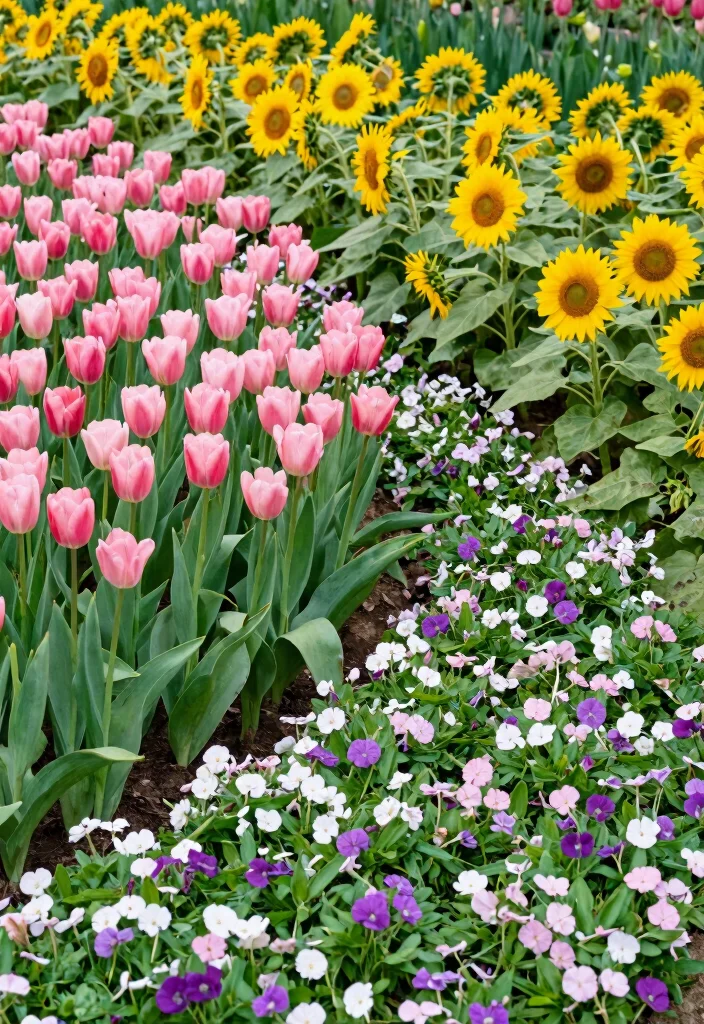
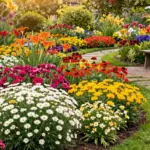
Revitalize your small flower bed with seasonal blooms that bring fresh beauty throughout the year! This approach keeps your garden exciting and dynamic. Begin with early spring flowers like tulips and daffodils, then transition to summer favorites such as sunflowers and dahlias.
For fall, consider vibrant chrysanthemums, and in winter, pansies can add color even in chillier months. Mixing different seasonal flowers creates a vibrant display and makes gardening efforts more rewarding.
Seasonal bloom suggestions:
– Spring: Tulips, Daffodils
– Summer: Sunflowers, Dahlias
– Fall: Chrysanthemums
– Winter: Pansies
Deadhead old flowers to promote new growth, and layer your blooms by height for an attractive look!
Did you know that rotating just four seasonal blooms can keep a small flower bed ideas simple and vibrant all year? Plant tulips and daffodils in spring, sunflowers or dahlias in summer, chrysanthemums in fall, and pansies in winter—your garden stays colorful with minimal effort.
6. Fairy Garden Haven
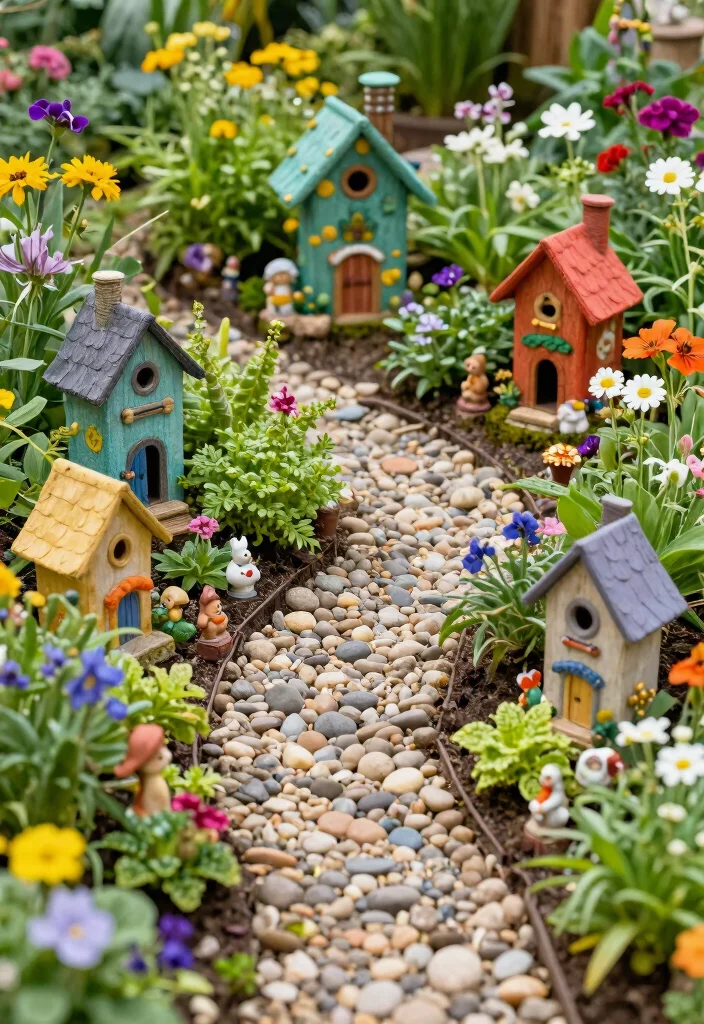
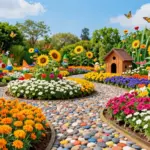
Unleash your creativity by creating a magical fairy garden in your flower bed! This whimsical idea is perfect for families and anyone looking to add enchantment to their space. Start with small plants like creeping thyme or mini hostas as the foundation.
Decorate with tiny fairy houses, miniature decorations, and figures to create interest and spark conversations. Encourage friends or kids to join in on the fun by helping to create or change decorations!
Plant suggestions include:
– Creeping Thyme for ground cover
– Mini Hostas for lush greenery
– Small Ferns for added texture
Use pebbles for pathways and miniature furniture to create a cozy fairy atmosphere, and change decorations seasonally for fresh themes!
Fun fact: Fairy gardens in container setups can boost outdoor time by 25% for kids and guests. Even with tiny thyme and mini houses, your small flower bed ideas simple can feel magical and inviting—perfect for family creativity.
7. Color-Blocked Flower Beds
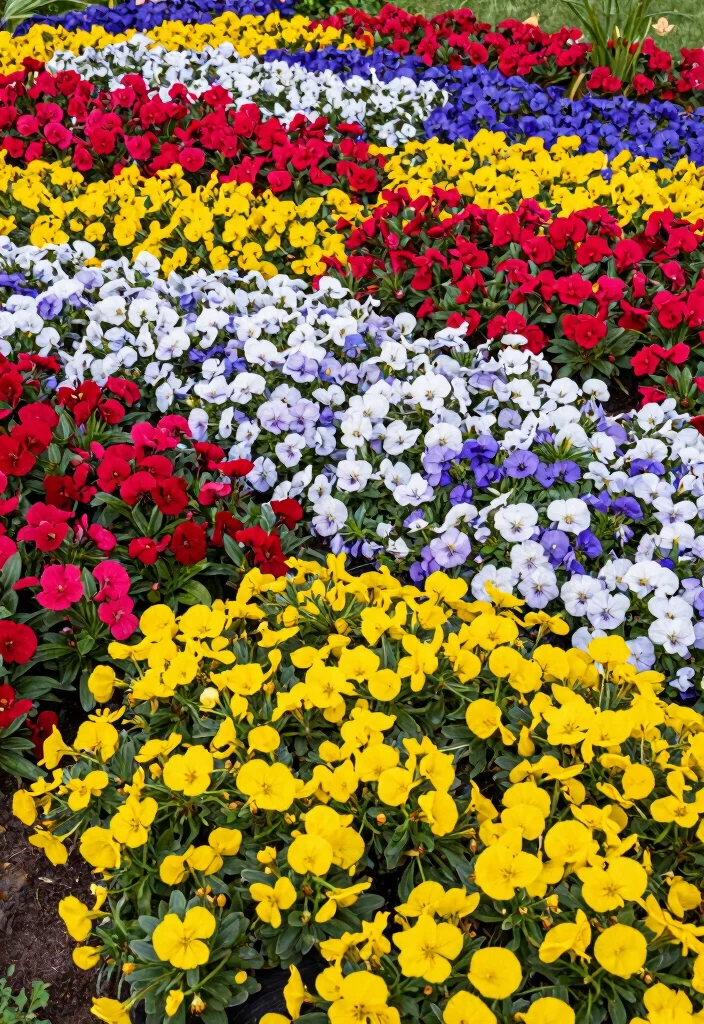
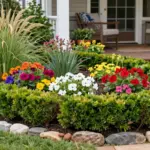
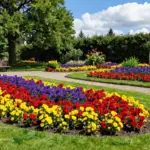
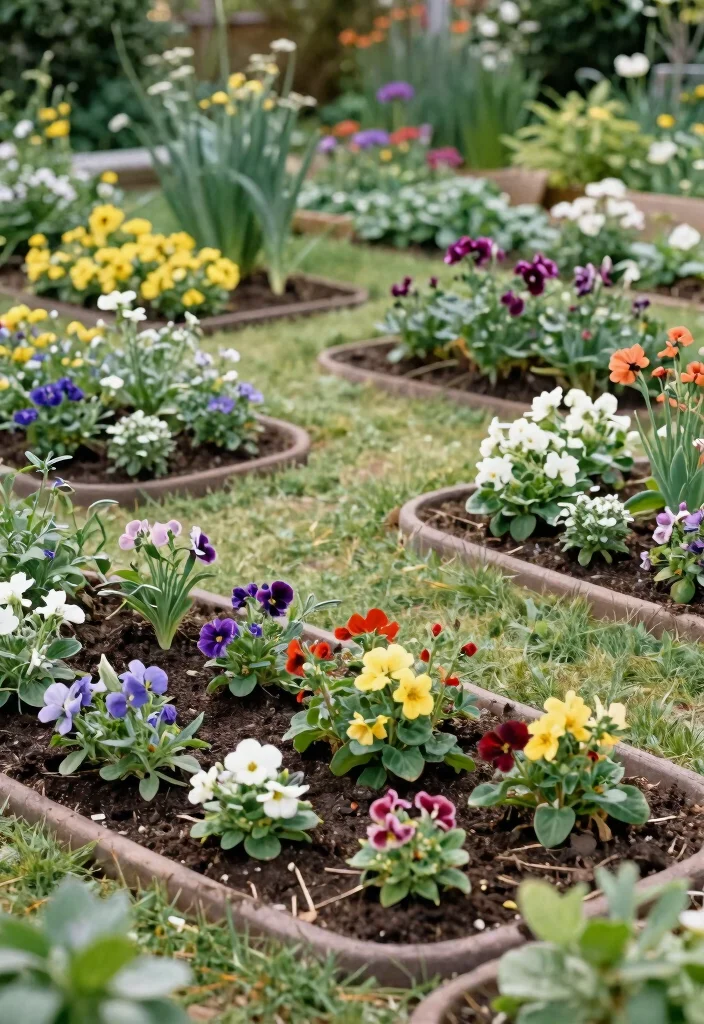
Color-blocking is a stylish method to unify your small flower bed! By choosing a limited palette, you can create striking contrasts that catch the eye. Begin by grouping flowers by color—think bold reds next to bright yellows or calming blues alongside whites.
This approach not only makes a statement but simplifies the planting process for beginners. A consistent color scheme can tie your garden together, giving it a professional look without extensive gardening experience.
Color palette ideas:
– Red & Yellow for warmth
– Blue & White for a serene vibe
– Pink & Purple for a romantic feel
Group flowers together for maximum impact, and use varying heights to add depth to your color blocks!
8. Wildflower Bouquets
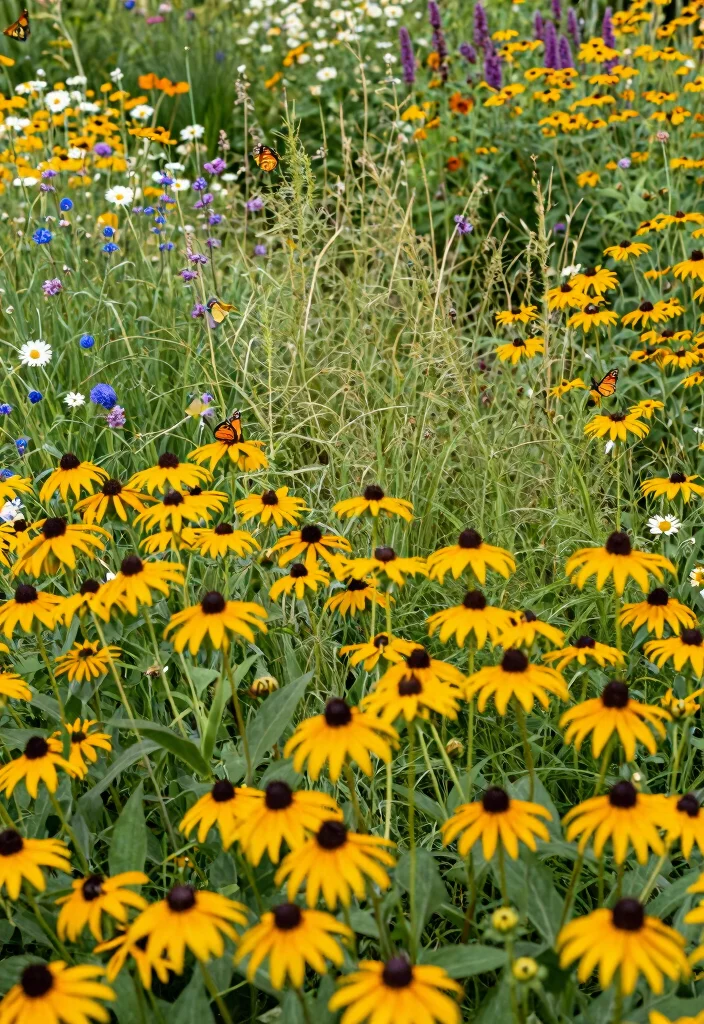
For those who appreciate a natural aesthetic, a wildflower bouquet garden is a fantastic choice! This effortless design promotes biodiversity and attracts pollinators, enriching your small flower bed’s ecosystem. Select a mix of native wildflowers that thrive in your area for a sustainable garden.
Scatter seeds directly into the ground and let nature work its magic for a beautiful, free-spirited appearance. This low-maintenance method brings a charming, untamed quality to your small space.
Wildflower suggestions include:
– Black-Eyed Susans for cheerful color
– Coneflowers for resilience
– Asters for late-season blooms
Seed in the fall for a spring bloom and keep an eye on weeds for minimal maintenance!
Did you know native wildflowers attract pollinators up to 3–5x more than non-native mixes in small flower beds? A wildflower bouquet garden brings biodiversity, simple charm, and low maintenance. Scatter seeds directly into the ground and let nature work its magic.
9. Edible Blooms
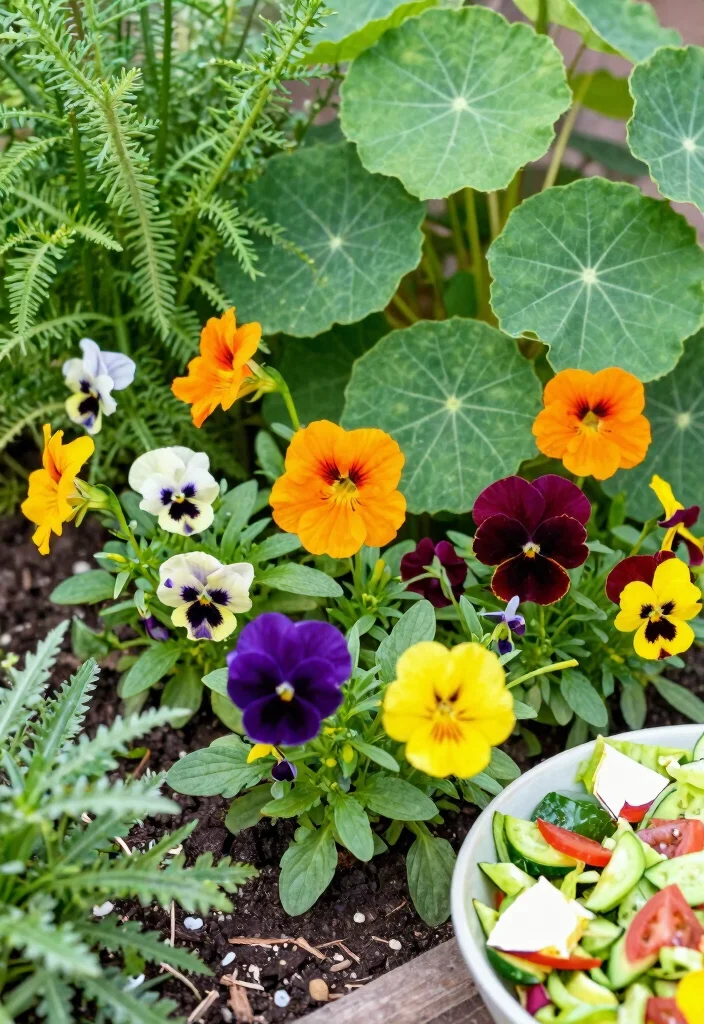
Why not enjoy the beauty and culinary benefits of edible blooms? Flowers like nasturtiums, calendula, and pansies not only enhance your garden but can also elevate your meals!
Create small beds featuring these flowers alongside traditional herbs for an engaging gardening experience. This way, you not only grow flowers but also enrich your dishes with fresh ingredients. Ensure that your flowers are grown without pesticides for safe consumption.
Edible flower suggestions:
– Nasturtiums for peppery flavor
– Calendula for vibrant color
– Pansies for decorative appeal
Consider companion planting with herbs for optimal growth, and sprinkle edible flowers over salads or desserts for a delightful touch!
10. Low-Maintenance Perennials
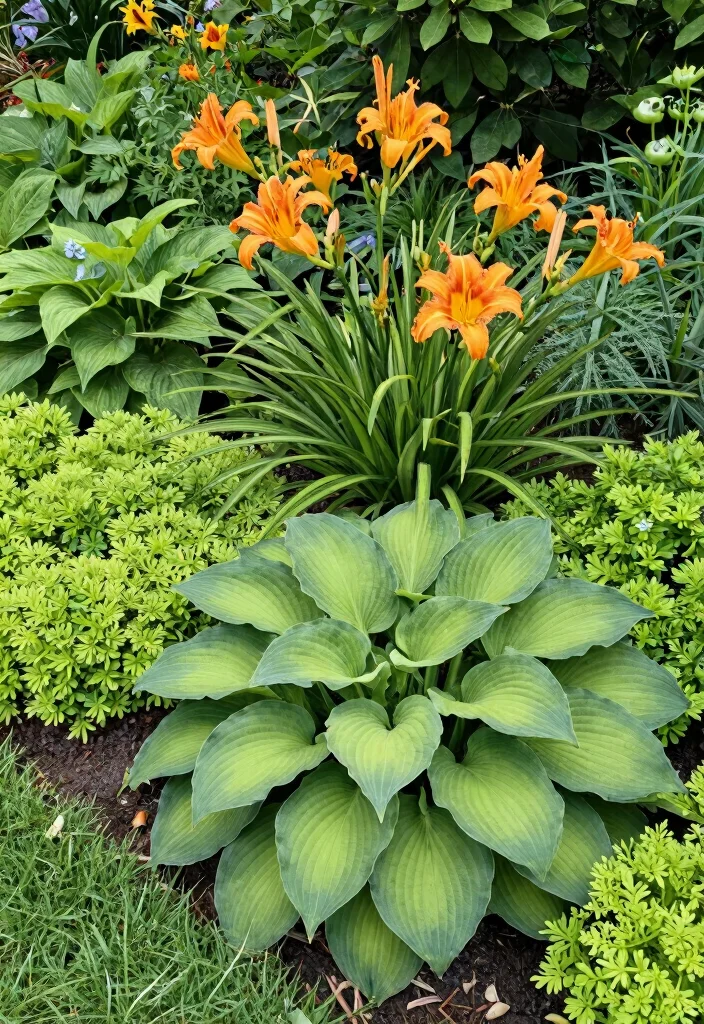
Choose low-maintenance perennials for a flower bed that flourishes year after year with minimal effort. Plants like hostas, daylilies, and sedums provide consistent blooms and beautiful foliage without the hassle of replanting annually.
Select varieties with different blooming times to ensure your garden remains colorful throughout the seasons. This strategy allows for lasting beauty without the stress of frequent replanting. Simply cut back the foliage in the fall, and they’ll return each spring, creating a hassle-free gardening experience.
Best low-maintenance perennials:
– Hostas for lush foliage
– Daylilies for vibrant blooms
– Sedums for drought resistance
Mulch in early spring to suppress weeds and retain moisture, and mix heights and colors for a lush appearance!
Conclusion
Gardening can be a joyful and rewarding experience, especially with these small flower bed ideas that are simple and beginner-friendly. Whether you choose to create a cheerful container garden or a whimsical fairy garden, each of these designs allows you to bring your personal touch to your space.
Experimenting with colors and plant combinations can transform your small area into a vibrant oasis. So grab your gardening gloves and get started—your little piece of paradise awaits!
Frequently Asked Questions
What are some practical small flower bed ideas simple for beginners using containers?
Here are practical steps to turn a tiny space into a lush container garden. Start with a sunny spot, and focus on small flower bed ideas simple by keeping a cohesive color palette of 2–3 shades. Choose compact, container-friendly varieties like dwarf geraniums, calibrachoa, petunias, and creeping thyme. Use a well-draining potting mix and layer plants by height to create depth with a mix of textures. Group containers close together to mimic a real bed and keep irrigation simple. For maintenance, try beginner gardening tips like regular deadheading, consistent watering, and periodic feeding. This is practical container gardening ideas you can start today.
Tip: use drainage trays, water early in the day, and rotate color blocks every few weeks to refresh the look without buying new plants.
How can I design a small garden using easy flower bed layouts that fit on a balcony or patio?
Begin with a simple plan: measure your space, then sketch a quick flower bed layouts map. Apply small garden design principles: choose a focal point, harmonize colors, and keep paths clear. Use 2–3 container sizes to create depth and rhythm, and add vertical elements like railing planters or a trellis for height. Try layout styles such as a neat grid with matching pots, a curved edge line with staggered heights, or a diagonal long bed that centers a single plant as a focal point. Keep soil fresh and well-draining, rotate plants seasonally, and stay within your container gardening ideas for small spaces.
What beginner gardening tips help me choose plants that thrive in small flower beds?
Start by matching plants to your sun and water conditions, then pick beginner-friendly, space-conscious varieties. For beginner gardening tips, choose compact annuals like dwarf petunias or calibrachoa, trailing geraniums, and small flowering perennials that suit your climate. Group plants in threes for visual impact and use container gardening ideas to extend color throughout the season. Use a high-quality, well-draining potting mix, a simple feeding plan, and regular deadheading to keep the bed looking fresh with small flower bed ideas simple in mind.
With a little planning, you’ll have lasting color without overwhelming care.
Which easy flower arrangements work best for container gardens in small spaces?
Think in triads: fillers, foliage, and a focal plant to create a balanced look in each container. Try color-blocked arrangements with a single bloom color, or monochrome drifts using different textures. Trailing varieties can cascade over edges, while upright blooms provide height and interest. Pair low-growing greenery with a bright focal flower and repeat the theme across several containers to build a cohesive flower bed layouts rhythm. These easy flower arrangements are perfect for container gardening ideas in tight spaces.
Experiment with different pot shapes and heights to keep the display dynamic.
How can I keep a small flower bed low-maintenance throughout the seasons?
Set up a simple maintenance routine you can stick to. Mulch to conserve moisture and suppress weeds, and install a basic drip irrigation or self-watering container system to reduce daily care. Deadhead faded blooms to encourage new growth, and rotate a few seasonal favorites to extend interest. Choose hardy, pest-resistant plants and use beginner gardening tips like seasonal pruning and timely fertilization. With these steps, your small flower bed ideas simple will stay vibrant with minimal effort.
Check chores on a monthly calendar and adjust for seasonal weather to keep things looking fresh.